Private İnönü Battlefield Historical Experience
Ask us about a tailor-made historical route combining İnönü Martyrs’ Cemetery, Metristepe Victory Monument and the wider Bozüyük battlefield landscape.
Request a Custom Tour





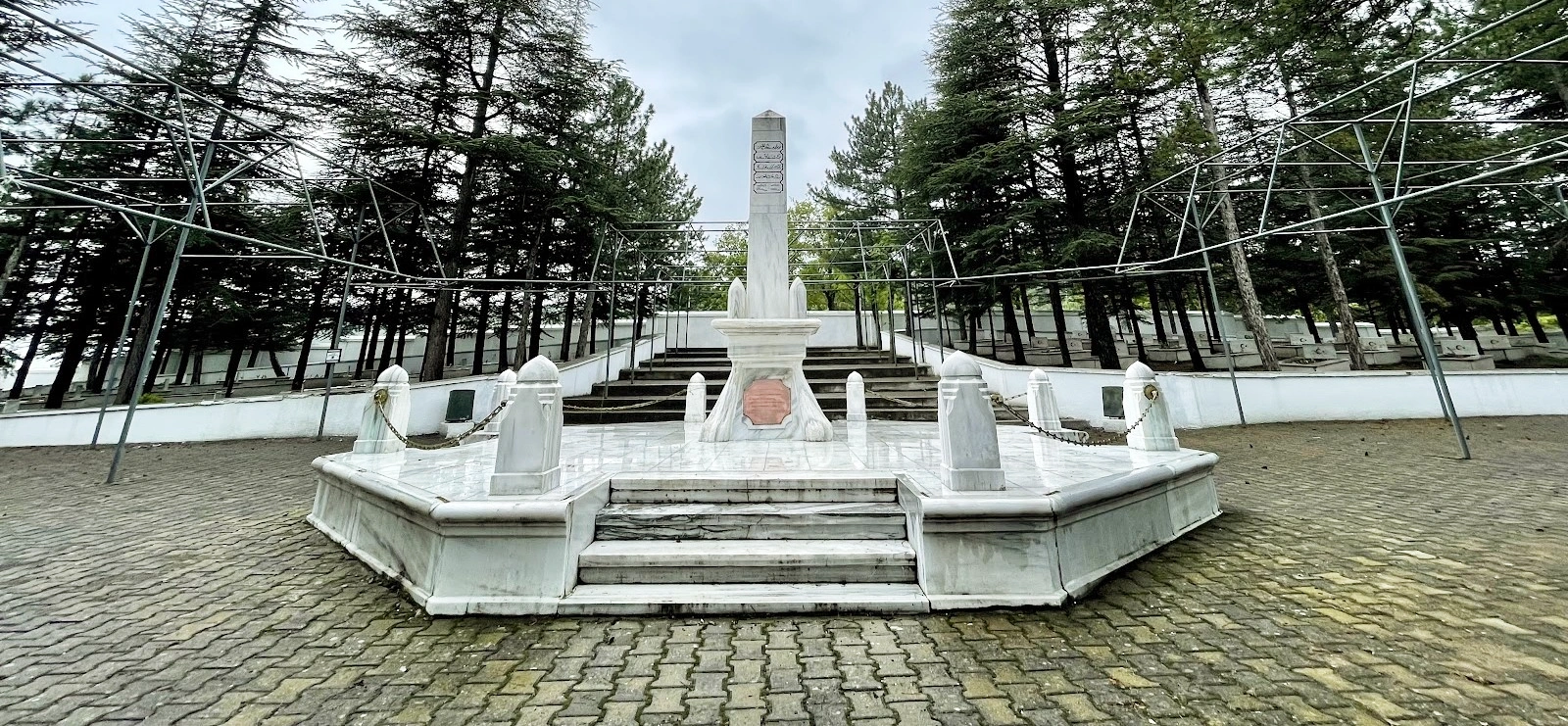
İnönü Martyrs’ Cemetery stands near Akpınar in Bozüyük, Bilecik Province, within the landscape where some of the most important fighting of the early Turkish War of Independence took place. Surrounded by trees and positioned close to the historic İnönü–Metristepe battlefield zone, the cemetery preserves the memory of soldiers who lost their lives during the First and Second Battles of İnönü in 1921.
The battles were fought at a critical stage of the War of Independence, when the army of the Ankara-based Grand National Assembly was still developing into a regular military force. The First Battle of İnönü took place between 6 and 11 January 1921, while the much larger Second Battle of İnönü was fought from 23 March to 1 April 1921. Both became important milestones in the struggle on the Western Front.
The cemetery lies approximately 6–7 kilometres from Bozüyük, near Akpınar and the Bozüyük–Kütahya road. Official cultural records describe a memorial landscape containing 141 marked graves together with a central marble monument. The site should therefore be understood not simply as a conventional burial ground, but as a carefully created place of collective remembrance associated with casualties from the wider battlefield.
Local historical information records that in 1922, after the fighting had ended in this sector, Akpınar was selected as a central cemetery area and remains from battlefield graves were gathered here. A separate official cultural inventory dates the construction of the commemorative ensemble to the 1930s, indicating that the cemetery developed through more than one stage rather than appearing in its present form immediately after the battles.
Today, the quiet combination of marble graves, memorial stone, pine-covered slopes and battlefield geography makes İnönü Martyrs’ Cemetery one of the most moving historical places in Bilecik Province. For the fullest understanding, combine the cemetery with the nearby Metristepe Victory Monument, where the military story of the İnönü battles can be read across the landscape itself.
The cemetery commemorates soldiers associated with the First and Second Battles of İnönü.
The memorial cemetery contains 141 marked graves within its landscaped grounds.
The site stands near Akpınar, approximately 6–7 km from Bozüyük.
Official commemorations connected with the İnönü victories are traditionally held here around 1 April.
Essential information about this important War of Independence memorial near Bozüyük.
Akpınar area, Bozüyük district, Bilecik Province.
Open on Google MapsMilitary memorial cemetery associated with the Battles of İnönü and the Turkish War of Independence.
First İnönü: 6–11 January 1921. Second İnönü: 23 March–1 April 1921.
141 graves are recorded within the memorial cemetery.
A marble commemorative monument stands prominently within the cemetery.
The cemetery is surrounded by pine and fir trees in a quiet hillside setting.
Approximately 6–7 km from central Bozüyük.
Akpınar was selected for a centralized memorial cemetery following the battles, with work beginning in the early 1920s.
Part of the wider Metristepe–İnönü battlefield landscape of the Western Front.
Annual ceremonies traditionally honor the fallen around the anniversary of the Second İnönü Victory.
The cemetery connects the physical landscape of the 1921 battles with the human cost of the Turkish War of Independence.
The importance of İnönü Martyrs’ Cemetery comes first from its direct geographical relationship with the İnönü battlefield. This was not a memorial created in a distant city. It stands within the wider area where Turkish and Greek forces fought across the Metristepe–İnönü front during 1921.
The cemetery therefore adds a deeply human dimension to the military history. Battle maps describe ridges, railway lines, defensive positions and troop movements, but the graves remind visitors that these operations involved individual soldiers whose lives ended on this landscape.
The two Battles of İnönü occurred during the early phase of the regular army organized under the government of the Grand National Assembly in Ankara. Their outcome carried significance beyond the battlefield, strengthening the position of the Ankara government and demonstrating that its forces could resist major attacks on the Western Front.
For modern visitors, the cemetery and Metristepe Victory Monument serve different but complementary purposes. Metristepe helps explain strategy, terrain and victory; the cemetery focuses attention on sacrifice, remembrance and loss.
To understand the cemetery, it helps to imagine the region without modern roads and buildings. The railway corridor, valleys, hills and ridges between Bozüyük, Metristepe and İnönü formed a strategic approach toward Eskişehir and the interior of Anatolia.
Control of these routes mattered enormously. An advancing army moving east from Bursa had to negotiate a landscape of natural defensive positions, narrow approaches and commanding heights. The Turkish forces used this geography to establish defensive lines around İnönü.
Metristepe became particularly important during the second battle. From the high ground, commanders could observe sections of the battlefield and the direction of enemy movement. The surrounding ridges therefore became both military positions and, after the war, places of national remembrance.
İnönü Martyrs’ Cemetery belongs to this same geographic story. Its location near Akpınar places visitors within the historic battlefield zone rather than merely presenting the events through museum objects or written interpretation.
The First Battle of İnönü was fought from 6 to 11 January 1921 during the early months of the regular army established by the Ankara government.
Greek forces advanced eastward from the Bursa region toward the İnönü positions. The Turkish Western Front forces resisted the advance in difficult winter conditions and, after several days of fighting, the Greek units withdrew.
Militarily, the scale of the First Battle of İnönü was smaller than many later campaigns of the War of Independence. Its symbolic and political importance, however, was considerable because it demonstrated that the developing regular army could organize and maintain resistance on the Western Front.
The battle was followed by a brief period of intensified diplomatic activity, but military operations resumed only a few months later. The second confrontation around İnönü would be considerably larger and more severe.
The campaign associated with the First Battle of İnönü began.
The fighting formed part of the struggle to stop an advance from the Bursa direction toward Eskişehir.
The battle became an early test of the reorganized forces of the Ankara government.
The confrontation ended with the attacking Greek forces withdrawing from the İnönü sector.
A much larger confrontation began on 23 March 1921 when Greek forces again advanced toward the Turkish defensive positions. The operation extended across a broad front and included fighting around İnönü, Metristepe and neighbouring heights.
By late March, the fighting had become intense. Metristepe and surrounding positions changed tactical importance as both armies attempted to secure the ridges controlling the battlefield. The Turkish defensive line came under severe pressure.
During the final phase, Turkish reinforcements strengthened sections of the front, while the Greek army eventually began withdrawing. By 1 April 1921, the result was recognized as a Turkish victory.
The Second Battle of İnönü subsequently became one of the best-known episodes of the early War of Independence. Its anniversary is closely connected with memorial ceremonies in Bozüyük, Metristepe and the İnönü Martyrs’ Cemetery.
Soldiers killed during major battles were not always buried immediately in organized cemeteries. In wartime conditions, many were initially buried close to the locations where they died across the wider battlefield.
After the fighting, there was a need to gather these scattered battlefield burials into a more permanent commemorative setting. Local historical records state that in 1922 officials including military representatives and the Bozüyük municipal administration selected the Akpınar area for this purpose.
The location was appropriate because it stood within the same landscape that had witnessed the fighting. Creating a cemetery here allowed the fallen to be commemorated inside the battlefield environment rather than far from it.
Akpınar also occupies a hillside position surrounded by trees, giving the cemetery the quiet and enclosed atmosphere that visitors experience today.
Bozüyük municipal historical information records that after the battles, the Akpınar area was selected in 1922 as the location where fallen soldiers from the İnönü battlefield could be gathered and commemorated.
The same local account describes the collection and reburial of remains from numerous battlefield graves across the front, with the exception of certain separate burial areas. This process transformed Akpınar from one location within the battlefield into a central landscape of remembrance.
A Ministry cultural inventory, however, lists the cemetery monument itself as dating from the 1930s. Another official national cemetery catalogue gives 1922 as the cemetery date. These records are best understood as documenting different stages in the site's development: the establishment of the burial area, followed by later formalization and monumental construction.
This layered history is important. The cemetery was not created as a modern tourist attraction. It grew from the immediate need to recover, rebury and commemorate soldiers who had died across an active battlefield.
One of the most important details for visitors to understand is that the 141 marked graves should not be interpreted as the total number of soldiers killed during the İnönü battles. The fighting extended across a large front and caused casualties far beyond the number represented by individual grave markers here.
Official national cemetery documentation lists 141 graves at İnönü Martyrs’ Cemetery. Local historical accounts also describe a much wider program of gathering remains from battlefield burial locations into the Akpınar cemetery.
The resulting site therefore combines the functions of burial ground, representative memorial and collective place of remembrance. Some historical identities connected with battlefield burials were uncertain, making collective commemoration particularly important.
Walking among the graves is very different from viewing the battlefield from Metristepe. Here the focus shifts from armies and military movements to the individuals who bore the cost of the fighting.
The present memorial cemetery records 141 graves.
Remains were gathered from locations across the wider battlefield after the fighting.
The cemetery honors far more than a simple count of visible grave markers.
Visitors should treat every part of the cemetery as a place of burial and remembrance.
Near the heart of the cemetery stands a white marble commemorative monument that serves as the visual focus of the site.
The monument rises vertically from a marble platform, contrasting strongly with the dark green trees surrounding the cemetery. Its restrained design directs attention toward inscription, memory and sacrifice rather than elaborate decoration.
Official cultural inventory information records Ottoman-script writing on the monument, with Turkish explanatory material on the base. Decorative forms resembling artillery shells appear around the platform, connecting the monument visually with its military context.
During official remembrance ceremonies, the monument becomes the principal focus for wreath laying, moments of silence and formal commemoration.
Official tourism information repeatedly emphasizes the cemetery's natural setting. The memorial is surrounded by pine and fir trees, creating a calm atmosphere very different from the exposed ridges of the battlefield.
The trees provide shade, frame the white marble graves and create a sense of separation from the nearby road. Their dark foliage also forms a powerful visual background for the pale stone monument.
For many visitors, this landscape is central to the emotional character of the site. The cemetery feels quiet, enclosed and contemplative, encouraging a slower style of visit than a conventional sightseeing attraction.
Seasonal conditions can change the experience significantly. Spring brings greener vegetation, while autumn and winter can make the exposed battlefield geography beyond the trees easier to understand.
Evergreen trees create shade and form much of the cemetery's visual setting.
Official tourism descriptions also identify fir trees around the memorial landscape.
The pale graves and monument stand out strongly against the darker woodland.
The enclosed landscape encourages reflection rather than hurried sightseeing.
Anyone visiting İnönü Martyrs’ Cemetery should strongly consider combining it with Metristepe Victory Monument. The two sites interpret the same historical landscape from very different perspectives.
Metristepe occupies elevated battlefield terrain and is particularly useful for understanding military geography, troop movements and the strategic importance of the ridges. Its modern monument rises prominently above the surrounding landscape.
İnönü Martyrs’ Cemetery, by contrast, brings the story to a human scale. Here visitors encounter graves, memorial inscriptions and the physical act of remembrance.
Visiting both creates a fuller understanding: Metristepe explains how the battlefield worked; the cemetery reminds visitors what the battle cost.
İnönü Martyrs’ Cemetery remains an active place of remembrance rather than a purely historical monument. Official ceremonies connected with the anniversary of the Second İnönü Victory are held in the Bozüyük battlefield area each year.
The principal commemorative date is 1 April, marking the conclusion of the Second Battle of İnönü in 1921. Programs commonly include ceremonies at both Metristepe Victory Monument and the İnönü Martyrs’ Cemetery.
Recent official programs have included wreath laying, moments of silence, the Turkish National Anthem, ceremonial salutes, prayers and visits to the graves.
Visitors traveling around 1 April should therefore expect larger numbers of participants, official delegations and possible temporary traffic or access arrangements.
Photography is possible at the cemetery, but the site should never be treated simply as a scenic location. It is first and foremost a military cemetery and place of remembrance.
A strong general composition can include the central white marble monument framed by the surrounding evergreens. The contrast between stone and trees communicates much of the site's atmosphere.
Rows of grave markers can also be photographed from respectful distances, especially when their repetition is used to convey the scale and solemnity of the memorial.
During official ceremonies, avoid obstructing mourners, military personnel, families, students or delegations. Close-up photographs of individuals should not be taken without permission.
Use the evergreen trees to frame the white marble memorial.
Photograph from pathways rather than stepping between or over burial areas unnecessarily.
Softer light can reduce harsh reflections from white marble surfaces.
Lower vegetation can make the surrounding battlefield terrain easier to read.
Give priority to commemorative activities and avoid intrusive photography.
Do not use graves or memorial elements as props for posed photographs.
The cemetery is located near Akpınar in the Bozüyük district of Bilecik, approximately 6–7 kilometres from the town centre. It lies close to the road connecting Bozüyük with the Kütahya direction.
This is an outdoor memorial environment rather than a conventional museum. A visit focuses on the graves, central monument, inscriptions and surrounding battlefield landscape.
Allow around 30–45 minutes for a respectful independent visit. Visitors with a strong interest in the War of Independence may wish to stay longer and read the monument details carefully.
For historical understanding, plan additional time for Metristepe Victory Monument. The two locations together can form the core of a half-day İnönü battlefield itinerary.
The cemetery deserves the same respect that would be expected at any active national military memorial. Visitors should remember that the graves represent real lives lost during war.
Maintain a calm atmosphere throughout the cemetery grounds.
Use established walkways whenever possible rather than crossing directly over burial areas.
Never use grave markers, memorial stones or the monument platform as seating.
Avoid rubbing, scratching or leaning objects against historic stone and inscription panels.
Official commemorations and private acts of remembrance always take priority over sightseeing.
Avoid playful poses, intrusive portraits or staged social-media photography among the graves.
Do not move wreaths, flags, flowers or objects placed as memorial tributes.
Carry rubbish away and help preserve the dignity of the wooded memorial landscape.
The cemetery is an outdoor memorial built into a hillside landscape, so accessibility may differ considerably from that of a modern museum.
Visitors should expect paved or hard-surface approaches, steps, changes in level and outdoor pathways within parts of the memorial complex. Weather can also affect the comfort of walking surfaces.
People with reduced mobility should allow extra time and, where possible, confirm current access conditions before traveling.
Even when reaching every grave is difficult, the principal memorial area and general cemetery landscape can still provide meaningful historical context from accessible viewpoints near the entrance.
İnönü Martyrs’ Cemetery is located in the Akpınar area of Bozüyük, Bilecik Province. Official sources place the memorial approximately 6–7 kilometres from Bozüyük.
The cemetery lies near the Bozüyük–Kütahya road and is reached most conveniently by private car, taxi or private driver.
For navigation, search for “İnönü Şehitliği, Bozüyük” or “Bozüyük İnönü Savaşları Şehitliği.”
Travelers exploring the battlefield should plan the route together with Metristepe Victory Monument rather than treating each location as an isolated stop.
The memorial is only a short drive from the district centre.
The most convenient option for combining several battlefield and heritage locations.
A practical choice for travelers based in Bozüyük without their own vehicle.
Best for a wider Bilecik itinerary including Metristepe and other historic sites.
Search “İnönü Şehitliği, Bozüyük, Bilecik.”
Continue to Metristepe Victory Monument for battlefield views and military context.
For a short but respectful visit, allow approximately 20–30 minutes to see the monument and principal grave areas.
Around 30–45 minutes is better if you want to walk through the cemetery slowly, read inscriptions and understand its relationship with the surrounding battlefield.
A half-day works well for combining the cemetery with Metristepe Victory Monument and other locations associated with the İnönü battles.
A full day in Bozüyük and the surrounding area allows you to add Ottoman monuments, local museums and other Bilecik heritage sites.
Central monument and a short walk among the graves.
Recommended for a calm and meaningful cemetery visit.
Combine the cemetery with Metristepe and the surrounding battlefield landscape.
Add Bozüyük's Ottoman monuments and further Bilecik attractions.
Begin at the main entrance and pause before entering the cemetery proper. The enclosed grounds and tall trees immediately establish a different atmosphere from the surrounding road.
Walk first toward the central marble monument. Read the inscriptions and examine how the vertical memorial is positioned in relation to the surrounding graves.
Continue slowly along the pathways through the rows of marked graves. Avoid rushing; the repetition of the grave forms is an important part of how the cemetery communicates collective loss.
Before leaving, consider the position of the cemetery within the surrounding hills. Then continue to Metristepe Victory Monument to understand the strategic geography of the battlefield.
The cemetery can be combined with several important historical places in and around Bozüyük, allowing travelers to move from War of Independence history to Ottoman architecture and the broader story of Bilecik Province.
Visit the strategic battlefield heights where the İnönü fighting can be understood across the surrounding terrain.
Continue exploring the modern history of Bozüyük through a site associated with Mustafa Kemal Atatürk.
Step back into Ottoman history at one of Bozüyük's important historic religious monuments.
Explore the archaeology, ethnography and historical development of Bilecik Province.
Discover one of Bilecik's most important monuments connected with early Ottoman tradition.
Continue through Söğüt, Bozüyük, Osmaneli and the wider province's historic and natural attractions.
Military history can easily become a sequence of dates, commanders, maps and victories. A battlefield cemetery changes that perspective.
At İnönü, the physical distance between battlefield and burial ground is small. The ridges visible around Bozüyük are not abstract geography; they are the landscape across which soldiers moved, fought, were wounded and died.
The cemetery therefore encourages visitors to think about the Battles of İnönü not only in terms of political and military consequences, but also in terms of human experience and irreversible loss.
That is why the best historical itinerary includes both this cemetery and Metristepe. One site explains the battlefield from above; the other asks visitors to confront its cost at ground level.
It is a military memorial cemetery near Bozüyük commemorating soldiers associated with the Battles of İnönü during the Turkish War of Independence.
It is located near Akpınar in Bozüyük district, Bilecik Province.
Official tourism information places it approximately 6–7 kilometres from Bozüyük.
It is associated principally with the First and Second Battles of İnönü fought in 1921.
The First Battle of İnönü took place from 6 to 11 January 1921.
The Second Battle of İnönü was fought from 23 March to 1 April 1921.
Official records list 141 marked graves within the cemetery.
No. The visible graves should not be interpreted as the complete casualty total of the battles. The cemetery is a centralized memorial and burial landscape connected with a much wider battlefield.
Historical records describe Akpınar being selected as a cemetery site in 1922, while the official cultural inventory dates the formal memorial construction to the 1930s.
The difference appears to reflect different stages of development: selection and consolidation of battlefield burials after the fighting, followed by later formal memorial construction.
Yes. Local historical information records that soldiers had initially been buried in locations across the battlefield before remains were gathered into a centralized memorial cemetery.
Yes. A prominent white marble memorial monument stands within the grounds.
Yes. Cultural inventory information records historic inscription material on the monument together with Turkish explanatory text.
Akpınar lies within the wider İnönü–Metristepe battlefield landscape and was selected after the fighting for the central memorial cemetery.
Official tourism descriptions mention pine and fir trees around the cemetery.
Yes. Both belong to the same wider battlefield region and should ideally be visited together.
Metristepe Victory Monument commemorates the İnönü victories from strategic high ground associated with the battles.
A meaningful sequence is to visit İnönü Martyrs’ Cemetery first and Metristepe afterward, moving from remembrance to battlefield interpretation.
Allow around 30–45 minutes for a calm and respectful visit.
The site functions as an outdoor memorial rather than a conventional ticketed museum. Visitors should follow any current local access arrangements.
The principal annual commemoration is associated with 1 April, the anniversary of the conclusion of the Second Battle of İnönü.
Programs can include wreath laying, moments of silence, the National Anthem, ceremonial salutes, prayers and visits to the graves.
Photography should be undertaken quietly and respectfully, without disturbing ceremonies, mourners or other visitors.
Yes, particularly as part of an educational history visit, provided children understand that it is a burial and memorial site requiring respectful behaviour.
Because it is an outdoor hillside memorial with changes in level, accessibility may vary. Visitors requiring step-free access should verify current conditions before traveling.
Search for “İnönü Şehitliği, Bozüyük, Bilecik” or “Bozüyük İnönü Savaşları Şehitliği.”
Combine the cemetery with Metristepe Victory Monument, Atatürk Mansion and Kasımpaşa Mosque.
It is especially meaningful for travelers interested in the Turkish War of Independence, battlefield history, remembrance and the modern history of Bilecik.
This is first and foremost a cemetery honoring people who died in war.
Avoid unnecessary movement directly across grave areas.
Do not climb, sit or place belongings on graves or the central memorial.
Leave flowers, wreaths, flags and commemorative objects exactly where they have been placed.
Maintain the quiet atmosphere appropriate to a military memorial cemetery.
Avoid staged, playful or intrusive photography among burial areas.
Do not damage the pine and fir woodland that forms part of the cemetery landscape.
Take time to learn what happened here rather than treating the cemetery as a brief roadside stop.
Combine İnönü Martyrs’ Cemetery with Metristepe and Bilecik’s broader heritage through a private itinerary designed around your interests and travel pace.
Explore the battlefield landscape of 1921 through memorials, strategic viewpoints and places of remembrance around Bozüyük.
Ask us about a tailor-made historical route combining İnönü Martyrs’ Cemetery, Metristepe Victory Monument and the wider Bozüyük battlefield landscape.
Request a Custom Tour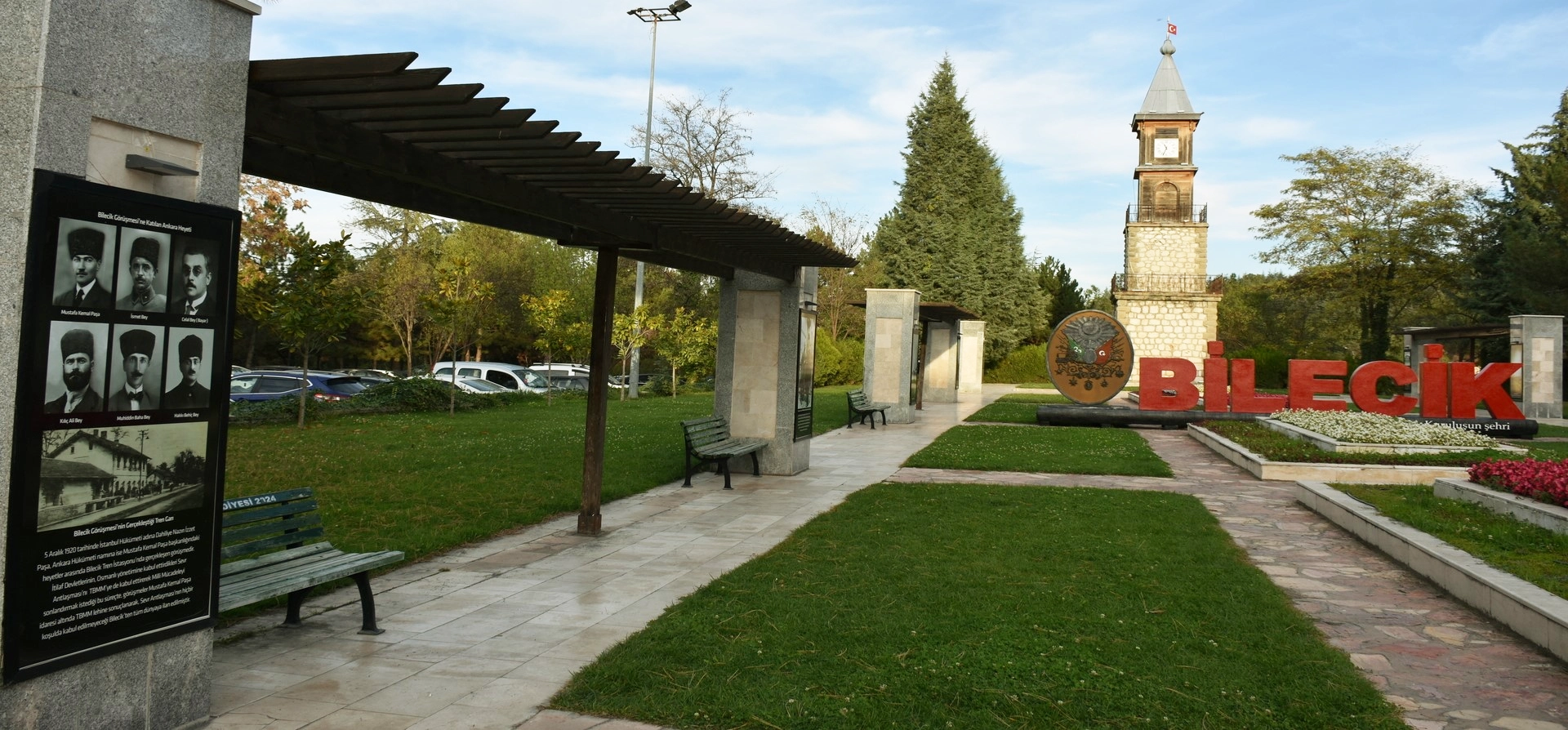
Discover Ottoman foundation history, War of Independence landscapes, museums, historic towns and natural attractions throughout Bilecik Province.
View Bilecik GuideMove from the battlefields of 1921 to Ottoman monuments and the wider historical landscape of the province.
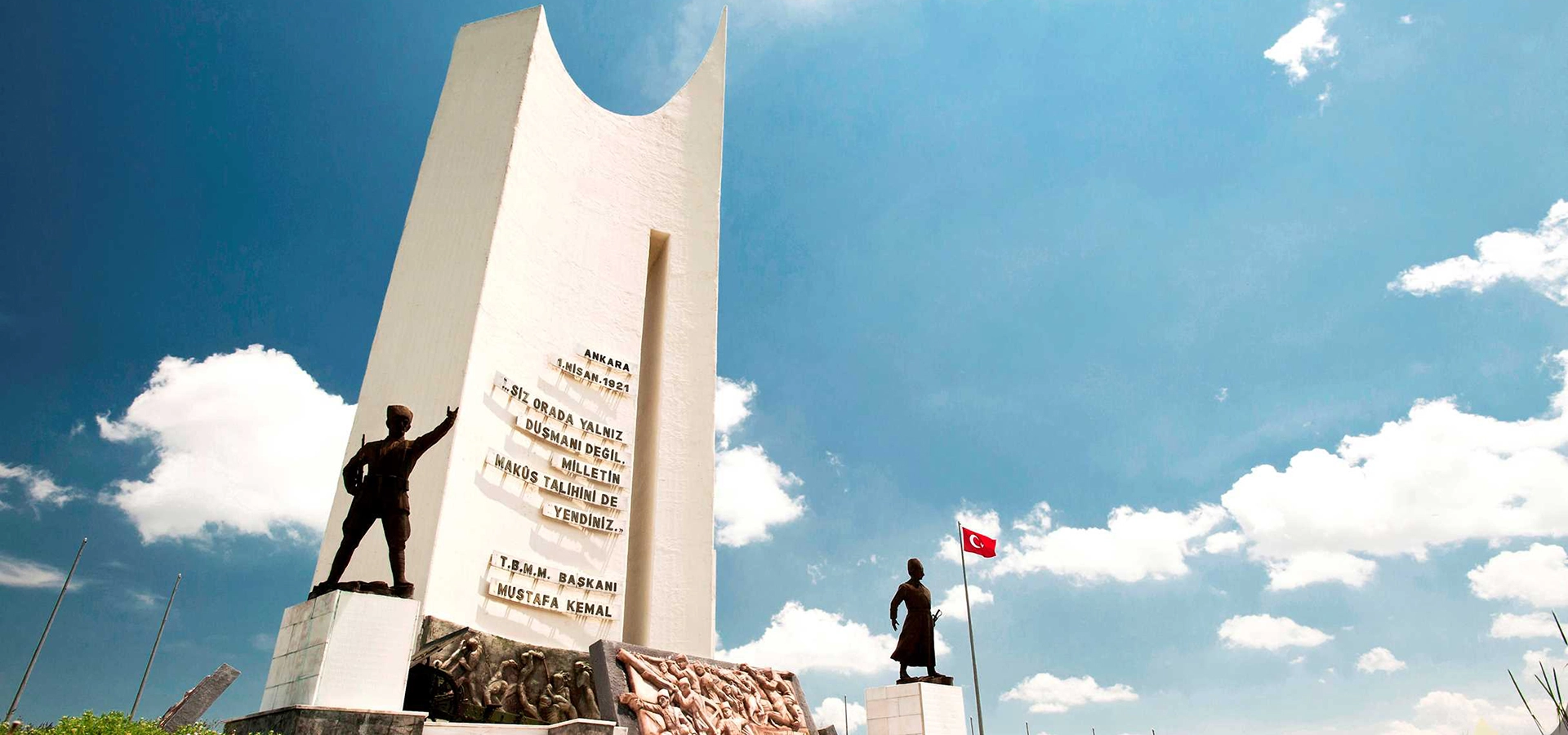
Stand above the historic battlefield and understand the terrain, military movements and memory of the İnönü victories.
Explore Metristepe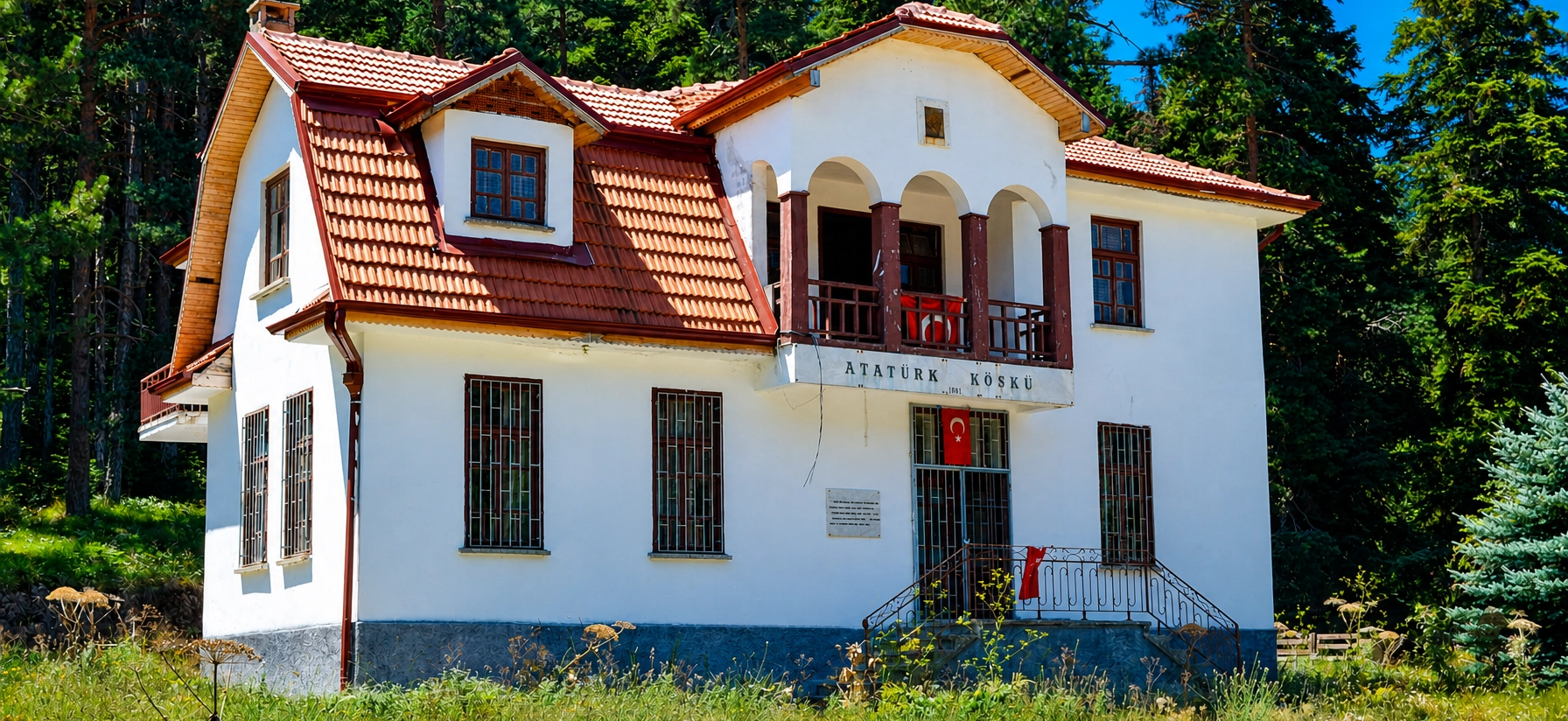
Continue through the modern history of Bozüyük at a historic building associated with Mustafa Kemal Atatürk.
Explore Atatürk Mansion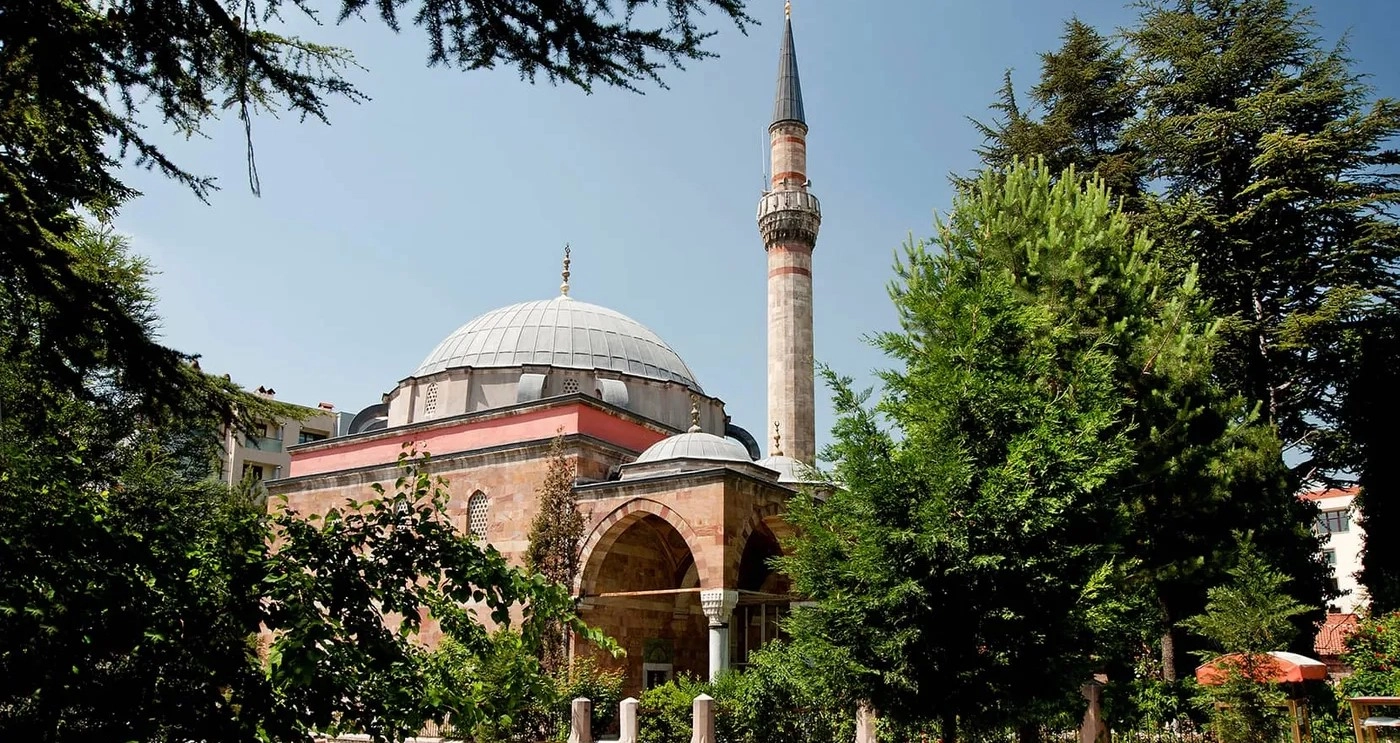
Step into Bozüyük's Ottoman past and compare the district's earlier architectural heritage with its twentieth-century battlefield history.
Explore Kasımpaşa Mosque