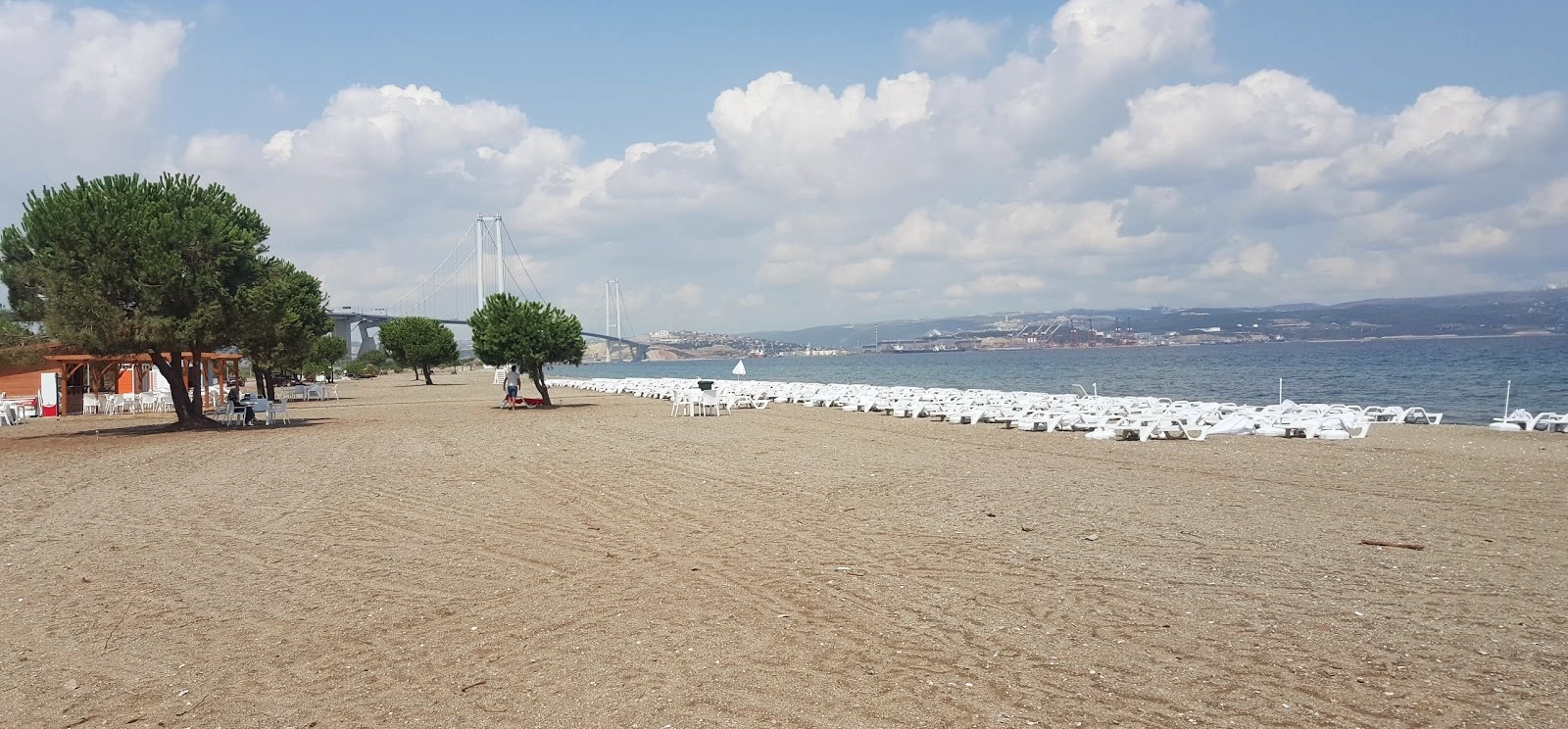
Private Hersek History & Nature Experience
Ask us about a tailor-made route combining Hersek Lagoon, Hersekzade Ahmet Pasha Mosque, the Helenopolis landscape, Dilburnu Lighthouse and nearby Altınova heritage.
Request a Custom Tour



On the eastern side of Yalova Province, close to the narrow end of the Gulf of İzmit, the neighbourhood of Hersek brings together an extraordinary concentration of history and nature. This is not simply a coastal settlement: the surrounding delta preserves the landscape of ancient Helenopolis, medieval routes, early Ottoman history, an important Ottoman charitable foundation and one of the Marmara region's most valuable wetlands.
The wider Hersek landscape has been important because of geography. Routes between Constantinople / İstanbul, the Gulf of İzmit, Nicaea / İznik and the interior of north-western Anatolia passed through or near this corridor. That strategic position helps explain why the area appears repeatedly in Roman and Byzantine history, the First Crusade, the rise of the Ottomans and later Ottoman travel.
For most visitors today, Hersek is best explored through several complementary places: Hersek Lagoon Bird Sanctuary, Hersekzade Ahmet Pasha Mosque, the founder's tomb and wider külliye area, Dilburnu Lighthouse Museum, the coast, and the archaeological landscape associated with Helenopolis.
The result is one of the most rewarding half-day destinations in Yalova: a place where you can move from late-antique history to Ottoman architecture, from birdwatching to maritime archaeology, and from a quiet village square to views of the Osmangazi Bridge within the same wider area.
The Hersek Delta is associated with Helenopolis, an important late-antique settlement on the route between Constantinople and Nicaea.
The wider Hersek–Yalakdere corridor is linked with the 1302 Battle of Bapheus, a major event in early Ottoman history.
Hersekzade Ahmed Pasha established a charitable complex here, and his mosque and burial place remain key landmarks.
A protected wetland beside the Marmara coast, known for flamingos, migratory birds and more than 250 recorded bird species.
Essential information for exploring this historic coastal neighbourhood and wetland landscape in eastern Yalova.
Hersek neighbourhood, Altınova district, eastern Yalova Province, on the southern shore of the Gulf of İzmit.
Open in Google MapsThe Hersek Delta is associated with ancient Helenopolis and an important late-antique communication corridor.
The wider Hersek–Yalakdere area is closely associated with the Battle of Bapheus between Osman I and Byzantine forces.
Hersekzade Ahmet Pasha Mosque and the founder's tomb preserve the strongest visible Ottoman architectural layer.
A protected coastal wetland of about 167 hectares and one of Yalova's leading birdwatching destinations.
More than 250 bird species have been recorded in and around the lagoon.
The Osmangazi Bridge dominates the modern Gulf landscape beside the Hersek Delta.
Allow 2–4 hours for the main Hersek sights or a relaxed half day for history, lagoon and coastline together.
A private vehicle is the easiest option because the main sights are spread across the wider Hersek and lagoon area.
History, archaeology, Ottoman architecture, birdwatching, landscape photography and slow coastal exploration.
Few places in Yalova combine so many historical periods with such a strong natural landscape in such a compact area.
Many travellers pass the Altınova area while moving between İstanbul, Kocaeli, Yalova, Bursa and İzmir, yet Hersek rewards those who leave the main road and explore more slowly. The settlement stands beside a delta, lagoon, historic crossing corridor and coastal route that has mattered for centuries.
Its importance is layered. The area is connected with Helenopolis, a settlement that gained importance in the Roman and Byzantine world; the nearby landscape appears in accounts of Crusader and Seljuk conflict in 1096; and the Hersek–Yalakdere corridor is strongly associated with the Battle of Bapheus in 1302, one of the decisive episodes in the emergence of Ottoman power in north-western Anatolia.
Later, Hersekzade Ahmed Pasha, one of the most prominent Ottoman statesmen of the late 15th and early 16th centuries, created a charitable foundation here. His surviving mosque and burial place give the settlement a visible architectural anchor, while the wider Hersek Lagoon landscape preserves an entirely different form of heritage: wetlands, bird migration, coastal ecology and open views across the Gulf of İzmit.
Hersek is therefore best understood as a cultural landscape rather than a single attraction. The value comes from seeing how geography, transport, war, religion, settlement, maritime movement and nature have overlapped in the same place.
Hersek lies in Altınova district, around the eastern end of Yalova Province, where the southern shore of the Gulf of İzmit narrows toward Kocaeli. The modern neighbourhood occupies part of a low coastal landscape shaped by the Hersek Delta, with the lagoon, shoreline and historic settlement lying close together.
This geography is the key to understanding the area's history. The gulf created both a barrier and a transport opportunity, while the valleys leading inland provided access toward İznik and the Anatolian interior. Routes approaching Constantinople from the east therefore had strong reasons to pass through or near this corridor.
Today the most visible modern landmark is the Osmangazi Bridge, whose southern approach passes beside the Hersek landscape. The bridge has transformed regional transport, but the wetlands, historic mosque, archaeological zones and coastline preserve evidence of much older patterns of movement.
The Hersek area is associated with Helenopolis, a settlement linked with imperial routes between Constantinople and Nicaea.
The wider region became part of the conflict zone between Byzantine, Seljuk and Crusader forces during the First Crusade era.
The Battle of Bapheus took place in the wider Yalakdere–Hersek landscape and became a major turning point in early Ottoman expansion.
Hersekzade Ahmed Pasha endowed a mosque and wider charitable complex that helped shape Ottoman Hersek.
Local historical tradition strongly connects Hersek with Evliya Çelebi and the beginning of his celebrated travel narrative.
Wetland conservation, archaeology, restoration projects and the Osmangazi Bridge have given Hersek a new role in regional tourism.
One of the most important historical layers around Hersek is Helenopolis. Official Turkish tourism sources identify the ancient settlement with the area around modern Hersek and describe it as an important centre on the route between Constantinople and Nicaea. The ancient name is also connected in historical tradition with Helena, mother of Emperor Constantine.
The geography explains the settlement's importance. A traveller moving from the imperial capital toward Nicaea and the interior of Anatolia had to negotiate the Gulf of İzmit, coastal marshes, river valleys and mountain corridors. Hersek offered access to both maritime and overland routes.
Modern archaeological research has focused on the Hersek Delta, including areas around Dedeler Tepe, coastal remains, underwater features and the historic lighthouse zone. Municipal reports in recent years have described geophysical survey, surface research, land excavation and underwater archaeology intended to clarify the extent and chronology of ancient occupation.
Visitors should understand that Helenopolis is not a conventional excavated archaeological park with a complete street plan and monumental ruins on display. Much of its story is still being reconstructed through research. That makes the landscape historically exciting, but it also means access can change according to excavation, military, conservation or land-use conditions.
The Gulf of İzmit region became strategically important again during the First Crusade. Turkish official historical summaries place Kibotos / Civetot in the wider Hersek area and connect the region with fighting between Seljuk forces and the early Crusader groups that had crossed from Constantinople into Anatolia.
The events of 1096 belong to a complicated military and geographical story. Rather than imagining a single clearly marked battlefield, it is better to understand the Hersek coastline, crossing points and inland approaches as part of a larger operational landscape.
Archaeological and underwater research in the Altınova area has continued to investigate coastal remains that may clarify the location and character of medieval sites connected with Kibotos, Limnae and other names appearing in historical sources. As with Helenopolis, these identifications remain part of active scholarly research.
On 27 July 1302, forces led by Osman I defeated a Byzantine army in the Battle of Bapheus. Turkish cultural and municipal sources place the battle in the wider Hersek–Yalakdere coastal landscape.
The battle matters because it demonstrated that the emerging Ottoman principality could defeat a significant Byzantine field army and expand its influence across north-western Anatolia. Historian Halil İnalcık famously gave the battle exceptional importance in the process by which the Ottoman polity emerged as a recognised regional power. Other historians may describe the process of Ottoman state formation differently, so it is safest to view Bapheus as a major milestone rather than a single universally accepted “founding moment.”
The landscape helps make the episode understandable. The mouth of the Yalakdere Valley provided access from the coast toward inland routes, while nearby Çobankale stood over a strategic corridor. Exploring Hersek and Çobankale on the same day gives visitors a much stronger sense of why this region mattered militarily.
27 July 1302.
Osman I, founder of the Ottoman dynasty.
The wider Hersek–Yalakdere coastal and valley corridor.
A major victory that accelerated Ottoman prestige, expansion and political consolidation.
The strongest visible Ottoman monument in Hersek is the Hersekzade Ahmet Pasha Mosque. It was associated with Hersekzade Ahmed Pasha, a high-ranking Ottoman statesman, admiral and five-time grand vizier who served during the reigns of Bayezid II and Selim I.
Ahmed Pasha created a waqf, or charitable endowment, in Hersek. The mosque, his burial place, an imaret and a bath formed part of a larger social and religious complex. Although not every building survives in complete form, the foundation reveals that Ottoman Hersek was intended to function as an organised settlement along an important route.
The exact historical development of the modern place-name Hersek is more complex than a single naming event, but local tradition strongly connects the name with Hersekzade Ahmed Pasha. His title itself referred to his Balkan family background: “Hersekzade” essentially means son of the hersek / duke.
The mosque and tomb deserve their own visit, especially because the structure records earthquake destruction, 18th-century rebuilding and modern restoration. Together they provide the clearest architectural connection between the settlement and its Ottoman patron.
Hersek also occupies a special place in local memory because of its association with Evliya Çelebi, the 17th-century Ottoman traveller whose Seyahatname is one of the great travel works of world literature.
Altınova's municipal historical material repeatedly presents Hersek as the place where Evliya Çelebi began the written journey of his Seyahatname. The northern end of the Hersek Delta has also been connected by researchers with an old landing place associated in local interpretation with his travels.
For visitors, this connection is especially evocative because the landscape still revolves around movement: shoreline, landing places, roads, bridges and routes toward inland Anatolia. Even if you visit only for an hour, it is easy to understand why travellers moving between İstanbul and the east would have remembered this corner of the Gulf.
The natural centrepiece of modern Hersek is Hersek Lagoon Bird Sanctuary. The shallow coastal lagoon covers roughly 167 hectares and is separated from the Sea of Marmara by a narrow coastal strip. It was officially registered as a wetland in 2016.
The lagoon lies on a major migration corridor and supports waterbirds throughout the year. Official local monitoring has recorded more than 250 bird species in the area, with flamingos among the most recognisable seasonal visitors. The wetland is important not only for migration, but also for feeding, wintering and breeding.
Visitor facilities in the wider lagoon complex include bird-observation infrastructure, a nature education area, an accessible observation tower and a medicinal and aromatic plants garden. Exact opening arrangements can change, so check the latest local information if a specific facility is essential to your visit.
Hersek is unusual because a traveller can move from an Ottoman mosque or archaeological landscape to serious birdwatching within minutes. The lagoon supports different communities throughout the year, so no two seasons feel exactly the same.
Often one of the strongest periods for waterbird numbers, especially ducks and other wintering species.
A rewarding season for changing species diversity, breeding activity and fresh vegetation around the wetland.
Breeding birds remain important, although midday heat can make observation less comfortable.
Another excellent period for movement through the Marmara migration corridor and changing wetland activity.
Stay on designated paths and observation areas. Wetland edges, reedbeds and nesting zones are sensitive habitats, and approaching birds too closely for a photograph can disturb feeding or breeding behaviour.
Another important Hersek stop is Dilburnu Lighthouse Museum, where the maritime story of the Gulf becomes much more visible. The historic lighthouse has been restored, while archaeological work nearby has investigated earlier remains connected with navigation and coastal settlement.
Altınova Municipality has described archaeological discoveries in the lighthouse area and underwater research along the Hersek coast, including ancient maritime structures. These projects are significant because they show that the coast was not merely a background to the settlement: sea crossings, harbours, landing places and navigation were central to Hersek's history.
Access to archaeological areas can change while research continues. Visit only designated public areas, respect barriers and never enter an active excavation zone without permission.
The enormous Osmangazi Bridge creates a striking modern backdrop to the Hersek landscape. Its southern approach reaches the Altınova side of the Gulf close to the lagoon, making the bridge visible from several parts of the area.
The contrast is one of Hersek's most memorable features. For centuries, the narrow Gulf encouraged ferries, landing places and transport routes. Today one of Türkiye's most important motorway crossings spans the same broader geography.
Municipal accounts of the bridge project note that the alignment was adjusted around the Hersek Lagoon to reduce impact on the wetland. For photographers, the relationship between bridge, water, wetland and birdlife creates a distinctly modern version of a landscape long shaped by movement across the Gulf.
The area's natural highlight, with birdwatching, wetland views and observation infrastructure.
A major Ottoman monument associated with one of the empire's leading late 15th and early 16th-century statesmen.
The founder's burial place stands beside the mosque and adds an important biographical dimension to the külliye.
Explore the maritime history of the Hersek coast and the continuing archaeological research around the lighthouse zone.
Understand the delta as an archaeological zone linked with the ancient settlement rather than expecting a fully excavated classical city.
Enjoy views across the Gulf of İzmit, the Osmangazi Bridge and the low coastal landscape around the delta.
The historic settlement around Hersekzade Ahmet Pasha Mosque provides a useful counterpoint to the open lagoon and archaeological areas. This is where the Ottoman story becomes most tangible, with the mosque, burial area and traces of the wider foundation creating the traditional centre of Hersek.
The square and approach roads have undergone municipal landscaping and infrastructure improvements in recent years. Even so, the best way to experience the area is slowly: park where permitted, walk around the mosque exterior, notice the relationship between the monument and settlement, and then continue toward the coast or lagoon.
Hersek remains a lived-in neighbourhood rather than an open-air museum. Respect residents, avoid blocking entrances with vehicles and treat religious spaces as functioning community places.
The mosque was originally part of a broader Ottoman charitable complex. Historical studies and local heritage records associate the foundation with the mosque, Ahmed Pasha's tomb, an imaret and a bath. The complex helped structure social and religious life around the settlement.
Not all elements survive equally well. The mosque is the principal restored monument, while the founder's burial place remains beside it. The historic bath survives as another important element of the Ottoman landscape, although conservation and access conditions may differ from the mosque.
For travellers, the külliye is important because it changes the interpretation of Hersek: this was not simply a roadside mosque. It was an endowed settlement project connected with hospitality, public welfare, religion and movement along an important route.
Hersek's coastline adds a relaxed visual dimension to the visit. Depending on your route, you can find views toward the Gulf of İzmit, the Osmangazi Bridge and the low shores surrounding the lagoon.
The coast is especially attractive in softer morning or late-afternoon light. The combination of broad water, bridge structure, wetland vegetation and changing weather creates strong landscape photography.
Beach facilities, seasonal services and shoreline access can change from year to year, so avoid planning a visit around a particular commercial beach setup unless you have checked current local information. For a heritage-focused day, treat the coast primarily as a scenic extension of the Hersek landscape.
Never cross barriers, fences or marked research zones even if archaeological features appear visible.
Pottery, stone fragments and other material should remain exactly where found.
Some areas are research landscapes rather than visitor-ready archaeological parks with signs and pathways.
Parts of the coast may be affected by military, conservation, infrastructure or archaeological restrictions.
Avoid entering agricultural plots, private property or sensitive wetland habitat for a closer photograph.
Excavation campaigns and public access can change seasonally.
One of the most rewarding periods for mild weather, bird migration, green landscapes and outdoor exploration.
Good for long daylight and the coast, but use the cooler morning and late-afternoon hours for walking and photography.
Excellent for bird movement, comfortable temperatures and a balanced history-and-nature itinerary.
Especially interesting for waterbirds and atmospheric Gulf views, though wind and rain can make outdoor stops less comfortable.
If birdwatching is a priority, morning usually gives the most rewarding combination of activity and softer light. If architecture and photography matter more, late afternoon can be beautiful around the mosque, coast and bridge views.
Choose either the Hersekzade mosque area or Hersek Lagoon as a focused stop.
Enough for the mosque, lagoon viewpoints and a short coastal or lighthouse stop.
The best option for combining Ottoman heritage, birdwatching, maritime history and the wider Hersek landscape.
Add Çobankale and other eastern Yalova stops for a deeper historical route.
Hersek offers unusually varied subjects within a small radius. Instead of photographing each place in isolation, try to show the relationships between water, history and transport.
Use a telephoto lens or binocular-style reach and keep a respectful distance from feeding or nesting birds.
The mosque works well in three-quarter views that show its stone walls, dome, portico and minaret together.
Frame the Osmangazi Bridge behind reeds, open water or the low delta landscape for a strong old-versus-new composition.
Use the shoreline and Gulf horizon to give maritime context rather than photographing the structure too tightly.
Often best for bird activity and calmer atmospheric conditions around the lagoon.
Useful for warmer side-light on architecture and dramatic bridge silhouettes over the Gulf.
The wider Hersek area includes modern visitor facilities, historic religious architecture, wetland paths, coastal surfaces and archaeological terrain, so accessibility is not uniform.
The Hersek Lagoon has been developed with accessibility in mind and local authorities have promoted an accessible bird observation tower. This makes the lagoon one of the stronger options in the area for visitors who require step-free facilities.
Historic sites can be more challenging. The mosque area may include thresholds, and Ahmed Pasha's tomb has stepped access. Archaeological and shoreline areas may have uneven surfaces. If full wheelchair accessibility is essential, confirm the current arrangements for each individual stop before travelling.
Travel east toward Altınova, then follow navigation toward Hersek and the individual lagoon or heritage sites.
Road access through the Gulf of İzmit and Osmangazi Bridge network makes Hersek convenient for travellers approaching eastern Yalova.
Approach through the motorway and Yalova road network toward Altınova, then continue into the Hersek area.
The most practical option because the lagoon, mosque, lighthouse zone and wider archaeological landscape are not all concentrated at one entrance.
For navigation, search each destination separately rather than using only “Hersek”. Useful map terms include Hersek Lagünü, Hersekzade Ahmet Paşa Camii and Dilburnu Deniz Feneri.
If birdwatching is your main interest, spend longer at the lagoon and shorten the historic stops. If history is your priority, reverse the balance and allow more time around the mosque, lighthouse and Helenopolis landscape.
Allow additional time if the lighthouse museum or another specific facility is open and you want a detailed visit. Current operating schedules should always be checked locally.
This route works especially well for travellers interested in military geography and transport history, because it connects the Gulf crossing landscape with the inland corridor toward İznik.
Search the lagoon, mosque and lighthouse individually because the Hersek sights are spread across the wider area.
Even casual visitors often enjoy the lagoon more when they can observe birds without approaching them.
Visit the mosque between congregational prayers and always give worshippers priority.
Archaeological research is active in parts of the delta; barriers and restricted areas must be observed.
Useful for wetland paths, historic surfaces, shoreline areas and uneven ground.
The lagoon and coast are exposed, with limited shade in some areas.
The Gulf can be breezy even when inland Yalova feels calm.
Museums, visitor centres and observation facilities can operate on seasonal or municipal schedules.
Explore the protected wetland, bird-observation facilities and one of Yalova's richest natural habitats.
Visit the principal Ottoman monument in Hersek and the burial place of its powerful founder.
Continue into Hersek's maritime history and the archaeological landscape around the Gulf shoreline.
Follow the strategic route inland to a castle landscape associated with Byzantine and early Ottoman history.
Add Yalova's modern earthquake history to a wider journey through the province's changing landscape.
Continue with Yalova's museums, thermal springs, Ottoman monuments, coast, forests, waterfalls and historic towns.
Hersek is in the Altınova district of Yalova Province, on the southern side of the Gulf of İzmit near the eastern edge of Yalova.
Historical sources often refer to Hersek as a village, while current municipal usage generally describes it as Hersek Mahallesi, or Hersek neighbourhood, within Altınova.
The area combines ancient Helenopolis, medieval transport routes, First Crusade-era history, the 1302 Battle of Bapheus, Hersekzade Ahmed Pasha's Ottoman foundation and a long maritime history on the Gulf of İzmit.
The ancient settlement of Helenopolis is associated by official Turkish cultural sources and modern archaeological research with the Hersek Delta and the area around modern Hersek.
Do not expect a conventional archaeological park with extensive excavated streets and monuments. The area remains an active archaeological landscape, and access to individual research zones can change.
The wider region is associated with Kibotos / Civetot and conflict between Seljuk forces and early Crusader groups during the First Crusade period. The exact archaeological geography continues to be studied.
The Battle of Bapheus was fought on 27 July 1302 between forces led by Osman I and a Byzantine army. The victory was an important milestone in the rise of Ottoman power in north-western Anatolia.
Turkish historical and local cultural sources associate the battle with the wider Hersek–Yalakdere coastal landscape. The precise reconstruction of medieval battlefield geography is a scholarly subject.
He was a major Ottoman statesman, admiral and five-time grand vizier who served Bayezid II and Selim I. He established a charitable foundation in Hersek and was buried beside his mosque.
Local tradition strongly connects the modern place-name with Ahmed Pasha, although the historical evolution of place-names is often more complex than a single naming event.
You can see the restored Ottoman mosque, the founder's unusual burial place, the historic mosque surroundings and traces of a once wider charitable complex.
Hersek Lagoon is a shallow protected coastal wetland beside the Sea of Marmara, covering roughly 167 hectares and supporting a very rich bird population.
Local monitoring has recorded more than 250 bird species in the lagoon and surrounding habitats. Because observations continue, exact totals can change over time.
Yes, flamingos are among the best-known birds recorded at the lagoon, although numbers vary by season and current conditions. Wildlife sightings can never be guaranteed.
Yes. It is one of Yalova's strongest birdwatching destinations, especially during migration and the cooler months when large numbers of waterbirds may be present.
Local authorities have developed an accessible observation tower and other visitor infrastructure at the lagoon. Check current operating conditions before travelling if a specific accessibility feature is essential.
It is a restored historic lighthouse site in the Hersek area connected with the maritime history of the Gulf and archaeological research around earlier coastal remains.
Yes. The bridge is a major visual feature of the modern landscape and can be seen from several parts of the Hersek and lagoon area.
Local authorities have reported that the bridge alignment was adjusted during the project to reduce direct impact on the lagoon. The bridge now curves past the wetland rather than crossing directly through its central area.
Altınova's local historical tradition celebrates Hersek as the place where Evliya Çelebi began the written journey associated with his Seyahatname, and research in the delta has also discussed a historic landing place connected with that tradition.
Allow around 2–4 hours for the main sights. A half day is better if you want birdwatching, the mosque, lighthouse, coast and historical context without rushing.
Spring and autumn offer an excellent combination of mild weather and bird migration. Winter can be very rewarding for waterbirds, while summer gives long daylight but can be hot and exposed around the wetland.
A private vehicle is highly recommended because Hersek's attractions are spread across the settlement, lagoon, coast and surrounding archaeological landscape.
Yes, especially if you enjoy history, archaeology, Ottoman architecture, birdwatching or landscape photography. It offers a very different experience from Yalova's thermal and forest destinations.
The strongest combination is Hersek Lagoon, Hersekzade Ahmet Pasha Mosque, Dilburnu Lighthouse Museum and Çobankale.
It is genuinely both. That combination is the main reason the area is special: ancient and Ottoman history sit immediately beside one of Yalova's most important wetland ecosystems.
A private Yalova itinerary can combine Hersek Lagoon, Hersekzade Ahmet Pasha Mosque, the Helenopolis landscape, Dilburnu Lighthouse, Çobankale and other eastern Yalova sights according to your interests and available time.
Tell us whether your priority is archaeology, Ottoman history, birdwatching, photography, military history or a balanced overview, and we can shape the route around the season, current access and your schedule.
Ask us about a tailor-made route combining Hersek Lagoon, Hersekzade Ahmet Pasha Mosque, the Helenopolis landscape, Dilburnu Lighthouse and nearby Altınova heritage.
Request a Custom Tour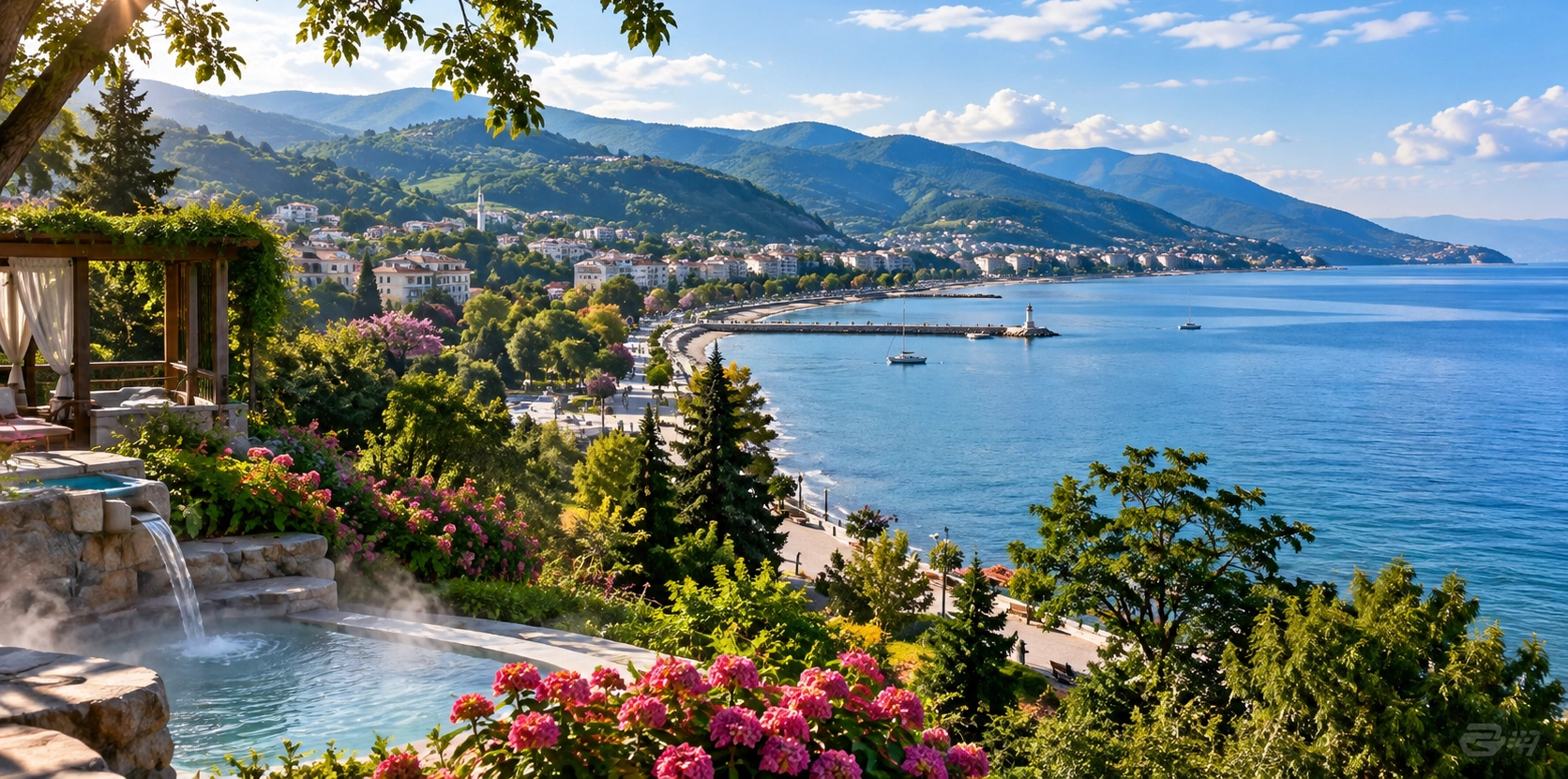
Continue discovering Yalova through Ottoman monuments, Atatürk heritage, archaeology, wetlands, thermal springs, waterfalls, forests and Marmara coastal towns.
View Yalova Guide