Memory, Remembrance & the Story of 17 August 1999

17 August Earthquake Memorial – Yalova Visitor Guide

Remember the 2,504 people Yalova lost in the 1999 Marmara earthquake
at one of the city’s most important places of memory and reflection.

Explore the Memorial

17 August Earthquake Memorial – Yalova’s Place of Memory

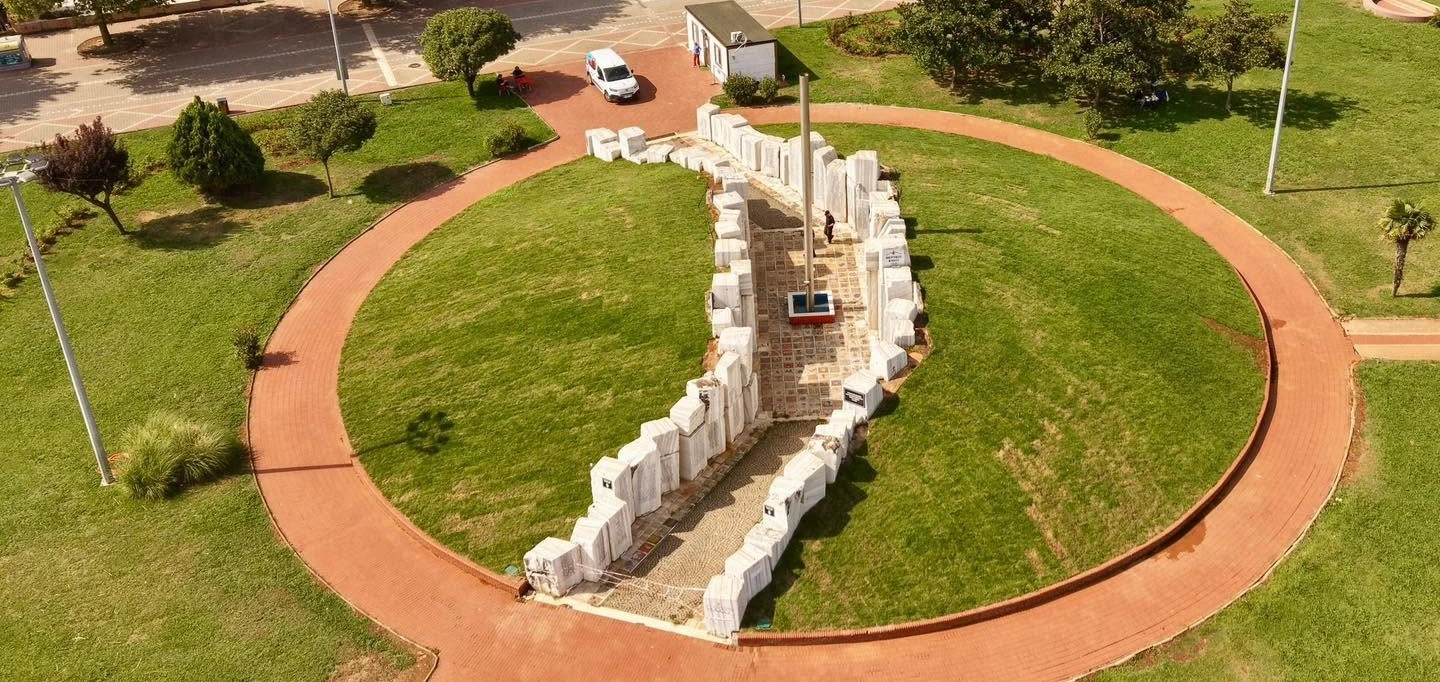
The 17 August Earthquake Memorial, known in Turkish as the 17 Ağustos Deprem Anıtı, stands on Yalova’s central seafront inside 17 Ağustos Parkı. It was created to preserve the memory of those who lost their lives in the 17 August 1999 Marmara earthquake, one of the most devastating disasters in modern Türkiye.

The earthquake struck at 03:02 on 17 August 1999. Official disaster records describe a magnitude of 7.4 and a shaking duration of approximately 45 seconds. Yalova was among the provinces most severely affected. According to Yalova Governorship, 2,504 people died in the province and 4,472 were injured.

The memorial was built by Yalova Municipality and opened on 17 August 2000, the first anniversary of the disaster. Its location carries unusual physical meaning: municipal information states that the memorial area was created using fill from the rubble of buildings destroyed in the earthquake. The site therefore preserves memory not only through inscriptions and exhibitions, but also through the ground on which visitors stand.

White marble columns and blocks record the names of the people Yalova lost. Inside the memorial are two exhibition spaces known as “03.02” and “45 Saniye” — “45 Seconds”, where photographs and video material document the aftermath of the earthquake. The memorial remains the focus of Yalova’s annual 17 August commemorations.

03:02

The time the 17 August 1999 Marmara earthquake struck.

45 Seconds

The approximate duration of the devastating 7.4-magnitude earthquake.

2,504

The number of people officially recorded as having lost their lives in Yalova.

17 Aug 2000

The date the Yalova Earthquake Memorial opened to visitors.

Know Before You Go

17 August Earthquake Memorial – Quick Facts

Essential information for visiting Yalova’s most important memorial to the 1999 Marmara earthquake.

📍

Location

17 Ağustos Parkı on the central Yalova waterfront.

Search on Google Maps
🕒

Earthquake Time

The 17 August 1999 Marmara earthquake struck at 03:02.

⏱️

Duration

The destructive shaking lasted approximately 45 seconds.

📊

Magnitude

Official Turkish disaster records commonly give the earthquake magnitude as 7.4.

🕯️

Yalova Losses

Official provincial records state that 2,504 people died and 4,472 were injured in Yalova.

📅

Memorial Opened

The monument opened on 17 August 2000, one year after the earthquake.

🪨

Names in Stone

Marble memorial blocks preserve the names of the people Yalova lost.

🖼️

Exhibitions

The memorial includes the “03.02” and “45 Saniye” exhibition spaces.

🌊

Setting

A quiet memorial within a landscaped seafront park on the Marmara coast.

⏳

Suggested Time

Allow around 30–60 minutes for the monument, names and exhibition areas.


A Place to Understand Modern Yalova

Why Visit the 17 August Earthquake Memorial?

The memorial explains an event that permanently changed Yalova’s families, neighbourhoods and modern urban identity.

Many attractions in Yalova tell stories of thermal springs, Atatürk, Ottoman-era culture, forests, wetlands and the Marmara coast. The 17 August Earthquake Memorial tells a different story: the story of loss, survival, collective memory and rebuilding.

For local families, the memorial is deeply personal. The names carved into the marble are not abstract statistics; they represent relatives, friends, neighbours and members of communities that were transformed in a matter of seconds.

For visitors from outside Yalova, the site provides important context for understanding why earthquake preparedness, building safety, urban resilience and disaster awareness remain central public concerns in the region.

This is not a place to approach as an ordinary sightseeing attraction. It is best visited quietly, with time to read the names, view the documentary material and understand how strongly 17 August 1999 remains connected with Yalova’s identity.

The 17 August 1999 Marmara Earthquake

At 03:02 on 17 August 1999, a powerful earthquake centred in the Gölcük area of Kocaeli struck the Marmara Region. Turkish official sources describe it as a 7.4-magnitude earthquake lasting approximately 45 seconds.

The disaster caused severe destruction in Kocaeli, Sakarya, Yalova, İstanbul and Düzce. Official figures cited by AFAD and later parliamentary reporting record 17,480 deaths and tens of thousands of injuries across the affected region.

The scale of the destruction made 17 August one of the defining dates in modern Turkish disaster history. It changed public discussion about construction quality, soil conditions, building inspection, emergency response and earthquake preparedness.

In Yalova, the event became an especially powerful part of local memory because of the scale of the losses relative to the province’s population. The Earthquake Memorial was created so that those losses would remain visible within the everyday life of the rebuilt city.

The Human Cost in Yalova

Yalova was one of the places most severely affected by the 1999 earthquake. Official information published by Yalova Governorship records 2,504 deaths and 4,472 injuries in the province.

Those numbers explain why the earthquake occupies such a central place in Yalova’s public memory. Entire apartment buildings collapsed, families lost loved ones, and large parts of the urban landscape had to be rebuilt or reconsidered.

The memorial transforms the number 2,504 into individual names. Walking beside the engraved marble makes the scale of the disaster easier to understand in human terms: every line represents a person whose life ended on that night.

The annual commemorations held here also show that the memorial is not a static monument. It remains an active gathering place where the city collectively remembers its losses and reflects on the responsibilities created by the disaster.

When Was the Earthquake Memorial Built?

The 17 August Earthquake Memorial was built by Yalova Municipality to preserve the memory of those who died in the 1999 Marmara earthquake.

Municipal historical information states that the memorial was opened on 17 August 2000, exactly one year after the disaster. This timing made the first anniversary not only a day of remembrance, but also the beginning of a permanent public memorial tradition in Yalova.

The site later developed into a place where official ceremonies, silent walks, public remembrance, school visits and disaster-awareness activities could take place.

More than two decades later, the memorial remains central to the city’s anniversary observances. The continued use of the monument makes it one of Yalova’s most important examples of living urban memory.

A Memorial Built on Earthquake Rubble

One of the most significant details about the memorial is easy to miss if you arrive without knowing the history of the site. According to Yalova Municipality, the area where the memorial stands was formed using rubble from buildings destroyed in the earthquake.

This gives the memorial an unusual physical relationship with the disaster. The site is not only a later monument placed somewhere in the city: part of the material history of the destroyed Yalova lies beneath the landscaped park.

The transformation of rubble into a memorial and public park can be understood as part of Yalova’s larger process of rebuilding. A place created from destruction became a place for memory, mourning, public gathering and reflection.

Knowing this before entering changes the experience of the monument. The visitor is not simply looking at memorial stones; they are standing in a landscape directly connected with the physical aftermath of 17 August 1999.

The Marble Columns and the Names of the Victims

The most immediately powerful element of the memorial is the series of white marble blocks and columns arranged along the visitor route. The names of those who lost their lives are engraved into the stone.

Rather than presenting the earthquake only through dates and statistics, the memorial gives each loss a visible place. The repeated names create a quiet rhythm as visitors move through the monument, making the scale of the tragedy increasingly clear.

During annual remembrance ceremonies, families, official representatives and residents traditionally place carnations beside the marble blocks. The act turns the engraved names into the focus of a living commemorative ritual.

Visitors should move through this area slowly and respectfully. For many people in Yalova, the names belong to close relatives and friends, and the site continues to function as a place of personal mourning.

Inside the Memorial’s Exhibition Spaces

The memorial includes two exhibition spaces known as “03.02” and “45 Saniye”. Their names refer directly to the time the earthquake struck and the approximate duration of the shaking.

Municipal information states that these areas present photographs and recorded images from the aftermath of the earthquake. The material documents collapsed buildings, emergency conditions, rescue efforts and the physical destruction experienced across Yalova.

The exhibition adds an important documentary dimension to the monument. Outside, the visitor encounters names and memorial architecture. Inside, photographs and video help explain the urban reality behind those names.

Because exhibition-room access can depend on staffing, maintenance, ceremonies or special programmes, visitors making a special trip specifically for the indoor displays should confirm current access conditions locally.

Restoration and the 66-Photo Display

The memorial has been renewed over time so that its documentary material can continue to be presented effectively. A major restoration reported by Yalova Municipality in 2022 updated both the interior and exterior of the monument.

As part of that work, 66 earthquake photographs were renewed and displayed using modern illuminated frames. The municipality also installed video presentation equipment and a sound system so that archival footage from immediately after the disaster could be shown to visitors.

These updates help explain why the memorial is more than an outdoor monument. It also functions as a small documentary centre where visual records preserve scenes that might otherwise survive only in personal memories or news archives.

Temporary technical arrangements and display formats can change, so the exact presentation visitors see today may differ from earlier photographs of the memorial.

Yalova’s Annual Earthquake Remembrance

Every year, Yalova holds commemorative events around 17 August. The Earthquake Memorial is the central destination for these ceremonies.

Recent municipal programmes have included a silent remembrance walk from the city centre to the memorial, followed by ceremonies, prayers, moments of remembrance, visits to the “03.02” and “45 Saniye” exhibition spaces and the placing of carnations beside the names engraved in marble.

The 2026 commemoration, marking the 27th anniversary, again used the monument as the principal place where Yalova remembered those it lost. This continuing tradition demonstrates that the memorial remains an active part of the city’s civic life.

Visitors in Yalova on 16–17 August should expect the area to be considerably busier than usual. The atmosphere is deeply emotional and the site should be approached with particular sensitivity during anniversary events.

17 Ağustos Parkı on the Yalova Waterfront

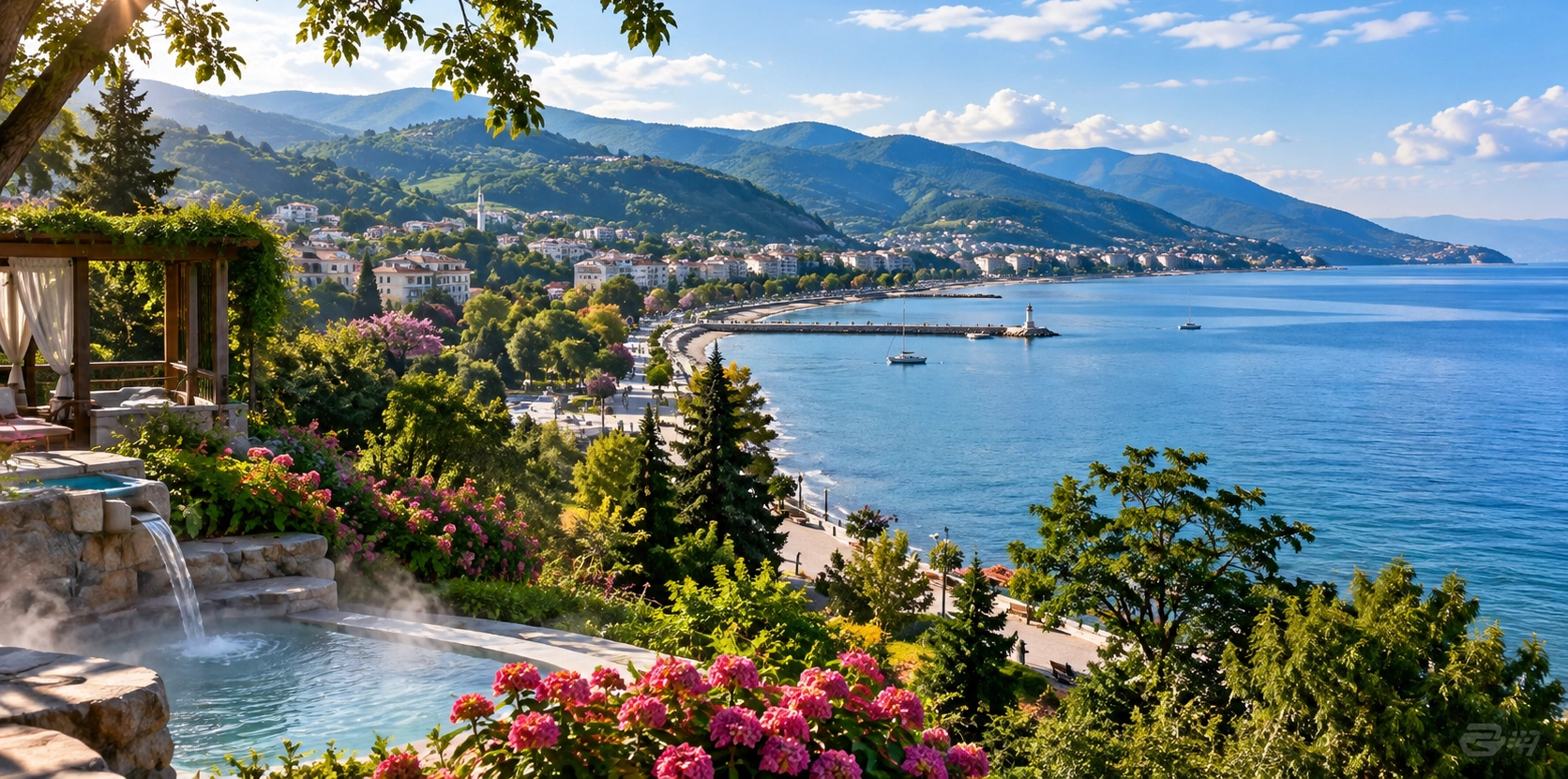
The memorial stands within 17 Ağustos Parkı, a landscaped public space directly beside the Marmara Sea. The park contains lawns, walking paths and areas where residents spend time along the waterfront.

This combination gives the site a distinctive character. The memorial is solemn, while the surrounding park is part of everyday Yalova life. The two functions coexist: memory remains present within a living city rather than being separated from it.

For visitors, the waterfront setting also makes it easy to continue with a quiet walk after seeing the monument. This can be a useful way to process the photographs, names and stories encountered inside.

The park also provides the open space needed for large annual commemorations, public gatherings and disaster-awareness activities.

Memory, Solidarity and Earthquake Awareness

The memorial has three closely connected roles: remembering those who died, preserving the documentary memory of the disaster, and keeping earthquake awareness alive.

For Yalova, remembering 17 August is also connected with the question of how cities prepare for future earthquakes. Official provincial and municipal messages repeatedly link the anniversary with safer construction, urban resilience, planning, inspection and disaster preparedness.

The memorial therefore looks in two directions at once. It looks backward toward the lives lost in 1999, but it also asks visitors to consider the responsibilities that come from remembering the disaster.

That is why the site has meaning beyond Yalova. It is a place where a local tragedy becomes part of a wider conversation about how communities living in earthquake-prone regions can remember the past while preparing more responsibly for the future.

Where Is the 17 August Earthquake Memorial?

The memorial is located in 17 Ağustos Parkı on the central Yalova waterfront. It lies within the city’s compact coastal area and is straightforward to include in a walking route through central Yalova.

The location is close to the Marmara shoreline, city-centre pedestrian routes and other public spaces. Visitors staying centrally can normally approach the park on foot without arranging a separate excursion.

Because the monument sits inside an open public park, the outdoor memorial is visually accessible as part of the seafront landscape. Access to the indoor exhibition spaces, however, may follow separate operating arrangements.

City Yalova
Area 17 Ağustos Parkı / central waterfront
Setting Landscaped public park beside the Marmara Sea
Main Focus Memory of the 17 August 1999 Marmara earthquake and Yalova’s 2,504 victims
Best Combined With Central Yalova waterfront, Yalova City Museum and Yürüyen Köşk

Highlights of the 17 August Earthquake Memorial

The Engraved Names

Read the names carved into marble and understand the human scale of Yalova’s losses.

03.02 Exhibition

The title records the time the earthquake struck and introduces documentary material from the disaster.

45 Saniye Exhibition

The “45 Seconds” name recalls the approximate duration of the destructive shaking.

Earthquake Photographs

Archival images document the destruction and aftermath experienced by Yalova in 1999.

The Memorial Ground

Remember that the site itself was created using fill from earthquake rubble.

Memorial Architecture

The sequence of pale stone blocks creates a quiet passage centred on individual names rather than spectacle.

Memory Book

Municipal information notes a memorial book where visitors may record thoughts and reflections when available.

Waterfront Park

Continue into 17 Ağustos Parkı for a quiet walk beside the Marmara Sea after your visit.

How Much Time Do You Need?

The outdoor memorial can be seen relatively quickly, but a respectful visit is better when there is time to read the names and understand the context of the site.

Allow around 20–30 minutes for the monument and marble inscriptions alone. If the indoor “03.02” and “45 Saniye” exhibition spaces are open, a visit of around 45–60 minutes is more appropriate.

Visitors with a strong interest in modern Turkish history, urban memory or disaster studies may wish to stay longer, particularly when documentary video material is being shown.

20–30 Minutes

Enough for the outdoor memorial, the engraved names and a short period of reflection.

45 Minutes

A comfortable visit if one exhibition area is accessible.

60 Minutes

Better for visitors who want to examine the photographs and documentary material carefully.

Longer on 17 August

Anniversary ceremonies can involve processions, speeches, prayers and large public gatherings.

Best Time to Visit the Memorial

The outdoor memorial and surrounding park can be meaningful at any time of year. Morning and late afternoon are often quieter periods for visitors who want time to read the names without the busier rhythm of the waterfront.

The most significant date is 17 August, when Yalova’s official and public remembrance activities take place. Visiting during the anniversary offers a powerful view of how the city remembers, but the atmosphere is emotional and the site can be crowded.

If you prefer a quieter experience, choose another date and allow time to walk through the memorial at your own pace.

Indoor exhibition access can change according to staffing, maintenance or special programmes. If the “03.02” and “45 Saniye” rooms are essential to your visit, confirm current access before making a special journey.

Visiting the Earthquake Memorial with Children

The memorial can be educational for older children and teenagers, especially when learning about earthquakes, disaster preparedness, local history or the importance of safe construction.

Parents should be aware that the photographs and subject matter can be emotionally difficult. The exhibition documents a real disaster in which thousands of people died, including families from Yalova.

For younger children, a short outdoor visit focused on remembrance, community solidarity and earthquake awareness may be more appropriate than detailed viewing of the aftermath photographs.

The surrounding park offers open space after the visit, but children should still be reminded that the memorial itself is a place of remembrance rather than a play area.

Accessibility at the 17 August Earthquake Memorial

The memorial is located within a central, landscaped seafront park with paved walking routes, making the general approach easier than many rural or archaeological attractions.

However, the exact accessibility of the memorial passage, exhibition rooms, thresholds and internal circulation can change with maintenance or temporary arrangements.

Visitors using wheelchairs or requiring step-free access should confirm current conditions locally, particularly if they wish to enter the indoor exhibition spaces.

The open park setting provides places to pause, but anniversary events can create substantial crowds and may temporarily alter the easiest route through the site.

Photography at the Earthquake Memorial

Photography can help visitors remember the site, but the memorial should be approached differently from an ordinary scenic attraction. The engraved names represent real people, and families continue to visit the monument to mourn.

Avoid posing in ways that could appear celebratory, climbing or sitting on memorial stones, blocking people who are reading names, or photographing grieving visitors without permission.

During annual ceremonies, be especially careful around families placing flowers, praying or standing beside names. The moment belongs first to those remembering loved ones.

Inside the exhibition areas, follow any current rules regarding photography, flash or video recording. Documentary material may be presented under conditions that differ from the open-air monument.

How to Visit Respectfully

Speak Quietly

Keep voices low around the engraved names and inside the documentary exhibition spaces.

Do Not Climb on the Stones

The marble blocks are memorial elements carrying the names of those who died.

Give Families Space

Allow privacy to visitors who are mourning, praying or placing flowers beside a name.

Supervise Children

The surrounding park is recreational, but the monument itself should remain a quiet commemorative space.

Respect Ceremonies

If an official remembrance event is taking place, follow staff directions and avoid obstructing the programme.

Leave the Site Unchanged

Do not write on, scratch, lean objects against or otherwise damage the memorial surfaces.

How to Get to the 17 August Earthquake Memorial

The memorial’s position on the central waterfront makes it one of the easiest cultural sites in Yalova to reach. Visitors already in the city centre can normally arrive on foot through the seafront pedestrian network.

If you arrive in Yalova by sea or local transport, continue toward the central waterfront and 17 Ağustos Parkı. A taxi driver will recognise “17 Ağustos Deprem Anıtı” or “17 Ağustos Parkı.”

Drivers should use current navigation and nearby public parking arrangements rather than expecting parking directly beside the memorial. Waterfront traffic controls and event closures can change, especially during the 17 August commemorations.

On Foot

Best for visitors already staying or sightseeing in central Yalova.

By Taxi

Ask for “17 Ağustos Deprem Anıtı” or “17 Ağustos Parkı.”

By Car

Use current navigation and nearby city-centre parking, then continue on foot.

During Anniversary Events

Expect crowds, ceremony arrangements and possible temporary traffic restrictions near the memorial.

Suggested Yalova History & Memory Route

Begin at Yalova City Museum for a broad introduction to the city’s history, urban development and twentieth-century identity.

Continue through the city centre toward the waterfront, then walk to the 17 August Earthquake Memorial. The contrast between the city-history museum and the memorial helps explain both Yalova’s long history and one of the events that most profoundly shaped its recent past.

After visiting the memorial, continue along the Marmara waterfront. If time allows, extend the route toward Yürüyen Köşk to explore another important chapter of Yalova’s twentieth-century story.

1. Yalova City Museum Begin with the city’s long historical story and modern development
2. Central Yalova Walk through the modern city toward the waterfront
3. 17 August Earthquake Memorial Remember the 2,504 Yalova victims and visit the documentary displays when open
4. 17 Ağustos Parkı Continue with a quiet walk beside the Marmara Sea
5. Yürüyen Köşk Add Atatürk heritage and one of Yalova’s best-known conservation stories

Earthquake Awareness in Modern Yalova

The memorial is closely connected with Yalova’s continuing discussion about earthquake risk. The city lies near active branches of the North Anatolian Fault system, and official local information emphasises that seismic risk remains part of Yalova’s reality.

The lesson presented in current municipal and provincial messaging is not that earthquakes can be prevented, but that the consequences can be reduced through scientific planning, safer structures, appropriate ground assessment, effective inspection, preparedness and public awareness.

For visitors, the memorial therefore offers more than historical information. It demonstrates how a community can use memory to maintain awareness of risks that remain relevant in the present.

This educational role is particularly important for school groups and younger generations who did not personally experience the 1999 disaster.

Practical Tips for Visiting

Read the Names

Do not rush through the marble passage; the individual names are the heart of the memorial.

Look for Both Exhibition Rooms

Ask whether the “03.02” and “45 Saniye” spaces are open during your visit.

Visit Quietly

This remains a personal place of mourning for many Yalova families.

Allow for Emotional Material

Photographs and video show the real aftermath of a major disaster and can be difficult to view.

Check 17 August Arrangements

Anniversary ceremonies can affect crowds, access and local traffic around the waterfront.

Continue Along the Waterfront

A quiet walk through 17 Ağustos Parkı can be a natural continuation after the memorial.

Responsible Visiting at the Earthquake Memorial

Respect the Names

Do not touch, climb, sit on or place unrelated objects on the engraved memorial stones.

Do Not Disturb Flowers

Carnations and other memorial items may have been placed by families or during official ceremonies.

Avoid Loud Behaviour

Keep music, calls and group conversation subdued within the monument area.

Protect Documentary Displays

Follow staff instructions inside the exhibition rooms and do not touch photographs or equipment.

Respect Personal Grief

Do not photograph people who are mourning or praying unless they clearly give permission.

Carry the Lesson Forward

The strongest way to honour a disaster memorial is to value preparedness, safe building and community responsibility.

Frequently Asked Questions About the 17 August Earthquake Memorial

What is the 17 August Earthquake Memorial in Yalova?

It is Yalova’s principal memorial to the people who lost their lives in the 17 August 1999 Marmara earthquake. The site includes engraved marble memorial blocks, documentary exhibition areas and a seafront remembrance park.

Where is the Earthquake Memorial?

The memorial is in 17 Ağustos Parkı on Yalova’s central waterfront.

When did the 1999 Marmara earthquake happen?

The earthquake struck at 03:02 on 17 August 1999.

How strong was the earthquake?

Official Turkish disaster sources commonly record the earthquake as magnitude 7.4.

How long did the earthquake last?

The destructive shaking lasted approximately 45 seconds.

How many people died in Yalova?

Yalova Governorship records 2,504 deaths in the province.

How many people were injured in Yalova?

Official provincial information records 4,472 injured people in Yalova.

When was the Yalova Earthquake Memorial opened?

Yalova Municipality states that the memorial opened on 17 August 2000, the first anniversary of the disaster.

Who built the memorial?

The memorial was constructed by Yalova Municipality to preserve the memory of those who died in the earthquake.

Are the victims’ names written on the monument?

Yes. The memorial’s marble blocks preserve the names of the people Yalova lost in the disaster.

Is it true the memorial was built on earthquake rubble?

Yes. Yalova Municipality states that the area was created using fill from the rubble of buildings destroyed in the 1999 earthquake.

What are the “03.02” and “45 Saniye” rooms?

They are exhibition spaces inside the memorial. Their names refer to the time the earthquake struck and its approximate 45-second duration.

Can I see photographs from the earthquake?

Yes, when the indoor displays are accessible. The memorial contains documentary photographs and video material showing the aftermath of the disaster.

Was the memorial restored?

Yes. Yalova Municipality reported a major restoration completed in 2022, including renewed presentation of 66 photographs, illuminated frames, video equipment and a sound system.

Are annual remembrance ceremonies held here?

Yes. The memorial is the central location for Yalova’s 17 August anniversary commemorations, which include remembrance ceremonies and the placing of flowers beside the engraved names.

Is the memorial suitable for children?

It can be a valuable educational visit for older children and teenagers, but parents should remember that the photographs and subject matter involve real death, destruction and grief.

How much time should I allow?

Allow around 30–60 minutes, depending on whether the indoor exhibition rooms are open and how carefully you view the material.

Can I take photographs?

Outdoor photography is possible, but visitors should photograph the memorial respectfully and avoid intruding on grieving families. Follow any current rules inside the exhibition areas.

Is there an entrance fee?

The monument stands within a public seafront park. Arrangements for indoor exhibition access can change, so confirm current conditions locally if you are making a special visit.

What are the opening hours?

The outdoor monument is part of 17 Ağustos Parkı, while access to indoor exhibition spaces can depend on current municipal arrangements, staffing, maintenance or special events. Confirm current exhibition access before travelling specifically for the interior displays.

Is the memorial accessible by public transport or taxi?

Yes. Its central waterfront location is easy to reach from most parts of Yalova by taxi, local transport or on foot from the city centre.

What should I visit nearby?

Good combinations include Yalova City Museum, Yürüyen Köşk, the central waterfront and other museums in Yalova.

Why is the memorial important today?

It preserves the memory of the people who died, documents the disaster and keeps public attention focused on earthquake awareness, preparedness and safer cities.

Is the 17 August Earthquake Memorial worth visiting?

For travellers who want to understand modern Yalova, the human impact of the 1999 Marmara earthquake and the city’s culture of remembrance, the memorial is one of the most meaningful places in Yalova.

Private Yalova Cultural Experiences

A private Yalova itinerary can combine the city’s museums, Atatürk heritage, waterfront and modern history, with the Earthquake Memorial included as a quiet and respectful place of remembrance.

Custom Yalova History & Heritage Experience

Explore the many layers of Yalova, from its city museum and Atatürk landmarks to the Marmara waterfront and the memory of 17 August 1999.

Yalova Turkey coast museums hot springs forests and travel guide

Explore Yalova

Discover Yalova’s complete story through museums, Atatürk heritage, thermal springs, waterfalls, forests, wetlands and the Marmara coast.

View Yalova Guide