Private Dilburnu Lighthouse & Altınova Experience
Ask us about a tailor-made excursion combining the Dilburnu Lighthouse Museum, Hersek Lagoon, Çobankale and selected historical or natural attractions in Yalova Province.
Request a Custom Tour





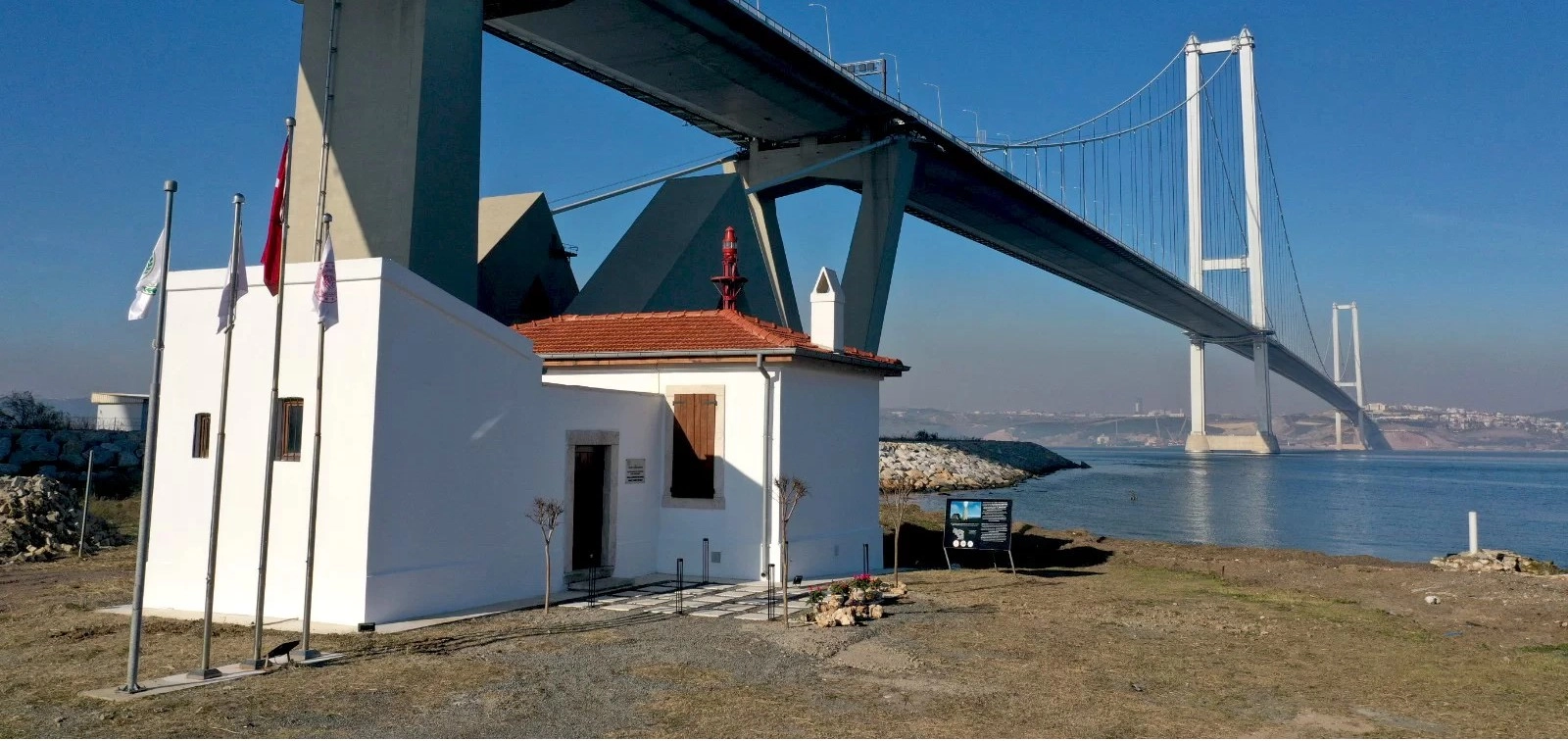
The Dilburnu Lighthouse Museum, also known as the Altınova Dilburnu Deniz Feneri Müzesi, stands on the Hersek coast of Yalova at the southern entrance to the Gulf of İzmit. The compact historic lighthouse is one of the most distinctive heritage sites in Altınova, combining Ottoman-period maritime history, navigation technology and the personal stories of lighthouse keepers in a setting now dominated by the enormous span of the Osmangazi Bridge.
The lighthouse station dates to 1863. Official local and heritage sources describe the structure as having been built by French specialists within the Ottoman lighthouse system. For generations, its light helped vessels identify the southern side of the Gulf of İzmit and navigate the busy Marmara maritime corridor.
After the historic building ceased its original staffed role, it was restored by the Directorate General of Coastal Safety and adapted as a museum with the cooperation of Altınova Municipality. The museum does not focus only on the mechanics of a lighthouse. It also explains what it was like to live and work here, using original objects, graphic interpretation, stories and interactive presentation.
A particularly important part of the story comes from Fethi Gündoğdu, the last lighthouse keeper connected with the historic station. He inherited the work from his father Ömer Gündoğdu and spent approximately 25 years caring for the lighthouse. Many objects associated with the family’s daily life and work were later donated to the museum.
The Dilburnu lighthouse station was established during the Ottoman period.
The site guided maritime traffic through one of the Marmara region’s most important sea corridors.
The museum preserves the human story of the keepers who maintained the light in every season.
The museum stands beside the Gulf of İzmit, close to Hersek Lagoon and the Osmangazi Bridge.
Essential information for visiting one of Yalova’s most unusual maritime heritage museums.
Hersek, Altınova, Yalova, beside the southern end of the Gulf of İzmit crossing.
Search on Google MapsThe lighthouse station dates to 1863, during the late Ottoman period.
A restored historic lighthouse interpreting navigation technology and everyday lighthouse-keeper life.
A compact single-storey masonry structure built with brickwork and repeatedly repaired or reconstructed over time.
Heritage records describe a white flashing light associated with the Dilburnu station.
The lighthouse marks the southern side of the entrance to the Gulf of İzmit from the Sea of Marmara.
The museum preserves the memories and objects of the Gündoğdu family, who cared for the lighthouse for decades.
The historic lighthouse now sits almost beneath the immense Osmangazi Bridge.
Archaeological work nearby has identified remains interpreted locally as an ancient lighthouse structure.
Yalova Municipality currently lists the museum as open to visitors; reconfirm hours before travel.
Dilburnu preserves not only a navigation structure but also the human routines that once kept maritime safety systems working every night.
Historic lighthouses are often appreciated mainly as picturesque coastal landmarks. At Dilburnu, the museum gives visitors a chance to understand the working life behind the light. A lighthouse was not simply a tower that switched itself on at sunset. For much of its history, it depended on people who checked the mechanism, cleaned the lantern, maintained fuel systems, watched the weather and responded when equipment failed.
That human dimension is what makes Dilburnu especially valuable. The museum preserves memories from a family whose life became closely connected with the station, including the difficult winter routines described by the last keeper, when snow and bad weather could require constant attention.
The site is also unusually powerful visually. A modest 19th-century maritime structure now stands beside one of Türkiye’s largest modern transport projects. The lighthouse represents an era when ships depended on shore-based visual signals; the Osmangazi Bridge represents a completely different age of engineering and movement across the same geographic corridor.
For travellers exploring Yalova beyond its thermal springs and forests, Dilburnu adds another layer: the maritime history of the Marmara region.
The museum is located in Hersek, in Yalova’s Altınova district, approximately 4 kilometres from Altınova town centre according to current municipal visitor information. It occupies the tip of the Hersek coastal area, where the southern shoreline of the Gulf of İzmit projects into the water.
This position explains why the site was chosen for a lighthouse. Ships approaching the Gulf of İzmit from the Sea of Marmara needed clear navigation marks to identify the entrance, coastline and nearby hazards. Dilburnu worked as part of a broader network of lights around the gulf.
Today, the location is easy to recognize because the Osmangazi Bridge passes immediately beside the historic site. The contrast between the small lighthouse and the vast modern bridge is one of the most memorable views in Altınova.
The museum is also close to Hersek Lagoon, making it easy to combine maritime heritage with birdwatching and wetland scenery in the same outing.
The word “burun” in Turkish describes a headland or cape. Dilburnu projects into the water on the southern side of the entrance to the Gulf of İzmit, creating a natural geographic marker for vessels moving between the gulf and the wider Sea of Marmara.
For ships, a projecting headland can be both useful and dangerous. It provides a visible coastal reference, but poor visibility, storms or navigational error can also bring vessels dangerously close to shore. A reliable light therefore made the position of the cape easier to identify at night.
Dilburnu was not an isolated beacon. Other lighthouses and navigation aids around the Gulf of İzmit formed a network of visual reference points. Together, they helped captains judge position, course and the entrance to one of northwestern Anatolia’s most important industrial and maritime waterways.
The geography still matters today. The same narrow crossing that once required careful navigation by ship later became the location of the Osmangazi Bridge, showing how this corridor has remained strategically important across very different periods of transport history.
The Dilburnu lighthouse station was established in 1863 during a period when the Ottoman Empire was expanding and modernizing its coastal navigation system. Official Turkish heritage sources describe the lighthouse as having been constructed by French specialists, while Directorate General of Coastal Safety records place the establishment of the Dilburnu light within the Ottoman lighthouse administration.
This wider lighthouse system was part of a major 19th-century effort to make navigation through Ottoman waters safer and more predictable. The Bosphorus, Dardanelles, Sea of Marmara and major commercial routes required reliable lights that could be identified by their location and flashing characteristics.
Dilburnu became one of the navigation marks serving the entrance to the Gulf of İzmit. Its position was especially important because the gulf connects the Marmara maritime network with ports and settlements deep inside the bay.
Municipal accounts state that the station continued guiding maritime traffic for more than 150 years. Over that long period, the structure was repaired, altered and at times rebuilt, reflecting changes in technology, coastal conditions and the practical needs of navigation.
Dilburnu is not a monumental stone tower like some famous ocean lighthouses. Its character comes from its compact, functional design. Turkish heritage records describe the historic structure as a single-storey masonry building constructed with brickwork.
Older inventory information records the historic light at approximately 9 metres above ground level and approximately 12 metres above sea level, with a nominal visibility of around 10 miles. Modern navigation authority data may differ because lighthouse equipment and navigational systems have changed over time.
The building’s low scale makes the experience unusually intimate. Visitors are not simply looking up at a distant tower. They can understand how the working and domestic spaces of a lighthouse keeper were connected to the light itself.
The present appearance reflects restoration work designed to preserve the historic character while adapting the building for museum use. The red-tiled roof, white walls and surviving lighthouse elements create a sharp visual contrast with the concrete and steel of the bridge above.
The registered historic building is described as a single-storey masonry structure with brickwork.
Unlike many tall coastal towers, Dilburnu combines the light and keeper’s working environment in a low structure.
Heritage records identify a white flashing-light characteristic associated with the station.
The building has been adapted to present objects, graphics and stories connected with lighthouse operation and daily life.
One of the strongest parts of the museum story is the connection with the Gündoğdu family. For decades, the lighthouse was not simply a workplace. It was part of the family’s everyday rhythm, weather, responsibility and memory.
The last keeper, Fethi Gündoğdu, took over the work from his father Ömer Gündoğdu. Fethi later described spending around 25 years working at the lighthouse after growing up with the station as a constant presence in his family life.
His memories make the museum more than a technical display. He recalled winter days when snow could cover the light, requiring the keeper to climb up in freezing weather and clean the equipment so ships could continue to see the signal. He also remembered periods when the family stayed at the lighthouse and used the surrounding ground for simple cultivation.
A large part of the museum’s authenticity comes from objects and equipment donated by Fethi Gündoğdu, including items connected with both his own period of service and that of his father. These everyday objects help visitors understand that maritime safety depended on repetitive, often invisible work.
Before automation, a lighthouse keeper had to ensure that the light remained dependable night after night. The exact technology changed over time, but the basic responsibility did not: the light had to work when mariners needed it.
At Dilburnu, the job could involve checking fuel and lighting systems, cleaning soot, maintaining equipment, watching weather conditions and keeping the lantern visible during snow or storms. A fault that seemed small on land could become serious for a vessel navigating at night.
The work also blurred the boundary between professional and family life. Keepers sometimes stayed at the station during difficult weather, and children grew up understanding that the lighthouse’s routine did not stop for weekends, holidays or bad conditions.
Automation eventually changed this culture. As electric, battery and modern navigation systems became more reliable, the old model of permanent family-based lighthouse keeping gradually disappeared. That is why museums like Dilburnu are important: they preserve a way of life that technology has largely removed from the coastline.
A lighthouse does more than produce a bright light. Mariners identify a light by a combination of position, colour, height, visibility and flashing pattern. Different lights can therefore act like visual signatures along a coastline.
Historic lighthouse systems used a range of fuels and optical equipment. Later, electricity, batteries and automated control reduced the need for constant manual operation. Dilburnu’s story reflects this larger technological transition from staffed lighthouse life to modern navigation aids.
Earlier lighthouse systems required fuel and frequent manual attention; later systems increasingly used electricity and batteries.
Optical systems concentrate and direct light so that it remains visible over much greater distances than an ordinary lamp.
A repeated rhythm of flashes and darkness helps mariners distinguish one lighthouse from another.
Modern systems can operate with far less direct human supervision than traditional staffed lighthouse stations.
Even automated aids still require inspection, cleaning, repair and technical monitoring.
Lighthouses work together with buoys, beacons, charts, radar and satellite-based navigation.
The historic lighthouse was officially registered as a cultural property in 2009. As the old staffed lighthouse system changed, attention increasingly turned toward preserving the building and documenting the human history associated with it.
Restoration planning accelerated in 2020, when teams from the Directorate General of Coastal Safety examined the site in preparation for conservation work. The historic structure was restored, and Altınova Municipality developed the museum interpretation and visitor presentation.
The museum concept was designed around two connected themes: the history and operation of the lighthouse and the people who lived with it. This meant collecting documents, equipment, photographs, memories and domestic objects rather than creating a display focused only on maritime technology.
The project received formal museum approval from the Ministry of Culture and Tourism in 2023. The museum was already receiving visitors during that period, and a formal opening ceremony for the Dilburnu Lighthouse Museum and other new Altınova cultural facilities was held on 1 March 2024.
The museum is relatively small, but its displays are unusually focused. Instead of trying to become a general maritime museum, Dilburnu concentrates on how this particular lighthouse worked and how its keepers lived.
Visitors can encounter graphic panels explaining the building and lighthouse technology, original or historic equipment, domestic objects, photographs and interpretive displays connected with the Gündoğdu family. Interactive presentation helps translate technical subjects into a form that is easier to understand.
Historic working objects help explain how the light was maintained and operated.
Everyday belongings reveal the domestic side of life at a remote working station.
The Gündoğdu family story gives the museum a personal narrative rather than a purely technical one.
Illustrated interpretation explains lighthouse history, architecture and maritime navigation.
Modern presentation techniques help visitors understand how lighthouse signals and working routines functioned.
The restored lighthouse itself is one of the museum’s most important exhibits.
The Hersek coastal zone has produced archaeological evidence showing that this was an important maritime landscape long before the 19th-century lighthouse was built. During archaeological work near the historic station, researchers identified remains interpreted by local authorities as belonging to a Roman-period lighthouse structure.
Altınova Municipality has highlighted the proximity of these ancient remains to the Ottoman-period Dilburnu lighthouse as an exceptionally rare combination. The municipality has promoted a broader idea of an open-air lighthouse history route linking ancient and modern navigation.
Because archaeological interpretation can develop as excavation continues, travellers should understand the ancient structure as part of an ongoing research story rather than a fully reconstructed monument. Even so, the discovery reinforces a remarkable idea: people have been trying to make this same coastline safer and easier to navigate for many centuries.
Few places in Yalova show the contrast between historical and contemporary infrastructure as dramatically as Dilburnu. The modest white lighthouse stands almost directly beneath the Osmangazi Bridge, whose enormous towers and suspended roadway cross the Gulf of İzmit.
The visual contrast is striking, but the two structures also share a deeper connection. Both were built to solve a transport problem at the same strategic geographic point. The lighthouse made maritime navigation safer; the bridge transformed road travel around the gulf.
For photographers, this creates one of the most unusual compositions in the province: a 19th-century lighthouse, the Marmara shoreline and a vast 21st-century suspension bridge in a single frame.
The bridge also makes the museum a useful stopping point for travellers moving between Istanbul, Yalova, Bursa and the southern Marmara region, although access should always follow the local road system rather than attempting to stop along bridge approaches.
The Dilburnu lighthouse belongs to a much larger historical landscape. The Hersek peninsula sits at one of the narrowest and most strategically useful points around the Gulf of İzmit, making it important for transport, trade, military movement and coastal settlement across many periods.
Before the bridge, people and goods crossed the gulf by ship and ferry. Long before modern ferry services, the wider region was linked by maritime routes that connected settlements around the Sea of Marmara and the Gulf of İzmit.
Nearby archaeological work, historic Ottoman structures and later transport infrastructure all show that Hersek was never an isolated shoreline. It was a place where land routes and sea routes met.
That is why the lighthouse makes more sense when visited together with the surrounding area. It is one chapter in a long history of people trying to cross, control, understand and navigate this narrow maritime corridor.
Dilburnu is not a large museum that requires several hours. Its strength comes from the relationship between the building, the objects and the surrounding landscape. The most rewarding visit combines time inside the museum with a slow look at the coastline outside.
Inside, focus on the objects that reveal how the keepers worked: lighting equipment, maintenance tools, photographs and domestic items. These small details are what transform the idea of a lighthouse from a romantic symbol into a demanding everyday occupation.
Outside, step back and look at how the structure sits against the water and bridge. The location explains the lighthouse better than any diagram. You can immediately understand why this headland mattered to navigation.
The experience works particularly well for families, photographers, maritime-history enthusiasts and travellers interested in unusual local museums.
Yalova Municipality currently lists the Dilburnu Lighthouse Museum as open to visitors. However, a clear and consistently updated public schedule for daily opening hours and admission fees is not prominently published across the official visitor sources reviewed for this guide.
For that reason, travellers should confirm current opening hours before visiting, especially if coming specifically for the museum rather than as part of a broader Hersek or Altınova excursion. Municipal events, maintenance, seasonal arrangements or group visits may affect access.
The museum has hosted schools, university groups, local visitors and organized cultural tours, so advance coordination is especially sensible for larger groups.
The museum can be visited in any season when open, but the surrounding landscape is most enjoyable in clear, dry weather. Good visibility makes it easier to appreciate the relationship between the lighthouse, the Gulf of İzmit and the Osmangazi Bridge.
Spring is especially attractive if you also plan to visit Hersek Lagoon, because the wetland landscape is active and temperatures are generally comfortable. Autumn offers similarly pleasant conditions for combining cultural and nature sites.
Summer can produce bright coastal light and long sightseeing days, but midday heat and glare may be stronger. Winter can be atmospheric, particularly for visitors interested in the stories of lighthouse keepers working through difficult weather, although wind and rain can make the exposed shoreline less comfortable.
For photography, early morning or later afternoon often provides softer light and more texture on the bridge, water and historic building.
Dilburnu is one of the most visually unusual heritage locations in Yalova. The main photographic interest comes from scale and contrast: the small lighthouse, the open water and the immense bridge structure above.
Step back far enough to show the dramatic difference in scale between the historic building and the modern crossing.
Include the shoreline and gulf to explain why the lighthouse was built here.
Photograph equipment and keeper-life displays only where current museum rules allow.
Look for the relationship between masonry walls, roofline, lighthouse equipment and restored surfaces.
Early light can create quieter coastal scenes and softer shadows around the museum.
Do not enter bridge infrastructure, excavation zones or operational areas to obtain a photograph.
The museum works well for families because the central idea is easy to understand: How did ships know where the coast was before GPS? That question can lead naturally into geography, light, weather, engineering and maritime safety.
Children can look for the equipment that made the light visible, compare old and modern navigation technology and imagine what it would have been like for a family to care for the station during storms or winter snow.
The keeper story also introduces an important idea: historic infrastructure was maintained by real people. Behind every lamp, bridge, road or railway there are workers responsible for keeping systems safe.
Outside, families can continue the day at Hersek Lagoon, where the focus shifts from maritime technology to wetlands, birds and environmental protection.
The museum occupies a compact historic structure, which can make the visit easier to manage than a large archaeological site. However, historic buildings and coastal grounds can still include thresholds, uneven surfaces, gravel or limited turning space.
Visitors with specific mobility requirements should confirm the current entrance route, parking location, toilet availability and interior accessibility before travel. This is especially important because landscaping or museum arrangements can change.
The exposed coastal setting can also be windy. Older visitors, families with pushchairs and wheelchair users may find calm, dry weather more comfortable for the outdoor part of the visit.
For the museum itself, allow around 30–45 minutes to read the main displays, look at the keeper objects and understand the building.
Visitors with a strong interest in maritime history, engineering or photography may prefer 45–60 minutes, especially if spending time outside studying the relationship between the lighthouse, the shoreline and the Osmangazi Bridge.
The museum becomes much more rewarding as part of a half-day Altınova and Hersek route with Hersek Lagoon and other nearby heritage locations.
A quick look at the building and principal museum displays.
A comfortable visit for most travellers seeing the museum for the first time.
Better for maritime-history enthusiasts and photographers.
Combine the lighthouse with Hersek Lagoon and nearby Altınova heritage sites.
Notice how compact the lighthouse complex is compared with the enormous area it once helped mariners navigate.
Look for tools and technical objects that reveal the repetitive maintenance behind reliable lighthouse operation.
Everyday belongings help reconstruct the family life that developed around the station.
Study how fuel, optics, electricity and automation gradually changed the keeper’s work.
Stand outside and observe why a light at this projecting point would have been important to ships entering the gulf.
Compare the scale and engineering language of two transport structures separated by more than a century.
Remember that the surrounding Hersek landscape has evidence of maritime activity far older than the 1863 lighthouse.
The museum is at its best when you connect the machinery with the people who kept it working.
Historic equipment and personal objects can be fragile even when they appear robust.
Do not cross museum, bridge, archaeological or operational safety boundaries.
Take litter with you and avoid damaging shoreline vegetation.
Ask before using flash, tripods or professional equipment inside the museum.
The Osmangazi Bridge is active transport infrastructure; use only designated public areas and roads.
If combining your visit with Hersek Lagoon, observe birds quietly and remain on designated visitor routes.
The museum is in the Hersek area of Altınova, approximately 4 kilometres from the district centre. Yalova Municipality notes that visitors can reach the site by private vehicle via the Hersek road corridor, while local public transport from Altınova can also serve the area.
Travellers arriving from central Yalova should follow the main road east toward Altınova, then continue toward Hersek using current navigation. Those arriving from the Istanbul or Kocaeli side via the Osmangazi Bridge should follow local exits and road signs rather than attempting to stop near bridge approaches.
Because local access roads can be affected by infrastructure, events or works, use current navigation for the final approach.
Approximately 4 km; follow the Hersek road corridor toward the lighthouse and lagoon area.
Travel east toward Altınova, then continue locally to Hersek.
Approach Yalova via the main northbound road network and continue toward Altınova.
The Osmangazi Bridge route provides direct road access to the Altınova area; follow official exits and local navigation.
Begin at the Dilburnu Lighthouse Museum to understand the maritime geography of the Gulf of İzmit and the everyday life of the lighthouse keepers. Allow around 30–45 minutes for the museum and coastal setting.
Continue to Hersek Lagoon Bird Sanctuary, where the landscape changes from transport history to wetland ecology. The lagoon is one of Yalova’s most important bird habitats and creates a strong contrast with the engineering environment around the bridge.
If you have more time, continue inland toward Çobankale, a strategic medieval fortress connected with the historic routes between the Marmara coast and northwestern Anatolia.
This combination creates a compact journey through maritime navigation, wetland nature and medieval land routes within the same district.
The lighthouse is especially rewarding when combined with the natural and historical landscapes of eastern Yalova.
Explore one of Yalova’s richest wetland habitats, known for migratory birds and year-round nature observation.
Discover a medieval fortress overlooking strategic routes through the Altınova landscape.
Continue through the province for hot springs, forests, museums, mansions, waterfalls and coastal heritage.
Visit one of Yalova’s best-known Atatürk heritage sites on the Marmara shoreline.
Add another small and unusual Yalova museum focused on paper, printing and traditional production.
Exchange the industrial coast for waterfalls, woodland paths and green landscapes in the province’s interior.
It is in Hersek, Altınova, Yalova, near the southern end of the Osmangazi Bridge and the entrance to the Gulf of İzmit.
The lighthouse station dates to 1863 during the Ottoman period.
Official local heritage sources describe it as having been built by French specialists within the Ottoman lighthouse system.
Dilburnu projects into the southern side of the entrance to the Gulf of İzmit, making it an important navigational reference for vessels moving between the gulf and the Sea of Marmara.
Yes. Yalova Municipality currently lists the Dilburnu Lighthouse Museum as open to visitors.
It explains the lighthouse’s architecture, navigation technology and especially the daily life of the people who maintained the light.
The museum story is closely connected with Fethi Gündoğdu, who took over the job from his father Ömer Gündoğdu and worked at the lighthouse for about 25 years.
Many museum objects are associated directly with the lighthouse and the keeper family. Municipal and press sources state that a large portion of the displayed belongings and equipment were donated by Fethi Gündoğdu.
Altınova Municipality describes Dilburnu as Türkiye’s only museum specifically telling the story of “lighthouse life”. This refers to its focus on the working and domestic lives of lighthouse keepers.
Restoration and museum development took place in the early 2020s. The museum received formal establishment approval in 2023, and a formal public opening ceremony was held on 1 March 2024.
Yes. The historic lighthouse was registered as a protected cultural property in 2009.
Older heritage inventory records describe the historic light as approximately 9 metres above ground level and around 12 metres above sea level. Current navigation authority data can differ because equipment and systems have changed.
Historic heritage records give a nominal visibility of around 10 miles. Modern navigation data for the Dilburnu aid can differ from older museum-era figures.
The museum stands immediately beside the bridge’s southern crossing area, creating a striking view of 19th-century and 21st-century transport engineering together.
Archaeological work in the Hersek area has identified remains interpreted by local authorities as an ancient Roman-period lighthouse near the Ottoman-era station. Research in the wider archaeological landscape continues.
Current municipal information confirms that the museum is open to visitors, but a consistently updated daily timetable is not prominently published. Reconfirm opening hours before travel.
Current admission information is not consistently published across the official sources reviewed. Confirm the latest fee or free-entry arrangement before visiting.
Allow around 30–45 minutes for a normal museum visit, or longer if you are interested in maritime history and photography.
Yes. It is a good place to introduce children to navigation, engineering, weather and the human work behind maritime safety.
Exterior photography is one of the highlights of the site. For interior photography, follow current museum rules and ask staff before using flash, tripods or professional equipment.
Spring and autumn are especially pleasant for combining the museum with the surrounding Hersek landscape. Clear weather is best for coastal views and photography.
Excellent combinations include Hersek Lagoon Bird Sanctuary, Çobankale and other heritage sites around Altınova.
For travellers interested in maritime history, industrial heritage, unusual small museums, photography or the engineering history of the Marmara region, it is one of eastern Yalova’s most distinctive cultural stops.
Combine the Dilburnu Lighthouse Museum with Hersek Lagoon, Çobankale and selected Yalova attractions through a private itinerary designed around your interests and pace.
Discover maritime history, wetland wildlife and strategic heritage sites in a tailor-made private route across eastern Yalova.
Ask us about a tailor-made excursion combining the Dilburnu Lighthouse Museum, Hersek Lagoon, Çobankale and selected historical or natural attractions in Yalova Province.
Request a Custom Tour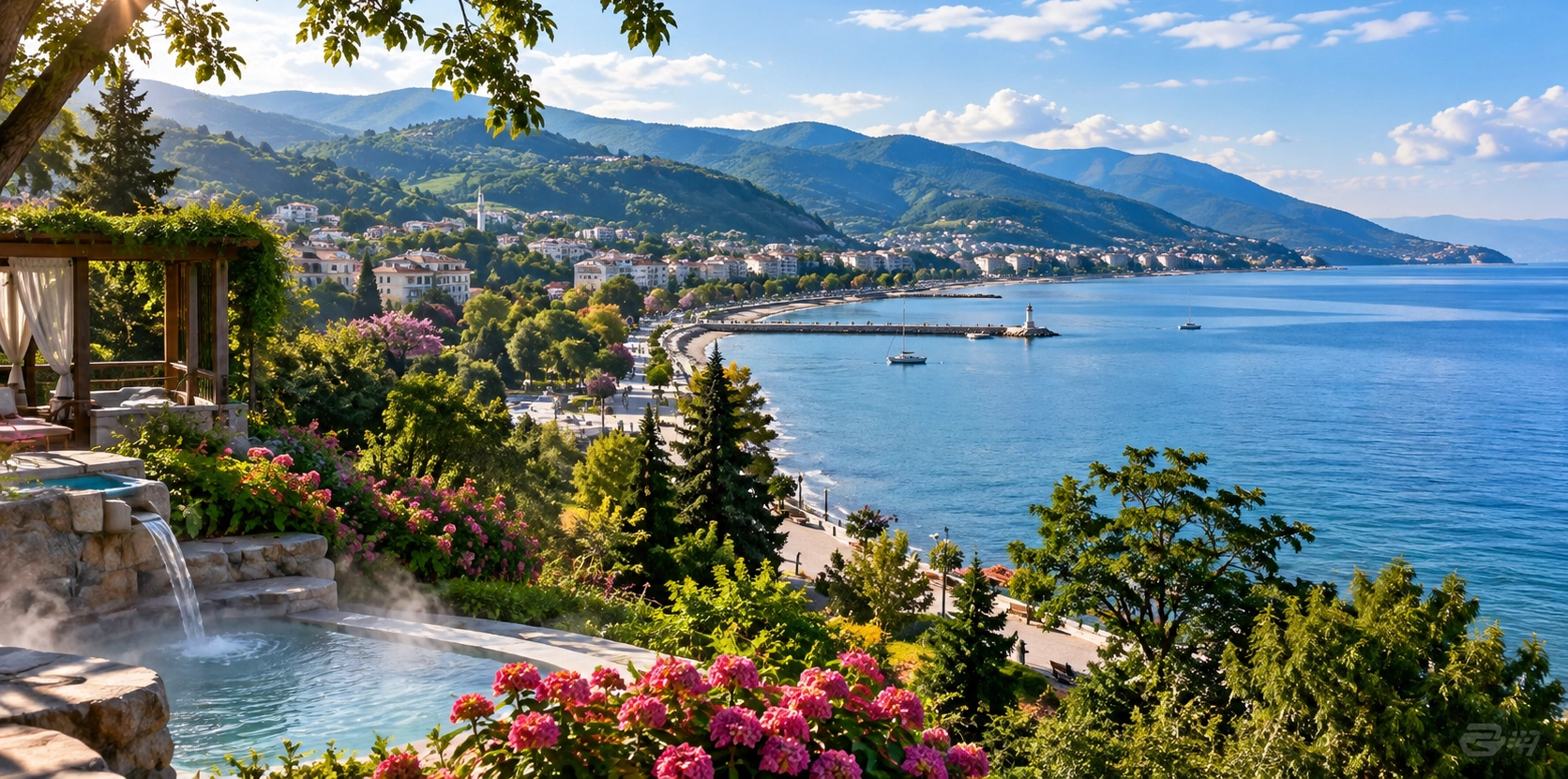
Discover hot springs, wetlands, historic mansions, museums, waterfalls, forests and coastal heritage throughout Yalova Province.
View Yalova GuidePair the lighthouse with landscapes that reveal Altınova’s birdlife, medieval history and strategic position beside the Gulf of İzmit.
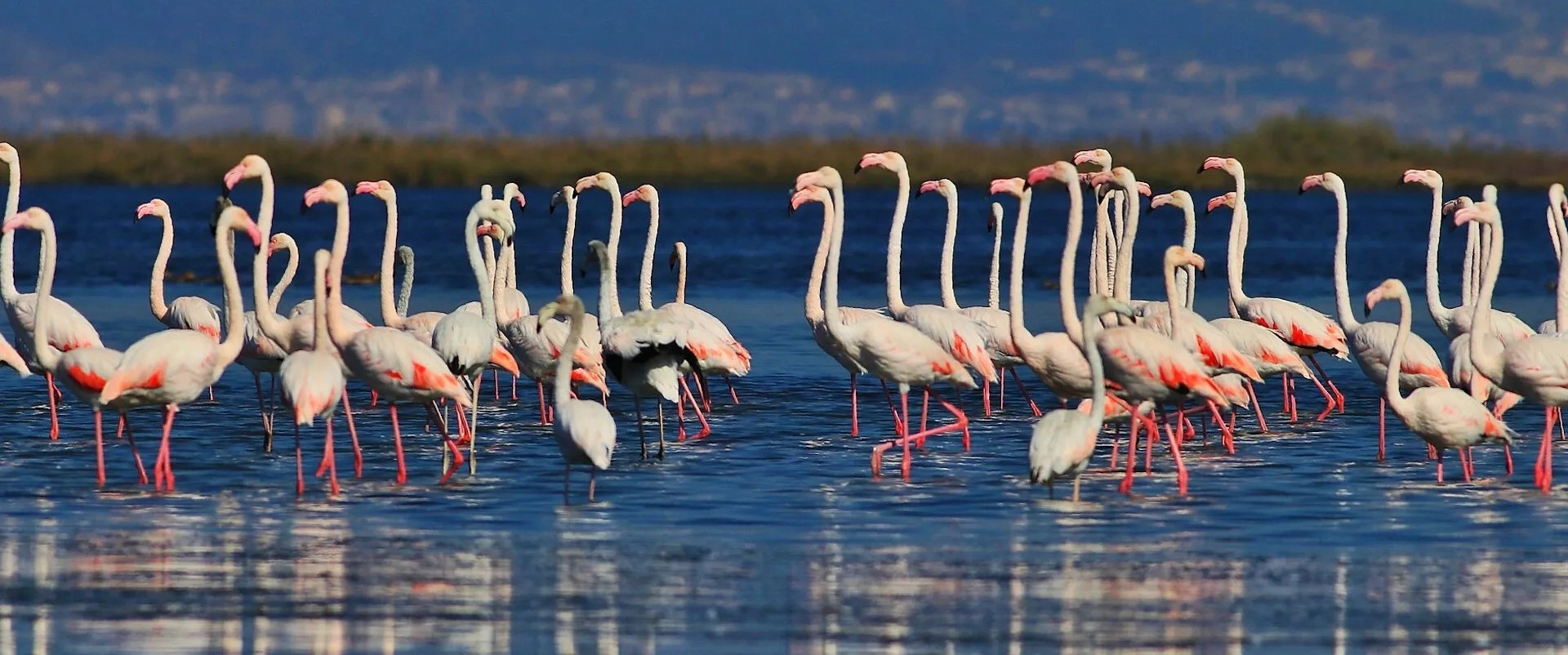
Continue from maritime heritage into one of Yalova’s most important wetland environments for birdwatching and nature observation.
Explore Hersek Lagoon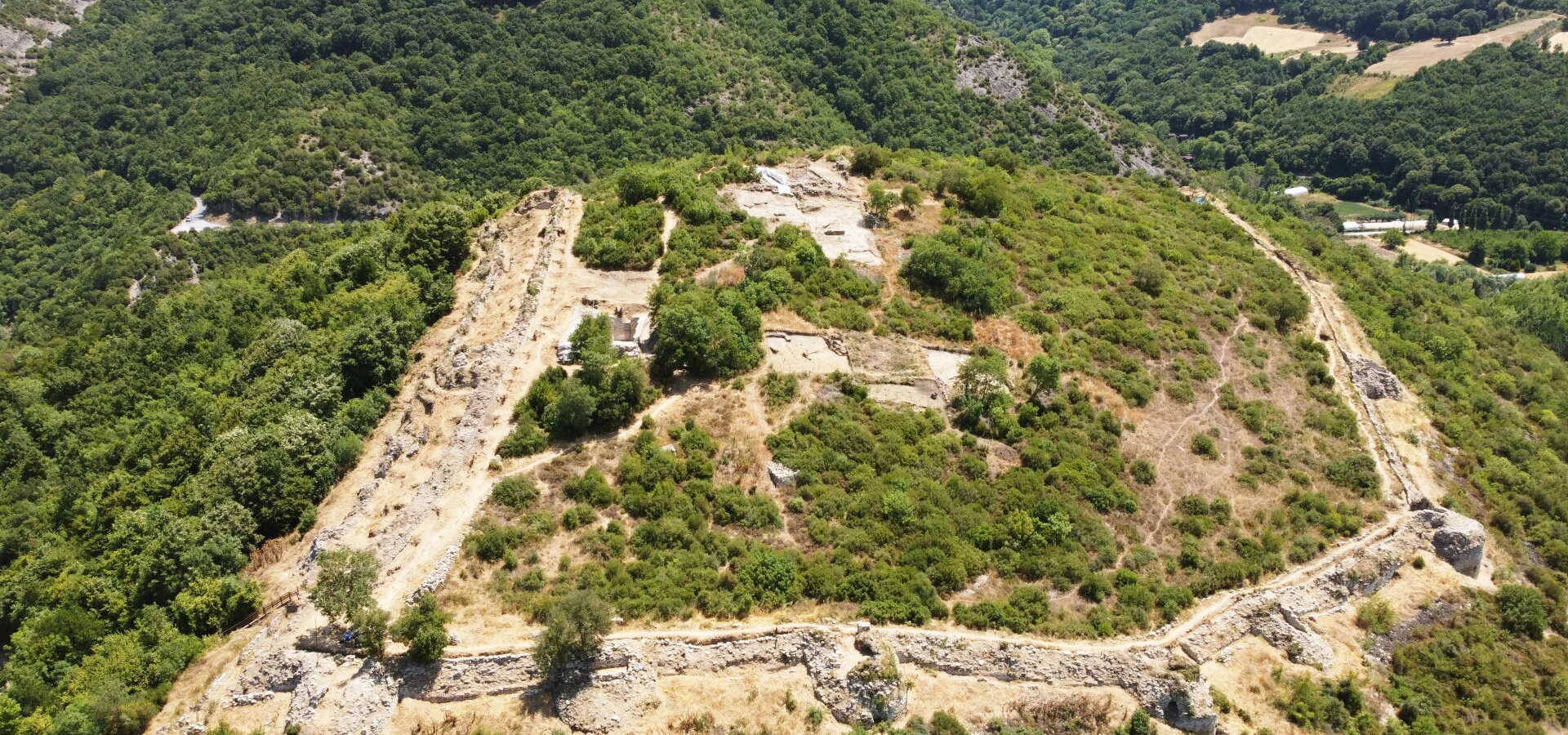
Explore a medieval fortress that once watched over important land routes through the eastern Yalova landscape.
Explore Çobankale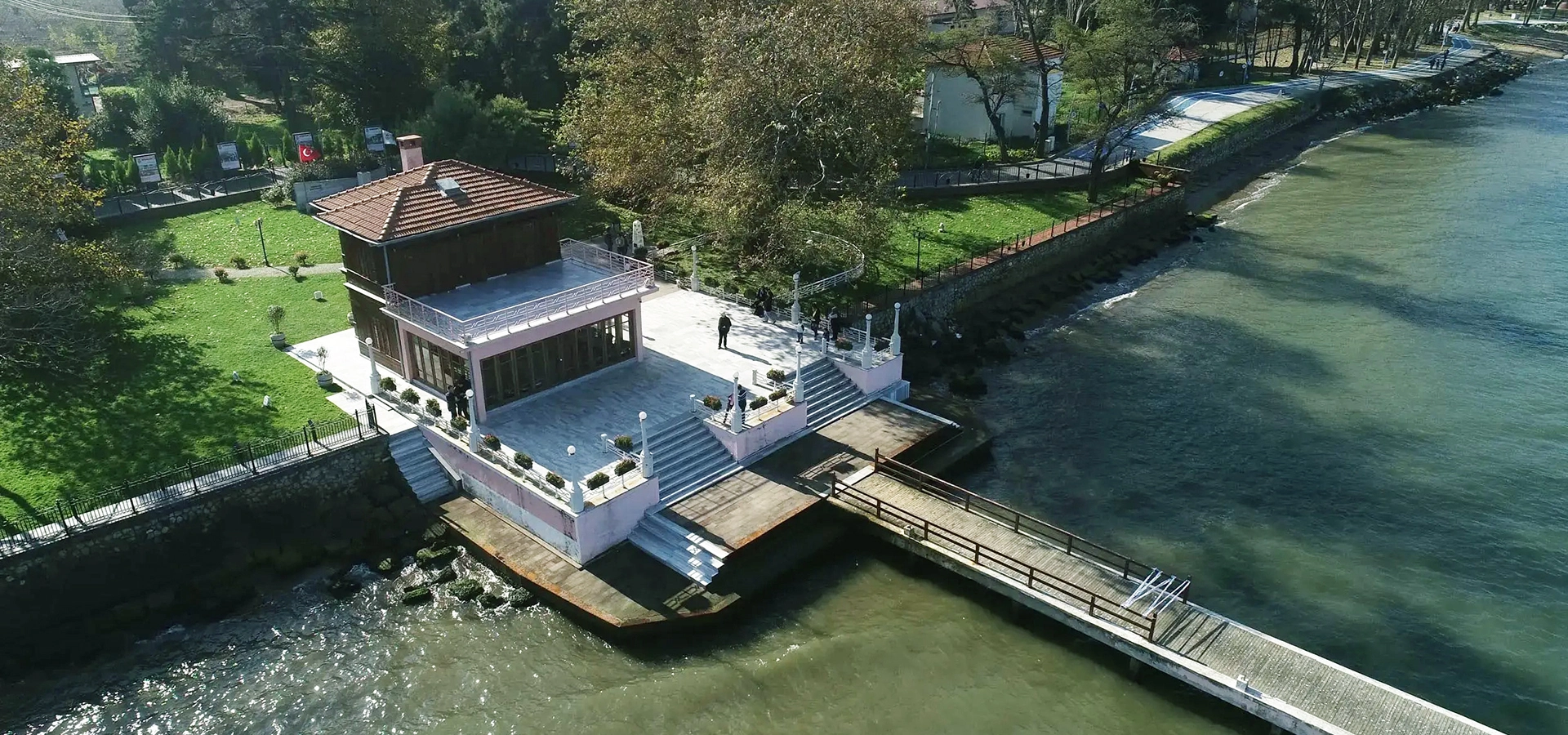
Continue west along the Marmara coast for one of Yalova’s most famous Atatürk heritage stories and waterfront landmarks.
Explore Yürüyen Köşk