Private Harmantepe & Sakarya Heritage Tour
Ask us about a tailor-made journey combining Harmantepe Castle, Byzantine heritage, historic Adapazarı, Sakarya Museum and selected cultural or natural sites across the province.
Request a Custom Tour





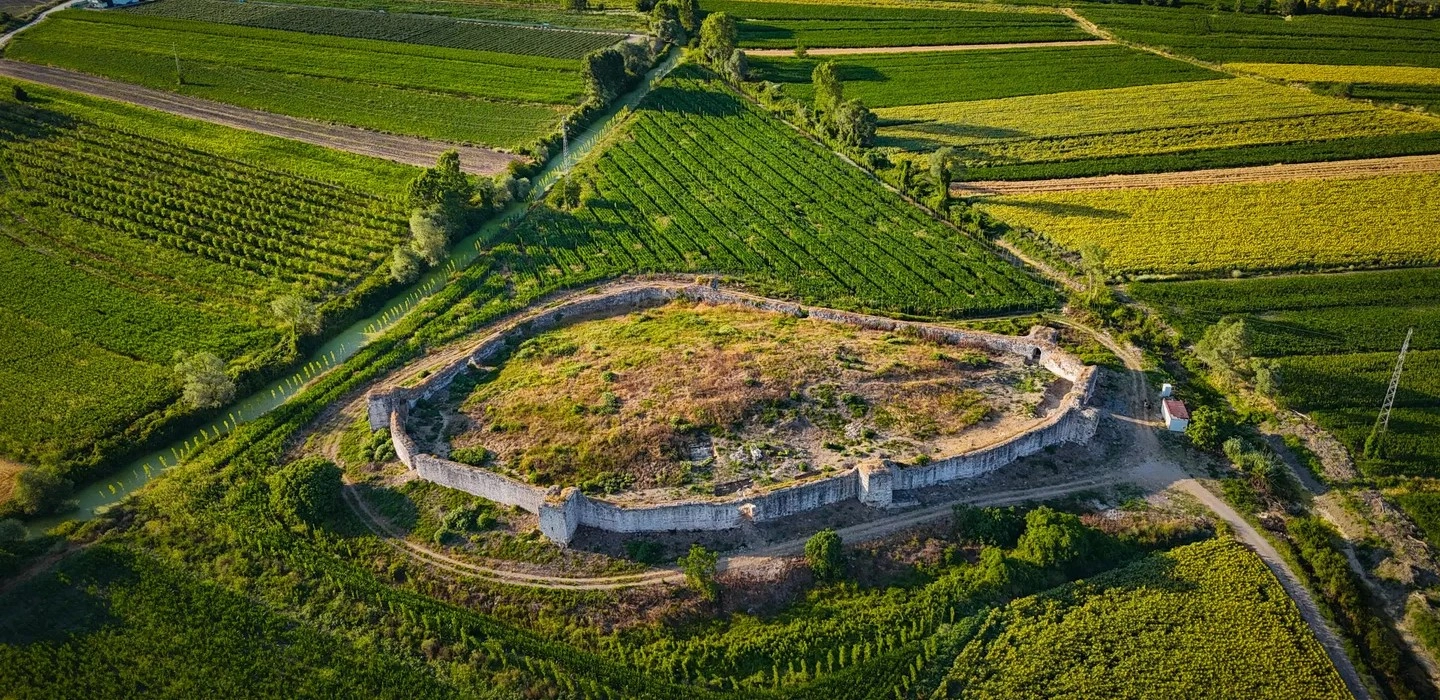
Rising from a low natural hill near Harmantepe in Söğütlü, Sakarya, Harmantepe Castle is one of the most impressive surviving medieval fortifications in the lower Sakarya basin.
The fortress is generally dated to the 12th or 13th century and is understood as part of a Byzantine defensive system created to protect the empire's eastern frontier and monitor movement along the western side of the Sakarya River.
Unlike castles built on dramatic mountain peaks, Harmantepe occupies a modest elevation surrounded today by the broad agricultural landscape of the Adapazarı Plain. Its strategic importance came not from sheer altitude, but from controlling routes, watching the surrounding lowlands and communicating with other fortified positions in the region.
The castle has an approximately oval or rounded plan, six towers, five arched entrances and substantial stone defensive walls. The principal gateway is on the southern side.
Harmantepe is also an active archaeological and conservation site. Excavation and cleaning campaigns have taken place in recent years, and restoration work officially began in August 2026. For that reason, visitors should not assume that the interior is currently accessible.
The castle was built as part of the medieval defensive landscape of the lower Sakarya region.
Official cultural records generally date Harmantepe Castle to the later Byzantine period.
The surviving fortification includes six projecting towers positioned around the enclosure.
Conservation and restoration works began in 2026, so access conditions may change.
Essential information for understanding one of Sakarya's most important surviving Byzantine fortifications.
Harmantepe area, Söğütlü district, Sakarya Province, in the lower Sakarya plain.
Open on Google MapsMedieval Byzantine fortress, frontier post and defensive enclosure.
Generally dated to the 12th or 13th century.
Six towers, substantial stone walls and five rounded-arched entrances.
Restoration works began in August 2026. Access may be restricted while conservation continues.
Byzantine history, medieval military architecture, archaeology and rural landscape photography.
Harmantepe Castle helps reveal how the Byzantine Empire defended the routes and fertile plains of northwestern Anatolia during the Middle Ages.
Harmantepe Castle is important because it survives as one of the most substantial medieval fortifications in the lower Sakarya basin. While many smaller defensive structures in the region have disappeared or survive only as fragmentary remains, large portions of Harmantepe's walls and towers are still visible.
Its setting also makes the castle historically valuable. The fortress did not depend on a dramatic cliff or inaccessible mountain. Instead, it occupied a low rise in an open landscape where visibility, communication and control of movement were essential.
The site belongs to a period when the Sakarya River formed part of a contested frontier zone. Byzantine authorities needed fortified points capable of observing routes, warning neighboring positions and providing protection against raids and military pressure from the east.
Harmantepe therefore offers more than picturesque ruins. It provides a physical connection with the military geography of medieval Anatolia and with the centuries during which Byzantine and Turkish powers competed for control of northwestern Anatolia.
The precise year in which Harmantepe Castle was built is not known. Official cultural inventories generally place its construction in the 12th or 13th century, during the later Byzantine period.
This was an era of major political and military change in Anatolia. Byzantine power remained strong in parts of northwestern Anatolia, but the empire increasingly faced pressure from Turkish principalities and shifting regional alliances.
The Sakarya corridor was strategically important because it connected inland Anatolia with the Marmara region and the approaches toward major Byzantine centers farther west. Fortified observation points were therefore established along the region's routes and river landscape.
Harmantepe is commonly interpreted as one of these frontier surveillance and defensive positions. Its role was likely connected with monitoring movement across the plain, protecting local routes and working as part of a wider chain of fortifications.
The surviving architecture supports a Byzantine attribution. The masonry, rounded arches, tower arrangement and construction techniques show similarities with other medieval defensive structures in the region.
The castle is generally assigned to the 12th or 13th century rather than to the early Byzantine era.
The lower Sakarya region became increasingly important as a military frontier in medieval Anatolia.
The open landscape gave defenders long views across routes and agricultural lowlands.
The fortress belonged to a wider defensive landscape of mutually supporting observation points and fortified sites.
Holding the Sakarya corridor helped protect access toward the Marmara region and northwestern Anatolia.
The construction style and defensive details support the identification of the fortress as a Byzantine structure.
One of the most interesting features of Harmantepe Castle is its location. Visitors accustomed to castles on steep mountains may initially wonder why a fortress was built on such a modest hill.
The answer lies in the historical landscape. The surrounding terrain was once much wetter, with marshy areas and watercourses shaping movement across the plain. Later drainage channels transformed much of the area into productive agricultural land.
The fortress stood in a position from which defenders could observe the open approaches around the lower Sakarya basin. A relatively small elevation could provide an important visual advantage in a flat landscape.
The castle's relationship with the surrounding plain is therefore essential to understanding its military purpose. Harmantepe was not designed merely as an isolated residence or monumental symbol. It was a practical defensive installation positioned within a wider strategic network.
Harmantepe Castle has an approximately oval or rounded enclosure plan adapted to the shape of the low hill on which it stands. Local stone was used extensively in the construction.
Official descriptions record defensive walls reaching approximately 8–10 meters in height in surviving sections. The walls are massive, and some tourism records describe them as approximately 2 meters thick.
Around the perimeter stand six towers, each originally strengthening vulnerable sections of the defensive circuit and providing defenders with improved views and firing positions.
The castle also has five rounded-arched entrances of different sizes. The principal entrance is located on the southern side. Openings within the masonry indicate where heavy wooden bars could once be slid into the walls to secure the gateways from inside.
Sections of the wall, tower tops and gateway arches have been damaged through centuries of weathering and neglect, yet enough survives to make the overall defensive layout understandable.
The fortification follows an oval or near-circular enclosure adapted to the natural hill.
The castle was constructed largely with stone available in the surrounding region.
Surviving sections are recorded as reaching approximately 8–10 meters in height.
Projecting towers strengthened the defensive circuit and expanded the defenders' field of view.
Five arched openings are recorded around the fortress, with the principal gateway on the south.
Openings in the upper parts of the towers allowed defenders to watch and respond in several directions.
The fortress contains several architectural details that help explain how medieval builders strengthened large defensive structures.
Within parts of the tower construction, archaeological observation has identified traces left by wooden beams arranged in a grid-like system inside rubble stone and lime-mortar fill.
The timbers themselves have long since decayed. What remain are round holes in the masonry where the wooden elements once passed through the structure.
This technique helped bind heavy masonry masses together during construction. For modern visitors, the empty beam sockets are small but revealing details showing how the fortress was engineered rather than simply stacked from stone.
The gateways provide another important construction clue. Holes extending into the wall beside the entrances show where wooden locking beams could be pushed horizontally into the masonry, allowing the doors to be barred securely from inside the castle.
Rubble stone and lime-based mortar were used within the heavier sections of the defenses.
Wooden beams were incorporated into sections of the masonry as structural reinforcement.
After the timber decayed, its positions remained visible as circular holes within the stonework.
Wall sockets beside gateways once held heavy wooden beams used to secure the doors.
Tower openings allowed observation and defense toward different parts of the surrounding plain.
The castle's architecture was shaped by practical military needs rather than elaborate decoration.
For many years, Harmantepe Castle was known mainly through its standing walls and architectural survey. More recent archaeological work has begun to reveal additional information about the fortress and its occupation.
Cleaning and excavation programs were carried out between 2021 and 2024, with the results later presented by researchers at the national Excavation Results Meeting.
Earlier excavation reports announced discoveries including coins, an arrowhead, a ring, a bronze bracelet and pottery fragments. Such finds are important because they can help archaeologists refine the chronology of the site and better understand daily activity within the fortress.
Excavation also opened areas around gateways and spaces beneath towers that had been blocked by soil, vegetation or later disturbance.
Research remains especially valuable at Harmantepe because the exact construction date has long been discussed. Archaeological material, construction phases and future study may help produce a more detailed history than architectural style alone can provide.
Multiple seasons of archaeological work investigated the castle before the current restoration phase.
Work around the entrances helped expose architectural areas that had become filled with soil.
Reported discoveries include coins, jewelry, an arrowhead and pottery fragments.
Rooms and spaces beneath sections of the towers were cleaned and investigated.
Archaeological evidence may help clarify exactly when different parts of Harmantepe Castle were built and used.
Excavation provides essential information before masonry stabilization and restoration.
Harmantepe Castle entered a new phase in August 2026 when restoration works officially began.
The project follows earlier archaeological excavation, cleaning, survey and technical assessment of the surviving walls and towers. The aim is to protect unstable sections, preserve the historic fabric and prepare the site for a more sustainable future.
Local authorities have emphasized the importance of maintaining the castle's historical character while improving conservation and site safety. Officials have also discussed Harmantepe together with nearby natural attractions as part of a wider tourism strategy for Söğütlü.
Because the restoration is active, visitor access can be restricted or temporarily closed. Do not assume that entry into the fortress is possible simply because the site appears on a map.
Anyone planning a dedicated trip should confirm the latest access conditions with Sakarya İl Kültür ve Turizm Müdürlüğü, Söğütlü Belediyesi or other local authorities before travelling.
From a distance, observe how the walls form a rounded enclosure around the low natural hill.
The projecting towers are among the most important surviving elements of the Byzantine defensive system.
The principal entrance was positioned on the southern side of the fortress.
Look for surviving rounded arches and evidence of the castle's five entrances.
Openings in the wall beside entrances once held wooden beams used to secure the gates.
Round holes within tower masonry mark the locations of timber elements used in medieval construction.
Defensive openings reveal how soldiers observed and protected the approaches around the castle.
The surrounding farmland helps explain why even a low hill could serve as an effective observation point.
Harmantepe feels very different from a restored castle in a busy historic center. The fortress stands in an open rural landscape, surrounded largely by agricultural land rather than shops, cafés or formal tourist facilities.
That sense of isolation is one of the site's strengths. The low silhouette of the walls, open sky and broad plain make it easier to imagine the castle as a practical observation and defense point.
At the same time, the site should not be approached as an unrestricted ruin. Harmantepe is a protected archaeological monument and is currently affected by active restoration work. Construction zones, unstable masonry and restricted areas must be respected.
Even when interior access is not possible, the castle can still be appreciated from authorized exterior viewpoints, provided local restrictions and work-site boundaries allow it.
Suitable for an exterior stop if access is restricted and you are viewing the fortress from permitted areas.
Enough for a slower look at the walls, towers and surrounding landscape when conditions permit.
A good target for visitors especially interested in Byzantine military architecture and photography.
Useful only when official access permits detailed exploration or when combining the stop with nearby nature areas.
Actual visiting time may be much shorter because construction boundaries can limit where visitors are allowed.
Treat Harmantepe as one stop in a wider Sakarya heritage route rather than planning an entire day around the castle alone.
For landscape conditions, spring and autumn are generally the most comfortable seasons to explore the rural surroundings of Harmantepe. Temperatures are milder, and the agricultural plain can be particularly attractive.
Dry weather is important. Traditional access information notes that the final approach includes unpaved rural road sections, which can become more difficult after rain.
Summer offers long daylight hours, but the open site has limited shade and can become hot around midday. Carry water, sun protection and suitable footwear.
Winter visits require greater caution because rain, mud and changing restoration conditions can complicate access.
Regardless of season, the most important factor in 2026 is not weather but the current restoration status. Confirm whether visitors can approach the site before making a special journey.
Mild temperatures and green fields make the surrounding landscape particularly attractive.
Comfortable conditions for photography and combining the castle with other Sakarya stops.
Expect strong sun and limited shade around the exposed rural site.
Unpaved sections of the approach road may become muddy or more difficult.
Often best for softer light and cooler temperatures.
Check restoration access first; seasonal advice is secondary if the site is temporarily closed.
Harmantepe Castle is especially photogenic because of the contrast between medieval stone defenses and the broad agricultural plain.
Wide exterior views help explain the geometry of the fortress and its relationship with the surrounding landscape. If you can photograph from an elevated or distant permitted position, the rounded outline becomes easier to understand.
Closer compositions can focus on arches, stone textures, tower walls, defensive openings and the circular beam sockets left inside the masonry.
Morning and late-afternoon light can create stronger texture across the irregular stonework than the flatter light of midday.
During restoration, never cross barriers or enter construction areas for a better photograph. Drone use should also be approached carefully: protected archaeological sites, work zones and local aviation rules may require authorization.
Include fields and the open plain to communicate the fortress's strategic setting.
Use projecting towers to create depth and emphasize the castle's defensive design.
Surviving entrance arches are among the site's strongest architectural details.
Stone textures, beam sockets and wall construction reward closer photography.
Lower-angle light can reveal wall texture and produce more dramatic shadows.
Never enter restricted restoration or excavation areas for photography.
Harmantepe Castle is a protected archaeological and historical site rather than a fully developed museum complex.
Most importantly, restoration works began in August 2026. Current access may therefore be limited, controlled or temporarily suspended depending on the stage of work.
Do not rely on older travel reports that describe unrestricted entry. Before travelling specifically to the castle, check the latest information from local cultural authorities or Söğütlü Municipality.
The rural setting means that visitors should also expect limited on-site facilities. Carry drinking water, wear sturdy shoes and avoid depending on finding toilets, food services or visitor-center facilities immediately beside the fortress.
Harmantepe Castle should not currently be expected to offer the accessibility conditions of a modern museum or fully landscaped archaeological park.
The approach historically includes unpaved rural road sections, and the area immediately around the fortress can include uneven ground, vegetation, loose stone and changes in level.
These conditions can make independent access difficult for wheelchair users, visitors with reduced mobility and anyone who requires firm, step-free surfaces.
Restoration may eventually change visitor circulation, but until new arrangements are formally opened, anyone with specific accessibility requirements should confirm current conditions before visiting.
The final approach has historically included unpaved road sections.
Expect natural surfaces, loose stone and archaeological terrain rather than paved paths.
Do not assume that accessible toilets or a visitor center are available at the castle.
Temporary construction routes and barriers may create additional limitations.
Ask local authorities about the latest access arrangement if mobility is a concern.
When permitted, exterior viewpoints may still provide a useful impression of the castle without entering the ruins.
Harmantepe Castle lies in the Söğütlü area of Sakarya, north of central Adapazarı and close to Harmantepe.
The most practical option for independent travelers is usually private car or taxi, especially because the final approach is rural and public transport does not necessarily take visitors directly to the monument.
Older official access information describes the final approximately 2 kilometers as an unpaved road. Road conditions can change, particularly during wet weather or restoration works.
Use navigation for “Harmantepe Kalesi, Söğütlü, Sakarya”, but do not follow digital directions blindly if construction signs, temporary barriers or local instructions indicate a different route.
Because restoration is active, it is sensible to check whether approaching the castle is currently permitted before leaving Adapazarı.
The easiest option for most visitors exploring northern Sakarya.
Possible from Adapazarı or Söğütlü, but arrange return transport rather than relying on finding a taxi at the site.
Official information has described the final part of the route as a dirt road.
Rain can make rural approach roads more difficult or muddy.
Search “Harmantepe Kalesi Söğütlü Sakarya.”
Temporary work-site arrangements can affect where vehicles and pedestrians are allowed.
Begin by confirming that the castle can currently be approached safely during restoration. If access is permitted, arrive from the Söğütlü side and slow down as you enter the rural agricultural landscape.
Before focusing on individual stones, look at the overall position of the fortress on its low hill. The broad plain is essential to understanding why the site was strategically useful.
From authorized areas, study the surviving wall circuit, six towers and arched gateways. Look especially for differences between intact masonry, collapsed sections and areas receiving conservation.
If entry is officially allowed, move carefully and follow all designated routes. Do not climb walls, enter unstable chambers or step inside fenced excavation and restoration areas.
After Harmantepe, continue your Sakarya exploration with a contrasting site such as Acarlar Floodplain Forest or return toward Adapazarı for Sakarya Museum and Historic Uzun Çarşı.
Harmantepe Castle works well as part of a broader route through Sakarya's Byzantine heritage, rural landscapes and historic center. See our complete Sakarya visitor guide for more ideas across the province.
Continue exploring Sakarya's Byzantine past at the monumental sixth-century bridge associated with Emperor Justinian.
Explore archaeological, Ottoman and Republican-period material that places the region's history in a wider context.
Return to central Adapazarı for traditional commercial streets, local shops and the atmosphere of the historic city center.
Combine medieval history with one of Sakarya's most distinctive wetland and forest landscapes.
Enjoy lakeside scenery, woodland and a relaxed nature stop near Adapazarı.
Discover Byzantine monuments, Ottoman heritage, historic towns, lakes, waterfalls, wetlands and Black Sea beaches throughout the province.
Harmantepe Castle is located near Harmantepe in the Söğütlü district of Sakarya Province, north of central Adapazarı.
The fortress is generally dated to the 12th or 13th century, although an exact construction year has not been established.
The surviving architecture is identified as Byzantine. The castle was probably created as part of the empire's frontier defense system in the lower Sakarya region.
It was built to help protect the Byzantine eastern frontier, observe movement across the Sakarya plain and support a wider network of fortified positions.
No. One of the unusual features of the fortress is that it stands on a small natural hill within a broad plain rather than on a high mountain.
The castle has six towers arranged around its defensive enclosure.
Official descriptions record five rounded-arched entrances of different sizes.
The principal entrance to Harmantepe Castle is located on the southern side of the fortress.
Surviving wall sections are officially described as reaching approximately 8–10 meters in height.
Many are interpreted as the surviving sockets of wooden beams that were incorporated into the masonry during construction.
Yes. Archaeological excavation, cleaning and research were conducted during several seasons, including work between 2021 and 2024.
Reported archaeological finds include coins, an arrowhead, a ring, a bronze bracelet and pottery fragments.
Yes. Restoration works officially began in August 2026 following earlier excavation and technical studies.
Visitors should not assume unrestricted access. Because active restoration is underway, parts or all of the site may be temporarily closed or restricted. Check the current situation locally before travelling.
Harmantepe has historically not operated like a conventional ticketed museum, but restoration may lead to future changes in visitor management. Confirm current conditions before visiting.
Private car or taxi is the most practical option. Older official information notes that the final section of the approach is unpaved.
Yes. Rural unpaved sections can become muddy in wet weather, so road conditions should be considered before travelling.
Around 30–60 minutes is normally sufficient for the castle and landscape, although restoration restrictions may reduce the time actually available.
Do not assume drone use is permitted. Archaeological protection, restoration work and aviation regulations may require authorization.
Yes, especially for travelers interested in Byzantine history, medieval fortifications, archaeology and lesser-known heritage sites. During restoration, however, check access before making a special journey.
Do not enter areas closed because of restoration, excavation or structural danger.
Historic walls can be unstable and climbing accelerates damage to the masonry.
Never move, collect or remove stone, pottery fragments or any material from an archaeological site.
Use designated paths and follow instructions from conservation or security personnel.
Do not carve, write on or otherwise mark historic stone surfaces.
Carry all rubbish away from the rural archaeological landscape.
Do not drive across fields or enter private agricultural land without permission.
Obtain any necessary permissions before flying above a protected or active restoration site.
Combine Harmantepe Castle, Byzantine monuments, historic Adapazarı, Ottoman heritage and Sakarya's landscapes through a private itinerary designed around your interests.
Explore the historical layers of Sakarya, from Byzantine frontier defenses and early Ottoman settlement to museums, traditional towns and natural landscapes.
Ask us about a tailor-made journey combining Harmantepe Castle, Byzantine heritage, historic Adapazarı, Sakarya Museum and selected cultural or natural sites across the province.
Request a Custom Tour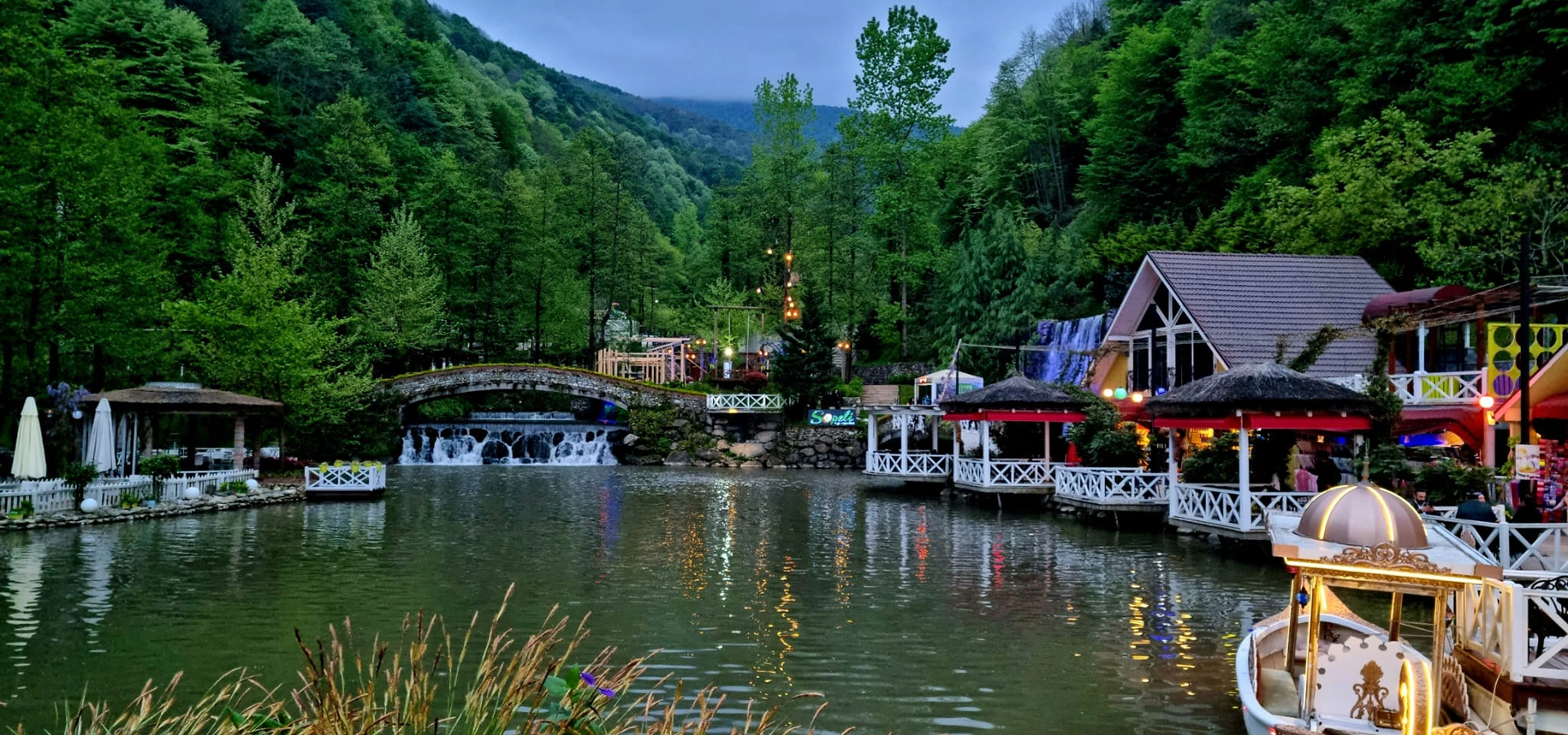
Discover Byzantine monuments, historic mosques, museums, lakes, rivers, Black Sea beaches, waterfalls, wetlands and traditional towns throughout Sakarya Province.
View Sakarya GuideConnect Harmantepe Castle with more of Sakarya's history, archaeology and natural landscapes.
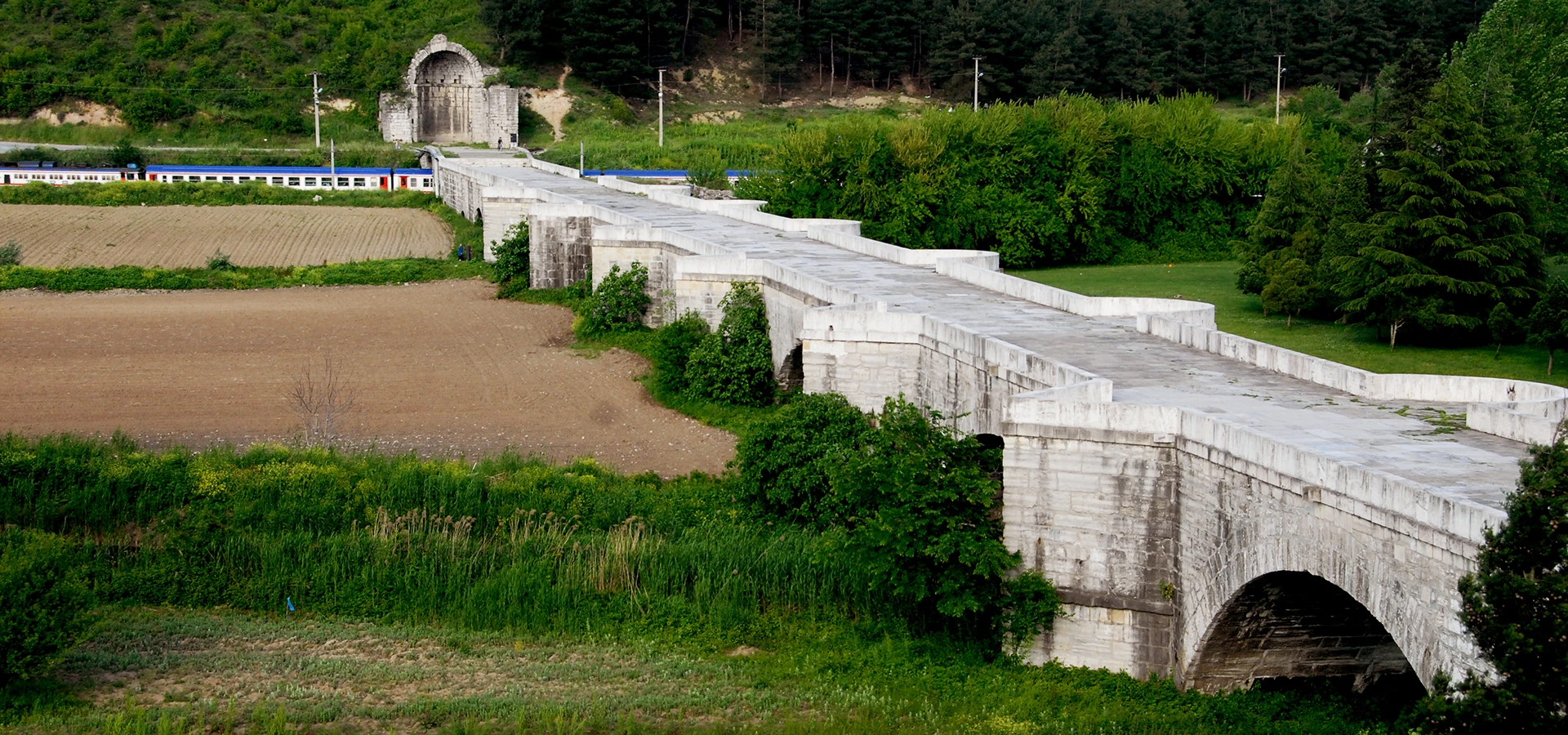
Continue through Sakarya's Byzantine history at one of northwestern Anatolia's most remarkable surviving monuments from the age of Emperor Justinian.
Explore Justinian Bridge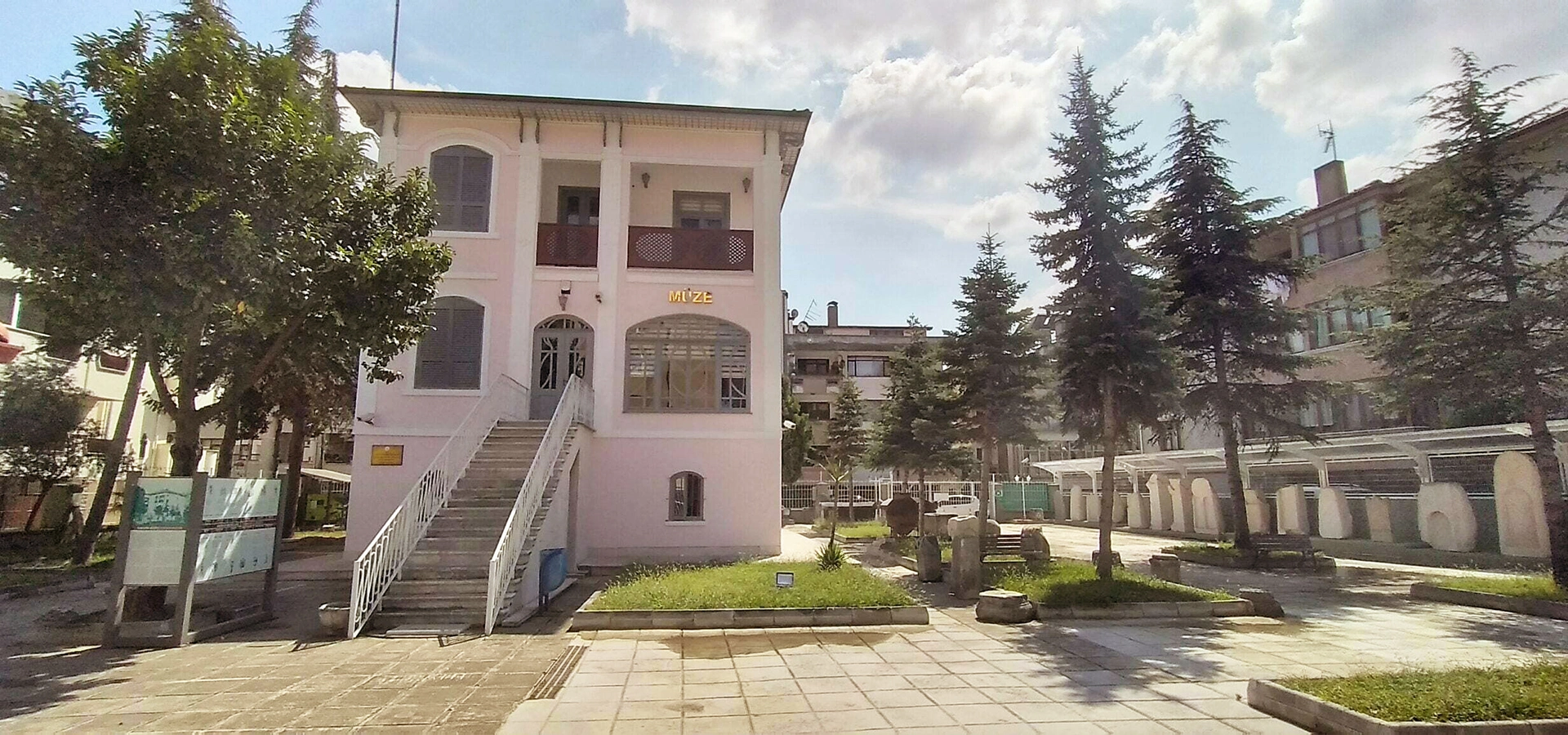
Place Harmantepe within the wider history of the province through archaeological, Ottoman and Republican-period collections in central Adapazarı.
Explore Sakarya Museum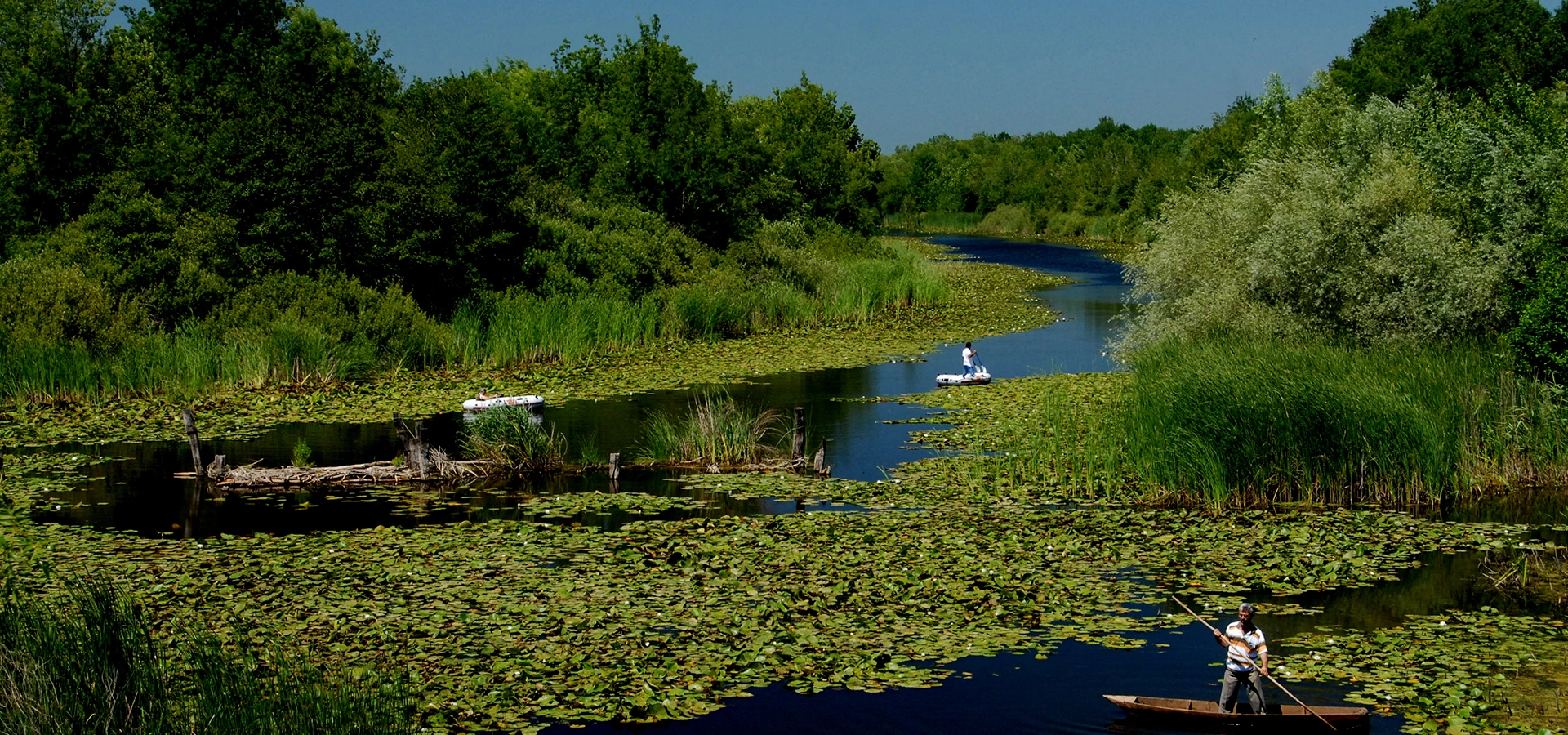
Balance medieval history with one of Sakarya's most distinctive natural environments, known for wetland scenery, forest and seasonal biodiversity.
Explore Acarlar Floodplain Forest