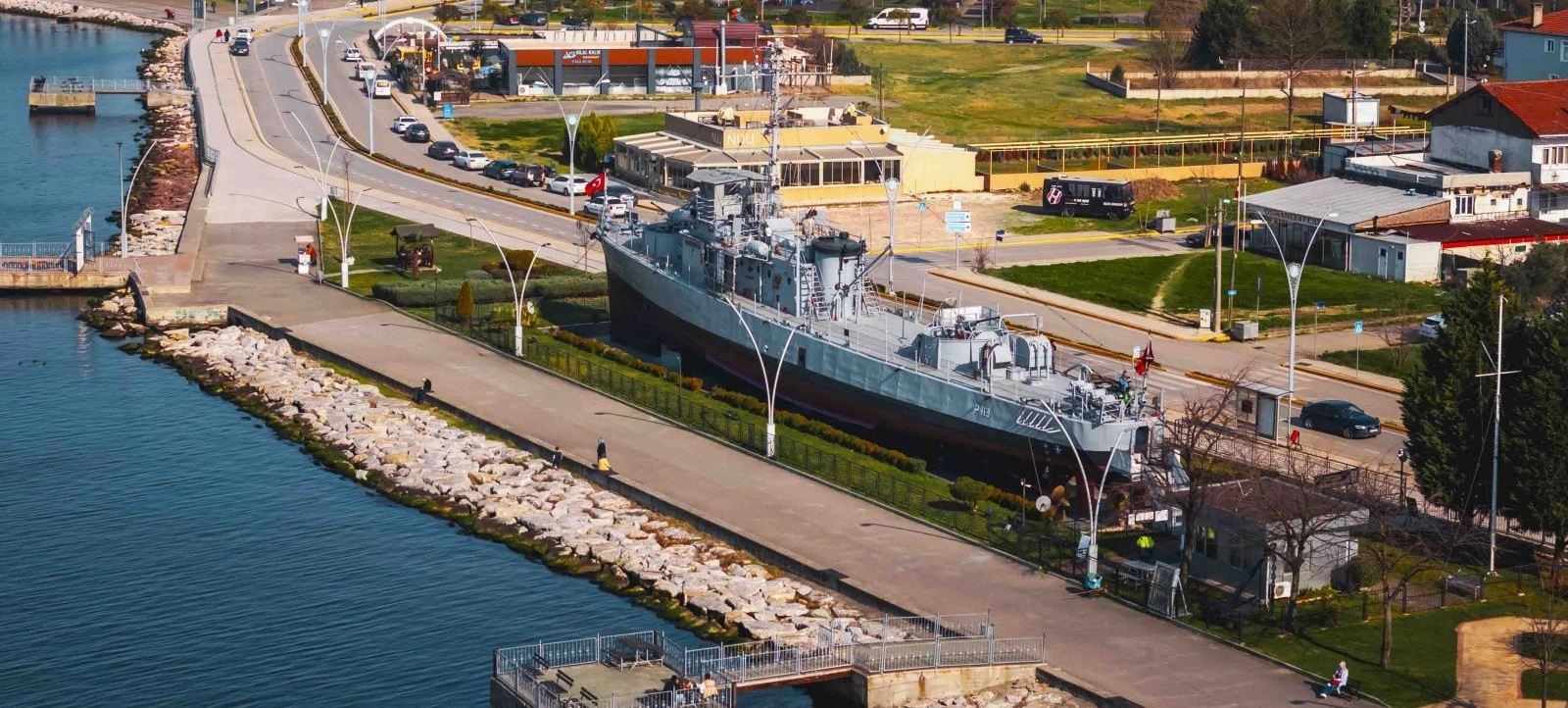
Yarhisar Museum Ship
Explore Gölcük's maritime and naval story aboard a preserved historic vessel on the waterfront.
Explore the Museum Ship



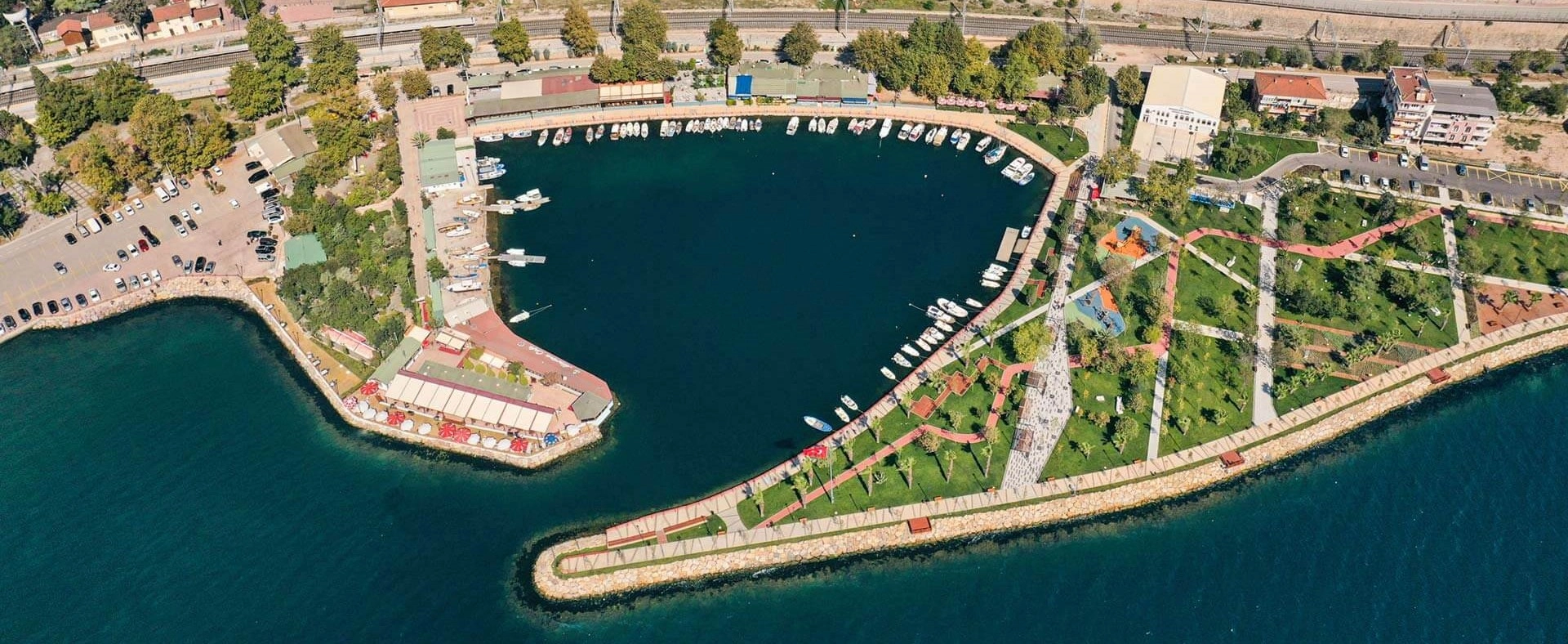
On the southern shore of the Gulf of İzmit, Kavaklı Coast is one of the main public recreation areas of Gölcük. It is not simply a strip of shoreline: the coast combines landscaped green areas, walking routes, sports facilities, children's recreation, fishing shelters and broad views across the Gulf.
Official tourism information describes Kavaklı as an 81-decare coastal recreation area — approximately 81,000 square metres — with an amphitheatre, children's playground, sports courts, running space, ornamental pools and areas connected with local fishing life.
The seafront has also been modernized with walking and cycling infrastructure along Kavaklı Sahil Caddesi. Today, the area works as one of Gölcük's everyday outdoor living rooms: a place for an evening walk, a family outing, exercise, photography or simply sitting beside the water.
Kavaklı also has a deeper emotional significance. Gölcük was at the centre of the devastating 17 August 1999 Marmara Earthquake, and the Kavaklı waterfront has become one of the district's principal places of remembrance, where annual commemorations are held for those who lost their lives.
A large public recreation zone combining green areas, sports, walking routes and Gulf scenery.
Modern waterfront improvements created a comfortable promenade and dedicated cycling space along the coast.
Football, tennis, basketball, volleyball and children's facilities make Kavaklı much more than a viewpoint.
The waterfront is closely connected with Gölcük's annual remembrance of the 17 August 1999 Marmara Earthquake.
Essential information for planning a walk, family outing or relaxed waterfront stop on Gölcük's Gulf of İzmit coast.
Sahil Caddesi,
Kavaklı, Gölcük, Kocaeli.
Urban waterfront park
on the Gulf of İzmit.
Approx. 81 decares
according to official tourism information.
Walking, cycling & relaxing
plus family recreation.
Sports courts & play areas
with a large public seafront.
1–2 hours
or longer with sport, food and nearby sights.
Kavaklı is one of the best places to understand Gölcük not through a museum or monument, but through the district's daily relationship with the sea.
The first reason is scale. At approximately 81 decares, Kavaklı is large enough to function as a genuine urban recreation zone rather than a narrow seaside walkway. The waterfront contains space for sport, children, walking, events and quiet time beside the Gulf.
The second reason is variety. Official tourism descriptions list an amphitheatre, children's play space, football fields, tennis courts, basketball and volleyball areas, running space, ornamental pools and fishing shelters. That mixture allows different generations to use the same coastal landscape in very different ways.
The third reason is its place in local memory. The 17 August 1999 Marmara Earthquake changed Gölcük permanently. Kavaklı has become one of the district's central gathering points for annual memorial ceremonies, giving the seafront a meaning that goes far beyond recreation.
Finally, Kavaklı represents the modern public face of the southern Gulf. The renovated seafront corridor, walking routes, cycling infrastructure and decorative lighting have helped turn the coast into a place used from morning exercise through evening social life.
Kavaklı sits directly on the southern shore of the Gulf of İzmit, where the water is framed by the opposite coast, distant urban settlements and the hills surrounding the Gulf.
This is not an open-sea landscape. The Gulf creates a more enclosed visual setting, and the presence of boats, fishing areas, coastal infrastructure and distant development gives Kavaklı a distinctly Marmara character.
The strongest part of the experience is the transition between green public space and open water. Lawns, trees, paths and recreation areas sit close to the shore, allowing visitors to move easily between active and quieter parts of the park.
For travellers crossing Kocaeli, Kavaklı offers a useful change of pace from museums, industrial heritage and historic monuments. It is a place to slow down, watch local life and see how Gölcük opens toward the Gulf.
The opposite coast and surrounding hills create a layered rather than open-ocean horizon.
Landscaped public space softens the edge between the city and the sea.
Fishing shelters and small craft add everyday maritime character to parts of the shore.
Kavaklı feels connected to daily Gölcük life rather than separated from town as a resort zone.
A waterfront walk is the simplest way to enjoy Kavaklı. The seafront improvements along Kavaklı Sahil Caddesi were designed to create a more comfortable urban corridor with walking space, cycling infrastructure and decorative lighting.
Kocaeli Metropolitan Municipality's redevelopment included a dedicated cycle route along the approximately one-kilometre coastal street, making the area more practical for everyday cycling as well as pedestrian use.
For walkers, the best approach is not to hurry. Move slowly along the coast, stop at open viewpoints, watch the fishing activity and use the park spaces when you want a break from the promenade.
Evening is particularly pleasant. The strongest daytime heat begins to ease, local residents come out for exercise and the illuminated waterfront feels more social without losing its open coastal atmosphere.
The waterfront corridor is well suited to a casual seaside walk rather than a fixed sightseeing route.
Dedicated cycling infrastructure forms part of the modern Kavaklı Sahil Caddesi layout.
Later hours bring cooler temperatures, local activity and softer light over the Gulf.
Official tourism information also identifies running space among Kavaklı's recreation facilities.
Kavaklı's unusually broad mix of facilities is one of the main reasons it functions as such an important public gathering space. Official tourism information lists two football fields, two tennis courts, basketball and volleyball areas within the wider coastal park.
The coast therefore attracts more than visitors coming for scenery. Local residents use the park for exercise, informal games, training and social recreation throughout the year.
Two large spectator stands, historically described as having capacity for around 800 people each, also reflect the waterfront's role as a place for organized activity and public events.
Facilities can change over time, and a court or field may occasionally be closed for maintenance, events or local programming. If you are travelling specifically to use a particular sports area, confirm current availability before making a special journey.
Official tourism descriptions list two football fields within the wider recreation area.
Two tennis courts are among the facilities traditionally associated with Kavaklı Coast.
Basketball space adds another active option within the public waterfront park.
Volleyball facilities contribute to Kavaklı's strong community-sport character.
Kavaklı is well suited to families because the waterfront provides much more space than a conventional promenade. Children can move between play areas, green space, walking routes and sports facilities without the visit depending on a single attraction.
Official tourism information includes a children's playground and a lunapark among the features of the wider Kavaklı recreation area. Seasonal amusement operations can change, so families should treat the permanent waterfront park as the main reason to visit and consider individual rides or attractions as variable.
The coast is also useful for families who simply want an easy outdoor break. You can walk for a while, stop near the water, let children use recreation areas and then continue into central Gölcük for food.
As with any waterfront, younger children should be supervised closely near the water, fishing areas, roads and cycling routes.
Children's recreation is one of the long-established features of Kavaklı Coast.
The large coastal park gives families more flexibility than a narrow urban promenade.
Older children and teenagers may enjoy the football, tennis, basketball and volleyball facilities.
Green areas and seating opportunities make it easy to alternate activity with rest.
Kavaklı Coast includes an amphitheatre, one of the features that gives the park a civic role beyond ordinary recreation.
The wider seafront has long been used for public celebrations, ceremonies and community gatherings. That makes Kavaklı one of the places where visitors may unexpectedly encounter local cultural programming rather than a purely passive park landscape.
Event calendars are not fixed, and the amphitheatre should not be treated as a guaranteed-performance venue on any particular day. For travellers, its importance lies in understanding that Kavaklı is a shared public space used by the community throughout the year.
If an event is taking place, expect parts of the waterfront to become busier than usual, especially around access roads, parking areas and central gathering points.
Official descriptions of Kavaklı include fishing shelters, a detail that helps explain the coast's everyday maritime atmosphere.
These working areas are different from the landscaped sections of the park. Boats, fishing equipment and practical shoreline infrastructure reveal a side of the Gulf that is connected to local life rather than tourism alone.
For photographers, the contrast can be especially interesting: modern promenade surfaces, green recreation space and the small-scale working waterfront exist within the same coastal setting.
Visitors should remember that fishing shelters are functional spaces. Keep access routes clear, avoid interfering with boats or equipment and ask permission before photographing people at close range.
Small craft and fishing activity add visual character to sections of the Gölcük shoreline.
Not every part of Kavaklı is designed as a park; some areas remain connected with practical maritime use.
Boats and waterfront structures can create strong foreground elements against the Gulf.
Keep clear of operational areas and do not block working paths around shelters or boats.
Any serious guide to Kavaklı should acknowledge the meaning of 17 August 1999. The Marmara Earthquake struck at 03:02 and caused catastrophic destruction across the region, with Gölcük becoming one of the places most closely identified with the disaster.
Kavaklı Coast later became a major setting for annual remembrance ceremonies. Municipal programmes have repeatedly gathered residents, officials, search-and-rescue organizations and relatives of victims along the waterfront to remember those who died and to emphasize disaster awareness.
The memorial dimension changes how part of the seafront should be experienced. This is not simply another recreation park: for many people in Gölcük, the coast is connected with family memory, loss, survival and the rebuilding of the district.
Visitors should approach earthquake memorial areas quietly and respectfully, especially around 16–17 August, when commemorative events may continue late into the night and through the symbolic time of 03:02.
Kavaklı is not a single-viewpoint destination. Its photographic value comes from combining several layers of the waterfront: the Gulf, promenade, green areas, boats, sports life and distant shoreline.
Wide-angle compositions work well when you want to show the scale of the seafront. Use trees, paths or cycling lines to lead the eye toward the water.
Around fishing areas, small boats and harbor details can create a more intimate view of local maritime life. A longer lens is useful for isolating boats, distant hills or activity on the opposite shore.
Late afternoon and early evening are generally the most atmospheric times. Light becomes softer, the water reflects more colour and ordinary local life gives the images a stronger sense of place.
Use walking and cycling paths as leading lines toward the Gulf.
Fishing craft and small shoreline structures add detail to otherwise broad coastal compositions.
Evening exercise, families and sports activity help convey Kavaklı as a living public space.
Avoid turning earthquake remembrance sites or ceremonies into casual photo backdrops.
Kavaklı can be visited throughout the year, but the atmosphere changes significantly with the season and time of day.
Comfortable temperatures make spring ideal for longer walks, cycling and outdoor sport.
The waterfront is livelier, especially in the evening when residents come out after the strongest heat.
Often excellent for walking and photography, with fewer peak-season crowds and softer light.
Quieter and more exposed to wind, but still worthwhile for a short Gulf walk on clear days.
Good for exercise, calmer paths and a quieter view of the waterfront.
Usually the best balance of softer light, local atmosphere and comfortable walking conditions.
Kavaklı is part of an urban district rather than an isolated coastal park, so visitors can easily combine the waterfront with cafés, bakeries and restaurants in and around Gölcük.
For a simple visit, a coffee or light meal after a walk often works better than planning the coast as a formal dining destination. The main attraction here is the public waterfront itself.
If you are continuing west toward Değirmendere or east toward central Gölcük, you will find additional seaside places where a meal can be combined with a longer Gulf route.
When bringing your own snacks, keep the park clean, use bins and follow current municipal rules regarding picnics, barbecues, glass and open flames.
Kavaklı is best experienced on foot, so choose shoes suitable for a longer promenade walk.
Watch for cyclists and keep dedicated cycling space clear when walking or stopping for photographs.
Hot afternoons can be tiring even beside the Gulf. Carry water and use sun protection.
Stay close to younger children near the water, roads, cycling routes and fishing areas.
Ceremonies and public events can affect parking, traffic and access to parts of the waterfront.
Fishing shelters and boat access points are functional spaces rather than decorative attractions.
Softer light and cooler temperatures create one of the most pleasant times for a coastal walk.
Kavaklı works best as a relaxed public-space experience rather than a fast checklist stop.
Kavaklı Coast is a public urban waterfront rather than a ticketed attraction. The main promenade and park experience does not require a museum-style admission plan.
Official tourism information places the recreation area at approximately 81 decares and lists sports, children's facilities, an amphitheatre, running space, ornamental pools and fishing shelters within the wider coastal zone.
Because Kavaklı is an active municipal recreation area, specific facilities can be renewed, temporarily closed or repurposed. Do not rely on old photographs for the exact position or operating condition of every playground, ride, court or event space.
For most travellers, 1–2 hours is enough for a comfortable walk and Gulf views. Allow longer if you want to cycle, use sports facilities, visit the nearby Yarhisar Museum Ship or continue along the Gölcük waterfront.
Sahil Caddesi, Kavaklı, Gölcük, Kocaeli
Public waterfront recreation area
81 decares / 81,000 m²
Approx. 17 km
according to official tourism information.
Walking, cycling, sport, families & Gulf views
1–2 hours
or half a day with nearby Gölcük sights.
Kavaklı Coast lies on Sahil Caddesi in Kavaklı, Gölcük, along the southern shore of the Gulf of İzmit.
Official tourism information places the coast approximately 17 kilometres from Kocaeli's provincial centre. Regional public transport connects İzmit with Gölcük, while local transport can be used for the final approach to the waterfront.
By private vehicle, follow the main southern Gulf corridor toward Gölcük and use navigation for Gölcük Kavaklı Sahili. The coast is part of a developed urban area rather than a remote natural site.
If you are already in central Gölcük, Kavaklı can be combined easily with the town centre, the Yarhisar Museum Ship and other shoreline stops.
Official tourism information gives a distance of approximately 17 km.
Use the southern Gulf route toward Gölcük and navigate to Kavaklı Sahili.
Gölcük is served by regional public transport from the wider Kocaeli area.
Once in Gölcük, combine Kavaklı with nearby waterfront attractions rather than making a separate long detour.
Kavaklı is a popular local recreation area, so traffic and parking demand can rise during summer evenings, weekends, public holidays and major events.
Use marked parking areas and follow current municipal signs. Avoid stopping in ways that obstruct cycling routes, residential access, event operations or fishing and waterfront service areas.
During large remembrance ceremonies around 17 August, parts of the seafront may operate differently from an ordinary day, with additional public-safety arrangements and heavier pedestrian movement.
If you are arriving for a major event, an earlier arrival or public transport may be easier than searching for parking at the busiest time.
Begin at Kavaklı Coast in the late afternoon. Walk along the waterfront, take in the Gulf views and explore the park's green and recreation areas.
Continue through the walking and cycling corridor, watching for local boats and fishing activity along the shoreline. Pause where the waterfront opens toward the opposite coast.
Next, visit the nearby Yarhisar Museum Ship if it is open and fits your schedule. The ship adds a naval-history dimension to a day otherwise focused on contemporary waterfront life.
If you have a vehicle and want nature, continue inland toward Nüzhetiye Waterfall for a completely different Gölcük landscape of forest, streams and countryside.
Alternatively, continue west toward Değirmendere for another relaxed Gulf-side walk, cafés and a longer evening beside the water.
Kavaklı Coast – waterfront walk, green space and Gulf views.
Sports & Recreation Zone – see the active community side of the seafront.
Yarhisar Museum Ship – add naval heritage to the waterfront route.
Gölcük Centre – stop for coffee, food or a short town walk.
Nüzhetiye Waterfall – continue inland for forest scenery and a rural contrast.
Değirmendere – continue west for more promenade, cafés and Gulf atmosphere.
Enough for a quick Gulf stop, a short walk and a few photographs.
A comfortable promenade walk with time to explore part of the recreation area.
Recommended for most visitors who want to walk slowly, relax and see the waterfront properly.
Best if you combine Kavaklı with the Yarhisar Museum Ship, Gölcük centre or a meal.
Allow longer if you are cycling, running or using sports facilities rather than simply sightseeing.
Treat Kavaklı as an urban waterfront to experience rather than an attraction to complete.
Kavaklı works especially well as part of a wider Gölcük day combining the Gulf shoreline with naval history, local neighbourhoods and inland nature.
Use our complete Kocaeli travel guide to continue exploring the province.
A preserved naval vessel and one of the most distinctive museum experiences on the Gölcük waterfront.
Combine the coast with everyday town life, local cafés and the district's modern urban centre.
A well-known Gulf-side neighbourhood with waterfront walks, cafés and a strong coastal atmosphere.
Head inland for forest scenery, streams and a natural contrast to the Gulf waterfront.
One of the more adventurous nature options in southern Kocaeli for experienced outdoor visitors.
Continue east for Roman Nicomedia, Ottoman monuments, museums and Kocaeli's provincial centre.
Kavaklı Coast is on Sahil Caddesi in Kavaklı, Gölcük, Kocaeli, on the southern shore of the Gulf of İzmit.
It is a large public waterfront recreation area with green space, walking routes, sports facilities, children's areas, an amphitheatre and fishing-related shoreline areas.
Official tourism information describes the wider recreation area as approximately 81 decares, or about 81,000 square metres.
Official tourism information gives a distance of approximately 17 kilometres from Kocaeli's provincial centre.
The main seafront is a public recreation area rather than a ticketed attraction. Individual seasonal activities or services may have their own charges.
Kavaklı is best understood as an urban waterfront park and promenade. Visitors should not assume that every part of the shore is intended or supervised for swimming.
Yes. Walking is one of the best reasons to visit, and the modern waterfront corridor includes improved pedestrian infrastructure.
Yes. Kocaeli Metropolitan Municipality's Kavaklı Sahil Caddesi improvements included dedicated cycling infrastructure along the waterfront.
Official tourism descriptions list football fields, tennis courts, basketball and volleyball areas, together with running space.
Yes. The wide public park, play areas and sports facilities make it a practical family stop, but children should be supervised closely near the water and cycle routes.
Yes. An amphitheatre is among the long-established public facilities in the wider coastal recreation area.
Yes. Official tourism information mentions fishing shelters, reflecting the coast's continuing connection with local maritime life.
Kavaklı has become one of Gölcük's principal gathering places for annual 17 August earthquake remembrance ceremonies.
Official programmes have included memorial gatherings, prayers, disaster-awareness activities and remembrance at the symbolic time of 03:02.
Late afternoon and early evening are especially pleasant for walking, photography and experiencing everyday local waterfront life.
Allow around 1–2 hours for a relaxed walk and waterfront visit, or longer if you combine it with nearby attractions.
The nearby Yarhisar Museum Ship, Gölcük centre, Değirmendere, Nüzhetiye Waterfall and other southern Kocaeli attractions work well in the same day.
Yes. It is one of the best places in Gölcük for combining Gulf views, walking, cycling, local life, recreation and modern waterfront atmosphere.
Kavaklı does not ask visitors to admire a single monument. Its appeal comes from the whole waterfront: paths, green space, sports, boats, families and the Gulf stretching north toward the opposite shore.
In the morning, runners and walkers use the coast before the day becomes busy. Later, children move through play areas, sports courts become more active and the promenade fills with residents enjoying the air beside the water.
By evening, the light softens over the Gulf and Kavaklı becomes one of those places where the best activity is simply to keep walking. The coast reveals Gölcük as a lived-in maritime town rather than a destination made only for tourists.
Yet the memory of 1999 remains part of the landscape. That combination — recreation, recovery, community and remembrance — gives Kavaklı a significance that is easy to miss if you see it only as a park.
Kavaklı introduces the everyday waterfront life of southern Kocaeli. Continue through Gölcük for naval heritage, waterfalls, canyons and more Gulf-side landscapes.
Pair the Kavaklı waterfront with local history and the green landscapes rising behind the Gulf.
Explore Gölcük's maritime and naval story aboard a preserved historic vessel on the waterfront.
Explore the Museum Ship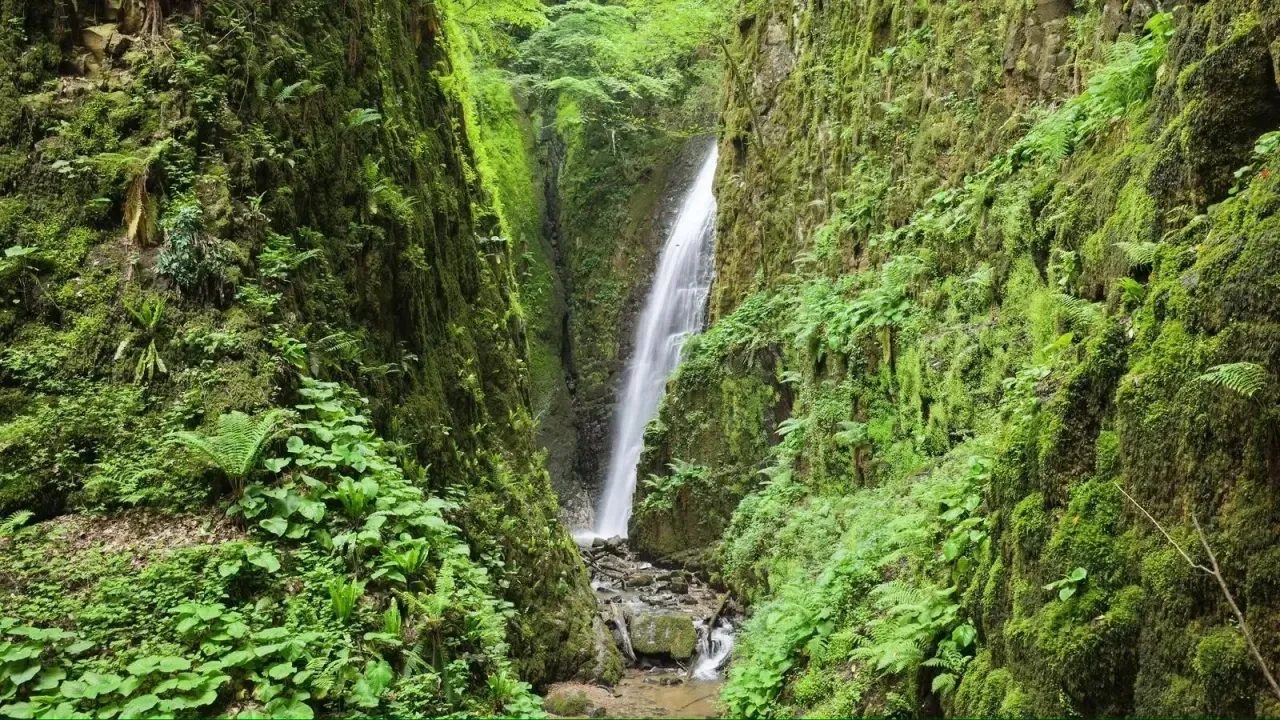
Leave the Gulf behind and head inland for forest, streams and one of Gölcük's best-known natural escapes.
Discover Nüzhetiye Waterfall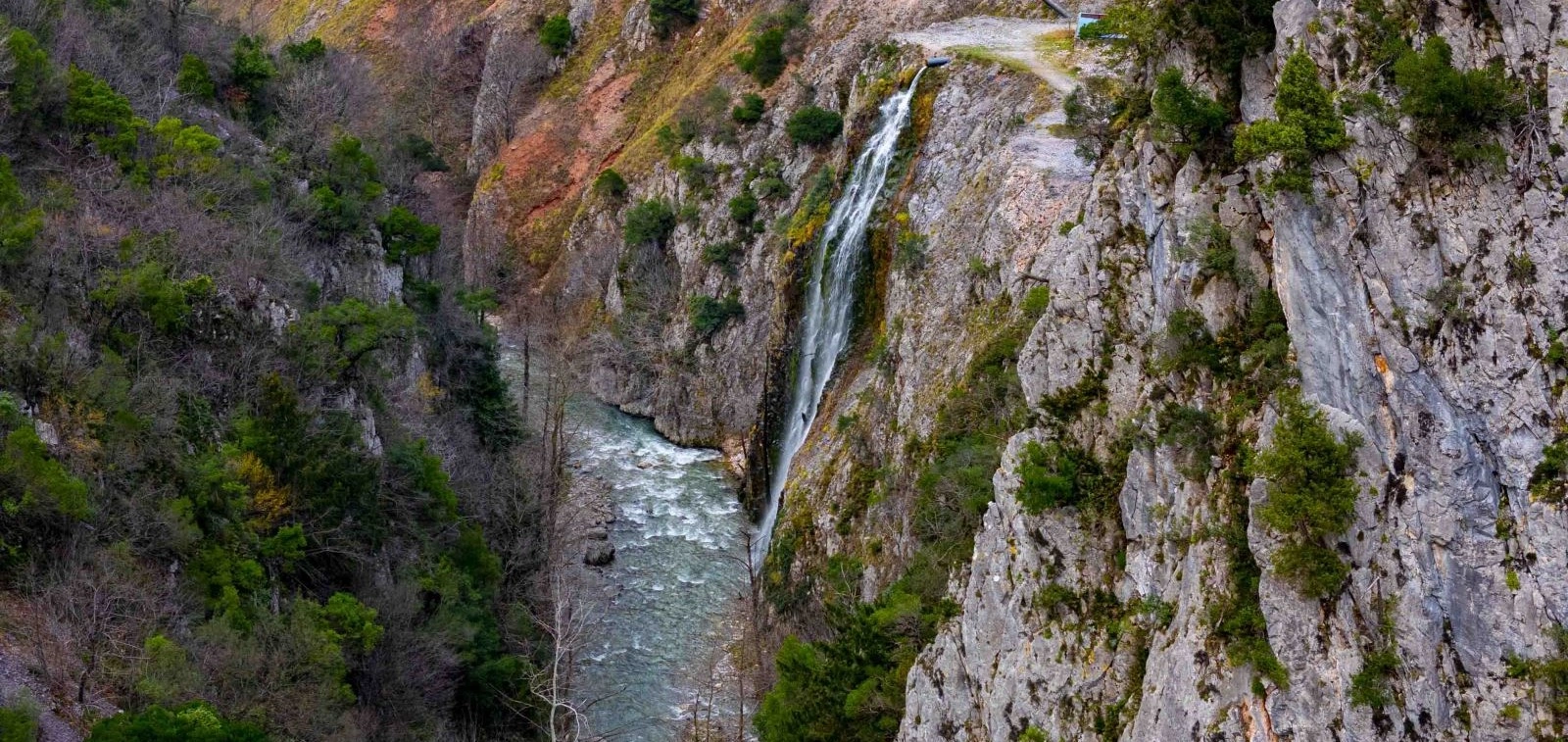
Discover a wilder side of southern Kocaeli with forest, rock and adventurous canyon landscapes.
Explore Serindere CanyonContinue from Gölcük toward Kocaeli's museums, historic towns and Ottoman coastal heritage.
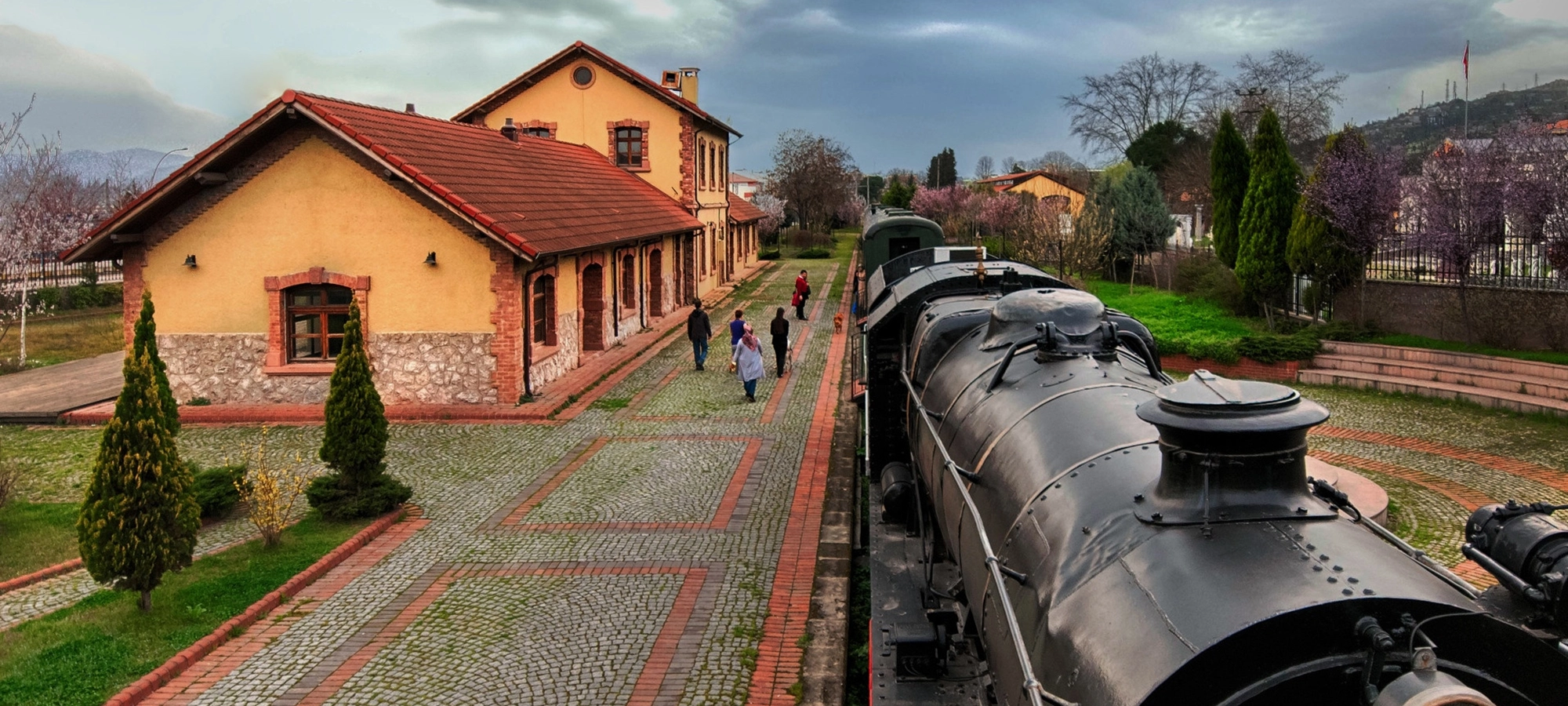
Continue east to discover one of İzmit's most important surviving landmarks from the age of Ottoman railways.
Explore the Station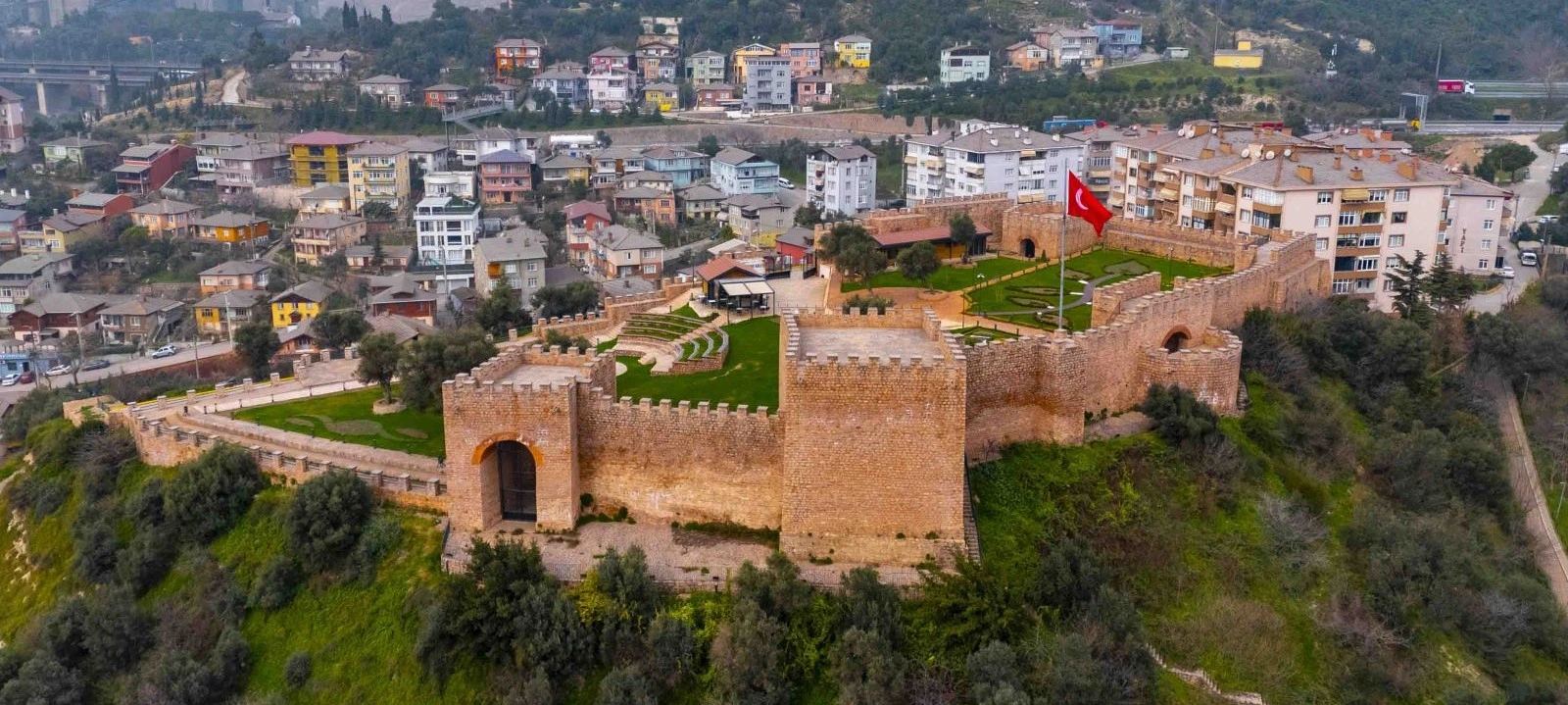
Follow the Gulf eastward to a restored fortress overlooking one of Kocaeli's most historic coastal towns.
Explore Hereke Castle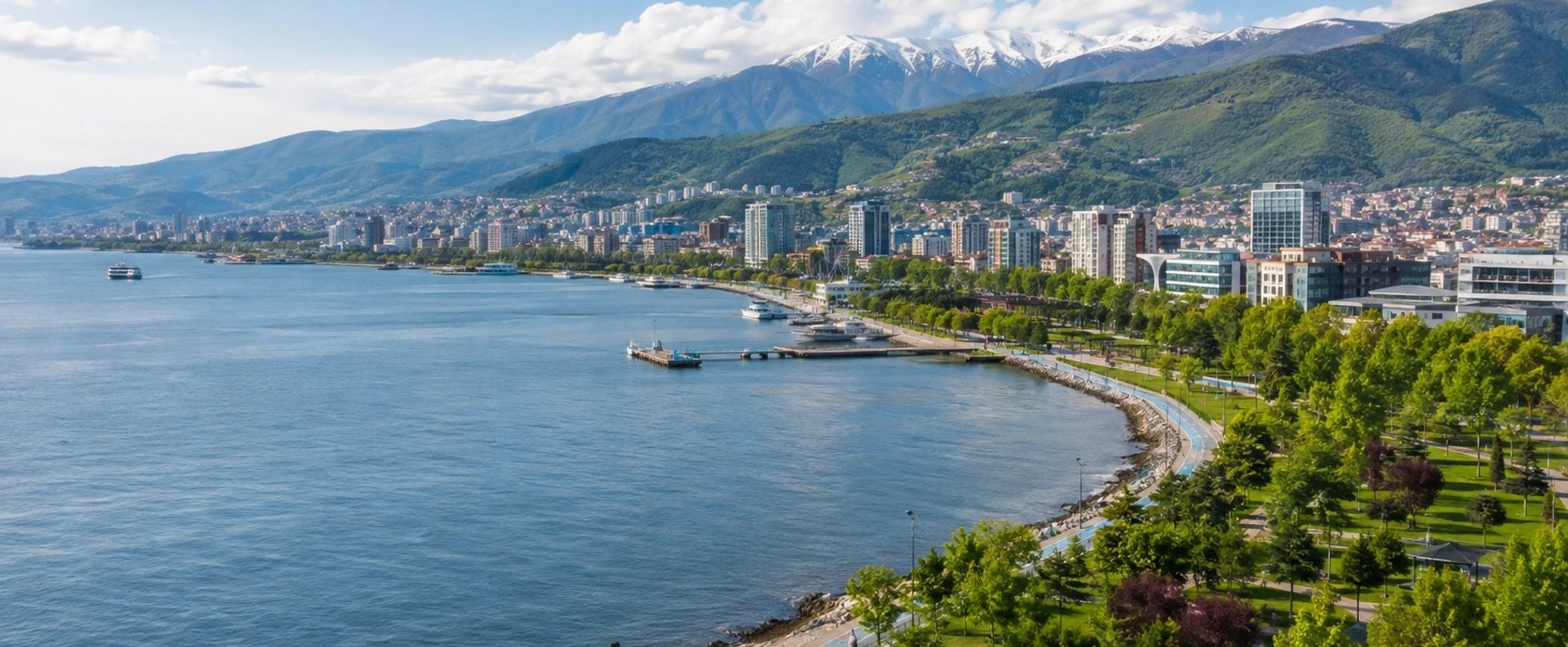
Discover more waterfronts, museums, archaeological sites, Ottoman monuments, forests and beaches across the province.
Discover KocaeliWe can connect Istanbul, Kocaeli, Cappadocia and destinations throughout Türkiye in a private tailor-made itinerary.
Build a private route around Kocaeli with waterfronts, museums, Ottoman heritage and local coastal culture.
Plan Your Journey
Continue around the Gulf for nature, heritage, local food, archaeology and modern coastal landscapes.
Explore Kocaeli
Continue throughout Türkiye with historic cities, archaeological sites, landscapes, museums and local experiences.
Explore Türkiye