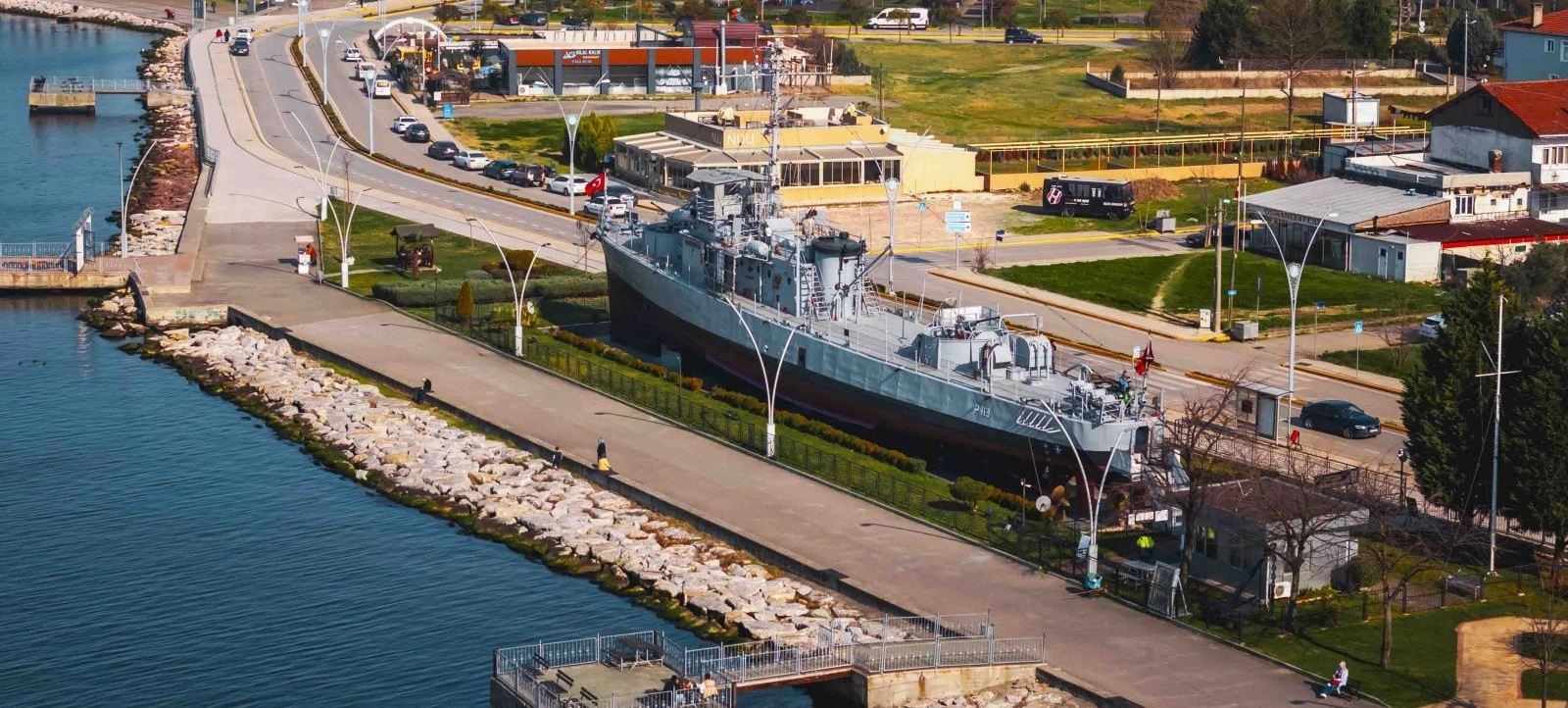
Yarhisar Museum Ship
Step aboard a preserved Turkish naval vessel and discover Gölcük's long connection with the sea and the Turkish Navy.
Explore Yarhisar Museum Ship





On the southern shore of the Gulf of İzmit, the historic quarter of Değirmendere preserves one of Kocaeli's most attractive collections of traditional waterfront houses.
Known locally as the Değirmendere Yalı Evleri, or Değirmendere Waterfront Houses, the restored buildings form a picturesque historical district of timber façades, red-tiled roofs, traditional windows, courtyards and narrow pedestrian spaces.
The surviving houses are important examples of traditional Turkish civil architecture and preserve the atmosphere of an older Değirmendere that once developed along the Marmara shoreline.
As part of the Tarih Koridoru – History Corridor Project, a group of 12 registered historical buildings and a mosque was carefully restored, helping transform the old Yalı neighbourhood into a lively cultural destination.
Rather than functioning as an isolated architectural museum, the restored houses were given new roles. Today the complex is associated with art, ceramics, wooden sculpture, restaurants, cafés, accommodation and cultural activities.
This combination of historic architecture and contemporary life makes Değirmendere Yalı Evleri one of the most enjoyable heritage stops around Gölcük and the southern Gulf of İzmit.
A group of registered historic buildings was restored as part of the preservation project.
Wood, tiled roofs and characteristic façades preserve the atmosphere of the old neighbourhood.
The restored houses contain cultural, artistic, hospitality and social spaces.
The historic quarter lies only steps from the beautiful Gulf of İzmit shoreline.
Essential information about one of Gölcük's most attractive historic neighbourhoods.
Değirmendere,
Gölcük, Kocaeli.
Traditional civil architecture
and historic neighbourhood.
12 registered buildings
plus a mosque.
Traditional
Turkish wooden houses.
Museums, workshops,
cafés and cultural spaces.
Historic quarter beside
the Gulf of İzmit.
The restored houses preserve traditional architecture while keeping the old waterfront district alive as a cultural meeting place.
Modern Kocaeli is usually associated with industry, transport and rapidly expanding urban centres.
Yet scattered around the province are neighbourhoods that preserve a very different architectural world.
Değirmendere's old Yalı quarter is one of the most appealing examples.
Here, historic houses demonstrate the characteristics of traditional Turkish domestic architecture on a human scale.
Their importance lies not in monumental size, but in the way they preserve the appearance and atmosphere of an older residential environment.
Together, the buildings help visitors imagine a period when life along the Gulf was shaped by small neighbourhoods, wooden homes, gardens, local commerce and close connections with the waterfront.
The restoration of the Yalı Evleri also represents an important approach to heritage conservation: instead of preserving individual houses in isolation, the project sought to protect the character of an entire traditional streetscape.
The houses stand in Değirmendere Yalı Mahallesi, close to the shoreline of the Gulf of İzmit.
The district preserves traces of Değirmendere's older settlement pattern, before modern apartment blocks and expanding urban development transformed much of the coastal landscape.
Historical and architectural studies describe surviving traditional houses both in Yalı Mahallesi and in parts of Yukarı Değirmendere.
The houses of Yalı Mahallesi became particularly important because a group of them could still be preserved together, allowing the character of the historic street itself to survive.
The resulting environment is very different from visiting a single restored mansion. Visitors can walk between several historic façades, observe their relationship with one another and experience something closer to the scale of a traditional neighbourhood.
The restored Yalı houses reflect many of the characteristics associated with traditional Turkish residential architecture.
Rather than heavy monumental façades, the buildings have a warm domestic scale.
Their visual character comes from a combination of timber construction, white plastered surfaces, wooden window frames, projecting upper floors, balconies and red-tiled roofs.
The upper floors are often visually lighter than the lower levels, while closely spaced windows allow plenty of daylight into the interiors.
Wooden details create rhythm across the façades, particularly around windows, doors, balconies and roof lines.
These architectural features connect the Değirmendere houses with the broader tradition of domestic building found across northwestern Anatolia and the Marmara region.
Wooden framing, cladding and decorative elements give the houses much of their historic character.
Traditional red roof tiles create one of the most recognisable features of the complex.
Rows of timber-framed windows create bright interiors and elegant street façades.
The modest proportions preserve the intimate feeling of an old residential neighbourhood.
Traditional Turkish houses were shaped not only by architectural style, but by family life, climate, privacy and the social organisation of the household.
Different regions developed different variations, but timber construction remained especially important in the wooded regions of northern and western Anatolia.
Rooms were generally organised around shared circulation areas, while projecting upper floors helped increase usable interior space.
Windows, wooden ceilings, cupboards, doors and carefully proportioned façades became essential parts of the architectural language.
The Değirmendere Yalı houses should therefore be appreciated as domestic architecture rather than as miniature palaces.
Their beauty lies precisely in their relationship with everyday life.
The surviving houses became the focus of an important conservation programme organised by Gölcük Municipality.
Under the Tarih Koridoru – History Corridor Project, restoration projects were prepared for 12 registered historical buildings and a mosque.
The projects received the necessary heritage-board approval and the buildings were renovated with the intention of preserving their traditional architectural character.
The work was not limited to repairing façades.
An equally important objective was to give the restored houses new functions capable of keeping the historic quarter active.
As a result, different buildings became spaces associated with museums, art, crafts, food, accommodation and community activities.
The project protected a group of historic structures rather than only a single house.
The restoration programme also incorporated the neighbourhood's religious architecture.
Preserving the relationship between the buildings helped retain the atmosphere of the old quarter.
Cultural and hospitality uses helped transform the restored neighbourhood into a living destination.
One of the most successful aspects of the Değirmendere Yalı Evleri project is that the houses were not intended simply to stand empty behind restored façades.
Instead, the historic buildings were adapted for cultural, artistic, educational and hospitality functions.
Different parts of the complex have been associated with ceramics, wooden sculpture, art exhibitions, workshops, a library, cafés, restaurants, shops and accommodation.
This gives the neighbourhood a very different atmosphere from a conventional museum.
Visitors can admire the architecture, stop for coffee, walk toward the waterfront or encounter local cultural activities within the same compact area.
Ceramic art is one of the cultural themes associated with the restored Yalı Evleri complex.
A Ceramic Museum and ceramic-related artistic spaces have formed part of the cultural programme developed within the historical houses.
The setting is particularly appropriate.
Traditional architecture provides an intimate backdrop for objects created from earth, fire and craftsmanship.
Visitors interested in Turkish decorative arts should therefore look beyond the façades and explore any cultural venues operating inside the restored buildings during their visit.
Wood has significance in Değirmendere in more than one way.
It is both an essential element of the historic architecture and an important material within the town's contemporary artistic identity.
The Yalı Evleri project includes spaces associated with wooden sculpture and artistic production.
Değirmendere has also become known for public sculpture, with artworks contributing to the cultural atmosphere of the waterfront and nearby urban spaces.
This creates an interesting conversation between old craftsmanship and contemporary art: historic timber houses provide the setting, while modern artists continue to explore wood as a creative material.
Any discussion of modern Değirmendere inevitably carries the memory of the 17 August 1999 Marmara earthquake.
The disaster caused devastating destruction across the Gulf of İzmit, and Değirmendere was among the communities deeply affected.
Parts of the old waterfront settlement were also damaged, making the preservation of surviving historic architecture even more meaningful.
Against this background, the restoration of the Yalı houses became more than an architectural project.
It contributed to the preservation of local memory and urban identity in a town whose physical landscape had undergone dramatic change.
Location is one of the greatest attractions of the Yalı Evleri.
The houses stand only a short distance from the Gulf of İzmit shoreline, where Değirmendere opens toward the Marmara Sea.
This relationship with the water helps explain the local name “Yalı Evleri.”
In Turkish, the word yalı is closely associated with buildings and residential areas situated beside the water.
Here, the historic architecture, coastal light and glimpses of the Gulf combine to create one of the most atmospheric urban environments in Gölcük.
A visit is therefore best combined with a walk along Değirmendere's waterfront promenade.
Visitors unfamiliar with Turkish architecture may wonder about the term Yalı Evleri.
The Turkish word yalı is traditionally associated with a waterfront residence, particularly houses situated directly beside the sea or another major body of water.
Some of the most famous examples are the grand Ottoman mansions lining the Bosphorus in Istanbul.
The Değirmendere houses are considerably more modest in scale.
They are better understood as part of a historic waterfront neighbourhood rather than a line of monumental imperial mansions.
For this reason, English descriptions may use expressions such as Değirmendere Waterfront Houses, Historic Mansion Houses or Değirmendere Yalı Houses.
Değirmendere Yalı Evleri are particularly enjoyable because visitors do not have to experience them only as architectural exhibits.
Food and beverage venues operating within and around the restored buildings allow people to sit among the historic houses rather than simply walk past them.
Outdoor seating, stone-paved areas, timber façades and glimpses toward the Gulf create a pleasant environment for breakfast, coffee, lunch or an evening break.
This social use helps return everyday activity to buildings that might otherwise have become static monuments.
Operating businesses can change over time, so travellers interested in a particular restaurant or café should check current information when visiting.
The restoration project also incorporated boutique guest accommodation within the historic setting.
This gives visitors the unusual opportunity to experience the architectural atmosphere of Değirmendere after day visitors have left.
Staying nearby is particularly attractive for travellers making a slower journey along the southern Gulf of İzmit between İzmit, Gölcük, Karamürsel and Yalova.
Because accommodation arrangements, room availability and management can change, always check the current operating information before planning an overnight stay.
The historic houses are among the most photogenic architectural locations in Gölcük.
Wide views work particularly well where several restored façades can be photographed together.
Look for compositions combining white walls, dark timber, red roof tiles and stone-paved pedestrian areas.
Architectural details are equally rewarding.
Photograph wooden windows, balconies, doors, projecting upper floors, roof lines and traditional construction details.
The nearby Gulf also offers opportunities to place the houses within their broader waterfront setting.
Mild temperatures make this one of the best seasons for combining the historic houses with a long waterfront walk.
Enjoy the lively seaside atmosphere, preferably earlier in the morning or toward evening.
Softer light and comfortable temperatures are excellent for architecture and street photography.
The houses remain atmospheric, while cafés provide a comfortable break during colder Marmara weather.
Değirmendere Yalı Evleri are located within an active urban neighbourhood rather than behind the gates of a single archaeological or museum complex.
Visitors can therefore experience the historic street, restored façades and surrounding waterfront area as part of an ordinary walk through Değirmendere.
Individual cultural venues, restaurants, cafés and accommodation facilities within the restored complex may have their own opening hours and operating arrangements.
If a particular museum, workshop or interior is important to your visit, check its current schedule before travelling.
Explore the restored streets and exterior architecture at your own pace.
Cultural venues within the complex may operate according to separate schedules.
Food and beverage venues make the area suitable for a relaxed stop.
The exterior historic quarter provides excellent architectural photography opportunities.
Allow approximately 45–90 minutes for the houses and waterfront.
Allow several hours if combining museums, a meal and the Değirmendere coast.
The historic houses are located in Değirmendere, within the Gölcük district of Kocaeli.
The official cultural-tourism listing gives the location as:
Değirmendere Yalı,
Saniye Altuncu Sokak No:4,
41950 Gölcük / Kocaeli
Değirmendere lies along the main coastal corridor west of Gölcük and south of the Gulf of İzmit.
The historic quarter is close to the town's shoreline, making it straightforward to combine the visit with the waterfront.
Follow the southern Gulf road toward Değirmendere and continue toward Yalı Mahallesi.
Travel west along the coast toward Değirmendere; the historic quarter is only a short distance from central Gölcük.
Cross toward the southern Gulf and continue through Başiskele and Gölcük toward Değirmendere.
Search for Değirmendere Yalı Evleri in your preferred navigation application.
Travellers exploring beyond Istanbul can use Değirmendere as part of a broader journey around the Gulf of İzmit.
Although Istanbul contains Türkiye's most famous waterfront mansions, Değirmendere offers something very different: a quieter collection of provincial traditional houses within a small Marmara coastal town.
The destination works particularly well for travellers continuing toward Gölcük, Karamürsel, Yalova or Bursa.
It can also form part of a heritage journey connecting the archaeological, Ottoman, industrial and maritime history of Kocaeli.
Rather than travelling only for a quick photograph, combine the houses with a walk beside the Gulf and one or more nearby Gölcük attractions.
Begin in the historic Yalı Evleri quarter and take time to study the restored façades before entering any individual cultural spaces.
Look especially at the relationship between timber upper floors, windows, roof lines and the narrow pedestrian spaces.
Continue through the complex to discover the buildings associated with ceramics, wooden sculpture and other cultural uses.
If you have time, stop at one of the cafés or restaurants within the historic environment.
Finally, walk toward the Değirmendere waterfront and enjoy views across the Gulf of İzmit.
Yalı Evleri – explore the historic architecture and restored streetscape.
Cultural Spaces – look for ceramics, wooden sculpture and other artistic activities.
Historic Café Area – relax among the restored houses.
Değirmendere Waterfront – finish with a walk beside the Gulf of İzmit.
Enough for a quick walk through the historic houses and several photographs.
A good choice if your main interest is traditional architecture and the historic streetscape.
Ideal for combining the houses with cultural spaces and the waterfront.
Add coffee, breakfast or lunch and spend time exploring Değirmendere itself.
Combine Yalı Evleri with other attractions around Gölcük and Değirmendere.
Add İzmit, Hereke, Eskihisar or natural attractions in the surrounding Kocaeli region.
The houses are an excellent starting point for exploring the southern Gulf of İzmit and the wider Gölcük district.
Walk along the coast and enjoy views across one of the most beautiful sections of the Gulf of İzmit.
Discover Gölcük's naval identity aboard a preserved Turkish warship transformed into a museum.
Leave the coast behind for forests, streams and one of Gölcük's attractive natural escapes.
Explore a town whose modern identity has been deeply connected with the Turkish Navy and shipbuilding.
Continue east to discover ancient Nicomedia, Ottoman monuments, museums and railway heritage.
Follow the coastline through a landscape shaped for centuries by maritime trade, transport and settlement.
For travellers interested in traditional Turkish architecture, historic neighbourhoods, photography or lesser-known places around Kocaeli, yes.
The attraction is not based on a single spectacular monument.
Its appeal comes from the complete atmosphere of the neighbourhood.
Wooden façades, tiled roofs, small public spaces, cultural venues and the nearby Marmara coastline combine into an experience that feels very different from Kocaeli's modern industrial image.
The houses are also particularly valuable for visitors trying to understand how historic domestic architecture can be preserved and reused rather than simply abandoned.
Combined with the waterfront and nearby Gölcük attractions, the Yalı Evleri make an excellent cultural stop along the southern Gulf of İzmit.
They are located in Değirmendere Yalı Mahallesi in Gölcük, Kocaeli, Türkiye, close to the southern shore of the Gulf of İzmit.
They are a group of restored traditional houses preserving the historic architecture and streetscape of Değirmendere's old waterfront neighbourhood.
Yalı Evleri means waterfront or waterside houses. The term reflects the historic neighbourhood's close relationship with the Gulf of İzmit.
The houses are associated with the tradition of Ottoman and traditional Turkish civil architecture preserved in the old Değirmendere neighbourhood.
The History Corridor Project covered 12 registered historical buildings and a mosque in the Yalı neighbourhood.
The restoration project was undertaken through Gölcük Municipality's heritage-preservation programme with the appropriate cultural-heritage approvals.
The project aimed to preserve Değirmendere's historic architecture and revitalise the old neighbourhood by giving restored buildings cultural and social functions.
Different restored buildings have been associated with ceramics, wooden sculpture, cultural activities, cafés, restaurants, accommodation and other community functions.
Yes. A Ceramic Museum has been among the cultural facilities associated with the restored Yalı Evleri project.
Yes. The complex has also included a Wooden Sculpture Museum and spaces connected with art and craft activities.
Yes. Cafés and restaurant facilities form part of the living historic environment, although individual businesses and operating arrangements may change.
The restoration project includes boutique guest accommodation. Check current availability and management arrangements before planning an overnight stay.
The exterior historic quarter can be explored as part of the neighbourhood. Individual museums or interior venues may have their own access arrangements.
Allow approximately 45–90 minutes for the architecture and waterfront, or longer if you plan to visit cultural venues or stop for food.
Yes. The combination of wooden façades, red-tiled roofs, traditional windows and the Marmara waterfront makes the area particularly photogenic.
The 1999 Marmara earthquake caused severe destruction in Değirmendere and damaged parts of the historic waterfront settlement, making preservation of the surviving heritage especially important.
Yes. This is the ideal way to visit. The houses lie close to the coast, making a historic-quarter and waterfront walk an excellent combination.
Yes. Değirmendere can be visited as part of a longer excursion around Kocaeli and the Gulf of İzmit, particularly for travellers continuing toward Yalova or Bursa.
Nearby attractions include the Yarhisar Museum Ship, Değirmendere waterfront, Nüzhetiye Waterfall and other cultural and natural locations around Gölcük.
Yes. They provide a valuable contrast with monumental mosques and palaces by showing the character of traditional domestic architecture and everyday urban life.
There are places where history is experienced through enormous monuments.
And there are places where history survives in doors, windows, wooden walls and the scale of an old street.
Değirmendere Yalı Evleri belong to the second category.
Walk between the restored houses and the architecture reveals a quieter side of Kocaeli.
Timber-framed windows face narrow pedestrian spaces. Red-tiled roofs rise above white walls. Cafés and cultural venues occupy houses that once belonged entirely to the rhythms of neighbourhood life.
Only a short distance away, the waters of the Gulf of İzmit remind visitors why this quarter developed here in the first place.
The relationship between houses, street and sea is essential to the experience.
The restoration project has allowed this fragment of old Değirmendere to remain visible within a modern town, while museums, art, food and community activity have helped give the buildings a new life.
That combination makes Değirmendere Yalı Evleri one of the most charming cultural stops on the southern shore of the Gulf of İzmit.
From Değirmendere's historic wooden houses, continue through Gölcük and Kocaeli to discover waterfalls, naval heritage, Ottoman architecture, historic railways and the remarkable landscapes surrounding the Gulf of İzmit.
Discover more cultural and natural places around the southern Gulf and beyond.
Step aboard a preserved Turkish naval vessel and discover Gölcük's long connection with the sea and the Turkish Navy.
Explore Yarhisar Museum Ship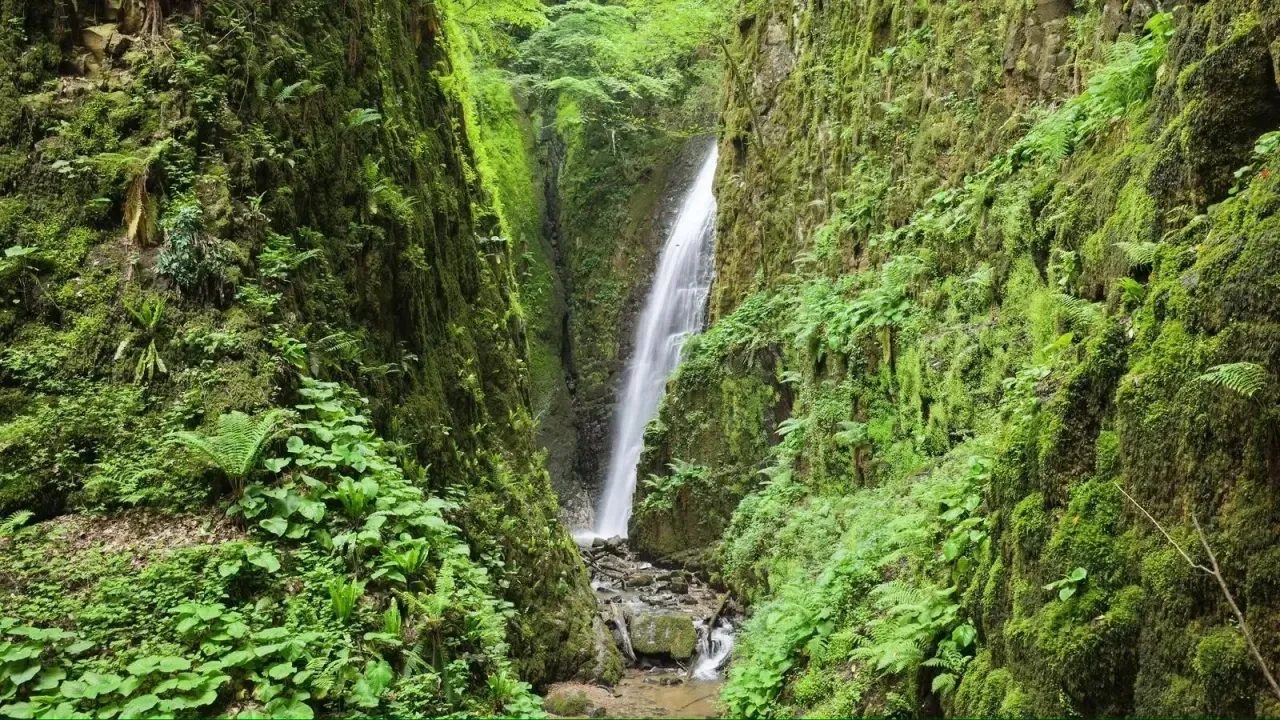
Escape into the forested hills above Gölcük and discover streams, walking routes and one of the district's attractive waterfalls.
Explore Nüzhetiye Waterfall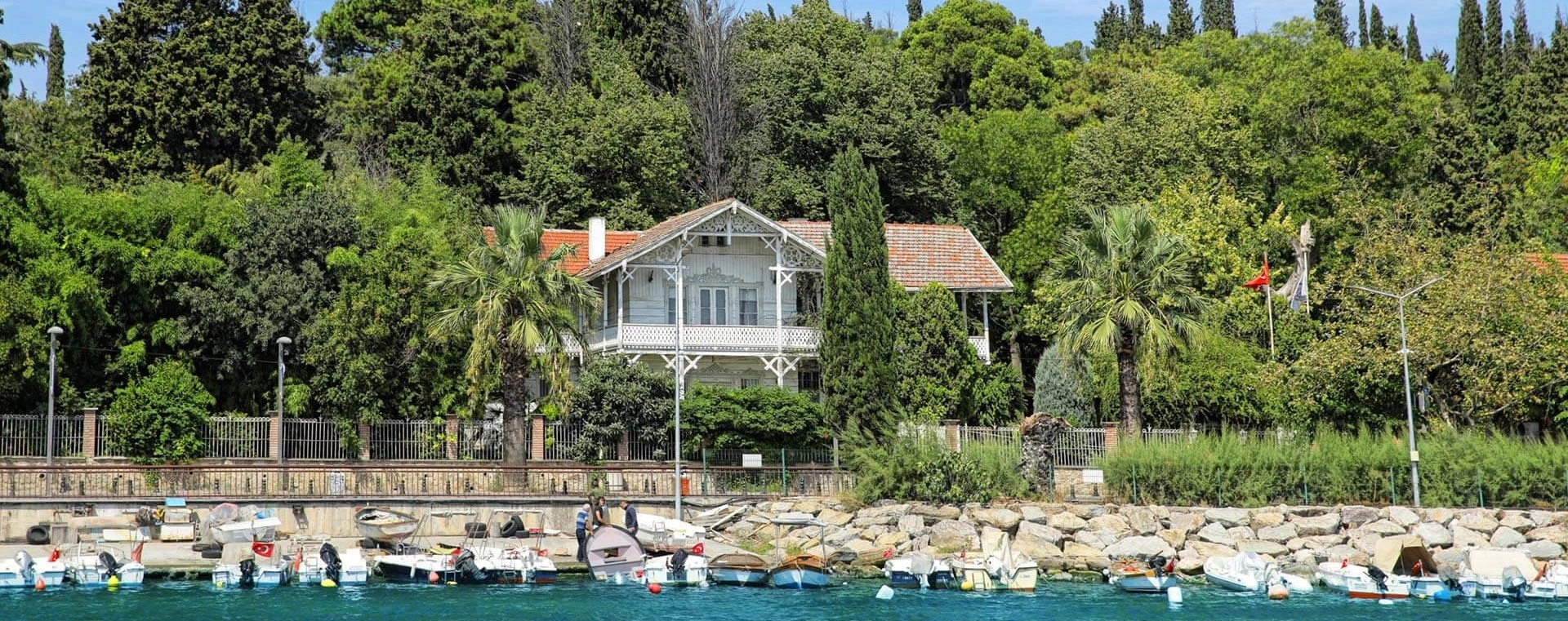
Continue around the Gulf to discover the former home of pioneering Ottoman painter, archaeologist and museum director Osman Hamdi Bey.
Explore Osman Hamdi Bey House Museum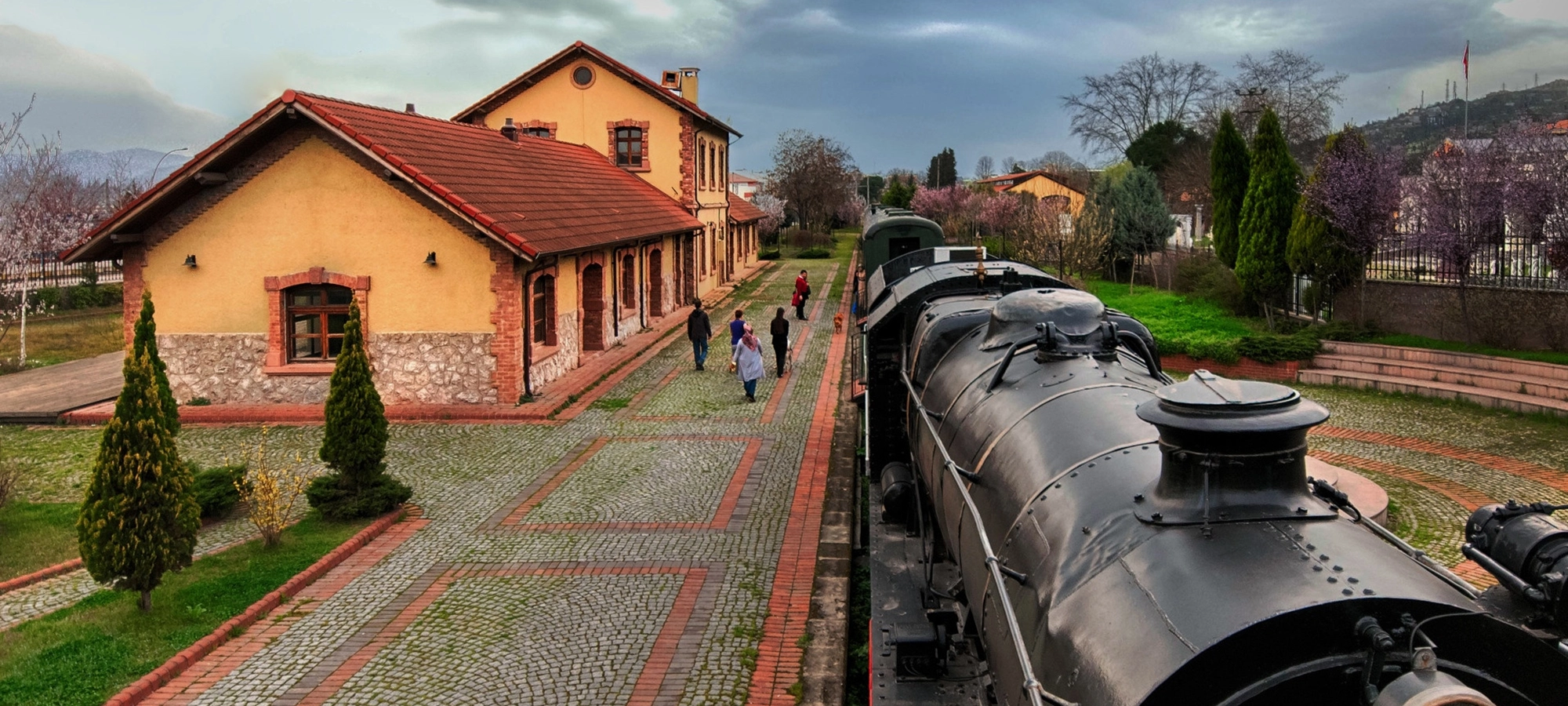
Explore the railway heritage that transformed transport and urban development around the Gulf during the late Ottoman period.
Explore Historical İzmit Train Station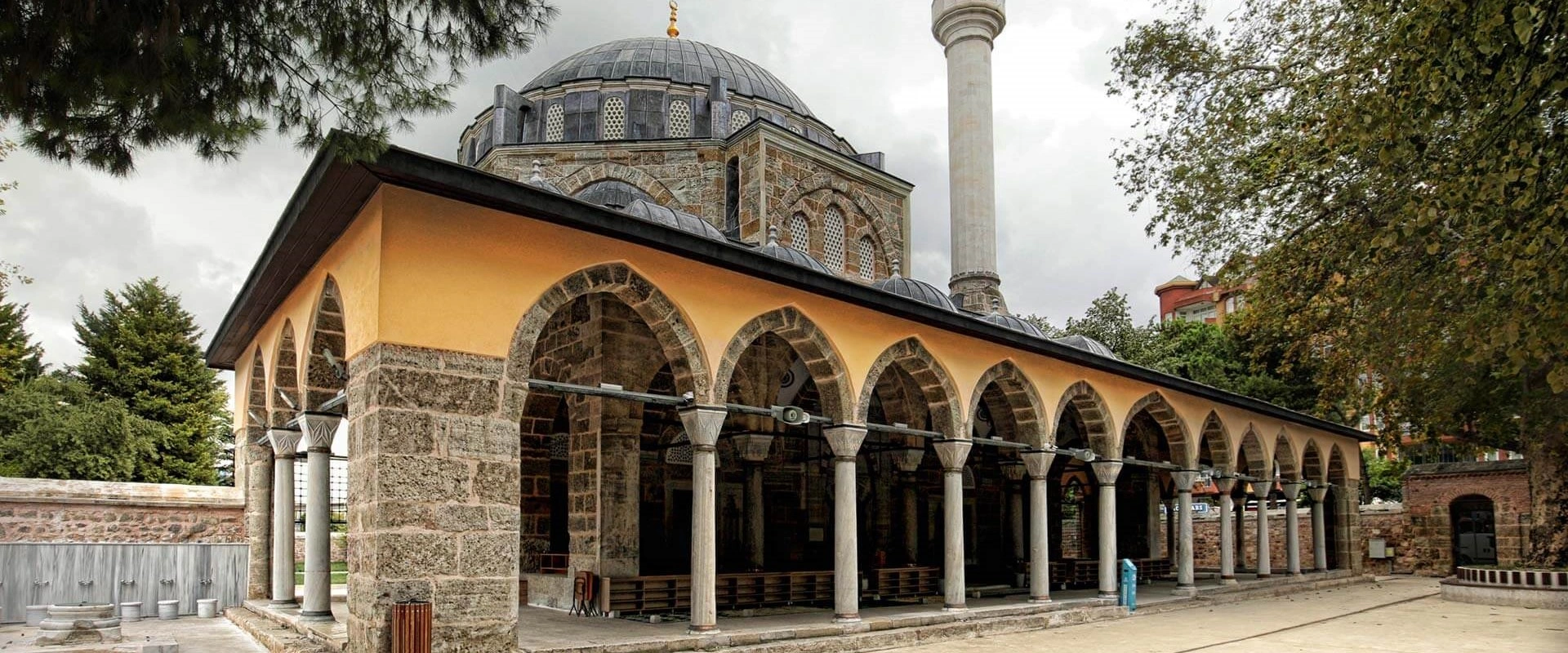
Discover one of İzmit's finest sixteenth-century Ottoman monuments, designed by imperial architect Mimar Sinan.
Explore Pertev Mehmet Pasha Mosque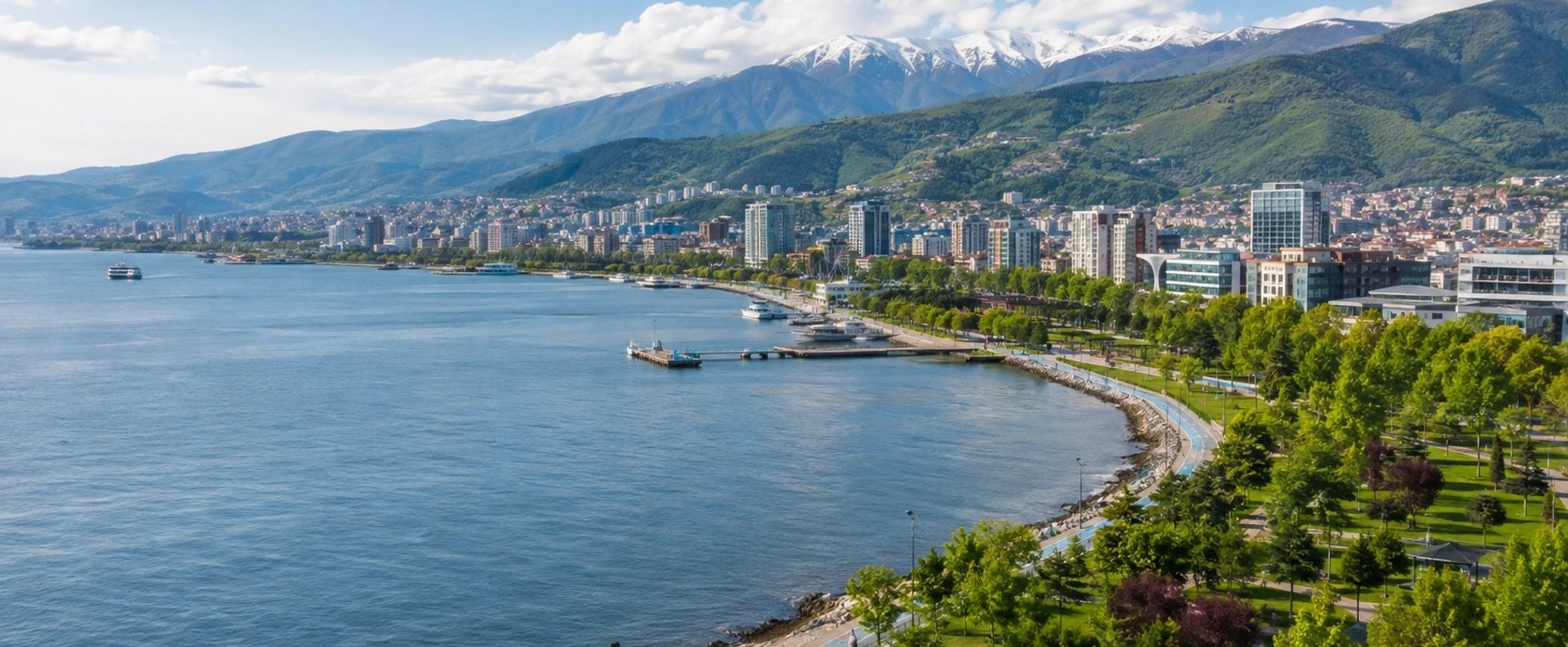
Discover ancient Nicomedia, Ottoman monuments, museums, castles, waterfalls, beaches and mountain landscapes across Kocaeli.
Discover Kocaeli