Private Beyoğlu & İstiklal Avenue Walking Tour
Ask us about a tailor-made private walk through historic Pera, İstiklal Avenue, churches, passages, Tünel and Galata, with pacing and emphasis adapted to your interests.
Request a Custom Tour




Beyoğlu and İstiklal Avenue tell a different story of Istanbul from the imperial monuments of Sultanahmet. Here, the city reveals its 19th-century transformation through European-style apartment buildings, embassies, churches, schools, passages, hotels, theatres, cafés, department stores and modern urban transport.
Stretching between Taksim Square and Tünel, İstiklal Avenue follows the historic spine of Pera, the district that became one of the most international parts of the late Ottoman capital.
During the 19th century, the street was widely known as the Grande Rue de Péra and also as Cadde-i Kebir. Levantines, Greeks, Armenians, Jews, Europeans and Ottoman Muslims shared a neighborhood shaped by diplomacy, commerce, education, religion, entertainment and new ideas.
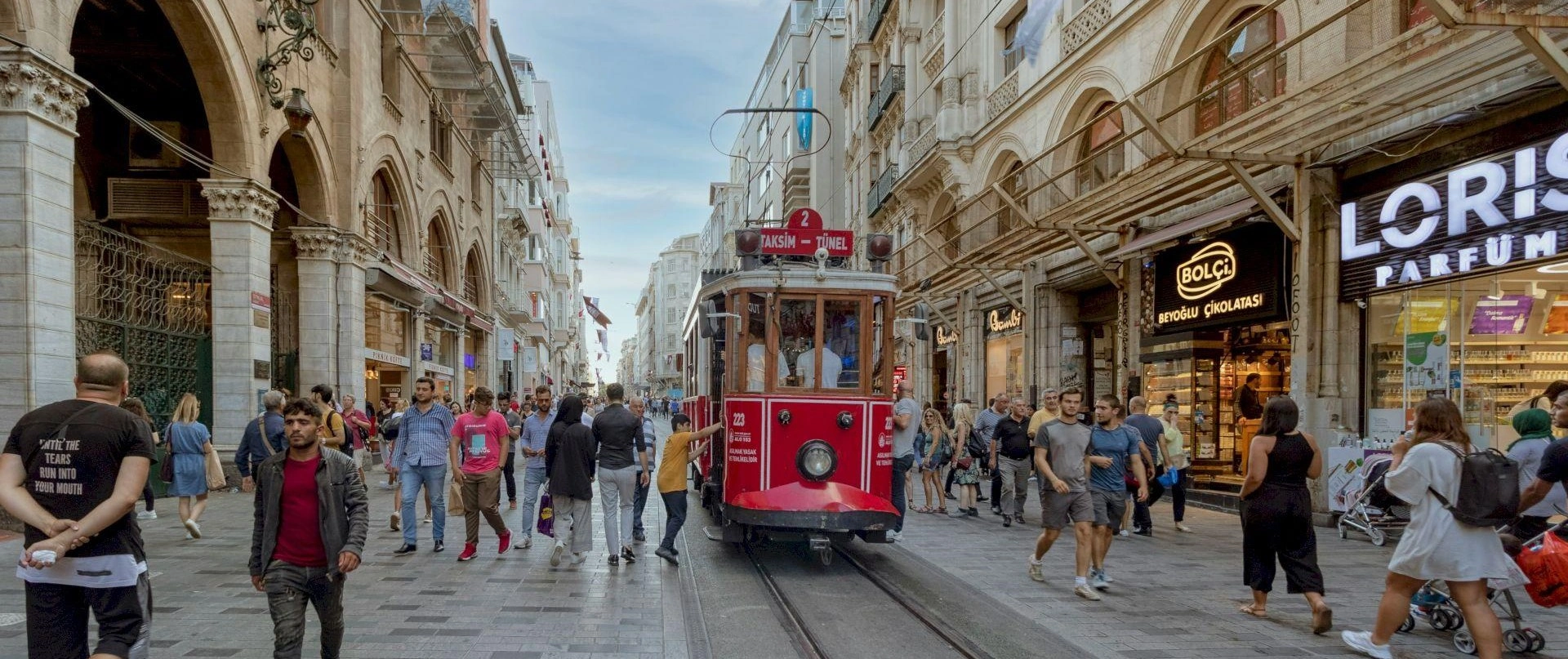
Today, İstiklal remains one of Istanbul's busiest pedestrian streets. The red T2 nostalgic tram runs through crowds of shoppers and visitors, while historic passages open into hidden courtyards, churches stand behind monumental gates and side streets lead toward Cihangir, Çukurcuma, Tepebaşı, Galata and Karaköy.
A first-time visitor can enjoy İstiklal simply as a lively urban walk. But the avenue becomes far more rewarding when its surviving buildings are read as evidence of Ottoman modernization, multicultural Pera and the birth of modern Istanbul.
İstiklal Avenue preserves the architectural and cultural memory of Pera, one of the late Ottoman capital's most cosmopolitan districts.
Çiçek Pasajı, Hazzopulo, Atlas and other passages reveal a layered world of shops, cafés, theatres and 19th-century urban life.
Churches, consular buildings, schools and institutions reflect the extraordinary diversity that shaped Beyoğlu.
The nostalgic red tram remains one of the most recognizable symbols of Istanbul and runs along the historic avenue.
Essential information about İstiklal Avenue, historic Pera, Beyoğlu's multicultural heritage, major monuments, transport links and the best way to explore Istanbul's most famous pedestrian street.
Beyoğlu district on Istanbul's European side, between Taksim Square and the Tünel / Galata area.
The avenue was widely known in the 19th century as Grande Rue de Péra and also as Cadde-i Kebir.
A major pedestrian avenue lined with historic buildings, shops, restaurants, cultural venues, passages and places of worship.
The T2 Taksim–Tünel nostalgic tram travels along İstiklal Avenue and is one of the street's defining symbols.
Important churches include St. Anthony of Padua and the Holy Trinity Greek Orthodox Church, alongside other historic faith buildings.
Beyoğlu has long been associated with theatres, cinemas, music, publishing, galleries, cafés and Istanbul nightlife.
Taksim Metro, Şişhane Metro, the historic Tünel funicular and numerous nearby bus, ferry and tram connections provide easy access.
Three to four hours for the avenue itself; a full day when adding Galata, Pera museums, Cihangir or Çukurcuma.
Beyoğlu is one of the best places in Istanbul to understand how the Ottoman capital became a modern international metropolis during the 19th and early 20th centuries.
The importance of Beyoğlu begins with its position across the Golden Horn from the historic imperial center. While the great palaces, mosques and administrative institutions of the Ottoman state dominated the Historic Peninsula, Galata and Pera developed as major centers of commerce, diplomacy and international urban life.
European embassies and consulates established themselves in and around Pera. Merchants, bankers, diplomats, artists, architects, teachers and religious communities created schools, churches, hospitals, theatres, hotels, cafés and commercial institutions.
By the 19th century, the avenue known as the Grande Rue de Péra had become one of the most fashionable streets in the Ottoman capital. Its shop windows displayed imported goods, its theatres presented European-style performances and its cafés became places of conversation, politics and cultural exchange.
Beyoğlu also became a laboratory of urban modernization. Stone apartment buildings replaced many older timber structures, gas and later electric lighting transformed nightlife, tramways improved transportation and new architectural styles changed the silhouette of the district.
The avenue's importance continued after the establishment of the Turkish Republic, when it took the name İstiklal Caddesi — Independence Avenue. Despite periods of decline and renewal, it remained central to Istanbul's cultural memory.
Today, İstiklal is not a museum street. It is a living urban corridor where historic churches, consulates and passages stand beside international stores, restaurants, music venues, bookstores, galleries and contemporary city life.
The historical development of Beyoğlu is inseparable from nearby Galata. During the Byzantine and Genoese periods, settlement north of the Golden Horn grew around the fortified port district of Galata.
The name Pera, meaning roughly “across” or “beyond,” came to describe the district rising above Galata on the opposite side of the Golden Horn from Constantinople's historic center.
After the Ottoman conquest of Constantinople in 1453, Galata retained an important commercial role. Over the following centuries, European diplomatic missions and foreign communities increasingly established themselves on the hills above the port.
The 18th and especially the 19th century transformed Pera. Ottoman diplomatic relations with Europe expanded, foreign embassies became permanent urban landmarks and the district attracted Levantine, Greek, Armenian, Jewish and European residents as well as Ottoman Muslim communities.
The main street became famous as the Grande Rue de Péra. Shops selling imported goods stood beside cafés, theatres, hotels, churches, schools, embassies and grand apartment buildings.
A devastating fire in 1870 accelerated architectural change in parts of Pera. New masonry construction, modern street regulations and European-influenced apartment blocks increasingly gave the district the appearance still visible today.
Public transportation also reshaped Beyoğlu. The historic Tünel opened in 1875 between Karaköy and the upper Galata–Pera district, creating one of the world's earliest underground urban rail connections.
Electric trams began serving the avenue in the early 20th century. After conventional tram operations disappeared, the avenue was pedestrianized around 1990 and the nostalgic tram became a symbol of the renewed İstiklal corridor.
Following the foundation of the Turkish Republic, the avenue became known as İstiklal Caddesi. Through the 20th century it remained associated with cinema, theatre, literature, political life, music, dining and the changing identities of modern Istanbul.
The slopes above Galata developed gradually from a zone outside the historic walled city into a major urban district.
Embassies, international communities and commerce transformed Pera into one of the Ottoman capital's most cosmopolitan areas.
A major fire accelerated rebuilding in masonry and helped shape the dense late Ottoman streetscape.
The historic underground funicular connected the Galata waterfront with the upper Pera district.
The avenue became İstiklal Caddesi and continued as a major cultural and commercial axis.
Pedestrianization and the return of the nostalgic tram helped establish the modern character of İstiklal Avenue.
To understand İstiklal Avenue, imagine it not as a modern pedestrian shopping street but as the Grande Rue de Péra at the height of the late Ottoman period.
The avenue was one of the places where Istanbul's international character could be seen most clearly. French, Italian, Greek, Armenian, Ottoman Turkish and other languages were heard in its shops, cafés, schools, churches, newspapers and theatres.
Imported clothing, books, musical instruments, food products and fashionable goods appeared in shop windows. European-style restaurants and patisseries introduced new forms of dining and sociability, while embassies and consulates gave the district an unmistakably diplomatic character.
Architecture became part of the spectacle. Decorative stone facades, wrought-iron balconies, arcades, passages and apartment blocks created a streetscape unlike the predominantly Ottoman residential quarters elsewhere in the city.
Although much has changed, the basic rhythm of the avenue still preserves this inheritance. Visitors who look above modern shop signs can find bay windows, pediments, sculptural details, ironwork and inscriptions from the old world of Pera.
İstiklal Avenue is one of Istanbul's richest open-air collections of late Ottoman and early Republican urban architecture.
Unlike the imperial mosque complexes of the Historic Peninsula, Beyoğlu is dominated by apartment buildings, commercial blocks, passages, religious institutions, diplomatic buildings, hotels, schools and entertainment venues.
Many facades combine international styles such as Neoclassical, Neo-Baroque, Gothic Revival, Art Nouveau and eclectic historicism. European architectural vocabulary was often adapted to Istanbul's narrow plots, steep terrain and mixed commercial-residential functions.
The district's most characteristic buildings are usually tall masonry blocks with elaborate entrance halls, balconies, bay windows, decorative cornices and ground floors designed for shops or cafés.
Historic passages are another defining feature. These covered or semi-covered routes allowed commercial activity to extend behind the street frontage into courtyards and interior arcades.
Stone and brick construction became increasingly important as Pera rebuilt and modernized during the 19th century.
Wrought iron, projecting windows and decorative upper floors give İstiklal its characteristic vertical rhythm.
Arcades and courtyards create a second layer of urban life behind the main street.
Catholic, Greek Orthodox and other churches introduce Gothic, Neo-Gothic, basilical and eclectic forms.
Former embassies and consulates reinforce Pera's historic relationship with Europe.
Republican and contemporary buildings show that Beyoğlu has continued to evolve rather than remaining frozen in one period.
Most visitors begin their İstiklal walk at Taksim Square, the major urban space at the northern end of the avenue.
The square's name is connected with the historical distribution — or taksim — of water through the city's older water network. Over time, the area developed into one of modern Istanbul's most important transport, cultural and public gathering points.
At the center stands the Republic Monument, one of the defining monuments of early Republican Istanbul.
The contemporary Atatürk Cultural Center faces the square and continues Taksim's long association with theatre, opera, concerts and performing arts.
From the square, the entrance to İstiklal Avenue is immediately recognizable by the historic urban facades, dense pedestrian flow and red T2 tram.
Just beside the Taksim end of İstiklal stands one of Beyoğlu's most important Christian monuments: the Holy Trinity Greek Orthodox Church, also known as Aya Triada.
Opened in 1880, the church is a powerful reminder of the large Greek Orthodox community that helped shape the social, commercial and cultural life of Pera.
Its prominent dome, twin bell towers and richly decorated interior create a dramatic contrast with the surrounding commercial streets.
The church is especially valuable for understanding how places of worship were integrated into the dense urban fabric of late Ottoman Beyoğlu.
Not far from the Taksim end of İstiklal, Hüseyin Ağa Mosque represents another important layer of Beyoğlu's religious history.
The mosque reminds visitors that Pera was never exclusively a European or Christian enclave. Ottoman Muslim institutions, neighborhoods and residents were part of the district's complex social fabric.
Its presence near major churches is one of the clearest examples of the religious diversity that characterized Beyoğlu.
Because the mosque remains an active place of worship, visitors should dress respectfully, avoid entering during prayer when the interior is crowded and follow any instructions at the entrance.
One of İstiklal Avenue's most famous landmarks is Çiçek Pasajı, or the Flower Passage.
The passage occupies the site once associated with the celebrated Naum Theatre, which was destroyed in the great Pera fire of 1870.
A new commercial building was constructed on the site in the 1870s and became known as Cité de Péra. Its elegant interior arcade reflects the fashionable European-style commercial architecture of late Ottoman Beyoğlu.
Over time, the passage developed a different identity. Restaurants, taverns and flower sellers became associated with the building, eventually giving rise to the modern name Çiçek Pasajı.
Today, the passage is best appreciated both for its architecture and for its role in Beyoğlu's long tradition of social dining and nightlife.
Approximately midway along İstiklal Avenue, Galatasaray Square acts as one of the street's most important orientation points.
The monumental entrance of Galatasaray High School immediately identifies the square. The institution traces its roots deep into the Ottoman period and became one of the country's most prestigious educational establishments.
The square has long functioned as a meeting point and civic space within Beyoğlu. From here, side streets lead toward Cihangir, Çukurcuma, Tepebaşı and other historic quarters.
For walkers, Galatasaray is also a useful point to slow down. The central section of İstiklal contains some of its best passages, churches, restaurants and architectural details within a very short distance.
The Church of St. Anthony of Padua is one of the most impressive religious monuments directly on İstiklal Avenue.
The present church was constructed between 1906 and 1912 in a Venetian-influenced Neo-Gothic style and is closely associated with the Levantine Catholic community of Beyoğlu.
A monumental entrance from the avenue leads into a courtyard, creating a moment of separation from the crowds outside. The red-brick facade, pointed arches and stained-glass atmosphere make the church one of İstiklal's most photographed buildings.
The church remains active and visitors may encounter Mass, prayer or religious ceremonies. Quiet behavior and respectful clothing are appropriate.
One of the pleasures of İstiklal Avenue is discovering that the street has a hidden interior geography. Behind many facades are passages, arcades and courtyards that once formed an essential part of Pera's commercial life.
The best-known passage, famous for its Cité de Péra architecture, restaurant culture and connection with the former Naum Theatre.
A historic courtyard passage that offers a quieter transition away from the intensity of the main avenue.
Part of a historic entertainment and commercial complex closely associated with cinema and Beyoğlu cultural life.
A decorative covered arcade recalling the elegant shopping culture of late Ottoman Pera.
One of the avenue's historic commercial buildings, reflecting the international business character of Beyoğlu.
Numerous lesser-known entrances reward curiosity; some lead to shops, cafés, studios and upper-floor businesses.
These passages are not identical and their businesses change over time. Their real value lies in the way they preserve a layered commercial city behind the street facade.
Near the Tünel end of İstiklal stands Narmanlı Han, one of the avenue's most recognizable historic complexes.
The building has a long history connected with Russian diplomatic and commercial activity in Pera before later becoming associated with artists, writers and cultural figures.
Its courtyard plan differs from the narrow passage type found elsewhere on the avenue and offers a useful example of how large institutional buildings were adapted to new urban functions over time.
The complex has undergone restoration and commercial reuse, but its scale and position remain important for understanding the architectural history of the Tünel end of İstiklal.
Pera's rise was closely connected with diplomacy. European states established major embassies and residences in the district, and the presence of foreign diplomats helped shape the neighborhoods around İstiklal Avenue.
Some former embassy compounds later became consulates after Ankara became the capital of the Turkish Republic. Their walls, gardens, gates and institutional buildings still contribute to the distinctive character of Beyoğlu.
The French, Dutch, Swedish, Russian and other diplomatic traditions of Pera attracted schools, churches, hospitals, merchants and cultural institutions serving international communities.
This diplomatic layer explains why İstiklal Avenue feels architecturally and historically different from many other Ottoman districts of Istanbul.
Beyoğlu has been one of Istanbul's principal cultural districts for generations, and the streets around İstiklal still contain a dense concentration of museums, galleries, archives, bookstores and cultural centers.
A major museum in nearby Tepebaşı with collections and temporary exhibitions related to art, culture and the history of the region.
A contemporary cultural institution on İstiklal associated with exhibitions, research, public programs and design.
A central cultural venue on the avenue presenting exhibitions, publishing activity and events.
The Atlas complex preserves Beyoğlu's deep connection with cinema and public entertainment.
Side streets around İstiklal contain changing contemporary art spaces, studios and project venues.
Beyoğlu has long been associated with booksellers, publishers, literary cafés and Istanbul's intellectual life.
Exhibition programs change frequently, so visitors interested in a particular museum or gallery should check current schedules before planning the day.
Long before modern nightlife, Pera was already one of Istanbul's great entertainment districts.
The famous Naum Theatre once hosted opera and theatrical performances before being destroyed in the 1870 fire. In later decades, cinemas, concert halls, cabarets and music venues multiplied across Beyoğlu.
The 20th century turned İstiklal and its side streets into the center of Istanbul cinema culture. Historic movie theatres, poster shops, music stores and performance halls became part of the avenue's identity.
Beyoğlu later became equally important for jazz, rock, alternative music and live performance. Venues have changed repeatedly, but the district's association with music remains strong.
The street therefore works as a timeline of urban entertainment: Ottoman theatre, early cinema, Republican cultural institutions and contemporary performance coexist within the same neighborhood.
The arrival of international travelers helped turn Pera into Istanbul's leading hotel district in the late 19th century.
The most famous example is Pera Palace Hotel in nearby Tepebaşı, opened in the 1890s and closely associated with the era of Orient Express passengers.
Grand hotels offered European-style rooms, restaurants, elevators, social halls and modern comforts to diplomats, merchants and wealthy travelers.
Their presence reinforced the relationship between Pera and international tourism. A traveler arriving at Sirkeci by train could cross the Golden Horn and continue uphill into the hotels and nightlife of Beyoğlu.
Even today, the concentration of hotels around Taksim, Tepebaşı and İstiklal reflects this long history of receiving visitors from around the world.
Beyoğlu's food culture reflects the same cosmopolitan history as its architecture.
Beyoğlu has a long tradition of tavern-style dining built around shared small plates, conversation and evening social life.
European-style pastry shops became part of Pera culture and remain one of the district's most characteristic culinary traditions.
Side streets offer classic cooked dishes, soups, vegetables, rice and daily specials.
Simit, roasted chestnuts, corn, döner and other quick foods are common along and around the avenue.
Baklava, puddings, chocolate, cakes and traditional confectionery are easy to find throughout Beyoğlu.
The district's historic openness to foreign communities continues in a wide range of international restaurants and cafés.
The busiest storefronts on İstiklal are not always the most rewarding. For a quieter experience, explore side streets around Asmalımescit, Nevizade, Galatasaray, Tepebaşı and Cihangir.
Beyoğlu has been one of Istanbul's principal nightlife districts for well over a century.
Historic taverns, modern bars, live music venues, restaurants, rooftops and late-night cafés spread through the side streets around İstiklal.
Nevizade became famous for crowded restaurant and meyhane tables, while Asmalımescit near Tünel developed a strong identity around dining, bars, music and late-night culture.
The atmosphere changes rapidly from street to street. One lane may be filled with live music and crowds, while another contains quiet cafés, historic apartments or small galleries.
Visitors seeking nightlife should keep ordinary big-city awareness, especially in very crowded places, and confirm prices before ordering in unfamiliar establishments.
The red T2 Taksim–Tünel nostalgic tram is one of the most photographed symbols of Istanbul.
Electric tram service on İstiklal dates back to the early 20th century. Conventional tram operations later disappeared, but the historic image returned when the avenue was pedestrianized and nostalgic tram service was reintroduced.
Today the tram runs between Taksim and Tünel, stopping at points including Hüseyin Ağa Mosque, Galatasaray and Odakule.
The tram is both public transport and living heritage. Its slow movement through one of Istanbul's busiest pedestrian streets creates the unusual spectacle of a railway vehicle sharing space with enormous crowds.
Service can be temporarily altered or suspended during major events, public gatherings, maintenance or security arrangements, so travelers specifically planning to ride should check current IETT information.
At the southern end of İstiklal Avenue stands the upper station of the historic Tünel.
Opened in 1875, the underground funicular connects the steep slope between Karaköy and Beyoğlu. It is one of the world's earliest underground urban railway systems and remains an extraordinary piece of living transport history.
Its construction solved a practical problem: the commercial port district of Galata and Karaköy lay far below the embassies, hotels, residences and institutions of Pera.
The short ride still provides one of the easiest ways to move between the Galata Bridge / Karaköy waterfront and İstiklal Avenue without climbing the steep streets.
At Tünel Square, visitors can continue toward the Galata Mevlevi Lodge, walk downhill along Galip Dede Street toward Galata Tower or explore the cafés and restaurants of Asmalımescit.
A few steps beyond the Tünel end of İstiklal is the Galata Mevlevi Lodge, one of the most important Ottoman monuments in Beyoğlu.
Founded in 1491, the lodge is closely associated with the Mevlevi Sufi tradition and with important figures including poet and sheikh Şeyh Galib.
The complex provides a valuable counterpoint to the 19th-century European architecture of İstiklal. It reminds visitors that Beyoğlu's history is not only one of embassies and Levantine commerce but also of Ottoman religious and literary culture.
Today the complex functions as a museum. Opening arrangements and exhibitions can change, so confirm current information if the interior is essential to your visit.
The walk does not need to end at Tünel. Continue downhill along Galip Dede Street and İstiklal's 19th-century world gradually merges with the older Genoese and Ottoman streets of Galata.
Music shops, small boutiques and historic buildings line the steep descent toward Galata Tower. From there, the lanes continue downhill toward Karaköy and the Golden Horn.
This is one of Istanbul's strongest historical walking sequences because it links several urban periods in a single route: Ottoman-modern Pera, Mevlevi heritage, medieval Galata and the maritime port district of Karaköy.
İstiklal is only the spine of Beyoğlu. Some of the district's most rewarding streets lie just a few minutes away.
A hillside neighborhood known for cafés, apartment architecture, views, creative life and a quieter residential atmosphere.
Famous for antique shops, old apartments, small museums and atmospheric streets descending toward Tophane.
Home to Pera Museum, historic hotels, cultural institutions and important late Ottoman urban architecture.
A compact district near Tünel associated with restaurants, bars, historic buildings and evening life.
The steep continuation toward Galata Tower, filled with music shops and historic urban texture.
The waterfront district below Galata, easily reached on foot or by the historic Tünel.
Begin at the major public square marking the northern entrance to İstiklal Avenue.
See one of Beyoğlu's most prominent Greek Orthodox churches near Taksim.
Notice the Ottoman Muslim layer within Pera's multicultural religious landscape.
Enter the celebrated 19th-century arcade built on the former Naum Theatre site.
Pause at the monumental school gates and central Galatasaray Square.
Explore Hazzopulo, Atlas, Avrupa and other arcades hidden behind the main facades.
Visit the avenue's famous Neo-Gothic Catholic church and courtyard.
See a major courtyard complex close to the Tünel end of the avenue.
Step into the restaurant and nightlife quarter near Tünel.
Ride or view the historic 1875 underground funicular connecting Beyoğlu with Karaköy.
Discover one of Beyoğlu's most important Ottoman religious and literary monuments.
Continue downhill toward Galata Tower, Karaköy and the Golden Horn.
Begin at Taksim Square and enter İstiklal Avenue beside the nostalgic tram line.
Visit or view the Holy Trinity Church, then continue past Hüseyin Ağa Mosque toward the busier central section of the avenue.
Enter Çiçek Pasajı and explore nearby Nevizade before returning to the main street.
Continue to Galatasaray Square and the gates of Galatasaray High School. From here, explore Hazzopulo Passage and other nearby arcades.
Walk onward to the Church of St. Anthony of Padua, then continue past historic apartment buildings, cultural institutions and Narmanlı Han.
Finish the main avenue at Tünel Square. From here, visit the Galata Mevlevi Lodge and descend Galip Dede Street toward Galata Tower.
İstiklal Avenue is a public pedestrian street and there is no general admission fee to walk along it.
Individual museums, cinemas, exhibitions, churches, cultural institutions and attractions may have their own opening hours, tickets, event schedules or access restrictions.
Places of worship remain active religious institutions. Interior access may be limited during services, ceremonies or special occasions.
The T2 tram and Tünel are functioning public transport systems rather than museum exhibits. Normal Istanbul transport rules and fares apply.
Because Beyoğlu is also a major civic and cultural center, temporary street restrictions can occasionally affect transport or pedestrian movement during large events.
No general ticket is required to explore İstiklal Avenue and its public side streets.
Churches and mosques may restrict sightseeing during services or prayer times.
Check current opening days and exhibition schedules before building a visit around a specific institution.
A working public tram runs between Taksim and Tünel; service can occasionally be altered.
The historic funicular remains part of Istanbul's public transport network.
İstiklal can become extremely busy, especially during evenings, weekends and holidays.
This direction is generally easier because the overall route gradually descends toward Galata.
Many of the finest historic details survive on upper floors rather than at street level.
Do not limit the visit to the main pavement; the arcades and courtyards are essential to understanding old Pera.
The nostalgic tram moves through dense pedestrian traffic, so keep the tracks clear.
Cihangir, Çukurcuma, Tepebaşı and Asmalımescit add depth to the main avenue.
Crowded pedestrian areas require ordinary attention to bags, phones and personal belongings.
İstiklal itself is manageable, but Galata, Cihangir and Çukurcuma include steep streets.
The district changes character after dark as restaurants, theatres, music venues and cafés become more active.
Best for relatively quiet photographs of architecture and the tram tracks before the avenue fills.
Excellent for churches, passages, museums and a relaxed walk from Taksim toward Galatasaray.
The avenue becomes increasingly energetic with shoppers, visitors, students and local residents.
Side streets and upper facades can be especially attractive in warmer late-afternoon light.
Restaurants, cafés, theatres and music venues create the classic lively Beyoğlu atmosphere.
Parts of Beyoğlu remain active very late, although the mood varies greatly between streets.
A fast walk from Taksim to Tünel with only exterior views.
Enough for a slower avenue walk plus one or two passages and a church.
Ideal for the main monuments, passages, architecture, coffee and short side-street explorations.
Add museums, lunch, Galata Mevlevi Lodge or a longer stop in Galatasaray and Tepebaşı.
Combine İstiklal with Galata, Karaköy, Cihangir, Çukurcuma and one or two museums.
Stay for dinner, live music, theatre or a rooftop view after the historical walk.
İstiklal is one of Istanbul's strongest locations for street, architecture and transport photography.
The red tram is the obvious subject, especially where the tracks are framed by symmetrical historic facades. Early morning offers the best chance of photographing the avenue with fewer people.
Church courtyards, passage interiors, wrought-iron balconies, old apartment entrances and shop signs provide countless detail shots.
The evening creates a completely different visual language: illuminated facades, restaurant streets, theatre signs and crowds transform Beyoğlu into a dense urban night scene.
The red Taksim–Tünel nostalgic tram against the historic avenue.
Upper-floor facades between Galatasaray and Tünel.
Çiçek Pasajı and the historic arcade network.
Holy Trinity Church and St. Anthony of Padua.
Galatasaray, Asmalımescit and the lanes descending toward Galata.
Early morning for cleaner compositions; evening for atmosphere and light.
The central stretch of İstiklal is pedestrianized and is generally easier to navigate than many surrounding historic streets.
However, accessibility can still be affected by dense crowds, tram tracks, changing paving surfaces, shop thresholds and historic passage entrances.
Taksim and Şişhane provide modern metro access, but individual station lifts or escalators can occasionally be affected by maintenance.
The greatest challenge comes when leaving the avenue. Streets toward Galata, Karaköy, Cihangir, Çukurcuma and Tophane can be steep.
İstiklal Avenue is exceptionally well connected to Istanbul's public transport network.
For the northern end, the M2 Metro to Taksim is usually the simplest option. Taksim can also be reached from Kabataş using the funicular connection.
For the southern end, use Şişhane on the M2 Metro or the historic F2 Tünel from Karaköy.
Visitors arriving from the Historic Peninsula can cross Galata Bridge from Eminönü, take public transport toward Karaköy and Tünel, or continue by tram and funicular connections depending on the starting point.
From Karaköy, the historic Tünel is the easiest way to avoid the steep climb. Walking uphill through Galata is more atmospheric but considerably more demanding.
Best for starting the avenue from the northern end.
Convenient for Tünel, Asmalımescit and the southern section.
Fast connection between Karaköy and the lower end of İstiklal.
Use the funicular to reach Taksim from the Bosphorus waterfront.
Ride Tünel or walk uphill through Galata and Galip Dede Street.
Beyoğlu connects naturally with Galata, Cihangir, Çukurcuma, Tophane and Karaköy.
Begin around Taksim Square in the morning, when İstiklal is active but not yet at its most crowded.
Visit the Holy Trinity Church area, then walk slowly along İstiklal while examining upper-floor architecture.
Continue to Çiçek Pasajı, Nevizade and Galatasaray Square. Explore one or two nearby passages before visiting St. Anthony of Padua Church.
Stop for lunch in the side streets around Galatasaray, Tepebaşı or Asmalımescit.
In the afternoon, continue toward Narmanlı Han and Tünel. Visit the Galata Mevlevi Lodge if open and of interest.
Descend along Galip Dede Street into Galata, see Galata Tower and finish the day in Karaköy or beside the Golden Horn.
Continue downhill from Tünel toward Galata Tower, historic port streets and the waterfront.
Explore hillside cafés, historic apartments and residential streets just east of the avenue.
Browse antique shops and atmospheric streets descending toward Tophane.
Visit Pera Museum, historic hotels and late Ottoman cultural architecture.
Continue toward the Bosphorus waterfront, mosques, galleries and Karaköy.
Travel from Taksim toward Beşiktaş to visit one of the great palaces of the late Ottoman Empire.
Use the waterfront transport hub for ferries, trams and Bosphorus connections.
Walk through Galata or Karaköy toward Galata Bridge and the historic waterfront.
İstiklal Avenue is in Beyoğlu on Istanbul's European side, running between Taksim Square and the Tünel / Galata area.
It is famous for its historic Pera architecture, red nostalgic tram, churches, passages, shops, cafés, cultural institutions, nightlife and enormous pedestrian energy.
During the late Ottoman period it was widely known as the Grande Rue de Péra and also as Cadde-i Kebir.
İstiklal means independence. The avenue took its modern name in the Republican period.
Yes. Most of the avenue is a pedestrian corridor, although the T2 nostalgic tram runs along tracks through the center and service vehicles may appear at controlled times.
Yes. The T2 Taksim–Tünel nostalgic tram serves the avenue, although temporary service changes can occur during major events, maintenance or security arrangements.
For most visitors, Taksim Square is the easiest starting point. Walking toward Tünel also places Galata naturally at the end of the route.
The main avenue is compact enough to walk comfortably, but sightseeing time depends on how many churches, passages, museums, shops and side streets you enter.
Allow three to four hours for a thorough İstiklal walk. A full day is better when adding Galata, museums, Cihangir or Çukurcuma.
Highlights include Taksim Square, Holy Trinity Church, Hüseyin Ağa Mosque, Çiçek Pasajı, Galatasaray, historic passages, St. Anthony of Padua, Narmanlı Han and Tünel.
Yes. The Church of St. Anthony of Padua is directly on İstiklal and is one of its most important monuments.
Yes. Çiçek Pasajı opens directly from the avenue near the central Galatasaray area.
Yes. Taksim Square is one of the principal urban centers of the Beyoğlu district and forms the northern gateway to İstiklal Avenue.
Pera is the historic name associated with the district above Galata that developed into the cosmopolitan heart of late Ottoman Istanbul.
Tünel is the historic underground funicular opened in 1875 to connect Karaköy with the upper Beyoğlu / Pera district.
Yes. From Tünel, walk downhill along Galip Dede Street toward Galata Tower. The route is steep but very atmospheric.
Yes. Continue downhill through Galata, or use the historic Tünel for an easier connection to Karaköy.
Yes. Beyoğlu is famous for evening dining, cafés, theatres, bars and music, although individual streets vary greatly in atmosphere.
Yes during the day, especially for walking, architecture, food and cultural attractions. Evening crowds can become very dense.
Excellent. The red tram, 19th-century facades, churches, passages and constant street life provide some of Istanbul's best urban photography.
No. Beyoğlu is a much larger district. İstiklal Avenue is its most famous central street, surrounded by neighborhoods such as Taksim, Tepebaşı, Cihangir, Çukurcuma, Asmalımescit and Galata.
The strongest combinations are Galata, Karaköy, Cihangir, Çukurcuma, Pera museums, Dolmabahçe Palace and the Golden Horn.
No, but a knowledgeable guide can reveal the hidden history of Pera's communities, embassies, churches, passages, theatres, architecture and social life that is easy to miss when simply shopping along the avenue.
Keep voices low in churches and mosques and follow clothing or photography rules.
The nostalgic tram is active public transport, not a stationary photo prop.
Do not climb, sit on or damage decorative architectural elements for photographs.
Beyoğlu is not only a tourist area; many people live and work in its side streets.
Local cafés, bookstores, restaurants, antique shops and small retailers contribute to Beyoğlu's living character.
Passages, consulates, shops, apartments and institutions require clear access even when the street is crowded.
Discover Beyoğlu through a private route shaped around Ottoman modernization, Pera architecture, religious heritage, passages, art, food, photography, Galata and Istanbul's cultural history — without compulsory shopping stops.
Build a private walking route from Taksim through İstiklal Avenue, Galatasaray, historic passages, churches, Tünel and Galata, with additional stops adapted to your interests.
Ask us about a tailor-made private walk through historic Pera, İstiklal Avenue, churches, passages, Tünel and Galata, with pacing and emphasis adapted to your interests.
Request a Custom Tour
Continue planning with Istanbul's palaces, mosques, churches, museums, bazaars, Bosphorus neighborhoods, Byzantine monuments, Ottoman heritage and historic urban districts.
Explore IstanbulCombine İstiklal Avenue with Galata Tower, Galata Mevlevi Lodge, Karaköy, Cihangir, Çukurcuma, Pera museums or Bosphorus neighborhoods according to your interests and available time.
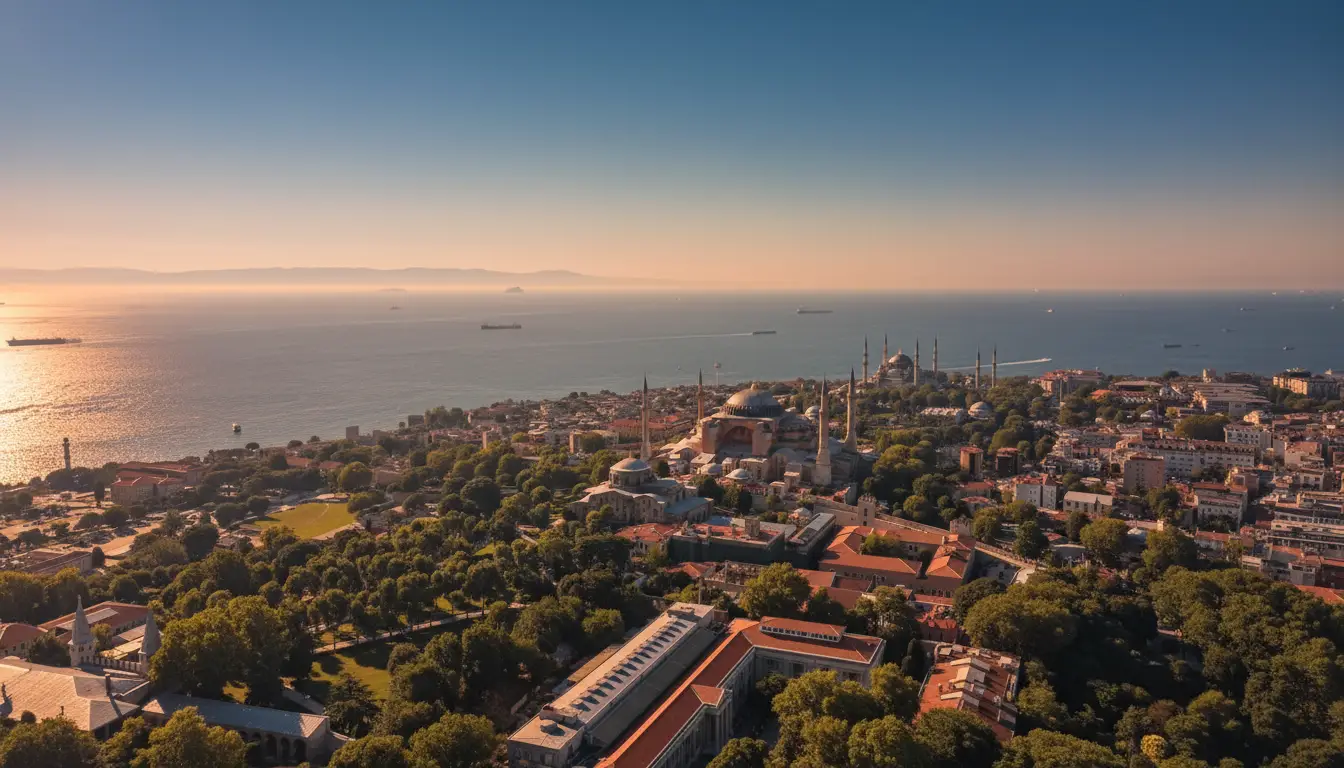
Create a private Istanbul itinerary around Byzantine Constantinople, Ottoman history, Pera and Galata, architecture, archaeology, markets, food and historic neighborhoods.
View Private Istanbul Tours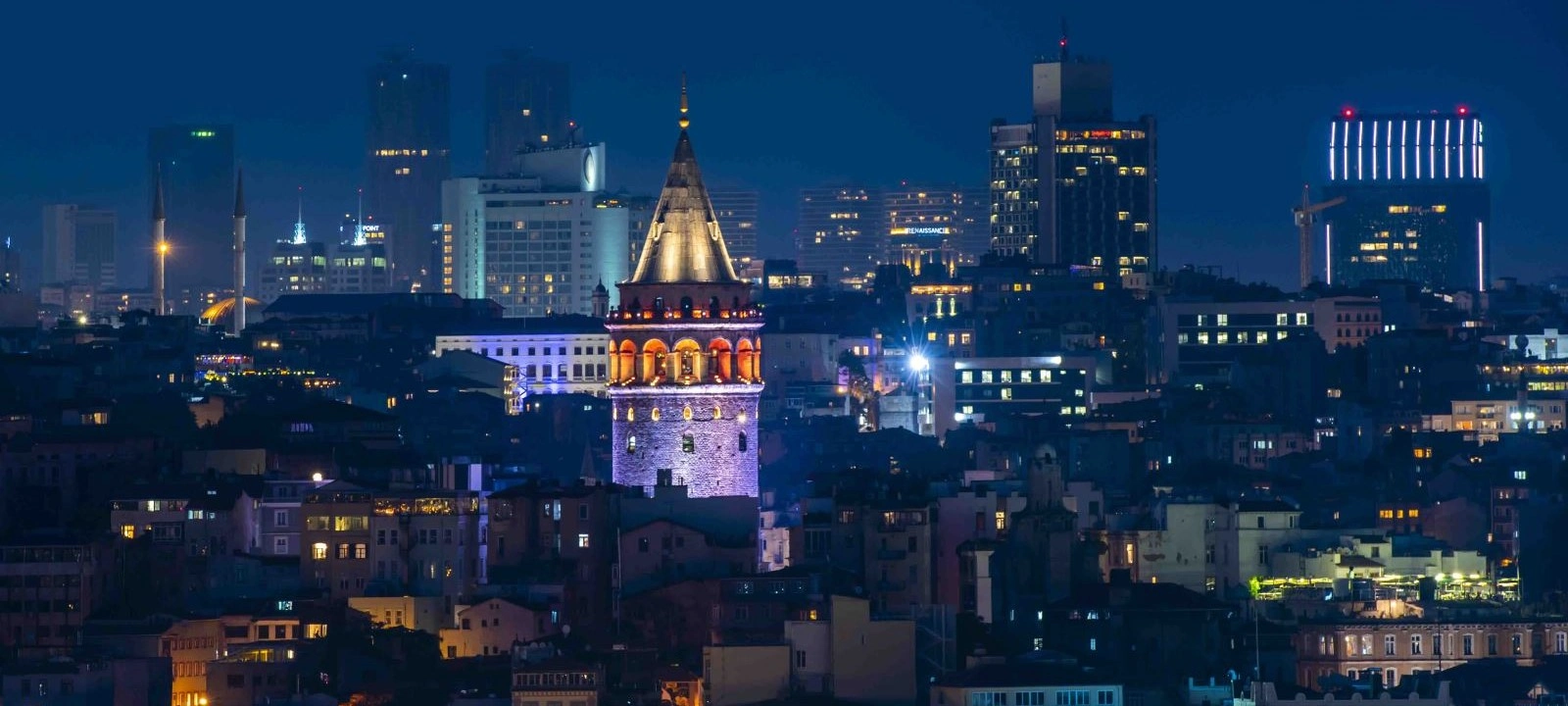
Walk downhill from Tünel into the historic world of Galata Tower, Genoese streets, the Galata Mevlevi Lodge, Karaköy's port heritage and the Golden Horn waterfront.
Explore Galata & Karaköy