Synagogues, Sephardic & Ashkenazi Memory, the Camondo Family & Historic Galata

Galata & Karaköy Jewish Heritage – Complete Visitor Guide

Walk through one of Istanbul's richest Jewish heritage districts, from Neve Shalom and the Museum of Turkish Jews to the Ashkenazi Synagogue, Schneidertempel, Italian Synagogue and the famous Kamondo Steps.

Explore Galata Jewish Heritage

Galata & Karaköy – Istanbul's Jewish Heritage District

The historic neighborhoods of Galata and Karaköy preserve one of the most important concentrations of Jewish heritage in Istanbul. Within a relatively compact walking area, visitors can encounter active synagogues, former synagogues, community institutions, merchant streets, architectural landmarks and the memory of Sephardic, Ashkenazi and Italian Jewish communities that helped shape the social and commercial life of the district.

The best-known landmark is Neve Shalom Synagogue, opened for worship in 1951. Today it is physically connected with the Quincentennial Foundation Museum of Turkish Jews, which presents the long history, religious traditions, ethnography and everyday life of Jewish communities in Türkiye. The museum has been in its present Neve Shalom location since 2015.

A short walk through the surrounding streets reveals other layers. The Ashkenazi Synagogue reflects the presence of Central and Eastern European Jewish communities in late Ottoman Istanbul, while the former Schneidertempel – Tailors' Synagogue recalls the Ashkenazi craftsmen and guild culture of Galata. The Italian Synagogue – Kal de los Francos represents another distinct congregation within the city's Jewish mosaic.

The route also passes one of Istanbul's most photographed pieces of urban architecture: the Kamondo Steps. Built by the influential Sephardic Jewish Camondo family, the staircase connects the financial streets of Karaköy with the slopes of Galata and provides a visible reminder that Jewish history here is not confined to religious buildings. It is woven into banking, trade, education, architecture and the modernization of 19th-century Istanbul.

1951

Neve Shalom Synagogue opened for worship in Galata and became one of the principal synagogues of Istanbul's Jewish community.

1900

The present Ashkenazi Synagogue was completed near Galata Tower, preserving an important Central European Jewish tradition in Istanbul.

1894

The Ashkenazi Tailors' Synagogue, today known as Schneidertempel, opened as a place of worship for Jewish craftsmen.

Camondo Legacy

The Camondo family left a major mark on Galata through banking, philanthropy, education and urban architecture.


Know Before You Go

Galata & Karaköy Jewish Heritage – Quick Facts

Essential information for exploring Istanbul's Jewish heritage around Galata and Karaköy, including the main synagogues, current museum access, security procedures and the best way to plan a respectful walking route.

📍

Core Area

Galata and Karaköy in Istanbul's Beyoğlu district, centered around Büyük Hendek Street and the slopes below Galata Tower.

Open on Google Maps
✡️

Heritage

Sephardic, Ashkenazi and Italian Jewish traditions are all represented within the historic Galata district.

🏛️

Main Museum

The Quincentennial Foundation Museum of Turkish Jews is located beside and physically connected with Neve Shalom Synagogue.

🕍

Key Synagogues

Neve Shalom, the Ashkenazi Synagogue and the Italian Synagogue are among the district's principal Jewish religious landmarks.

🪪

Security

Visitors to the Jewish Museum must carry an official ID card or passport and pass a security check before entry.

🚶

Best Experience

Explore on foot. The main heritage points are close together, but Galata's steep streets and stairs require comfortable shoes.


Faith, Commerce, Migration and the Multicultural History of Ottoman Istanbul

Why Is Galata Jewish Heritage Important?

Galata is one of the best places in Istanbul to understand Jewish history as part of the city's wider urban story. The neighborhood brings together worship, migration, trade, finance, craftsmanship, architecture and community memory within a small but historically dense area.

The first layer is religious continuity. Jewish communities have lived in Istanbul for many centuries, and Galata became one of the most visible centers of Jewish communal life. Synagogues in the district served different congregations, reflecting the diversity within Judaism itself rather than a single uniform community.

The second layer is migration and cultural exchange. Sephardic Jews formed the largest historic Jewish population of the Ottoman capital, while Ashkenazi Jews arriving from Central and Eastern Europe created their own institutions in Galata. Italian Jews also maintained a distinct communal identity. The proximity of their synagogues reveals how several Jewish traditions existed side by side within the same commercial quarter.

The third layer is economic and urban history. Galata and Karaköy developed as major centers of international finance, shipping, commerce and banking. Jewish merchants, craftsmen, professionals and banking families participated in that world. The best-known example is the Camondo family, whose name remains attached to the famous staircase on Bankalar Caddesi.

For travelers using our guide to places to visit in Istanbul, Galata's Jewish heritage offers a powerful counterpoint to the monumental imperial sites of Sultanahmet. Here the story is discovered through neighborhood streets, community buildings, hidden façades, archives, synagogues and the everyday urban fabric of Beyoğlu.

History of the Jewish Community in Galata & Karaköy

Jewish life in the lands of present-day Türkiye reaches far back into antiquity, and Istanbul itself has hosted Jewish communities for many centuries. The history of Galata, however, is especially connected with the city's development as a cosmopolitan port and commercial district on the northern side of the Golden Horn.

After the Ottoman conquest of Constantinople in 1453, the population of the imperial capital was reshaped through migration and resettlement. Jewish communities from different regions of the Ottoman world became part of the city's social and economic life. The arrival of large numbers of Sephardic Jews from the Iberian Peninsula after the expulsions of the late 15th century added new languages, traditions, commercial networks and religious institutions to the Ottoman Jewish population.

Galata's importance increased as the district became one of Istanbul's great centers of trade, shipping, finance and European diplomatic connection. By the 18th and especially the 19th centuries, Jewish families were increasingly associated with the Galata-Pera commercial world. Synagogues, schools, charitable institutions, workshops and businesses became part of the neighborhood landscape.

The 19th century also saw the growth of a more visible Ashkenazi presence. Jews from Central and Eastern Europe, including communities connected with the Habsburg lands, established institutions in Galata. The Ashkenazi Synagogue and Schneidertempel are two of the clearest surviving architectural reminders of this layer.

The 20th century brought dramatic change. Population movement, emigration, new residential districts, political pressures and the changing economy of Istanbul reduced the size of the historic Jewish population in Galata. Yet the neighborhood remains one of the city's most important Jewish heritage zones, with active religious life, a major museum and a network of surviving buildings that preserve the memory of earlier communities.

1453 & After

Ottoman Constantinople was repopulated and reorganized, bringing Jewish communities into new urban networks across the capital.

Late 1400s

Sephardic migration from the Iberian Peninsula transformed Jewish life throughout the Ottoman Empire.

19th Century

Galata became a major financial and commercial district where Jewish merchants, bankers, craftsmen and institutions were highly visible.

1894

The Tailors' Synagogue opened for an Ashkenazi craftsmen's association and later became Schneidertempel Art Center.

1900

The present Ashkenazi Synagogue was completed near Galata Tower.

1951

Neve Shalom opened and became one of the principal synagogues of Istanbul's Jewish community.

Who Were the Jewish Communities of Galata?

The Jewish heritage of Galata cannot be understood through one single label. Different Jewish communities lived, worked and worshipped in the neighborhood, sometimes sharing institutions and sometimes maintaining their own religious customs, languages and communal structures.

The largest historic group was the Sephardic Jewish community. Many Sephardic families traced their ancestry to Jews expelled from Spain and Portugal at the end of the 15th century. Their cultural life in the Ottoman Empire was strongly associated with Ladino – Judeo-Spanish, alongside Hebrew, Turkish and other languages used in commerce and daily life.

The Ashkenazi community was smaller but highly visible in Galata. Migrants from Central and Eastern Europe brought different liturgical traditions, organizational structures and cultural influences. The surviving Ashkenazi Synagogue and the former Tailors' Synagogue are particularly important because they preserve a Jewish history that is often overshadowed by the larger Sephardic narrative.

A further layer is represented by the Italian Jewish community, historically associated with the congregation known as Kal de los Francos. Its presence shows how the port world of Galata connected Istanbul not only with the Ottoman interior but also with Mediterranean cities, European trading networks and Italian-speaking communities.

Sephardic

The largest historic Jewish tradition in Ottoman Istanbul, strongly associated with Judeo-Spanish language and Mediterranean networks.

Ashkenazi

A smaller community with Central and Eastern European roots that established synagogues and associations in Galata.

Italian Jews

A distinct congregation whose Galata synagogue is traditionally known as Kal de los Francos.

Ladino

Judeo-Spanish became one of the defining languages of Ottoman Sephardic Jewish life.

Hebrew

The sacred language of Jewish prayer and scripture remained central across different congregations.

Multilingual Galata

Turkish, Greek, French, Italian, German and other languages could also be heard in the international commercial environment of the district.

Jewish Synagogues of Galata & Karaköy

The surviving synagogues of Galata reveal the diversity of Jewish life in the neighborhood. Some remain active places of worship, while others have been adapted to cultural uses. Because security and religious schedules are important, visitors should never assume that every synagogue is open for casual walk-in tourism.

Neve Shalom Synagogue, whose name means “Oasis of Peace”, opened on 25 March 1951. It became one of the best-known synagogues in Türkiye and today shares its complex with the Quincentennial Foundation Museum of Turkish Jews. For ordinary museum visitors, access to Neve Shalom is through the museum entrance and is subject to security procedures.

The Ashkenazi Synagogue near Galata Tower was completed in 1900 and was founded by Jews of Austrian origin. Its architecture and liturgical tradition differ from the Sephardic synagogues that historically dominated Jewish religious life in Istanbul. It remains one of the most important surviving monuments of the city's Ashkenazi community.

The former Schneidertempel – Tailors' Synagogue was established in the 1890s for an association of Ashkenazi Jewish tailors. Its name comes from the German word Schneider, meaning tailor. The building later ceased functioning as a regular synagogue and became a cultural and art space, preserving the memory of the craftsmen who once worshipped there.

The Italian Synagogue, also known as Kal de los Francos, represents the historic Italian Jewish congregation of Galata. Its story belongs to the international Mediterranean character of the district, where merchants and communities with connections to Italian ports lived beside Ottoman Sephardic and Ashkenazi Jews.

Neve ShalomMajor active synagogue, opened in 1951; visitor access is connected with the Museum of Turkish Jews
Ashkenazi SynagogueCompleted in 1900 and associated with Istanbul's Central European Jewish community
SchneidertempelFormer Ashkenazi Tailors' Synagogue dating from the 1890s, today used as a cultural space
Italian SynagogueHistoric congregation known as Kal de los Francos, representing the Italian Jewish community
Advance PlanningAccess conditions differ by synagogue and can change according to worship, security and community arrangements
Important: a synagogue is first a place of worship and community life. Bring identification where required, cooperate fully with security procedures and do not photograph entrances, security installations or worshippers without permission.

Quincentennial Foundation Museum of Turkish Jews

The Quincentennial Foundation Museum of Turkish Jews is the essential starting point for understanding the Jewish heritage of Galata and the wider history of Jewish life in Türkiye. The museum was founded in 2001 and originally occupied the historic Zülfaris Synagogue in Galata. In December 2015, it moved to its present location beside Neve Shalom Synagogue.

The museum presents the history and cultural heritage of Jewish communities in Anatolia and Türkiye through documents, photographs, religious objects, ethnographic material, community records and multimedia displays. Its exhibitions explore settlement, worship, family life, traditions, education, commerce and the participation of Jewish citizens in the broader social history of the country.

One of the most unusual features is the physical connection between the museum and Neve Shalom Synagogue. The Midrash area creates a visual relationship with the synagogue and helps visitors understand that the museum is not simply about a vanished past. It stands beside a living Jewish religious community.

For travelers interested in history rather than only architecture, the museum provides the context needed to understand why a walk through Galata matters. Without that context, visitors may see only isolated buildings. After the museum, the same streets begin to reveal the stories of migration, ritual, language, family life, craftsmanship and urban change that once filled the neighborhood.

Founded in 2001

The museum first opened in the former Zülfaris Synagogue in Galata.

Moved in 2015

Since December 2015, the museum has operated in its present location beside Neve Shalom Synagogue.

Three Floors

The museum uses several levels to present history, ethnography, religious life, traditions and settlement patterns.

Religious Objects

Torah-related objects, ceremonial textiles and other sacred items help explain Jewish worship and community life.

Social History

Photographs and documents connect religious history with schools, professions, families and everyday life.

Living Connection

The museum's link with Neve Shalom allows visitors to understand heritage within an active Jewish religious setting.

The Camondo Family & Kamondo Steps

The Camondo family was one of the most influential Jewish banking families of 19th-century Istanbul. Their story connects Galata's Jewish heritage with the rise of modern banking, municipal development, education, philanthropy and the transformation of the Beyoğlu-Galata urban landscape.

The family became closely associated with the financial district around Bankalar Caddesi – Banks Street, where Ottoman, Levantine and European financial institutions concentrated during the 19th century. Their influence went beyond private wealth. The Camondos supported schools, community projects and civic initiatives and became part of the modernization story of Galata.

The most visible surviving reminder is the Kamondo Steps, a graceful staircase connecting the lower financial streets with the upper slopes toward Galata Tower. Its curving form makes it one of the most photographed urban details in Istanbul. Popular tradition says the staircase helped members of the family move more easily between home, work and school routes, although the precise story should be treated as local tradition rather than a fully documented single-purpose explanation.

For a Jewish heritage walk, the staircase matters because it expands the story beyond synagogues. The Camondo legacy demonstrates that Jewish history in Galata was also a history of finance, urban design, education, public life and cosmopolitan Istanbul.

Banking Family

The Camondos were prominent financiers within the 19th-century Galata commercial world.

Sephardic Heritage

The family belonged to the Sephardic Jewish elite of Ottoman Istanbul.

Bankalar Caddesi

The staircase stands near the historic financial district once filled with banks, insurance firms and trading houses.

Urban Landmark

The Kamondo Steps remain one of Galata's most recognizable pieces of street architecture.

Philanthropy

The family supported education, community institutions and civic development.

Beyond Religion

The Camondo story shows how Jewish heritage is embedded in Istanbul's economic and architectural history as well as its synagogues.

What to See on a Galata Jewish Heritage Walk

A good Galata Jewish heritage visit is not limited to one museum or synagogue. The experience comes from walking the neighborhood and connecting religious buildings, former community spaces, merchant streets, architectural landmarks and the wider Galata streetscape.

Neve Shalom Synagogue

See one of Istanbul's principal active synagogues and the spiritual center of the modern Galata Jewish heritage route.

Museum of Turkish Jews

Use the museum to understand Jewish history, ritual, language, family life and the wider story of Jewish communities in Türkiye.

Ashkenazi Synagogue

Discover the architectural and religious legacy of Istanbul's smaller Central and Eastern European Jewish community.

Schneidertempel

Look for the former Tailors' Synagogue, a reminder of Jewish craftsmen and guild life in late Ottoman Galata.

Italian Synagogue

Recognize the distinct history of the Italian Jewish congregation known as Kal de los Francos.

Kamondo Steps

Connect Jewish heritage with the Camondo banking family and the urban modernization of Galata.

Bankalar Caddesi

Walk the historic financial street that shaped the commercial identity of late Ottoman Karaköy.

Zülfaris Synagogue Memory

Remember the former Kal Kadoş Galata synagogue that once housed the Jewish Museum before its move to Neve Shalom.

Galata Streets

Look beyond monuments for apartment façades, workshops, passages and urban details that preserve the multicultural character of the district.

Access note: seeing a synagogue on the walking route does not guarantee that its interior is open to visitors. Security, religious services, community events and advance-permission rules can change.

Practical Tips for Exploring Galata Jewish Heritage

Carry ID or Passport

The Museum of Turkish Jews requires official identification and entry is subject to security screening.

Check Hours Before You Go

Religious holidays, Shabbat, special events and security arrangements can affect access.

Do Not Assume Walk-In Access

Some synagogues may require prior arrangements or may be open mainly for worship and organized visits.

Wear Comfortable Shoes

Galata is compact but steep, with cobbled streets, stairs and frequent elevation changes.

Dress Respectfully

Choose modest clothing appropriate for entering active religious buildings.

Be Discreet with Photography

Never photograph security points, worshippers or synagogue interiors unless permission is clearly given.

Start with the Museum

The museum gives valuable historical context before you explore the surrounding neighborhood.

Allow Time for Security

Arrive with extra time rather than planning the museum as a rushed stop between other attractions.

Suggested Galata & Karaköy Jewish Heritage Route

Begin around Karaköy and Bankalar Caddesi, the historic financial district of late Ottoman Istanbul. Walk slowly enough to notice the monumental bank façades, merchant buildings and narrow side streets that created the economic setting in which many Jewish families worked and invested.

Continue to the Kamondo Steps. The staircase is the most visually recognizable monument associated with the Camondo family and provides a natural transition from Karaköy's financial history toward the residential and religious streets of Galata.

From here, continue uphill toward the Schneidertempel and the Ashkenazi Synagogue. Even when interior entry is not available, their location helps reveal how concentrated Jewish communal life once was around the lower Galata slopes.

Finish at Neve Shalom Synagogue and the Quincentennial Foundation Museum of Turkish Jews. This is the best place to complete the route because the museum connects the neighborhood monuments with the much broader history of Jewish life in Istanbul and Türkiye. If the Italian Synagogue is accessible through an organized or prearranged visit, it can be included as an additional stop nearby.

Stop 1Karaköy waterfront and the historic commercial district
Stop 2Bankalar Caddesi – the old banking street
Stop 3Kamondo Steps and the Camondo family story
Stop 4Schneidertempel – former Ashkenazi Tailors' Synagogue
Stop 5Ashkenazi Synagogue
Stop 6Italian Synagogue / Kal de los Francos when access is arranged
Stop 7Neve Shalom Synagogue & Museum of Turkish Jews
Optional ExtensionGalata Tower, İstiklal Avenue, St. Anthony of Padua or a wider Balat Jewish heritage route
Total TimeAllow about 3–4 hours for a relaxed heritage walk with museum time
Planning note: organize the day around confirmed synagogue and museum access rather than trying to fit religious sites into a fixed sightseeing schedule. Security and worship always take priority.

Galata Jewish Heritage Visitor Information

The most straightforward public entry point into Galata's Jewish heritage is the Quincentennial Foundation Museum of Turkish Jews at Bereketzade Mahallesi, Büyük Hendek Caddesi No: 39, Beyoğlu, Istanbul. The museum is directly connected with Neve Shalom Synagogue, and Neve Shalom visits are made through the museum entrance.

The museum currently publishes visiting hours of 10:00–17:00 from Monday to Thursday, 10:00–13:00 on Friday and 10:00–17:00 on Sunday. It is closed on Saturday – Shabbat and on national and religious holidays. The museum states that the last visitor entry is 45 minutes before closing.

Current published admission for foreign visitors is 500 TL for adults and 250 TL for students. Turkish-citizen pricing is listed separately by the museum. Because prices and schedules can change, always verify the official museum information shortly before your visit.

Visitors must bring an officially issued identity card or passport and pass a security check. This is an ordinary and important part of visiting an active Jewish community site. Allow extra time, follow staff instructions and avoid bringing unnecessary large bags.

AddressBereketzade Mah., Büyük Hendek Cd. No: 39, Beyoğlu, Istanbul
Monday–Thursday10:00–17:00
Friday10:00–13:00
SaturdayClosed for Shabbat
Sunday10:00–17:00
Last Entry45 minutes before closing
Foreign Adult500 TL at the currently published rate
Foreign Student250 TL at the currently published rate
RequiredOfficial ID or passport plus security screening
Important: opening hours, fees and synagogue access may change. For a time-sensitive visit, confirm the latest information directly with the Museum of Turkish Jews before departure.

Visiting Active Synagogues in Galata

Several Jewish heritage sites in Galata are not simply historic monuments. They remain connected with active religious communities. Neve Shalom in particular continues to function as a synagogue for prayer, religious ceremonies and community events.

The Jewish Sabbath, Shabbat, begins before sunset on Friday and continues until after sunset on Saturday. The Museum of Turkish Jews is closed on Saturdays, and religious schedules can also affect the availability of synagogue visits on Fridays, Saturdays and Jewish holidays.

If a service or ceremony is taking place, do not move through the synagogue as though it were a conventional museum. Remain quiet, keep phones silent, follow seating or movement instructions and avoid interrupting worshippers. Photography may be limited or prohibited.

Visitors hoping to enter synagogues beyond Neve Shalom should confirm access in advance through the relevant community, museum program or authorized tour arrangement. Security procedures are part of protecting active religious communities and should be treated with patience and respect.

Shabbat

The Jewish Sabbath affects religious schedules from Friday evening through Saturday.

Jewish Holidays

Major religious festivals can change opening hours and visitor access even when they fall on normal museum days.

Security Checks

Bring identification and follow all instructions without attempting to bypass or photograph security procedures.

Dress Modestly

Wear respectful clothing appropriate for a synagogue and follow any head-covering instructions provided on site.

Photography

Ask before photographing synagogue interiors, religious objects or ceremonies.

Respectful Guests

Visitors of every background are guests within living Jewish religious and community spaces.

Religious-site etiquette: do not treat security restrictions as an inconvenience to be negotiated. They are part of the present reality of visiting active Jewish institutions.

Best Time to Explore Galata Jewish Heritage

Sunday

A practical choice for travelers because the Jewish Museum is normally open and Galata is lively without the weekday business rush.

Monday–Thursday

Good museum days with the longest currently published opening hours, allowing a relaxed walking route before or after the visit.

Friday Morning

Possible, but museum hours are shorter and the approach of Shabbat means you should plan conservatively.

Saturday

The Museum of Turkish Jews is closed for Shabbat, so this is not the best day for a standard visitor itinerary.

Spring & Autumn

Mild temperatures make the steep streets between Karaköy and Galata much more comfortable.

Early in the Day

Start before Galata becomes crowded, especially if you want quieter photography around Kamondo Steps and the old banking streets.

How Much Time Do You Need for Galata Jewish Heritage?

60–90 Minutes

A reasonable minimum for the Museum of Turkish Jews and the Neve Shalom visitor experience.

2 Hours

Enough for the museum plus a focused walk to Kamondo Steps and nearby Jewish heritage façades.

3–4 Hours

Best for a complete Galata route including the museum, Neve Shalom, Ashkenazi heritage, Schneidertempel and the old financial district.

Full Day

Ideal if you want to combine Galata and Karaköy with Balat's Ahrida and Yanbol synagogues or other multicultural districts of Istanbul.

Photography on the Galata Jewish Heritage Route

Galata is one of Istanbul's strongest neighborhoods for architectural photography. The Kamondo Steps, Bankalar Caddesi, stone façades, steep streets and the visual relationship between old commercial buildings and Galata Tower create excellent street scenes.

The most famous photograph is usually the curving staircase of the Kamondo Steps. Early morning is useful if you want fewer people in the frame. From the lower banking district, try including the slope and surrounding façades rather than isolating the staircase completely.

Synagogues require a very different approach. Do not photograph security cameras, guards, controlled entrances, identification procedures or worshippers. Interior photography should only be attempted when staff clearly allow it.

The most respectful Jewish heritage photography often focuses on architecture, inscriptions, urban context and publicly visible details rather than turning religious practice into a tourist spectacle.

Kamondo Steps

Use the flowing curves and surrounding stone buildings for one of Galata's classic urban compositions.

Bankalar Caddesi

Photograph the historic banking façades to give economic context to the Camondo story.

Galata Slopes

The steep streets are ideal for layered views combining architecture, pedestrians and the tower district.

Synagogue Exteriors

Keep photography discreet and avoid recording security arrangements or people entering the buildings.

Museum Rules

Follow current signs and staff instructions before taking photographs inside exhibition areas.

Respect Privacy

Do not photograph worshippers or members of the Jewish community as subjects without consent.

Photography rule: heritage interest never overrides the privacy and security of an active religious community.

Accessibility in Galata & Karaköy

The Jewish heritage sites of Galata are geographically close together, but the neighborhood is not completely easy for visitors with limited mobility. The route climbs from the Karaköy waterfront toward Galata Tower and includes steep gradients, cobbled streets, narrow pavements and stairways.

The Kamondo Steps are themselves a staircase and therefore are not step-free. Visitors who need a gentler route can remain on the surrounding streets and use alternative roads rather than treating the staircase as an essential passage.

Steep Streets

The climb from Karaköy toward Galata Tower is sustained in places and can be tiring.

Cobblestones

Historic paving can be uneven, especially on smaller side streets.

Kamondo Steps

The staircase is not step-free and should be bypassed by visitors who need an accessible route.

Public Transport

The Tünel funicular can help reduce the steepest part of the climb between Karaköy and Beyoğlu.

Museum Access

Visitors with specific mobility needs should contact the museum before arrival to confirm the most suitable entrance and internal route.

Allow Extra Time

Plan a slower route with rest stops rather than trying to follow the steepest direct walking path.

How to Get to Galata & Karaköy Jewish Heritage Sites

Galata and Karaköy are among the easiest historic districts to reach by public transport in Istanbul. The best arrival point depends on whether you want to begin from the waterfront and walk uphill or start near Şişhane and descend through Galata.

From Sultanahmet

Take the T1 tram toward Kabataş and get off at Karaköy. From there, walk uphill toward Bankalar Caddesi, Kamondo Steps and Galata.

From Eminönü

Walk across Galata Bridge or take the T1 tram one stop to Karaköy, then continue on foot into the heritage district.

From Taksim

Use the M2 metro to Şişhane and walk downhill toward Galata Tower and Büyük Hendek Street.

Using the Tünel

The historic F2 Tünel funicular connects Karaköy with the upper Beyoğlu area and is useful for avoiding part of the steep climb.

By Ferry

Karaköy is served by ferry connections from parts of the Asian side, making the Jewish heritage route easy to combine with Kadıköy or Üsküdar.

On Foot

Once in Galata, walking is the best way to connect the heritage sites. Distances are short, but slopes are significant.

Best orientation: if you prefer downhill walking, arrive via Şişhane and finish in Karaköy. If you want the historical story to unfold from the old port and banking district upward, start at Karaköy and climb toward Galata.

Places to Visit Near Galata Jewish Heritage Sites

The Jewish heritage route sits inside one of Istanbul's most culturally layered neighborhoods. Within walking or short tram distance, you can connect Jewish history with Genoese Galata, Ottoman banking, Catholic churches, Orthodox institutions, mosques, markets and the Golden Horn waterfront. You can also use our complete Istanbul visitor guide to continue planning.

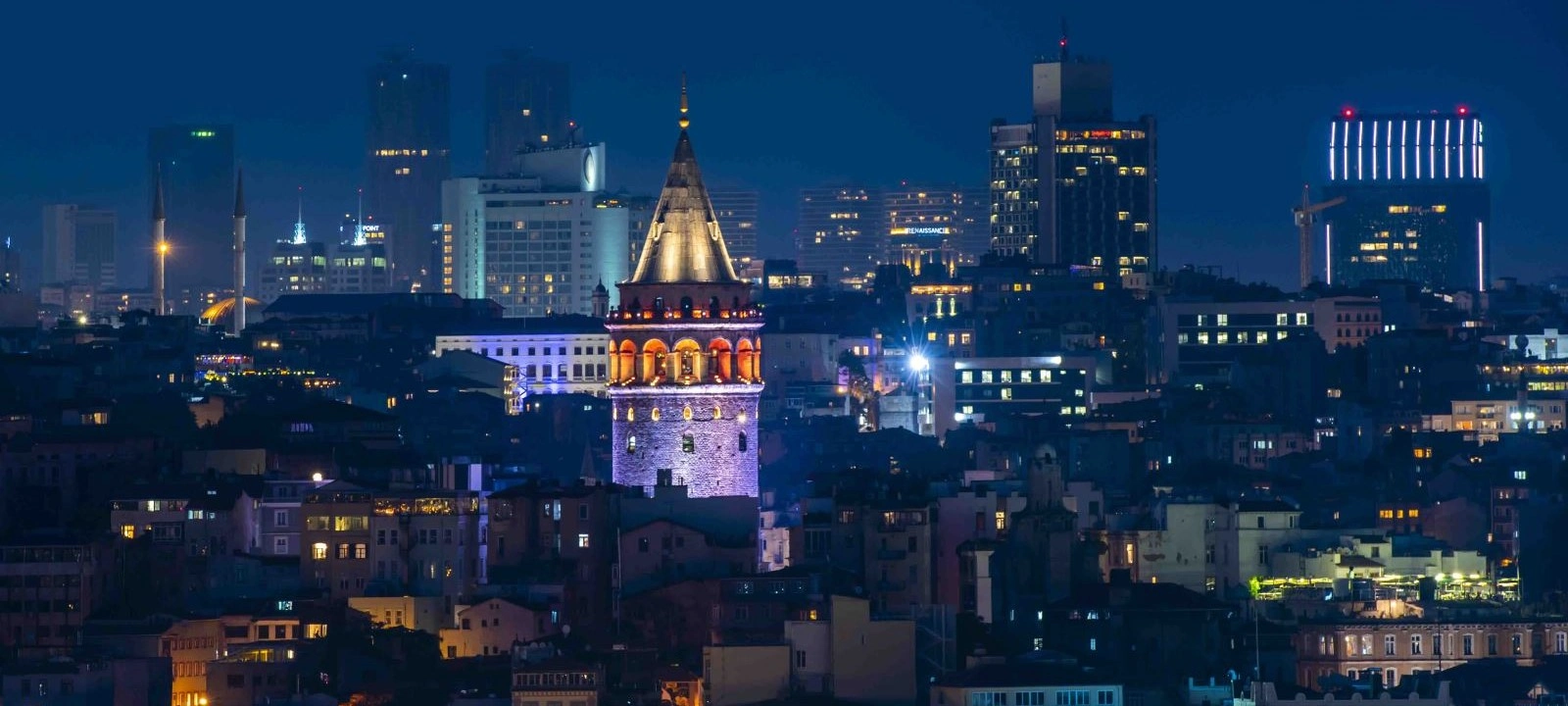
Galata Tower

Climb the famous medieval tower above the district and see how the Jewish heritage streets fit into the wider topography of Galata.

Bankalar Caddesi

Explore the old financial heart of the Ottoman capital and the economic world in which the Camondo family became prominent.

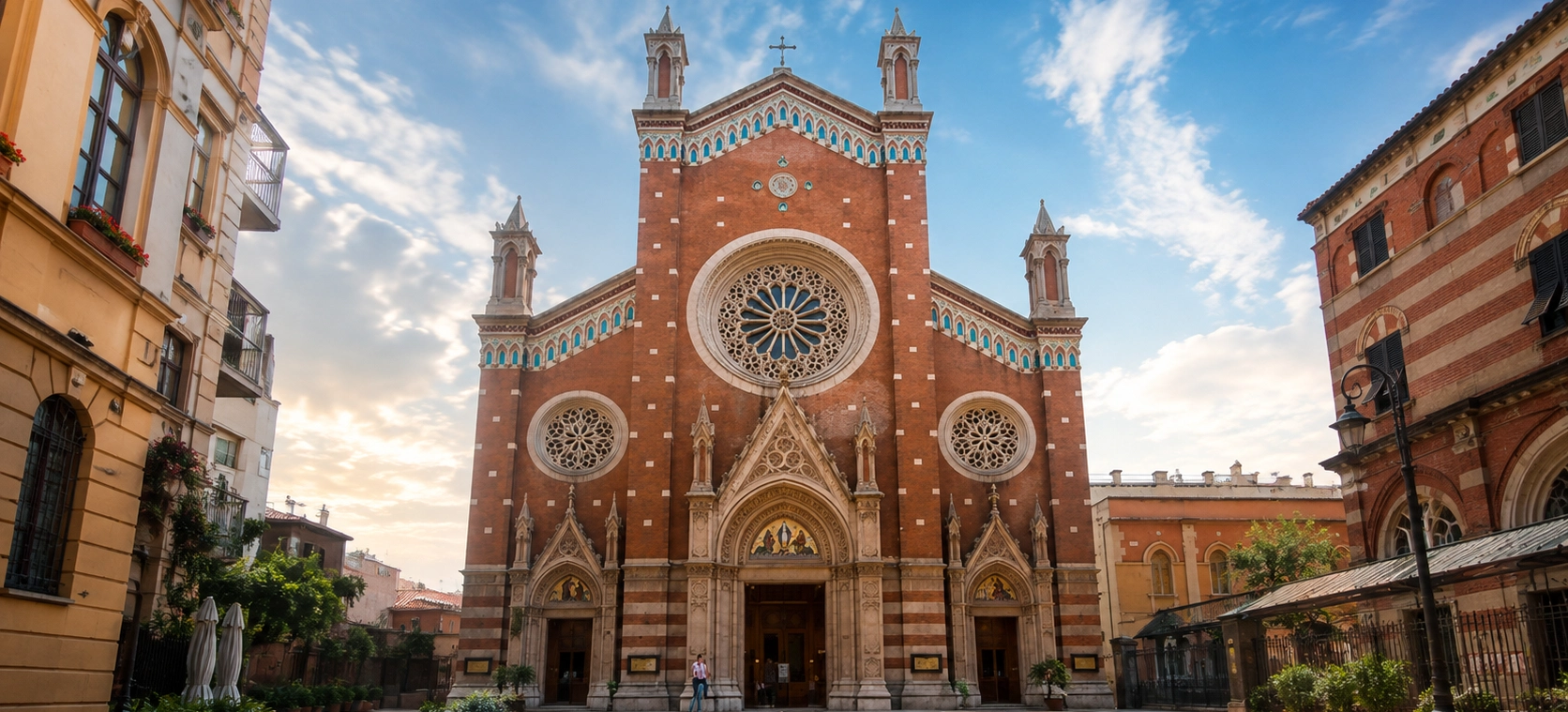
St. Anthony of Padua

Continue into Beyoğlu to one of Istanbul's most important Roman Catholic churches and compare another minority religious tradition.

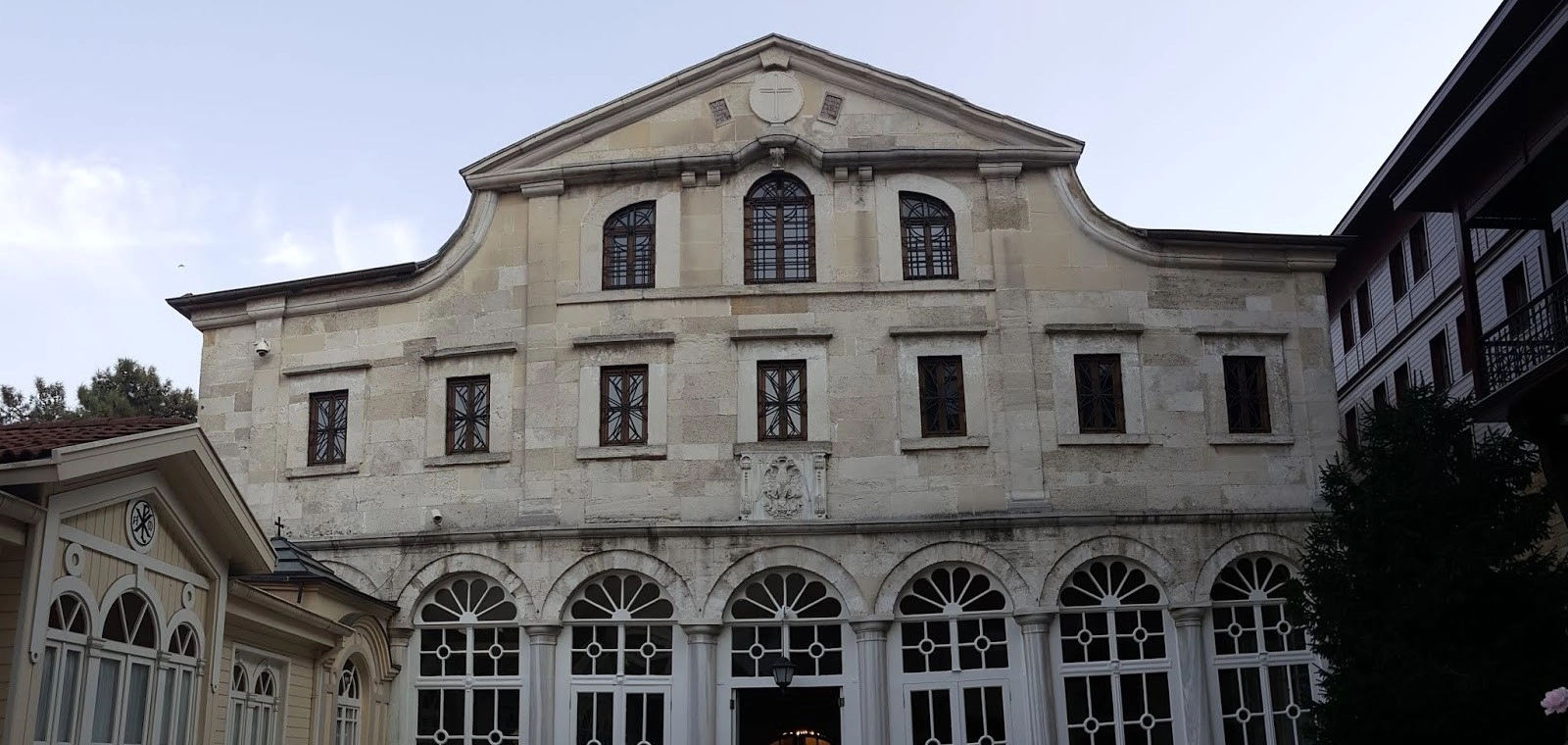
Holy Trinity Church

Explore the Greek Orthodox heritage of Beyoğlu and the wider multicultural character of the district.

Spice Bazaar

Cross the Galata Bridge to Eminönü and continue into one of the Ottoman city's great commercial districts.

Galata Mevlevi Lodge

Add the Sufi heritage of Beyoğlu and discover another religious and cultural tradition within walking distance.

Kılıç Ali Paşa Mosque

Walk toward the Karaköy waterfront for one of Mimar Sinan's elegant 16th-century Ottoman mosque complexes.

Balat Jewish Heritage

Extend the theme to Ahrida and Yanbol synagogues and the older Jewish neighborhoods along the Golden Horn.

Explore More of Istanbul

Continue with churches, synagogues, mosques, palaces, museums and historic neighborhoods across the city.

Frequently Asked Questions About Galata & Karaköy Jewish Heritage

Why is Galata important in Istanbul's Jewish history?

Galata became an important center of Jewish religious, commercial and community life, especially during the Ottoman period and the growth of the 19th-century port and financial district.

What are the main Jewish heritage sites in Galata?

The core sites are Neve Shalom Synagogue, the Museum of Turkish Jews, the Ashkenazi Synagogue, Schneidertempel, the Italian Synagogue, Kamondo Steps and the historic banking streets of Karaköy.

What is Neve Shalom Synagogue?

Neve Shalom is one of Istanbul's principal active synagogues. It opened in 1951 and today is physically connected with the Quincentennial Foundation Museum of Turkish Jews.

What does Neve Shalom mean?

The Hebrew name is commonly translated as “Oasis of Peace.”

Can tourists visit Neve Shalom Synagogue?

Yes, under current visitor arrangements access is made through the Museum of Turkish Jews and is subject to identification and security screening.

Where is the Museum of Turkish Jews?

It is at Bereketzade Mahallesi, Büyük Hendek Caddesi No: 39 in Beyoğlu, beside Neve Shalom Synagogue.

What are the Museum of Turkish Jews opening hours?

The museum currently publishes 10:00–17:00 Monday to Thursday, 10:00–13:00 Friday and 10:00–17:00 Sunday. It is closed on Saturday and national or religious holidays. Always verify before visiting.

Do I need a passport to visit the Jewish Museum?

You must carry an officially issued identity card or passport. Visitors enter after a security check.

How much is the Museum of Turkish Jews?

The museum currently lists foreign-adult admission at 500 TL and foreign-student admission at 250 TL. Prices can change, so confirm the latest official rate.

Is the museum open on Saturday?

No. The Museum of Turkish Jews lists Saturday as closed for Shabbat.

What is the Ashkenazi Synagogue?

It is a historic synagogue near Galata Tower associated with Istanbul's Ashkenazi Jewish community. The present building was completed in 1900.

What is Schneidertempel?

Schneidertempel is the former Ashkenazi Tailors' Synagogue, established in the 1890s and later adapted as a cultural and art space.

What does Schneidertempel mean?

The name comes from German: Schneider means tailor. The synagogue was associated with an organization of Ashkenazi Jewish tailors.

What is the Italian Synagogue?

The Italian Synagogue, also known as Kal de los Francos, represents the historic Italian Jewish congregation of Galata.

Who were the Camondo family?

The Camondos were an influential Sephardic Jewish banking and philanthropic family closely associated with 19th-century Galata and the modernization of the district.

Are the Kamondo Steps Jewish heritage?

Yes. The staircase was commissioned by the Camondo family and is one of the most visible surviving urban landmarks connected with Istanbul's Jewish history.

Can I visit every synagogue without a reservation?

No. Access differs by synagogue and may depend on security, worship schedules, advance permission or organized visits. Never assume walk-in entry.

Can I take photographs inside the synagogues?

Photography may be restricted or prohibited. Follow staff instructions and never photograph worshippers, ceremonies or security arrangements without permission.

How long does the Galata Jewish heritage walk take?

Allow around 3–4 hours for a relaxed route including the Museum of Turkish Jews and the principal outdoor heritage stops.

Is Galata Jewish heritage walkable?

Yes. The main sites are close together, but the district is steep and includes cobbled streets and stairs.

What is the best day to visit?

Sunday or Monday through Thursday are usually the easiest choices for the museum. Friday has shorter hours, and the museum is closed on Saturday.

Can I combine Galata with Balat Jewish heritage?

Yes. A full-day Jewish heritage itinerary can connect Galata with Balat, including Ahrida and Yanbol synagogues when access is arranged in advance.

Is Galata Jewish heritage worth visiting?

Yes. It reveals a less familiar but essential side of Istanbul through synagogues, migration history, Ladino and Ashkenazi traditions, the Camondo family, banking history and living Jewish culture.

Responsible Visiting on the Galata Jewish Heritage Route

Respect Worship

Remain quiet inside active synagogues and never interrupt prayer, ceremonies or community events.

Cooperate with Security

Carry the required identification, follow instructions and never attempt to bypass entry procedures.

Protect Privacy

Do not photograph worshippers, community members, guards or controlled entrances without clear permission.

Dress Appropriately

Wear respectful clothing and follow any religious-site guidance provided by staff.

Avoid Intrusive Questions

Remember that Jewish residents and worshippers are people living their lives, not exhibits within a heritage route.

Respect Closures

If a synagogue is closed for worship, security or community reasons, accept the restriction and continue the outdoor heritage walk.

Private Galata & Istanbul Jewish Heritage Experiences

Connect Galata's Jewish heritage with Neve Shalom, the Museum of Turkish Jews, Ashkenazi and Sephardic history, the Camondo family, Balat, the Golden Horn and Istanbul's wider multicultural story through a private route shaped around your interests and without compulsory shopping stops.

Custom Galata Jewish Heritage Experience

Choose a focused Galata and Karaköy walking route built around Jewish history, synagogues, community memory, Bankalar Caddesi, Kamondo Steps and the Museum of Turkish Jews, or combine Galata with a wider Jewish heritage itinerary through Balat and the Golden Horn.

Continue Exploring Istanbul's Multicultural Heritage

Use Galata as a starting point for a wider journey through Beyoğlu, Fener, Balat and the communities that made Istanbul one of the Mediterranean world's great multicultural cities.