Atatürk, Childhood & Republican Heritage in Yalova

Atatürk and Children Museum Yalova – Complete Visitor Guide

Visit the historic Baltacı Farm Mansion where Atatürk once stayed
and discover an interactive museum created especially to bring history to life for younger visitors.

Explore the Museum

Atatürk and Children Museum – History Designed for Young Minds

The Atatürk and Children Museum in Yalova, known in Turkish as Atatürk ve Çocuk Müzesi, is one of the most distinctive Atatürk museums in Türkiye. It combines a genuine historic building used by Mustafa Kemal Atatürk with an interactive museum concept created to make Republican history engaging for children.

The museum occupies the historic Baltacı Çiftliği Köşkü, also known as the TİGEM Atatürk Mansion. Atatürk used the building during his early visits to Yalova, before the famous Yürüyen Köşk was constructed.

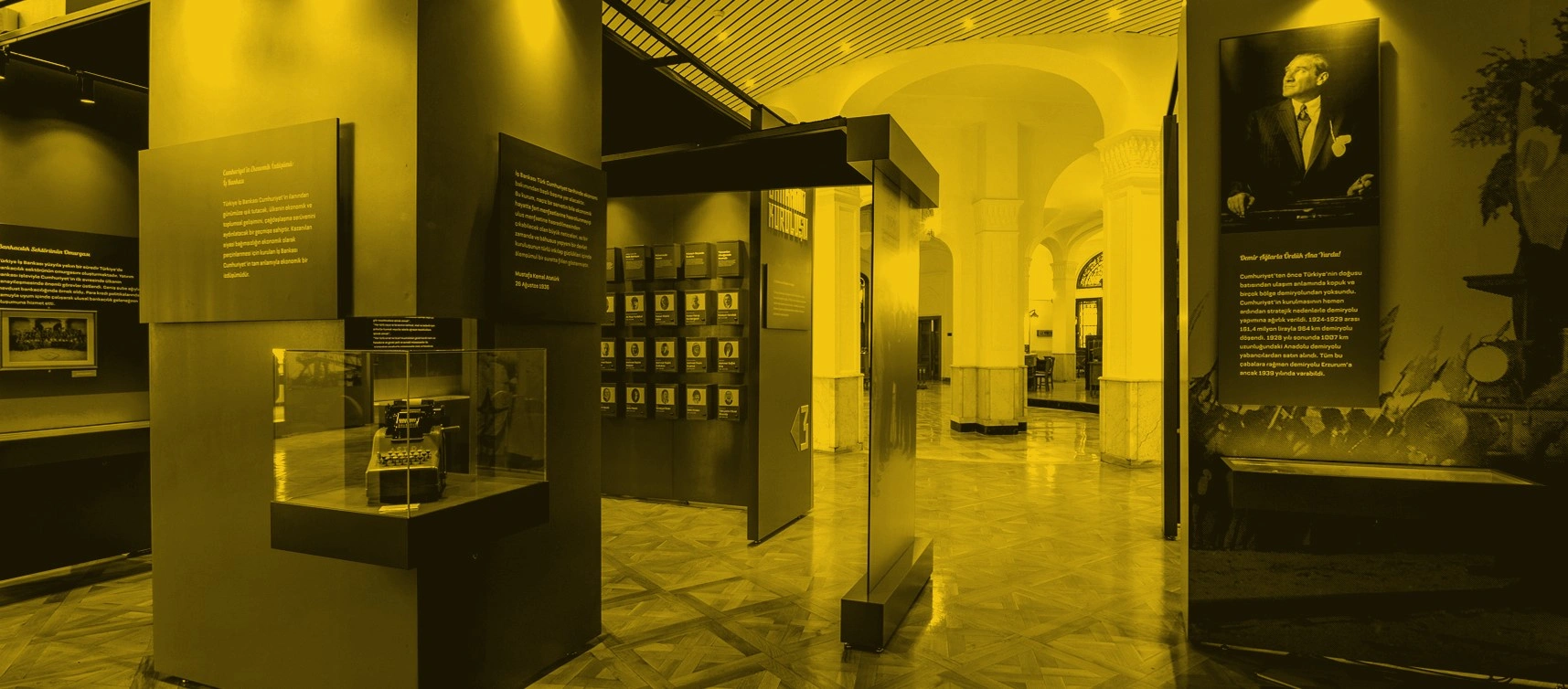
Rather than presenting only formal rooms and display cases, the museum tells its story through maps, photographs, interactive modules, digital screens, recreated scenes, educational activities and child-friendly interpretation. Its themes include Atatürk's arrival in Yalova, his farms and residences, his relationship with children, his adopted children, his approach to education, his reforms, his travels across Türkiye and the meaning of 23 April National Sovereignty and Children's Day.

The museum opened to visitors on 30 August 2014 after restoration of the historic mansion. Today it is administered under the Yalova Museum Directorate of the Ministry of Culture and Tourism.

Historic Mansion

Explore a registered historic building used by Atatürk during his early Yalova years.

Child-Focused

Interactive displays make the museum especially suitable for primary and middle-school-age visitors.

30 August 2014

The restored mansion opened as the Atatürk and Children Museum on Victory Day.

Free Entry

Official museum information lists admission as free for visitors.

Know Before You Go

Atatürk and Children Museum – Quick Facts

Essential information for planning a visit to one of Yalova's most meaningful Republican heritage museums.

📍

Location

Gazi Paşa Caddesi area, Yalova Merkez, beside the former Garden A.Ş. service building.

Search on Google Maps
🏛️

Historic Building

Baltacı Çiftliği Köşkü, also known as the TİGEM Atatürk Mansion.

⭐

Why It Matters

Atatürk used the mansion before Yürüyen Köşk was built.

📅

Museum Opening

30 August 2014.

🧒

Main Audience

Designed especially to engage children, families and school groups.

🎟️

Admission

Official museum information lists admission as free.

⏳

Suggested Time

Allow approximately 45–60 minutes for a comfortable visit.

👨‍👩‍👧‍👦

Group Visits

Educational groups should arrange an appointment in advance.

🕘

Seasonal Hours

Official Turkish Museums information uses seasonal opening hours; confirm before your visit.

☎️

Contact

Yalova Museum Directorate: +90 226 814 10 46.


A Different Kind of Atatürk Museum

Why Visit the Atatürk and Children Museum?

The museum combines authentic place, local memory and child-focused storytelling in a way that few conventional house museums do.

Yalova holds an unusually important place in the story of Mustafa Kemal Atatürk. He first came to the area in August 1929 and returned repeatedly during the following years, using Yalova as a place for rest, public work, agricultural projects and discussions about the country's future.

The Atatürk and Children Museum adds a particularly human dimension to that story. Instead of concentrating only on political chronology, it explores Atatürk's relationship with children, education, citizenship and the future generation.

The historic setting also matters. Visitors are not entering a modern museum building designed from scratch. They are walking through a mansion associated directly with Atatürk's own time in Yalova, creating a physical connection between the exhibitions and the history they explain.

For families, the museum is especially valuable because it presents complex historical subjects through a more approachable combination of visual storytelling, interactive displays, reconstructed scenes and activity spaces.

Baltacı Çiftliği Köşkü – The Historic Building

The museum is located in the historic Baltacı Çiftliği Köşkü, a building closely associated with Atatürk's early years in Yalova. It is also referred to as the TİGEM Atatürk Köşkü.

Official local heritage information states that the mansion was completed in 1929 and was used by Atatürk during visits to Yalova. It predates the construction of Yürüyen Köşk, which later became the city's best-known Atatürk residence.

The building is considered an early example of Republican-period architecture. Its historical value comes not only from its age, but from the fact that Atatürk personally used the property during a formative period in Yalova's modern development.

The garden also carries historical meaning. Accounts describe it as a place where Atatürk could meet and speak with citizens, reinforcing the sense that the mansion was not simply a private retreat but part of his wider relationship with the local community.

Registration and Restoration of the Mansion

Because of its association with Mustafa Kemal Atatürk, the mansion was officially registered as a cultural property in 2007. The protection decision recognised the building's historical importance and its connection with Atatürk's years in Yalova.

A major restoration project began in February 2013 and was completed in July 2014. The aim was not simply to repair an old building, but to prepare the historic mansion for a new educational role.

The restored site opened as the Atatürk and Children Museum on 30 August 2014. The choice of date connected the museum's opening with Victory Day, one of the most significant commemorative dates in the history of the Turkish Republic.

Since then, the building has served both as a heritage monument and as a place where younger generations can encounter the story of Atatürk through modern museum interpretation.

Atatürk and Yalova

Atatürk's relationship with Yalova began in 1929, when he visited the area during a period in which local health, agriculture, thermal tourism and urban development were receiving increased attention.

His first documented arrival in Yalova took place on 19 August 1929. During that visit he travelled to the thermal springs and to Baltacı Farm, beginning a long personal and institutional connection with the region.

Over the following years, Atatürk repeatedly returned to Yalova. He used different residences, followed agricultural projects, encouraged development of the thermal springs and spent extended periods working and receiving visitors in the area.

The city continues to associate itself strongly with his legacy. The phrase “Yalova Benim Kentimdir” – “Yalova is my city” has become one of the best-known expressions of that connection.

What Makes the Museum Different?

Many Atatürk museums in Türkiye are organised around preserved rooms, period furniture, personal belongings and formal display cases. The Yalova Atatürk and Children Museum was developed with a different emphasis.

Its museum design was intended to reach primary and middle-school children through colourful, interactive and visually engaging displays. The purpose is not only to present information, but to encourage younger visitors to explore, compare, remember and ask questions.

Interactive box modules, digital kiosks, photographs, video presentations, maps, reconstructed scenes and hands-on activity areas create a museum experience that feels more active than a conventional historic-house visit.

This approach also works well for adults. The museum presents familiar national history through the more personal themes of childhood, education, family relationships, travel and daily life.

Highlights of the Atatürk and Children Museum

Yalova History Map

A floor map introduces important historic locations around Yalova and helps visitors place the museum within the wider city story.

Atatürk's Arrival in Yalova

Information panels explain his arrival, the farms he established and the residences he used.

Çoban Mustafa Scene

A recreated episode introduces the story of Atatürk's encounter with the young shepherd Mustafa.

Interactive Modules

Colourful displays encourage children to discover information rather than simply read long wall texts.

Atatürk's Adopted Children

Displays introduce the children he took under his protection and the importance he placed on their education.

Education Theme

One section explores Atatürk's approach to learning, schools and the role of education in the Republic.

Chronology & Reforms

Photographs and interactive displays connect major stages of Atatürk's life with the reforms of the early Republic.

23 April Hall

The museum explains National Sovereignty and Children's Day through historic photographs and child-focused interpretation.

The Yalova Map and Atatürk's Local Story

One of the museum's most useful introductory features is a map of Yalova's historic places. The map immediately places Atatürk's story within a real landscape rather than presenting it as an isolated biography.

Nearby panels explain Atatürk's arrival in Yalova, the farms associated with his projects, and the different mansions he used during his stays. This context is important because Yalova contains several separate Atatürk heritage sites.

For visitors planning to see Yürüyen Köşk and Termal Atatürk Mansion, this section provides a useful introduction to how those places fit together.

Children can also use the map as a simple orientation exercise: find the coast, locate Termal, identify the farms and compare the museum's position with the other historic sites they may visit later.

The Story of Atatürk and Çoban Mustafa

One of the museum's most memorable displays focuses on Çoban Mustafa, a young shepherd connected with Atatürk's Yalova story.

The museum presents their encounter through a recreated scene and written interpretation, turning what could otherwise feel like a distant historical anecdote into a more immediate story for younger visitors.

A digital kiosk has also been used to present interview material connected with Çoban Mustafa. This mix of reconstruction and recorded testimony is characteristic of the museum's broader approach: history is communicated through people and stories, not only dates.

For families, this is a good point to ask children what they notice about the scene, why the encounter became memorable and how museums can preserve personal memories alongside major national events.

Atatürk's Adopted Children

Another important museum theme concerns Atatürk's adopted children and the support he gave to their education.

Interactive modules introduce several of the children who came under his protection and explain how education became central to their futures. The subject gives the museum its strongest connection between biography and its child-focused design.

Rather than treating children only as an audience, the museum makes childhood itself part of the historical story. Visitors are encouraged to think about access to education, responsibility toward younger generations and the role of children in the future of a society.

For school groups, this section can become a useful discussion point about how opportunities available to children changed during the early Republican period.

Atatürk's Approach to Education

The museum also includes interpretation devoted to education, one of the recurring themes in Atatürk's public life and the transformation of the early Republic.

Books, visual material and educational displays help visitors connect personal stories about children with larger changes in schooling, literacy and public learning.

This makes the museum particularly suitable for educational visits. Children are not only learning about a historical figure; they are seeing how questions of school, knowledge, curiosity and civic participation were presented as part of the country's future.

Parents and teachers can use this section to compare education in the 1920s and 1930s with children's own experience of school today.

Atatürk Chronology, Reforms and Travels

The museum's wider historical interpretation extends beyond Yalova. Photographs and chronological displays place Atatürk's local connection within the broader sequence of his life.

Interactive modules introduce major reforms of the early Turkish Republic using a format intended to remain visually accessible for younger visitors.

Photographs from Atatürk's travels around Türkiye and video presentations further expand the story beyond a single city. They show a leader repeatedly travelling, meeting communities and engaging directly with different regions of the country.

This is useful context before returning to the museum's central question: why did Yalova become one of the places to which Atatürk returned so frequently?

The 23 April Hall

One of the museum's signature sections is devoted to 23 April National Sovereignty and Children's Day, a date uniquely connected with children in the civic culture of Türkiye.

The display explains the historical meaning of the day and highlights the role of organisations associated with child welfare. Historic photographs from earlier 23 April celebrations in Yalova help connect national commemoration with local community memory.

A photo area allows visitors to create their own visual memory of the museum, while digital displays provide another layer of historic imagery. Official museum descriptions also note examples of stamps associated with child welfare organisations.

For children visiting from abroad, this section can be especially interesting because it introduces a national holiday that may have no direct equivalent in their own country.

Children's Activity and Game Areas

The museum was created with group learning in mind, so activity is part of the experience rather than an afterthought.

A wall puzzle has been incorporated into the children's activity area, and educational group visits can use the space for guided exercises connected with the museum themes.

The garden has also been used for knowledge-based games during suitable weather. Questions can be drawn from information children have already encountered inside the museum, turning the visit into a simple form of active recall.

This approach is especially effective for younger school groups: first explore the displays, then use a puzzle, game or conversation to reinforce what was learned.

Visiting the Museum with Children

The Atatürk and Children Museum is one of the easiest historical attractions in Yalova to recommend for families because the exhibitions were deliberately designed with children in mind.

Younger visitors can respond to colour, reconstructed scenes, interactive modules, photographs, maps and puzzles, while older children can engage with the historical themes behind them.

A useful strategy is to give children a few simple things to find during the visit: Atatürk's Yalova residences, Çoban Mustafa, one of the adopted children, a photograph from a journey, a 23 April image and an example of an interactive display.

Allow enough time for children to explore at their own pace. A museum created for younger visitors works best when the experience is not rushed.

School and Educational Group Visits

The museum is particularly well suited to primary and middle-school educational visits. Its subject matter can support lessons in history, social studies, citizenship, Turkish language and local heritage.

Official visitor information asks educational groups to make an appointment in advance. This helps the museum manage group size, activities and guided interpretation more effectively.

Teachers can prepare students by introducing a few questions before arrival: Why did Atatürk spend time in Yalova? What is special about 23 April? Why were education and children important themes in the early Republic?

After the visit, students can compare this museum with a conventional museum or historic house and discuss which display methods helped them remember information most clearly.

Architecture of Baltacı Çiftliği Köşkü

The building itself should be treated as one of the museum's exhibits. It represents the architectural atmosphere of the early Republican period and preserves the scale of a residence rather than that of a purpose-built museum.

The mansion is a two-storey structure, and its domestic proportions give the museum a more personal feeling than a large institutional gallery.

Because modern interpretation was inserted into a protected historic structure, visitors experience two time layers at once: the original mansion associated with Atatürk and the twenty-first-century museum design created to explain that history.

When visiting, look beyond the displays and notice windows, room proportions, circulation and the relationship between the house and its garden.

Where Is the Atatürk and Children Museum?

The museum is located in Yalova Merkez, on or beside the Gazi Paşa Caddesi corridor, in the historic Baltacı Farm / TİGEM area associated with Atatürk's Yalova residences.

Official museum contact information gives the address as Gazi Paşa Cad. Garden A.Ş. Hizmet Binası Yanı – Yalova. The destination is usually searchable on navigation apps as “Atatürk ve Çocuk Müzesi.”

Its central location makes it easy to combine with other attractions in Yalova city without dedicating an entire day to a single museum.

City Yalova
District Yalova Merkez
Historic Name Baltacı Çiftliği Köşkü / TİGEM Atatürk Köşkü
Museum Administration Yalova Museum Directorate, Ministry of Culture and Tourism
Phone +90 226 814 10 46

How to Get to the Atatürk and Children Museum

The museum's urban location makes it relatively straightforward to reach from central Yalova. The most reliable navigation search is “Atatürk ve Çocuk Müzesi, Yalova”.

By Taxi

Ask for “Atatürk ve Çocuk Müzesi” or “TİGEM Atatürk Köşkü” in Yalova Merkez.

By Car

Use current navigation for the museum and follow local parking arrangements in the surrounding area.

By Public Transport

Local services operating along the Gazi Paşa Caddesi corridor can bring visitors into the wider museum area.

On Foot

Possible as part of a longer city walk depending on where you begin in central Yalova.

How Much Time Do You Need?

Most independent visitors should allow approximately 45 minutes to one hour for the Atatürk and Children Museum.

Adults moving quickly through the exhibits may need less time, but families with children will usually benefit from a slower pace, especially if interactive displays and activity areas are in use.

School groups may require longer because guided explanation, questions, video content and organised activities can extend the visit.

30 Minutes

A quick visit covering the principal themes and historic setting.

45–60 Minutes

Ideal for most independent visitors and families.

60–90 Minutes

Better for children who want to engage with interactive displays and activities.

Longer Visit

Allow extra time when visiting as part of an organised school programme.

Opening Hours, Admission and Current Visitor Status

Official Turkish Museums information lists free admission for the Atatürk and Children Museum. Educational group visits should be arranged in advance.

The official Turkish Museums listing uses seasonal hours. As currently published, the museum operates on a summer schedule from 15 June to 15 September and a winter schedule from 15 September to 15 June. The listed winter closing time is earlier than the summer closing time.

Operational conditions can change. In 2026 the Ministry of Culture and Tourism issued a temporary closure announcement for electrical works. Visitors making a special journey should therefore check the latest official Turkish Museums listing or contact Yalova Museum Directorate before travelling.

This is particularly important around public holidays, maintenance periods, school-group programming or temporary conservation work.

Admission Free according to official museum information
Summer Season 15 June – 15 September; official listing currently shows 08:30–17:30
Winter Season 15 September – 15 June; official listing currently shows 08:30–17:00
Group Visits Advance appointment required for educational groups
Best Practice Confirm same-day status before making a dedicated trip

Best Time to Visit

Because most of the museum experience takes place indoors, the Atatürk and Children Museum is a useful cultural stop throughout the year.

Weekday mornings can be especially pleasant for independent visitors, although organised school groups may also visit during those hours. If you prefer a quieter experience, contact the museum in advance or avoid periods with scheduled educational groups.

In spring and autumn, the visit combines particularly well with outdoor Atatürk heritage sites such as Yürüyen Köşk, Termal and the plane-tree-lined road between Yalova and the thermal district.

Around 23 April, the museum's child-focused themes have special resonance, although commemorative periods can also mean increased group activity.

Accessibility at the Atatürk and Children Museum

The museum occupies a protected historic mansion, so visitors should remember that its circulation was not originally designed to modern accessibility standards.

Official educational listings indicate accessible access and guidance services, but the exact route available inside a historic two-storey building may depend on current arrangements.

Visitors using wheelchairs, those with limited mobility or anyone who needs completely step-free access should contact the Yalova Museum Directorate before travelling.

Even when all parts of a historic building are not equally accessible, staff may be able to explain the most suitable route or available visitor assistance.

Photography at the Museum

Photography rules can change depending on exhibition conditions, so follow any signs or instructions from museum staff.

Educational visitor guidance advises against flash photography inside the historic building, which is sensible both for visitor comfort and for the protection of displays and historic interiors.

The exterior of Baltacı Çiftliği Köşkü and its garden can also be an important part of the photographic experience. A wider image helps communicate that this is not merely an exhibition hall, but an authentic historic residence connected with Atatürk.

Never move objects, lean on display structures or allow children to handle museum material unless the exhibit is specifically designed for interaction.

Atatürk and Children Museum or Yürüyen Köşk?

The two sites are closely connected but offer very different experiences.

At the Yürüyen Köşk, the emphasis is on the famous story of moving the building to save a plane tree, Atatürk's relationship with nature and the physical preservation of the pavilion.

At the Atatürk and Children Museum, the emphasis is on interactive interpretation: Atatürk in Yalova, children, education, his adopted children, Republican reforms and 23 April.

If you have time, visit both. Together they provide a much more complete picture of Atatürk's life in Yalova than either site can offer alone.

Combine the Museum with Termal Atatürk Mansion

A third major stop in Yalova's Atatürk heritage landscape is Termal Atatürk Mansion.

The Termal mansion is connected with Atatürk's interest in the thermal springs and preserves a different atmosphere from both Baltacı Farm and Yürüyen Köşk.

Visiting all three sites shows how Atatürk's relationship with Yalova extended across agriculture, health, nature, urban development, public life and personal residence.

For travellers interested in Republican history, this three-site route is one of the strongest thematic cultural itineraries in Yalova Province.

Suggested Atatürk Heritage Route in Yalova

A dedicated Atatürk heritage route can connect several different chapters of Yalova's Republican history in one day.

1. Atatürk and Children Museum Begin with the historical overview, child-focused interpretation and Baltacı Farm setting
2. Yürüyen Köşk Continue to the pavilion famously moved to protect a plane tree
3. Yalova City Museum Place Atatürk's role within the wider urban and social history of Yalova
4. Çınarlı Hıyaban Drive toward Termal along the historic plane-tree-lined route associated with the Atatürk era
5. Termal Atatürk Mansion Finish with the thermal district and another important Atatürk residence

What Foreign Visitors Should Know

International visitors may recognise Atatürk primarily as the founder of the Republic of Türkiye, but the museum approaches him through themes that are more personal and educational than purely political.

The strongest themes to understand before entering are Atatürk's relationship with Yalova, his interest in education, his adopted children and the special place of 23 April in Türkiye.

Some interpretation may be primarily in Turkish. Using a translation app or visiting with a knowledgeable guide can therefore add value, particularly if you want to understand the details of historical panels or interview material.

Even without reading every text, the building, photographs, interactive design and clear visual themes make the museum relatively easy to follow.

Practical Tips for Visiting the Museum

Check Current Status

Temporary maintenance closures can occur, so confirm the official listing before a dedicated journey.

Allow 45–60 Minutes

The museum is compact, but interactive displays reward a slower visit.

Book School Groups

Educational groups should arrange an appointment in advance.

Visit Yürüyen Köşk Too

The two sites explain different parts of Atatürk's relationship with Yalova.

Avoid Flash

Follow current interior photography rules and avoid flash around historic materials and displays.

Let Children Explore

Give younger visitors time to interact with the museum rather than rushing them through every room.

Responsible Visiting

Follow Staff Guidance

Historic interiors and interactive displays may have different handling rules.

Use Interactive Displays Properly

Only touch or operate elements specifically designed for visitor interaction.

Supervise Children

The museum welcomes young visitors, but the building itself remains protected cultural heritage.

Keep Noise Moderate

School groups and families should share the small historic rooms considerately with other visitors.

Respect Photography Rules

Avoid flash and follow any room-specific restrictions.

Protect the Garden

Use designated paths and bins and help keep the historic setting clean.

Frequently Asked Questions About the Atatürk and Children Museum

What is the Atatürk and Children Museum in Yalova?

It is an interactive museum in a historic mansion used by Mustafa Kemal Atatürk, with exhibitions focusing on Atatürk's Yalova years, children, education, his adopted children, Republican reforms and 23 April.

What is the Turkish name of the museum?

The Turkish name is Atatürk ve Çocuk Müzesi.

Where is the museum?

It is in Yalova Merkez, in the Gazi Paşa Caddesi / Baltacı Farm area.

Was the building really used by Atatürk?

Yes. The historic Baltacı Çiftliği Köşkü was one of the buildings used by Atatürk during his stays in Yalova.

Is this the same place as Yürüyen Köşk?

No. The Atatürk and Children Museum is in Baltacı Çiftliği Köşkü, while Yürüyen Köşk is a separate pavilion with its own famous history.

Which building came first?

Atatürk used Baltacı Çiftliği Köşkü before Yürüyen Köşk was constructed.

When did the museum open?

The Atatürk and Children Museum opened on 30 August 2014.

When was the mansion restored?

Restoration began in February 2013 and was completed in July 2014.

Is the museum suitable for children?

Yes. It was specifically designed to keep younger visitors engaged through interactive modules, visual displays, recreated scenes and activities.

What age group is it best for?

The museum concept was developed especially with primary and middle-school children in mind, although adults can also enjoy the historical content.

What can children do at the museum?

Depending on current arrangements, children can explore interactive modules, watch digital content, use activity areas and engage with puzzles or educational group activities.

Who was Çoban Mustafa?

Çoban Mustafa is connected with one of the personal stories presented in the museum, which recreates Atatürk's encounter with the young shepherd and provides related interpretation.

Does the museum explain Atatürk's adopted children?

Yes. Interactive exhibits introduce the children he took under his protection and emphasise the importance placed on their education.

Is there a section about 23 April?

Yes. A dedicated section explains 23 April National Sovereignty and Children's Day and includes historic imagery connected with celebrations in Yalova.

Is admission free?

Yes. Official museum information currently lists free admission.

What are the opening hours?

Official Turkish Museums information uses seasonal hours. Current listings show 08:30–17:30 in the summer season and 08:30–17:00 in the winter season. Always confirm before travelling.

Was the museum temporarily closed in 2026?

Yes. The Ministry of Culture and Tourism issued a temporary closure notice for electrical works in 2026. Because operational conditions can change, check the latest official status before a dedicated visit.

Do school groups need a reservation?

Yes. Official visitor information states that educational group visits should be booked in advance.

How long should I spend at the museum?

Most visitors should allow around 45–60 minutes. Families and school groups may prefer longer.

Can I take photographs?

Follow current museum rules. Educational visitor guidance advises against flash photography inside.

Is the museum wheelchair accessible?

Accessibility services are listed in educational museum information, but because this is a protected historic building, visitors who require a completely step-free route should confirm current arrangements in advance.

What should I visit after the museum?

The best continuation is Yürüyen Köşk, followed by Yalova City Museum and Termal Atatürk Mansion.

Is the museum worth visiting if I do not have children?

Yes. The child-friendly design makes the interpretation accessible, but the historic mansion and Atatürk-related content are also valuable for adults interested in Yalova and Republican history.

Private Yalova History & Atatürk Heritage Experiences

A private Yalova itinerary can connect the Atatürk and Children Museum with Yürüyen Köşk, Termal Atatürk Mansion, Yalova City Museum and other cultural landmarks according to your interests.

Custom Atatürk Heritage Experience in Yalova

Follow Atatürk's connection with Yalova through the historic residences, city museums, thermal landscapes and Republican-era stories that shaped the modern identity of the province.

Yalova Turkey museums Ataturk heritage hot springs coast and travel guide

Explore Yalova

Discover Yalova's complete story through Atatürk heritage, museums, Ottoman monuments, thermal springs, forests, waterfalls, wetlands and the Marmara coast.

View Yalova Guide