Private Tekfur Palace & Byzantine Istanbul Tour
Ask us about a tailor-made route focused on Tekfur Palace, Chora, the land walls, Blachernae, Byzantine art and the historic neighborhoods of the Golden Horn.
Request a Custom Tour





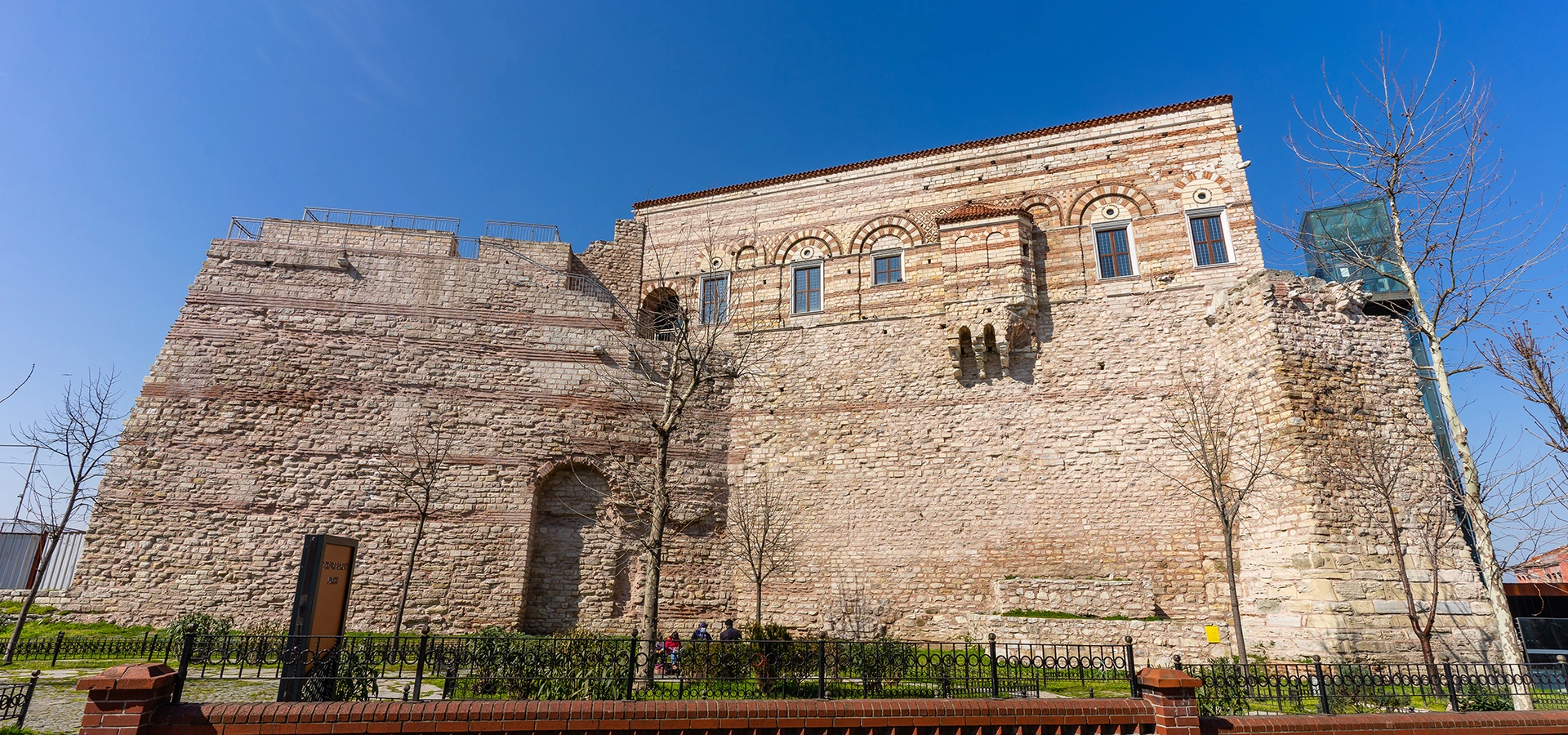
Tekfur Palace, also known as the Palace of the Porphyrogenitus, stands beside the historic land walls between Edirnekapı and Ayvansaray in Istanbul's Fatih district. Its striped brick-and-stone façade is one of the most distinctive surviving examples of late Byzantine secular architecture.
The palace is generally dated to the late 13th or early 14th century and is associated with the wider Blachernae Palace complex. During the final centuries of Byzantium, this northwestern area of Constantinople became an important imperial residential and ceremonial quarter.
After the Ottoman conquest, the building passed through several very different uses. Its most important later chapter began in the early 18th century, when ceramic workshops produced the celebrated Tekfur Palace tiles. Archaeological finds, ceramics, glass objects and tile replicas now help visitors understand this industrial history.
Restored and adapted as a museum, Tekfur Palace offers interior exhibition spaces, views of its reconstructed upper levels, an impressive courtyard façade and a close relationship with the Walls of Constantinople. It is an excellent addition to a route through Chora, Edirnekapı, Fener and Balat.
Enter one of Istanbul's rare surviving monuments of late Byzantine court architecture.
See how the palace was built into the fortified landscape near Blachernae.
Discover the workshops that produced distinctive tiles and vessels in the 18th century.
Explore exhibitions, architectural details and elevated views within the rebuilt interior.
Essential information for visiting the Palace of the Porphyrogenitus in Istanbul.
Şişhane Caddesi, Edirnekapı, Fatih, beside the northern section of Istanbul's land walls.
Open on Google MapsLate 13th or early 14th century, during the Palaiologan period of Byzantine history.
Palace of the Porphyrogenitus and, in Greek, the Palace of the Porphyrogennetos.
Late Byzantine architecture, archaeological finds, glass and Ottoman-period ceramic production.
Municipal museum with separate tickets; prices and access arrangements can change.
Allow 60–90 minutes, or longer when combining the palace with Chora and the city walls.
The palace preserves a rare combination of Byzantine court architecture, defensive geography and Ottoman industrial heritage.
Most of Constantinople's imperial residences have disappeared or survive only as foundations, fragments and archaeological remains. Tekfur Palace is therefore exceptional: its tall exterior walls, courtyard façade, window openings and decorative masonry still convey the scale and character of a late Byzantine palace building.
Its location is equally important. The structure rises where the Theodosian land walls meet the later defenses of Blachernae, close to the imperial quarter that became increasingly significant after the Great Palace near the Hippodrome declined. Architecture, topography and fortification come together here in a way that is difficult to understand elsewhere in Istanbul.
Tekfur Palace also tells a story beyond Byzantium. Ottoman authorities reused the site for several purposes, and in the 18th century it became an important ceramic-production center. The tiles associated with its workshops form a distinctive chapter in the history of Ottoman decorative art.
For travelers following our guide to places to visit in Istanbul, the museum provides a quieter and more focused alternative to the crowded monuments of Sultanahmet. It is especially rewarding when combined with Chora and the Walls of Constantinople.
The exact construction date and original patron of Tekfur Palace remain subjects of scholarly discussion. The building is usually assigned to the late 13th or early 14th century, after Byzantine rule was restored in Constantinople in 1261 under the Palaiologan dynasty.
The palace stood above the Blachernae district, which had already become a major imperial residence during the later Byzantine centuries. Its commanding position offered views across the countryside beyond the walls and toward the Golden Horn, while its connection with the fortifications placed it within a strongly protected court landscape.
The name Palace of the Porphyrogenitus appears in later historical interpretation. It is often connected with Constantine Palaiologos Porphyrogenitus, a son of Emperor Michael VIII Palaiologos, although the building's precise identity and naming history should be approached with care.
The palace was present during the final decades of Byzantium and the Ottoman siege of 1453. After the conquest, it no longer served as a Byzantine imperial residence. Over the following centuries it was reused for changing purposes, including part of the Ottoman court's animal collection, workshops and other urban functions recorded in historical accounts.
During the reign of Sultan Ahmed III, ceramic production developed in and around the palace. Tekfur Palace workshops became known for tiles and vessels that combined Ottoman traditions with new colors, motifs and outside influences. Production eventually declined, and the roofless building survived for generations as a dramatic shell beside the city walls.
Archaeological excavations and conservation work brought renewed attention to the site from the late 20th century onward. The restored building was fitted with modern interior structures and opened as a museum, allowing visitors to examine the architecture and the material evidence of its Byzantine and Ottoman lives.
Byzantine rule is restored in Constantinople under Michael VIII Palaiologos.
The palace is generally believed to have been constructed during the late Byzantine period.
Constantinople is captured by the Ottomans, ending the palace's Byzantine court chapter.
Ceramic workshops begin producing the tiles now associated with Tekfur Palace.
Archaeological investigations uncover architectural remains, ceramics, tiles and glass objects.
Restoration transforms the long-ruined shell into an exhibition and visitor space.
The Turkish word tekfur was used in medieval and Ottoman contexts for a Byzantine ruler, lord or governor. The modern Turkish name can therefore be understood broadly as the palace of the Byzantine sovereign.
Porphyrogenitus translates as “born in the purple.” In Byzantine court language, the title identified a child born to a reigning emperor and emphasized dynastic legitimacy. The purple association referred to the ceremonial porphyry chamber of the Great Palace in which imperial births could take place.
The building is sometimes incorrectly linked directly to the 10th-century emperor Constantine VII Porphyrogenitus. The surviving palace is several centuries later and belongs to the final phase of Byzantine architecture. Its alternative name is more commonly associated with a later imperial prince or with the prestigious title itself.
Tekfur Palace was designed as a tall, three-storey structure set between sections of Constantinople's fortifications. Its position used the dramatic difference in level between the courtyard and the surrounding walls, creating a building that functioned as both an imperial pavilion and part of a defended landscape.
The courtyard façade is the palace's most memorable architectural feature. Alternating red brick, pale stone and reused marble elements form geometric patterns around arches and windows. This polychrome masonry is characteristic of sophisticated late Byzantine design and gives the exterior a decorative richness without extensive carved ornament.
The ground level opened through a broad arcade toward the courtyard. The middle floor probably contained residential or service spaces, while the upper storey formed a large ceremonial hall with windows on several sides. The elevated setting would have provided wide views and abundant light.
The historic roof, floors and much of the interior disappeared over time. Today's museum includes substantial modern reconstruction and circulation systems introduced during restoration. Visitors should therefore read the palace as a combination of authentic surviving masonry, archaeological evidence and modern interpretation.
A vertical palace arrangement rising above a lower courtyard beside the walls.
Large arches create a monumental opening at the lower level of the façade.
Red brick, stone and marble form bands, arches and geometric decorative patterns.
The top floor is generally interpreted as a bright ceremonial or audience space.
The palace occupies the complex junction of the Theodosian and Blachernae defenses.
Contemporary floors, stairs and lifts make the restored shell usable as a museum.
The museum is compact, but it rewards slow observation. Look beyond the display cases and compare the surviving medieval walls with the modern structures inserted during restoration.
Study the palace's famous brick-and-stone patterns, arches and tall rows of windows.
Understand the palace's commanding position above the land walls and surrounding districts.
See ceramics and replicas connected with the 18th-century Tekfur Palace workshops.
Examine objects recovered during excavations, including architectural, ceramic and glass material.
Use reconstruction displays to imagine the floors, roof and lost spaces of the Byzantine building.
Observe where palace architecture meets towers and defensive masonry.
One of the site's most fascinating chapters began during the Tulip Era under Sultan Ahmed III. Ceramic specialists established workshops amid the surviving palace structures, creating a new center of tile and pottery production at a time when the earlier İznik industry had declined.
Tekfur Palace ceramics retained elements of the Ottoman decorative tradition but introduced different colors, techniques and motifs. The products included architectural tiles as well as bowls, plates, cups and other vessels. Excavations identified kilns, production waste and many fragments that help researchers reconstruct workshop activity.
Tiles connected with the workshops were used in important Istanbul monuments. Examples are associated with the Fountain of Ahmed III near Topkapı Palace and several mosque interiors. The museum displays original finds and interpretive reproductions that explain this creative reuse of the Byzantine site.
Craft production occupied the abandoned structure and its surrounding area.
Excavations revealed furnaces, fragments and waste from the manufacturing process.
Decorative panels carried Tekfur Palace workmanship into Ottoman fountains and mosques.
The workshops also produced bowls, cups, plates and other ceramic objects.
The official museum listing currently states that Tekfur Palace is closed on Mondays.
The ticket office may close well before the museum, so do not leave your visit until late afternoon.
The official listing currently states that ticket payments are accepted by credit or debit card.
Do not rush directly inside; the courtyard elevation is one of the palace's greatest highlights.
Chora, Mihrimah Sultan Mosque, the city walls and Balat form a rewarding local route.
The surrounding district includes hills, uneven pavements and historic streets.
Begin in the palace courtyard and pause before entering the museum. Study the complete three-storey façade from a distance, noticing the alternating red brick, pale stone and reused marble that create its distinctive late Byzantine patterns. Look at how the building rises beside the land walls and dominates the surrounding landscape.
Move closer to examine the lower arcade, window openings, decorative arches and surviving medieval masonry. As you enter, compare the original palace walls with the modern floors, stairs and structural elements introduced during restoration. Follow the exhibitions chronologically to understand the palace's Byzantine imperial history before discovering its later Ottoman uses.
Continue through the ceramic displays and examine the tiles, vessels, kiln remains and production fragments associated with the 18th-century Tekfur Palace workshops. Then ascend through the restored upper levels, imagining the former ceremonial hall and its views across Constantinople. Finish outside by looking again at the palace façade and its connection with the Blachernae defenses.
As checked in August 2026, the official Istanbul Metropolitan Municipality museum listing states that Tekfur Palace is open 10:00–18:00 from Tuesday through Sunday and closed on Monday. The same listing notes that the ticket office closes at 16:30.
The current official prices are listed as 570 TL for foreign visitors, 160 TL for full domestic admission and 65 TL for discounted admission. Visitors over 65 and children under 10 are listed as free. Ticket payments are currently accepted by credit or debit card rather than cash.
Opening hours, ticket prices, age rules and exhibition access may change for holidays, events, maintenance or operational reasons. Confirm the current arrangements on the official page shortly before visiting.
The museum is primarily indoors, but daylight greatly improves the courtyard façade, upper-floor views and surrounding wall walk. Season and time of day also affect a combined Chora or Balat route.
Arrive near opening time for quieter galleries and comfortable neighborhood walking.
Tuesday through Friday is often calmer than the weekend, excluding holidays and events.
Mild weather is ideal for combining the palace with the city walls and Golden Horn districts.
Comfortable temperatures and softer light suit architecture and street photography.
Visit early, then avoid the strongest heat during walks through Edirnekapı and Balat.
The museum offers a useful indoor stop, though the surrounding streets may be wet or windy.
A quick circuit of the principal displays, upper levels and courtyard façade.
The ideal independent visit with time to read the museum interpretation.
A slower architectural visit with photography and a short walk beside the walls.
Combine Tekfur Palace with Chora, Mihrimah Sultan Mosque and Edirnekapı.
Add Fethiye Mosque, Fener, Balat and Golden Horn heritage to the route.
Allow around one hour and use the ceramic displays and palace model to maintain interest.
The palace offers unusual compositions of patterned masonry, tall arches, restored interiors and surrounding city walls. Follow current museum rules and avoid flash or tripods whenever staff or signs restrict them.
Use a wide frame to capture the complete three-storey elevation.
Look closely at brick patterns, marble inserts, arches and repaired sections.
Use the lower arches to frame the courtyard, walls and neighboring cityscape.
Show how the palace rises above the land-wall landscape.
Photograph colors and motifs only where exhibition rules permit.
Keep stairs and narrow exhibition areas clear while composing photographs.
The restored museum includes modern circulation elements, but access can be affected by maintenance, exhibition arrangements and the historic structure. The surrounding Edirnekapı and Ayvansaray districts also contain slopes and uneven pavements.
The restored building includes lift access, but confirm current operation before visiting.
Visitors using the standard route move between several levels.
Historic and outdoor surfaces may require extra care in wet weather.
Contact the museum directly to confirm step-free entrances and accessible exhibition areas.
Taxi drop-off can reduce demanding uphill walking from the Golden Horn.
Use museum seating where available and divide a longer district route into stages.
Tekfur Palace stands away from Istanbul's main Sultanahmet sightseeing route. The most practical approach depends on whether you are arriving from the Historic Peninsula, Taksim or the Golden Horn.
Use the T4 line to Edirnekapı, then continue on foot through the historic wall district.
Travel to Ayvansaray and walk uphill or use a short taxi ride to the palace.
Several bus routes serve Edirnekapı and Ayvansaray from central Istanbul.
The palace is within walking distance through the historic Edirnekapı neighborhood.
A direct taxi is practical for travelers with limited time or mobility concerns.
Useful for a custom Byzantine route, though local traffic and parking can be difficult.
Tekfur Palace lies within one of Istanbul's richest but least hurried historic districts. Several major monuments can be linked on foot or with a short tram or taxi journey.
Explore the towers and defenses surrounding the palace's dramatic setting.
See exceptional late Byzantine mosaics and frescoes near Edirnekapı.
Admire Mimar Sinan's luminous 16th-century mosque beside the land walls.
Discover the former Pammakaristos Church and its surviving Byzantine mosaic chapel.
Walk through layered neighborhoods of churches, synagogues, mosques and colorful houses.
Explore the historic quarter connected with Byzantine palaces, walls and sacred traditions.
View the exterior of a mysterious substructure associated with the Blachernae defenses.
Continue to the wider selection of palaces, churches, mosques and neighborhoods across the city.
Tekfur Palace is a restored late Byzantine palace and museum beside Istanbul's historic land walls.
Yes. Palace of the Porphyrogenitus is the name most commonly used for Tekfur Palace in English-language historical literature.
It is generally dated to the late 13th or early 14th century, although its exact construction date remains uncertain.
The precise patron is not securely known. The building belongs to the Palaiologan period and is associated with the imperial Blachernae complex.
It means “born in the purple,” a Byzantine title for a child born to a reigning emperor.
It is generally considered part of, or closely connected with, the wider Blachernae imperial palace complex.
The building served the late Byzantine imperial court, though the exact functions of individual rooms and periods of residence are not completely documented.
The Ottomans reused the building for several purposes. It later became especially important as an 18th-century ceramic and tile workshop.
They are Ottoman ceramics produced at workshops established in and around the palace, particularly during the early 18th century.
Visitors can see the restored palace interior, archaeological material, ceramics, tile displays, models and views of the courtyard and walls.
Substantial medieval exterior masonry survives, while roofs, floors, circulation systems and many interior elements were recreated or inserted during restoration.
As checked in August 2026, the official listing gives 10:00–18:00 from Tuesday through Sunday, with Monday closed and the ticket office closing at 16:30.
As checked in August 2026, the official foreign visitor ticket is 570 TL. Prices can change, so verify shortly before visiting.
Tekfur Palace is an Istanbul Metropolitan Municipality museum rather than a Turkish Ministry of Culture museum. Do not assume the national Museum Pass is valid; confirm accepted cards directly.
Most visitors need around 60–90 minutes. Architecture and Byzantine-history enthusiasts may prefer up to two hours.
Yes. The two sites are close enough to combine on foot, although the route includes neighborhood streets and some slopes.
The palace was constructed at the complex junction of the Theodosian and Blachernae fortifications and is physically integrated with the wall landscape.
The restored museum includes modern lift access, but visitors should contact the museum to confirm current step-free routes and lift operation.
Personal photography is generally possible in many museum areas, but follow all current signs and staff instructions concerning flash, video and equipment.
Yes, especially for travelers interested in Byzantine history, architecture, ceramics and quieter heritage sites beyond Sultanahmet.
Keep a safe distance from ceramics, fragments and exposed historic surfaces.
Do not enter closed stairs, wall sections or conservation areas.
Never lean equipment against brickwork or carved architectural elements.
Avoid blocking lifts, stairs and narrow routes while taking photographs.
The palace stands within a living residential district, not an isolated archaeological park.
Use official tickets and follow museum guidance that protects the building and collections.
Connect Tekfur Palace with Chora, the Walls of Constantinople, Fener, Balat and Blachernae through a private route shaped around your interests and without compulsory shopping stops.
Choose a focused half-day route or a deeper full-day exploration of imperial architecture, religious art and neighborhood history.
Ask us about a tailor-made route focused on Tekfur Palace, Chora, the land walls, Blachernae, Byzantine art and the historic neighborhoods of the Golden Horn.
Request a Custom Tour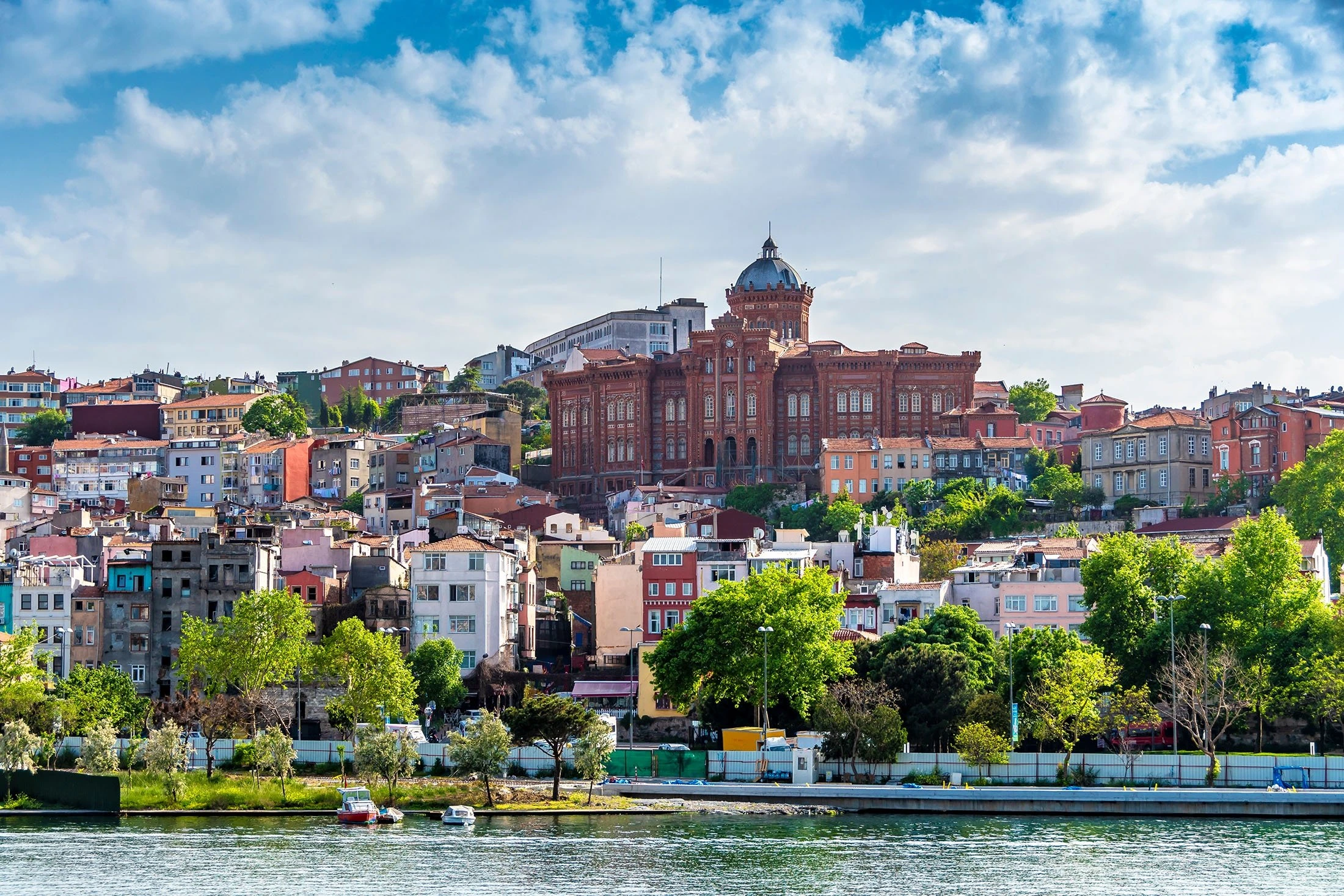
Explore Chora, Blachernae, the Golden Horn and the multicultural heritage of Fener and Balat with a private licensed guide and carefully planned transfers.
View Private TourConnect Tekfur Palace with the great monuments and neighborhoods of Byzantine and Ottoman Istanbul.
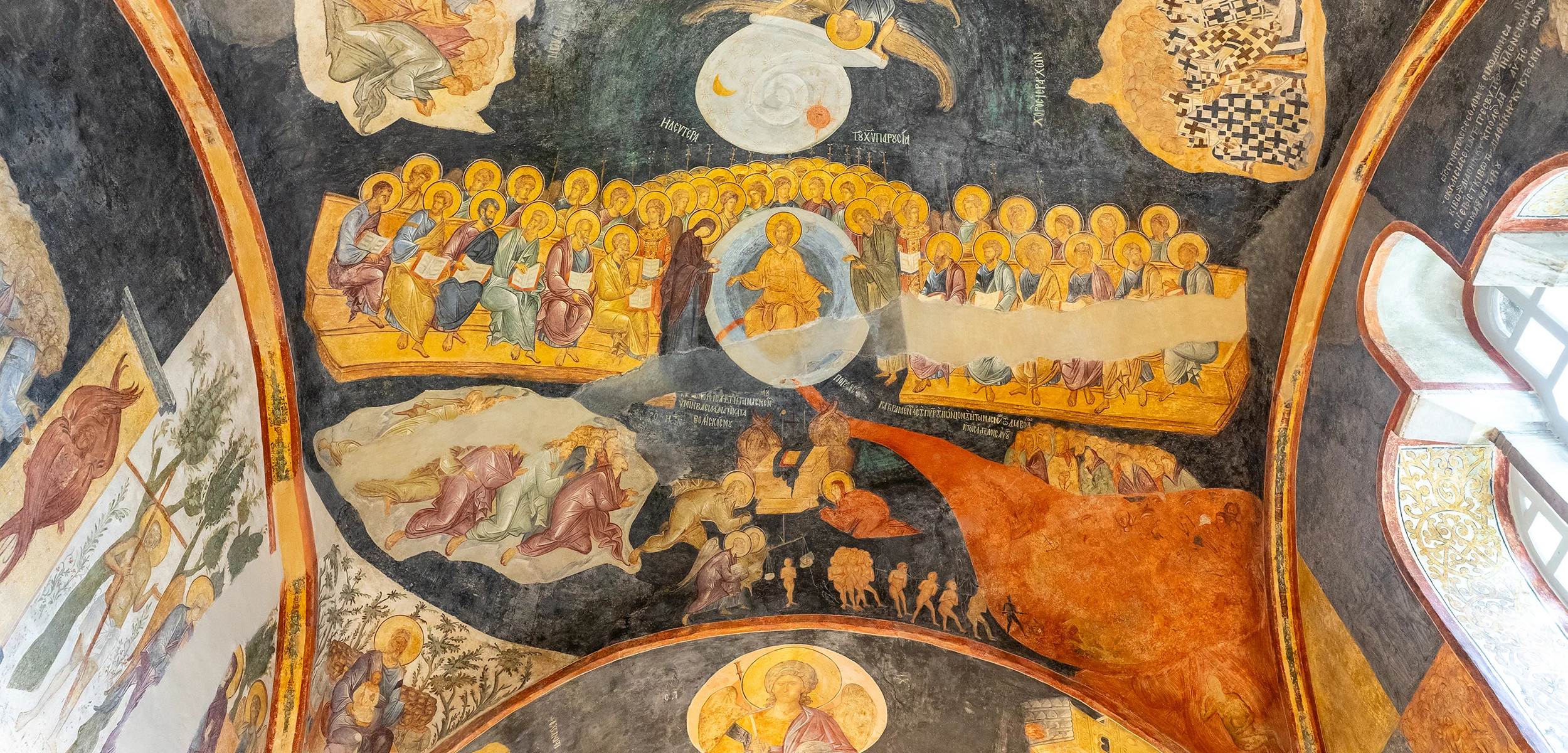
Discover some of the finest surviving mosaics and frescoes of the late Byzantine world.
Explore Chora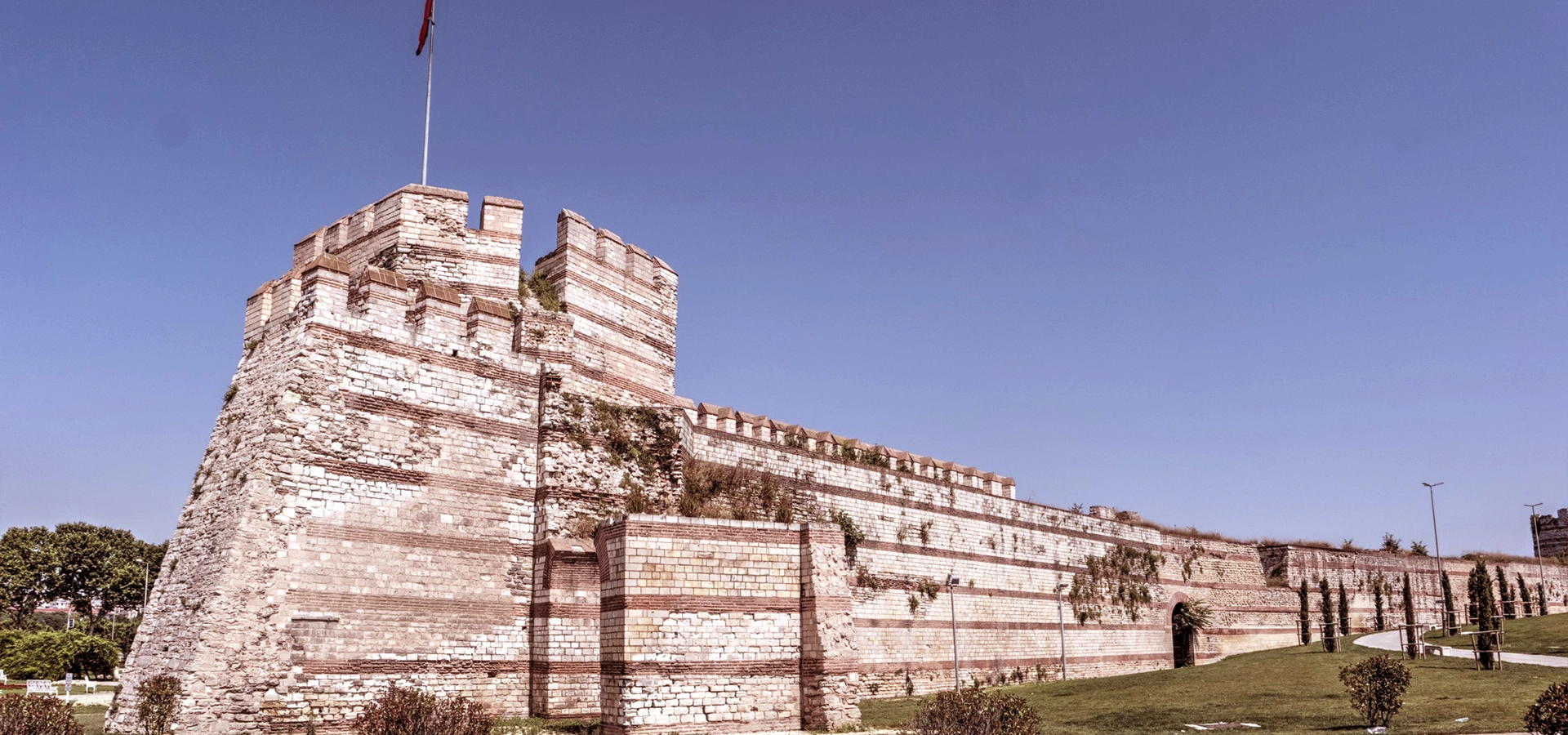
Understand the fortifications that define the palace's extraordinary location.
Explore the City Walls
Continue to the city's palaces, churches, mosques, museums and waterfront neighborhoods.
Continue Exploring Istanbul