Private Byzantine Istanbul Tour
Ask us about a tailor-made route focused on Pammakaristos, Chora, the patriarchal quarter, Byzantine architecture and the layered history of the Golden Horn.
Request a Custom Tour




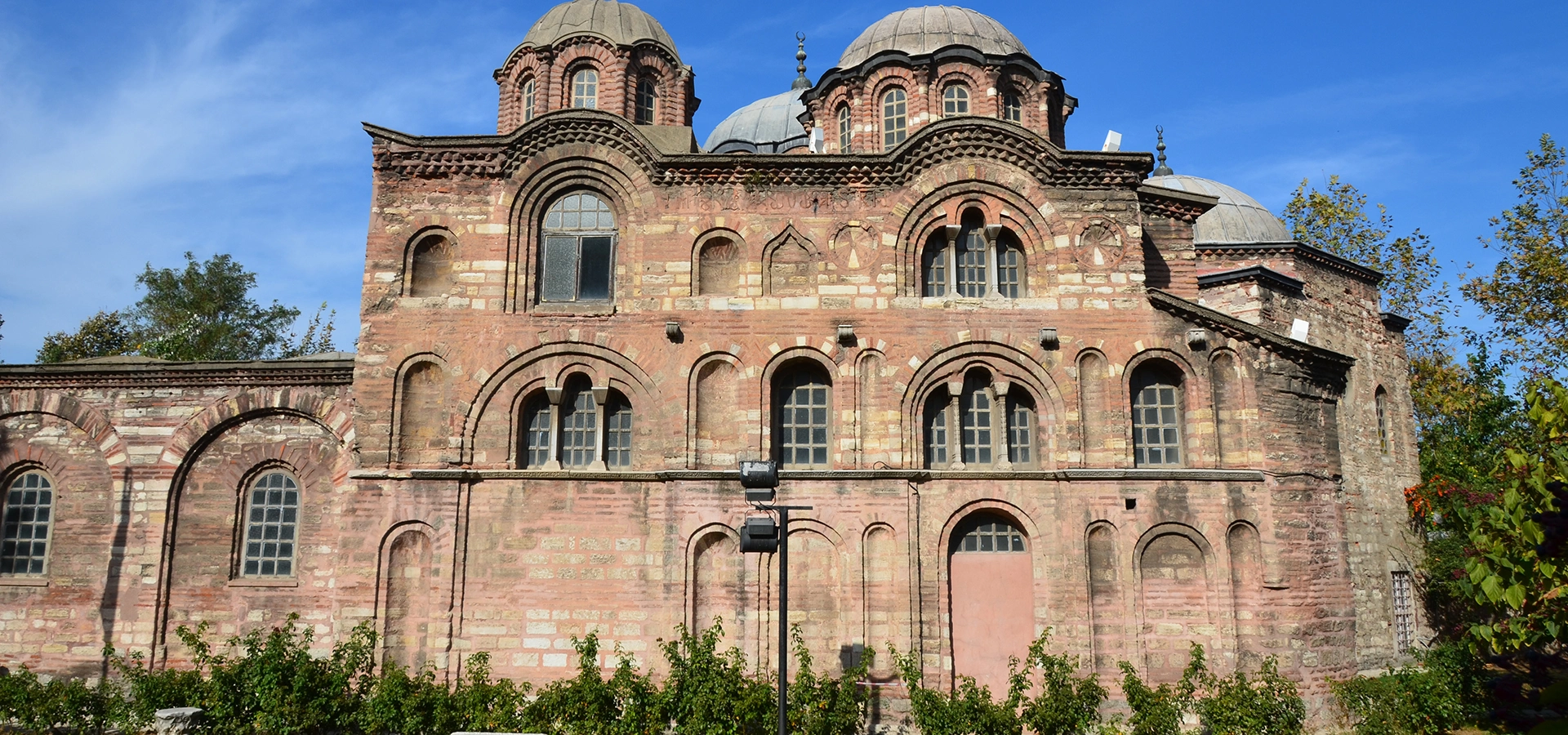
The Fethiye Mosque, historically the Church of the Theotokos Pammakaristos, is one of Istanbul's most rewarding monuments for travelers interested in Byzantine art, Orthodox history and Ottoman architecture. It stands in the Çarşamba area of Fatih, within walking distance of Fener, Balat and the Golden Horn.
The complex combines a former Byzantine monastery church, a superb early 14th-century funerary chapel known as a parekklesion, and later Ottoman alterations made after the building became a mosque under Sultan Murad III. The principal church continues to function as Fethiye Mosque, while the southern chapel has traditionally operated as Fethiye Museum.
Pammakaristos also played a major role after the Ottoman conquest of Constantinople. For more than a century it served as the seat of the Ecumenical Patriarchate of Constantinople, making the building a vital link between late Byzantine religious life and the Christian communities of early Ottoman Istanbul.
Its mosaics are the great artistic highlight. Christ Pantokrator, Old Testament prophets, the Deesis, saints and scenes from the life of Christ survive within a richly articulated chapel of brick, stone, domes and marble inscription bands.
See one of Istanbul's finest surviving ensembles of late Byzantine art.
Discover the former home of the Ecumenical Patriarchate after 1453.
Understand how the main church became an Ottoman place of worship.
Explore a quieter monument beyond the classic Sultanahmet route.
Essential information about this Byzantine church, former patriarchal seat, Ottoman mosque and mosaic museum.
Çarşamba, Fatih, on Istanbul's Historic Peninsula near Fener and Balat.
Open on Google MapsChurch of the Theotokos Pammakaristos, meaning the All-Blessed Mother of God.
Middle and late Byzantine structure, 14th-century chapel and 16th-century Ottoman conversion.
Palaiologan mosaics, especially Christ Pantokrator, prophets and the Deesis.
The main building is an active mosque; the southern parekklesion is a museum section.
As checked in August 2026, the official listing marks Fethiye Museum closed for renovation.
Pammakaristos preserves exceptional late Byzantine art and an unusually rich history extending into the Ottoman period.
Only a small number of Byzantine churches survive in Istanbul with substantial figurative mosaics. The southern chapel at Pammakaristos belongs to this select group, alongside Hagia Sophia and Chora. Its elegant figures, expressive faces and carefully structured compositions represent the artistic vitality of the Palaiologan Renaissance, the final great cultural period of the Byzantine Empire.
The monument is equally significant institutionally. After the conquest of 1453, the Ecumenical Patriarchate first occupied the Church of the Holy Apostles and then moved to Pammakaristos. Patriarchs administered the Orthodox community from here for roughly 130 years before the complex became a mosque.
The building also shows how architecture was adapted across changing religious and political settings. Byzantine domes, apses, chapels and funerary spaces coexist with an Ottoman mihrab, minaret and alterations designed for congregational prayer. Rather than belonging to only one moment, the complex records many centuries of Istanbul's urban life.
For travelers following our guide to places to visit in Istanbul, Pammakaristos offers a quieter counterpart to the city's most famous monuments and fits naturally into a route through Fener, Balat, Chora and the land walls.
The different names refer to the same historic complex but emphasize different periods and functions. Theotokos Pammakaristos was the Byzantine dedication of the monastic church. The Greek title is commonly translated as the All-Blessed Mother of God.
Fethiye Mosque, or Fethiye Camii in Turkish, is the name given after the Ottoman conversion under Sultan Murad III. The word fethiye relates to conquest; official Turkish cultural sources connect the name with Ottoman campaigns in Georgia and Azerbaijan.
Fethiye Museum refers specifically to the southern Byzantine funerary chapel where the famous mosaics are preserved. The museum and mosque have different management, entrances and access conditions, so visitors should not assume that entry to one automatically includes the other.
The historical Byzantine church and monastery dedication.
The active mosque occupying the principal part of the former church.
A side chapel, here created as a memorial and funerary space.
The museum section formed by the mosaic-covered southern chapel.
The early building history is complex and not every phase is securely dated. Parts of the main church may preserve a Middle Byzantine core, while official Turkish museum information describes a major rebuilding after Byzantine rule was restored in 1261 following the Latin occupation of Constantinople.
Between 1292 and 1294, the distinguished general and official Michael Glabas Tarchaneiotes was associated with major repairs to the complex. After his death, his wife Maria Doukaina Komnene Branaina, who became the nun Martha, commissioned the magnificent southern funerary chapel in his memory. The parekklesion is generally dated to the early 14th century, with official museum material giving 1315 for its construction.
Following the Ottoman conquest in 1453, Pammakaristos remained in Christian use. The Ecumenical Patriarchate moved here in the mid-1450s after leaving the Church of the Holy Apostles. The complex became the administrative and spiritual center of the Greek Orthodox community in Ottoman Constantinople until the late 16th century.
Under Sultan Murad III, the church was converted into a mosque, generally dated to 1586–1591 in modern accounts. Ottoman architect Dalgıç Ahmed Ağa is associated with significant adaptations, including the creation of a prayer space oriented toward Mecca, the addition of a mihrab and minaret, and structural changes within the former church.
The building suffered damage in fires and received numerous repairs, including substantial work in 1845–1846 during the reign of Sultan Abdülmecid. In the 20th century, investigations and conservation by the Byzantine Institute of America and Dumbarton Oaks uncovered and restored the chapel mosaics. The main building later returned to mosque use, while the parekklesion became a museum.
The church is rebuilt or extensively renewed following the restoration of Byzantine rule.
Michael Glabas Tarchaneiotes is associated with major work at the complex.
Maria commissions the southern funerary chapel in memory of her husband.
Pammakaristos becomes the seat of the Ecumenical Patriarchate.
The church is converted into Fethiye Mosque under Sultan Murad III.
Conservation reveals the chapel mosaics, and mosque and museum functions are separated.
The complex cannot be understood as a single untouched building. It consists of the larger main church, the southern parekklesion and later additions and alterations. Differences in masonry, roofline, windows and interior circulation reveal successive Byzantine and Ottoman campaigns.
The most architecturally coherent Byzantine section is the parekklesion. It follows a compact cross-in-square arrangement and is crowned by a small dome approximately 2.3 meters in diameter. Its scale is intimate, but the carefully proportioned interior, multiple vaults and glowing mosaic surfaces create a strong sense of vertical movement.
The exterior is a masterpiece of late Byzantine decorative masonry. Recessed brickwork, stone courses, blind arches, niches, geometric patterns and inscriptions animate the façades. A Greek inscription in the brickwork identifies Michael Glabas Tarchaneiotes, while a poetic text by Manuel Philes runs along a marble band.
The Ottoman conversion changed the spatial organization of the main church to create a broader prayer hall and align worship toward the qibla. The minaret, mihrab and later repairs form an essential part of the monument's continuing history rather than a separate modern layer.
The larger, repeatedly altered structure now serving as Fethiye Mosque.
A compact funerary parekklesion dedicated to Christ the Logos.
Small domes and curved surfaces create ideal settings for hierarchical mosaic programs.
Brick patterns, stone bands, arches and niches enliven the exterior façades.
A burial space beneath the chapel reflects its commemorative purpose.
The mihrab, minaret and prayer-hall adaptations record its history as a mosque.
The surviving mosaics are concentrated in the southern parekklesion. They date from the early 14th century and were designed as a unified theological and funerary program. Gold backgrounds, richly colored garments and subtle modeling give the small chapel a visual brilliance far greater than its physical dimensions.
At the center of the main dome is Christ Pantokrator, the ruler of all. Around him appear twelve Old Testament prophets, each represented within a segment of the dome. This arrangement presents Christ as the fulfillment of prophetic tradition and establishes the spiritual hierarchy of the chapel.
The apse preserves a powerful Deesis: Christ accompanied by the Virgin Mary and Saint John the Baptist, who intercede for humanity. Other surviving images include saints, bishops and the Baptism of Christ. Some compositions are fragmentary, but the remaining figures reveal the refined line, individualized faces and emotional restraint associated with late Byzantine painting.
The central dome image presents Christ as sovereign and judge.
Old Testament prophets surround Christ within the dome's radiating segments.
Christ appears with the Virgin Mary and Saint John the Baptist in the apse.
A surviving narrative scene enriches the chapel's Christological program.
Holy figures occupy vaults and architectural zones throughout the chapel.
Small mosaic cubes catch changing light and make the imagery appear luminous.
Even when museum access is unavailable, the exterior and surrounding streets reveal important elements of the monument. When the parekklesion reopens, allow time to examine both the overall mosaic program and the architectural details beneath it.
Study the decorative brickwork, arches, niches and alternating masonry.
Look for the brick and marble texts associated with Michael Glabas and Manuel Philes.
When open, begin with Christ Pantokrator and the circle of prophets.
Observe the solemn interaction of Christ, Mary and John the Baptist.
Respectfully view the mosque's adapted interior when access is permitted outside prayer.
Step back to see how Ottoman and Byzantine silhouettes meet above the neighborhood.
Compare original-looking fabric with later repairs and conservation work.
Notice how the monument remains embedded in an active residential district.
The Ottoman conquest did not immediately end Christian use of Pammakaristos. After a short period at the Church of the Holy Apostles, the Ecumenical Patriarchate transferred its seat to this monastery in the mid-1450s. The church served as a cathedral, administrative headquarters and gathering place for the Orthodox community.
Patriarchal use makes Pammakaristos central to understanding the reorganization of Constantinople after 1453. The institution operated within the new Ottoman political order while maintaining liturgy, education, community administration and links across the Orthodox world.
The patriarchate remained here until the late 16th century, when it moved through several locations before eventually settling at the Church of Saint George in Fener. Visitors can therefore connect Pammakaristos with the present Ecumenical Patriarchate on a wider Golden Horn heritage route.
The conversion under Sultan Murad III required more than a change of name. Christian churches were oriented toward an eastern apse, while Muslim prayer required alignment toward Mecca. The builders therefore modified the eastern area and created a new mihrab and prayer arrangement suited to congregational worship.
Internal supports and partitions were altered to produce a more unified hall, and a minaret was added beside the complex. Later fires and earthquakes led to repeated repairs, making the mosque a record of continuous maintenance rather than a perfectly preserved 16th-century conversion.
Today the mosque remains a sacred space used by the local Muslim community. Visitors should approach it differently from the museum chapel: dress modestly, remove shoes before entering carpeted areas, keep voices low and avoid tourist visits during the five daily prayers and the Friday midday service.
The Ottoman name commemorates conquest and is linked to campaigns in the Caucasus.
A mihrab and modified eastern section oriented Muslim worship toward Mecca.
Structural changes created a broader space for congregational prayer.
The Ottoman skyline element identifies the building's continuing mosque function.
Major restoration took place in 1845–1846 under Sultan Abdülmecid.
The restored mosque reopened for worship in January 2022.
This is both a protected historic monument and an active neighborhood mosque. Plan around current access conditions and remember that the museum and mosque sections follow different rules.
Confirm reopening information before traveling specifically to see the mosaics.
Tourist access to the mosque is most appropriate between services.
Cover shoulders and knees; women should carry a headscarf for the mosque.
Take off footwear before entering carpeted prayer areas and use the provided storage.
When the museum is open, a moderate zoom helps with details high in the dome.
A discreet donation may be appreciated at an active mosque, though never required for worship.
Plan a route through Fener, Balat, Chora and the northern land walls.
Keep voices low and avoid photographing residents without permission.
Begin at Fethiye Mosque in Çarşamba. Walk around the exterior first so you can distinguish the main mosque from the southern parekklesion. If mosque access is permitted, enter quietly between prayers; if the museum has reopened, allow additional time for the mosaics.
Continue west toward Chora and the Edirnekapı section of the Walls of Constantinople. This combination places two masterpieces of late Byzantine art within the wider landscape of the imperial capital.
Descend toward Fener and Balat for the Ecumenical Patriarchate at Saint George, the colorful residential streets and the Bulgarian Saint Stephen Church beside the Golden Horn. Finish with a neighborhood meal or continue by T5 tram toward Eminönü.
The complex has two distinct visitor arrangements. The main building is an active mosque and reopened for worship after restoration in January 2022. Religious services take priority, and non-worship visits may be paused during prayers, Friday services or community events.
The mosaic-covered parekklesion is administered as Fethiye Museum. As checked in August 2026, the official Turkish Museums listing states that Fethiye Museum in Istanbul is closed for renovation and displays no usable opening schedule. Do not confuse it with Fethiye Museum in Muğla Province, which is a completely different institution.
No reopening date should be assumed until it appears through official channels. If the museum reopens, admission conditions, Museum Pass validity, photography rules and operating hours may differ from previous arrangements.
The complex can be visited throughout the year, but daylight, prayer schedules and museum access determine the quality of the experience. The quiet residential setting is most pleasant when explored without rushing.
Usually calm for exterior study and a wider walk through Çarşamba.
The most suitable period for respectful tourist access to the mosque.
Mild weather makes it easy to combine the monument with Fener, Balat and Chora.
Comfortable temperatures and softer light suit architecture photography.
Avoid the busy midday congregational prayer unless you are attending to worship.
Expect changing rhythms, larger congregations and special evening services.
Enough for a careful exterior view when neither interior section is accessible.
A comfortable visit to the mosque exterior and permitted prayer-hall areas.
Ideal when the museum is open and you want to study the mosaic program.
Combine Pammakaristos with neighborhood streets, a café and nearby religious monuments.
Add Chora, the land walls, the Ecumenical Patriarchate and Balat.
Keep the monument visit short and add open-air stops along the Golden Horn.
The complex rewards both architectural and detail photography, but restrictions can differ between the mosque and museum. Never photograph people at prayer without clear permission, and follow all staff instructions regarding the mosaics.
Use angled light to reveal brick patterns, blind arches and inscription bands.
When the museum reopens, a moderate zoom helps capture prophets and Pantokrator.
A wide lens can show how the intimate chapel combines architecture and mosaics.
Frame the minaret, Byzantine roofline and neighborhood together.
Avoid flash around historic surfaces even if a prohibition is not clearly displayed.
Professional equipment may require permission; confirm before carrying a tripod inside.
The historic complex includes level changes, thresholds and compact passages. Restoration may improve some routes, but accessibility can differ between the working mosque and the museum chapel. Visitors with specific mobility requirements should confirm arrangements before traveling.
Entrances may include steps or raised stone and timber thresholds.
Confirm step-free access after reopening, as restoration can change circulation.
Ask attendants for the most accessible entrance and any available assistance.
Visitors who cannot remove shoes easily should request guidance at the mosque entrance.
Çarşamba and nearby routes include inclines, uneven paving and busy streets.
A taxi or private vehicle can reduce walking, though narrow streets may limit the nearest stop.
Fethiye Mosque stands inland from the Golden Horn in the Çarşamba area of Fatih. There is no rail stop directly beside the complex, so most routes finish with a walk, local bus or short taxi ride.
Use a Golden Horn bus or T5 tram connection, then continue uphill on foot or by taxi.
Walk uphill through historic streets; allow extra time for the gradient.
Take the T1 tram toward Eminönü and continue by T5 tram, bus or taxi.
Walk or use a short taxi ride through Fatih, depending on mobility and weather.
Several Fatih routes serve nearby avenues; check current journey planners for the best stop.
Convenient for linking several monuments, but narrow streets and parking require patience.
Pammakaristos lies within one of Istanbul's richest heritage districts. Use our complete Istanbul visitor guide to connect it with Byzantine churches, Ottoman mosques, the land walls and Golden Horn neighborhoods.
Compare Pammakaristos with another masterpiece of late Byzantine mosaics and frescoes.
Continue the patriarchal story at Saint George Church in Fener.
Explore layered neighborhoods shaped by Greek, Jewish, Armenian and Muslim communities.
See the fortifications that defended the Byzantine capital for centuries.
Visit a restored Byzantine palace beside the northern land walls.
Discover another major Byzantine monastic complex adapted as an Ottoman mosque.
Explore the Ottoman imperial complex built near the site of the Holy Apostles.
See the famous iron church beside the Golden Horn waterfront.
It is in the Çarşamba area of Fatih, on Istanbul's Historic Peninsula near Fener, Balat, Chora and the Golden Horn.
Yes. Fethiye Mosque occupies the principal part of the former Byzantine Church of the Theotokos Pammakaristos.
The title is commonly translated as “All-Blessed” and forms part of the church's dedication to the Mother of God.
The complex contains multiple phases. A Middle Byzantine core may survive, major rebuilding followed 1261, and the famous southern chapel dates to the early 14th century.
Maria Doukaina Komnene Branaina, later the nun Martha, commissioned it in memory of her husband, Michael Glabas Tarchaneiotes.
It is a subsidiary chapel attached to a larger church. At Pammakaristos, it served a funerary and commemorative purpose.
They form one of Istanbul's finest surviving ensembles of Palaiologan Byzantine art and include Christ Pantokrator, prophets, the Deesis, saints and the Baptism.
They are inside the southern parekklesion, the part of the complex administered as Fethiye Museum, not the main mosque prayer hall.
As checked in August 2026, the official Turkish Museums page lists Istanbul's Fethiye Museum as closed for renovation. Verify again before visiting.
The mosque reopened for worship in January 2022. Tourist access remains subject to prayer times, religious services and local arrangements.
Active mosques normally do not charge admission. The museum chapel may have separate ticket conditions when it reopens.
The official page historically indicates Museum Pass validity for Turkish citizens, but all admission rules should be rechecked after the current closure ends.
The patriarchate moved here in the mid-1450s and remained until the late 16th century.
The conversion took place under Sultan Murad III in the late 16th century, after the patriarchate left the complex.
The name is associated with conquest; official Turkish cultural sources link it to Ottoman campaigns in Georgia and Azerbaijan.
Non-Muslim visitors may generally enter active mosques respectfully outside prayer times, but access can vary. Follow local signs and attendants' instructions.
Cover shoulders and knees. Women should cover their hair inside the mosque, and everyone removes shoes before entering carpeted prayer areas.
Rules may differ between the mosque and museum. Avoid flash, never photograph worshippers intrusively and follow current staff instructions.
Allow 30–45 minutes for the mosque and exterior, or 60–90 minutes if the mosaic museum is open.
Yes. It is one of Istanbul's most important monuments for Byzantine mosaics, patriarchal history and the transition from Byzantine to Ottoman architecture.
Pause your visit during prayers and give worshippers privacy and space.
Closed areas protect both visitors and fragile historic fabric.
Oils, pressure and repeated contact can permanently damage ancient surfaces.
Use available light and comply with all museum photography restrictions.
Remember that the principal building remains an active sacred space.
Keep noise low, avoid blocking doors and ask before photographing residents.
Connect Fethiye Mosque with Chora, Fener, Balat, the Ecumenical Patriarchate and the Walls of Constantinople through a private route shaped around your interests and without compulsory shopping stops.
Choose a focused half-day route or a deeper exploration of Byzantine art, Orthodox heritage and Ottoman adaptation.
Ask us about a tailor-made route focused on Pammakaristos, Chora, the patriarchal quarter, Byzantine architecture and the layered history of the Golden Horn.
Request a Custom Tour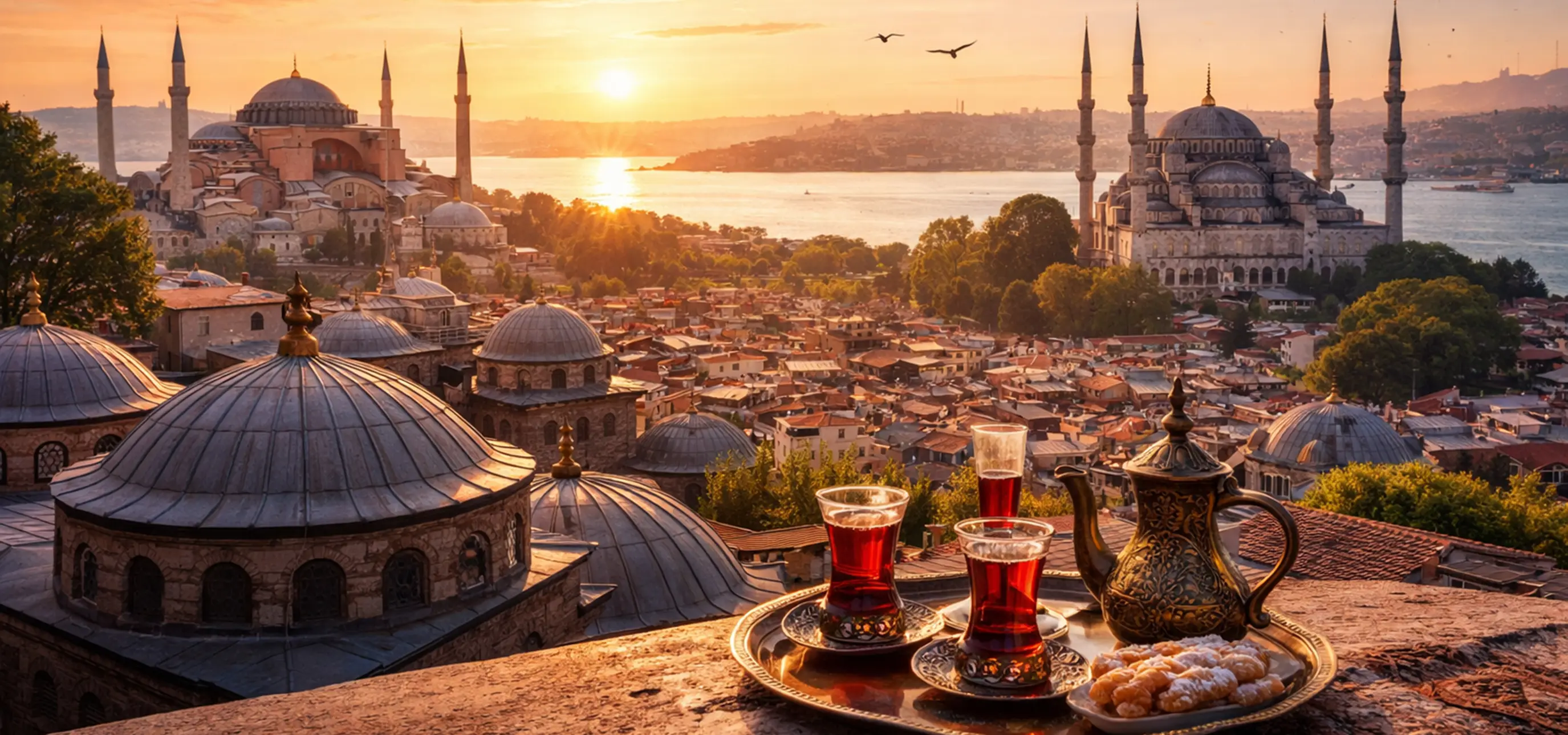
Discover Byzantine churches, Ottoman palaces, historic mosques, waterfront neighborhoods, markets and remarkable views across two continents.
View Istanbul GuideConnect Pammakaristos with the imperial churches, monasteries and defenses of Constantinople.
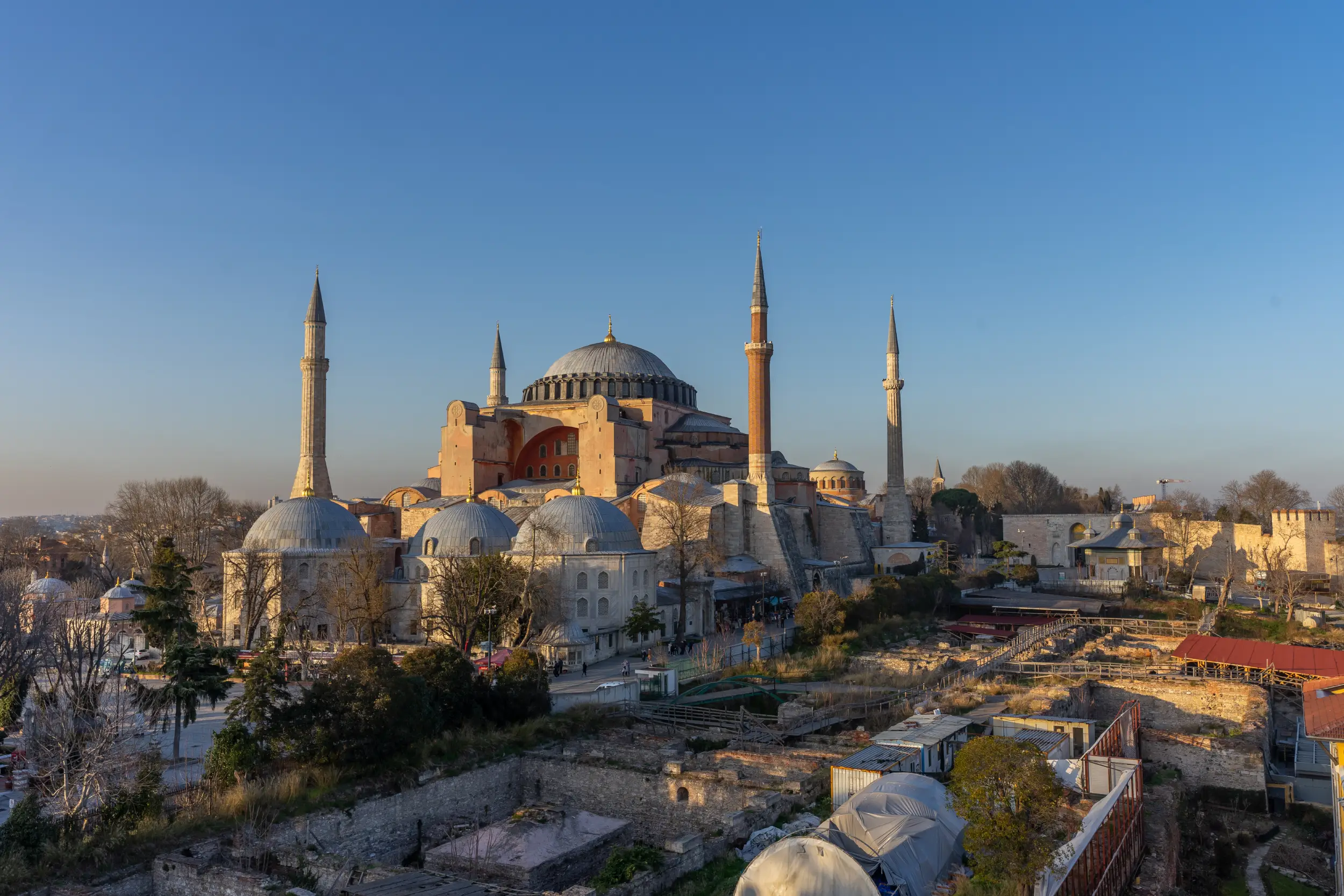
Explore the architectural masterpiece at the spiritual and ceremonial heart of Constantinople.
Explore Hagia Sophia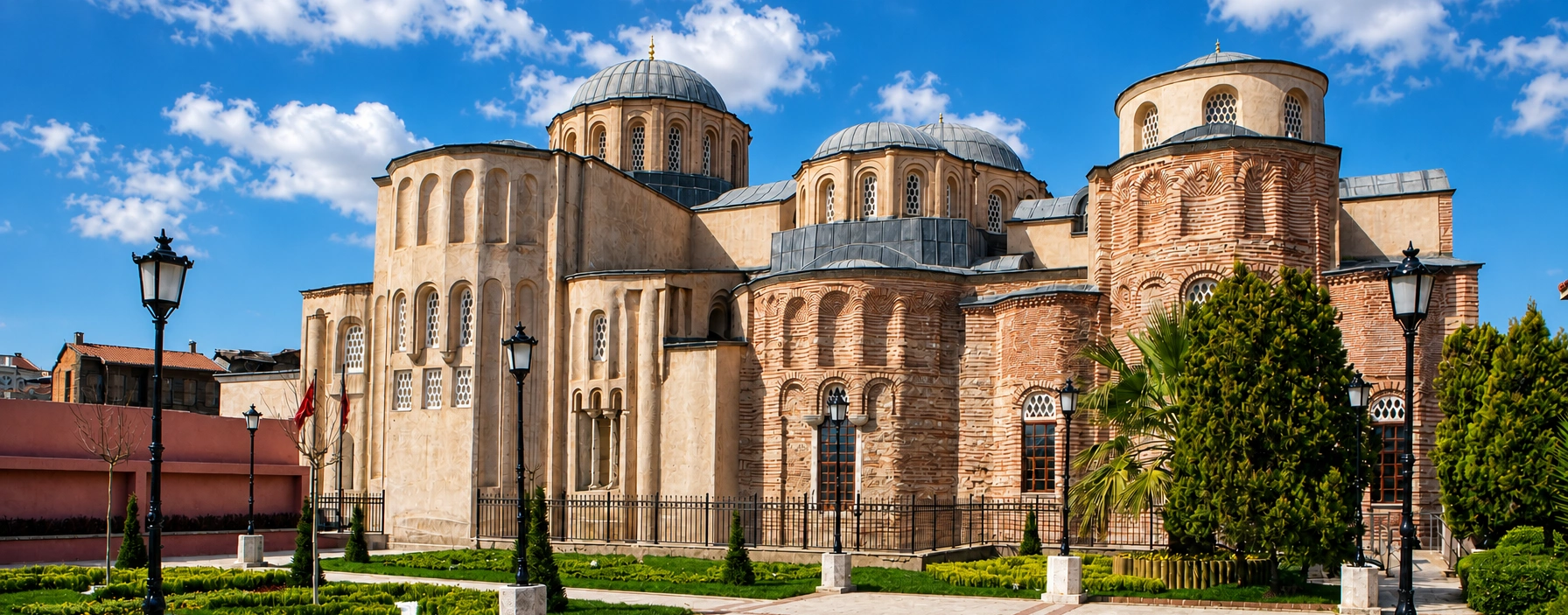
Discover Constantinople's great Pantokrator monastery complex and its Ottoman afterlife.
Explore Zeyrek Mosque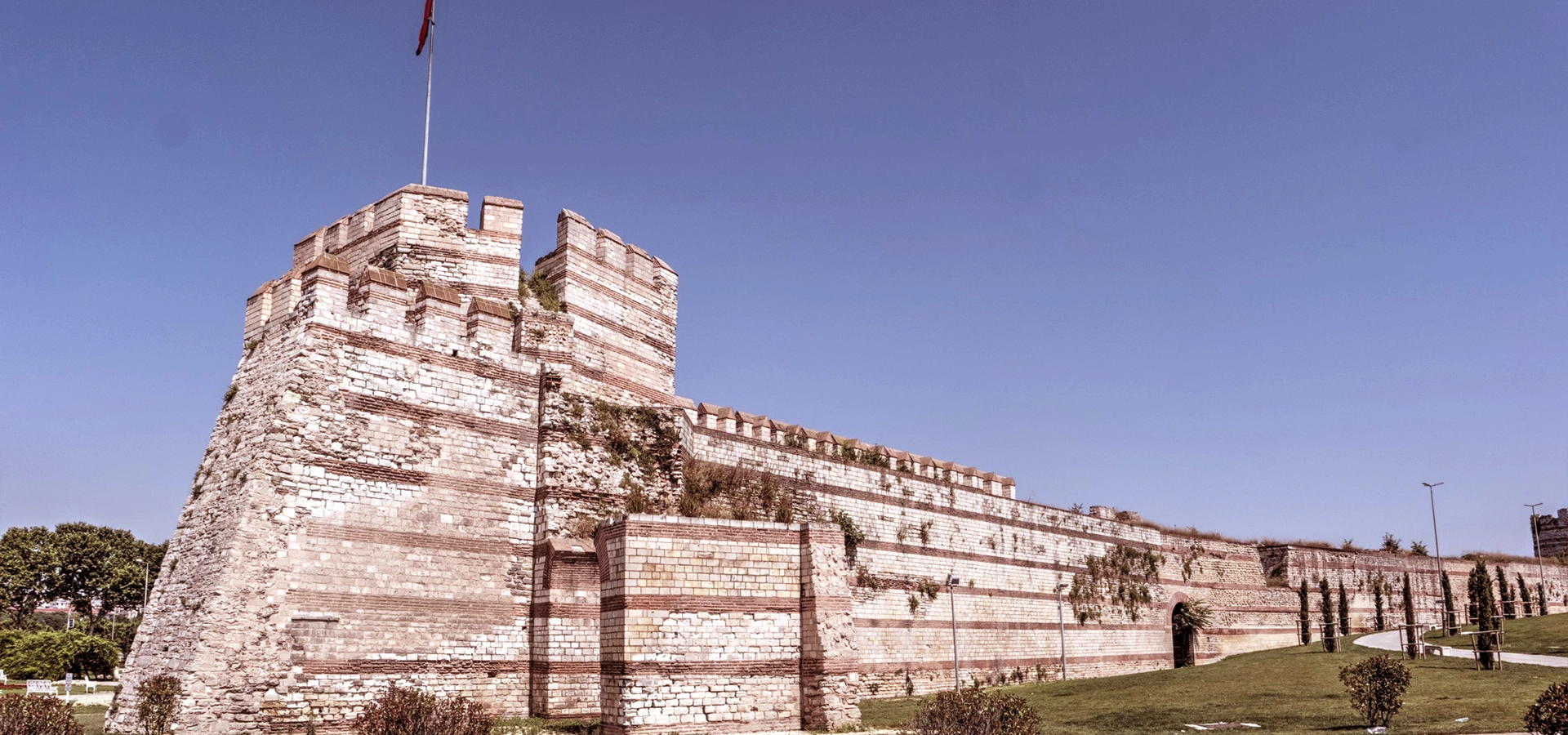
Follow the monumental defenses near Chora, Edirnekapı and the Blachernae district.
Explore the City Walls