Private Sultan Mosque and Hafsa Sultan Complex Programme
Tell us your dates, group size and interests. We will check access and plan a sensible route.
Request Your Private Programme





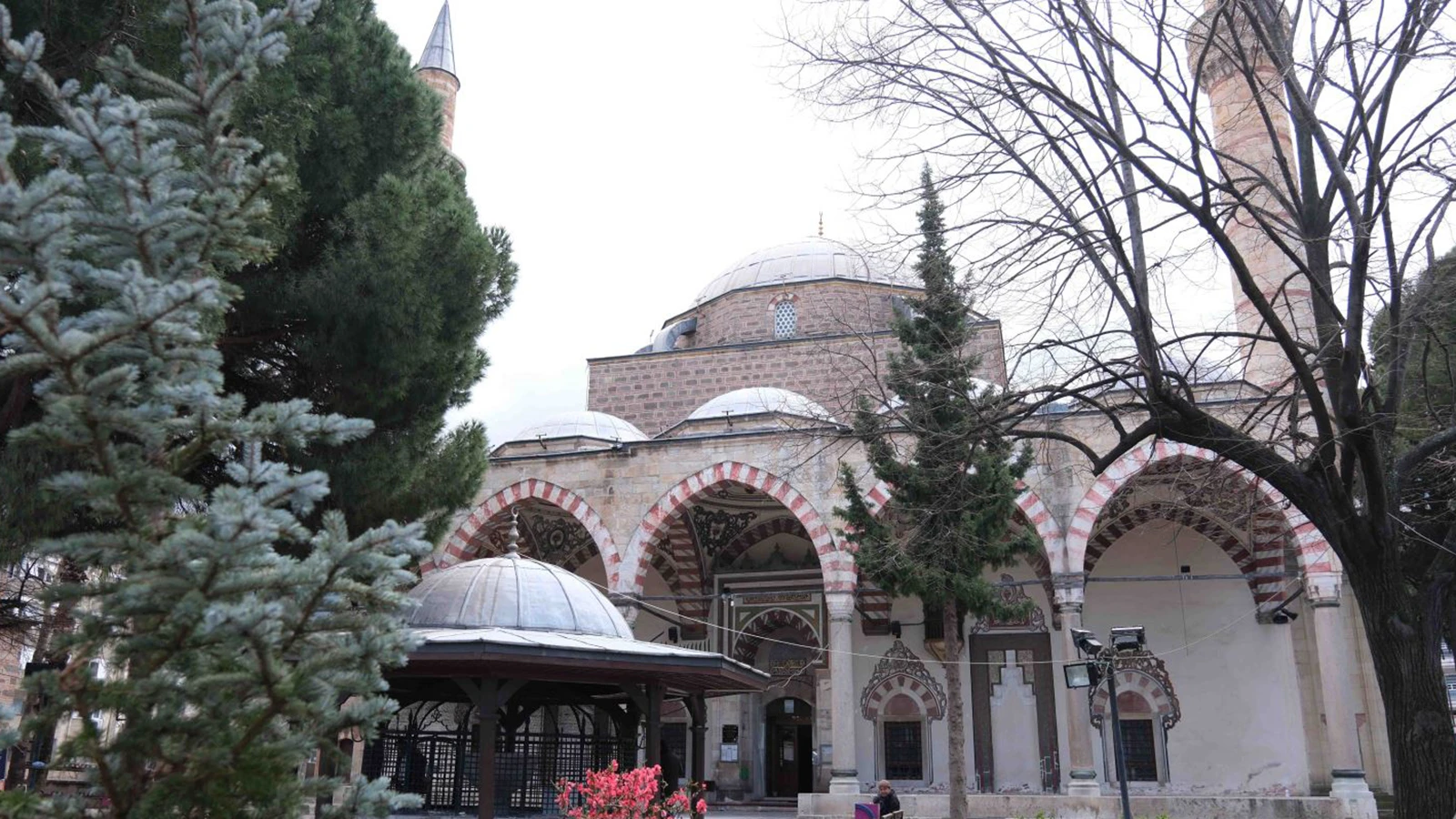
Sultan Mosque, also known locally as Mesir Mosque, belongs to a larger charitable complex established under Ayşe Hafsa Sultan, the mother of Süleyman the Magnificent.
Its significance is not confined to its prayer hall. The foundation originally brought together religious instruction, hospitality, bathing and care for the sick, making it a useful introduction to how an Ottoman külliye served an urban community.
The mosque is strongly associated with Manisa’s Mesir Macunu festivities. For travellers, the site connects a living annual tradition with a sixteenth-century building and the city’s identity as a place of princes.
A dominant central dome is accompanied by smaller domes, with a pair of minarets framing the composition.
The marble minbar and wooden details of the women’s gallery demonstrate two distinct craft traditions.
The darüşşifa represents the care-giving role of the foundation and is central to the local story of mesir paste.
The distribution of mesir paste during festival celebrations made the mosque a civic as well as religious landmark.
Essential orientation for an informed visit.
Şehzadeler, central Manisa
Historic mosque complex
Early 16th-century Ottoman
Manisa Province, western Türkiye
Allow 45–75 minutes
Active mosque; worship etiquette applies
Sultan Mosque shows how an Ottoman charitable foundation could integrate worship, education, social assistance and urban life.
It is also one of the clearest places to understand why Manisa’s identity includes both princely Ottoman history and the Mesir Macunu festival.
The mosque and some associated buildings were completed in 1522; other components, including the bath and hospital, followed in the 1530s. These different dates help explain why the complex was built as a programme rather than a single project.
Ayşe Hafsa Sultan was the mother of Süleyman I, who spent part of his princely career in Manisa. Her foundation reflects the resources and prestige associated with the Ottoman dynasty in this provincial centre.
The complex has changed over time: some original buildings disappeared, while others survived through repair and new uses. The Mesir tradition remains an especially visible link between its history and modern Manisa.
The setting of Sultan Mosque and Hafsa Sultan Complex is Şehzadeler, central Manisa. The relationship between the local terrain, historic movement and the surrounding settlements is important when planning a visit.
This historic mosque complex is one element of a larger Manisa itinerary. Think about how its surroundings influenced the way people used the place, rather than separating it from the roads, communities and landscape around it.
A dominant central dome is accompanied by smaller domes, with a pair of minarets framing the composition. Look at how the building balances ceremonial presence with relatively restrained masonry.
The marble minbar and wooden details of the women’s gallery demonstrate two distinct craft traditions. View from a respectful distance during permitted visitor periods.
The darüşşifa represents the care-giving role of the foundation and is central to the local story of mesir paste. Check its current use before planning an interior visit.
The distribution of mesir paste during festival celebrations made the mosque a civic as well as religious landmark. Festival arrangements are exceptional events, not everyday visiting conditions.
Manisa's story extends from the Gediz Plain and the slopes of Mount Spil to the Yunt Mountains and the northern districts. Sultan Mosque and Hafsa Sultan Complex adds a particular perspective on this diversity, and its importance is clearer when the surrounding province is considered.
A thoughtful itinerary pairs sites by theme and geography rather than rushing between distant places. See the Manisa travel hub for a broader view of the province's archaeological, natural and Ottoman heritage.
Walk the complex as a group of functions, not a single monument: identify which spaces were for prayer, learning, bathing or treatment.
Distinguish the historical foundation from the modern festival. The story of mesir contains both documented practice and popular tradition, which should not be treated as identical.
A dominant central dome is accompanied by smaller domes, with a pair of minarets framing the composition.
The marble minbar and wooden details of the women’s gallery demonstrate two distinct craft traditions.
The darüşşifa represents the care-giving role of the foundation and is central to the local story of mesir paste.
The distribution of mesir paste during festival celebrations made the mosque a civic as well as religious landmark.
Dress modestly, remove shoes when entering the prayer area and avoid visiting during congregational prayers unless attending worship.
Do not assume the hospital, bath or school are all open as tourist interiors. Their management and uses differ from the active mosque.
These resources provide historical background or current visitor information. Check directly before travelling, as conditions can change.
A comfortable city-centre stop in any season; the Mesir festival brings a very different atmosphere and may require special crowd planning.
For photographs of Sultan Mosque and Hafsa Sultan Complex, start with a wide frame that includes the surroundings. Then choose details that reveal the character of the historic mosque complex without obstructing other visitors.
Use only lawful viewpoints and respect people, religious activity, wildlife and protected surfaces. Ask permission for portraits, and do not move or touch historic material for a photograph.
The precinct includes historic thresholds and potentially uneven paving. Ask locally about the most convenient accessible entrance to each building.
The destination is associated with Şehzadeler, central Manisa. Confirm the actual public entrance or meeting point with an up-to-date map; a generic place pin may not mark the best approach.
For a multi-stop Manisa day, plan transport according to the actual distance between sites. Historic streets, rural roads and mountain access can require more time than a straight-line map suggests.
The Ottoman princes and the city that trained them. Consider the travel time and access arrangements before combining the stops.
Hüsnüşah Sultan’s late-15th-century foundation. Consider the travel time and access arrangements before combining the stops.
Sinan’s design and İznik tilework. Consider the travel time and access arrangements before combining the stops.
A medieval Mevlevi lodge on the mountain slope. Consider the travel time and access arrangements before combining the stops.
The complex was commissioned by Ayşe Hafsa Sultan, mother of Sultan Süleyman I.
The mosque and parts of its foundation were completed in 1522, with the bath and hospital completed later in the 1530s.
The mosque is closely linked with Manisa’s Mesir Macunu celebrations and the public distribution of the traditional paste.
Yes. It is a living place of worship, so visiting arrangements should respect prayer times.
The foundation included educational, charitable and service buildings such as a medrese, bath, imaret and hospital.
Yes. Both help explain Ottoman princely Manisa and fit naturally into a city-centre heritage route.
Follow official paths, barriers and directions; do not enter closed buildings or excavations.
Never touch carved surfaces, collect artefacts or climb fragile masonry.
Ask before photographing residents, worshippers or workers; keep private entrances clear.
Carry away rubbish and avoid disturbing wildlife, vegetation or historic material.
Ask Wow Cappadocia / Venere Travel to design a private, tailor-made route with a licensed guide and suitable vehicle, subject to confirmed access, with no compulsory shopping stops.
Combine heritage, village culture and landscapes at your own pace.
Tell us your dates, group size and interests. We will check access and plan a sensible route.
Request Your Private Programme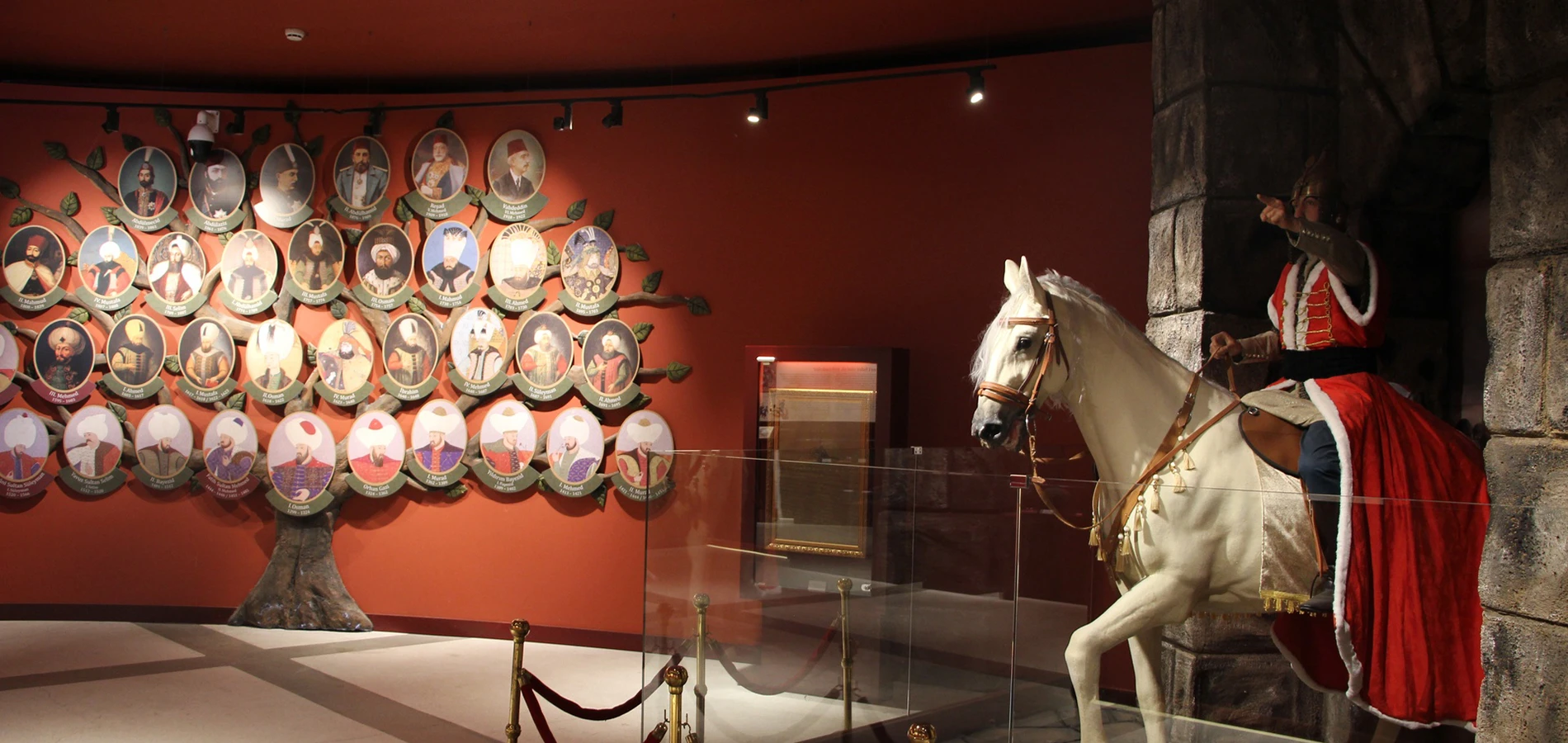
The Ottoman princes and the city that trained them. Continue your journey with a related destination.
Read the Nearby Guide