Private Manisa Mevlevihanesi Programme
Tell us your dates, group size and interests. We will check access and plan a sensible route.
Request Your Private Programme





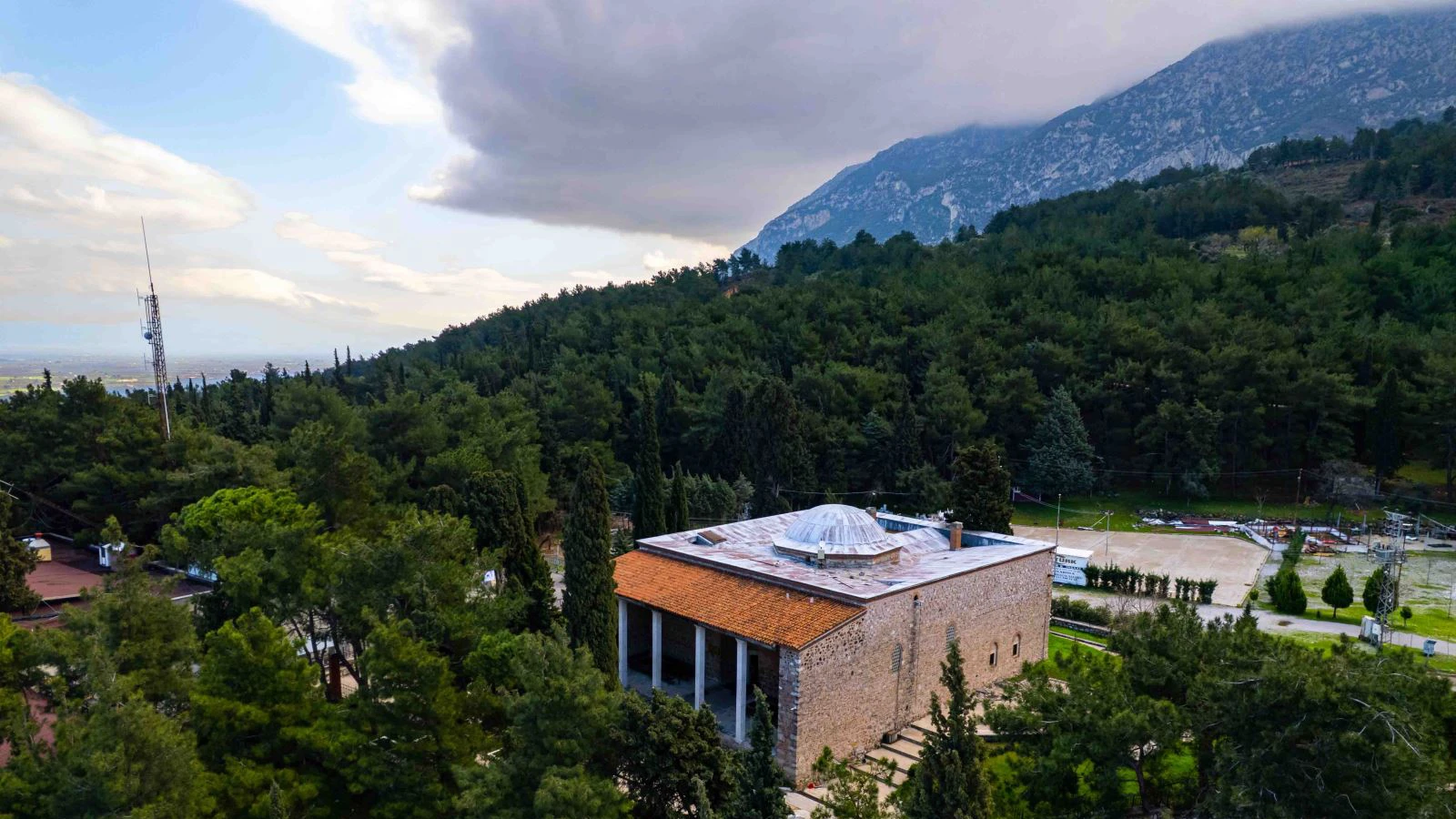
Manisa Mevlevihanesi is a former lodge of the Mevlevi Sufi order, associated with the spiritual legacy of Jalal al-Din Rumi. It occupies a slope near the beginning of Mount Spil National Park.
Built in 1368–1369 under İshak Çelebi, the lodge belongs to the Saruhanid building programme that also produced Manisa Ulu Mosque. Although linked historically to that foundation, it stands apart from the mosque complex.
Its appeal is architectural and cultural. Rather than expecting a staged whirling-dervish show, come to understand the spaces in which a religious community lived, studied and practised.
The lodge is organised around a central space with a dome and adjoining rooms.
Vaulted spaces opening toward the centre are distinctive elements of the building’s plan.
Mixed masonry reveals the construction traditions of western Anatolia in the fourteenth century, as well as later repairs.
The quieter setting differs from the busy mosques of the centre.
Essential orientation for an informed visit.
Bayındırlık, Şehzadeler, Manisa
Historic dervish lodge
1368–1369, Saruhanid period
Manisa Province, western Türkiye
Allow 30–50 minutes
Heritage building; confirm museum access
The Mevlevihane expands the story of Manisa beyond rulers and mosques to the social and spiritual institutions of medieval Anatolia.
Its relationship with İshak Çelebi’s Ulu Mosque reveals the varied forms of patronage under the Saruhanoğulları.
The lodge was commissioned during the height of Saruhanid Manisa. An inscription recorded by the traveller Evliya Çelebi gives the date 770 AH, corresponding to 1368–1369 CE.
The building continued to function through the Ottoman centuries, undergoing repairs at different times. The closure of dervish lodges in the early Republican period brought an end to its original institutional role.
Twentieth-century restorations preserved and altered the surviving fabric. It is important to distinguish the medieval core from later repairs rather than assume every visible surface is untouched.
The setting of Manisa Mevlevihanesi is Bayındırlık, Şehzadeler, Manisa. The relationship between the local terrain, historic movement and the surrounding settlements is important when planning a visit.
This historic dervish lodge is one element of a larger Manisa itinerary. Think about how its surroundings influenced the way people used the place, rather than separating it from the roads, communities and landscape around it.
The lodge is organised around a central space with a dome and adjoining rooms. Its plan offers clues to communal life and ritual practice.
Vaulted spaces opening toward the centre are distinctive elements of the building’s plan. Observe their proportions and the relationship to the main hall.
Mixed masonry reveals the construction traditions of western Anatolia in the fourteenth century, as well as later repairs.
The quieter setting differs from the busy mosques of the centre. The location helps explain why the lodge could serve contemplation and community life.
Manisa's story extends from the Gediz Plain and the slopes of Mount Spil to the Yunt Mountains and the northern districts. Manisa Mevlevihanesi adds a particular perspective on this diversity, and its importance is clearer when the surrounding province is considered.
A thoughtful itinerary pairs sites by theme and geography rather than rushing between distant places. See the Manisa travel hub for a broader view of the province's archaeological, natural and Ottoman heritage.
A Mevlevihane is not the same as a mosque: it was a lodge for a Sufi community, with spaces for instruction and ritual.
Look carefully for signs of restoration. Repaired masonry can preserve a building while also changing how the original design is experienced.
The lodge is organised around a central space with a dome and adjoining rooms.
Vaulted spaces opening toward the centre are distinctive elements of the building’s plan.
Mixed masonry reveals the construction traditions of western Anatolia in the fourteenth century, as well as later repairs.
The quieter setting differs from the busy mosques of the centre.
The historic building is not a commercial performance venue. Check whether it is currently open and whether any interpretation or staff are available.
The slope may be steep and the interior has historic thresholds. Allow a little extra time for access and for reading the building itself.
These resources provide historical background or current visitor information. Check directly before travelling, as conditions can change.
Mild spring and autumn weather suits the hillside approach; exposed sections can be hot in summer and slippery after rain.
For photographs of Manisa Mevlevihanesi, start with a wide frame that includes the surroundings. Then choose details that reveal the character of the historic dervish lodge without obstructing other visitors.
Use only lawful viewpoints and respect people, religious activity, wildlife and protected surfaces. Ask permission for portraits, and do not move or touch historic material for a photograph.
The historic hillside site and restored old fabric may pose barriers. Contact the managing institution for step-free access information.
The destination is associated with Bayındırlık, Şehzadeler, Manisa. Confirm the actual public entrance or meeting point with an up-to-date map; a generic place pin may not mark the best approach.
For a multi-stop Manisa day, plan transport according to the actual distance between sites. Historic streets, rural roads and mountain access can require more time than a straight-line map suggests.
The Saruhanid masterpiece on Mount Spil. Consider the travel time and access arrangements before combining the stops.
Mountain nature above the Gediz Plain. Consider the travel time and access arrangements before combining the stops.
Greek myth written into the mountainside. Consider the travel time and access arrangements before combining the stops.
Mosque, hospital and the Mesir tradition. Consider the travel time and access arrangements before combining the stops.
It is a former Mevlevi Sufi lodge founded during the Saruhanid period.
İshak Çelebi commissioned it in 1368–1369.
It is historically associated with İshak Çelebi’s Ulu Mosque foundation, but the lodge stands at a separate location.
Do not assume a performance is offered. The site is primarily a historic lodge, and any events require separate confirmation.
It is in the Bayındırlık area of Şehzadeler, near the beginning of Mount Spil National Park.
Around 30 to 50 minutes is a reasonable planning estimate, depending on access and interpretation.
Follow official paths, barriers and directions; do not enter closed buildings or excavations.
Never touch carved surfaces, collect artefacts or climb fragile masonry.
Ask before photographing residents, worshippers or workers; keep private entrances clear.
Carry away rubbish and avoid disturbing wildlife, vegetation or historic material.
Ask Wow Cappadocia / Venere Travel to design a private, tailor-made route with a licensed guide and suitable vehicle, subject to confirmed access, with no compulsory shopping stops.
Combine heritage, village culture and landscapes at your own pace.
Tell us your dates, group size and interests. We will check access and plan a sensible route.
Request Your Private Programme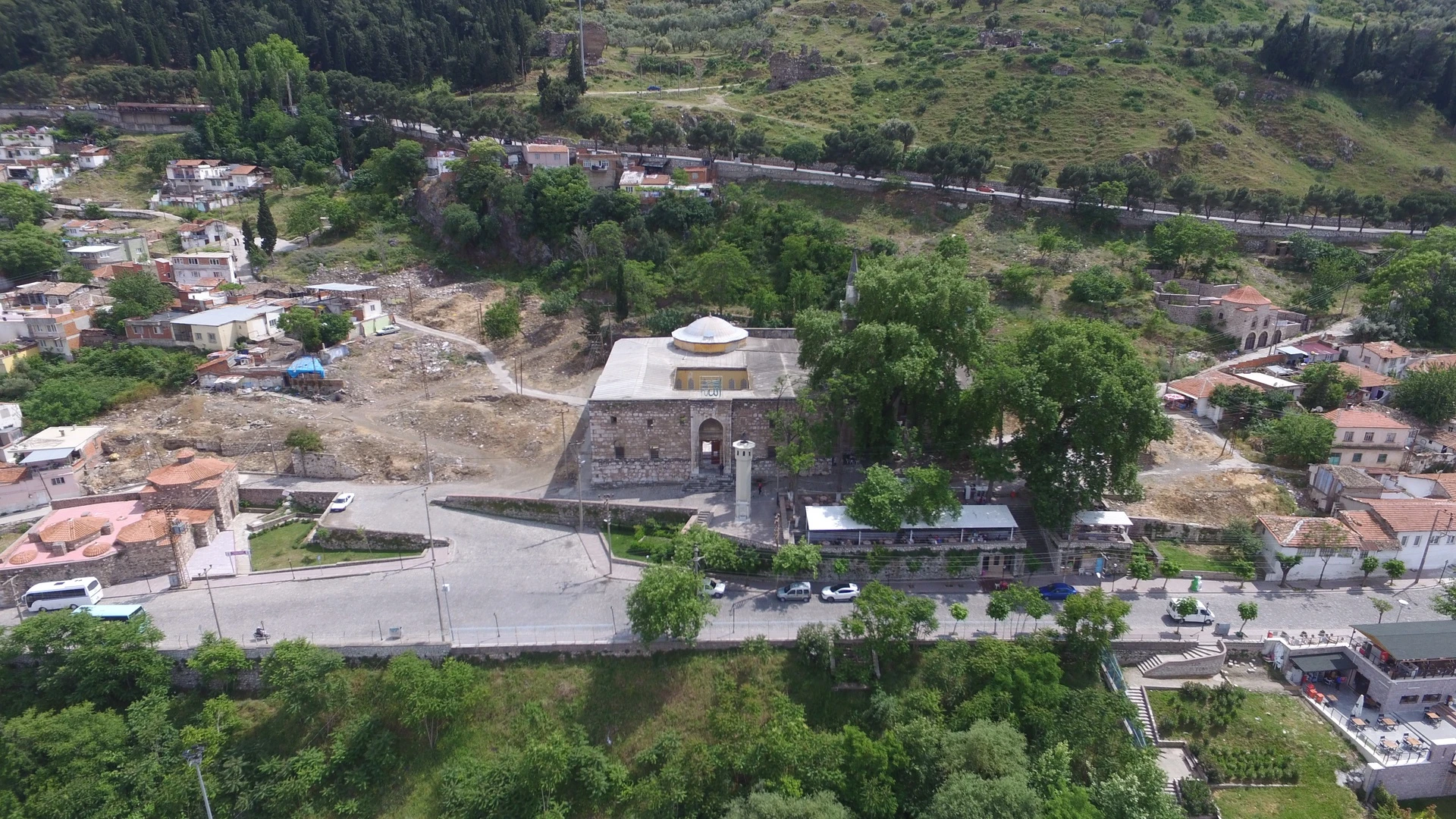
The Saruhanid masterpiece on Mount Spil. Continue your journey with a related destination.
Read the Nearby Guide