Private Hatuniye Mosque and Complex Programme
Tell us your dates, group size and interests. We will check access and plan a sensible route.
Request Your Private Programme





Hatuniye Mosque belongs to a late-fifteenth-century foundation associated with Hüsnüşah Sultan, wife of Sultan Bayezid II. Its location in central Manisa places it within the city’s long history as a princely Ottoman centre.
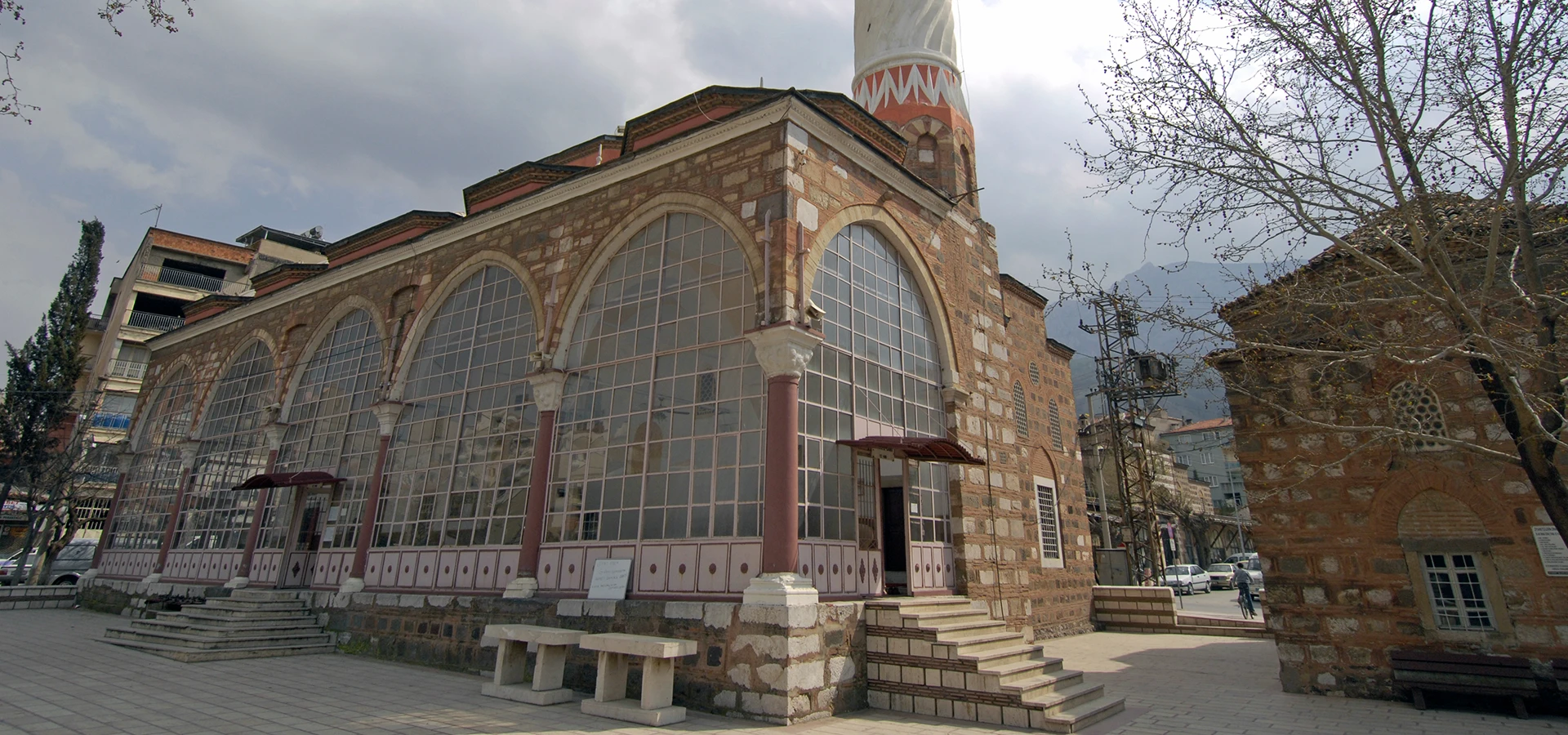
The building is quieter than the famous Muradiye and Sultan mosques, yet its architecture rewards attention: a central dome, smaller side domes, a decorated minaret and a fine wooden minbar.
Not every original element of the complex survives. Understanding the vanished medrese and imaret is part of understanding what visitors see today.
A broad central dome and smaller flanking domes create a balanced interior.
The minaret has distinctive zigzag detailing.
The minbar uses a form of decorative woodwork described as imitation kündekâri.
The sıbyan mektebi survives as part of the historic foundation.
Essential orientation for an informed visit.
1. Anafartalar, Şehzadeler
Historic mosque complex
Late 15th-century Ottoman
Manisa Province, western Türkiye
Allow 30–50 minutes
Active mosque; associated buildings vary in survival
Hatuniye provides an important example of a woman’s role as patron of Ottoman urban architecture.
It also illustrates how the survival of one mosque can conceal the much broader social and charitable work of an original külliye.
The Culture Portal dates the foundation to 1488, while other inventory records give 1490 for the mosque; the difference reflects the need to distinguish phases of construction and documentation.
The original külliye included a mosque, medrese, imaret and primary school. It was an expression of elite female patronage in Ottoman Manisa.
The medrese and imaret did not survive the destruction associated with the War of Independence, while the mosque and school preserve aspects of the original complex.
The setting of Hatuniye Mosque and Complex is 1. Anafartalar, Şehzadeler. The relationship between the local terrain, historic movement and the surrounding settlements is important when planning a visit.
This historic mosque complex is one element of a larger Manisa itinerary. Think about how its surroundings influenced the way people used the place, rather than separating it from the roads, communities and landscape around it.
A broad central dome and smaller flanking domes create a balanced interior. Compare its scale with the later Sultan Mosque.
The minaret has distinctive zigzag detailing. Look for the contrast between decorative brickwork and the building’s otherwise restrained appearance.
The minbar uses a form of decorative woodwork described as imitation kündekâri. It is a useful comparison with the more celebrated genuine joinery at Ulu Mosque.
The sıbyan mektebi survives as part of the historic foundation. Its continued existence helps reconstruct the complex’s educational purpose.
Manisa's story extends from the Gediz Plain and the slopes of Mount Spil to the Yunt Mountains and the northern districts. Hatuniye Mosque and Complex adds a particular perspective on this diversity, and its importance is clearer when the surrounding province is considered.
A thoughtful itinerary pairs sites by theme and geography rather than rushing between distant places. See the Manisa travel hub for a broader view of the province's archaeological, natural and Ottoman heritage.
Compare the dates 1488 and 1490 as different records for a complex rather than forcing a false single-date certainty.
Try to imagine the missing medrese and imaret when reading the urban space around the surviving mosque and school.
A broad central dome and smaller flanking domes create a balanced interior.
The minaret has distinctive zigzag detailing.
The minbar uses a form of decorative woodwork described as imitation kündekâri.
The sıbyan mektebi survives as part of the historic foundation.
Dress appropriately for an active mosque, remove shoes and avoid disturbing prayers.
The original medrese and imaret are not intact tourist attractions; use the surviving mosque and school to understand the former layout.
These resources provide historical background or current visitor information. Check directly before travelling, as conditions can change.
A good year-round city-centre visit. Plan around prayer times rather than relying on a fixed tourist opening window.
For photographs of Hatuniye Mosque and Complex, start with a wide frame that includes the surroundings. Then choose details that reveal the character of the historic mosque complex without obstructing other visitors.
Use only lawful viewpoints and respect people, religious activity, wildlife and protected surfaces. Ask permission for portraits, and do not move or touch historic material for a photograph.
The building has historic thresholds and possible changes in ground level. Ask locally about the most suitable entrance.
The destination is associated with 1. Anafartalar, Şehzadeler. Confirm the actual public entrance or meeting point with an up-to-date map; a generic place pin may not mark the best approach.
For a multi-stop Manisa day, plan transport according to the actual distance between sites. Historic streets, rural roads and mountain access can require more time than a straight-line map suggests.
Mosque, hospital and the Mesir tradition. Consider the travel time and access arrangements before combining the stops.
The Ottoman princes and the city that trained them. Consider the travel time and access arrangements before combining the stops.
Sinan’s design and İznik tilework. Consider the travel time and access arrangements before combining the stops.
Remembering the founder of Saruhanid Manisa. Consider the travel time and access arrangements before combining the stops.
Hüsnüşah Sultan, wife of Sultan Bayezid II, commissioned the complex.
Official sources date the foundation to the late 1480s, with a monument inventory recording 1490 for the mosque.
It included a mosque, medrese, imaret and primary school.
The mosque and primary school preserve important parts of the original ensemble; other buildings were lost.
The domed plan, zigzag-decorated minaret and finely worked wooden minbar are distinctive.
Yes. Visitor access should respect prayer and local religious customs.
Follow official paths, barriers and directions; do not enter closed buildings or excavations.
Never touch carved surfaces, collect artefacts or climb fragile masonry.
Ask before photographing residents, worshippers or workers; keep private entrances clear.
Carry away rubbish and avoid disturbing wildlife, vegetation or historic material.
Ask Wow Cappadocia / Venere Travel to design a private, tailor-made route with a licensed guide and suitable vehicle, subject to confirmed access, with no compulsory shopping stops.
Combine heritage, village culture and landscapes at your own pace.
Tell us your dates, group size and interests. We will check access and plan a sensible route.
Request Your Private Programme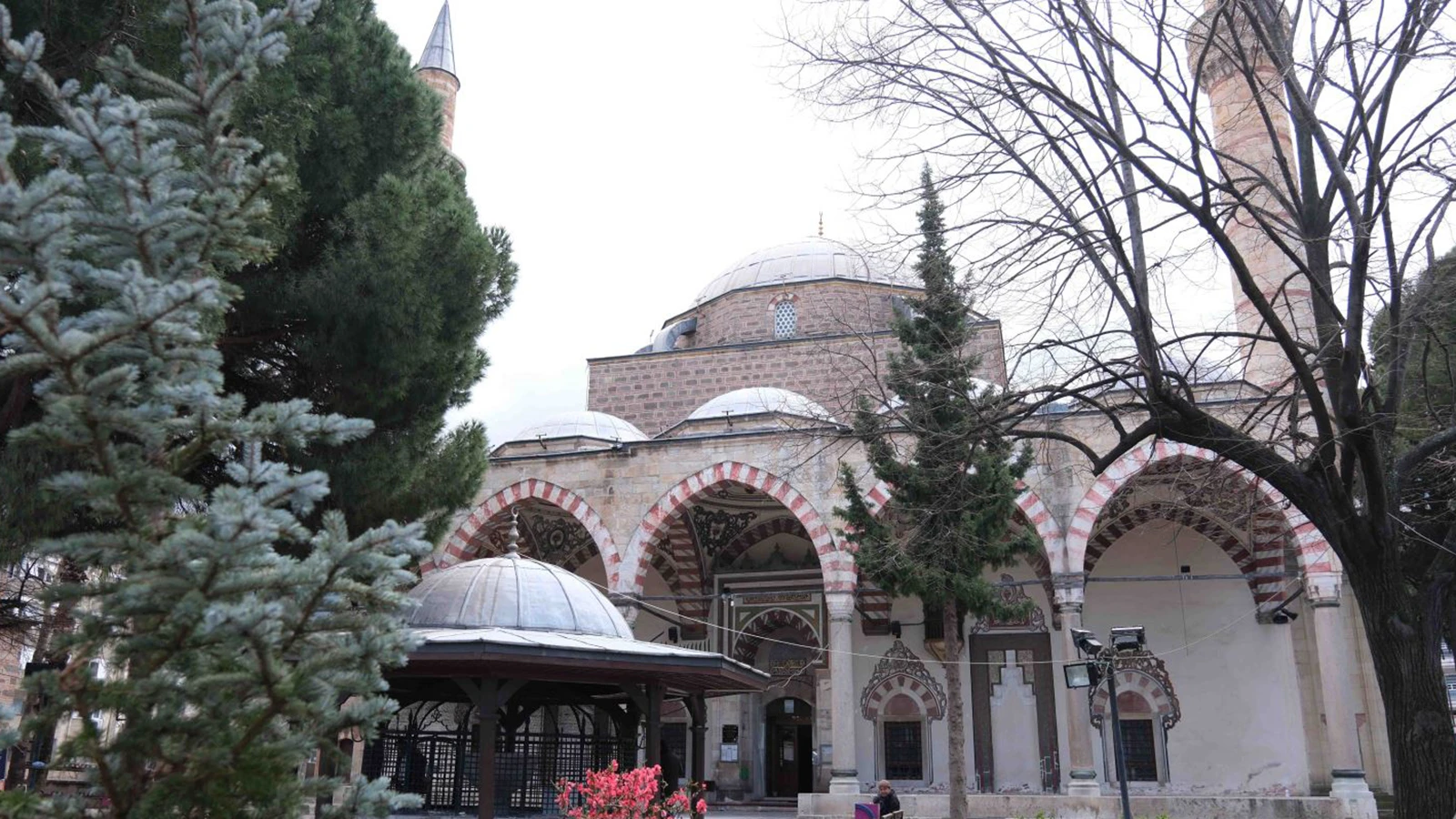
Mosque, hospital and the Mesir tradition. Continue your journey with a related destination.
Read the Nearby Guide