Private Muradiye Mosque and Complex Programme
Tell us your dates, group size and interests. We will check access and plan a sensible route.
Request Your Private Programme





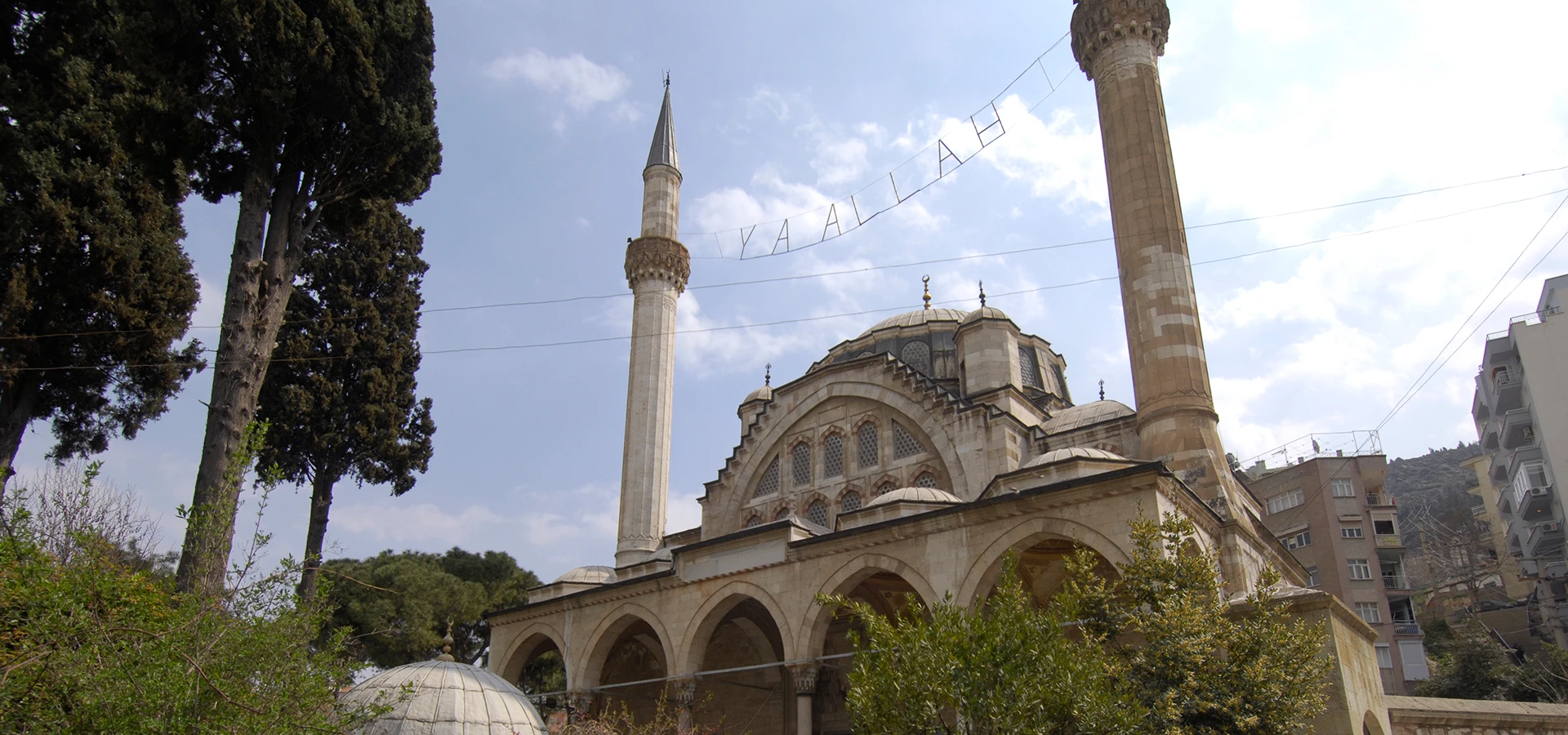
Muradiye Mosque and its associated buildings are among the strongest architectural statements of Ottoman Manisa. The complex was commissioned for Sultan Murad III and developed between 1583 and 1592.
The project is attributed to Mimar Sinan, while construction was begun by Mahmud Ağa and completed by Mehmed Ağa. This distinction matters: the celebrated architect designed the project, but the surviving monument was realised through a wider architectural organisation.
The prayer hall rewards close observation. İznik tiles, carefully worked stone, marble and inlaid wood create a refined interior that contrasts with the busy streets around the complex.
The building has a reverse-T arrangement, a large central dome and two slender minarets.
The qibla wall contains fine İznik tiles, a hallmark of elite sixteenth-century Ottoman patronage.
The doors incorporate luxurious inlay work, while the marble minbar displays skilled carving.
The teaching and food-service wings help reconstruct the daily life of the complex.
Essential orientation for an informed visit.
Saruhan neighbourhood, Şehzadeler
Historic mosque complex
Late 16th-century Ottoman
Manisa Province, western Türkiye
Allow 45–75 minutes
Active mosque; verify access to associated buildings
Muradiye is a rare opportunity to study classical Ottoman design in a provincial city closely tied to the dynasty.
Its architecture also demonstrates the difference between an architect’s design, the work of builders and the charitable institutions that sustained a foundation.
Muradiye belongs to the mature classical Ottoman period, after Manisa had become an important training ground for imperial princes. Murad III himself had served as governor of the Saruhan district before becoming sultan.
The külliye included a mosque, medrese, imaret and shops, showing how a dynastic foundation linked religious prestige with education and public services.
The older Manisa Museum was associated with buildings of this complex, but the main archaeological museum reopened in a new Yunusemre building in 2025. Travellers should not confuse the two locations.
The setting of Muradiye Mosque and Complex is Saruhan neighbourhood, Şehzadeler. The relationship between the local terrain, historic movement and the surrounding settlements is important when planning a visit.
This historic mosque complex is one element of a larger Manisa itinerary. Think about how its surroundings influenced the way people used the place, rather than separating it from the roads, communities and landscape around it.
The building has a reverse-T arrangement, a large central dome and two slender minarets. Look at how the volumes lead the eye toward the prayer hall.
The qibla wall contains fine İznik tiles, a hallmark of elite sixteenth-century Ottoman patronage. The patterns are best appreciated slowly rather than in a hurried photo stop.
The doors incorporate luxurious inlay work, while the marble minbar displays skilled carving. These details reflect the resources of an imperial foundation.
The teaching and food-service wings help reconstruct the daily life of the complex. Their present-day access or exhibition use should be confirmed separately from mosque opening.
Manisa's story extends from the Gediz Plain and the slopes of Mount Spil to the Yunt Mountains and the northern districts. Muradiye Mosque and Complex adds a particular perspective on this diversity, and its importance is clearer when the surrounding province is considered.
A thoughtful itinerary pairs sites by theme and geography rather than rushing between distant places. See the Manisa travel hub for a broader view of the province's archaeological, natural and Ottoman heritage.
Compare the mosque’s decorative sophistication with the earlier Ulu Mosque: the two monuments belong to different political and architectural worlds.
Read the ensemble as a külliye. The medrese and imaret were not incidental annexes but part of the original urban and charitable programme.
The building has a reverse-T arrangement, a large central dome and two slender minarets.
The qibla wall contains fine İznik tiles, a hallmark of elite sixteenth-century Ottoman patronage.
The doors incorporate luxurious inlay work, while the marble minbar displays skilled carving.
The teaching and food-service wings help reconstruct the daily life of the complex.
As an active mosque, Muradiye is not an unrestricted exhibition hall. Dress respectfully and avoid photographing worshippers without permission.
The surrounding complex has had changing museum and cultural uses. Check the status of each wing rather than assuming one ticket or one opening schedule covers everything.
These resources provide historical background or current visitor information. Check directly before travelling, as conditions can change.
A year-round cultural stop; bright daylight helps reveal exterior stonework, while interior visiting depends more on worship and maintenance schedules than weather.
For photographs of Muradiye Mosque and Complex, start with a wide frame that includes the surroundings. Then choose details that reveal the character of the historic mosque complex without obstructing other visitors.
Use only lawful viewpoints and respect people, religious activity, wildlife and protected surfaces. Ask permission for portraits, and do not move or touch historic material for a photograph.
Historic courtyards, steps and thresholds may limit movement. Confirm a suitable route with mosque staff before arrival if step-free access is essential.
The destination is associated with Saruhan neighbourhood, Şehzadeler. Confirm the actual public entrance or meeting point with an up-to-date map; a generic place pin may not mark the best approach.
For a multi-stop Manisa day, plan transport according to the actual distance between sites. Historic streets, rural roads and mountain access can require more time than a straight-line map suggests.
Remembering the founder of Saruhanid Manisa. Consider the travel time and access arrangements before combining the stops.
The Saruhanid masterpiece on Mount Spil. Consider the travel time and access arrangements before combining the stops.
Archaeology, art and life across Manisa. Consider the travel time and access arrangements before combining the stops.
Hüsnüşah Sultan’s late-15th-century foundation. Consider the travel time and access arrangements before combining the stops.
The design is attributed to Mimar Sinan; construction was undertaken by Mahmud Ağa and completed by Mehmed Ağa.
The complex was constructed between 1583 and 1592 for Sultan Murad III.
İznik tiles, inlaid entrance doors, marble work and carefully painted decoration are major highlights.
No. The museum formerly occupied parts of the historic complex but reopened in a new Yunusemre building in 2025.
It is an active mosque. Respect worship periods and confirm any temporary access restrictions locally.
A medrese, imaret and commercial units formed part of the original foundation.
Follow official paths, barriers and directions; do not enter closed buildings or excavations.
Never touch carved surfaces, collect artefacts or climb fragile masonry.
Ask before photographing residents, worshippers or workers; keep private entrances clear.
Carry away rubbish and avoid disturbing wildlife, vegetation or historic material.
Ask Wow Cappadocia / Venere Travel to design a private, tailor-made route with a licensed guide and suitable vehicle, subject to confirmed access, with no compulsory shopping stops.
Combine heritage, village culture and landscapes at your own pace.
Tell us your dates, group size and interests. We will check access and plan a sensible route.
Request Your Private Programme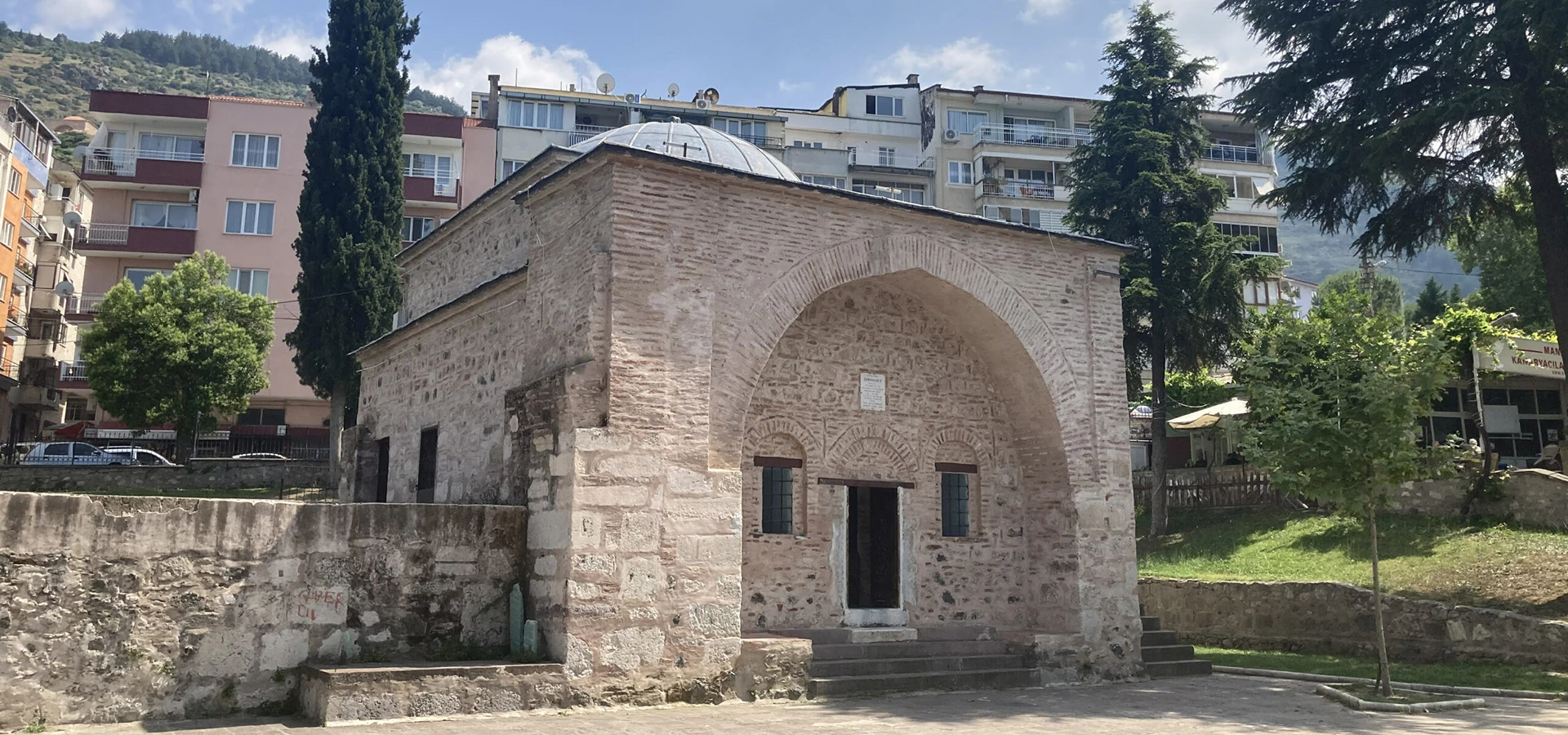
Remembering the founder of Saruhanid Manisa. Continue your journey with a related destination.
Read the Nearby Guide