Private Saruhan Bey Tomb Programme
Tell us your dates, group size and interests. We will check access and plan a sensible route.
Request Your Private Programme





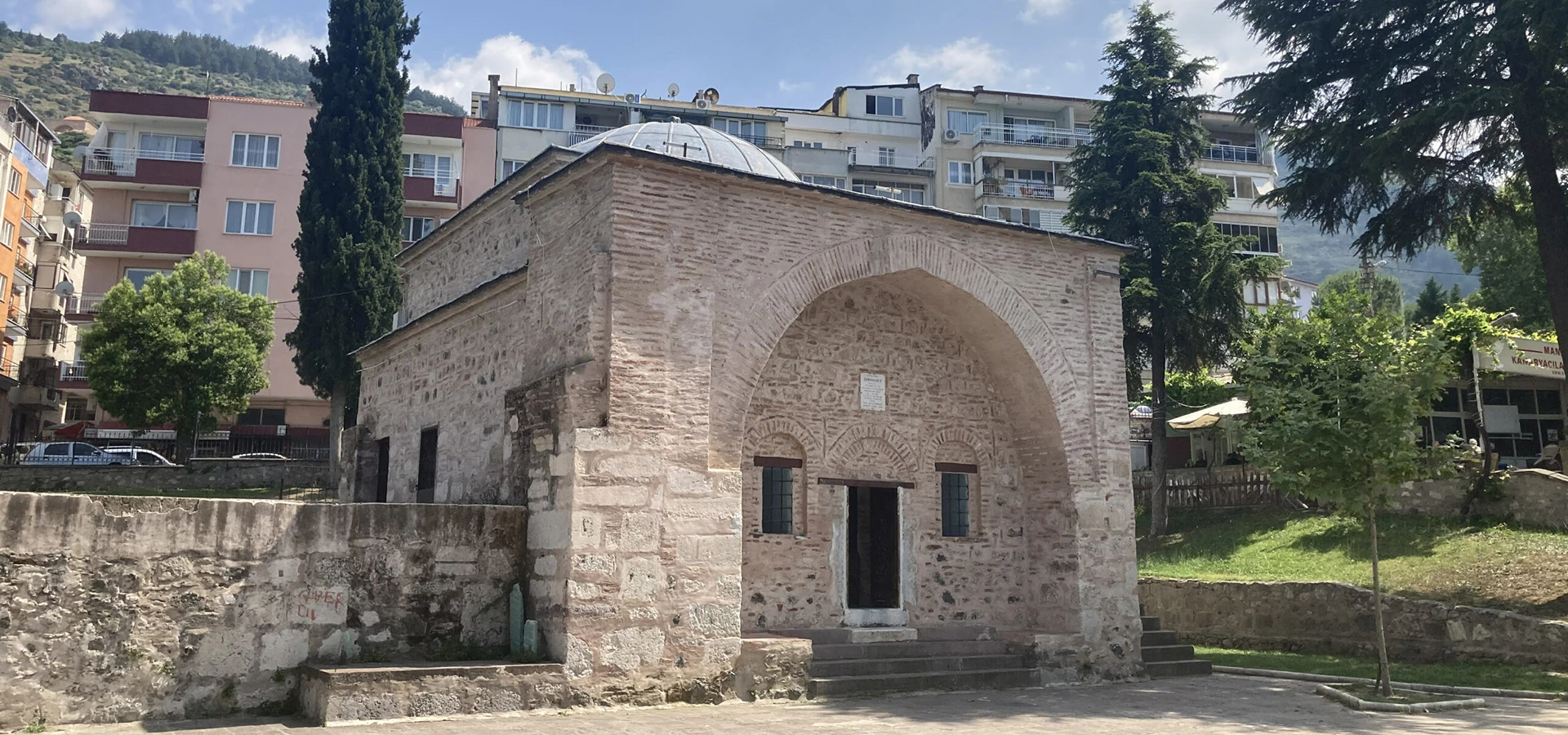
Saruhan Bey Tomb stands in a landscaped area west of Muradiye Mosque. Its scale is modest compared with the nearby imperial complex, but its historical importance is considerable.
Saruhan Bey captured Manisa in the early fourteenth century and established the city as the centre of a regional Turkish principality. The tomb commemorates the founder whose dynasty preceded the Ottoman princes.
A short stop here adds chronological depth to a walk through the centre: Saruhanid rule came before the monumental Ottoman mosques that now dominate many visitors’ impressions of Manisa.
The tomb is a compact structure with a central dome.
The portal and window arrangement reveal the practical, restrained language of the building.
The interior contains a large cenotaph.
The landscaped area makes it possible to reflect on Manisa’s shift from beylik capital to Ottoman provincial centre.
Essential orientation for an informed visit.
Saruhan Park, west of Muradiye Mosque
Historic tomb
14th-century Saruhanid
Manisa Province, western Türkiye
Allow 15–30 minutes
Small historic monument; confirm interior access
The tomb makes the founder of the Saruhanid principality a tangible part of a city otherwise often described only as Ottoman.
It is particularly valuable when visited with Ulu Mosque, commissioned by Saruhan Bey’s descendant İshak Çelebi.
The Saruhanoğulları beylik emerged amid the political changes in western Anatolia after Byzantine authority weakened. Manisa became the dynasty’s capital in 1313.
Saruhan Bey died in the 1340s. The official monument inventory attributes the tomb to his descendant İshak Çelebi and places it in the fourteenth century.
The tomb’s current urban setting near Muradiye brings two different eras together: the earlier Saruhanid founder and a much later sixteenth-century Ottoman imperial mosque.
The setting of Saruhan Bey Tomb is Saruhan Park, west of Muradiye Mosque. The relationship between the local terrain, historic movement and the surrounding settlements is important when planning a visit.
This historic tomb is one element of a larger Manisa itinerary. Think about how its surroundings influenced the way people used the place, rather than separating it from the roads, communities and landscape around it.
The tomb is a compact structure with a central dome. Its simplicity gives the visitor a useful contrast with larger royal mausoleums.
The portal and window arrangement reveal the practical, restrained language of the building. Do not expect elaborate interior decoration.
The interior contains a large cenotaph. A cenotaph marks a burial tradition and should be treated respectfully, whether or not the chamber is accessible.
The landscaped area makes it possible to reflect on Manisa’s shift from beylik capital to Ottoman provincial centre.
Manisa's story extends from the Gediz Plain and the slopes of Mount Spil to the Yunt Mountains and the northern districts. Saruhan Bey Tomb adds a particular perspective on this diversity, and its importance is clearer when the surrounding province is considered.
A thoughtful itinerary pairs sites by theme and geography rather than rushing between distant places. See the Manisa travel hub for a broader view of the province's archaeological, natural and Ottoman heritage.
Distinguish Saruhan Bey, the fourteenth-century ruler, from the later Ottoman princes who governed the city.
Tomb architecture is a form of commemoration. The visible building does not necessarily preserve all the circumstances of the original burial.
The tomb is a compact structure with a central dome.
The portal and window arrangement reveal the practical, restrained language of the building.
The interior contains a large cenotaph.
The landscaped area makes it possible to reflect on Manisa’s shift from beylik capital to Ottoman provincial centre.
The tomb is a small monument rather than a museum with a large collection. A short, focused visit is sufficient.
Opening of the interior can vary; do not force a closed door or enter restricted grounds.
These resources provide historical background or current visitor information. Check directly before travelling, as conditions can change.
Suitable for a brief city walk throughout the year; rain may make the surrounding paving slippery.
For photographs of Saruhan Bey Tomb, start with a wide frame that includes the surroundings. Then choose details that reveal the character of the historic tomb without obstructing other visitors.
Use only lawful viewpoints and respect people, religious activity, wildlife and protected surfaces. Ask permission for portraits, and do not move or touch historic material for a photograph.
The park setting may be easier than the steep approach to Ulu Mosque, but the tomb entrance itself may have steps or thresholds.
The destination is associated with Saruhan Park, west of Muradiye Mosque. Confirm the actual public entrance or meeting point with an up-to-date map; a generic place pin may not mark the best approach.
For a multi-stop Manisa day, plan transport according to the actual distance between sites. Historic streets, rural roads and mountain access can require more time than a straight-line map suggests.
Sinan’s design and İznik tilework. Consider the travel time and access arrangements before combining the stops.
The Saruhanid masterpiece on Mount Spil. Consider the travel time and access arrangements before combining the stops.
Archaeology, art and life across Manisa. Consider the travel time and access arrangements before combining the stops.
Hüsnüşah Sultan’s late-15th-century foundation. Consider the travel time and access arrangements before combining the stops.
He was the founder of the Saruhanoğulları principality, which made Manisa its capital in the early fourteenth century.
It is in Saruhan Park, west of Muradiye Mosque in central Manisa.
The official cultural inventory dates the structure to the fourteenth century and attributes its construction to İshak Çelebi.
It belongs to the earlier Saruhanid tradition, although it stands near later Ottoman buildings.
Approximately 15 to 30 minutes is sufficient for the small monument.
Yes. Ulu Mosque was commissioned by İshak Çelebi, linking the two sites through Saruhanid history.
Follow official paths, barriers and directions; do not enter closed buildings or excavations.
Never touch carved surfaces, collect artefacts or climb fragile masonry.
Ask before photographing residents, worshippers or workers; keep private entrances clear.
Carry away rubbish and avoid disturbing wildlife, vegetation or historic material.
Ask Wow Cappadocia / Venere Travel to design a private, tailor-made route with a licensed guide and suitable vehicle, subject to confirmed access, with no compulsory shopping stops.
Combine heritage, village culture and landscapes at your own pace.
Tell us your dates, group size and interests. We will check access and plan a sensible route.
Request Your Private Programme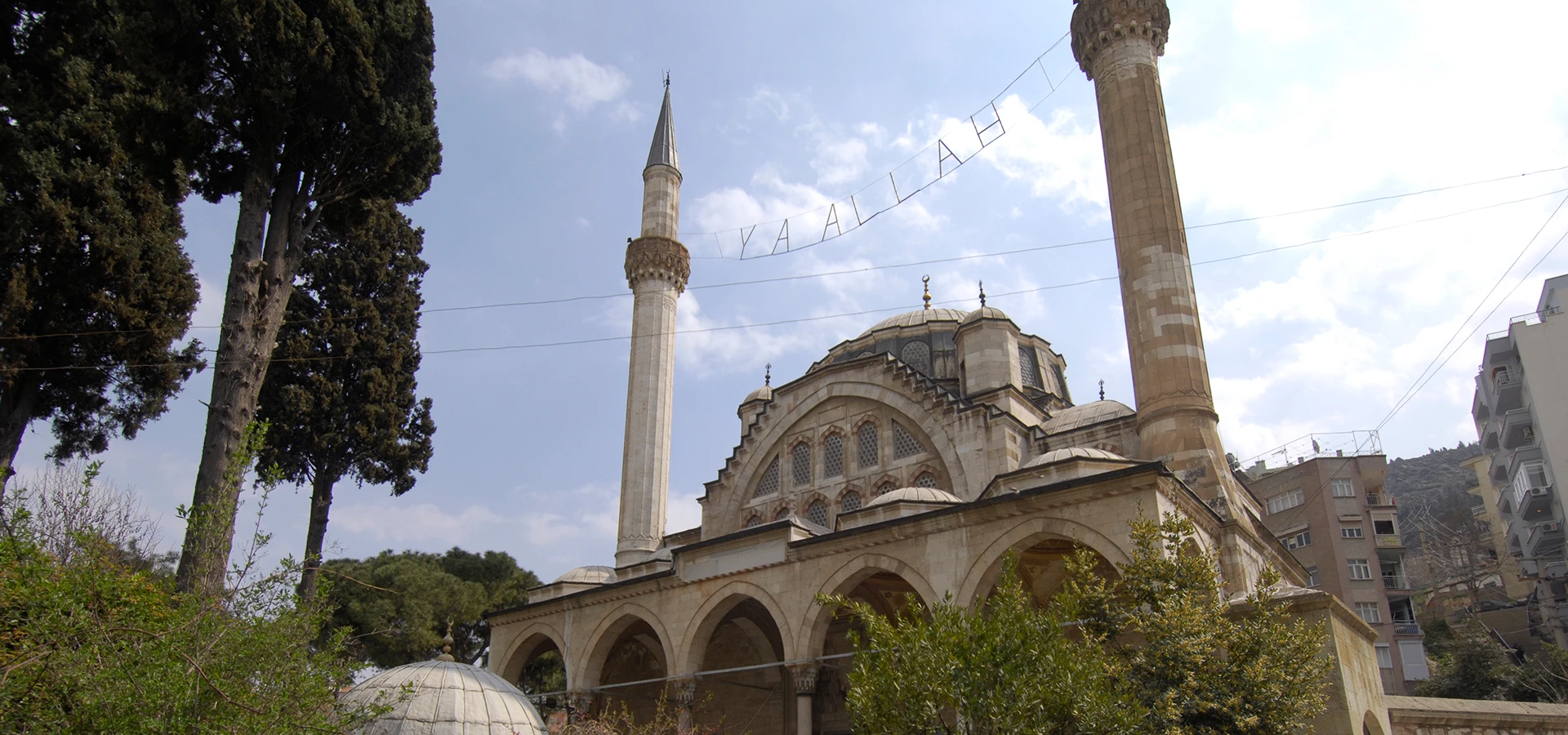
Sinan’s design and İznik tilework. Continue your journey with a related destination.
Read the Nearby Guide