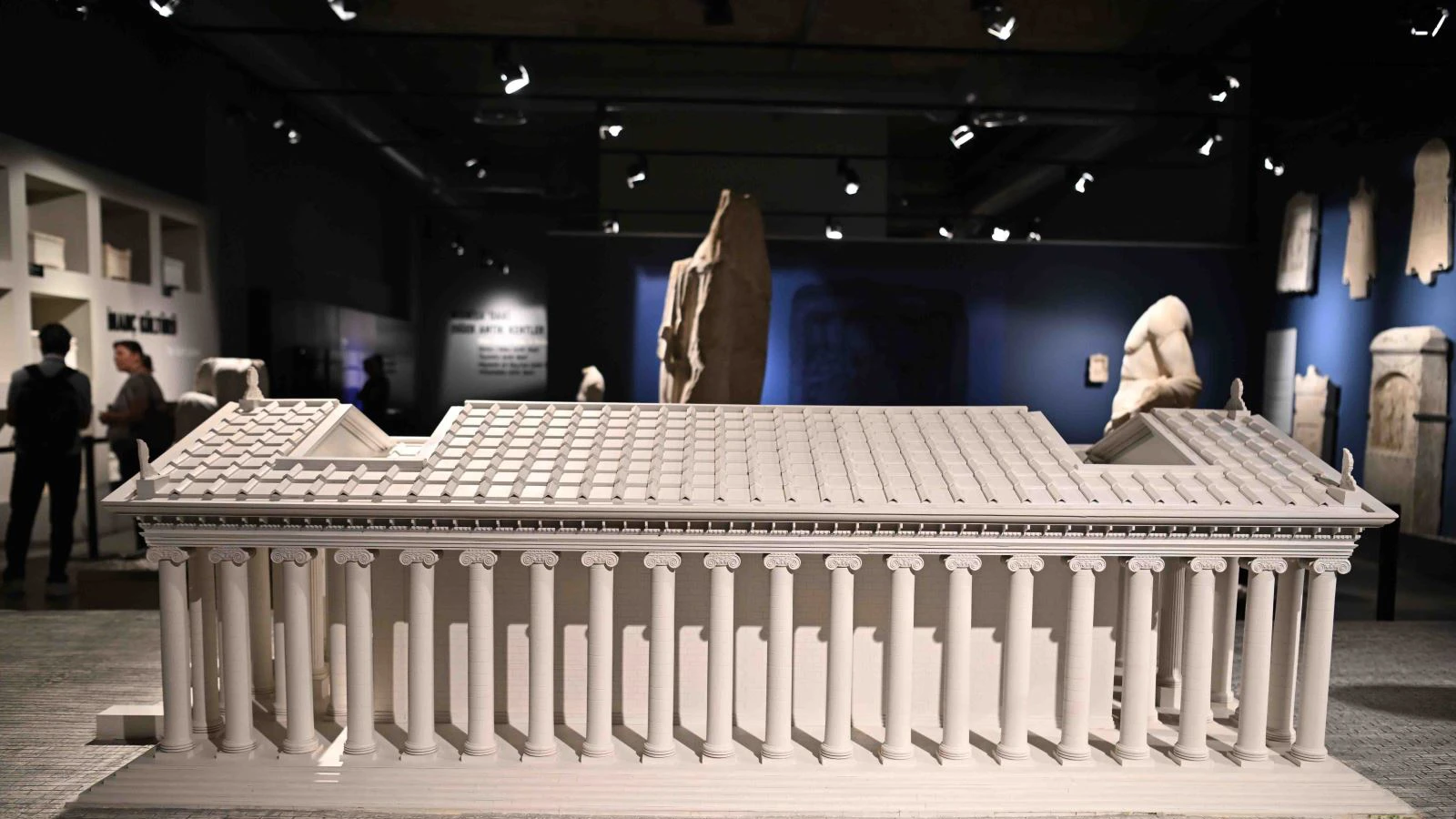
Private Manisa Museum Programme
Tell us your dates, group size and interests. We will check access and plan a sensible route.
Request Your Private Programme





The Manisa Museum is the best starting point for understanding why this inland Aegean province matters. Objects from very different periods stand together: prehistoric evidence, Lydian material, Roman-period finds and Ottoman cultural history.
The museum reopened to visitors in a new Yunusemre building in May 2025. That distinction is important: older guidebooks direct travellers to the Muradiye Complex, where the former museum collection was once displayed.
A visit before the archaeological sites can sharpen the eye. When you later encounter a broken inscription, a city wall or a carved block at Aigai, the objects in the museum provide scale and human context.
A large statue of Hestia discovered in the Aigai excavations draws attention to civic religion and the city’s assembly building.
Reliefs and objects associated with ancient Lydia introduce the kingdom that made Sardis famous.
The collection includes evidence from the volcanic landscape around Salihli, including a footprint-bearing volcanic tuff find.
Displays related to princely life and regional traditions connect the museum to the mosques, foundations and neighbourhoods of the city centre.
Essential orientation for an informed visit.
Akmescit, Yunusemre, Manisa
Museum
Prehistory to the Ottoman period
Manisa Province, western Türkiye
Allow 60–90 minutes
Ticketed museum; check seasonal hours
A museum visit turns scattered monuments into a coherent regional story: the objects explain people, technology, belief and exchange that the ruins alone cannot show.
Unlike a single-period archaeological site, the galleries reveal how one province changed through prehistoric, Lydian, Hellenistic, Roman, Byzantine and Ottoman chapters.
Manisa’s museum story began in the early Republican period, with collections long associated with the historic Muradiye Complex. After the old venue closed for restoration, the collection continued to grow through excavations and conservation work.
The new museum opened on 17 May 2025 in Akmescit Mahallesi, Yunusemre. It allows artefacts from the wider province to be interpreted in a purpose-designed setting rather than only within the rooms of a historic religious complex.
Its holdings connect the cultures of the Gediz and Bakırçay valleys, from ancient settlements and funerary customs to the city’s centuries as a princely Ottoman centre.
The setting of Manisa Museum is Akmescit, Yunusemre, Manisa. The relationship between the local terrain, historic movement and the surrounding settlements is important when planning a visit.
This museum is one element of a larger Manisa itinerary. Think about how its surroundings influenced the way people used the place, rather than separating it from the roads, communities and landscape around it.
A large statue of Hestia discovered in the Aigai excavations draws attention to civic religion and the city’s assembly building. Consider how sculpture worked in a public setting, not merely as an isolated masterpiece.
Reliefs and objects associated with ancient Lydia introduce the kingdom that made Sardis famous. They also prepare visitors for the landscape of tumuli beyond the modern city.
The collection includes evidence from the volcanic landscape around Salihli, including a footprint-bearing volcanic tuff find. Such material reminds us that regional history began long before the classical cities.
Displays related to princely life and regional traditions connect the museum to the mosques, foundations and neighbourhoods of the city centre.
Manisa's story extends from the Gediz Plain and the slopes of Mount Spil to the Yunt Mountains and the northern districts. Manisa Museum adds a particular perspective on this diversity, and its importance is clearer when the surrounding province is considered.
A thoughtful itinerary pairs sites by theme and geography rather than rushing between distant places. See the Manisa travel hub for a broader view of the province's archaeological, natural and Ottoman heritage.
Look for provenance labels: an object found at Aigai should not be confused with an object from Sardis or the city of Manisa itself.
Separate an original ancient piece from a modern display reconstruction. The museum can explain an archaeological context, but the presentation is not a substitute for visiting the excavation.
A large statue of Hestia discovered in the Aigai excavations draws attention to civic religion and the city’s assembly building.
Reliefs and objects associated with ancient Lydia introduce the kingdom that made Sardis famous.
The collection includes evidence from the volcanic landscape around Salihli, including a footprint-bearing volcanic tuff find.
Displays related to princely life and regional traditions connect the museum to the mosques, foundations and neighbourhoods of the city centre.
Use the current official museum listing for the entrance address: Akmescit Mahallesi, Mimar Sinan Bulvarı No. 159, Yunusemre. This replaces the older Muradiye address in outdated listings.
Check the Turkish Museums page for the day’s opening hours, ticket category and any gallery closures. Allow extra time if you like reading object labels.
These resources provide historical background or current visitor information. Check directly before travelling, as conditions can change.
An excellent indoor stop in hot or rainy weather; weekends and holidays can bring busier galleries. Photography policies may differ by room or temporary exhibition.
For photographs of Manisa Museum, start with a wide frame that includes the surroundings. Then choose details that reveal the character of the museum without obstructing other visitors.
Use only lawful viewpoints and respect people, religious activity, wildlife and protected surfaces. Ask permission for portraits, and do not move or touch historic material for a photograph.
The modern venue has more developed visitor infrastructure than many ruins, but confirm step-free routes, lift access and accessible facilities directly with the museum.
The destination is associated with Akmescit, Yunusemre, Manisa. Confirm the actual public entrance or meeting point with an up-to-date map; a generic place pin may not mark the best approach.
For a multi-stop Manisa day, plan transport according to the actual distance between sites. Historic streets, rural roads and mountain access can require more time than a straight-line map suggests.
Sinan’s design and İznik tilework. Consider the travel time and access arrangements before combining the stops.
The Ottoman princes and the city that trained them. Consider the travel time and access arrangements before combining the stops.
Mosque, hospital and the Mesir tradition. Consider the travel time and access arrangements before combining the stops.
An Aeolian city high in the Yunt Mountains. Consider the travel time and access arrangements before combining the stops.
No. The museum reopened in May 2025 in a new building in Yunusemre. The old Muradiye association still appears in older guides.
Look for the Aigai Hestia statue, Lydian material, prehistoric evidence and displays about the wider history of Manisa.
Around one to one and a half hours is a useful first estimate, with more time for archaeology enthusiasts.
It is in Akmescit Mahallesi on Mimar Sinan Boulevard in the Yunusemre district of Manisa.
Yes. Muradiye Mosque, Sultan Mosque and the Şehzadeler Museum make a logical thematic continuation, with transport time between locations.
No. Use the official Turkish Museums listing shortly before visiting because seasonal hours and admission categories can change.
Follow official paths, barriers and directions; do not enter closed buildings or excavations.
Never touch carved surfaces, collect artefacts or climb fragile masonry.
Ask before photographing residents, worshippers or workers; keep private entrances clear.
Carry away rubbish and avoid disturbing wildlife, vegetation or historic material.
Ask Wow Cappadocia / Venere Travel to design a private, tailor-made route with a licensed guide and suitable vehicle, subject to confirmed access, with no compulsory shopping stops.
Combine heritage, village culture and landscapes at your own pace.
Tell us your dates, group size and interests. We will check access and plan a sensible route.
Request Your Private Programme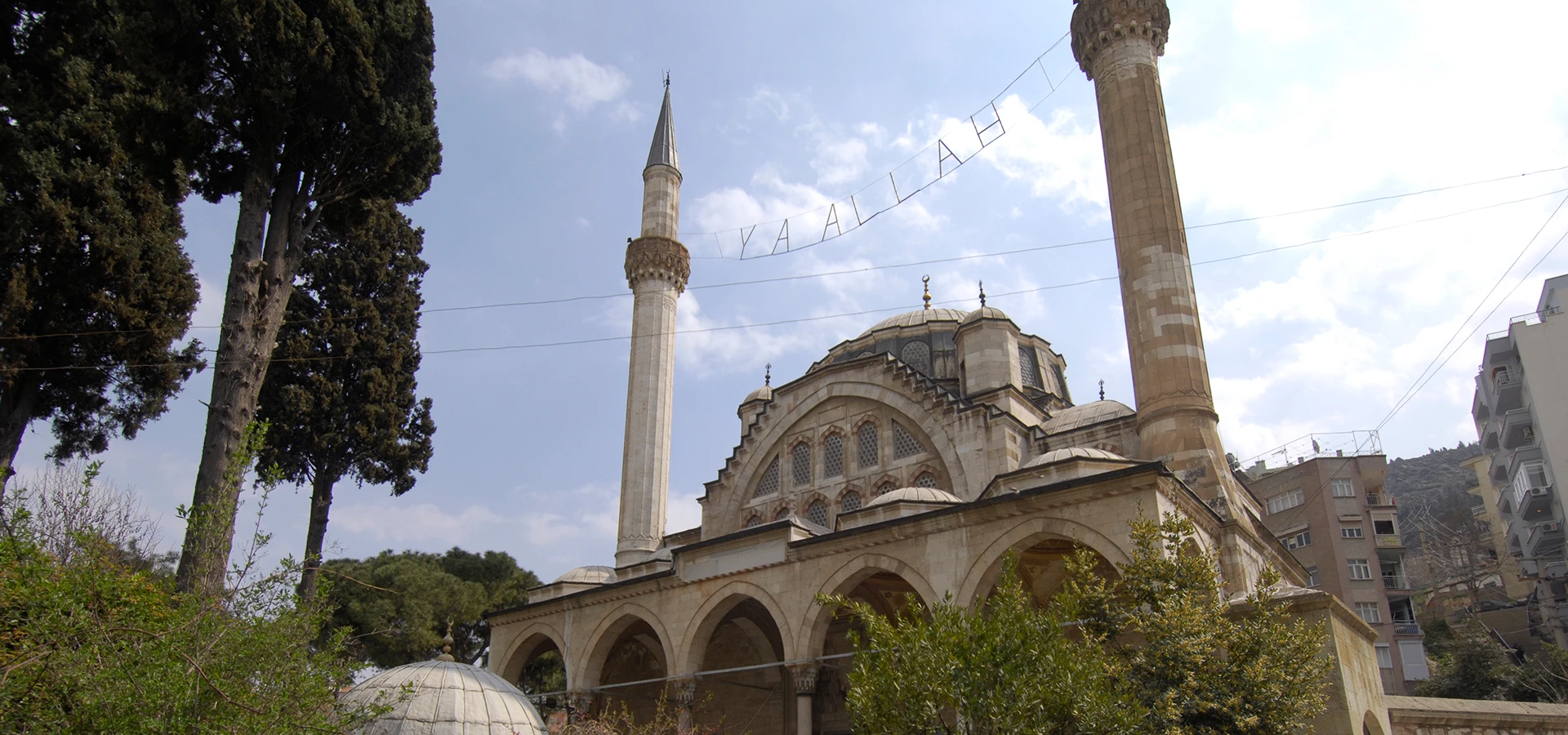
Sinan’s design and İznik tilework. Continue your journey with a related destination.
Read the Nearby Guide