Private Manisa Ulu Mosque and Complex Programme
Tell us your dates, group size and interests. We will check access and plan a sensible route.
Request Your Private Programme





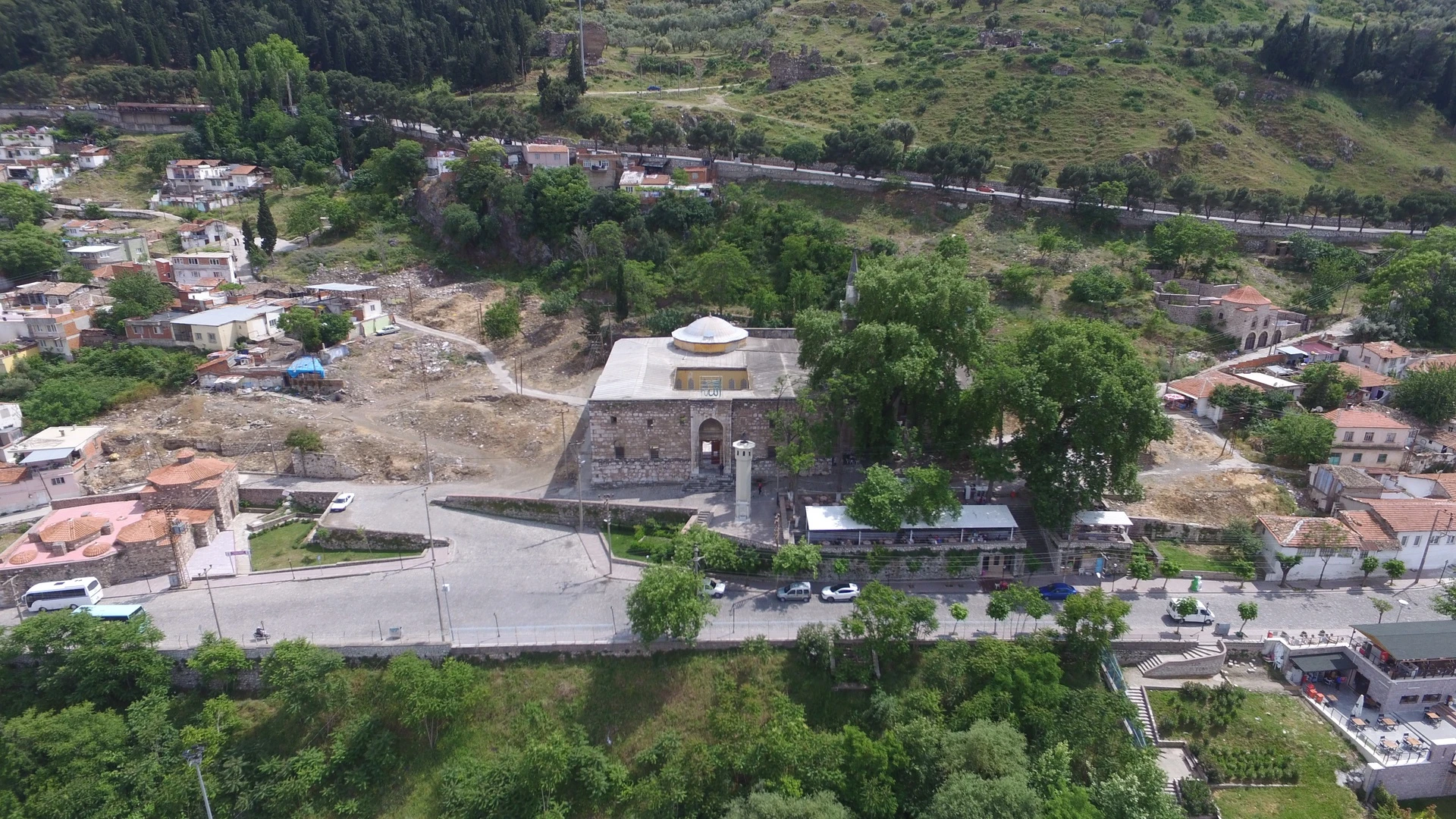
Manisa Ulu Mosque occupies a commanding position on the lower northern slopes of Mount Spil. It is not simply an older version of the city’s Ottoman mosques: it belongs to the Saruhanoğulları beylik that ruled Manisa before full Ottoman incorporation.
İshak Çelebi, grandson of Saruhan Bey, commissioned the mosque in 1366. Its broad plan, great dome and richly worked wooden minbar express the ambition of a regional court.
The hillside setting makes the visit especially rewarding. From the precinct, it becomes easier to see how the early city was shaped by the mountain and how later Ottoman monuments expanded across the plain.
The prayer space is organised around a large dome supported by an octagonal system.
The wooden pulpit is one of the most celebrated examples of beylik-period carving and joinery.
The adjacent school building preserves the educational dimension of the foundation.
The complex includes a tomb associated with İshak Çelebi and a historic bath, the latter in a damaged condition.
Essential orientation for an informed visit.
İshakçelebi quarter, Şehzadeler
Historic mosque complex
14th-century Saruhanid beylik
Manisa Province, western Türkiye
Allow 45–75 minutes
Active mosque on a hillside
The Ulu Mosque offers a direct architectural link to Manisa’s fourteenth-century Saruhanid rulers.
Its woodwork and structural design illuminate the transition from regional beylik traditions toward the grander Ottoman monuments elsewhere in the city.
The Saruhanid rulers established Manisa as a beylik capital in the fourteenth century. Under İshak Çelebi, substantial public buildings strengthened the city’s religious and political identity.
The Ulu Mosque was built by the architect Emet bin Osman. The associated medrese, known as Fethiye Medresesi, followed roughly a decade later; a tomb and the Çukur Hamam belong to the wider complex.
The minbar is famous for its genuine kündekâri wood-joinery technique. The original minbar door is held by the Manisa Museum, demonstrating why a visit to both the mosque and the museum can be particularly informative.
The setting of Manisa Ulu Mosque and Complex is İshakçelebi quarter, Şehzadeler. The relationship between the local terrain, historic movement and the surrounding settlements is important when planning a visit.
This historic mosque complex is one element of a larger Manisa itinerary. Think about how its surroundings influenced the way people used the place, rather than separating it from the roads, communities and landscape around it.
The prayer space is organised around a large dome supported by an octagonal system. Its structural solution is a valuable example of experimentation before the later classical Ottoman style.
The wooden pulpit is one of the most celebrated examples of beylik-period carving and joinery. Look at the geometry and craftsmanship without touching the historic surfaces.
The adjacent school building preserves the educational dimension of the foundation. Its portal and courtyard relationship help visitors imagine scholarly life beside the mosque.
The complex includes a tomb associated with İshak Çelebi and a historic bath, the latter in a damaged condition. Do not assume the bath can be entered safely.
Manisa's story extends from the Gediz Plain and the slopes of Mount Spil to the Yunt Mountains and the northern districts. Manisa Ulu Mosque and Complex adds a particular perspective on this diversity, and its importance is clearer when the surrounding province is considered.
A thoughtful itinerary pairs sites by theme and geography rather than rushing between distant places. See the Manisa travel hub for a broader view of the province's archaeological, natural and Ottoman heritage.
Compare the minbar’s fine joinery with the rougher stone-and-brick exterior: the most elaborate art is not always on the façade.
Study the site as a group of mosque, school, tomb and bath. This arrangement reveals how a ruler’s patronage organised civic life.
The prayer space is organised around a large dome supported by an octagonal system.
The wooden pulpit is one of the most celebrated examples of beylik-period carving and joinery.
The adjacent school building preserves the educational dimension of the foundation.
The complex includes a tomb associated with İshak Çelebi and a historic bath, the latter in a damaged condition.
The location is on a slope rather than the flat commercial centre. Wear shoes suitable for uneven streets and allow time for the climb.
Do not enter damaged or fenced sections of the bath. The mosque is a living place of worship; visitor access may be restricted at prayer times.
These resources provide historical background or current visitor information. Check directly before travelling, as conditions can change.
Spring and autumn are comfortable for the approach on foot; summer afternoons can be hot and the hillside can be slippery after rain.
For photographs of Manisa Ulu Mosque and Complex, start with a wide frame that includes the surroundings. Then choose details that reveal the character of the historic mosque complex without obstructing other visitors.
Use only lawful viewpoints and respect people, religious activity, wildlife and protected surfaces. Ask permission for portraits, and do not move or touch historic material for a photograph.
The steep approach, historic paving and thresholds can present significant barriers. A vehicle drop-off near an appropriate entrance may be preferable.
The destination is associated with İshakçelebi quarter, Şehzadeler. Confirm the actual public entrance or meeting point with an up-to-date map; a generic place pin may not mark the best approach.
For a multi-stop Manisa day, plan transport according to the actual distance between sites. Historic streets, rural roads and mountain access can require more time than a straight-line map suggests.
A medieval Mevlevi lodge on the mountain slope. Consider the travel time and access arrangements before combining the stops.
Sinan’s design and İznik tilework. Consider the travel time and access arrangements before combining the stops.
Remembering the founder of Saruhanid Manisa. Consider the travel time and access arrangements before combining the stops.
Greek myth written into the mountainside. Consider the travel time and access arrangements before combining the stops.
The mosque was commissioned by İshak Çelebi in 1366 during the Saruhanid beylik period.
The Culture Portal attributes the mosque to Emet bin Osman.
Its fine kündekâri woodwork is a major surviving example of beylik-period craftsmanship.
The ensemble includes Fethiye Medresesi, a tomb and the historic Çukur Hamam.
No. Ulu Mosque is a fourteenth-century Saruhanid foundation; Muradiye is a later sixteenth-century Ottoman complex.
The mosque stands on the slopes of Mount Spil, so expect an uphill approach and some uneven surfaces.
Follow official paths, barriers and directions; do not enter closed buildings or excavations.
Never touch carved surfaces, collect artefacts or climb fragile masonry.
Ask before photographing residents, worshippers or workers; keep private entrances clear.
Carry away rubbish and avoid disturbing wildlife, vegetation or historic material.
Ask Wow Cappadocia / Venere Travel to design a private, tailor-made route with a licensed guide and suitable vehicle, subject to confirmed access, with no compulsory shopping stops.
Combine heritage, village culture and landscapes at your own pace.
Tell us your dates, group size and interests. We will check access and plan a sensible route.
Request Your Private Programme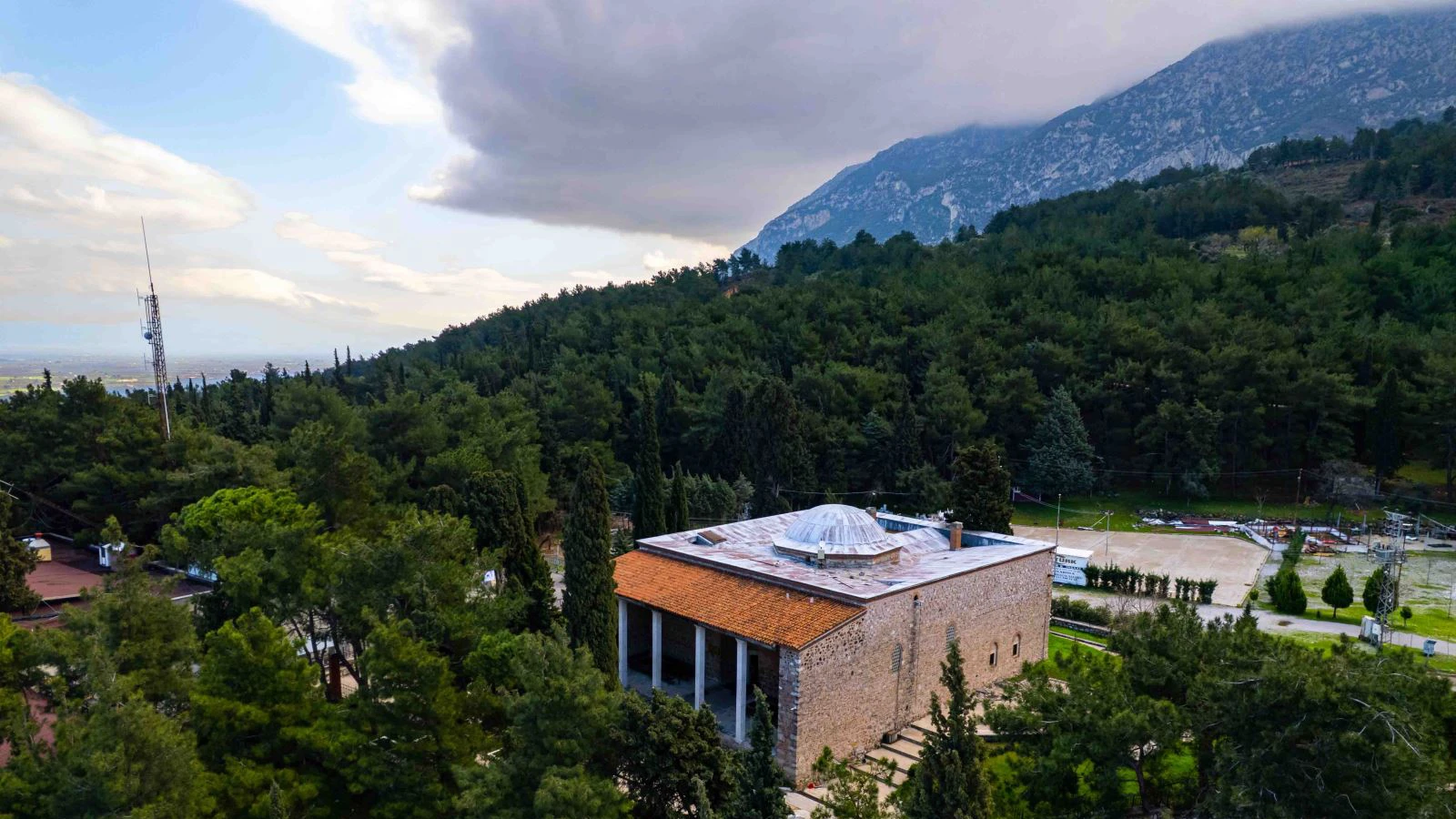
A medieval Mevlevi lodge on the mountain slope. Continue your journey with a related destination.
Read the Nearby Guide