Private Sapanca Heritage & Lake Experience
Ask us about a tailor-made journey combining Rüstem Pasha Mosque, Sapanca's historic center, Sapanca Lake, İl Ormanı and selected Sakarya stops.
Request a Custom Tour





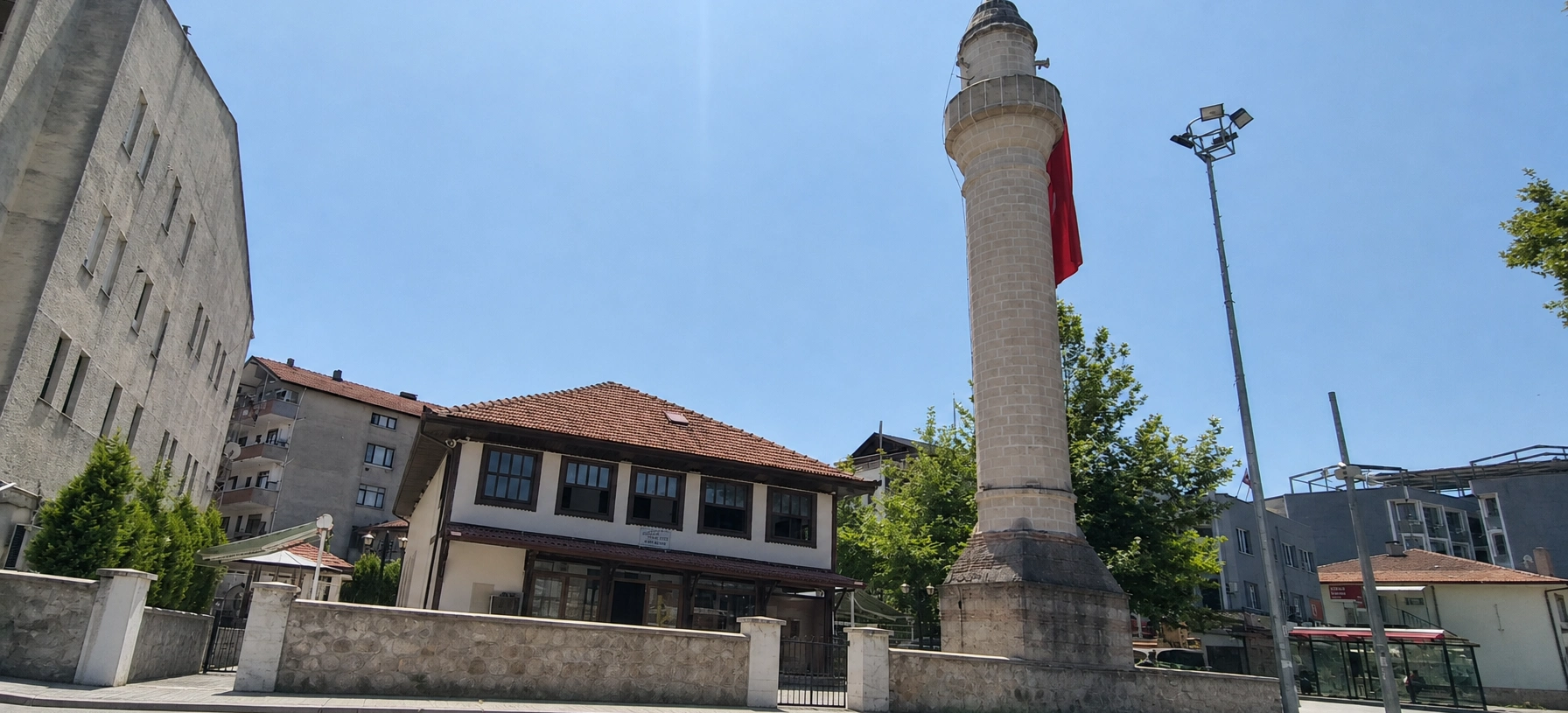
Rüstem Pasha Mosque is one of the best-known historical monuments in Sapanca, Sakarya. Standing in the district center, the mosque preserves the memory of an important 16th-century Ottoman charitable complex commissioned for Grand Vizier Rüstem Pasha and associated with the great imperial architect Mimar Sinan.
Official cultural and tourism records place the original foundation in the mid-16th century. A modern inscription on the mosque gives the date 1554, while official sources more broadly describe its construction between 1550 and 1560.
The original project was more than a mosque. Historical records describe a külliye — an Ottoman social and religious complex — that included a mosque together with an imaret, bath and caravanserai. This reflects Sapanca's historical importance as a settlement on a major route between Istanbul and the interior of Anatolia.
The building visible today, however, should not be understood as an untouched 16th-century Sinan mosque. The official cultural inventory states that the original complex buildings did not survive intact, and that the present mosque was constructed in 1946 on the site of the earlier structure. The single-balcony minaret is identified as the principal element that retained its historic character.
This layered history makes Rüstem Pasha Mosque especially interesting. It is simultaneously an active neighborhood mosque, a reminder of Mimar Sinan's wider network of provincial works, and a monument to Sapanca's long role in Ottoman travel, trade and settlement.
Because the mosque stands in central Sapanca, it can easily be combined with Sapanca Lake, the town center and nearby heritage sites during a relaxed walking visit.
The original mosque and social complex were founded for Grand Vizier Rüstem Pasha during the reign of Süleyman the Magnificent.
Official sources identify the original Sapanca complex as a work designed by the celebrated Ottoman imperial architect Mimar Sinan.
The mosque changed repeatedly over the centuries, and the present structure reflects major rebuilding rather than a completely preserved 16th-century fabric.
Its central location makes the mosque an easy cultural stop before or after exploring Sapanca Lake and the surrounding town.
Essential information for understanding and visiting one of Sapanca's most important Ottoman heritage sites.
Rüstempaşa Mahallesi, central Sapanca, Sakarya.
Open on Google MapsActive Ottoman-origin mosque associated with a former külliye of mosque, imaret, bath and caravanserai.
Mid-16th century; a modern inscription records 1554.
The original complex is identified in official sources as a work of Mimar Sinan for Grand Vizier Rüstem Pasha.
Official inventory records state that the current mosque was rebuilt in 1946 after extensive earlier changes.
Religious and cultural heritage site; respectful non-worship visits should avoid prayer times whenever possible.
The mosque connects Sapanca with Grand Vizier Rüstem Pasha, Mimar Sinan and the wider system of Ottoman roads, charitable foundations and urban development.
Rüstem Pasha Mosque is important because its history reaches far beyond the scale of a local neighborhood mosque. Its foundation belongs to the classical Ottoman period, when architecture, religious patronage and public services were closely linked through charitable endowments.
The patron, Rüstem Pasha, was one of the most powerful statesmen of the reign of Süleyman the Magnificent. He served as grand vizier and was also the sultan's son-in-law through his marriage to Mihrimah Sultan. His architectural patronage extended across the Ottoman realm.
Sapanca was a logical place for such a foundation. The settlement occupied an important position on the land route connecting the imperial capital with northwestern and central Anatolia. A mosque accompanied by facilities such as an imaret, bath and caravanserai could serve both local residents and travelers moving along this corridor.
The complex is also significant because official records associate its design with Mimar Sinan, the chief architect responsible for many of the Ottoman Empire's most celebrated mosques, bridges, baths and public buildings. Provincial works such as the Sapanca foundation help show how far Sinan's architectural network extended beyond Istanbul and Edirne.
Although the original complex has not survived intact, the site remains a powerful historical marker. The mosque continues to function, the historic minaret preserves a connection to the earlier structure, and the surrounding neighborhood still carries the name Rüstempaşa.
For visitors exploring Sakarya, the mosque adds an important cultural layer to the natural landscape of Sapanca Lake. It demonstrates that Sapanca is not only a modern lakeside destination, but also a town shaped by centuries of travel, settlement and Ottoman patronage.
The origins of Rüstem Pasha Mosque belong to the 16th century, during the reign of Sultan Süleyman I, commonly known as Süleyman the Magnificent. This was the period in which Mimar Sinan served as chief imperial architect and Ottoman public architecture reached an extraordinary level of organization.
Official tourism sources state that the mosque was constructed for Grand Vizier Rüstem Pasha by Mimar Sinan between approximately 1550 and 1560. A later inscription on the building records the date 1554, which is commonly used when referring to the foundation.
The mosque formed part of a larger charitable complex. Sources describe a group of buildings including the mosque, imaret, bath and caravanserai. Together, these facilities would have supported worship, food distribution, hygiene, accommodation and the movement of travelers.
The site did not remain unchanged. Historical descriptions note that the mosque underwent alteration and was rebuilt during the Ottoman period. Official tourism information records a second construction in Rumi 1146, corresponding approximately to 1733–1734.
The official cultural inventory provides an especially important clarification for modern visitors: the original külliye buildings did not survive intact. It states that the present mosque was constructed in 1946 on a stone foundation, while the old mosque's single-balcony minaret is the element identified as preserving its original historic character.
The building therefore represents several historical layers rather than one untouched moment in the 1500s. Understanding this makes a visit more meaningful: the importance of the site lies in its continuity, memory and surviving architectural elements as much as in the fabric of the present prayer hall.
The original Rüstem Pasha foundation was established in Sapanca during the classical Ottoman period.
A modern inscription on the mosque records 1554 as the construction date associated with the historic foundation.
Official cultural and tourism sources associate the original mosque and complex with the Ottoman chief imperial architect.
Sources record another major construction phase in Rumi 1146, approximately 1733–1734.
The official cultural inventory states that the present mosque was constructed in 1946 after the earlier complex had largely disappeared.
Despite repeated rebuilding, the site continues to serve its original religious role in the center of Sapanca.
Rüstem Pasha was one of the leading political figures of the 16th-century Ottoman Empire. He rose through the imperial administrative system and became grand vizier during the reign of Süleyman the Magnificent.
His position at court became even more significant through his marriage to Mihrimah Sultan, the daughter of Süleyman the Magnificent and Hürrem Sultan. This placed Rüstem Pasha at the center of both imperial politics and the dynasty's wider network of architectural patronage.
Like many high-ranking Ottoman officials, Rüstem Pasha supported religious and public buildings through vakıf foundations. These charitable endowments could finance mosques, baths, caravanserais, markets, fountains and food-distribution facilities whose revenues helped maintain public services over long periods.
The Sapanca complex fits this broader pattern. Rather than commissioning only a place of prayer, Rüstem Pasha's foundation was connected with services useful to a town positioned along a busy travel route.
Today, his name remains embedded in Sapanca's geography. The mosque stands in Rüstempaşa Mahallesi, the central neighborhood that also includes important civic, commercial and lakeside areas.
The association with Mimar Sinan is one of the main reasons Rüstem Pasha Mosque attracts historical interest. Sinan served as chief imperial architect for decades and supervised a vast architectural organization working across the Ottoman territories.
His reputation is often connected with monumental imperial mosques, but his office was responsible for many different kinds of structures: mosques, bridges, baths, caravanserais, schools, water systems and charitable complexes.
Official Sakarya tourism information specifically states that Sinan constructed the Sapanca mosque and külliye for Rüstem Pasha. The municipality likewise identifies the mosque as a Mimar Sinan work and presents it as one of the district's central historical landmarks.
Visitors should nevertheless distinguish between the 16th-century Sinan foundation and the physical appearance of the present mosque. Because the building underwent repeated reconstruction and the current prayer hall is much later, the site should not be read in the same way as one of Sinan's substantially preserved monumental mosques.
Its value is more archaeological and historical: it preserves the location, institutional memory and surviving components of a Sinan-associated provincial foundation that helped shape Ottoman Sapanca.
Sinan was the chief architect of the Ottoman court during much of the 16th century.
His architectural organization worked on provincial religious, commercial and infrastructure projects across the empire.
Official sources identify the original Rüstem Pasha complex in Sapanca as one of these provincial commissions.
The current mosque reflects later rebuilding, so visitors should avoid assuming the entire visible structure is original Sinan fabric.
In Ottoman architecture, a külliye was a group of buildings organized around a mosque and supported by a charitable foundation. Its purpose extended beyond worship into social welfare, accommodation, commerce and everyday urban life.
Official records describe the Sapanca foundation as including a mosque, imaret, bath and caravanserai. Each part would have served a different role within the town and along the travel route.
The imaret was associated with charitable food provision. Such institutions were an important expression of Ottoman vakıf culture and could serve religious personnel, travelers, students and people in need.
The hamam or bath provided hygiene and social space, while the caravanserai supported travelers, animals and commercial movement. Their presence is particularly meaningful in Sapanca because the town historically stood on an important corridor east of Istanbul.
According to the official cultural inventory, these original complex structures have not survived to the present day. The modern visitor therefore encounters the mosque site as the surviving center of a once broader urban institution.
The religious heart of the foundation and the function that continues on the site today.
A charitable food-distribution institution reflecting the social-welfare role of Ottoman foundations.
A public bath serving hygiene and social needs within the settlement.
A facility associated with travelers and trade along the route through Sapanca.
Endowment revenues were traditionally used to support the operation and maintenance of charitable complexes.
The wider historic complex no longer survives intact, making written records especially important for understanding the site.
The architecture visible today reflects the mosque's long history of alteration and rebuilding. The official cultural inventory describes the present structure as a masonry building constructed on a stone foundation in 1946.
The prayer hall is covered by a pitched roof, with an interior timber ceiling. This is very different from the monumental central-dome image many travelers associate with the most famous works of Mimar Sinan.
The windows are described as wooden, and changes inside the building have created a women's gallery on an upper mezzanine level near the entrance. The overall character is therefore that of an active local mosque shaped by successive practical interventions.
The most important historic architectural component is the single-balcony minaret. The official inventory specifically identifies the minaret as the part of the earlier mosque that retained its original character.
For this reason, visitors interested in architectural history should look beyond the general appearance of the prayer hall and pay particular attention to the relationship between the minaret, mosque site and surrounding historic center.
The present mosque is recorded as a masonry structure built on a stone base.
The building is externally covered by a traditional sloping roof rather than a large central dome.
The interior roof treatment reflects the later reconstructed character of the prayer hall.
The single-balcony minaret is the key surviving element connected with the earlier mosque.
An upper gallery near the entrance forms part of the mosque's modern internal arrangement.
The site is best understood as a monument transformed through centuries rather than a completely preserved 16th-century building.
Study the mosque's single-balcony minaret, the architectural element most directly connected with the earlier historic structure.
Notice the modest scale and pitched-roof form of the present building, which reflects later reconstruction.
Look for the modern inscription recording 1554 as the construction date associated with the historic foundation.
If the mosque is open outside prayer time, enter respectfully to observe the functioning local prayer space.
Walk around Rüstempaşa Mahallesi to understand how the mosque remains embedded in the center of modern Sapanca.
Observe the mosque as an active religious institution rather than only as a historical monument.
A visit to Rüstem Pasha Mosque is usually short, quiet and reflective. This is not a large archaeological site or museum with exhibition galleries. Its importance comes from the history represented by the location and the continuity of religious use.
From the outside, the mosque appears relatively modest. Visitors expecting an enormous Sinan monument may be surprised by its scale and later architectural character. Understanding the rebuilding history before arrival greatly improves the experience.
The minaret provides the clearest visual connection with the older structure. Spend a few minutes looking at the mosque from different positions in the surrounding streets rather than entering and leaving immediately.
Inside, remember that the building remains an active mosque. The atmosphere can change around the five daily prayers, Friday noon prayer and religious holidays. At busy worship times, sightseeing should take second place to the needs of the congregation.
One of the best ways to appreciate the mosque is to place it within a broader Sapanca walk: visit the mosque, continue through the center and then walk toward Sapanca Lake. The transition from Ottoman heritage to the modern lakeside gives a fuller picture of the town.
Rüstem Pasha Mosque is a functioning place of Islamic worship. Visitors are generally welcome when access is open, but cultural sightseeing should always be quiet and respectful.
Avoid entering during congregational prayer whenever possible, especially Friday noon prayer, when mosques can be substantially busier. If you arrive as prayer is beginning, wait outside until worship has finished.
Shoes are removed before stepping onto the carpeted prayer area. Use the entrance storage area where provided and make sure footwear does not touch the prayer carpet.
Visitors should wear clothing that covers shoulders and knees. Women may be asked to cover their hair inside the prayer hall; carrying a lightweight scarf is useful when visiting mosques in Türkiye.
Keep voices low and phones silent. Avoid walking directly in front of people who are praying, and ask permission before photographing worshippers at close range.
Take off footwear before entering the carpeted prayer area.
Shoulders and knees should be covered; women should be prepared to cover their hair inside.
Visit between services when possible so the congregation can worship without disruption.
Use a low voice and silence phones while inside or close to people praying.
Photograph architecture discreetly and avoid intrusive images of worshippers.
Friday noon is the main weekly congregational prayer and is generally the least suitable time for sightseeing.
Enough for a quick exterior view, photographs and a look at the historic minaret.
Recommended for most visitors who want to see the exterior and respectfully enter if the mosque is open.
Allows time to explore the immediate neighborhood and understand the mosque's relationship with central Sapanca.
Combine the mosque with the town center, local streets, cafés and a walk toward Sapanca Lake.
Add the lakefront and another nearby heritage or nature stop for a balanced Sapanca itinerary.
Combine central Sapanca with the wider lake area and İl Ormanı Nature Park.
The mosque can be approached throughout the year, and official tourism information describes the site as accessible in every season. Because it stands in central Sapanca, weather is less restrictive than at outdoor natural attractions.
For cultural sightseeing, mid-morning is often one of the easiest periods. The town is active, daylight is good for photography and you can usually plan around the first prayer periods of the day.
Late afternoon can also be pleasant, especially if you intend to continue toward Sapanca Lake for an evening walk. Check the daily prayer schedule and avoid entering while congregational worship is underway.
Friday around noon is normally the busiest religious period of the week. Visitors interested primarily in architecture should choose another time.
Spring and autumn provide comfortable walking weather in Sapanca. Summer weekends can be very busy throughout the district because of the lake and holiday atmosphere, while winter weekdays are often quieter.
Comfortable temperatures make it easy to combine the mosque with a long town and lakeside walk.
The mosque is easy to visit, but central Sapanca and the lake area can become busy on weekends.
Mild weather and softer light make this an excellent season for heritage photography.
A good cultural stop when colder or wetter weather makes long outdoor activities less appealing.
Often a practical time for quiet sightseeing between prayer periods.
This is the main weekly congregational prayer and should be kept free for worshippers.
Rüstem Pasha Mosque is best photographed as a living historic site rather than as a monumental skyline building. The strongest images often focus on architectural details, the minaret and the contrast between old and new Sapanca.
The single-balcony minaret is the most important subject for visitors interested in the mosque's older fabric. Try both wider contextual views and tighter compositions that isolate the minaret against the sky.
Morning and late-afternoon light usually produce softer shadows than midday. Because the mosque stands within the built-up center, moving a short distance along surrounding streets can significantly change the composition.
Interior photography should be discreet. Do not use flash around people praying, avoid photographing worshippers without permission and never obstruct entrances or circulation while composing an image.
For a broader visual story, combine photographs of the mosque with the streets of Rüstempaşa Mahallesi and the waterfront of Sapanca Lake. This shows both sides of Sapanca: historic Ottoman settlement and contemporary lake destination.
Focus on the surviving historic minaret as the most significant architectural element.
Include neighboring buildings and streets to show the mosque's central urban setting.
Softer light can make exterior details easier to photograph than harsh midday sun.
The minaret naturally works well in vertical compositions for travel and social media photography.
Architecture comes first; avoid intrusive photographs of individuals at prayer.
Create a broader Sapanca series by continuing to the lakefront after visiting the mosque.
Rüstem Pasha Mosque is located in Rüstempaşa Mahallesi in central Sapanca. It remains an active mosque rather than a ticketed museum.
There is generally no entrance ticket for visiting a mosque. Access for sightseeing depends on the building being open and on religious use at the time of your visit.
Because prayer times change daily according to sunrise and sunset, there is no single fixed sightseeing timetable that applies throughout the year. Plan your visit between prayers and give priority to worshippers.
The mosque is within the urban center, making it easy to combine with shops, cafés, local streets and the Sapanca Lake waterfront.
A visit does not require special equipment. Modest clothing, comfortable walking shoes and a scarf for women are the most useful practical considerations.
The mosque's location in central Sapanca makes it easier to approach than many rural heritage sites. Visitors can reach the surrounding neighborhood by road and continue on foot through the town center.
As with many historic or repeatedly altered religious buildings, exact step-free access conditions can change depending on entrances, thresholds and maintenance. Visitors with specific mobility requirements should check current local conditions before making a special journey.
The surrounding town is developed, but pavements, curbs and traffic can still create challenges for wheelchairs or visitors with reduced mobility. Allow extra time rather than assuming every approach is completely level.
Inside the mosque, visitors should follow any designated access route and avoid blocking entrances used by worshippers.
The mosque is situated within Sapanca's developed town center rather than on a remote archaeological site.
It can be combined with other central Sapanca stops without a long trail or steep natural terrain.
Entrance steps, door thresholds or temporary arrangements may affect wheelchair access.
Curbs, paving and traffic should be considered when approaching through the surrounding streets.
Visitors with specific mobility needs should confirm current access conditions locally.
Keep entrances and prayer-space circulation clear during your visit.
Rüstem Pasha Mosque stands in central Sapanca, within Rüstempaşa Mahallesi. Its urban position makes it one of the easiest historical monuments in the district to include in a normal sightseeing day.
For drivers, search for “Rüstem Paşa Camii Sapanca” in your navigation application. Parking availability varies with traffic, local restrictions, weekends and events, so be prepared to park in the surrounding center and walk the final distance.
Visitors already staying in central Sapanca may be able to reach the mosque on foot, especially when combining it with the commercial center and lakefront.
Local taxis are another practical option from hotels around Sapanca Lake. Public transport serves the town, but routes and stopping points should be checked on the day of travel.
Official tourism information notes that the mosque can be reached using urban transport. From central Adapazarı, Sapanca is connected by the main east–west transport corridor through Sakarya.
A convenient option for visitors already staying or sightseeing in central Sapanca.
Navigate to “Rüstem Paşa Camii, Sapanca” and use legal parking in the surrounding center.
Useful from lakeside hotels and accommodation outside the immediate town center.
Local services reach central Sapanca; confirm current routes and stops before travel.
Travel west toward Sapanca and continue into the district center.
Allow extra time during popular spring and summer weekends when Sapanca can become busy.
Begin in central Sapanca and approach the mosque on foot if practical. Before entering, walk around the exterior and identify the minaret, the most important surviving historic architectural element.
If the mosque is open and no prayer is taking place, remove your shoes and enter quietly. Spend a few minutes observing the prayer hall and the way the modern functioning building differs from the image of a monumental 16th-century imperial mosque.
After leaving, walk through Rüstempaşa Mahallesi. The neighborhood itself helps explain the mosque's continuing importance: this remains one of the commercial, civic and social centers of Sapanca.
Continue toward Sapanca Lake for a waterside walk. This creates an easy route combining the district's Ottoman history with the natural landscape for which Sapanca is best known today.
With more time, add İl Ormanı Nature Park for a forest experience overlooking the wider Sapanca landscape.
Because the mosque stands in central Sapanca, it can easily be combined with lake scenery, forest recreation and wider Sakarya history. See our complete Sakarya visitor guide for more destinations across the province.
Walk from Ottoman heritage toward the natural landmark that defines modern Sapanca, with waterfront paths, viewpoints and recreation.
Combine the town center with protected forest scenery, picnic spaces and viewpoints in the wider Sapanca landscape.
Continue to the eastern shore of Sapanca Lake for walking, cycling, picnics and sunset views.
Add a major early Byzantine monument near Adapazarı for a deeper journey through Sakarya's pre-Ottoman history.
Continue into Adapazarı for archaeology, regional history and a broader introduction to Sakarya's cultural heritage.
Discover historic towns, mosques, bridges, lakes, wetlands, forests, waterfalls and Black Sea beaches across the province.
Rüstem Pasha Mosque is located in Rüstempaşa Mahallesi in central Sapanca, Sakarya.
The historic foundation was commissioned for Grand Vizier Rüstem Pasha during the reign of Süleyman the Magnificent.
Official cultural and tourism sources identify the original mosque and külliye in Sapanca as a work associated with Mimar Sinan.
Official sources place the original foundation in the mid-16th century, while a modern inscription records 1554.
No. The mosque changed repeatedly over the centuries. The official cultural inventory states that the present mosque was built in 1946 after the earlier complex had largely disappeared.
The official inventory identifies the single-balcony minaret as the element that retained its historic original character.
Historical descriptions list a mosque, imaret, hamam and caravanserai as components of the Rüstem Pasha complex in Sapanca.
A külliye is an Ottoman religious and social complex centered on a mosque and often including charitable, educational, commercial or accommodation facilities.
Yes. It remains an active mosque, so visitors should respect prayer times and the needs of the congregation.
There is generally no entrance ticket for visiting an active mosque. Access can be limited during prayer, maintenance or religious events.
Non-Muslim visitors may generally enter when the mosque is open outside prayer periods, provided they follow respectful mosque etiquette.
Yes. Shoes should be removed before entering the carpeted prayer area.
Wear modest clothing covering shoulders and knees. Women should be prepared to cover their hair inside the prayer hall.
Architecture can generally be photographed respectfully, but avoid flash, do not disturb prayers and ask permission before photographing worshippers closely.
Mid-morning or between prayer periods is usually easiest for sightseeing. Avoid Friday noon prayer if your main purpose is tourism.
Approximately 20–30 minutes is enough for most visitors, while a longer visit can include the surrounding historic center.
Yes. The mosque is in central Sapanca and can easily be combined with a walk toward Sapanca Lake.
It preserves the memory of a major 16th-century Ottoman charitable foundation and connects the town with Rüstem Pasha, Mimar Sinan and historic travel routes.
Yes. The site is valuable for its surviving minaret, historical continuity, active religious role and connection with one of the most important architectural patronage networks of the Ottoman period.
Combine the mosque with Sapanca Lake, İl Ormanı Nature Park and Arifiye Gölbaşı Park.
Give priority to the congregation and avoid sightseeing while prayer is underway.
Use modest clothing suitable for entering an active mosque.
Keep footwear away from the carpeted prayer area and use designated storage where available.
Remember that people may be praying, reading or resting quietly even outside formal prayer times.
Focus on architecture and avoid intrusive images of individuals without permission.
Avoid leaning against, climbing on or handling architectural elements unnecessarily.
Do not block doors, shoe areas or circulation routes used by worshippers.
Walk locally, use nearby businesses responsibly and help keep the surrounding streets clean.
Combine Rüstem Pasha Mosque, Sapanca Lake, forest landscapes and Sakarya's historical monuments through a private itinerary designed around your interests.
Mix Ottoman history, central Sapanca, lakeside scenery and nearby nature in a flexible private day.
Ask us about a tailor-made journey combining Rüstem Pasha Mosque, Sapanca's historic center, Sapanca Lake, İl Ormanı and selected Sakarya stops.
Request a Custom Tour
Discover lakes, forests, wetlands, waterfalls, historic towns, Ottoman monuments, museums, bridges and Black Sea beaches throughout Sakarya Province.
View Sakarya GuideConnect Rüstem Pasha Mosque with more of Sapanca's lake scenery, forests and regional history.
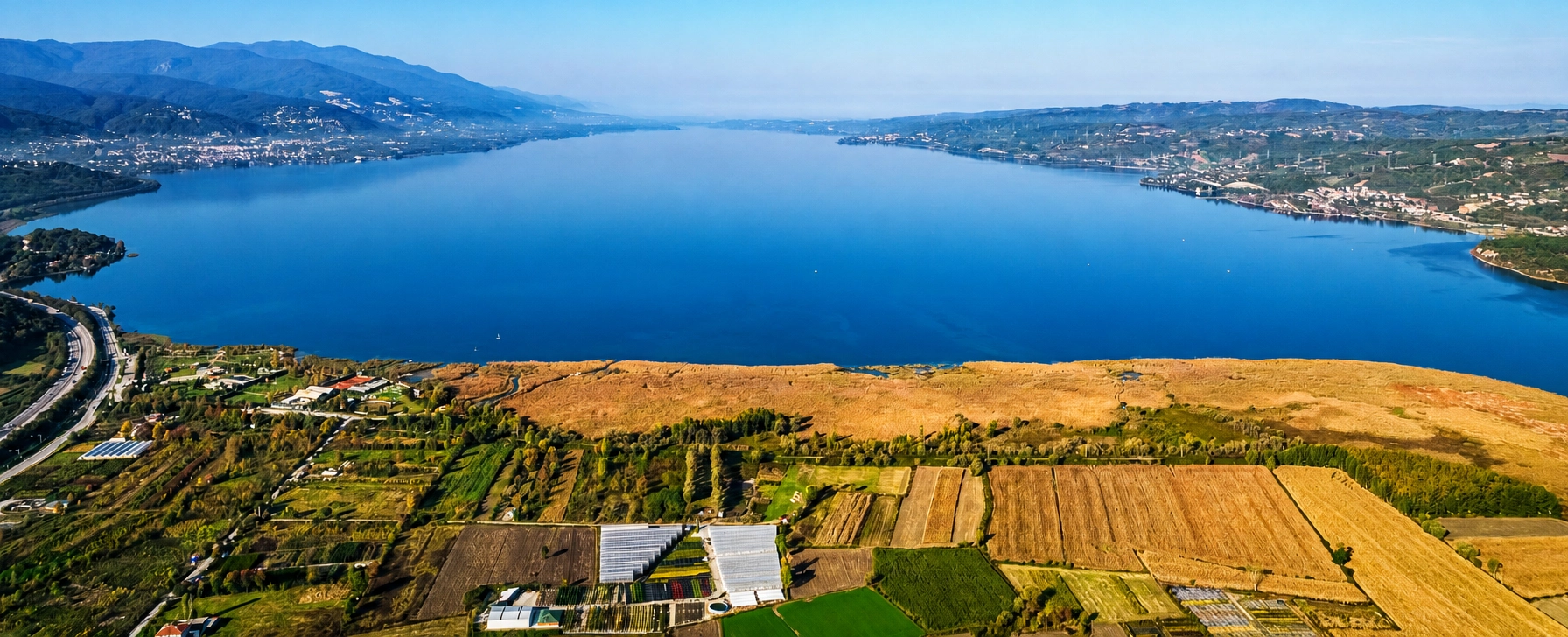
Continue from Sapanca's historic center to its famous freshwater lake for walking, recreation and changing views across the water.
Explore Sapanca Lake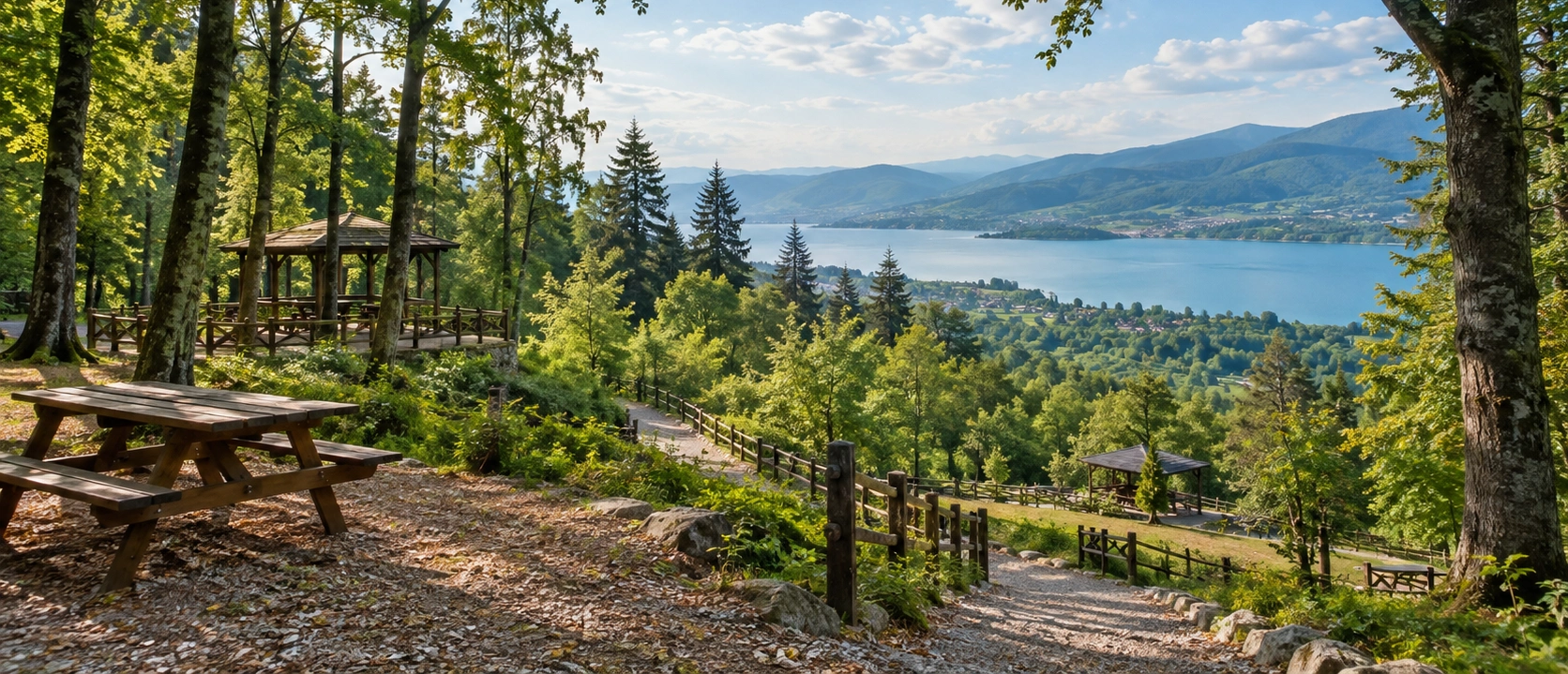
Move from Ottoman heritage into forest scenery with picnic areas, walking opportunities and views across the Sapanca landscape.
Explore İl Ormanı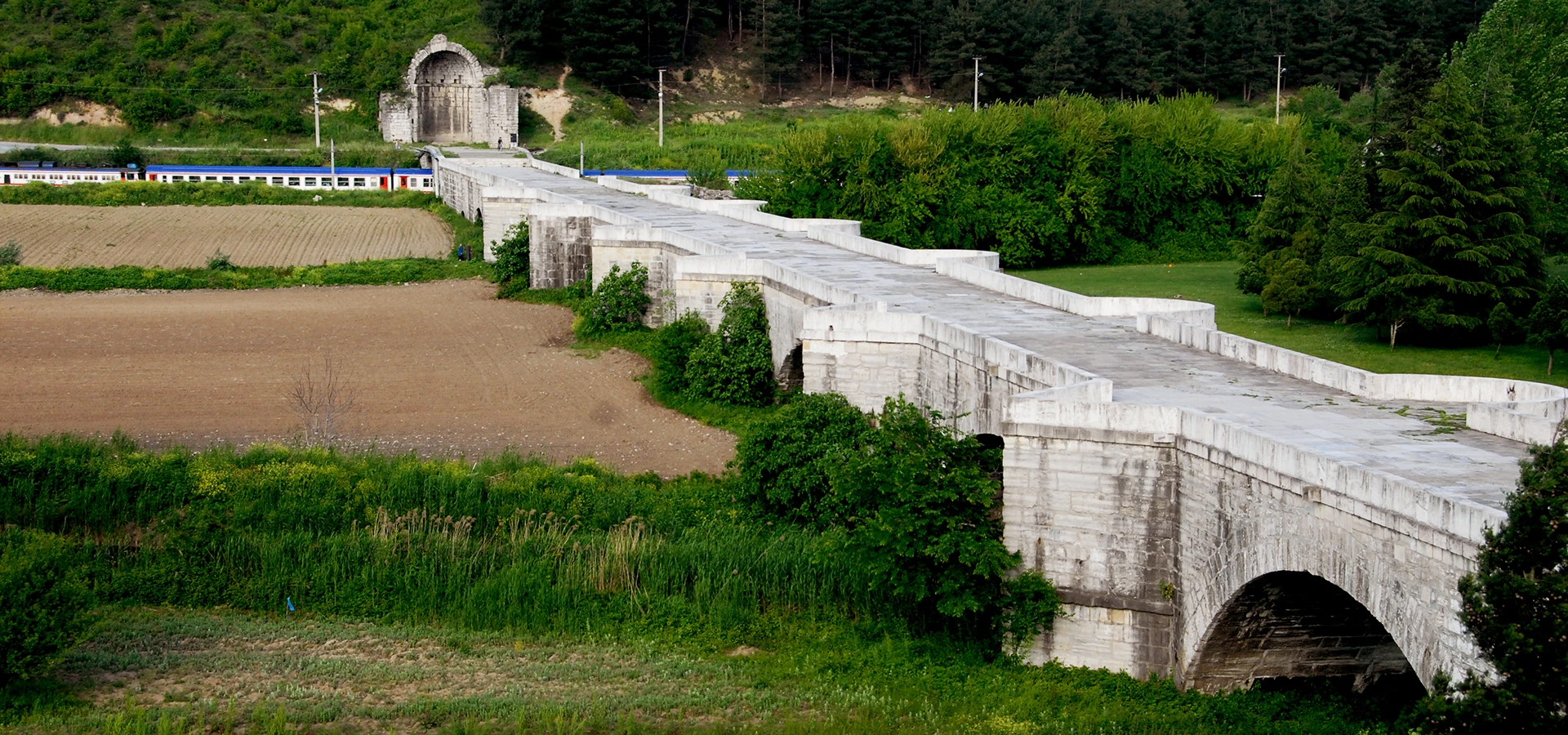
Add one of Sakarya's major early Byzantine monuments and compare different layers of the region's long historical landscape.
Explore the Bridge of Justinian