Private Sapanca Heritage & Lake Experience
Ask us about a tailor-made journey combining Rahime Sultan Mosque, Rüstem Pasha Mosque, Sapanca Lake, İl Ormanı and selected Sakarya stops.
Request a Custom Tour





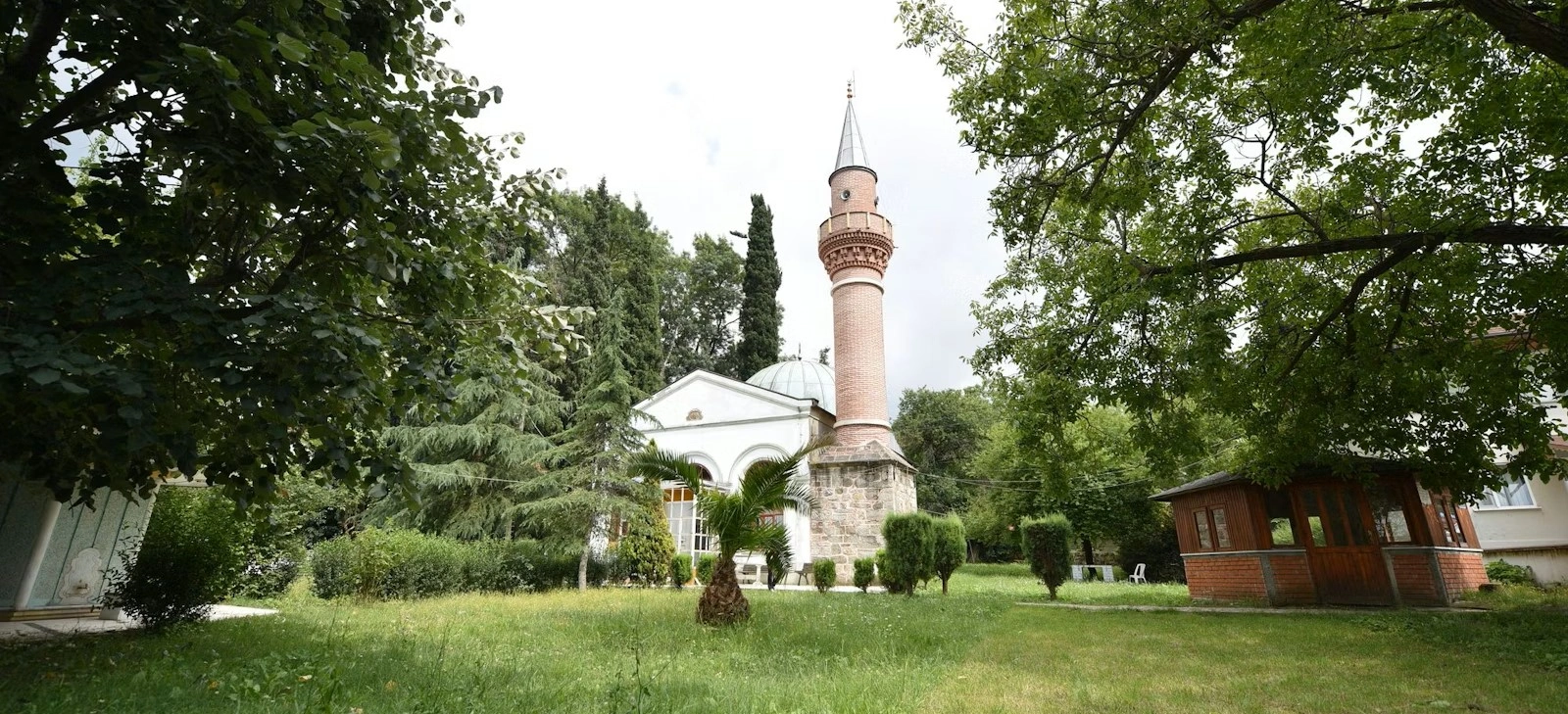
Rahime Sultan Mosque is one of the most distinctive late Ottoman monuments in Sapanca, Sakarya. Standing in Uzunkum Mahallesi, the mosque was commissioned in 1892 by Rahime Perestu Sultan, a consort of Sultan Abdülmecid I and the woman who raised the future Sultan Abdülhamid II after the death of his biological mother.
The mosque belongs to a very different period from Sapanca's famous Rüstem Pasha Mosque. While Rüstem Pasha Mosque recalls the classical Ottoman world of the 16th century, Rahime Sultan Mosque reflects the religious architecture and imperial patronage of the late 19th century.
Official heritage records describe the building as a single-domed mosque constructed with masonry stone and brick. Its façade is especially notable for its arched windows and for the tughra of Sultan Abdülmecid I positioned above the central front window. Inside, several historic components survive, including the mosque's original minbar and traditional calligraphic elements.
The mosque has also lived through major seismic events. It was repaired after the 1967 earthquake, while its minaret was severely damaged and lost during the 17 August 1999 Marmara earthquake before being reconstructed. Later restoration work helped preserve the monument for continued religious use.
Today Rahime Sultan Mosque remains an active place of worship as well as a cultural heritage site. Its combination of imperial history, intimate scale and surviving Ottoman details makes it a rewarding stop for travelers exploring the quieter historical side of Sapanca.
A visit can easily be combined with Sapanca Lake, Rüstem Pasha Mosque and the wider Sapanca district during a half-day or full-day cultural route.
Rahime Sultan Mosque was commissioned during the late Ottoman period and remains one of Sapanca's best-known historic mosques.
The patron was a consort of Sultan Abdülmecid I and the adoptive mother of Sultan Abdülhamid II.
The front façade preserves an important visual link with the Ottoman dynasty through the tughra of Sultan Abdülmecid I.
The mosque is valued for surviving original elements including its minbar and for preserving much of its historic architectural character.
Essential information for understanding and visiting one of Sapanca's most elegant late Ottoman religious monuments.
Uzunkum Mahallesi, Sapanca, Sakarya.
Open on Google MapsActive late Ottoman mosque with important surviving historic architectural details.
1892, during the reign of Sultan Abdülhamid II.
Rahime Perestu Sultan, consort of Sultan Abdülmecid I and adoptive mother of Abdülhamid II.
Single dome, masonry stone-and-brick construction, arched windows, imperial tughra and historic minbar.
Religious and cultural heritage site; respectful sightseeing should take place outside congregational prayer.
The mosque links Sapanca with the Ottoman dynasty, the final decades of the empire and a rare surviving example of late Ottoman religious patronage in the district.
Rahime Sultan Mosque is important because it preserves a direct connection between local Sapanca history and the Ottoman imperial household. Although modest in scale compared with the great imperial mosques of Istanbul, its patronage places it within a much wider story of palace women supporting religious and charitable architecture.
The mosque was commissioned by Rahime Perestu Sultan in 1892. She had been a consort of Sultan Abdülmecid I and later became the adoptive mother of Sultan Abdülhamid II. After Abdülhamid II came to the throne, Perestu Sultan occupied the position associated with the valide sultan and became one of the most senior women of the dynasty.
This makes the building particularly interesting for visitors studying women's architectural patronage in the Ottoman Empire. Mosques, fountains, schools and charitable foundations sponsored by women of the imperial household were important parts of Ottoman urban and social life. Rahime Sultan Mosque is a provincial example of that tradition.
The building also preserves several architectural details that strengthen its heritage value. The tughra of Sultan Abdülmecid I, the original minbar and the historic character of the prayer hall connect the functioning mosque with the imperial world from which it emerged.
Its survival through earthquakes and later restoration adds another layer of meaning. The mosque is not simply a frozen historical monument; it is a living building that has been repaired, reconstructed and continuously used by the local community.
Together with Rüstem Pasha Mosque, Rahime Sultan Mosque helps visitors understand that Sapanca's heritage extends far beyond its lake scenery. The district preserves monuments from very different centuries of Ottoman history.
Rahime Sultan Mosque was built in 1892, during the reign of Sultan Abdülhamid II. By this period, the Ottoman Empire was undergoing major political, social and technological change, while religious and charitable foundations continued to play an important role in communities across Anatolia.
The mosque was commissioned by Rahime Perestu Sultan, whose life connected the reigns of Sultan Abdülmecid I and Sultan Abdülhamid II. She had been part of Abdülmecid's household and later raised the young Abdülhamid after the death of his biological mother.
The choice of Uzunkum in Sapanca placed the foundation within an established settlement corridor east of Istanbul. Sapanca had long been shaped by roads, trade, agriculture and movement between the capital and Anatolia, and its 19th-century mosques reflect the continued development of the district during the empire's final century.
Official cultural heritage records emphasize that the mosque has retained much of its historic character. The building's single dome, front façade, arched windows, minbar and imperial emblem remain central to understanding its architectural identity.
The mosque has nevertheless required intervention over time. Sources record repairs after the 1967 earthquake. During the devastating 17 August 1999 Marmara earthquake, the minaret was badly damaged and was subsequently reconstructed.
More recent conservation work has continued the effort to preserve the mosque while keeping it in active religious use. The result is a monument where original late Ottoman fabric and later restoration coexist.
Rahime Sultan Mosque was constructed in Uzunkum during the reign of Sultan Abdülhamid II.
The mosque was commissioned by a senior woman of the Ottoman dynasty who had raised the future Abdülhamid II.
The mosque underwent repair following the earthquake that affected the region.
The Marmara earthquake severely damaged the minaret, which was later reconstructed.
Important original details, including the minbar, remain part of the mosque's heritage character.
The building continues to function as a neighborhood mosque more than a century after its construction.
Rahime Perestu Sultan was a prominent woman of the 19th-century Ottoman imperial household and a consort of Sultan Abdülmecid I. Her importance in Ottoman history extends beyond her marriage to the sultan.
Perestu Sultan had no biological children of her own, but she became the mother figure to young members of the dynasty who had lost their mothers. Most famously, she raised the future Sultan Abdülhamid II after the death of his biological mother, Tirimüjgan Kadın.
When Abdülhamid II became sultan in 1876, Perestu Sultan was given the senior maternal position associated with the Valide Sultan. She therefore occupied an exceptional place at the Ottoman court during much of Abdülhamid II's reign.
Her foundation in Sapanca belongs to the long Ottoman tradition of female architectural patronage. Women of the dynasty funded mosques, fountains, schools, charitable kitchens and other public works, using architecture both as a religious act and as a lasting form of public service.
Rahime Sultan Mosque is particularly meaningful because it was created far from the monumental imperial center of Istanbul. Its location in Uzunkum shows how the charitable activities of the Ottoman household could reach provincial settlements and become part of everyday local life.
Rahime Perestu Sultan belonged to the imperial household of Sultan Abdülmecid I.
She raised the future Sultan Abdülhamid II after he lost his biological mother as a child.
After Abdülhamid II's accession, she held the senior maternal position at the Ottoman court.
The Sapanca mosque is an enduring example of religious patronage by a woman of the Ottoman dynasty.
One of the most distinctive features of Rahime Sultan Mosque is the Ottoman imperial tughra visible on the front façade. Official heritage descriptions identify it as the tughra of Sultan Abdülmecid I.
A tughra was the highly stylized calligraphic emblem used by an Ottoman sultan. It functioned as a sovereign signature and appeared on official documents, coins, inscriptions and architecture connected with the imperial state or dynasty.
At Rahime Sultan Mosque, the tughra provides an immediate visual connection with the patron's place in the imperial household. Although the mosque was built in 1892, decades after Abdülmecid I's death, the emblem preserves the dynastic association of Rahime Perestu Sultan with his reign.
Visitors interested in Ottoman symbolism should spend time examining the façade before entering. The tughra is not merely decorative: it is one of the most historically informative details on the building.
The tughra was the formal calligraphic signature of an Ottoman sultan.
The emblem is positioned above the central front window, where it becomes a focal point of the exterior.
Heritage records identify the tughra as belonging to Sultan Abdülmecid I.
The emblem reinforces the mosque's connection with the Ottoman imperial household.
Rahime Sultan Mosque is admired for its compact, balanced and relatively restrained architecture. Rather than overwhelming visitors through scale, it reveals its character through proportion, masonry, windows and surviving interior details.
Official descriptions identify the mosque as a single-domed structure built using masonry stone and brick. The dome creates a clear central focus over the prayer hall while the exterior remains modest compared with Istanbul's great imperial complexes.
The front façade is animated by arched windows that bring light into the building and give the mosque one of its most recognizable visual features. The imperial tughra above the central window adds a formal dynastic element to an otherwise simple composition.
Inside, the historic minbar is among the most important surviving components. Official educational and heritage sources also draw attention to framed calligraphic works and other details that contribute to the interior atmosphere.
The minaret seen today should be understood in the context of restoration. The earlier minaret was destroyed or severely damaged in the 1999 Marmara earthquake and was later rebuilt, allowing the mosque's traditional silhouette to be restored.
A single central dome gives the prayer hall its principal architectural form.
The building uses traditional masonry construction with stone and brick.
The front façade is distinguished by large arched openings that bring daylight into the mosque.
The minbar is identified as an original element and is one of the interior's most valuable historic details.
Framed examples of Islamic calligraphy add visual interest to the otherwise restrained prayer hall.
The minaret was rebuilt after damage caused by the 1999 Marmara earthquake.
The history of Rahime Sultan Mosque cannot be separated from the seismic history of the Marmara region. Sapanca lies within an area that has experienced several destructive earthquakes, and the mosque has required repair and conservation as a result.
Historical descriptions record that the mosque underwent repair after the 1967 earthquake. This intervention helped the building continue its role as a functioning place of worship while preserving the main character of the late Ottoman structure.
The most dramatic modern event came with the 17 August 1999 Marmara earthquake. The mosque's minaret was heavily damaged and lost, altering the building's skyline and requiring later reconstruction.
The reconstructed minaret allows visitors to experience the mosque again as a complete religious ensemble, but it is useful to understand which elements represent original 19th-century fabric and which reflect later restoration.
This history makes Rahime Sultan Mosque an instructive example of heritage conservation in an earthquake-prone region. Its value lies not only in untouched material but also in the successful continuation of a historic building after repeated natural disasters.
Sources record repair work following the regional earthquake of 1967.
The devastating earthquake caused major damage to the mosque's minaret.
The damaged minaret was reconstructed after the earthquake.
Important historic features including the minbar and imperial façade details remain central to the monument.
Later restoration work has aimed to protect the mosque while maintaining its religious function.
Repair has enabled the mosque to remain an active part of community life rather than becoming a closed monument.
Look above the central front window for the imperial emblem associated with Sultan Abdülmecid I.
Study the rhythm of the front arched windows and the mosque's restrained late Ottoman exterior.
Step back to appreciate the simple single-domed composition that defines the building's silhouette.
Inside the prayer hall, the surviving minbar is one of the most important original features.
Notice framed Islamic calligraphy and the quiet decorative elements inside the mosque.
The minaret tells the modern story of earthquake damage, reconstruction and the survival of the monument.
Official educational records also note surviving historic features such as floor tiles, a chandelier and balcony elements.
Walk around the mosque grounds and surrounding neighborhood to understand the building as part of a living local community.
A visit to Rahime Sultan Mosque is generally peaceful, intimate and relatively short. The mosque does not function like a museum with displays or ticket counters; its significance is experienced through the building itself and its continuing religious use.
The exterior is best appreciated slowly. Stand in front of the façade to see the arched windows and tughra together, then move around the building to understand the relationship between the dome and minaret.
If the mosque is open and no prayer is taking place, enter quietly. The prayer hall rewards close observation because the most meaningful details are not monumental in scale. The historic minbar, calligraphy and surviving interior features create a strong sense of continuity with the late Ottoman period.
Because the mosque remains active, your experience may change depending on the time of day. Around the five daily prayers and especially Friday noon prayer, the needs of worshippers take priority over sightseeing.
Rahime Sultan Mosque works especially well as part of a broader Sapanca heritage route. Combine it with Rüstem Pasha Mosque and Sapanca Lake to compare different periods of local history within the same day.
Rahime Sultan Mosque is a functioning place of Islamic worship. Visitors are generally welcome when the building is open, but cultural sightseeing should always remain quiet, modest and respectful.
Avoid entering while congregational prayer is underway, especially Friday noon prayer. If worship has begun, wait outside and return after the congregation has finished.
Shoes are removed before stepping onto the carpeted prayer area. Use the entrance storage area where available and keep footwear away from the prayer carpet.
Wear clothing that covers shoulders and knees. Women should be prepared to cover their hair inside the prayer hall; carrying a lightweight scarf is useful when visiting mosques throughout Türkiye.
Keep voices low and phones silent. Do not walk directly in front of someone who is praying, and avoid photographing worshippers closely without permission.
Take off footwear before entering the carpeted prayer area.
Shoulders and knees should be covered; women should be prepared to cover their hair inside.
Visit between prayers whenever possible so worship can continue without disruption.
Use a low voice and silence mobile phones while inside the mosque.
Photograph architecture discreetly and avoid intrusive images of worshippers.
Friday noon is the main weekly congregational prayer and is generally the least suitable time for sightseeing.
Enough for a quick exterior look at the façade, tughra, dome and minaret.
Recommended for most visitors who also want to enter respectfully and observe the historic interior.
Allows time for architectural photography and a quiet walk around the surrounding Uzunkum setting.
Combine the mosque with a walk or drive along the Sapanca Lake area.
Visit Rahime Sultan Mosque, Rüstem Pasha Mosque and Sapanca Lake for a balanced heritage-and-nature itinerary.
Add İl Ormanı Nature Park and other nearby Sakarya attractions.
Rahime Sultan Mosque can be visited throughout the year, subject to access and religious use. Because it is a functioning neighborhood mosque rather than an outdoor archaeological site, seasonal weather has only a limited effect on the visit itself.
For sightseeing, mid-morning is often convenient. There is usually good natural light for the façade and interior, while it is easier to plan around congregational prayer.
Late afternoon can also be attractive, particularly for photography and for visitors continuing toward Sapanca Lake for an evening walk.
Avoid Friday around noon if your main purpose is cultural sightseeing. This is the principal weekly congregational prayer and the mosque should be left to worshippers during the busiest period.
Spring and autumn are especially comfortable for combining the mosque with outdoor exploration around Sapanca. Summer weekends can bring heavier traffic to the district, while winter weekdays are often much quieter.
Comfortable weather makes it easy to combine the mosque with the lake and nearby nature areas.
The mosque is easy to visit, but allow extra travel time on busy Sapanca weekends.
Mild temperatures and softer light make this a rewarding season for heritage photography.
A useful cultural stop during colder or wetter days when long outdoor activities are less appealing.
Often one of the easiest periods for quiet sightseeing between prayer times.
This is the main weekly congregational prayer and should be reserved for worshippers.
Rahime Sultan Mosque is a rewarding subject for travelers interested in architectural detail rather than monumental scale. Its strongest visual features are the arched façade, central dome, slender minaret and imperial tughra.
Begin with a frontal composition that includes the arched windows and tughra. Then move farther back to include the dome and minaret together, showing the full silhouette of the mosque.
Morning and late-afternoon light usually create softer shadows and can reveal the contrast between the pale façade, masonry details and brickwork more clearly than harsh midday sun.
The mosque also works well in vertical compositions, especially when emphasizing the minaret. Closer detail photographs can focus on the tughra, window arches, masonry and surviving interior elements.
Interior photography should always be discreet. Avoid flash around people praying, never interrupt worship for a photograph and ask permission before taking close images of individuals.
Capture the arched windows and imperial emblem in a balanced frontal composition.
Step back far enough to include the mosque's main vertical and curved architectural forms together.
Use a closer frame to document one of the monument's most historically significant exterior features.
The minaret and dome naturally suit vertical travel and social-media compositions.
If access is appropriate, focus on the historic minbar, calligraphy and architectural details rather than worshippers.
Photography should never interfere with prayer or the normal use of the mosque.
Rahime Sultan Mosque is located in Uzunkum Mahallesi, Sapanca, Sakarya. It remains an active mosque rather than a ticketed museum or archaeological attraction.
There is generally no entrance ticket for visiting an active mosque. Sightseeing access depends on the building being open and on religious use at the time of your visit.
Because Islamic prayer times change each day according to sunrise and sunset, there is no single fixed sightseeing schedule that applies throughout the year. Plan your visit between prayers and give priority to the congregation.
A visit does not require special equipment. Modest clothing, comfortable shoes and a scarf for women are the main practical considerations.
Visitors interested in architecture should allow enough time to see both the exterior and interior. The tughra, minbar and other historic elements are central to understanding why the mosque is culturally important.
Rahime Sultan Mosque is located in a developed neighborhood of Sapanca and can be approached by road. This makes the site generally easier to reach than remote rural monuments or natural attractions.
Exact step-free access conditions can depend on the entrance being used, thresholds, temporary arrangements and ongoing maintenance. Visitors with specific mobility requirements should confirm current conditions locally before making a special journey.
The mosque courtyard and surrounding area are relatively compact, so long walking distances are not required for a basic visit. However, curbs, paving surfaces and entrance transitions should still be considered by wheelchair users and visitors with reduced mobility.
Inside the mosque, visitors should follow any designated access route and ensure entrances remain clear for worshippers.
The mosque is reached through the developed Uzunkum neighborhood rather than a remote trail.
A basic exterior and interior visit does not require long walking distances.
Entrance steps or door thresholds may affect wheelchair access.
Visitors with specific mobility needs should confirm current local access conditions.
Curbs and paving around the neighborhood should be considered when approaching the mosque.
Keep entrances, shoe areas and prayer-space circulation clear during your visit.
Rahime Sultan Mosque stands in Uzunkum Mahallesi within the Sapanca district of Sakarya. Its neighborhood location makes it practical to include in a day exploring Sapanca by car or taxi.
For drivers, search for “Rahime Sultan Camii Sapanca” in your navigation application. Parking conditions can vary with prayer times, local traffic, weekends and neighborhood activity, so use legal parking and avoid blocking residential access.
Visitors staying in central Sapanca will generally find car or taxi the easiest way to reach Uzunkum before continuing to other attractions around the lake.
Local public transport may also serve the area, but routes, frequencies and stopping points can change. Check current local services on the day of travel if you are not using a private vehicle.
For a heritage-focused route, consider visiting Rüstem Pasha Mosque in central Sapanca before or after Rahime Sultan Mosque. The two monuments offer a useful comparison between 16th-century and 19th-century Ottoman patronage.
Navigate directly to “Rahime Sultan Camii, Sapanca” and use legal parking nearby.
A practical option from hotels and accommodation around central Sapanca and the lake.
Local services may reach Uzunkum; confirm current routes and stops before travel.
Travel toward Uzunkum and combine the mosque with other eastern Sapanca stops.
Use “Rahime Sultan Camii Sapanca” for the clearest map search.
Allow extra travel time during popular spring and summer weekends around Sapanca Lake.
Begin outside the mosque and take a few minutes to study the front façade. Look for the arched windows and the tughra of Sultan Abdülmecid I before moving around the building to see the dome and minaret together.
If the mosque is open and no prayer is taking place, remove your shoes and enter quietly. Inside, focus on the historic minbar, calligraphic details and the scale of the single-domed prayer hall.
After leaving, spend a little time in the surrounding Uzunkum neighborhood. Seeing the mosque within an ordinary residential setting helps explain its role as a living religious monument rather than a detached museum object.
Continue to Rüstem Pasha Mosque in central Sapanca. Visiting both sites on the same day creates a fascinating comparison between classical Ottoman and late Ottoman religious architecture.
Finish with Sapanca Lake for a waterside walk, café stop or sunset view. With more time, add İl Ormanı Nature Park for forest scenery and a fuller Sapanca experience.
Rahime Sultan Mosque can easily be combined with Ottoman heritage, lake scenery and nearby forest landscapes. See our complete Sakarya visitor guide for more destinations across the province.
Compare Rahime Sultan Mosque with Sapanca's famous 16th-century Ottoman foundation associated with Grand Vizier Rüstem Pasha and Mimar Sinan.
Combine cultural heritage with the natural landmark that defines modern Sapanca, including waterfront walks and changing lake views.
Add protected forest scenery, picnic areas and viewpoints across the wider Sapanca landscape.
Continue toward the eastern side of Sapanca Lake for walking, cycling, picnics and sunset views.
Add a major early Byzantine monument near Adapazarı and explore an entirely different layer of Sakarya's history.
Discover historic towns, mosques, bridges, lakes, forests, wetlands, waterfalls and Black Sea beaches throughout the province.
Rahime Sultan Mosque is located in Uzunkum Mahallesi in Sapanca, Sakarya.
The mosque was built in 1892 during the late Ottoman period.
The mosque was commissioned by Rahime Perestu Sultan, a consort of Sultan Abdülmecid I.
She raised the future Sultan Abdülhamid II after the death of his biological mother and later occupied the senior maternal position at his court.
The front façade carries the tughra of Sultan Abdülmecid I, reinforcing the mosque's connection with the Ottoman imperial household.
A tughra is the stylized calligraphic emblem or signature used by an Ottoman sultan on official documents, coins and monuments.
It is a compact late Ottoman mosque characterized by a single dome, masonry stone-and-brick construction and arched windows.
Yes. Official cultural heritage records identify the mosque's minbar as an original historic element.
Yes. It was repaired after the 1967 earthquake, and its minaret was severely damaged during the 17 August 1999 Marmara earthquake.
Yes. The damaged minaret was reconstructed after the 1999 earthquake.
Yes. It remains an active mosque, so visitors should respect prayer times and the congregation.
There is generally no entrance ticket for visiting an active mosque, although access can be limited during prayer, maintenance or religious events.
Non-Muslim visitors may generally enter when the mosque is open outside prayer periods, provided they follow respectful mosque etiquette.
Yes. Shoes should be removed before entering the carpeted prayer area.
Wear modest clothing covering shoulders and knees. Women should be prepared to cover their hair inside the prayer hall.
Architecture can generally be photographed respectfully, but avoid flash around worshippers and never interrupt prayer for a photograph.
Mid-morning or between prayer periods is usually easiest for sightseeing. Avoid Friday noon prayer if your main purpose is tourism.
Approximately 20–30 minutes is enough for most visitors, while architecture and photography enthusiasts may want longer.
Yes. The mosque is in the Sapanca district and can easily be combined with Sapanca Lake in the same itinerary.
Visit Rüstem Pasha Mosque in central Sapanca to compare late Ottoman architecture with a much earlier 16th-century foundation.
Combine the mosque with Sapanca Lake, İl Ormanı Nature Park and Arifiye Gölbaşı Park.
Give priority to the congregation and avoid sightseeing while prayer is underway.
Use modest clothing suitable for entering an active mosque.
Keep footwear away from the carpeted prayer area and use designated storage where available.
Remember that people may be praying, reading or resting quietly even outside formal prayer times.
Focus on architecture and avoid intrusive images of individuals without permission.
Do not touch, lean on or interfere with the tughra, minbar or other historic architectural features.
Do not block doors, shoe areas or circulation routes used by worshippers.
Park responsibly, keep noise low and remember that the mosque stands within a living residential community.
Combine Rahime Sultan Mosque, Rüstem Pasha Mosque, Sapanca Lake, forest landscapes and Sakarya's historical monuments through a private itinerary designed around your interests.
Mix Ottoman history, neighborhood heritage, lakeside scenery and nearby nature in a flexible private day.
Ask us about a tailor-made journey combining Rahime Sultan Mosque, Rüstem Pasha Mosque, Sapanca Lake, İl Ormanı and selected Sakarya stops.
Request a Custom Tour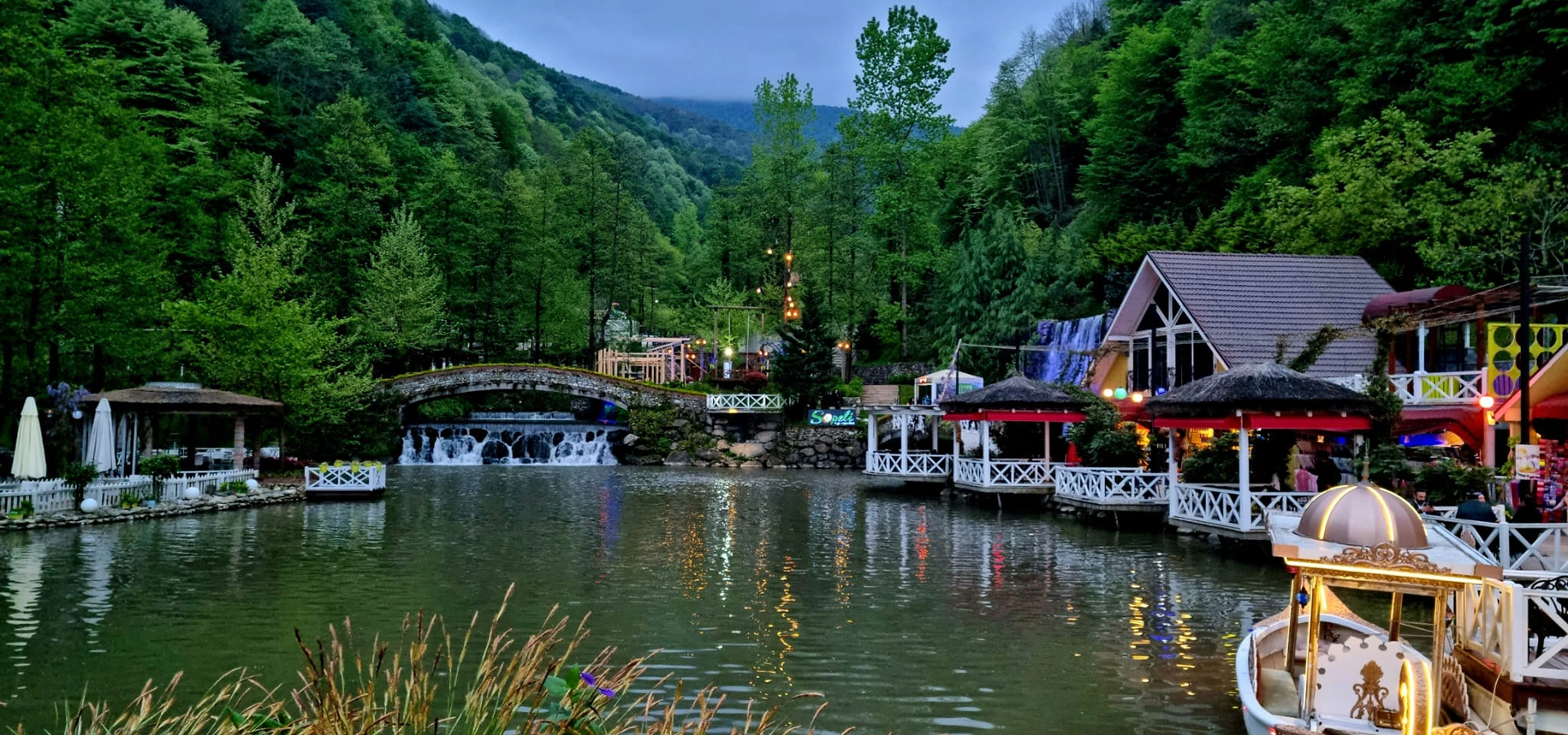
Discover lakes, forests, wetlands, waterfalls, historic towns, Ottoman monuments, museums, bridges and Black Sea beaches throughout Sakarya Province.
View Sakarya GuideConnect Rahime Sultan Mosque with more of Sapanca's Ottoman heritage, lake scenery, forests and regional history.
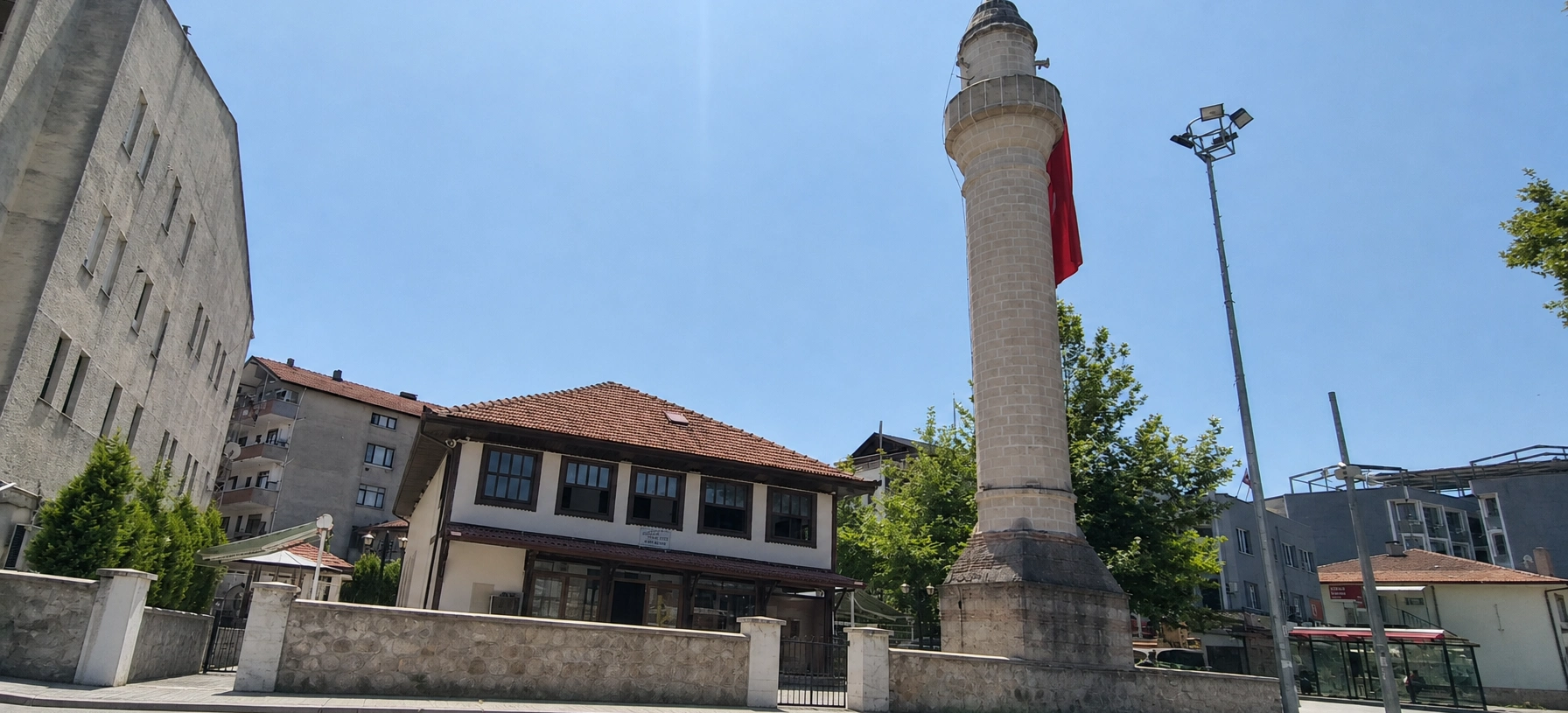
Continue through Sapanca's Ottoman history with the 16th-century foundation associated with Grand Vizier Rüstem Pasha and Mimar Sinan.
Explore Rüstem Pasha Mosque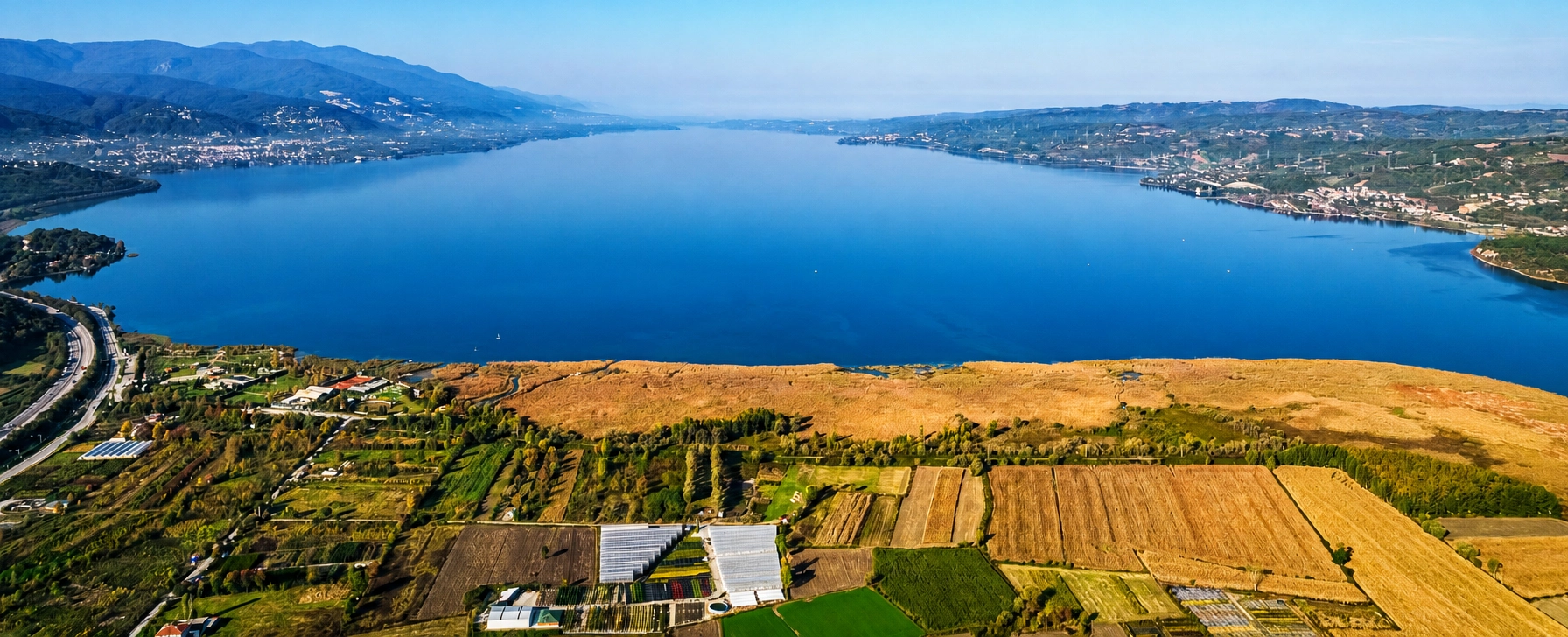
Continue from Ottoman heritage to Sapanca's famous freshwater lake for walking, recreation and changing views across the water.
Explore Sapanca Lake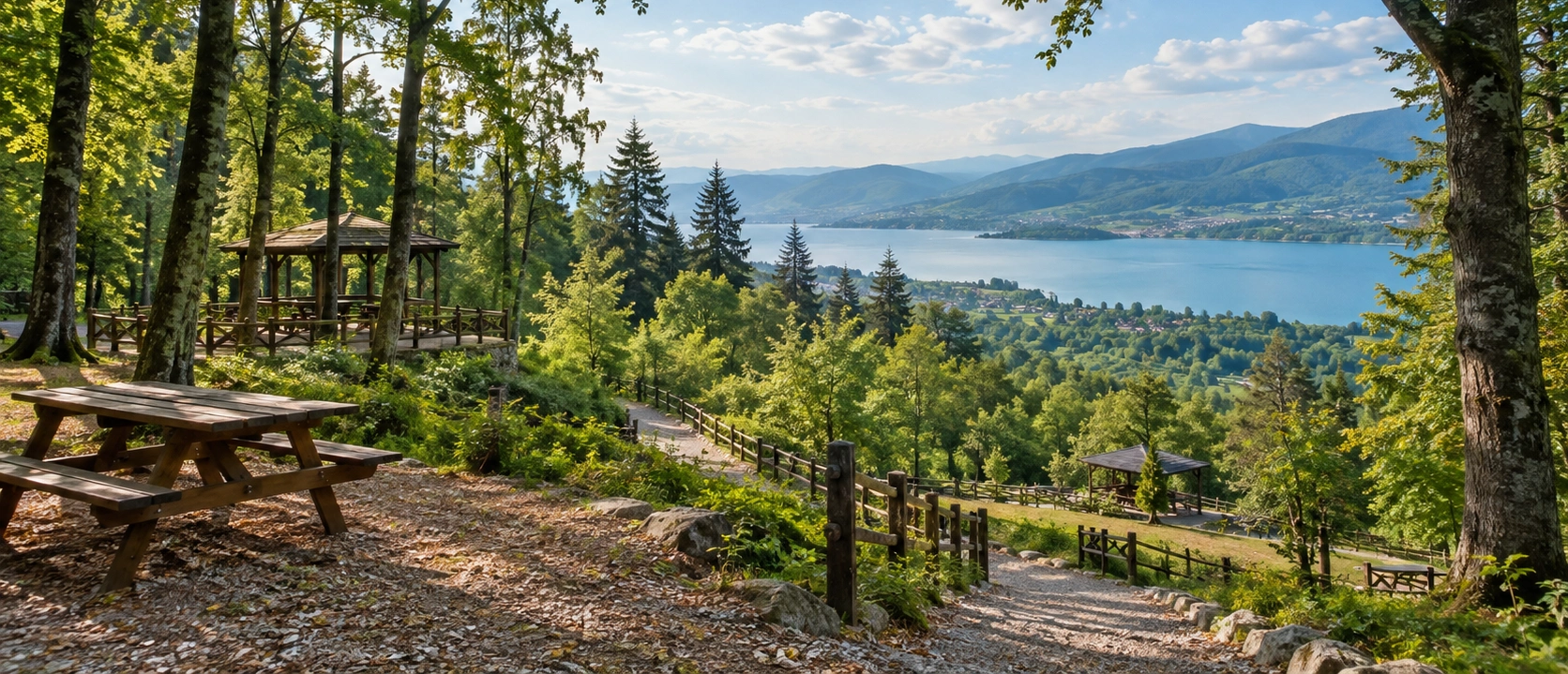
Move from heritage into forest scenery with picnic areas, walking opportunities and views across the Sapanca landscape.
Explore İl Ormanı