Private Pera Museum & Beyoğlu Heritage Experience
Ask us about a tailor-made Istanbul route combining Pera Museum, Osman Hamdi Bey, İstiklal Avenue, historic churches, passages, Galata and the cultural history of Beyoğlu.
Request a Custom Tour




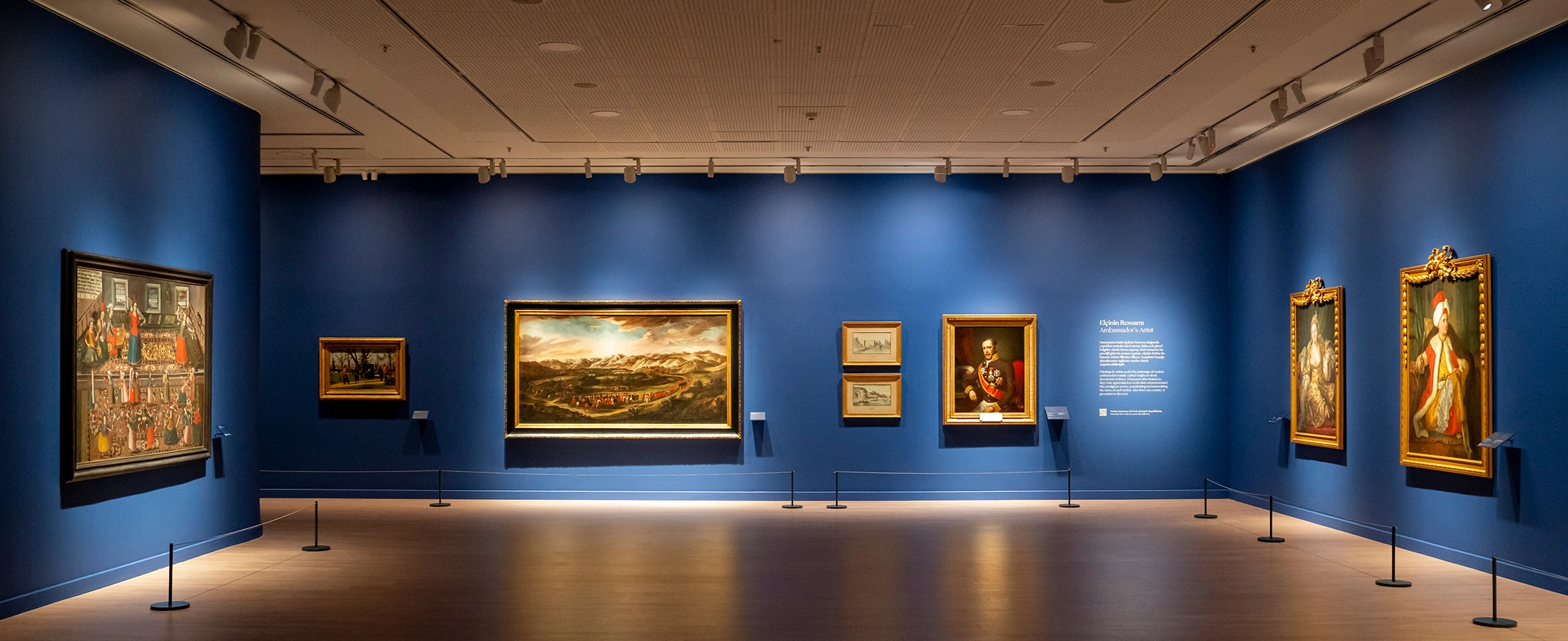
Set on Meşrutiyet Caddesi in Tepebaşı, Beyoğlu, Pera Museum combines a historic late-19th-century building with one of Istanbul's most distinctive private art collections.
The museum opened on 8 June 2005 as a cultural initiative of the Suna and İnan Kıraç Foundation. Its galleries bring together Ottoman painting, ceramics, historic objects, international temporary exhibitions, film programs and educational activities.
The single most famous work is Osman Hamdi Bey's The Tortoise Trainer, one of the best-known paintings in Turkish art history. Yet Pera Museum is much more than one masterpiece.
Its core collections explore Orientalist painting, Kütahya tiles and ceramics, and Anatolian weights and measures, creating an unusual dialogue between fine art, craftsmanship, commerce, technology and everyday life.
The building itself is part of the experience. The museum occupies the site of the former Hôtel Bristol, completed in 1893 and associated with the cosmopolitan hotel culture of historic Pera.
Allow approximately 1.5–2.5 hours for the permanent collection exhibitions and a good selection of temporary galleries. Visitors interested in contemporary art, film or detailed interpretation can easily stay longer.
See Osman Hamdi Bey's celebrated 1906 painting, one of the icons of late Ottoman art.
Explore Ottoman subjects through works by European and Ottoman artists from the 17th to 19th centuries and beyond.
Discover colorful tiles and vessels from one of the Ottoman world's most important ceramic-production centers.
Visit the museum inside a landmark building in Tepebaşı, close to İstiklal Avenue, Galata and the cultural heart of Beyoğlu.
Essential information about Pera Museum, its historic building, Osman Hamdi Bey, the Suna and İnan Kıraç Foundation collections and practical visitor planning.
Meşrutiyet Caddesi No. 65, Tepebaşı, Beyoğlu, Istanbul.
8 June 2005.
Suna and İnan Kıraç Foundation.
Osman Hamdi Bey's The Tortoise Trainer and the Orientalist Painting Collection.
Former Hôtel Bristol, completed in 1893.
Orientalist Paintings, Kütahya Tiles and Ceramics, and Anatolian Weights and Measures.
Approximately 1.5–2.5 hours for most visitors.
M2 Metro to Şişhane, followed by an approximately 10-minute walk.
Pera Museum is important because it brings together late Ottoman visual culture, historic craftsmanship, modern curatorial practice and the cosmopolitan memory of Beyoğlu inside one compact museum.
The first reason to visit is Osman Hamdi Bey. Few museums in Istanbul allow visitors to stand so close to a work as culturally recognizable as The Tortoise Trainer.
The second reason is the Orientalist Painting Collection, which creates a wide visual record of encounters between the Ottoman world and European artists. The collection is especially valuable because it also includes Ottoman painters, allowing visitors to look beyond a simple East-versus-West narrative.
The third reason is the museum's commitment to material culture. Weights, measures, ceramics and tiles reveal histories of trade, domestic life, craftsmanship, technology and daily exchange that are often absent from conventional art museums.
The fourth reason is the museum building itself. Historic Pera was one of the most international districts of late Ottoman Constantinople, filled with hotels, embassies, theatres, restaurants, churches, schools, passageways and European-style apartment buildings. The former Bristol Hotel belongs directly to that urban story.
Finally, Pera Museum is not frozen around its permanent collections. Its temporary exhibitions, Pera Film programs, publications, talks and learning activities connect historic material with modern and contemporary cultural life.
The story of Pera Museum begins with the extraordinary urban development of Pera, the historic district extending around today's Beyoğlu and İstiklal Avenue.
During the 19th century, Pera became one of the most cosmopolitan parts of the Ottoman capital. Foreign embassies, Levantine families, merchants, bankers, travellers and cultural institutions transformed the district into a major center of international life.
The building that would eventually become Pera Museum was originally conceived as Hôtel Bristol. Designed by architect Achille Manoussos, the hotel was completed in 1893.
For decades, the Bristol was counted among the notable hotels of Pera. Its architecture reflected the Europeanized urban character that distinguished the district from many older parts of Istanbul.
The hotel remained in service into the 20th century, but changes in tourism, ownership and the commercial life of Beyoğlu eventually brought its hotel era to an end.
The structure later passed through institutional use and renovation. When the property was transformed into Pera Museum, architect and restorer Sinan Genim redesigned the interior as a modern museum while preserving the historic façade associated with the Bristol Hotel.
Pera Museum officially opened on 8 June 2005 as a project of the Suna and İnan Kıraç Foundation. Since then, it has become one of Istanbul's best-known private museums and a major cultural institution in Beyoğlu.
The Bristol Hotel building is completed in historic Pera.
Achille Manoussos designed the original hotel building.
The hotel changes ownership and eventually ceases operating as a major international hotel.
The museum conversion project is undertaken under architect and restorer Sinan Genim.
Pera Museum officially opens to the public.
The museum combines collection exhibitions, temporary shows, film, education, publishing and cultural events.
To understand the museum, it helps to understand the neighborhood whose name it carries.
Pera was historically the area across the Golden Horn from the old imperial peninsula, centered around Galata, Tepebaşı and the avenue later known as Grande Rue de Péra and today as İstiklal Caddesi.
By the 19th century, this district had become a showcase of late Ottoman cosmopolitan life. European embassies, Catholic and Protestant churches, Greek and Armenian institutions, hotels, theatres, cafés, bookshops and commercial passages stood alongside one another.
Visitors arriving from Europe often encountered this quarter before reaching the older monumental landscape around Sultanahmet. As a result, Pera became one of the principal urban stages on which Istanbul presented itself as both an Ottoman capital and an international metropolis.
The museum's collections fit this setting especially well. Orientalist paintings, European artists, Ottoman painters, ceramics and the Bristol Hotel façade all reflect the cultural exchanges that shaped the district.
Pera Museum is a good example of adaptive reuse: a historic urban building given a new cultural function without losing the architectural identity of its street façade.
The original Bristol Hotel, completed in 1893, was designed by Achille Manoussos within the European architectural language of late Ottoman Pera.
When the building was transformed into a museum, architect Sinan Genim preserved the historic exterior while reorganizing the interior for modern galleries, circulation, climate control, auditorium use and museum services.
The result is deliberately different from visiting an Ottoman palace or a purpose-built modern art museum. From the street, Pera Museum remains part of the dense architectural fabric of Beyoğlu. Inside, the visitor moves through a contemporary exhibition environment.
The museum preserves the memory of one of historic Pera's important late-19th-century hotels.
The historic exterior helps retain the architectural character of Meşrutiyet Caddesi.
The architect and restorer adapted the building for museum use in the early 2000s.
Historic architecture and modern exhibition infrastructure are combined in a single building.
The galleries are arranged across multiple floors, making the museum compact but surprisingly rich.
The building belongs to a wider streetscape of hotels, consulates, passages and institutions in historic Beyoğlu.
Pera Museum presents selections from three major Suna and İnan Kıraç Foundation collections. Together they give the museum an identity very different from a conventional chronological art gallery.
Paintings by European and Ottoman artists exploring the Ottoman world, diplomacy, urban life, costume and cultural encounter.
Decorative and functional ceramics reflecting one of Anatolia's longest and most important traditions of ceramic production.
Thousands of objects related to weighing, measuring length and volume, trade, pharmacy, architecture and everyday exchange.
Changing exhibitions bring international, modern and contemporary artists into dialogue with the museum's historic collections.
Selected objects have also been documented through digital projects and 3D presentations.
Catalogues and research publications extend the collections beyond the physical gallery visit.
The work most visitors come specifically to see is Osman Hamdi Bey's The Tortoise Trainer (Kaplumbağa Terbiyecisi).
Painted in 1906, the composition shows an elderly Ottoman figure in a red robe standing in a richly decorated interior while tortoises gather near his feet.
The scene appears strange, quiet and almost theatrical. The figure carries instruments associated with music, while the tortoises move slowly across the floor.
The painting has inspired many interpretations. It has often been read as a reflection on patience, reform, education, bureaucracy and the difficulty of changing institutions, although viewers should distinguish later symbolic interpretations from what can be firmly documented about Osman Hamdi Bey's own intention.
Its importance also comes from the artist himself. Osman Hamdi Bey was not only a painter, but also an archaeologist, museum director, cultural administrator and major figure in the development of Ottoman museology.
The painting was shown in the Paris Salon of 1906, linking it directly with the international academic art world in which Osman Hamdi Bey had been trained.
Osman Hamdi Bey occupies a special position in the museum because his career connects painting, archaeology, museum history, education and Ottoman modernization.
Born in Istanbul in 1842, he studied in Paris and became deeply familiar with European academic painting. He later developed a highly distinctive body of work centered on Ottoman interiors, figures, architecture, books, costume and historical atmosphere.
Unlike many European Orientalist painters, Osman Hamdi Bey was painting from within Ottoman society. His works therefore complicate simple definitions of Orientalism and make Pera Museum's collection especially interesting.
Beyond art, he became director of the Imperial Museum and played a major role in the development of archaeological heritage protection and museum administration in the Ottoman Empire.
He was also closely associated with the foundation of the School of Fine Arts, helping shape the institutional history of art education in Turkey.
Pera Museum's works allow visitors to approach him not merely as the painter of a single famous image, but as one of the leading intellectual figures of his age.
The Suna and İnan Kıraç Foundation Orientalist Painting Collection is one of Pera Museum's defining collections.
It brings together works by European artists who travelled to, imagined or worked within the Ottoman world, along with paintings by Ottoman artists who participated in the same international artistic networks.
The collection is especially strong for understanding the 17th to 19th-century relationship between Ottoman visual culture and European academic painting.
Subjects include ambassadors, courtly figures, street scenes, architectural interiors, portraits, costume, religious spaces and idealized images of the East.
For modern visitors, the most useful approach is to look critically. Orientalist paintings can preserve valuable details of dress, architecture, objects and social settings, but they can also reflect European fantasies, stereotypes and the expectations of foreign audiences.
Pera Museum's inclusion of Ottoman painters creates a more complex conversation, showing that artistic exchange moved in more than one direction.
One of the strongest themes in Pera Museum's collection exhibitions is the relationship between diplomacy and art.
Foreign ambassadors in Istanbul were not only political representatives. They were also patrons, collectors, commissioners of portraits and participants in the cultural exchange that shaped European ideas about the Ottoman Empire.
Portraits of diplomats, paintings of ceremonies and works commissioned during embassies can reveal the complicated relationship between political representation and visual culture.
These paintings are particularly meaningful in Pera, where foreign embassies and international communities were central to neighborhood life for centuries.
Pera Museum's Kütahya Tiles and Ceramics Collection introduces visitors to one of Anatolia's most important ceramic-production centers.
Kütahya developed a long tradition of pottery and tile production, with especially important Ottoman-period workshops creating plates, bowls, jugs, tiles, vessels and architectural ceramics.
After İznik, Kütahya became one of the Ottoman world's most important centers of ceramic craftsmanship. Its production survived across changing tastes, markets and political periods.
The collection includes examples especially associated with the 18th to 20th centuries, allowing visitors to see how motifs, colors, forms and workshop practices evolved.
Look for floral decoration, religious imagery, figural scenes, inscriptions, geometric designs and distinctive combinations of color.
Temporary or long-term displays may focus on individual masters, workshops or periods, so the exact objects visible during a visit can change.
Kütahya was one of the empire's major centers for both architectural tiles and household ceramics.
Many of the museum's best-known Kütahya pieces belong to the later Ottoman and early modern periods.
The collection ranges from functional vessels to highly decorative works intended to impress.
Different makers and communities adapted established traditions to new markets and visual tastes.
At first glance, weights and measuring devices may sound less dramatic than paintings. In practice, this is one of the museum's most intellectually rewarding collections.
The Anatolian Weights and Measures Collection contains nearly 10,000 objects spanning civilizations and periods from prehistory through the Classical world, Byzantine and Islamic eras, the Ottoman period and the early Republic.
The collection includes objects used to measure weight, length and volume in fields ranging from trade and taxation to architecture, jewellery, shipping, pharmacy and agriculture.
A standard weight may look small, but it represents something enormous: the need for societies to agree on trust, value, exchange and accuracy.
The galleries can therefore be read as a history of commerce and technology as much as a history of objects. They show how measurement systems changed, overlapped and eventually gave way to modern metric standards.
Standardized weights made markets and taxation possible across cities and regions.
Small and precise measures were essential wherever controlled quantities mattered.
Systems of length and proportion shaped construction long before modern standardized tools.
Measures used for food, liquids and household exchange reveal the practical side of economic history.
Official marks and standards reveal the role of governments in regulating commerce.
The collection helps explain the long shift from regional systems toward standardized modern measurement.
One of the reasons Pera Museum rewards repeat visits is its program of temporary exhibitions.
Over the years, the museum has worked with major institutions, artists, curators and international collections to present exhibitions ranging from historic art and photography to modernism, contemporary art, design and visual culture.
The temporary galleries often occupy upper floors, while the foundation collections are shown in long-term or rotating displays below.
This means the character of a visit can change dramatically from one season to another. A visitor may encounter painting on one trip, photography on the next, and an installation-based contemporary exhibition several months later.
Pera Museum is also home to Pera Film, a film and video program that extends the museum's cultural life beyond gallery exhibitions.
Programs can include classic cinema, independent films, experimental work, animation, documentaries, short films and video art.
Screenings often connect with temporary exhibitions or wider cultural themes, making the auditorium an important part of the museum rather than a separate entertainment space.
Pera Film also collaborates with festivals, cultural institutions and special programs, so schedules vary throughout the year.
If a screening coincides with your visit, it can turn a standard museum stop into a much longer cultural afternoon or evening in Beyoğlu.
Pera Museum includes a café designed with an Art Deco atmosphere that refers to the building's earlier identity as the Bristol Hotel.
It is a useful place to pause before or after the galleries, especially if you are combining the museum with a longer walk through Beyoğlu.
The museum also has an Artshop selling publications, catalogues, museum-related products and design objects.
For visitors who want to understand the collection in greater depth, the publication selection can be especially valuable because Pera Museum has produced extensive catalogues on Osman Hamdi Bey, Orientalist painting, Kütahya ceramics and Anatolian weights and measures.
Begin with Osman Hamdi Bey's most celebrated painting and give it more time than a quick photograph.
Look beyond the famous masterpiece to understand the artist as painter, intellectual and museum pioneer.
Compare European images of the Ottoman world with paintings by Ottoman artists.
Explore the relationship between diplomacy, portraiture and cultural exchange.
Study color, form, inscriptions and workshop traditions in one of Anatolia's great ceramic centers.
Use small everyday objects to understand trade, regulation and technology across centuries.
Check the upper galleries for changing international, modern or contemporary exhibitions.
See whether a screening or film program coincides with your museum visit.
Step across the street before entering and look carefully at the former Bristol Hotel exterior.
Take a break in a space that deliberately references the building's hotel history.
Browse collection catalogues and exhibition publications for deeper historical context.
Continue the museum experience into the streets of Tepebaşı, İstiklal Avenue and Galata.
Begin by checking which temporary exhibitions are open on the day of your visit. This determines how much time you should reserve for the upper floors.
Then establish the museum's identity through its collection exhibitions. Start with the Orientalist painting galleries and spend proper time with Osman Hamdi Bey.
Pause at The Tortoise Trainer and study it as a painting rather than only as a famous cultural icon. Read the label, look at the room, costume and figures, then compare it with Osman Hamdi Bey's other works.
Continue into the Kütahya ceramics and notice how color, craftsmanship and everyday function create a completely different kind of visual experience.
Move next into Anatolian weights and measures. These displays are strongest when viewed as a history of commerce, technology and social organization rather than merely as rows of small objects.
Finish with the temporary exhibitions and, if your timing works, a Pera Film screening, the Artshop or Pera Café.
Pera Museum is located at Meşrutiyet Caddesi No. 65, 34430 Tepebaşı, Beyoğlu, Istanbul.
The museum's current official visiting hours are Tuesday–Saturday 10:00–19:00. On Fridays, the museum remains open until 22:00.
On Sundays, current visiting hours are 12:00–18:00. The museum is closed on Mondays.
The official museum website currently lists standard adult admission at 300 TL, concession admission at 150 TL, and group admission at 200 TL per person for groups of at least 10.
The museum currently offers two especially useful free-admission periods: Long Fridays, when admission is free from 18:00 to 22:00, and Young Wednesdays, when students may visit the museum free of charge.
The museum is also currently closed on New Year's Day and the first day of religious holidays.
The museum is currently closed on Mondays.
Add more time if a major temporary exhibition is open or if you plan to attend Pera Film.
The temporary program changes regularly and can become the largest part of a visit.
Do not reduce The Tortoise Trainer to a quick photo stop.
Friday evening currently offers free admission from 18:00 to 22:00.
Students currently receive free museum admission on Wednesdays.
The museum is ideally placed for a wider Beyoğlu walking route.
Collection catalogues are useful if Osman Hamdi Bey or Ottoman art is a serious interest.
A strong choice for a quieter visit immediately after the Monday closure.
Best for careful viewing of Osman Hamdi Bey and the collection galleries before Beyoğlu becomes busier.
Especially useful for students because the museum currently offers free admission to students.
Current Long Friday hours combine free entry after 18:00 with late opening until 22:00.
One of the best indoor cultural choices around İstiklal Avenue and Beyoğlu.
Ideal for combining a major museum with cafés, churches, passages and indoor attractions in Beyoğlu.
Enough only for Osman Hamdi Bey, The Tortoise Trainer and a quick look at one other collection.
A fast visit for travelers focused primarily on the most famous collection highlights.
A good minimum for the three core collection areas without a detailed temporary exhibition visit.
Ideal for most visitors who want to understand the permanent collection exhibitions properly.
Recommended when a strong temporary exhibition is open or if you enjoy reading labels and catalog material carefully.
Combine the museum with İstiklal Avenue, St. Anthony of Padua Church, Çiçek Pasajı and Galata.
Yes, especially for families who prefer a compact museum rather than a very large archaeological or palace complex.
The strongest family-friendly subjects are The Tortoise Trainer, colorful Kütahya ceramics and unusual weights and measuring devices.
Younger children may not follow the historical debate around Orientalism, but they can still respond to costume, animals, bright ceramic patterns, portraits and the visual puzzle of unfamiliar objects.
Older children and teenagers can use the museum to explore larger questions: Why do artists portray other cultures in particular ways? How did people measure before modern standardized systems? Why did the Ottoman Empire send and receive ambassadors? What makes a painting famous?
Pera Museum offers strong photographic subjects, but the exact rules can vary by gallery, temporary exhibition, artwork and equipment type.
The most photographed work is naturally The Tortoise Trainer, but visitors should always follow the current signs and staff instructions around individual artworks.
The Kütahya galleries provide excellent close-up compositions through color, pattern, glaze and repeated ceramic forms.
Outside, the preserved Bristol Hotel façade is one of the most important visual subjects. A wider street view helps communicate the relationship between the building and the dense architecture of Tepebaşı.
Tripods, flash, professional photography or video equipment may be restricted, particularly in temporary exhibitions where lending institutions can impose separate conditions.
Osman Hamdi Bey's The Tortoise Trainer, subject to current gallery rules.
Kütahya ceramic patterns, inscriptions and glazed surfaces.
The former Bristol Hotel façade on Meşrutiyet Caddesi.
Street photography around Tepebaşı showing the museum within historic Beyoğlu.
Photography conditions may differ from the collection galleries.
Follow museum signs and staff instructions before using flash, tripods, professional cameras or video equipment.
Pera Museum states that the building is accessible to wheelchair users and visitors who need to avoid stairs.
Elevators are available throughout the building, making the multi-floor museum easier to navigate than many older historic sites in Istanbul.
The museum also lists wheelchair-accessible restrooms.
Current admission policy provides free admission for disabled visitors and one companion.
Because temporary exhibition construction or special events can occasionally affect circulation, visitors who require a fully confirmed step-free route may still wish to verify conditions shortly before arrival.
Pera Museum stands on Meşrutiyet Caddesi in Tepebaşı, only a short walk from İstiklal Avenue and close to the Şişhane end of Beyoğlu.
The easiest rail connection is usually the M2 Metro to Şişhane. The museum's official visitor information recommends using the Meşrutiyet Caddesi exit; from there, the walk is approximately 10 minutes.
From Taksim Square, you can walk along İstiklal Avenue toward Galatasaray and Tepebaşı, then turn toward Meşrutiyet Caddesi.
From the historic peninsula, one practical route is to take the T1 tram to Karaköy, use the historic Tünel funicular to Beyoğlu and continue on foot. Another option is to connect to the M2 Metro system.
The nearest bus stop is Tepebaşı-Beyoğlu on Tarlabaşı Boulevard, approximately five minutes from the museum according to the official visitor information.
Take the M2 line to Şişhane and walk approximately 10 minutes via Meşrutiyet Caddesi.
Walk down İstiklal Avenue toward Tepebaşı or use the M2 Metro one stop to Şişhane.
Use the historic Tünel funicular, then continue through Beyoğlu on foot.
Use services stopping around Tepebaşı-Beyoğlu on Tarlabaşı Boulevard.
Ask for Pera Müzesi, Meşrutiyet Caddesi, Tepebaşı; traffic can be heavy around Beyoğlu.
The official museum information identifies the İSPARK facility at Beyoğlu Tepebaşı as the nearest parking option.
Begin at Pera Museum in the morning and allow approximately 1.5–2 hours. See Osman Hamdi Bey first, then explore the ceramics, weights and measures and any temporary exhibitions that interest you.
After leaving the museum, walk toward St. Anthony of Padua Church on İstiklal Avenue. The church adds another layer to the multicultural history of Pera.
Continue along İstiklal to Çiçek Pasajı, one of Beyoğlu's most recognizable historic passageways.
From there, walk downhill toward Galata Mevlevi Museum and continue into Galata and Karaköy.
This route works especially well because it follows the cultural geography of historic Pera: art, religion, entertainment, commerce, European-style architecture and international urban life.
Walk one of Istanbul's most famous pedestrian streets, lined with passages, churches, consulates and historic buildings.
Visit Istanbul's largest Roman Catholic church only a short walk from the museum.
See one of Beyoğlu's best-known historic arcades and experience the social atmosphere of İstiklal Avenue.
Explore the history of the Mevlevi tradition in one of the most important historic institutions near Şişhane.
Continue toward Taksim to see another major Christian monument in the historic Beyoğlu landscape.
Walk downhill into historic streets filled with architecture, cafés, galleries and connections to the old port.
Continue toward one of Istanbul's defining landmarks and panoramic viewpoints.
Located close to Pera Museum and connected with research on Istanbul, history and cultural heritage.
Pera Museum is located at Meşrutiyet Caddesi No. 65, Tepebaşı, Beyoğlu, Istanbul, close to İstiklal Avenue and Şişhane.
The museum opened on 8 June 2005.
Pera Museum was founded by the Suna and İnan Kıraç Foundation.
The site is associated with the former Hôtel Bristol, a major hotel of historic Pera completed in 1893.
The original hotel building was designed by architect Achille Manoussos.
Architect and restorer Sinan Genim adapted the building as a modern museum while preserving its historic façade.
It is especially famous for Osman Hamdi Bey's The Tortoise Trainer and for the Suna and İnan Kıraç Foundation's Orientalist Painting Collection.
Yes. The museum displays Osman Hamdi Bey's celebrated 1906 The Tortoise Trainer as part of the Orientalist Painting Collection.
Osman Hamdi Bey was an Ottoman painter, archaeologist, museum director and cultural administrator who became one of the defining intellectual figures of the late Ottoman period.
The three principal foundation collections are Orientalist Paintings, Anatolian Weights and Measures, and Kütahya Tiles and Ceramics.
Yes. The museum regularly hosts temporary exhibitions that can include modern and contemporary art, photography, design and international projects.
Pera Film is the museum's film and video program, presenting screenings ranging from classic and independent cinema to documentaries, animation, short films, experimental work and video art.
Current official hours are Tuesday–Saturday 10:00–19:00, Friday 10:00–22:00 and Sunday 12:00–18:00. Always verify before travel.
The museum is currently closed on Mondays.
At the time of writing, the official museum website lists 300 TL adult admission, 150 TL concession admission and 200 TL group admission per person for groups of at least 10.
The museum currently offers Long Fridays, with free admission from 18:00 to 22:00 every Friday.
Students currently receive free admission every Wednesday under the museum's Young Wednesday program.
Allow approximately 1.5–2.5 hours. Add more time for a major temporary exhibition or a Pera Film screening.
Yes. The museum is in Tepebaşı, only a short walk from İstiklal Avenue.
Şişhane on the M2 Metro line is the most convenient station for most visitors.
The museum's official visitor information describes the walk from the Meşrutiyet Caddesi exit as approximately 10 minutes.
Yes. Pera Museum, Şişhane, Galata and Karaköy create an excellent half-day walking route.
Yes. The manageable museum size, The Tortoise Trainer, colorful ceramics and unusual weights and measures can work especially well for families.
Yes. The museum states that it is accessible to wheelchair users, has elevators throughout the building and provides wheelchair-accessible restrooms.
Yes. Pera Café offers visitors a place to rest and is designed with references to the building's former life as the Bristol Hotel.
Yes. The Artshop sells museum publications, catalogues and specially designed products.
Photography rules can vary by gallery, temporary exhibition and equipment type. Follow current museum signs and staff instructions, especially for flash, tripods, professional photography and video.
Absolutely. It is one of Istanbul's strongest compact museums, particularly for visitors interested in Osman Hamdi Bey, Ottoman painting, Orientalism, ceramics, historic Beyoğlu, design, film and cultural history.
Paintings, ceramics and historic objects can be damaged by even brief physical contact.
Distance protects both fragile objects and the viewing experience of other visitors.
Temporary exhibitions can have different restrictions from the permanent collection galleries.
Paintings, paper and other light-sensitive materials require controlled conservation conditions.
The galleries are relatively compact, so noise carries easily between exhibition spaces.
Orientalist art benefits from historical context; look at who made an image, for whom and under what circumstances.
Connect Pera Museum with Osman Hamdi Bey, historic Pera, İstiklal Avenue, churches, passages, Galata, Karaköy, Ottoman cultural history and Istanbul's extraordinary artistic heritage through a private route shaped around your interests and without compulsory shopping stops.
Choose a private Istanbul route focused on Ottoman painting, Osman Hamdi Bey, religious diversity, 19th-century architecture, historic passages, Galata and the cosmopolitan world of old Pera.
Ask us about a tailor-made Istanbul route combining Pera Museum, Osman Hamdi Bey, İstiklal Avenue, historic churches, passages, Galata and the cultural history of Beyoğlu.
Request a Custom Tour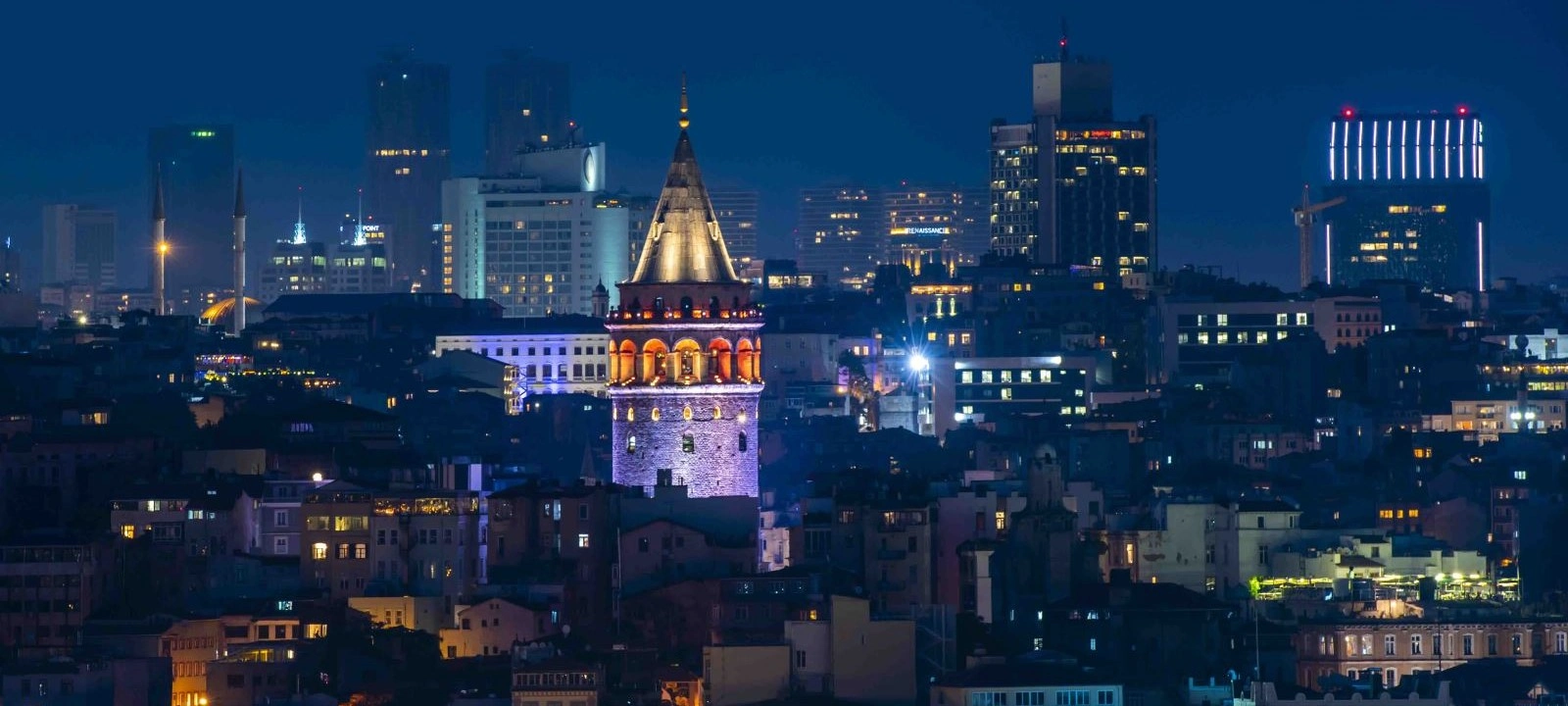
Continue downhill from Pera into the historic streets of Galata and Karaköy, where trade, religion, architecture and port culture shaped another side of cosmopolitan Istanbul.
Explore Galata & KaraköyExtend the route through İstiklal Avenue, historic churches and the famous passages that preserve the social and architectural memory of old Pera.
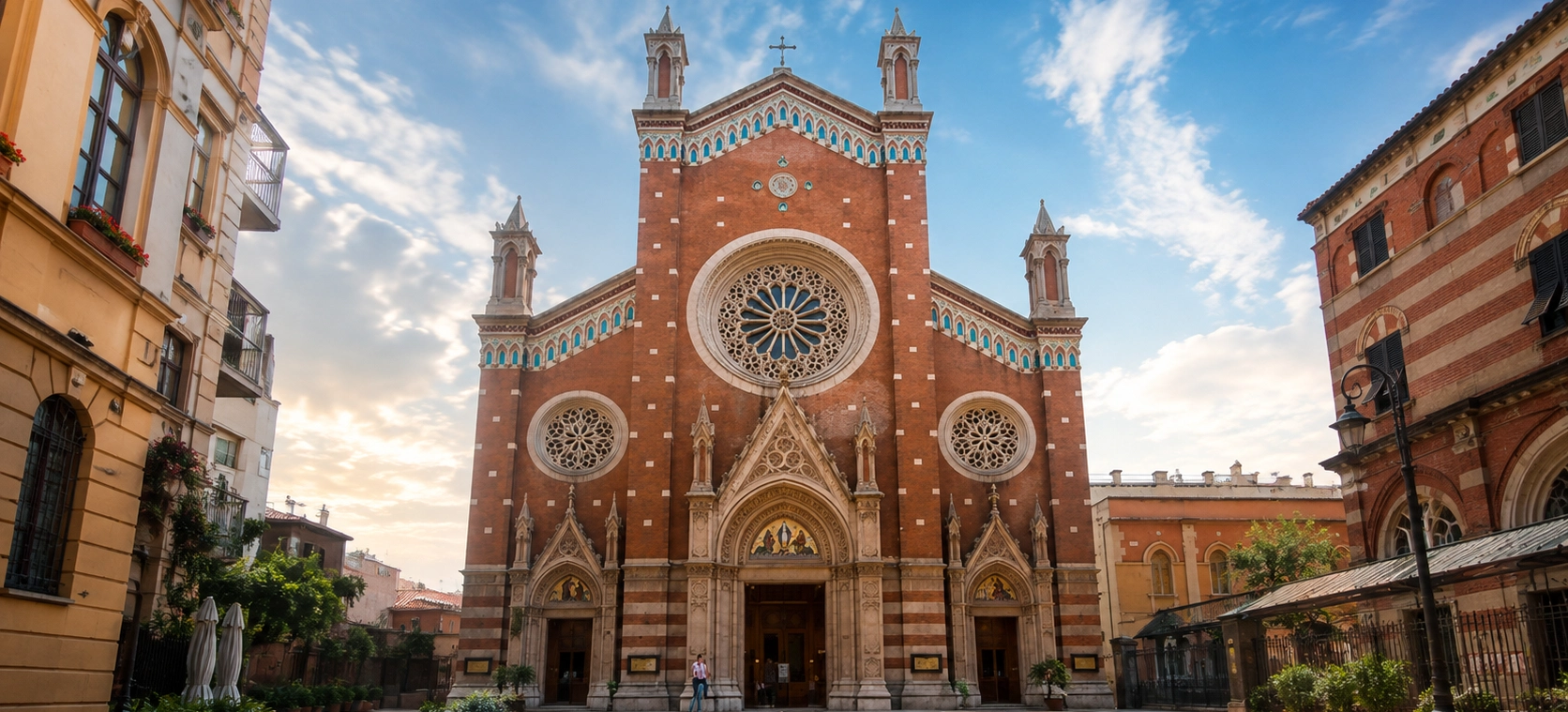
Continue the multicultural story of Pera at Istanbul's largest Roman Catholic church, only a short walk from the museum.
Explore St. Anthony Church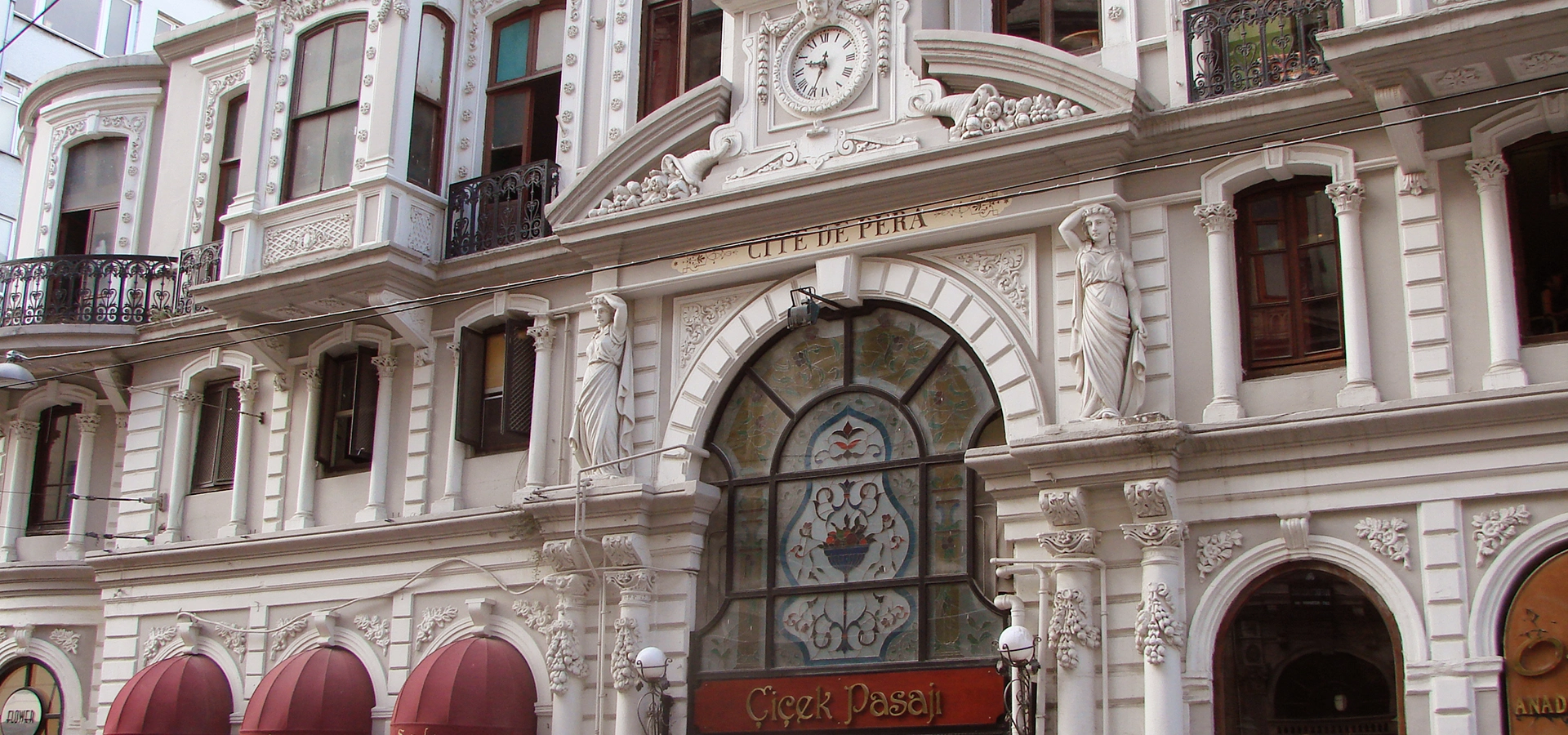
Walk through one of Beyoğlu's most famous historic arcades and continue the story of entertainment, restaurants, architecture and urban life around İstiklal Avenue.
Explore Çiçek Pasajı
Create a private Istanbul itinerary around Ottoman history, Byzantine Constantinople, art museums, religious monuments, historic neighborhoods, Bosphorus architecture and hidden corners of the city.
View Private Istanbul Tours