The Fragrant Summer Fruit of Sakarya

Pamukova Melon – Complete Food & Travel Guide

Discover Pamukova’s famous fragrant melon,
its sweet flavour, fertile growing landscape, summer harvest, and protected geographical identity.

Discover Pamukova Melon

Discover Pamukova Melon – Sakarya’s Fragrant Summer Treasure

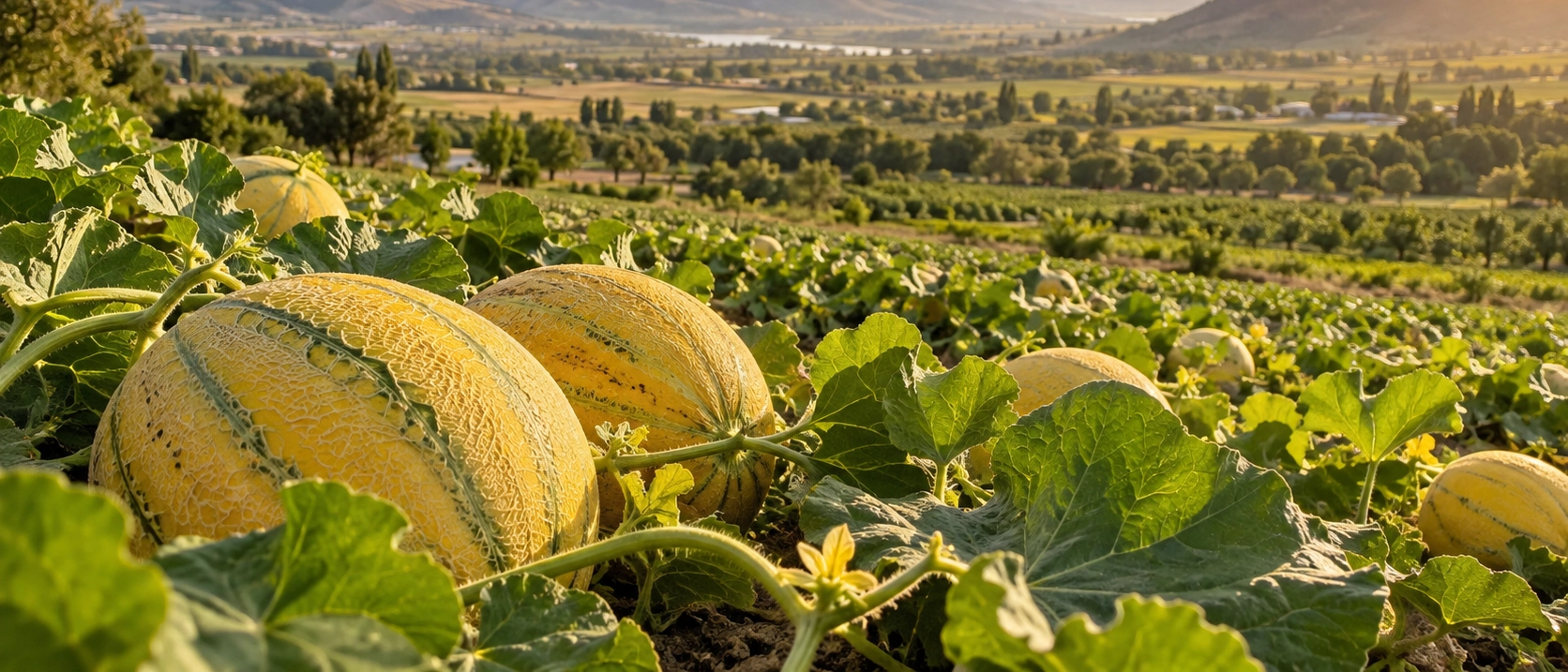
Pamukova Melon, known in Turkish as Pamukova Kavunu, is one of the distinctive agricultural products of Pamukova district in southern Sakarya Province. Famous locally as “kokulu kavun”, meaning fragrant melon, it is appreciated for its characteristic aroma, sweet flavour, juicy flesh and thin yellow skin.

The melon grows in the fertile agricultural landscape surrounding Pamukova, a broad valley associated with the Sakarya River. The district combines productive clay-loam and loamy soils with a mild transitional climate influenced by both the Marmara and Black Sea regions.

Pamukova Kavunu is also a registered geographical indication of Türkiye. Its protected origin status recognises the connection between the melon, Pamukova’s environmental conditions and the traditional methods used by local growers.

This complete guide explores the melon’s distinctive appearance, geographical indication, growing conditions, planting and harvest calendar, taste, agricultural traditions, buying tips, serving ideas, photography opportunities, nearby attractions and the best time to experience Pamukova during melon season.

Fragrant Aroma

Pamukova Melon is so closely associated with its characteristic scent that local people commonly call it “kokulu kavun”.

Sweet & Juicy

The flesh is juicy, fleshy and naturally sweet, making ripe Pamukova melon an ideal summer fruit.

Thin Yellow Skin

Mature fruit develops yellow skin with distinctive greenish veins and a relatively thin rind.

Protected Local Product

Pamukova Kavunu is registered in Türkiye as a geographical indication with registration number 810.

Know Before You Taste

Pamukova Melon – Quick Facts

Essential information about one of Pamukova’s best-known traditional agricultural products.

📍

Origin

Pamukova district in southern Sakarya Province, within the productive Sakarya River valley.

Open Pamukova on Google Maps
🍈

Fruit

Medium-sized melon with thin yellow skin, juicy flesh, abundant seeds and a strong characteristic fragrance.

📅

Harvest Season

The main harvest generally begins around mid-July and continues until approximately mid-August.

🏅

Geographical Indication

Registered as Pamukova Kavunu with Turkish geographical-indication registration number 810.


Fruit of the Pamukova Valley

The Agricultural Tradition Behind Pamukova Melon

Discover how Pamukova’s fertile valley landscape helped create one of Sakarya’s distinctive summer fruits.

Pamukova lies in southern Sakarya Province within a fertile valley shaped by the Sakarya River and surrounded by hills and mountains. Agriculture has long been one of the defining characteristics of this landscape, with orchards, vegetable fields and seasonal crops occupying much of the surrounding countryside.

Melon production became particularly associated with the district because the local combination of fertile soils, summer warmth, water availability and traditional farming knowledge provides suitable conditions for growing aromatic fruit.

Pamukova Melon is an annual crop. Its creeping stems spread across the agricultural soil during late spring and early summer before the developing melons gradually increase in size beneath broad green leaves.

By July, the fields begin to reveal the fruit’s characteristic summer colours. As maturity approaches, the skin turns increasingly yellow, its greenish veins become clearer and the melon develops the powerful fragrance for which it is locally famous.

The crop requires careful attention throughout its growing period. Soil preparation, planting depth, spacing, irrigation, weed control, pollination and correct harvest timing can all influence the final quality of the melon.

This strong connection between the crop, the environment of Pamukova and local production methods ultimately resulted in Pamukova Kavunu receiving protected geographical-indication status in Türkiye.


What Makes It Special

Distinctive Characteristics of Pamukova Melon

Pamukova Melon is recognised for a distinctive combination of fragrance, sweetness, juiciness, colour and appearance.

Powerful Natural Aroma

Perhaps the most memorable quality of Pamukova Melon is its fragrance. The aroma becomes particularly noticeable as the fruit reaches full maturity.

  • Local name: Kokulu kavun
  • Meaning: Fragrant melon
  • Strongest: When properly ripe

Yellow Skin

As the melon ripens, its skin changes toward a characteristic yellow colour while its natural veins become increasingly visible.

  • Mature colour: Yellow
  • Veins: Green to yellow-green
  • Surface: Generally smooth

Thin Rind

Pamukova Melon is particularly recognised for its relatively thin rind, one of the physical characteristics described in its geographical-indication specification.

  • Rind: Thin
  • Approximate thickness: 1–2.5 mm
  • Surface: Lightly hairy before full maturity

Juicy Flesh

Beneath the thin rind is fleshy, juicy melon flesh particularly refreshing during Pamukova’s warm summer harvest season.

  • Texture: Fleshy
  • Character: Juicy
  • Best enjoyed: Fresh and ripe

Sweet Summer Flavour

Properly matured Pamukova Melon develops a naturally sweet flavour accompanied by its characteristic perfume.

  • Taste: Sweet
  • Profile: Fresh and aromatic
  • Season: Summer

Light-Coloured Flesh

When cut open, Pamukova Melon typically reveals flesh ranging from greenish white to pale yellow.

  • Flesh colour: Greenish white to light yellow
  • Texture: Moist and fleshy
  • Seeds: Abundant central seeds

Rounded Shape

The fruit normally develops a rounded or partly oval form and is considered a medium-sized traditional melon.

  • Shape: Round to partially oval
  • Size: Medium
  • Typical structure: Around ten sections

Abundant Seeds

Another characteristic feature is the large number of seeds concentrated in the central cavity of the fruit.

  • Seed colour: Yellow-wheat tones
  • Seed length: Approximately 8–11 mm
  • Seed width: Approximately 3–4 mm

Pamukova Melon Geographical Indication

Pamukova Kavunu is officially registered by the Turkish Patent and Trademark Office as a geographical indication connected specifically with Pamukova district in Sakarya Province.

Registered Name

The official geographical-indication name is Pamukova Kavunu.

Registration Number

Pamukova Kavunu carries geographical-indication registration number 810.

Registration Date

The geographical indication was registered on 27 July 2021.

Designation Type

It is registered as a Menşe Adı, recognising its strong origin-based relationship with Pamukova.

Registered Institution

The geographical indication was registered by the Sakarya Chamber of Commerce and Industry.

Geographical Boundary

The defined production area is the Pamukova district of Sakarya Province.


The geographical indication recognises the relationship between the melon and Pamukova’s mild transitional climate, productive clay-loam and loamy soils, agricultural landscape and established local production method.

The Pamukova Valley and Sakarya River

Understanding Pamukova Melon begins with the landscape in which it is grown. Pamukova occupies a fertile valley corridor associated with the Sakarya River and surrounded by higher terrain.

Sakarya River

The Sakarya River is one of the defining geographical features of the wider Pamukova agricultural landscape.

Fertile Valley

Relatively level agricultural land across the valley provides extensive areas suitable for field crops and fruit production.

Productive Soils

Clay-loam and loamy soil structures provide favourable conditions for Pamukova Melon cultivation.

Warm Summers

Summer warmth supports the approximately four-month growing cycle between planting and harvest.

Transitional Climate

Pamukova experiences climatic influences associated with both the Marmara and Black Sea regions.

Agricultural Heritage

Local farmers have developed cultivation practices adapted to the particular conditions of the Pamukova Valley.


Travelling through Pamukova during summer reveals a highly productive rural landscape where melon fields appear alongside orchards and many other agricultural crops.

Pamukova’s Transitional Climate

Pamukova occupies a geographical position where different regional climatic influences meet, helping create favourable conditions for diverse agricultural production.

Marmara Influence

The district shares climatic characteristics associated with Türkiye’s Marmara region.

Black Sea Influence

Conditions are also influenced by the wider climatic patterns of the western Black Sea region.

Mild Transition Zone

The combination creates the relatively mild transitional conditions described in the registered product specification.

Summer Warmth

Warm summer conditions allow melon vines and fruit to develop through the main growing period.

Spring Growth

Increasing temperatures during spring support germination and the rapid development of young melon plants.

Seasonal Ripening

By July, accumulated summer warmth helps mature fruit develop its characteristic yellow colour, sweetness and fragrance.

Soil Conditions for Pamukova Melon

The soil structure of Pamukova’s agricultural land is another important element of the melon’s protected geographical identity.

Clay-Loam Soil

Some Pamukova melon fields contain productive clay-loam soil capable of supporting strong seasonal growth.

Loamy Soil

Loamy agricultural land is also characteristic of the registered production area.

Field Preparation

Soil preparation begins well before planting to create suitable conditions for seed germination and root development.

Deep Cultivation

Traditional field preparation can include autumn cultivation followed by additional soil preparation before spring planting.

Good Root Development

Properly prepared soil allows the plant’s main root and expanding lateral roots to develop efficiently.

Weed Management

Fields are kept under management during the growing season so melon vines can develop without excessive competition.

The Pamukova Melon Plant

Pamukova Melon belongs to the species Cucumis melo L. and is an annual herbaceous member of the gourd family.

Creeping Growth

The plant develops long creeping stems that can extend for several metres across the soil.

Large Leaves

Broad heart-shaped leaves provide the characteristic green cover visible across melon fields during summer.

Seasonal Plant

The crop completes its production cycle within a single growing season.

Flowers

Flowers emerge from the leaf axils as the vines mature during the growing season.

Root System

The plant develops a main taproot accompanied by an expanding network of lateral roots.

Bee Pollination

Honey bees are particularly important carriers of pollen between melon flowers.

Pamukova Melon Growing Calendar

The registered production description indicates an average period of approximately four months between sowing and harvest.

Late Winter Agricultural fields are prepared for the approaching spring growing season
Spring Seeds or young plants are established as temperatures become suitable
Late Spring Vines begin spreading rapidly across the field
Early Summer Flowering and pollination are followed by developing young melons
Mid-July The principal harvest period normally begins
Mid-August The traditional main harvest season generally approaches its end

How Pamukova Melon Is Planted

Careful field preparation and planting provide the foundation for the summer crop.

Prepared Soil

Fields are cultivated before planting so that young roots can establish themselves successfully.

Planting Depth

The registered production method identifies a sowing depth of approximately 2–2.5 cm.

Plant Spacing

Plants require sufficient space for their creeping vines to develop across the soil.

Rows

Traditional field arrangement provides generous spacing between rows to accommodate expanding plants.

Early Growth

Young plants initially establish roots before above-ground vine growth accelerates.

Summer Development

As temperatures rise, vines spread rapidly and begin producing flowers and developing fruit.

Flowers, Bees and Pollination

Pollination plays a fundamental role in melon production, and bees are among the most important helpers in the Pamukova melon field.

Melon Flowers

Small yellow flowers appear along the spreading vines during the growing season.

Honey Bees

Honey bees help transport pollen between melon flowers and support successful fruit formation.

Fruit Formation

Following successful pollination, small young melons begin developing beneath the foliage.

Summer Growth

The fruit gradually expands while resting close to the soil beneath the surrounding leaves.

Pamukova Melon Harvest Season

Summer is the most important period in the Pamukova melon calendar. The traditional harvest generally begins around mid-July and continues until approximately mid-August.

Mid-July

The first properly matured fruit begins appearing as the main harvest period starts.

Early Morning Harvest

Harvest traditionally takes place during the cooler hours of the early morning.

Yellowing Skin

The skin changes toward yellow as the melon approaches maturity.

Stronger Fragrance

The characteristic aroma becomes increasingly noticeable as the fruit ripens.

Drying Stem

The stem begins drying and the mature melon becomes easier to separate from the vine.

August

The traditional principal harvest normally continues through the first half of August.


Correct harvest timing is extremely important. A fully mature melon develops the colour, aroma, sweetness and juiciness that distinguish Pamukova Kavunu from ordinary commercial melon varieties.

How Growers Know Pamukova Melon Is Ripe

Several visible and physical changes help growers identify the correct moment for harvesting Pamukova Melon.

Skin Colour The outer skin begins changing clearly toward yellow
Veins The surface veins become more distinct and range between pale green and yellowish tones
Ground Contact The section of the melon resting against the soil begins developing a yellow colour
Stem The stem begins drying as the fruit approaches full maturity
Surface Hairs The fine hairs visible on younger fruit gradually disappear
Aroma The fruit develops the characteristic fragrance associated with ripe Pamukova Melon

How Pamukova Melon Is Harvested

Pamukova Melons are harvested carefully once growers determine that the fruit has reached the appropriate stage of maturity.

1. Inspect the Colour Growers check whether the skin has developed its mature yellow appearance
2. Check the Stem A drying stem indicates that the fruit is approaching full maturity
3. Examine the Surface The veins become more visible while the fine surface hairs disappear
4. Harvest Early Picking is traditionally carried out during the cooler early-morning hours
5. Separate Carefully The fruit can be gently rotated before being separated from the vine
6. Protect the Fruit Harvested melons are handled carefully before transport to local markets and sellers

What Does Pamukova Melon Taste Like?

A ripe Pamukova Melon combines natural sweetness, abundant juice and one of its most memorable characteristics — an intense melon fragrance.

Sweetness

Fully matured fruit develops the pleasant natural sweetness expected from a traditional summer melon.

Juiciness

The flesh contains abundant moisture, giving ripe slices a particularly refreshing summer character.

Aroma

The strong characteristic fragrance is perhaps the easiest quality to associate with authentic Pamukova Melon.

Texture

The fruit has fleshy, moist interiors beneath its relatively thin outer rind.

Freshness

Recently harvested summer fruit provides the clearest expression of Pamukova Melon’s characteristic flavour.

After Chilling

Lightly chilled slices make an especially refreshing way to enjoy the fruit during hot summer weather.

How to Eat Pamukova Melon

The simplest way to appreciate Pamukova Melon is fresh, allowing its natural sweetness, juiciness and perfume to remain the focus.

Fresh Slices

Wash the melon, cut it open, remove the central seeds and serve the flesh in fresh slices.

Chilled Melon

Cooling the ripe fruit before serving creates a particularly refreshing summer snack.

Breakfast

Sweet melon can be added to a generous Turkish summer breakfast alongside cheese, bread and other seasonal produce.

Fruit Plates

Pamukova Melon combines naturally with other seasonal summer fruits on simple fruit platters.

Picnic Fruit

Fresh melon makes an ideal seasonal food for countryside and summer picnic stops.

Simple Dessert

Well-ripened melon requires little preparation and can be enjoyed on its own as a naturally sweet finish to a meal.

How to Store Pamukova Melon

Pamukova Melon is best appreciated when properly ripe and fresh, but careful storage helps protect its flavour and texture after purchase.

Whole Melon

Keep intact fruit in a cool location away from prolonged direct sunlight.

Handle Carefully

Avoid dropping or crushing ripe melons during transportation because damaged areas can deteriorate quickly.

Use the Aroma

A strongly fragrant ripe melon is generally best enjoyed without unnecessary delay.

After Cutting

Once opened, cover the exposed fruit and keep it refrigerated.

Separate Strong Aromas

Because ripe melon can be highly fragrant, storing cut fruit in a covered container is recommended.

Enjoy Fresh

The fruit’s distinctive summer character is most enjoyable relatively soon after harvesting and purchase.

How to Buy Pamukova Melon

Visitors travelling through Pamukova during summer can encounter locally grown melon at markets, greengrocers, agricultural stalls and roadside sellers.

Colour Look for a mature yellow appearance rather than strongly green immature fruit
Aroma A ripe Pamukova Melon should develop a clearly noticeable characteristic melon fragrance
Veins Surface veins become increasingly distinct as the fruit reaches maturity
Stem The stem area should show natural signs of maturation rather than looking completely fresh and green
Condition Avoid fruit with serious cracks, impact damage, mould or heavily softened areas
Origin When specifically seeking Pamukova Kavunu, ask the seller where the melon was grown

Pamukova Melon Visitor Tips

Visit in Summer

Late July and early August provide an excellent opportunity to encounter locally harvested Pamukova Melon.

Buy Locally

Local markets and agricultural sellers provide the most direct connection with Pamukova’s seasonal produce.

Follow the Aroma

The characteristic fragrance of ripe Pamukova Melon is one of the easiest ways to appreciate why it is called kokulu kavun.

Explore Rural Roads

The countryside surrounding Pamukova reveals orchards, fields, villages and views across the productive valley.

Visit Gölpark

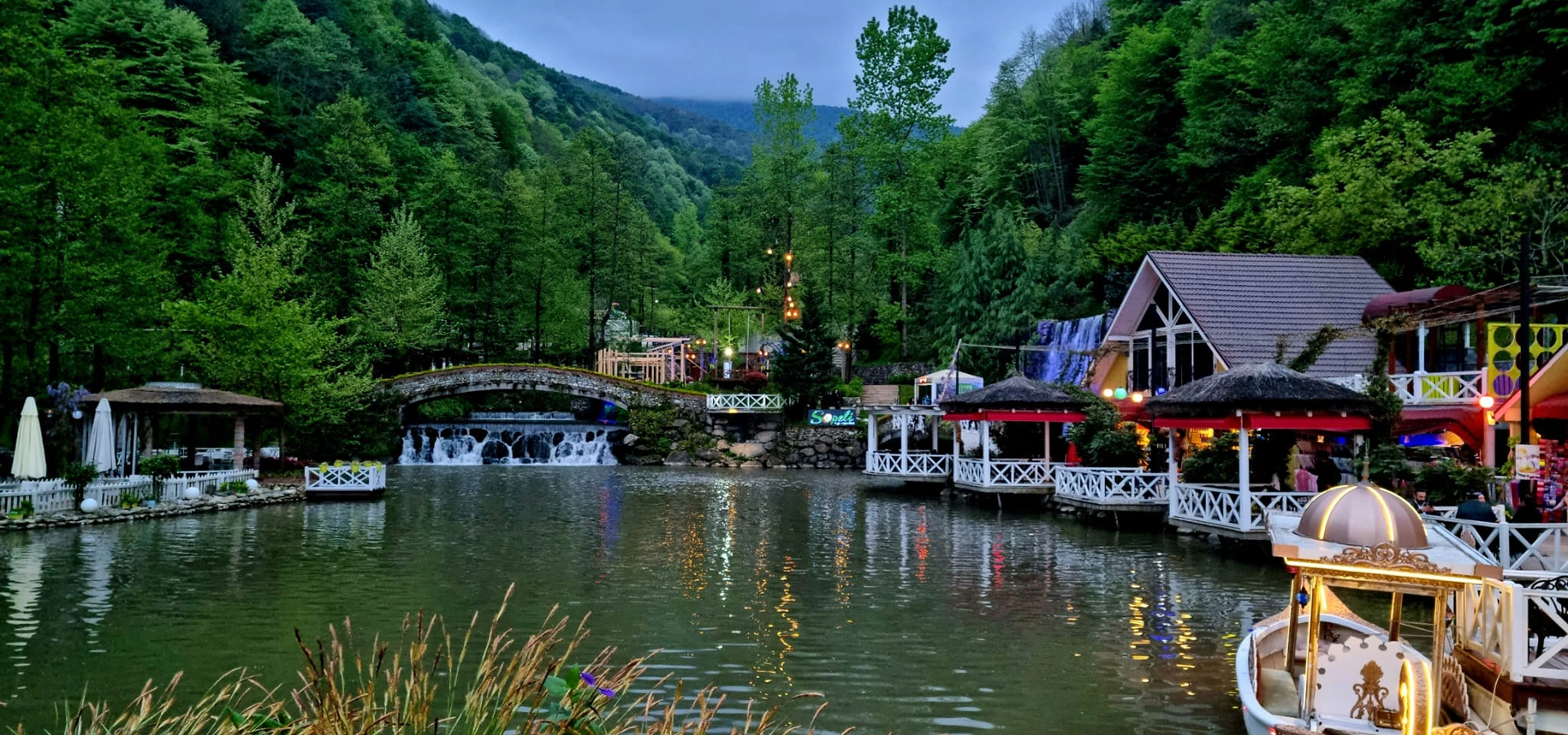
Combine a food-focused visit with nearby Pamukova Gölpark for a relaxing stop in the district.

Try Other Local Products

Pamukova is also associated with other agricultural products and its geographically indicated walnut confection, Pamukova Ceviz Ezmesi.

Protect Your Melon

Carry ripe fruit carefully during road journeys to avoid bruising or cracking.

Combine with Geyve

Neighbouring Geyve makes an excellent addition to a wider agricultural and countryside route through southern Sakarya.

Best Time to Experience Pamukova Melon

Spring

Fields are prepared and the new melon-growing season begins as temperatures increase.

Late Spring

Young plants develop rapidly and vines begin spreading across the agricultural land.

June

Fields become intensely green as vines, flowers and developing fruit dominate the growing landscape.

Mid-July

The principal harvest season begins and ripe Pamukova Melons start reaching local sellers.

Late July

This is one of the most attractive periods for visitors interested in tasting fresh locally grown melon.

Early August

Harvest continues before the traditional principal season gradually ends around the middle of August.

Pamukova Melon and Local Food Culture

Pamukova is one of Sakarya’s important agricultural districts, and seasonal produce forms an essential part of the character of the surrounding countryside.

Fresh Melon

The simplest and most authentic experience is ripe Pamukova Melon served fresh during the summer harvest.

Seasonal Fruit

Summer markets display melon alongside many other fruits and vegetables grown across the fertile Pamukova Valley.

Local Markets

Markets and agricultural sellers provide an opportunity to discover the diversity of produce grown in the district.

Pamukova Ceviz Ezmesi

Another geographically indicated speciality of the district is Pamukova Ceviz Ezmesi, a traditional sweet preparation made with walnuts.

Geyve Quince

Nearby Geyve is famous for its geographically indicated quince, making southern Sakarya particularly interesting for food-focused travellers.

Farm-to-Table Character

The surrounding countryside provides a direct visual connection between fertile agricultural fields and the seasonal foods sold locally.

Frequently Asked Questions About Pamukova Melon

What is Pamukova Melon?

Pamukova Melon is a traditional melon grown in Pamukova district of Sakarya Province. It is recognised for its thin skin, juicy sweet flesh and particularly strong natural aroma.

What is Pamukova Melon called in Turkish?

It is called Pamukova Kavunu.

Why is Pamukova Melon called kokulu kavun?

The expression means “fragrant melon” and refers to the powerful characteristic aroma developed by properly matured Pamukova Melon.

Where is Pamukova Melon grown?

Its registered geographical production area is Pamukova district in Sakarya Province, Türkiye.

Is Pamukova Melon geographically indicated?

Yes. Pamukova Kavunu is officially registered as a Turkish geographical indication.

What is the geographical-indication registration number?

Pamukova Kavunu carries registration number 810.

When was Pamukova Melon registered?

Its geographical indication was registered on 27 July 2021.

Who registered Pamukova Melon?

The geographical indication was registered by the Sakarya Chamber of Commerce and Industry.

What type of geographical indication does it have?

Pamukova Kavunu is registered as a Menşe Adı, reflecting its particularly strong relationship with its defined place of origin.

What does Pamukova Melon look like?

The melon is generally medium-sized and round to partly oval, with yellow skin, visible greenish veins and a relatively smooth surface.

Is Pamukova Melon thin-skinned?

Yes. Its relatively thin rind is one of its distinctive characteristics and is approximately 1–2.5 mm thick according to the registered product description.

What colour is the inside of Pamukova Melon?

The flesh typically ranges from greenish white to pale yellow.

What does Pamukova Melon taste like?

A ripe Pamukova Melon is sweet, juicy and highly aromatic.

Does Pamukova Melon have many seeds?

Yes. Abundant seeds in the central cavity are among the characteristics described for the traditional melon.

When is Pamukova Melon harvested?

The principal harvest generally begins around mid-July and continues until approximately mid-August.

What is the best time to visit Pamukova for melon?

Late July and early August are particularly good periods for travellers hoping to encounter freshly harvested Pamukova Melon.

Why is Pamukova suitable for growing melon?

The district combines a mild transitional climate with fertile clay-loam and loamy agricultural soils and a well-established farming tradition.

How long does Pamukova Melon take to grow?

The registered production method describes an average growing period of approximately four months between sowing and harvest.

Are bees important for Pamukova Melon?

Yes. Honey bees are important carriers of pollen and therefore play an essential role in successful melon fruit development.

How do growers know the melon is ripe?

Signs include yellowing skin, increasingly visible veins, yellowing on the surface touching the soil, a drying stem, loss of fine surface hairs and development of the fruit’s characteristic fragrance.

When is Pamukova Melon harvested during the day?

Traditional harvesting is generally carried out during the cooler early-morning hours.

Can Pamukova Melon be eaten fresh?

Yes. Fresh consumption is one of the best ways to appreciate its sweet flavour, juicy flesh and natural aroma.

Where can visitors buy Pamukova Melon?

During the summer harvest season, locally grown fruit can be found at markets, greengrocers, agricultural stalls and roadside sellers in and around Pamukova.

What should I look for when buying Pamukova Melon?

Look for mature yellow colour, noticeable fragrance and good overall condition without serious cracks, mould or heavily damaged areas.

What other local product is Pamukova famous for?

Pamukova is also famous for Pamukova Ceviz Ezmesi, a traditional walnut-based sweet that has its own geographical-indication registration.

Is Pamukova worth visiting during melon season?

Yes. Summer offers an opportunity to combine fresh seasonal produce with Pamukova’s agricultural landscapes, Gölpark and nearby destinations such as Geyve and Taraklı.

Best Photos of Pamukova Melon

Pamukova’s melon fields provide excellent agricultural photography opportunities during the summer growing and harvest season. Spreading green vines, yellow melons, farmers and the surrounding valley landscape can create beautiful rural compositions.

Melons in the Field

Photograph mature yellow melons surrounded by broad green leaves and creeping vines.

Harvest Baskets

Freshly collected melons arranged together reveal the colour and abundance of the summer crop.

Cut Melon

A sliced fruit can reveal the pale flesh, thin rind and seed-filled centre characteristic of Pamukova Melon.

Morning Harvest

Early-morning agricultural activity can provide atmospheric scenes with softer summer light.

Local Sellers

Seasonal stalls displaying locally harvested melons offer colourful details associated with Pamukova’s summer food culture.

Pamukova Valley

Combine close-up food photography with wider views of fields, villages and the surrounding agricultural valley.


Always ask permission before entering private agricultural land or photographing farmers at work. Melon fields remain working farms even when they are easily visible from public rural roads.

Pamukova and Southern Sakarya Private Experiences

Combine Pamukova’s agricultural landscapes and seasonal food culture with Geyve, Taraklı, historic sites and the natural beauty of southern Sakarya.

Private Pamukova & Sakarya Experiences

Custom-designed private journeys with flexible timing, private transportation and opportunities to explore the lesser-known countryside of Sakarya Province.