The Golden Fruit of Sakarya’s Geyve Valley

Geyve Quince – Complete Food & Travel Guide

Discover the bright yellow fruit of Geyve,
its fertile orchards, distinctive flavour, harvest traditions, and protected geographical identity.

Discover Geyve Quince

Discover Geyve Quince – One of Sakarya’s Most Famous Local Products

Geyve Quince, known locally as Geyve Ayvası, is one of the most celebrated agricultural products of Sakarya Province. Grown across the fertile Geyve Plain beside the Sakarya River, the fruit is recognised for its attractive bright-yellow colour, large size, firm yet juicy flesh, pleasant aroma, and particularly well-balanced relationship between sweetness and acidity.

The character of Geyve quince is closely connected with its landscape. Alluvial soils, the Sakarya River, air circulation through the Geyve Gorge, abundant sunlight, carefully positioned orchards, and generations of local agricultural knowledge combine to create conditions especially suitable for quince cultivation.

Geyve Quince is also a registered geographical indication of Türkiye. Its protected status recognises the strong relationship between the fruit and the environmental and human characteristics of Geyve district.

This complete guide explores the fruit’s distinctive characteristics, geographical indication, growing environment, varieties, flowering and harvest calendar, orchard traditions, taste, storage, culinary uses, buying tips, photography opportunities, nearby attractions, and the best ways to experience Geyve during quince season.

Bright Yellow Fruit

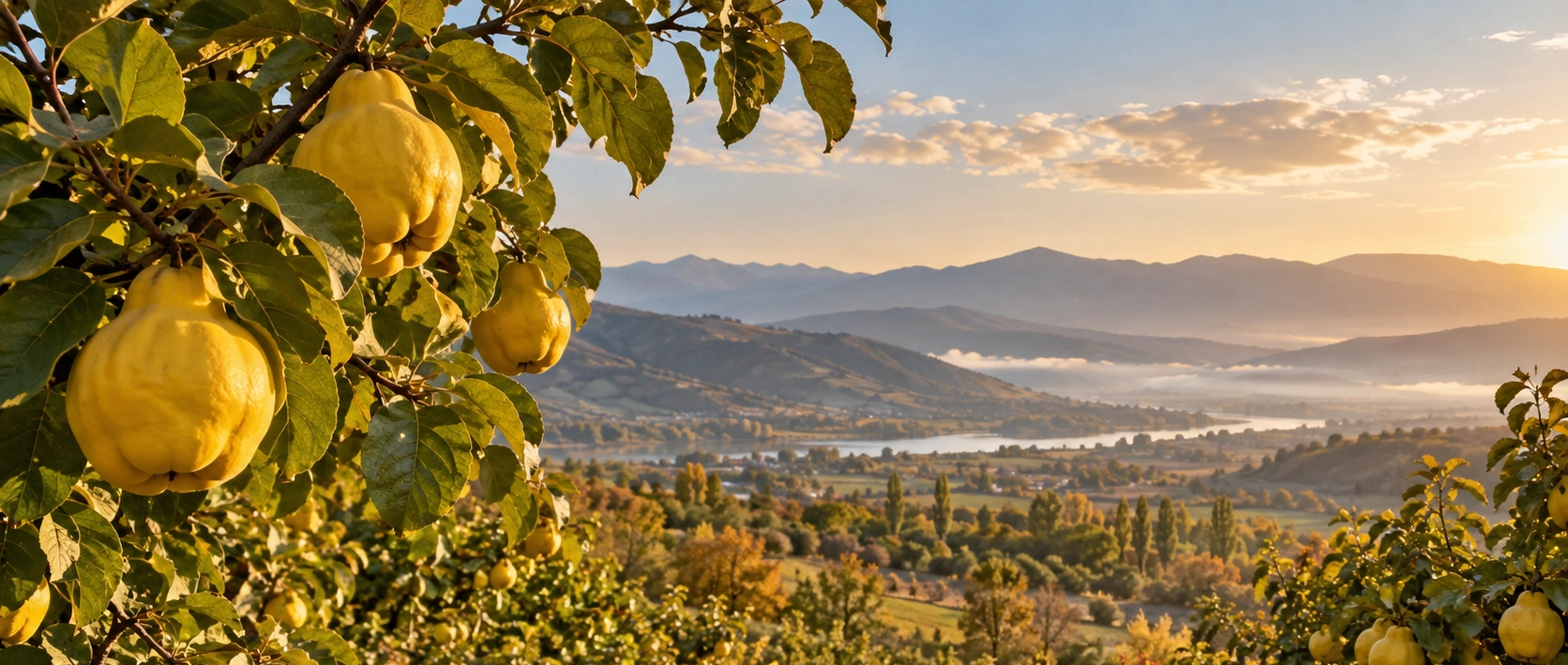
Ripe Geyve quince is known for its attractive bright-yellow skin and large rounded or oval form.

Juicy Texture

Its firm but comparatively juicy flesh makes it particularly enjoyable among traditional quince varieties.

Balanced Flavour

A favourable sugar-acid balance helps create a pleasant taste without the excessive mouth-drying sensation associated with some quinces.

Protected Local Product

Geyve Ayvası is registered in Türkiye as a geographical indication with registration number 500.

Know Before You Taste

Geyve Quince – Quick Facts

Essential information about one of Sakarya’s best-known agricultural products.

📍

Origin

Geyve district in Sakarya Province, particularly the fertile Geyve Plain along the Sakarya River.

Open Geyve on Google Maps
🍐

Fruit

Large, firm and juicy quince with bright-yellow skin and a rounded to oval shape.

📅

Harvest Season

The registered product specification identifies the main harvest period as 1 October to 10 November.

🏅

Geographical Indication

Registered as Geyve Ayvası with Turkish geographical-indication registration number 500.


Fruit of the Geyve Plain

The Agricultural Tradition Behind Geyve Quince

Discover why quince orchards have become such an important part of Geyve’s rural landscape and identity.

Geyve lies within one of Sakarya Province’s most productive agricultural landscapes. The district extends along the Sakarya River and is surrounded by hills and mountains that create a sheltered valley environment well suited to fruit cultivation.

Quince production has become particularly associated with the Geyve Plain, where fertile alluvial soils, water availability, sunlight, air movement and generations of orchard-management experience create favourable growing conditions.

Orchards form an important part of the countryside surrounding Geyve. During spring, quince trees produce pale white and pinkish-white flowers. By autumn, branches become heavy with large yellow fruit and the character of the landscape changes as harvest begins.

Quince cultivation is not simply an agricultural activity here. The fruit has become one of the products most strongly associated with the name of Geyve, appearing in local markets, roadside stalls, family kitchens, preserves, desserts, jams and seasonal celebrations.

Agricultural skill is particularly important. Orchard position, wind direction, pruning, irrigation, soil management, harvest timing and careful handling all influence the appearance and eating quality of the finished fruit.

The relationship between the fruit and this specific environment ultimately resulted in the registration of Geyve Ayvası as a protected geographical indication in Türkiye.

What Makes It Special

Distinctive Characteristics of Geyve Quince

The appeal of Geyve quince comes from its combination of appearance, texture, flavour and the environmental conditions of the Geyve Plain.

Bright-Yellow Colour

Mature Geyve quince develops an eye-catching bright quince-yellow colour that gives the fruit an attractive appearance in orchards and markets.

  • Ripe colour: Bright yellow
  • Appearance: Clean and visually distinctive
  • Season: Most striking during autumn harvest

Large Fruit

Geyve quince is generally large, with rounded or oval fruit. Official measurements record an average fruit weight of approximately 392 grams, although individual fruit naturally varies.

  • Average weight: Approximately 392 g
  • Typical shape: Rounded to oval
  • Average length: Approximately 92.9 mm

Firm and Juicy Flesh

One of the qualities particularly emphasised in the official registration is the fruit’s combination of firmness and juiciness.

  • Texture: Firm
  • Character: Juicy
  • Use: Suitable for fresh eating and cooking

Balanced Sweetness and Acidity

Geyve quince is recognised for a favourable sugar-acid balance that contributes to its pleasant flavour and helps reduce the strongly drying sensation sometimes associated with quince.

  • Flavour: Sweet-tart
  • Eating quality: Balanced
  • Profile: Fresh and aromatic

Characteristic Quince Aroma

Ripe fruit develops the distinctive floral-fruity aroma that makes quince especially useful for desserts, preserves, jams and traditional home cooking.

  • Aroma: Fragrant and fruity
  • Strongest: At proper maturity
  • Culinary value: Excellent for preserves

Long-Lived Orchards

Under suitable conditions, quince trees in Geyve can remain productive for decades. The official product specification notes that trees can provide good-quality regular crops for approximately 40–60 years.

  • Productive life: Approximately 40–60 years
  • Management: Requires skilled pruning and care
  • Importance: Supports long orchard traditions

Connection with the Sakarya River

The Geyve Plain occupies fertile land within the Sakarya River basin. River water, alluvial soils and the geography of the valley all contribute to local fruit production.

  • River: Sakarya River
  • Landscape: Fertile valley plain
  • Soils: Predominantly alluvial

Geyve Microclimate

Air circulation through the Geyve Gorge, valley topography, sunlight and local temperature conditions combine to create a microclimate particularly suitable for quince orchards.

  • Influence: Geyve Gorge winds
  • Benefit: Orchard ventilation
  • Result: Favourable fruit-growing conditions

Geyve Quince Geographical Indication

Geyve Ayvası is officially registered by the Turkish Patent and Trademark Office as a geographical indication linked specifically to Geyve district in Sakarya Province.

Registered Name

The official geographical-indication name is Geyve Ayvası.

Registration Number

Geyve Ayvası carries geographical-indication registration number 500.

Registration Date

The geographical indication was registered on 17 June 2020.

Designation Type

It is registered as a Menşe Adı, the Turkish designation corresponding to a strong origin-based geographical connection.

Registered Institution

The geographical indication was registered by the Sakarya Commodity Exchange.

Geographical Boundary

The official geographical area is the Geyve district of Sakarya Province.


The registration recognises that the distinctive characteristics of the fruit are closely connected with Geyve’s climate, winds, soil structure, position beside the Sakarya River, sunlight, orchard layout and the accumulated knowledge of local growers.

The Geyve Plain and Sakarya River

The landscape in which Geyve quince grows is central to understanding the fruit. The productive plain follows the Sakarya River through Geyve district and combines fertile agricultural land with a sheltered valley environment.

Sakarya River

The river runs through the agricultural landscape and has historically supported irrigation and fertile soils across the valley.

Alluvial Soils

Much of the agricultural land consists of fertile alluvial soils deposited within the Sakarya River basin.

Geyve Gorge

Air movement associated with the Geyve Gorge helps create the local microclimatic conditions surrounding the orchards.

Deep Agricultural Land

The plain contains relatively level and deep soils suitable for establishing productive fruit orchards.

Sunlight

Orchard orientation and exposure to sunlight influence fruit development, colour and ripening.

Local Knowledge

Generations of growers have adapted orchard layout and cultivation techniques to the conditions of the valley.


The principal quince-growing landscape described in the geographical-indication specification stretches through the Geyve Plain along the eastern side of the Sakarya River, from the area around Alifuatpaşa southward toward Bayat.

Soil Conditions of Geyve Quince Orchards

The soils of the Geyve Plain are another important part of the fruit’s geographical identity.

Alluvial Origin

Much of the agricultural soil has developed from alluvial deposits associated with the Sakarya River basin.

Clay-Loam Structure

The registered production description identifies the soils as having a predominantly clay-loam texture.

Organic Matter

The agricultural soils are described as being rich in organic matter, supporting healthy tree development.

Low Salt and Lime

Relatively low salt and lime levels help create suitable conditions for orchard cultivation.

Mildly Alkaline

The soil reaction is characterised as slightly alkaline.

Mineral Availability

Phosphorus, potassium, calcium and magnesium availability contributes to the nutritional environment of the trees.

Varieties of Geyve Quince

The geographical-indication specification identifies three quince varieties traditionally grown in Geyve and associated with the name Geyve Ayvası.

Eşme Quince

Eşme is the dominant variety grown in Geyve and represents much of the commercial quince production in the district.

Ekmek Quince

Ekmek quince is also grown in Geyve, although in smaller quantities than the dominant Eşme type.

Limon Quince

Limon quince forms another recognised part of the district’s traditional quince-growing heritage.


The majority of local production consists of the Eşme variety together with locally occurring types related to it, while Ekmek and Limon quinces are cultivated on a smaller scale.

When Do Geyve Quince Trees Blossom?

Spring is one of the most beautiful seasons in Geyve’s agricultural countryside. Quince trees begin returning to life in March before developing delicate flowers during late March and early April.

Bud Burst Around 20 March under typical Geyve ecological conditions
Flowering Begins Around 28 March
Full Flowering Around 5 April
Flowering Ends Around 9 April
Flower Colour White to pinkish white
Spring Experience Orchards become particularly photogenic when flowering overlaps with fresh green growth across the valley

Exact flowering dates naturally change slightly from year to year according to temperature and seasonal weather conditions.

Geyve Quince Harvest Season

Autumn is the most important period in the Geyve quince calendar. The geographical-indication specification gives the principal harvest period as 1 October to 10 November.

Early October

Orchards begin entering the main harvest period as fruit develops its mature colour and eating qualities.

Peak Autumn Colour

Bright-yellow quinces stand out dramatically against green leaves and the surrounding valley landscape.

Hand Picking

Fruit is traditionally harvested carefully by hand to reduce bruising and damage.

November

Harvest may continue into early November depending on orchard location, fruit maturity and seasonal conditions.


Maturity is recognised partly by the change of the fruit skin from green toward yellow. Correct harvest timing is important because fruit picked too early may have weaker flavour and juiciness, while very late harvesting can reduce storage life.

How Geyve Quince Is Harvested

Although quince appears strong because of its firm skin and flesh, the fruit can bruise relatively easily. Careful harvesting and handling therefore play an important role in preserving its appearance and storage quality.

1. Check Maturity Growers monitor the change from green toward the characteristic mature yellow colour
2. Choose Dry Conditions Harvesting is preferably carried out when the fruit surface is not wet
3. Pick by Hand Fruit is detached carefully from the tree rather than shaken or allowed to fall
4. Avoid Bruising Quinces are handled gently because damaged flesh can darken and deteriorate
5. Sort the Fruit Fruit is examined for appearance, maturity, condition and market quality
6. Prepare for Storage or Sale Selected fruit can be marketed fresh or transferred to suitable cold-storage facilities

How Geyve Quince Is Stored

Proper storage makes quince particularly useful as an autumn and winter fruit. Under controlled cold-storage conditions, harvested fruit can remain marketable well beyond the harvest period.

Cold Storage

The registered specification notes that quince can be stored in suitable cold-storage facilities for approximately four to six months.

Temperature

An appropriate cold environment helps slow ripening and deterioration after harvest.

Humidity

Controlled humidity helps limit excessive moisture loss during longer storage periods.

Handle Carefully

Bruised fruit should be separated because damaged areas can darken and become more vulnerable to decay.

Strong Aroma

Quince has a powerful fragrance and should be managed carefully around other stored fruits that can absorb odours.

Home Storage

For visitors purchasing fruit, cool conditions and gentle handling will generally help preserve quality.

What Does Geyve Quince Taste Like?

Geyve quince combines the familiar fragrance and firmness of quince with a comparatively juicy texture and balanced sweet-tart flavour.

Sweetness

Natural sugars become more noticeable as properly matured fruit reaches its characteristic autumn ripeness.

Acidity

Fresh acidity keeps the flavour lively and balances the sweetness of the fruit.

Juiciness

Its relatively juicy flesh helps make Geyve quince easier to enjoy than particularly dry or strongly astringent quince types.

Aroma

The fragrance is floral, fruity and unmistakably characteristic of ripe quince.

Texture

The raw flesh remains firm and crisp, while cooking transforms it into a much softer texture.

After Cooking

Heat concentrates the aroma and sweetness while softening the fruit, making quince ideal for desserts and preserves.

How to Eat Geyve Quince

Geyve quince can be enjoyed fresh when properly ripe, but it is equally important in traditional Turkish cooking.

Fresh Quince

Wash the fruit, cut it carefully, remove the hard core and seeds, and enjoy thin slices of the ripe flesh.

Ayva Tatlısı

Quince dessert is prepared by slowly cooking fruit with sugar until tender, often producing a beautiful pink or ruby colour.

Quince Jam

Its fragrance and natural pectin make quince particularly suitable for aromatic homemade jams.

Quince Marmalade

Cooked quince can be transformed into a smooth, intensely fragrant breakfast spread.

Quince Compote

Pieces of quince can be gently poached in sweetened liquid to create a traditional fruit compote.

Preserves

The fruit’s firm structure and strong aroma make it suitable for several traditional preserving techniques.

Geyve Quince and Ayva Tatlısı

One of the most famous ways to enjoy quince in Türkiye is ayva tatlısı, or Turkish quince dessert.

The fruit is cut into halves, cleaned and slowly cooked with sugar until the flesh becomes tender and develops a beautiful colour. Traditional presentations may include clotted cream, walnuts, pistachios or other toppings.

Firm Fruit

The structure of quince allows it to soften gradually without immediately losing its shape during slow cooking.

Natural Aroma

The fruit’s fragrance becomes stronger as it cooks and combines with the sugar syrup.

Colour Transformation

Slow cooking can transform pale quince flesh into attractive shades ranging from pink to deep red.

Traditional Toppings

Kaymak, walnuts or pistachios are frequently served with the finished dessert.

How to Buy Geyve Quince

Visitors travelling through Geyve during autumn frequently encounter freshly harvested quince at local markets, greengrocers, agricultural stalls and roadside sellers.

Colour Look for mature fruit with an attractive yellow colour rather than strongly green, immature skin
Aroma Ripe quince should have a noticeable natural fragrance
Firmness The fruit should feel firm but should not show major bruising or soft damaged areas
Skin Minor natural surface marks are normal, but avoid significant cuts or developing rot
Weight A good quince generally feels substantial for its size
Origin When specifically seeking Geyve Ayvası, ask the seller about the orchard or origin of the fruit

Geyve Quince Visitor Tips

Visit During Autumn

October is an excellent period to see orchards full of yellow fruit and experience the atmosphere of the harvest season.

Explore Rural Roads

The countryside around Geyve reveals orchards, agricultural fields and beautiful views of the surrounding hills.

Buy Directly in Geyve

Local markets and roadside agricultural stalls can offer the freshest seasonal experience during harvest.

Handle Fruit Carefully

Despite its firm appearance, quince bruises relatively easily. Protect fruit carefully if carrying it during a road trip.

Try It Fresh

A properly ripe Geyve quince offers the best opportunity to understand the juicy texture for which the fruit is known.

Try Quince Dessert

Look for traditional ayva tatlısı during autumn and winter to experience one of Türkiye’s classic fruit desserts.

Photograph the Orchards

Autumn orchards filled with bright-yellow fruit provide excellent landscape and agricultural photography opportunities.

Combine with Geyve Attractions

A food-focused stop can easily be combined with Alifuatpaşa, viewpoints, historic sites and the wider Sakarya countryside.

Best Time to Visit Geyve Quince Orchards

Late March

Quince trees begin flowering, creating delicate white and pinkish-white colour across the orchards.

April

Spring vegetation surrounds the orchards and the wider Geyve Valley becomes intensely green.

Summer

Developing green quince fruit grows steadily while the surrounding agricultural landscape remains productive.

October

The main harvest period begins and mature bright-yellow fruit becomes the visual highlight of the orchards.

Early November

Harvest can continue into the first part of November according to maturity and seasonal conditions.

Winter

Fresh quince remains available through storage, while desserts, jams and preserved products continue the seasonal tradition.

Geyve Quince in Local Food Culture

Quince is much more than fresh fruit. Its strong fragrance, firm flesh and natural pectin make it one of the most versatile fruits in the traditional kitchen.

Fresh Fruit

Ripe quince can be sliced and eaten fresh during autumn and winter.

Quince Dessert

Ayva tatlısı transforms the firm fruit into a soft, fragrant dessert served particularly during cooler months.

Quince Jam

Homemade quince jam preserves the aroma of the autumn harvest for breakfast tables throughout the year.

Quince Marmalade

The naturally aromatic fruit creates a smooth and intensely flavoured preserve.

Fruit Compote

Poached quince can be served as a traditional sweet fruit preparation.

Local Gifts

Fresh fruit and quince-based products make distinctive seasonal purchases when travelling through Geyve.

Frequently Asked Questions About Geyve Quince

What is Geyve quince?

Geyve quince is a distinctive quince grown in Geyve district of Sakarya Province. It is known for its large size, bright-yellow appearance, juicy but firm flesh, aroma and balanced sweet-acid flavour.

What is Geyve quince called in Turkish?

It is called Geyve Ayvası.

Where is Geyve quince grown?

It is grown within Geyve district in Sakarya Province, particularly across the fertile Geyve Plain associated with the Sakarya River valley.

Is Geyve quince geographically indicated?

Yes. Geyve Ayvası is officially registered as a Turkish geographical indication.

What is the geographical-indication registration number?

Geyve Ayvası carries registration number 500.

When was Geyve quince registered?

Its Turkish geographical indication was registered on 17 June 2020.

What type of geographical indication does Geyve quince have?

It is registered as a Menşe Adı, reflecting the particularly strong connection between the product and its defined geographical area.

Why is Geyve suitable for growing quince?

The combination of fertile alluvial soils, the Sakarya River, valley geography, sunlight, air circulation, local microclimate and generations of orchard knowledge creates favourable growing conditions.

What colour is ripe Geyve quince?

Mature fruit develops a characteristic bright-yellow colour.

Is Geyve quince large?

Yes. The fruit is generally large and rounded or oval. Official product data records an average fruit weight of approximately 392 grams.

Is Geyve quince juicy?

Yes. Its comparatively juicy flesh is one of the distinctive characteristics highlighted in the geographical-indication specification.

What does Geyve quince taste like?

It has an aromatic sweet-tart flavour with a balanced relationship between natural sugars and acidity. The flesh remains firm while offering more juiciness than many strongly astringent quince types.

Which quince varieties are grown in Geyve?

The official geographical-indication specification identifies Eşme, Ekmek and Limon quince. Eşme is the dominant type.

When do Geyve quince trees flower?

Flowering normally begins in late March and continues into early or mid-April, although exact dates depend on yearly weather conditions.

When is Geyve quince harvested?

The geographical-indication specification identifies the main harvest period as 1 October to 10 November.

What is the best month to visit during the harvest?

October is generally the best choice because orchards are filled with mature yellow fruit and harvesting activity is underway.

Can Geyve quince be eaten raw?

Yes. Properly ripe Geyve quince can be sliced and eaten fresh, although quince naturally has a firmer texture than apples or pears.

What can be made from Geyve quince?

Quince can be used for ayva tatlısı, jam, marmalade, compote and several other traditional fruit preparations.

Why is quince good for making jam?

Its strong aroma, firm flesh and naturally high pectin content make quince particularly suitable for jams, jellies and preserves.

How should quince be harvested?

Fruit should be picked carefully by hand because quince can bruise despite appearing hard and resistant.

Can Geyve quince be stored?

Yes. Under properly controlled cold-storage conditions, quince can be stored for several months after harvest.

Where can visitors buy Geyve quince?

During harvest season, fresh fruit can be found at markets, greengrocers, agricultural stalls and roadside sellers throughout Geyve and the surrounding area.

What should I look for when buying quince?

Choose fragrant, firm fruit with attractive mature yellow colour and avoid specimens with major bruising, cuts or soft decaying areas.

Is Geyve worth visiting during quince season?

Yes. October offers a particularly attractive combination of orchard scenery, agricultural activity, local produce, autumn landscapes and opportunities to explore historic Geyve and nearby Alifuatpaşa.

Best Photos of Geyve Quince

Quince orchards offer excellent photography opportunities during both the spring blossom period and autumn harvest. Yellow fruit, green leaves, rural roads, farmers and the surrounding valley create a particularly photogenic agricultural landscape.

Fruit on the Tree

Photograph clusters of bright-yellow quince still hanging among green orchard leaves.

Harvest Baskets

Baskets or crates filled with freshly harvested fruit communicate the scale and atmosphere of autumn production.

Orchard Rows

Use long rows of quince trees to create depth and perspective in landscape photographs.

Spring Blossoms

Late March and early April provide a completely different scene as pale quince flowers appear across the orchards.

Farmers at Harvest

With permission, photograph the careful hand-picking process that brings the seasonal crop from tree to market.

Geyve Valley

Combine orchard photography with wider views showing the valley, surrounding hills and rural character of the district.


Always ask permission before entering private orchards or photographing farmers at work. Agricultural land may appear easily accessible from rural roads but remains private property.

Geyve and Sakarya Private Experiences

Combine Geyve’s agricultural landscapes and seasonal quince culture with historic Alifuatpaşa, the Sakarya River, Sapanca, Taraklı and other highlights of Sakarya Province.

Private Geyve & Sakarya Experiences

Custom-designed private journeys with flexible timing, private transportation and opportunities to discover Sakarya beyond the best-known tourist routes.