Private Niobe – The Weeping Rock Programme
Tell us your dates, group size and interests. We will check access and plan a sensible route.
Request Your Private Programme





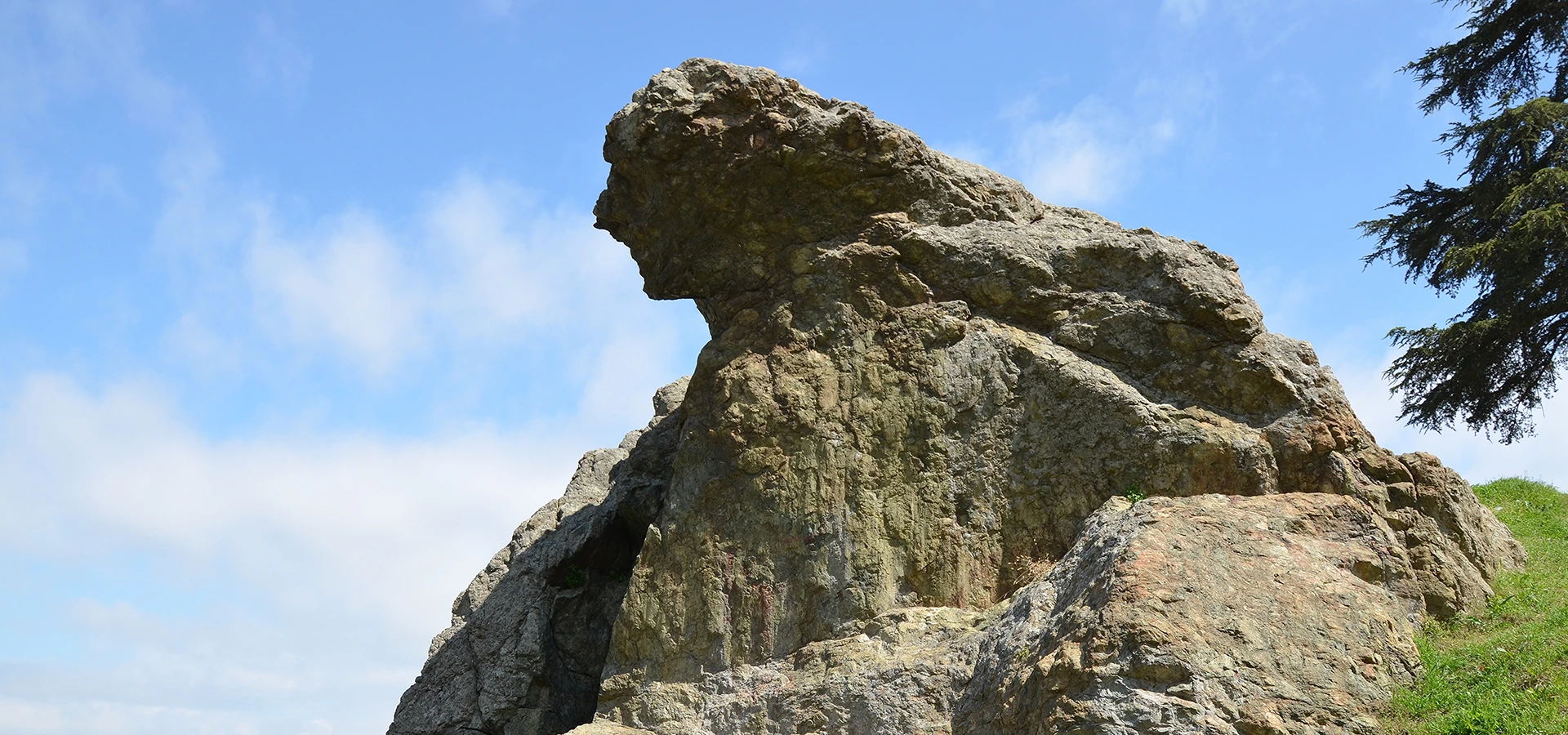
At the foot of Mount Spil, a natural rock formation has become one of Manisa’s most evocative landmarks. From certain angles its outline suggests a woman’s face; this is the famous Ağlayan Kaya, the Weeping Rock.
The story belongs to myth rather than archaeological documentation. Niobe boasted of her many children in comparison with Leto, and in the tragic legend Apollo and Artemis killed her children. Grief transformed Niobe into stone, forever weeping.
The pleasure of visiting is to see how landscape can preserve a story. The rock is not a carved portrait and should not be presented as a statue made by ancient sculptors.
The outline is more convincing from a little distance and from the correct viewing direction than at close range.
Natural seepage was read as Niobe’s grief.
The mountain above the city is central to the legend.
Niobe appears in classical literature and art far beyond Manisa.
Essential orientation for an informed visit.
Çaybaşı / Dere area, Şehzadeler
Natural rock and mythological landmark
Ancient myth; natural formation
Manisa Province, western Türkiye
Allow 20–40 minutes
Outdoor viewpoint; assess local path conditions
Few places show the meeting of mythology and physical geography as directly as the Weeping Rock.
It is a short but meaningful stop that helps visitors understand why Mount Spil has long carried stories of gods, rulers and transformation.
Niobe’s story circulated in ancient Greek literature and was associated with Mount Sipylus, the ancient name of Mount Spil. Classical authors linked the mountain with the image of a mother turned to stone.
Local descriptions note that moisture once appeared to seep from depressions in the rock, inspiring the interpretation of tears. The feature itself is a natural geological formation.
Today the landmark illustrates the relationship between the physical geography of Manisa and the mythological geography of western Anatolia. It also makes an accessible introduction to stories connected with Tantalus and the mountain.
The setting of Niobe – The Weeping Rock is Çaybaşı / Dere area, Şehzadeler. The relationship between the local terrain, historic movement and the surrounding settlements is important when planning a visit.
This natural rock and mythological landmark is one element of a larger Manisa itinerary. Think about how its surroundings influenced the way people used the place, rather than separating it from the roads, communities and landscape around it.
The outline is more convincing from a little distance and from the correct viewing direction than at close range. Move only within safe public viewpoints to understand the effect.
Natural seepage was read as Niobe’s grief. It is a reminder that ancient and later observers often gave emotional meaning to unusual rock forms.
The mountain above the city is central to the legend. Observe the rock within its slope rather than isolating it from the landscape.
Niobe appears in classical literature and art far beyond Manisa. This local landmark anchors that much wider narrative in a particular place.
Manisa's story extends from the Gediz Plain and the slopes of Mount Spil to the Yunt Mountains and the northern districts. Niobe – The Weeping Rock adds a particular perspective on this diversity, and its importance is clearer when the surrounding province is considered.
A thoughtful itinerary pairs sites by theme and geography rather than rushing between distant places. See the Manisa travel hub for a broader view of the province's archaeological, natural and Ottoman heritage.
Separate the myth from the material: the outline is a natural formation, while the association with Niobe is a cultural interpretation.
Observe the shape from different distances without scrambling over rock or approaching unstable ground. A photograph may make the face more or less visible depending on the angle.
The outline is more convincing from a little distance and from the correct viewing direction than at close range.
Natural seepage was read as Niobe’s grief.
The mountain above the city is central to the legend.
Niobe appears in classical literature and art far beyond Manisa.
The formation is outdoors and may not have a staffed visitor centre. Use an up-to-date map and remain on safe public access routes.
The myth is sometimes described as if a sculpture survives here. The official cultural inventory identifies it as a natural rock formation.
These resources provide historical background or current visitor information. Check directly before travelling, as conditions can change.
Morning or late-afternoon light can emphasise the outline; wet weather changes rock colour and makes approaches more slippery.
For photographs of Niobe – The Weeping Rock, start with a wide frame that includes the surroundings. Then choose details that reveal the character of the natural rock and mythological landmark without obstructing other visitors.
Use only lawful viewpoints and respect people, religious activity, wildlife and protected surfaces. Ask permission for portraits, and do not move or touch historic material for a photograph.
Viewing conditions depend on the exact approach and path. If mobility is limited, ask about a roadside viewpoint rather than assuming a step-free trail.
The destination is associated with Çaybaşı / Dere area, Şehzadeler. Confirm the actual public entrance or meeting point with an up-to-date map; a generic place pin may not mark the best approach.
For a multi-stop Manisa day, plan transport according to the actual distance between sites. Historic streets, rural roads and mountain access can require more time than a straight-line map suggests.
The Saruhanid masterpiece on Mount Spil. Consider the travel time and access arrangements before combining the stops.
Mountain nature above the Gediz Plain. Consider the travel time and access arrangements before combining the stops.
A medieval Mevlevi lodge on the mountain slope. Consider the travel time and access arrangements before combining the stops.
An ancient mother-goddess on Mount Spil. Consider the travel time and access arrangements before combining the stops.
No. It is a natural rock formation that resembles a woman’s head from a particular viewpoint.
It is in the Çaybaşı area of Manisa, on the lower slopes of Mount Spil.
In Greek mythology Niobe loses her children after offending Leto, and her grief is associated with her transformation into stone.
Moisture once interpreted as tears helped reinforce the story of the grieving Niobe.
Around 20 to 40 minutes is usually enough for a careful view and an explanation of the legend.
Yes. Both belong to the same mythological landscape, although road and trail conditions should be checked.
Follow official paths, barriers and directions; do not enter closed buildings or excavations.
Never touch carved surfaces, collect artefacts or climb fragile masonry.
Ask before photographing residents, worshippers or workers; keep private entrances clear.
Carry away rubbish and avoid disturbing wildlife, vegetation or historic material.
Ask Wow Cappadocia / Venere Travel to design a private, tailor-made route with a licensed guide and suitable vehicle, subject to confirmed access, with no compulsory shopping stops.
Combine heritage, village culture and landscapes at your own pace.
Tell us your dates, group size and interests. We will check access and plan a sensible route.
Request Your Private Programme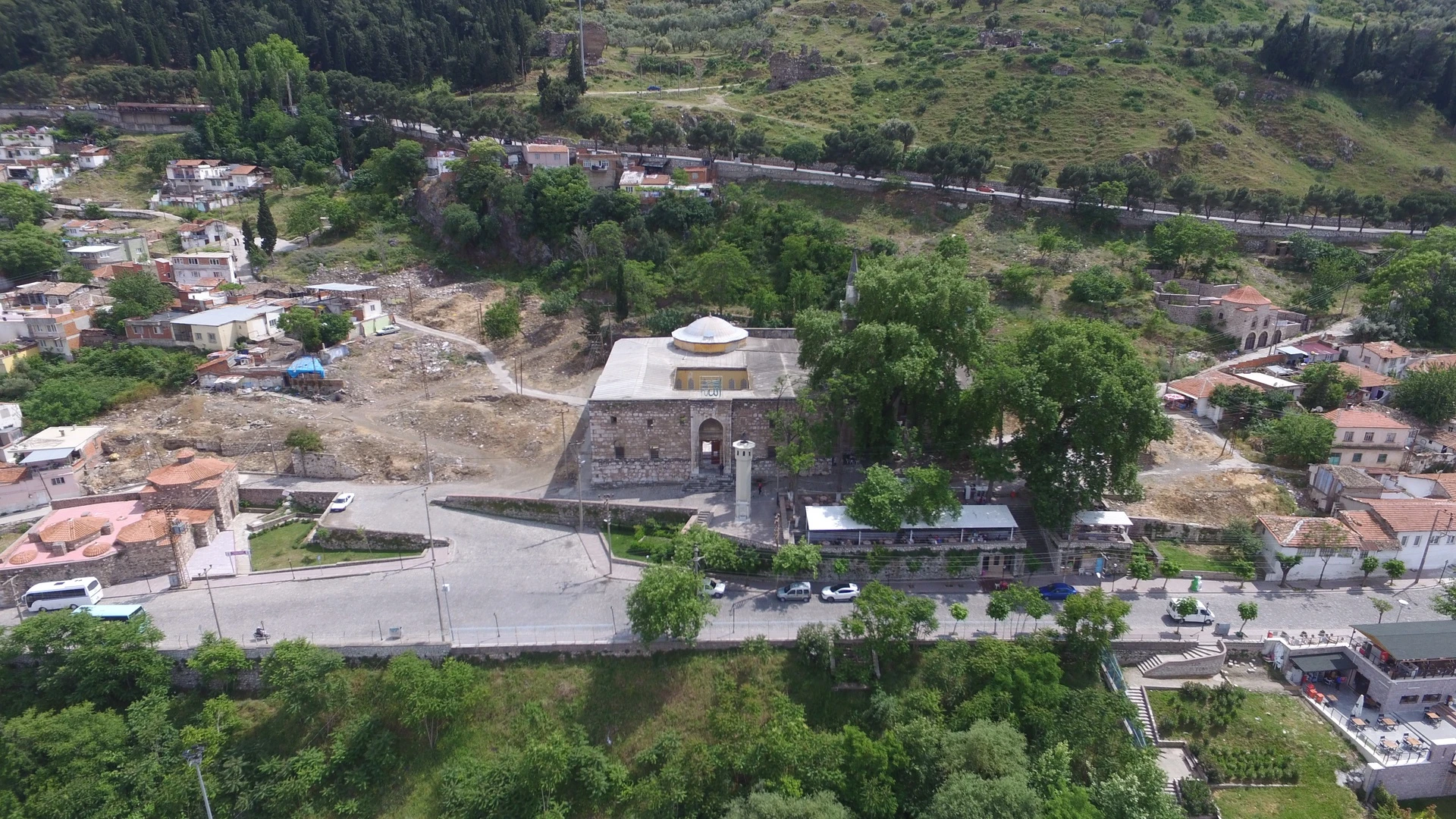
The Saruhanid masterpiece on Mount Spil. Continue your journey with a related destination.
Read the Nearby Guide