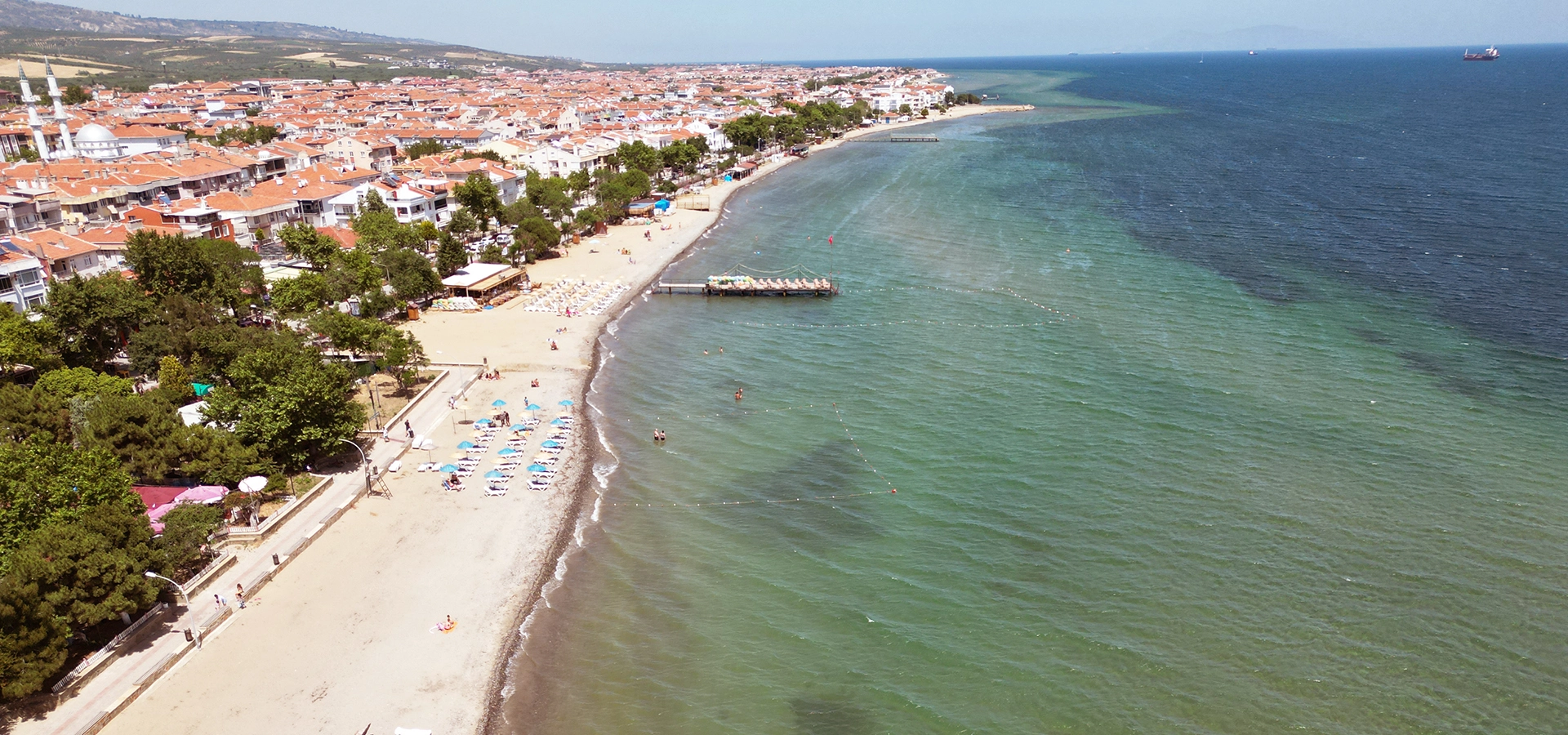
Ancient Perinthos on the Sea of Marmara

Marmara Ereğlisi & Ancient Perinthos – Complete Travel Guide

Discover a modern Marmara seaside town built over one of ancient Thrace's great port cities,
where Greek, Roman and Byzantine history still survives beside the water.

Discover Marmara Ereğlisi & Perinthos

Discover Marmara Ereğlisi and Ancient Perinthos

On the northern coast of the Sea of Marmara, Marmara Ereğlisi occupies the same strategic peninsula and shoreline once dominated by Perinthos, one of the most important ancient cities of Thrace.

Founded as a Greek colony by settlers from Samos around the beginning of the 6th century BC, Perinthos grew around a naturally protected maritime position. Its harbors, defensive peninsula and connections with routes across Thrace helped transform it into an influential commercial and political center.

The city became famous in 340 BC for its determined resistance against Philip II of Macedon. Centuries later, under Roman rule, Perinthos became one of the major administrative centers of Thrace and was eventually known as Heraclea.

Today, Marmara Ereğlisi combines archaeology, coastline, local life and active excavation areas. Ancient walls, the monumental theater zone, the Perinthos basilica and scattered archaeological remains reveal only part of a much larger city that continues to emerge through modern research.

Ancient Perinthos

Walk through the landscape of a major Greek and Roman port city founded more than 2,500 years ago.

Ancient Theater

See the area of the enormous Roman theater, described by excavators as the largest known ancient theater in Thrace.

Basilica & Mosaics

Discover the remains of a Late Antique basilica whose decorated floors preserve the Christian heritage of Heraclea Perinthos.

Marmara Coast

Combine archaeology with sea views, a working waterfront, beaches and the atmosphere of a small Marmara town.

Know Before You Visit

Marmara Ereğlisi & Perinthos – Quick Facts

Essential information for exploring one of the most important ancient coastal settlements in Turkish Thrace.

📍

Location

Marmara Ereğlisi lies on the northern shore of the Sea of Marmara in Tekirdağ Province, between Istanbul and Tekirdağ city.

Open Marmara Ereğlisi on Google Maps
🏛️

Ancient Name

Perinthos, later widely known as Heraclea or Heraclea Perinthos during the Roman and Late Antique periods.

Best Known For

Ancient port history, city walls, Roman theater, Late Antique basilica, archaeological excavations and Marmara Sea scenery.

🚗

Ideal Visit

Allow several hours for the town and archaeological landscape, or combine it with Tekirdağ and other attractions along the Marmara coast.


A Port City at the Crossroads of Thrace

The Story of Perinthos

For more than two millennia, Perinthos occupied a strategic position between the sea routes of the Propontis and the roads of Thrace.

Ancient Perinthos was established on the coast of the Propontis — the ancient Sea of Marmara. Literary and archaeological tradition connects its Greek foundation with colonists from Samos around 600 BC, although evidence from the wider area shows that human occupation in and around Marmara Ereğlisi reaches much further back.

Its geography gave the settlement immediate advantages. A projecting peninsula offered strong natural defenses, while sheltered coastal areas supported maritime activity. Perinthos stood close to routes connecting the northern Aegean, the Hellespont, Byzantium and inland Thrace.

By the Classical period, Perinthos had become prosperous enough to play a significant role in regional politics. Its most famous ancient episode came in 340 BC, when the city resisted the siege of Philip II of Macedon. Ancient historian Diodorus describes houses climbing the slope so steeply that the city appeared almost like a theater.

Under Roman rule, Perinthos became an increasingly important administrative and commercial center. It later served as a provincial capital in Thrace and received imperial attention, especially during the age of the Severan dynasty.

In Late Antiquity the city became known as Heraclea or Heraclea Perinthos. Its Christian importance is reflected in the remains of churches and the monumental basilica with mosaic and marble pavements.

Modern Marmara Ereğlisi now occupies the same peninsula and surrounding landscape. This overlap between ancient city and living town makes Perinthos especially fascinating: archaeology appears among streets, houses, coastal roads and active urban spaces rather than within a completely isolated archaeological park.

Walls, Theater, Basilica and Sea

What Makes Perinthos Special?

Perinthos is one of the rare places in Turkish Thrace where the scale of an ancient urban center can still be read directly in the modern landscape.

The Ancient Peninsula

The heart of Perinthos occupied a naturally defensible peninsula overlooking the Sea of Marmara, with steep slopes and coastal approaches shaping the ancient city.

  • Setting: Marmara peninsula
  • Character: Port and fortified city
  • Best For: Understanding the city's geography

Ancient City Walls

Sections of the fortification system survive around the acropolis and lower city, preserving one of the clearest visible reminders of Perinthos's strategic importance.

  • Feature: Defensive walls
  • Visible Areas: Acropolis and coastal sections
  • Later Phase: Important Late Antique rebuilding

Roman Theater

Excavations are uncovering the monumental theater of Perinthos, a vast structure that reflects the wealth and prestige of the city during the Roman period.

  • Period: Roman
  • Scale: Largest known ancient theater in Thrace
  • Status: Active archaeological research

Perinthos Basilica

The Late Antique basilica preserves evidence of a major Christian community, including mosaic floors, marble paving and architectural remains.

  • Date: Late 5th–early 6th century AD
  • Highlight: Mosaic pavements
  • Context: Early Christian Heraclea

Ancient Harbor Landscape

Perinthos prospered because of its maritime setting. The relationship between peninsula, bay and coastal routes remains essential to understanding the ancient city.

  • Sea: Marmara / ancient Propontis
  • Role: Commerce and communications
  • Experience: Archaeology with sea views

Philip II's Siege

The siege of 340 BC became one of the best-known episodes in Perinthos's history, remembered for the city's determined defense against the Macedonian king.

  • Date: 340 BC
  • Opponent: Philip II of Macedon
  • Source: Ancient historical accounts

Roman Provincial Importance

Perinthos became a major Roman center in Thrace, benefiting from its port, strategic roads and close relationship with imperial administration.

  • Era: Roman Imperial period
  • Status: Provincial administrative center
  • Legacy: Monumental public architecture

Marmara Ereğlisi Today

Modern streets, fishing boats, cafés and coastal neighborhoods now surround the archaeological landscape, creating an unusual meeting of living town and ancient city.

  • Atmosphere: Seaside town
  • Combine With: Archaeology and waterfront
  • Ideal For: Slow coastal travel

The Peninsula and Harbor Landscape

The geography of Marmara Ereğlisi explains much of Perinthos's ancient success. The settlement grew around a projecting coastal peninsula with steep slopes and access to naturally useful harbor areas.

Ancient writers emphasized the unusual appearance of the town. Buildings rose one above another on the hillside, while the sea protected parts of the settlement and supplied the city with maritime connections.

Perinthos was therefore not simply a coastal town. It was a strategic port, fortress and road junction positioned between Byzantium and the western approaches to the Hellespont and Aegean.

Even today, standing on the seafront or looking across the peninsula helps visitors understand why this location remained important through Greek, Roman and Byzantine history.

Ancient Sea Propontis
Modern Sea Sea of Marmara
Urban Form Peninsula, hillside settlement and harbor zones
Strategic Role Maritime trade, defense and regional communications
Best Experience Explore the archaeology together with the modern waterfront

The Foundation of Perinthos

The traditional foundation date of Perinthos lies around 600 BC, when settlers from the Aegean island of Samos established a colony on the Thracian coast.

The choice of location was logical. The peninsula offered defense, the bay supported shipping, and the surrounding region connected the settlement with both inland Thrace and the major maritime corridors of the Propontis.

Perinthos soon developed beyond the scale of a small colonial settlement. Its coinage, public monuments and appearance in ancient historical sources demonstrate a city with its own political identity and substantial regional influence.

Founder Tradition

Ancient and later sources associate the Greek foundation of Perinthos with settlers from Samos.

Date

The conventional foundation date is around the beginning of the 6th century BC.

Setting

A defensible peninsula and useful harbor environment made the site highly attractive for settlement.

Earlier Occupation

Archaeological research indicates that human activity in the wider area long predates the Greek colonial foundation.

The Siege of Perinthos in 340 BC

One of the most dramatic episodes in the city's history came during the expansion of Philip II of Macedon. In 340 BC, Philip brought a large army and sophisticated siege equipment against Perinthos.

According to Diodorus Siculus, the Macedonians battered and undermined the walls, while the defenders responded by creating new defensive lines inside the city. The steep hillside helped them: houses were arranged in rising tiers and could become part of the defense when outer fortifications were breached.

Perinthos also received support from Byzantium and from Persian authorities worried about Macedonian expansion. The siege became so difficult that Philip eventually divided his forces and turned part of his attention toward Byzantium.

The episode gave Perinthos a lasting reputation for resistance. For modern visitors, the peninsula's steep topography makes the ancient description surprisingly easy to imagine.

Date 340 BC
Besieger Philip II of Macedon
Defenders Perinthians with external assistance
Natural Advantage Steep peninsula and tiered urban layout
Historical Source Diodorus Siculus, Book XVI

Perinthos in the Roman Period

Roman rule brought Perinthos into a much larger imperial network. Its location on the Marmara coast and its connection with roads through Thrace ensured that the city remained commercially and strategically important.

Perinthos became an important administrative center and, for periods of Roman history, served as a capital within the provincial organization of Thrace. Its status was reflected in monumental architecture, inscriptions and imperial patronage.

The city had a particularly close relationship with the emperor Septimius Severus. Inscriptions from Perinthos record honors connected with Severus and Julia Domna, while the city received prestigious civic privileges during the Severan period.

The scale of the theater now being excavated provides a vivid reminder of Roman Perinthos's wealth. It was not a provincial backwater, but a city capable of supporting monumental public buildings and large gatherings.

Roman Thrace

Perinthos became one of the leading urban and administrative centers of the region.

Imperial Connections

Inscriptions demonstrate close links with the Severan dynasty and the imperial administration.

Public Buildings

The theater, fortifications and other monumental remains reflect the scale of Roman urban life.

Road & Sea

The city benefited from both maritime traffic and the major land routes crossing southern Thrace.

The Ancient Theater of Perinthos

The ancient theater is one of the most exciting areas of modern research at Perinthos. Archaeological excavations are gradually exposing a monumental Roman structure whose full scale remained hidden beneath deep layers of soil.

The excavation team has described it as the largest known ancient theater in Thrace. Research has focused on the stage building, seating areas, construction system and the long sequence of later activity that accumulated above the Roman monument.

Finds from the theater area include sculpture, ceramics, coins and other material that helps archaeologists reconstruct the life of the city. Excavators have also identified later burials and evidence showing how the space changed after the end of its theatrical use.

Because excavation is ongoing, what visitors can see may change from season to season. Active trenches and protected research areas should never be entered without authorization.

Monument Roman theater
Importance Largest known ancient theater in Thrace
Research Excavation, architectural recording and geophysical investigation
Excavation Challenge Deep accumulated fill covers substantial parts of the structure
Visitor Note Access can change because the area is an active archaeological site

Archaeological-site note: Never cross excavation barriers or enter working trenches. Archaeological access, routes and visible features may change as research progresses.

The City Walls of Perinthos

Fortifications were essential to Perinthos. The peninsula's natural defenses were strengthened by walls surrounding the acropolis and lower city, helping control access from the landward side and protect the important port settlement.

According to the Tekirdağ cultural inventory, sections of the walls survive around the northern and western parts of the ancient city. Some preserved stretches reach several meters in height, making the fortifications among the most visible standing remains of Perinthos.

The walls visible today are not all from the same moment in history. Like many long-lived ancient cities, Perinthos repaired, rebuilt and adapted its defenses repeatedly, especially during Late Antiquity when the Marmara region remained strategically important.

Look closely at the relationship between masonry, slope and coastline. The defensive system makes most sense when understood together with the topography of the peninsula.

Acropolis Walls

Fortified sections protected the elevated core of the ancient settlement.

Lower City

The defensive system also extended around lower parts of the urban area.

Sea Walls

Remains survive in areas facing the ancient harbor and Marmara shoreline.

Late Antique Phase

Substantial surviving masonry is associated with defensive rebuilding in Late Antiquity.

Perinthos-Heraclea Basilica and Mosaics

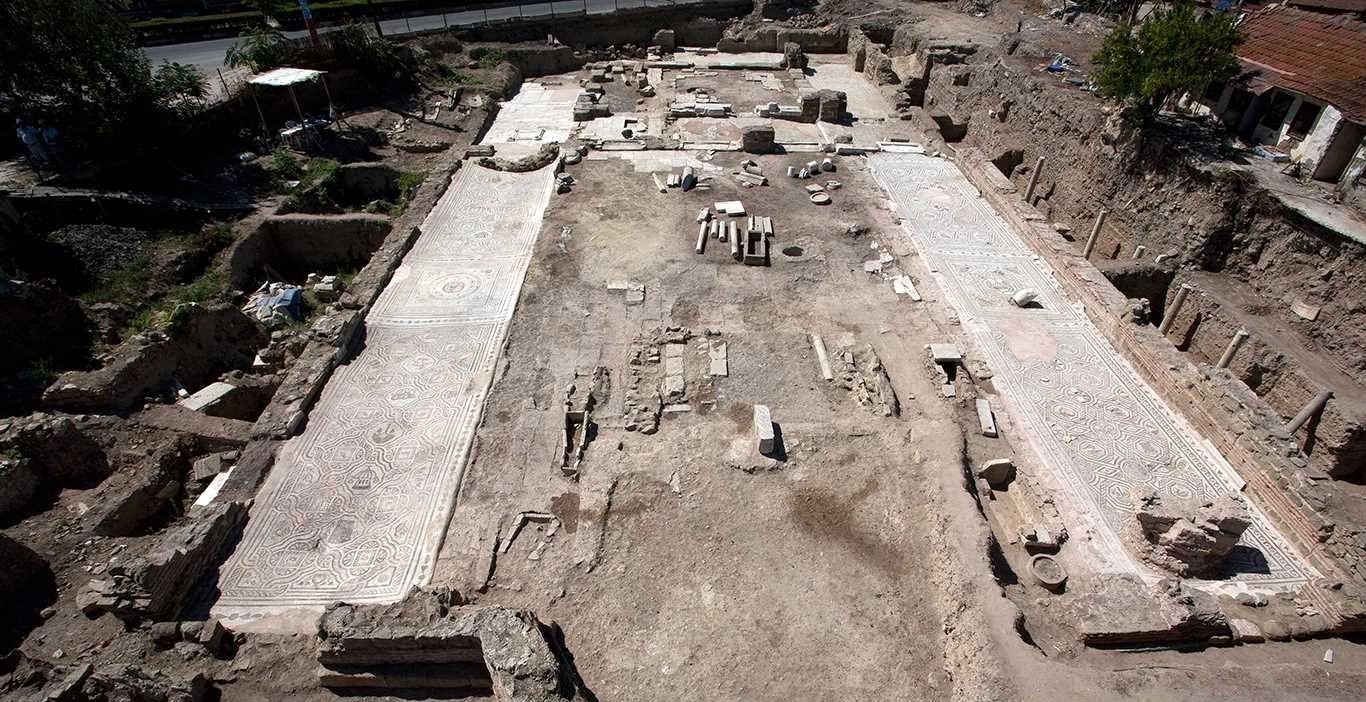
One of the most important Late Antique monuments at Marmara Ereğlisi is the Perinthos-Heraclea basilica, located in the area known today as Kalekapı.

The church is dated to approximately the late 5th or early 6th century AD. Archaeological and conservation studies have documented mosaic floors in the side aisles, parts of the atrium and narthex, while other areas were paved with marble.

The mosaics use geometric and decorative compositions characteristic of Late Antique church interiors. Together with marble paving and later additions, they provide important evidence for the wealth and Christian significance of Heraclea.

The basilica also helps explain the transformation of Perinthos from a Classical and Roman port city into an important Christian center of Late Antiquity.

Monument Early Christian basilica
Date Late 5th–early 6th century AD
Decoration Opus tessellatum mosaics and marble paving
Ancient City Name Heraclea / Heraclea Perinthos
Importance Major evidence for the Late Antique Christian city

Late Antique and Byzantine Heraclea

By Late Antiquity, Perinthos was increasingly known as Heraclea. The city remained important because of its coastal position, its administrative role and its place within the Christian geography of Thrace.

Heraclea became an important episcopal center. For a period, its ecclesiastical authority extended across a wide region, and the city's bishops participated in the religious life and controversies of the eastern Roman world.

Churches, cemeteries, fortifications and reused Roman structures reveal how the ancient city changed over time. Rather than disappearing after the Roman period, Perinthos was reshaped into a Late Antique and Byzantine urban center.

Earthquakes, warfare, changing trade patterns and the growing dominance of nearby Constantinople gradually altered the city's fortunes, but the settlement continued in various forms and ultimately developed into modern Marmara Ereğlisi.

Archaeological Excavations at Perinthos

Perinthos is not a fully excavated ancient city. Large areas remain beneath modern ground level, and archaeology continues to reshape what researchers know about the site's chronology, buildings and population.

Modern excavations led by Mimar Sinan Fine Arts University have concentrated on the theater, acropolis and other selected areas, supported by architectural documentation, geophysical research and specialist study of finds.

Recent work has produced Roman sculpture, burials, ceramics, coins and other objects. Researchers have also reported evidence indicating settlement activity far earlier than the traditional Greek foundation of the city.

The project is supported within the Turkish Ministry of Culture and Tourism's Heritage for the Future program, and long-term plans include conservation, interpretation and visitor routes that can better connect the separate archaeological zones.

Theater Excavation

Research is gradually revealing the architecture and long history of the city's monumental Roman theater.

Acropolis

Excavation and survey are helping archaeologists investigate the earliest phases of occupation on the peninsula.

Material Finds

Sculpture, ceramics, coins, burials and small finds add detail to the story of daily and public life.

Future Interpretation

Conservation and visitor-route planning aim to make the ancient city easier to understand as research advances.


Important: Perinthos is a living archaeological project. Visible areas, access routes and excavation boundaries may change. Follow all local signs and instructions when visiting.

Marmara Ereğlisi Today

Modern Marmara Ereğlisi is a coastal district where everyday life continues directly above and around the ancient city. This creates a very different experience from archaeological sites such as Ephesus or Aphrodisias, where the ruins are largely separated from modern settlement.

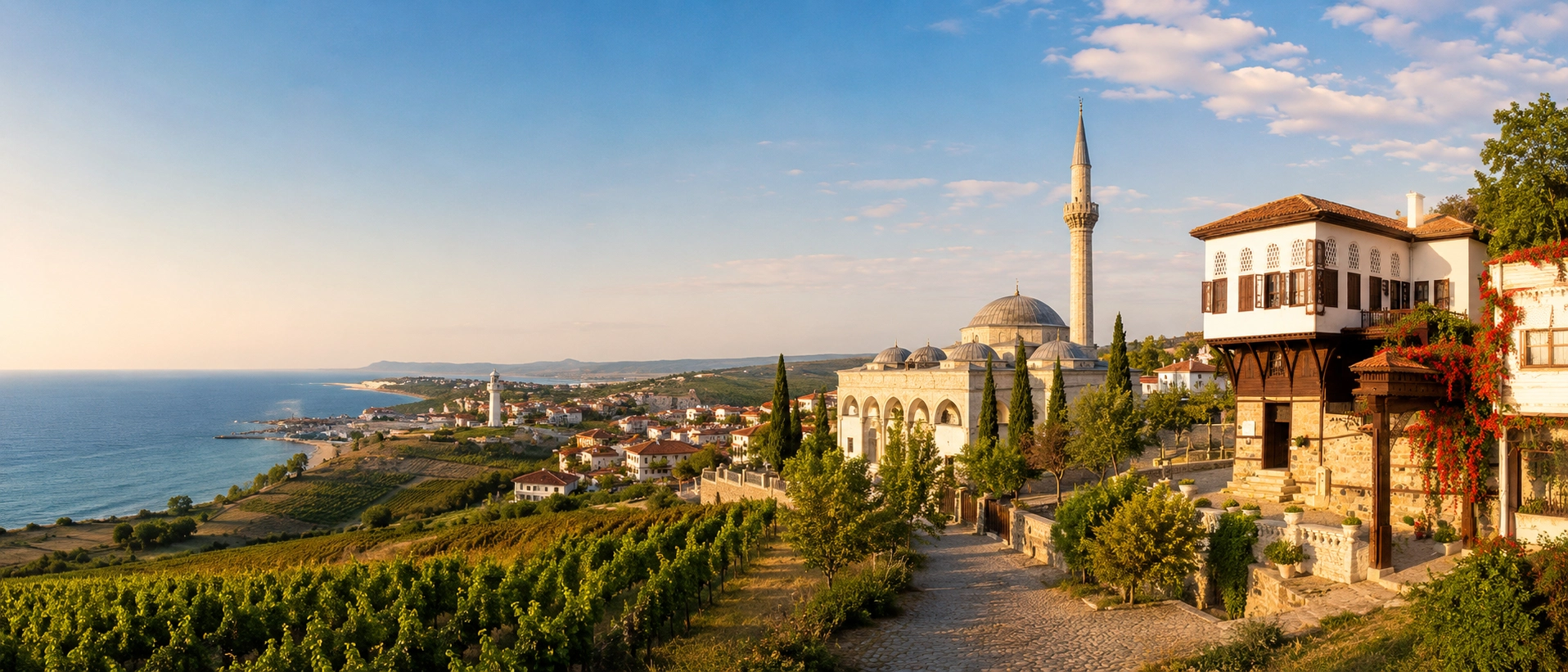
The waterfront, small harbor, fishing activity, cafés and residential streets give the town a relaxed local character. In summer, the wider coastline also attracts visitors for beaches and holiday homes.

For history-focused travelers, the strongest experience comes from seeing these two worlds together. A walk through Marmara Ereğlisi moves constantly between ancient topography and modern town life.

Waterfront Walk

Spend time beside the Marmara after exploring the archaeological areas and peninsula.

Local Harbor

Fishing boats and working coastal spaces continue the town's long relationship with the sea.

Beaches

The wider district includes stretches of Marmara coastline popular during the warmer months.

Town Atmosphere

Expect a small coastal settlement rather than a large resort or fully developed archaeological tourism center.

Marmara Ereğlisi & Perinthos Visitor Information

Province Tekirdağ
Ancient Name Perinthos / Perinthus
Later Name Heraclea / Heraclea Perinthos
Foundation Tradition Samian colony, around 600 BC
Main Highlights Ancient theater, walls, basilica, peninsula and archaeological landscape
Suggested Visit 2–4 hours for the town and principal historical areas
Best Travel Style Car or private vehicle
Best Seasons Spring and autumn for archaeology; summer for combining history with the coast

Access: Perinthos includes active excavation and protected archaeological areas rather than a single uniform visitor circuit. Check current local conditions and respect all restricted zones.

Best Time to Visit Marmara Ereğlisi

Spring

Mild temperatures and greener surroundings make spring excellent for walking through exposed archaeological areas.

Summer

Combine Perinthos with the waterfront and nearby beaches, but visit ruins earlier or later in the day to avoid midday heat.

Autumn

Warm sea light, fewer holiday crowds and comfortable temperatures make early autumn especially rewarding.

Winter

The town is quieter and atmospheric, although strong Marmara winds, rain and exposed coastal conditions can affect a visit.

Photography in Marmara Ereğlisi & Perinthos

Perinthos offers unusual photographic contrasts: archaeological remains, modern streets, coastal cliffs, fishing boats and the open Sea of Marmara all occupy the same compact landscape.

The Peninsula

Use elevated viewpoints to show how the ancient city occupied a strong coastal position surrounded by water.

City Walls

Frame surviving masonry with the slopes and modern town to emphasize the continuity of settlement.

Archaeology

Document visible excavation areas only from permitted paths and never enter trenches for a photograph.

Basilica Details

When accessible, architectural fragments and preserved floor patterns reward closer compositions.

Waterfront

Fishing boats and Marmara light create a strong visual contrast with the ancient history of the town.

Golden Hour

Late-afternoon light softens the stonework and gives the coastline greater depth and atmosphere.


Photography etiquette: Do not climb on ancient walls, move stones or cross archaeological barriers for photographs. Drone use may require permission, especially near protected archaeological zones.

How to Get to Marmara Ereğlisi

Marmara Ereğlisi lies on the northern Marmara coast between Istanbul and Tekirdağ, making it one of the most accessible ancient-city landscapes in Turkish Thrace.

For travelers who want to explore the archaeological areas efficiently, a car or private vehicle is the easiest option. The town can be included naturally in an overland route from Istanbul toward Tekirdağ, Gallipoli or the western Marmara coast.

Public transport connects the wider region, but the dispersed nature of Perinthos's remains and the convenience of continuing to other Tekirdağ attractions make private transportation more flexible.

Province Tekirdağ
From Istanbul Travel west along the northern Marmara corridor toward Tekirdağ
From Tekirdağ Travel east along the Marmara coast toward Marmara Ereğlisi
Best Transport Car or private vehicle
Continue Toward Tekirdağ city, Şarköy and the wider western Marmara region

Marmara Ereğlisi & Perinthos Suggested Itinerary

Arrival Begin with the modern waterfront and orient yourself to the peninsula and Marmara coastline
First Stop Explore visible sections of the ancient fortification system and understand the city's defensive geography
Late Morning Continue toward the Perinthos archaeological areas and the monumental theater zone where access is permitted
Midday Visit or view the Perinthos-Heraclea basilica area and learn about the city's Late Antique Christian period
Lunch Choose a local restaurant for fish, seafood or regional dishes near the coast
Afternoon Walk along the seafront and photograph the peninsula from a viewpoint that shows the relationship between ancient city and sea
Continue Drive onward to Tekirdağ city for museums, Ottoman heritage and regional cuisine

This route gives first-time visitors a clear introduction to Perinthos as a port city, Roman center, Christian settlement and living modern town without treating the archaeological remains as isolated monuments.

Marmara Ereğlisi & Perinthos Visitor Tips

Think Beyond a Single Ruin

Perinthos is spread across the modern town and peninsula, so understand it as an archaeological landscape rather than one compact monument.

Check Current Access

Excavation boundaries and visitor routes can change as archaeological work continues.

Wear Comfortable Shoes

Uneven ground, exposed soil and rough archaeological surfaces make proper footwear useful.

Respect Excavation Areas

Never enter trenches, cross barriers or touch exposed archaeological material.

Bring Sun Protection

Many historical areas are open and exposed, particularly during summer.

Expect Wind

The peninsula is exposed to Marmara winds even when inland conditions feel calm.

Use the Landscape

The coastline and slopes are essential to understanding why Perinthos became such an important city.

Allow Time for the Waterfront

Do not leave immediately after the ruins; the modern seafront helps complete the story of a city shaped by the sea.

Combine with Tekirdağ

Marmara Ereğlisi works well as the archaeological opening to a longer day exploring Tekirdağ Province.

Do Not Remove Anything

Pottery fragments, stones and other archaeological materials must remain exactly where they are found.

What to Eat Around Marmara Ereğlisi

A visit to Marmara Ereğlisi can easily combine archaeology with the food traditions of the Sea of Marmara and Tekirdağ Province.

Fresh Fish

Seasonal fish is a natural choice in a town whose identity has always been closely connected with the sea.

Seafood

Depending on the restaurant and season, look for simple seafood dishes served along the Marmara coast.

Tekirdağ Meatballs

Try the province's best-known savory specialty when continuing toward Tekirdağ city.

Tekirdağ Cheese Halva

Finish with a distinctive regional dessert made with fresh unsalted cheese.

Seasonal Meze

Vegetable dishes, olive-oil meze and local salads pair naturally with a relaxed coastal lunch.

Coastal Breakfast

A simple Turkish breakfast by the water can be a pleasant start before exploring the archaeological areas.

Frequently Asked Questions About Marmara Ereğlisi & Perinthos

Where is ancient Perinthos?

Ancient Perinthos lies within modern Marmara Ereğlisi in Tekirdağ Province on the northern coast of the Sea of Marmara.

What was the ancient name of Marmara Ereğlisi?

The city was known as Perinthos, usually Latinized as Perinthus. In Late Antiquity it became widely known as Heraclea or Heraclea Perinthos.

Who founded Perinthos?

Ancient tradition and archaeological literature associate the Greek foundation of Perinthos with colonists from the island of Samos around 600 BC.

Is Perinthos older than 600 BC?

The Greek colonial city is traditionally dated to around 600 BC, but archaeological research has identified evidence of much earlier human occupation in the area.

Why was Perinthos important?

Its defensible peninsula, useful harbor position and connections with land and sea routes made it an important commercial, military and administrative center in Thrace.

What happened at Perinthos in 340 BC?

Philip II of Macedon besieged the city, but the Perinthians resisted strongly with help from outside allies. The episode became one of the most famous events in the city's ancient history.

Did Philip II capture Perinthos?

No. Despite heavy attacks and siege machinery, the city resisted successfully, and Philip eventually shifted part of his campaign toward Byzantium.

Was Perinthos important under the Romans?

Yes. Roman Perinthos became one of the leading cities of Thrace and held major administrative importance during the imperial period.

What can you see at Perinthos today?

Visible remains include sections of fortifications, archaeological excavation areas, the monumental theater zone and the Perinthos-Heraclea basilica, although access varies.

Is the ancient theater excavated?

Excavations are ongoing. Archaeologists are gradually exposing the theater, which has been described as the largest known ancient theater in Thrace.

Can visitors enter the theater excavation?

Do not assume open access. Because the theater is an active research area, visitors must follow current barriers, signs and local instructions.

What is the Perinthos basilica?

It is a major Late Antique Christian church at Heraclea Perinthos, dated approximately to the late 5th or early 6th century AD and known for mosaic and marble pavements.

Are there mosaics at Perinthos?

Yes. The basilica preserves documented opus tessellatum mosaic floors in several parts of the church complex.

Are there ancient walls in Marmara Ereğlisi?

Yes. Sections of the ancient defensive system survive around parts of the acropolis, lower city and seaward side of the settlement.

Why was Perinthos later called Heraclea?

The name Heraclea became established in the later Roman period and is commonly used in Late Antique and Byzantine sources for the city.

Is Perinthos a fully developed archaeological park?

No. The remains are integrated into the modern town and active research areas, so visitors should expect a developing archaeological destination rather than a single enclosed ruin site.

How much time should I spend in Marmara Ereğlisi?

Around two to four hours is a useful starting point for the main archaeological landscape and waterfront. History enthusiasts may want longer.

Can I visit Marmara Ereğlisi from Istanbul?

Yes. Its position on the northern Marmara corridor makes it suitable for a road trip from Istanbul, especially when combined with Tekirdağ.

Do I need a car?

A car or private vehicle is recommended if you want to combine Perinthos with multiple sites in Tekirdağ Province efficiently.

What is the best time to visit Perinthos?

Spring and autumn are especially comfortable for archaeology. Summer is suitable when you also want to enjoy the coast, but midday can be hot and exposed.

Is Marmara Ereğlisi good for photography?

Yes. Ancient remains, the peninsula, Marmara views, fishing boats and modern coastal life create unusually varied photographic settings.

Can I combine Perinthos with Tekirdağ city?

Yes. This is one of the best combinations, adding museums, Ottoman monuments, the waterfront and regional food to the archaeological visit.

Is Perinthos still being excavated?

Yes. Archaeological research continues, particularly in the theater and other selected areas, so knowledge of the site and visitor access can change over time.

Marmara Ereğlisi & Perinthos Experiences

Marmara Ereğlisi can be included in a private journey through Tekirdağ combining ancient history, archaeology, coastal scenery and regional cuisine.

Private Perinthos & Tekirdağ Heritage Experience

Explore ancient Perinthos at your own pace before continuing to Tekirdağ's museums, Ottoman monuments, waterfront and local food.

Continue Along the Marmara Coast

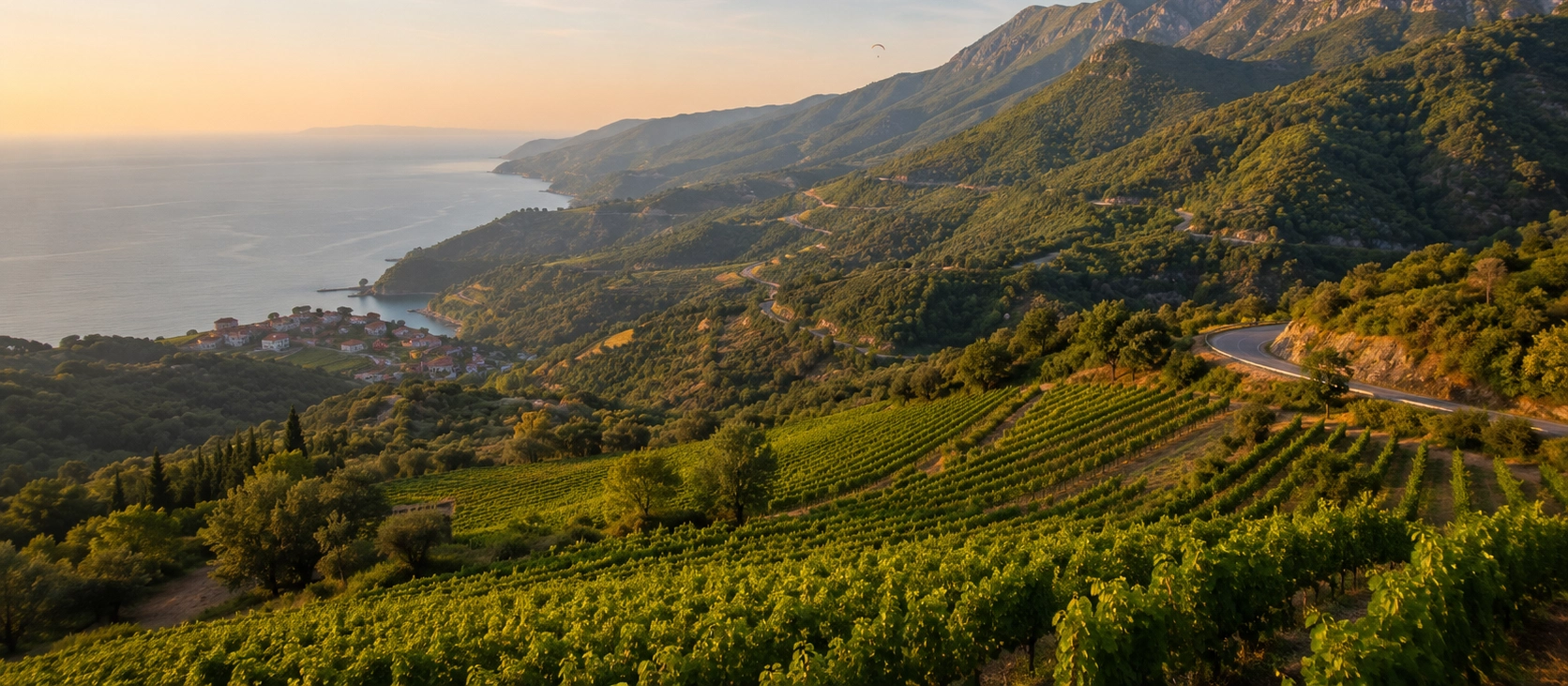
Extend your route through Tekirdağ toward the Ganos Mountains and Şarköy for nature, vineyards, villages and coastal scenery.

Şarköy vineyards beaches and Sea of Marmara coast in Tekirdağ

Şarköy

Continue to western Tekirdağ for beaches, vineyards, olives, local food and one of the province's most attractive coastal landscapes.

View Şarköy Guide