Thracian Kings, Ancient Cities and the Cultural Heritage of Tekirdağ

Tekirdağ Archaeology & Ethnography Museum – Complete Visitor Guide

Journey through thousands of years of Thracian history,
from prehistoric settlements and royal tombs to Ottoman and traditional Tekirdağ life.

Discover Tekirdağ Museum

Discover Tekirdağ Archaeology & Ethnography Museum

The Tekirdağ Archaeology & Ethnography Museum, officially known simply as Tekirdağ Museum, offers one of the best introductions to the remarkably long history of eastern Thrace.

Its collections bring together archaeological discoveries from ancient settlements including Perinthos, Heraion Teichos, Byzante and Apri, as well as remarkable finds from Thracian royal tumuli and archaeological sites throughout Tekirdağ Province.

The museum is particularly fascinating for visitors interested in the ancient Thracians. Royal burial discoveries, stone monuments, sculptures, pottery, jewelry, weapons and ritual objects reveal a region that once stood at the crossroads between the Balkans, the Aegean and the Sea of Marmara.

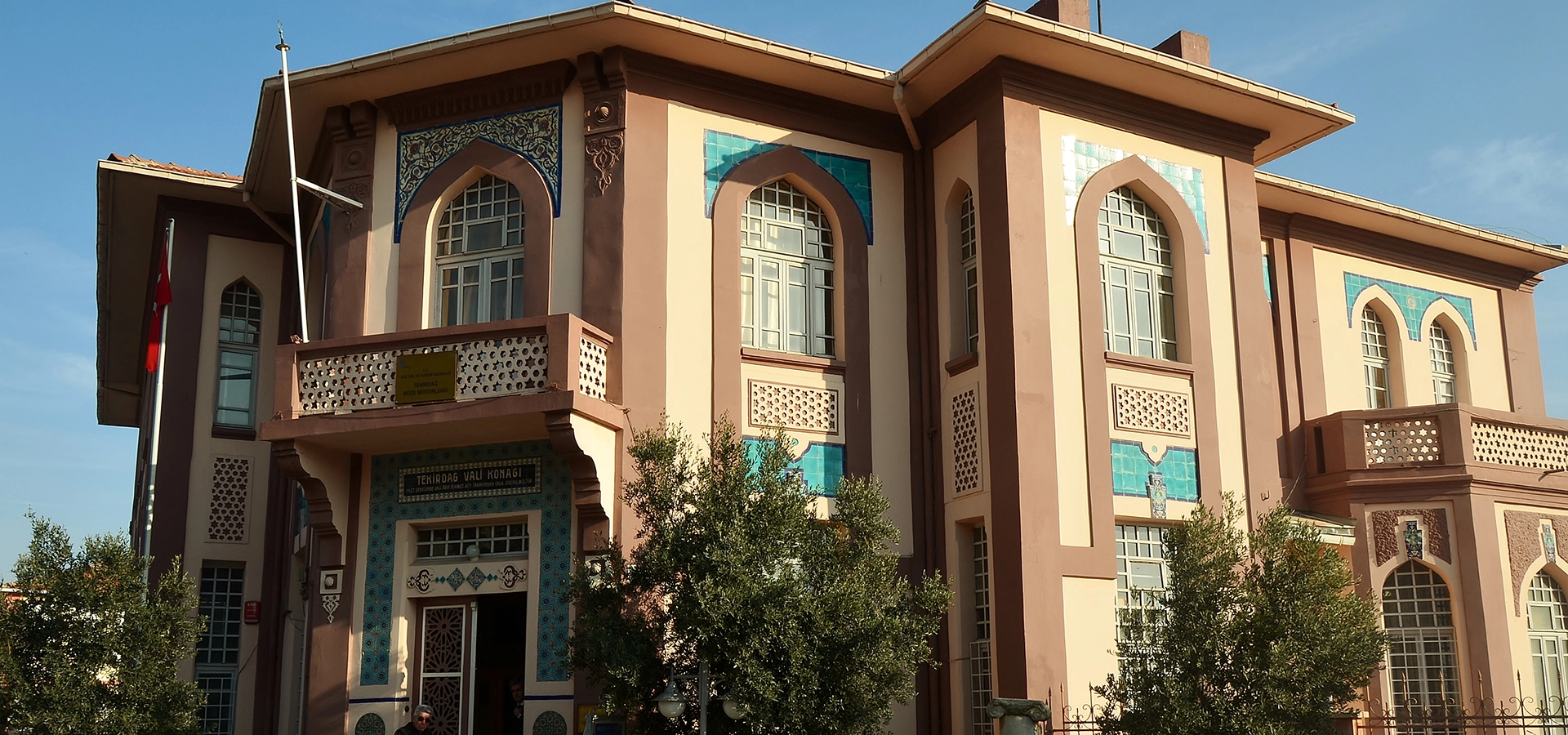
The museum itself is also historic. Its elegant building was constructed in 1927 as the Governor's Mansion and later converted into a museum. Today archaeological galleries are combined with an ethnography collection, a reconstructed traditional Tekirdağ room and an extensive open-air garden filled with ancient stone monuments.

1927

The present museum building was originally constructed as the Governor's Mansion.

Ancient Thrace

Discover royal burials, sculptures and objects associated with the ancient Thracian world.

Royal Tumuli

See important material from Harekattepe and the reconstructed burial chamber of Naip Tumulus.

Open-Air Museum

The terraced garden contains sarcophagi, inscriptions, columns, stelae and architectural fragments.


Know Before You Visit

Tekirdağ Archaeology & Ethnography Museum – Quick Facts

Essential information for visiting one of Tekirdağ's most important cultural attractions.

📍

Location

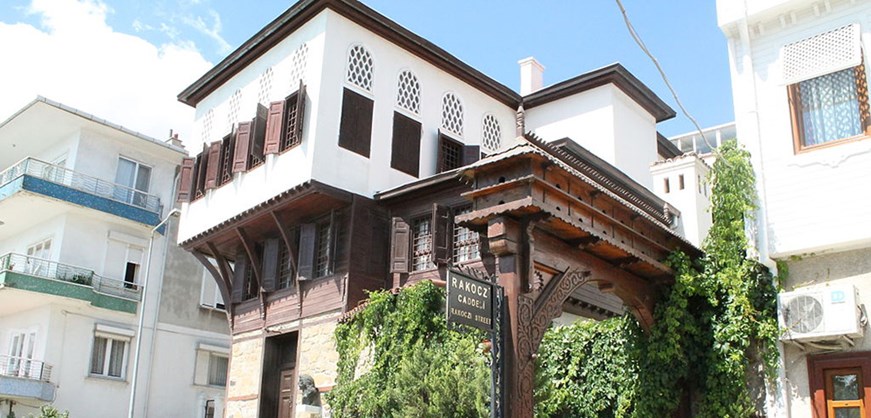
Rakoczi Caddesi No:1, Ertuğrul Mahallesi, central Süleymanpaşa, Tekirdağ.

Open Tekirdağ Museum on Google Maps
🏺

Collection

Archaeological and ethnographic objects spanning prehistoric cultures, ancient Thrace, Classical antiquity, Byzantium and later periods.

👑

Major Highlight

Important Thracian royal burial finds from Harekattepe and Naip tumuli.

🏛️

Museum Building

An elegant former Governor's Mansion constructed in 1927 during the early Republican period.


From Governor's Mansion to Museum

The History of Tekirdağ Museum

The story of the museum is intertwined with both modern Tekirdağ and the rediscovery of ancient Thrace.

Tekirdağ Museum was originally established in 1967 and initially operated from a small exhibition space in another building in the city.

Meanwhile, the impressive building that houses the museum today had begun its life as the Governor's Mansion. Constructed in 1927 and designed by architect Kazım Tahsin, it is an important example of early Republican civic architecture in Tekirdağ.

The former mansion was allocated to the Ministry of Culture for museum use during the 1970s. Following restoration and preparation of the exhibitions, the museum opened in its present building on 28 December 1992.

Today its exhibitions preserve archaeological discoveries from across Tekirdağ Province together with objects illustrating the traditional culture and everyday life of the region.

This combination makes the museum particularly valuable. Visitors can travel from prehistoric communities and ancient Thracian kingdoms through the Greek, Roman and Byzantine worlds before encountering Ottoman and more recent Tekirdağ traditions.

Royal Tombs, Ancient Cities and Local Traditions

Highlights of Tekirdağ Archaeology & Ethnography Museum

The museum combines archaeological discoveries of regional importance with objects documenting the traditional culture of Tekirdağ.

Harekattepe Royal Burial

One of the museum's most memorable displays concerns a royal burial discovered at Harekattepe Tumulus and associated with the Odrysian dynasty of ancient Thrace.

  • Culture: Ancient Thracian
  • Dynasty: Odrysian
  • Highlights: Human remains, burial objects and royal regalia

Naip Tumulus

A full-scale reconstruction of the burial chamber from Naip Tumulus helps visitors understand the elite funerary traditions of ancient Thrace.

  • Type: Elite Thracian burial
  • Display: Reconstructed burial chamber
  • Finds: Silverware, jewelry, lamps, shield and funerary objects

Perinthos

Archaeological material from ancient Perinthos, modern Marmara Ereğlisi, represents one of the most important ancient cities of the northern Marmara coast.

  • Modern location: Marmara Ereğlisi
  • Character: Major ancient port city
  • Museum finds: Stone monuments, inscriptions and sculpture

Heraion Teichos

Finds from Heraion Teichos near Karaevli include objects connected with ritual and healing practices in ancient Thrace.

  • Location: Karaevli area
  • Importance: Thracian settlement and sanctuary
  • Finds: Votive figurines, statuettes and archaeological material

Archaeological Gallery

Smaller archaeological objects trace daily life, trade, warfare and personal adornment from prehistoric times through the Byzantine period.

  • Pottery: Domestic vessels, amphorae and kraters
  • Metalwork: Figurines, tools, weapons and fibulae
  • Personal objects: Jewelry, glassware and perfume vessels

Ethnography Gallery

Traditional clothing, jewelry, textiles and household objects document everyday life in Tekirdağ during the Ottoman and more recent periods.

  • Clothing: Regional women's and men's dress
  • Crafts: Embroidery and woven textiles
  • Everyday life: Household and bathing objects

Traditional Tekirdağ Room

A reconstructed room evokes the domestic atmosphere of Tekirdağ during the nineteenth and early twentieth centuries.

  • Period: 19th–early 20th centuries
  • Theme: Traditional domestic life
  • Display: Furnishings and household arrangement

Open-Air Garden

The museum garden functions almost as a second museum, filled with monumental archaeological and Ottoman stonework from across the region.

  • Ancient: Sarcophagi, stelae, columns and inscriptions
  • Periods: Hellenistic, Roman and Byzantine
  • Ottoman: Inscriptions, fountains and gravestones

Discovering the Thracians at Tekirdağ Museum

One of the main reasons to visit Tekirdağ Museum is its connection with the ancient Thracians, the peoples who inhabited large areas of southeastern Europe before and during the Greek and Roman periods.

Eastern Thrace occupied an important geographical position between the Balkans, the Aegean and the Sea of Marmara. The archaeological landscape around Tekirdağ preserves settlements, sanctuaries and monumental burial mounds that reveal the wealth and complexity of Thracian society.

Warriors and Kings

Richly furnished tumuli demonstrate the power of Thracian aristocratic and royal families.

Royal Burials

Weapons, jewelry, precious vessels and ceremonial objects accompanied members of the elite into their tombs.

Religion and Ritual

Votive figures and cult objects reveal aspects of ancient religious practices that archaeology is still helping to reconstruct.

Between Worlds

Thracian material culture reflects interaction with neighboring Greek, Macedonian, Persian and later Roman traditions.


The museum therefore provides an excellent introduction to a part of ancient history that many international visitors know far less well than the civilizations of classical Greece or Rome.

The Harekattepe Tumulus Display

Among the museum's most significant archaeological discoveries are the finds connected with Harekattepe Tumulus.

Official museum information identifies the burial with the Odrysian royal dynasty, one of the most powerful political forces in ancient Thrace. The display includes human remains from the burial together with grave goods and royal and priestly regalia.

Culture Ancient Thracian
Political Context The Odrysian royal world of ancient Thrace
Discovery Type Monumental elite burial beneath a tumulus
Display Human remains, burial objects and reconstructed royal presentation

The exhibit helps transform the idea of the Thracians from an abstract name in ancient history into the story of real individuals whose appearance, possessions, beliefs and burial customs can be reconstructed through archaeology.

The Naip Tumulus Burial Chamber

Another outstanding display is connected with Naip Tumulus, an elite Thracian burial discovered near Tekirdağ.

The museum presents a reconstruction of the tomb chamber at its original scale, allowing visitors to understand how the burial and its valuable contents were originally arranged.

Silver Vessels

Elegant silver dining and ceremonial vessels reflect the wealth and status of the individual buried in the tomb.

Jewelry

Personal ornaments form part of the rich assemblage associated with the burial.

Weapons

A shield and related objects connect the burial with the martial identity expected of Thracian elites.

Banquet Culture

Dining equipment found inside the tomb points toward the importance of feasting and ceremonial consumption among the aristocracy.


The Naip display is particularly useful because it preserves not only beautiful objects but their archaeological context — helping visitors imagine the original tomb rather than seeing the discoveries merely as isolated museum pieces.

Ancient Cities Represented in the Museum

Tekirdağ Museum acts as an archaeological archive for the wider province. Many of its stone monuments, inscriptions, sculptures and smaller finds originate from ancient settlements scattered across the Marmara coast and inland Thrace.

Perinthos

Modern Marmara Ereğlisi preserves the remains of one of the most important ancient port cities on the northern shore of the Sea of Marmara.

Heraion Teichos

The archaeological site near Karaevli provides important evidence for Thracian settlement, ritual and healing practices.

Byzante

Associated with the modern Barbaros area, this ancient settlement contributes material to the museum's picture of coastal Tekirdağ.

Apri

Ancient Apri, associated with the Kermeyan area, formed another important settlement in the historical landscape of Thrace.


Together these sites demonstrate that modern Tekirdağ was never an isolated coastal city. The surrounding landscape formed part of a dense network of settlements connected by maritime trade, regional roads and political interaction.

The Ethnography Collection

The museum does not end its story with antiquity. Its ethnographic collections continue into the Ottoman period and more recent history, illustrating how people lived, dressed and worked in Tekirdağ.

Traditional Clothing

Regional women's and men's costumes preserve distinctive elements of Tekirdağ's historical dress traditions.

Silver Jewelry

Decorative metalwork demonstrates the craftsmanship and personal adornment traditions of the region.

Karacakılavuz Weaving

Traditional woven textiles represent one of Tekirdağ Province's best-known surviving craft traditions.

Embroidery

Handworked fabrics demonstrate skills once deeply connected with domestic and ceremonial life.

Bath Culture

Historic bathing accessories preserve a small part of the social and material culture surrounding the Ottoman hamam.

Weapons and Household Objects

Everyday objects help bridge the gap between archaeological history and the comparatively recent lives of Tekirdağ residents.

The Traditional Tekirdağ Room

One of the most atmospheric parts of the ethnographic display is the recreated Tekirdağ Room.

Rather than placing every object inside an isolated display case, the room presents furniture and household items within a reconstructed domestic setting inspired by Tekirdağ life during the nineteenth and early twentieth centuries.

Period 19th and early 20th centuries
Theme Traditional household life in Tekirdağ
Display Style Reconstructed historic interior
Why It Matters Places ethnographic objects within the environment in which they were once used

After viewing royal tombs and archaeological artifacts thousands of years old, this room creates an effective transition toward the much more recent social history of the city.

The Architecture of Tekirdağ Museum

The museum building is worth examining in its own right. Designed by architect Kazım Tahsin and completed in 1927, it originally served as Tekirdağ's Governor's Mansion.

The masonry building rises two floors above its ground level and preserves decorative features that distinguish it from the surrounding modern city.

Blue-and-White Tiles

The northern entrance is ornamented with blue-and-white tiles inspired by the İznik ceramic tradition.

Decorative Balcony

A balcony above the entrance is carried on masonry consoles and decorated with circular and star motifs.

Arched Windows

Upper-floor windows use arched forms accompanied by ceramic decoration.

Historic Roofline

The building retains a traditional hipped roof covered with tiles, contributing to its distinctive silhouette.


The result is an unusual museum experience in which the early Republican building, ancient archaeological collections and Ottoman-era ethnographic objects represent several different chapters of Tekirdağ's history within the same site.

The Museum's Archaeological Garden

Do not leave after seeing the indoor galleries. Tekirdağ Museum has an extensive terraced outdoor exhibition surrounding the building.

Large objects that would be difficult to display indoors have been arranged throughout the garden, transforming the grounds into an open-air archaeological museum.

Sarcophagi

Ancient stone coffins reflect burial traditions and provide some of the garden's most imposing monuments.

Grave Stelae

Carved funerary monuments preserve imagery, inscriptions and personal memories from the ancient world.

Inscriptions

Greek, Roman and later inscriptions provide direct written evidence for the people who once lived in the region.

Columns and Architecture

Architectural fragments recall temples, public buildings and monuments that once stood in ancient settlements around Tekirdağ.

Milestones

Roman-era road monuments provide evidence for the transportation networks that connected Thrace with the wider empire.

Ottoman Stonework

Fountain elements, inscriptions and gravestones extend the garden's chronological story into the Ottoman centuries.


The garden is one of the most enjoyable parts of the visit because monumental objects can be viewed in natural light and from several angles.

Tekirdağ Archaeology & Ethnography Museum Visitor Information

The museum is located in central Süleymanpaşa, making it easy to combine with other historical attractions in Tekirdağ.

Address Ertuğrul Mahallesi, Rakoczi Caddesi No:1, Süleymanpaşa, Tekirdağ
Opening Time 09:00
Closing Time 17:00
Last Admission / Ticket Office 16:30
Closed Monday
Entrance Fee Currently free of charge
Telephone +90 282 261 20 82

Important: Museum opening hours and access arrangements can change because of public holidays, restoration, exhibitions or administrative decisions. Check the official Turkish Museums information before making a special journey.

How Much Time Do You Need at Tekirdağ Museum?

The museum is manageable in size, but visitors interested in archaeology should allow enough time for both the indoor galleries and the extensive garden.

Quick Visit

Allow around 45 minutes to see the principal archaeological and ethnographic displays.

Standard Visit

Allow around 60–90 minutes to explore the indoor galleries and archaeological garden comfortably.

Archaeology Enthusiasts

Allow around 1.5–2 hours if you want to study the Thracian tomb displays, inscriptions and stone monuments carefully.

Central Tekirdağ Route

Set aside half a day to combine the museum with Rákóczi Museum, Rüstem Pasha Mosque, historic streets and the waterfront.

Tekirdağ Museum Visitor Tips

Start with the Thracians

Give special attention to the Harekattepe and Naip Tumulus displays, which are among the museum's most distinctive exhibits.

Read the Ancient Place Names

Look for Perinthos, Heraion Teichos, Byzante and Apri to understand how today's Tekirdağ Province overlays an ancient landscape.

Do Not Miss the Garden

Sarcophagi, stelae, inscriptions and architectural fragments make the outdoor exhibition an essential part of the museum.

Look at the Building

Before entering, take a moment to examine the former Governor's Mansion, its tiled decoration and balconies.

See the Tekirdağ Room

The reconstructed domestic interior provides a useful contrast with the much older archaeological collections.

Allow Enough Time

One hour is comfortable for most visitors, while archaeology enthusiasts can easily spend considerably longer.

Combine Nearby Attractions

Several of central Tekirdağ's most important historical sites can be reached within the same sightseeing route.

Check Current Hours

Opening arrangements can change, particularly around official holidays, so confirm them before a special journey.

Places to Visit Near Tekirdağ Archaeology & Ethnography Museum

The museum occupies a convenient position in central Tekirdağ and can easily be combined with Ottoman architecture, Hungarian history and the city's Marmara waterfront.

Tekirdağ City Guide

Explore Tekirdağ's museums, historic monuments, traditional food, coastline and wider cultural attractions.

Rákóczi Museum House

Discover the remarkable story of Hungarian prince Ferenc II Rákóczi and the exile community that made Ottoman Rodostó its home.

Rüstem Pasha Mosque

Visit Tekirdağ's important sixteenth-century Ottoman mosque and surviving bedesten associated with Mimar Sinan.

Namık Kemal House

Discover the memorial house devoted to the influential nineteenth-century Ottoman poet, writer and intellectual Namık Kemal.

Historic Tekirdağ Streets

Walk through older neighbourhoods to discover traditional houses and traces of the multicultural history of old Rodostó.

Marmara Waterfront

Continue downhill toward the coast and experience the maritime landscape that shaped Tekirdağ's history.

Frequently Asked Questions About Tekirdağ Archaeology & Ethnography Museum

What is Tekirdağ Archaeology & Ethnography Museum?

It is the principal archaeological and ethnographic museum of Tekirdağ Province, displaying objects from prehistoric cultures, ancient Thrace, Greek, Roman and Byzantine periods together with Ottoman and regional ethnographic material.

Where is Tekirdağ Archaeology & Ethnography Museum?

The museum is located at Rakoczi Caddesi No:1 in Ertuğrul Mahallesi, in the central Süleymanpaşa district of Tekirdağ.

Is Tekirdağ Museum the same as Tekirdağ Archaeology & Ethnography Museum?

Yes. Official sources commonly use the shorter name Tekirdağ Museum for the institution housed in the former Governor's Mansion on Rakoczi Caddesi.

When was Tekirdağ Museum founded?

The museum was established in 1967. After operating elsewhere, it moved into the restored former Governor's Mansion and opened there in 1992.

When was the current museum building built?

The building was constructed in 1927 as Tekirdağ's Governor's Mansion.

Who designed the museum building?

Official cultural information identifies the architect as Kazım Tahsin.

What are the most important exhibits?

Highlights include Thracian royal burial finds from Harekattepe, the reconstructed Naip Tumulus burial chamber, archaeological material from Perinthos and Heraion Teichos, stone monuments, ethnographic collections and the open-air garden.

What is the Harekattepe Tumulus exhibit?

It presents discoveries from a monumental Thracian burial associated by official museum information with the Odrysian royal dynasty, including human remains, grave goods and royal and priestly regalia.

What is the Naip Tumulus display?

The museum contains a reconstruction of the burial chamber of Naip Tumulus together with important funerary objects including silver vessels, jewelry, a shield, lamps and other grave goods.

Which ancient cities are represented in the museum?

Important material comes from archaeological sites including Perinthos, Heraion Teichos, Byzante and Apri as well as other sites throughout Tekirdağ Province.

Does the museum have prehistoric objects?

Yes. The archaeological collection begins in prehistory and continues through ancient Thracian, Greek, Roman and Byzantine periods.

Does the museum contain Ottoman objects?

Yes. The ethnography galleries contain regional costumes, jewelry, weapons, textiles, household objects and other material from Ottoman and more recent periods.

What is the traditional Tekirdağ Room?

It is a reconstructed domestic interior representing local life during the nineteenth and early twentieth centuries.

Is there an outdoor section?

Yes. The museum has a large terraced garden containing sarcophagi, grave stelae, inscriptions, columns, architectural fragments, milestones and Ottoman stonework.

What are the opening hours of Tekirdağ Museum?

Current official museum information lists opening hours as 09:00–17:00, with the ticket office or last admission at 16:30.

Is Tekirdağ Museum open on Monday?

No. Current official information lists Monday as the museum's closed day.

Is there an entrance fee for Tekirdağ Museum?

Current official museum information lists admission as free. Conditions can change, so visitors making a special journey should confirm the latest information before arrival.

How much time should I spend at Tekirdağ Museum?

Around 60–90 minutes is suitable for most visitors. Archaeology enthusiasts may wish to allow up to two hours to study the Thracian displays and outdoor collection more carefully.

Is Tekirdağ Archaeology & Ethnography Museum worth visiting?

Yes. It is particularly worthwhile for travelers interested in Thracian archaeology, ancient history, regional culture and the historical development of eastern Thrace.

What else can I visit nearby?

Combine the museum with Rákóczi Museum House, Rüstem Pasha Mosque, Namık Kemal House, historic central Tekirdağ and the Marmara waterfront.

Photography at Tekirdağ Archaeology & Ethnography Museum

The museum offers a variety of photographic subjects, ranging from the architecture of the former Governor's Mansion to monumental stone objects displayed in the garden.

Museum Exterior

Photograph the historic façade, tiled entrance, balconies and early Republican architectural details.

Thracian Displays

The royal burial presentations can provide some of the museum's most memorable visual subjects when photography is permitted.

Ancient Sculpture

Stone statues, reliefs and funerary monuments reveal details that reward careful close-up photography.

Garden Stelae

Natural daylight can emphasize carved inscriptions, reliefs and weathered surfaces in the outdoor collection.

Sarcophagi

The monumental scale of the stone coffins works particularly well with wider compositions in the museum garden.

Architectural Details

Look for decorative tiles, window shapes, balcony ornament and the historic character of the museum building itself.


Photography rules may vary between galleries, temporary exhibitions and individual objects. Always follow museum signage and staff instructions, and avoid flash where it is prohibited.

Tekirdağ Archaeology and Cultural Journeys

Tekirdağ Museum can be included in a private cultural itinerary combining ancient Thrace, Ottoman architecture, Hungarian heritage and the historic landscapes between Istanbul and the Dardanelles.

Custom Tekirdağ Experience

Tell us what interests you and we can create a private Tekirdağ itinerary focusing on archaeology, Thracian history, Ottoman monuments, museums, local cuisine and the Marmara coast.

Longer Heritage Journeys

Tekirdağ's position between Istanbul, Edirne and the Dardanelles makes the museum an excellent addition to a wider archaeological and cultural journey through Thrace and western Türkiye.