Green-Filled Centre
The heart of the pide is a savoury mixture built around chopped mancar or locally used leafy greens.
- Character: Herb-forward
- Texture: Soft and moist
- Style: Rustic village cooking






Mancarlı Kandıra Pidesi is one of the best-known traditional foods of Kandıra in Kocaeli. Closely connected with village kitchens, seasonal greens and the agricultural character of northern Kocaeli, it transforms a simple dough and a herb-filled mixture into a deeply local savoury speciality.
The word mancar does not always describe one single botanical ingredient in everyday regional cooking. In local usage it can refer to edible leafy greens gathered or cultivated for the kitchen, and the exact filling may vary by household, season and recipe tradition.
A widely known modern version uses a soft dough made with flour, milk, yeast, salt and oil. The chopped greens are lightly softened, seasoned and placed inside oval pieces of dough before the pide is closed and baked until golden.
The result is rustic rather than elaborate: a warm bread shell, a moist aromatic green filling and the unmistakable flavour of a recipe shaped by Kandıra’s countryside.
The filling is built around mancar and other leafy greens associated with Kandıra’s village cooking.
Common contemporary recipes use a soft, rested dough that encloses the greens before baking.
Mancarlı pide is at its best fresh from the oven or gently warmed, when the dough remains soft and fragrant.
Kocaeli’s official tourism promotion presents mancarlı pide as one of Kandıra’s characteristic regional flavours.
Essential information about one of northern Kocaeli’s most distinctive savoury foods.
Kandıra district in Kocaeli, northwestern Türkiye.
Open Kandıra on Google MapsA savoury pide filled with mancar and other locally used leafy greens.
Usually eaten warm or hot, either as a meal, snack or part of a larger local table.
Ayran is a natural companion to the warm, savoury and herb-rich pide.
A simple combination of bread dough and seasonal greens became one of Kandıra’s most recognisable local flavours.
Mancarlı Kandıra Pidesi belongs to a rural food culture in which bread, cultivated vegetables, wild greens and dairy products were naturally brought together in the household kitchen. Rather than depending on expensive ingredients, the dish turns everyday local produce into a filling and aromatic meal.
The importance of greens in Kandıra cooking reflects the district’s fertile countryside and long-established village traditions. Leaves that might appear modest on their own become the defining ingredient once chopped, seasoned and enclosed in dough.
There is no need to imagine one completely fixed household recipe. Different families and cooks may use slightly different greens, doughs, seasonings and preparation methods. That flexibility is part of the dish’s living culinary character.
What remains consistent is the central idea: a generous savoury filling of greens paired with bread dough and cooked until the outside develops colour while the filling becomes soft, fragrant and concentrated.
Today, mancarlı pide remains one of the foods most closely associated with Kandıra and is regularly highlighted in Kocaeli’s regional food promotion.
Its identity comes from the balance between fresh greens, soft dough, restrained seasoning and a rustic style of preparation.
The heart of the pide is a savoury mixture built around chopped mancar or locally used leafy greens.
The exact greens can change according to season, availability and family tradition rather than following one universal combination.
A common contemporary Kandıra recipe uses flour, milk, yeast, salt and oil to create a tender dough.
The filling is enclosed inside the dough rather than left completely exposed, helping keep the greens moist during baking.
Salt, pepper and a modest amount of oil are enough to support the flavour of the greens without hiding them.
The contrast between warm bread and aromatic greens is strongest when the pide has only recently been baked.
Mancarlı pide reflects a cooking tradition based on practical ingredients, seasonal produce and bread-making skills.
Regional tourism sources regularly identify mancarlı pide among the foods visitors should taste in Kandıra.
The name of the dish comes from mancar, a regional culinary term associated with edible leafy greens. It is best understood in the context of local cooking rather than as the name of one universally fixed ingredient.
The filling is based on tender edible leaves that soften quickly when cooked.
Names for greens can change from village to village, and the same word may be used differently in nearby areas.
The greens available at a particular time of year can influence the flavour and composition of the filling.
Some recipes use a single dominant green, while others combine several leaves according to family practice.
Modern descriptions of Kandıra-style mancarlı pide may mention greens such as chard-like leaves, spinach-like greens, goosefoot and other locally gathered plants. Because the terminology and combinations vary, travellers should expect genuine local versions to taste slightly different from one bakery or household to another.
That variation is part of the appeal. Mancarlı pide is less about reproducing an industrially standardised filling and more about expressing the greens, bread-making habits and seasonal rhythms of the local kitchen.
A common contemporary version of the dish uses a soft milk-based dough together with a lightly seasoned green filling. Older household traditions and village variations may use different proportions or additional ingredients.
Wheat flour forms the structure of the pide dough.
Some widely circulated Kandıra recipes use milk to produce a softer, richer dough.
Yeast helps the dough rise and creates a lighter bread texture in the baked pide.
A small amount of oil may be used in both the dough and the green filling.
The defining filling is made from chopped local greens, with the exact mixture varying by recipe.
Simple seasoning keeps the focus on the flavour and aroma of the greens.
One well-known four-person recipe uses approximately 2½ cups of flour, 1 cup of milk, ¼ cup of oil, yeast and salt for the dough, with a bunch of chopped mancar greens, oil, salt and black pepper for the filling.
These measurements are useful for understanding one modern preparation, but they should not be treated as the only authentic Kandıra formula. Local food traditions frequently preserve more than one legitimate household version.
The preparation is straightforward, but good results depend on handling both the dough and greens correctly. The filling should be flavourful without being excessively wet, and the dough should remain soft enough to enclose it without tearing.
One common home-style version bakes the pide in a preheated oven at around 200°C. Traditional bakery temperatures and cooking times can differ, so visual cues such as a browned surface and fully cooked dough are more useful than treating one temperature as universal.
The filling should stay moist enough to taste fresh and herbaceous but not so wet that it steams the dough into a heavy texture.
Traditional regional foods rarely exist in only one immutable version, and mancarlı pide is a good example. The basic identity remains stable while the details shift between households, villages, seasons and bakers.
The local mixture can change according to what is available, tender and preferred by the cook.
Some recipes use milk and yeast, while other regional flatbread traditions can use simpler doughs.
Salt and pepper are common, but individual cooks may introduce onions or other familiar household additions.
Closed elongated pides are common, yet the exact width, thickness and closure can differ.
A village kitchen, household oven and professional bakery naturally produce slightly different textures.
The flavour of the filling changes with the maturity and combination of the greens used.
For travellers, these differences are not a problem to solve. Trying more than one version can actually reveal how a regional dish changes as it moves from family practice to local bakery production.
The flavour is savoury, herbaceous and comforting rather than heavily spiced. The bread contributes warmth and softness, while the greens provide freshness, mild bitterness and a distinct countryside character.
The greens dominate the aroma and give the pide its unmistakable identity.
The filling is seasoned for depth rather than sweetness.
Properly cooked greens become tender and meld with the warm inner surface of the dough.
The baked exterior adds gentle roasted bread notes that contrast with the moist filling.
Its attraction comes from simple ingredients tasting recognisably like themselves.
The combination of bread and greens makes it satisfying without requiring a complicated filling.
Visitors who enjoy spinach pies, herb breads or vegetable-filled pastries will find the general idea familiar, but Kandıra’s use of local greens gives the pide a much more specific regional identity.
Mancarlı pide is a practical food that can work as breakfast, lunch, a snack or part of a larger table. Its best quality appears when the pide is still warm enough for the dough to remain soft and the aroma of the greens to be pronounced.
Individual pides may be served whole for an informal meal or takeaway snack.
Cutting the pide into smaller portions makes it easy to share at a family or village table.
Cool yoghurt-based ayran balances the warmth and savoury filling especially well.
Turkish tea is another natural accompaniment when the pide is eaten as a morning or afternoon snack.
Tomato, pepper, herbs and simple salad ingredients make the meal feel lighter and fresher.
Kandıra yoghurt or other regional dairy products can turn the pide into a broader tasting of local cuisine.
At local events and gatherings, mancarlı pide may be offered with ayran as a straightforward expression of Kandıra hospitality.
Travellers researching “mancarlı pide” online will also encounter Akçakoca Mancarlı Pidesi from neighbouring Düzce Province. The two traditions share the broad idea of a pide or flatbread filled with greens, but they should not automatically be treated as the same product.
Strongly associated with Kandıra and promoted among Kocaeli’s characteristic regional foods.
A separate Düzce tradition with its own documented preparation and geographical-indication registration.
Kandıra recipes often encountered today may use milk and yeast, while Akçakoca’s registered tradition follows its own specification.
The choice of greens, onion, herbs and spices can differ between the two local cuisines.
For this reason, the safest and most respectful approach is to use the full name Mancarlı Kandıra Pidesi when referring specifically to the Kocaeli tradition.
Kocaeli’s official tourism materials clearly promote mancarlı pide as a signature Kandıra food. The separately registered geographical indication belongs to Akçakoca Mancarlı Pidesi, so the two names should not be confused.
The most rewarding place to look for the dish is Kandıra itself, where bakeries, local food producers, village gatherings and regional events are most closely connected with the tradition.
Local bakeries and pide shops are the easiest places to ask for a freshly baked version.
Smaller settlements can preserve particularly rustic styles of dough and filling.
Village-product markets are useful places to discover both the greens and other foods from Kandıra.
Regional festivals and community events may feature mancarlı pide together with ayran and other local specialities.
Availability can vary. Some bakeries prepare mancarlı pide regularly, while others may make it only on certain days, during particular seasons or by advance request. If tasting it is an important part of your journey, asking locally before travelling is sensible.
The dough and herb aroma are at their best soon after baking.
The answer can reveal a great deal about the season and the cook’s local tradition.
The cool yoghurt drink is one of the easiest and most satisfying pairings.
Different dough thicknesses and fillings can make each version surprisingly distinct.
Variation is normal in a traditional food that has long been prepared in homes and villages.
Some places may not bake it continuously throughout the day or year.
Dartı, local yoghurt and other regional products make an excellent wider tasting.
Kerpe, Kefken and Kandıra’s Black Sea shoreline make an easy cultural and food combination.
Mancarlı Kandıra Pidesi belongs to a remarkably varied regional cuisine shaped by the Gulf of İzmit, Kandıra’s countryside, Black Sea traditions and generations of local producers.
Discover Kocaeli’s crisp, sesame-coated simit with its distinctive twisted shape and molasses-treated surface.
Taste Karamürsel’s unusual stuffed simit tradition and compare two very different regional baked foods.
Explore Gebze’s aromatic holiday bread, another example of Kocaeli’s strong baking traditions.
Discover Kandıra’s slow-cooked cream speciality, traditionally used with bread, keşkek, pasta and rice.
One of Kandıra’s best-known dairy products, prized for its dense texture and rich flavour.
A famous local agricultural and culinary tradition associated with festive meals and the district’s rural identity.
A stop for mancarlı pide can easily become part of a broader Kandıra day trip combining food, village landscapes and the Black Sea coast.
Visit one of Kandıra’s best-known coastal settlements, appreciated for its sheltered bay, cliffs and relaxed seaside atmosphere.
See the unusual pink-toned coastal rock formations near Kefken and enjoy one of the district’s most distinctive shorelines.
Continue along the Black Sea coast to a broad natural beach surrounded by quieter coastal scenery.
Enjoy another accessible Kandıra beach with a long sandy shoreline near Kerpe.
Discover a lesser-known part of Kandıra’s eastern coastal landscape and local cultural environment.
Explore the fishing harbour, coves and coastal atmosphere of one of Kandıra’s classic Black Sea stops.
Mancarlı Kandıra Pidesi is a traditional savoury pide from Kandıra in Kocaeli, filled with chopped mancar and other locally used leafy greens.
It is strongly associated with Kandıra district in Kocaeli Province, northwestern Türkiye.
In regional food language, mancar is associated with edible leafy greens. The exact plant or mixture can vary by place, season and household tradition.
Not necessarily. Some versions may contain spinach-like greens, but the regional term can cover or be associated with other edible leaves as well.
The exact filling varies. Recipes and local descriptions may refer to mancar, chard-like leaves, spinach-like greens and other seasonal edible plants.
Many versions are based on greens, dough, oil and seasoning and contain no meat. However, travellers with dietary restrictions should always ask about the exact ingredients used by the bakery or cook.
Some well-known Kandıra recipes use milk in the dough, but traditional household methods can vary. Ask the producer if dairy content is important for you.
Not every recipe does. Certain local or older preparations may use eggs in the filling, while other widely circulated versions do not.
The greens are cleaned, chopped and prepared as a filling. Rested dough is rolled out, filled, closed and baked until the bread is cooked and lightly browned.
A common Kandıra style encloses the green filling inside an elongated piece of dough rather than leaving the filling fully exposed.
It is savoury, herbaceous and gently toasted, with a soft bread texture and a moist filling of cooked greens.
Usually not. Traditional versions tend to rely on the flavour of the greens, salt and black pepper rather than strong chilli heat.
It is best eaten warm or hot, when the bread remains soft and the aroma of the greens is most noticeable.
Ayran is an excellent traditional-style pairing. Turkish tea also works well, especially when the pide is eaten as a snack or breakfast food.
Look for local bakeries and pide shops in Kandıra, and also watch for village markets, festivals and regional food events.
Not necessarily. Availability can depend on the bakery, season and supply of greens, so asking locally in advance is useful.
Kocaeli’s official tourism materials promote mancarlı pide as a characteristic Kandıra food. The geographically indicated product that should not be confused with it is Akçakoca Mancarlı Pidesi from Düzce.
No. They are related regional green-filled pide traditions, but their ingredients, dough and preparation can differ, and Akçakoca Mancarlı Pidesi has its own geographical-indication specification.
Yes. It is a practical takeaway food, although it is best eaten fresh. If carrying it for several hours, ask the bakery how it should be stored.
Kandıra Dartısı, Kandıra Manda Yoğurdu and local turkey dishes are excellent additions to a wider tasting of the district’s cuisine.
Absolutely. It is one of the most direct ways to experience the village-based food culture and seasonal flavours of Kandıra.
The contrast between golden bread, dark green filling and a rustic Kandıra table makes mancarlı pide particularly photogenic.
Photograph the pide while the crust is still glossy and warm.
A sliced pide reveals the green filling and shows exactly what makes the dish distinctive.
A simple glass of ayran beside the pide creates an authentic and recognisable local food composition.
If possible, photograph the fresh mancar or mixed greens before preparation to connect the finished food with its ingredients.
A bakery oven or tray of pides waiting to bake gives useful context to the traditional preparation.
Include tea, tomatoes, peppers, yoghurt or other local foods to tell a broader regional food story.
Always ask permission before photographing bakery staff, cooks, private homes or active food-preparation areas.
Discover Mancarlı Kandıra Pidesi together with village food traditions, Black Sea landscapes, coastal settlements and the cultural heritage of northern Kocaeli.
Custom-designed private journeys with professional guiding, comfortable transportation and flexible itineraries through Kandıra and the wider Kocaeli region.
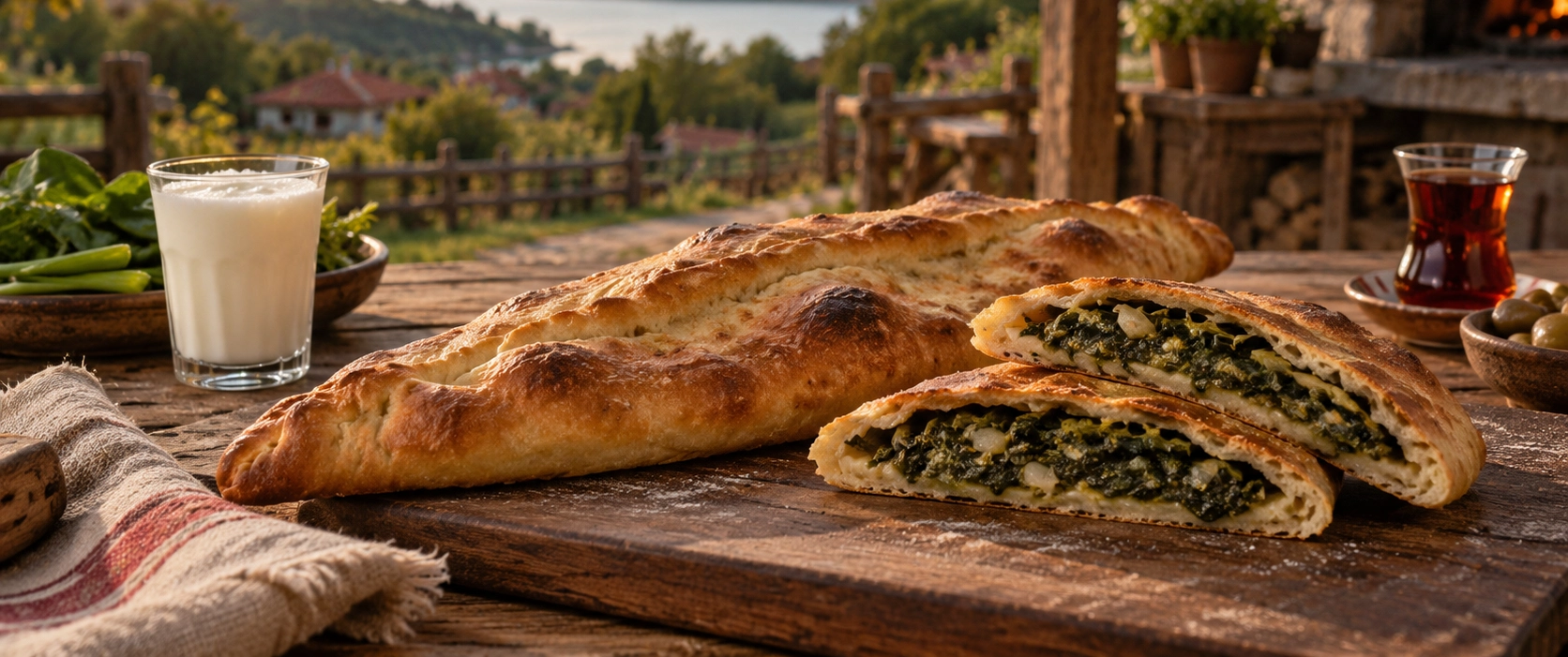
Explore Kandıra’s traditional foods, village culture and Black Sea landscapes, with opportunities to taste local specialities such as Mancarlı Kandıra Pidesi.
Request This Tour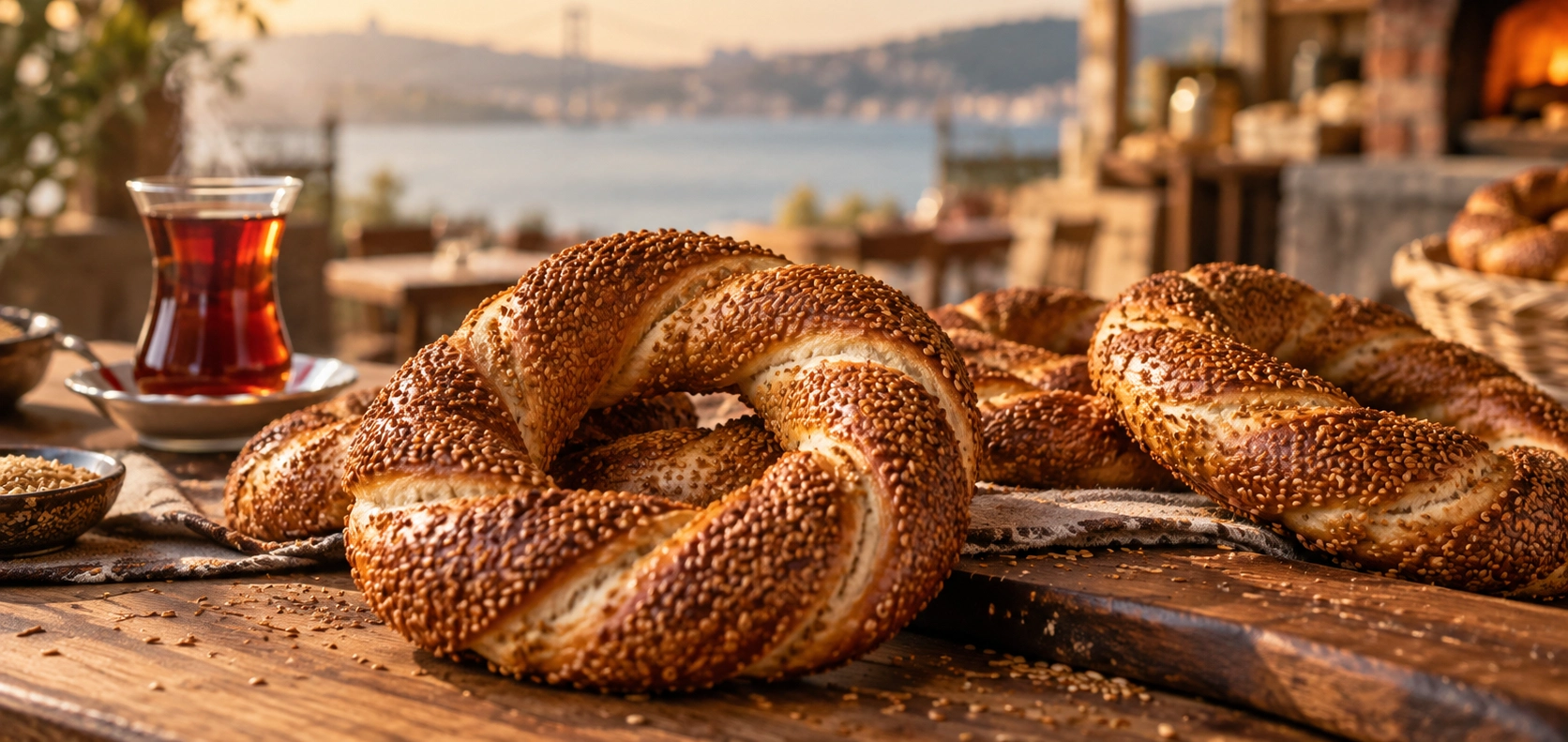
Compare Kandıra’s mancarlı pide and dartı with İzmit Simidi, Karamürsel Simit Dolması, Gebze Bayram Çöreği and other regional foods.
Request This TourAdd Kandıra and Kocaeli to a private journey connecting Istanbul with the Black Sea coast, Bursa, İznik, Ankara, Cappadocia or other regions of Türkiye.
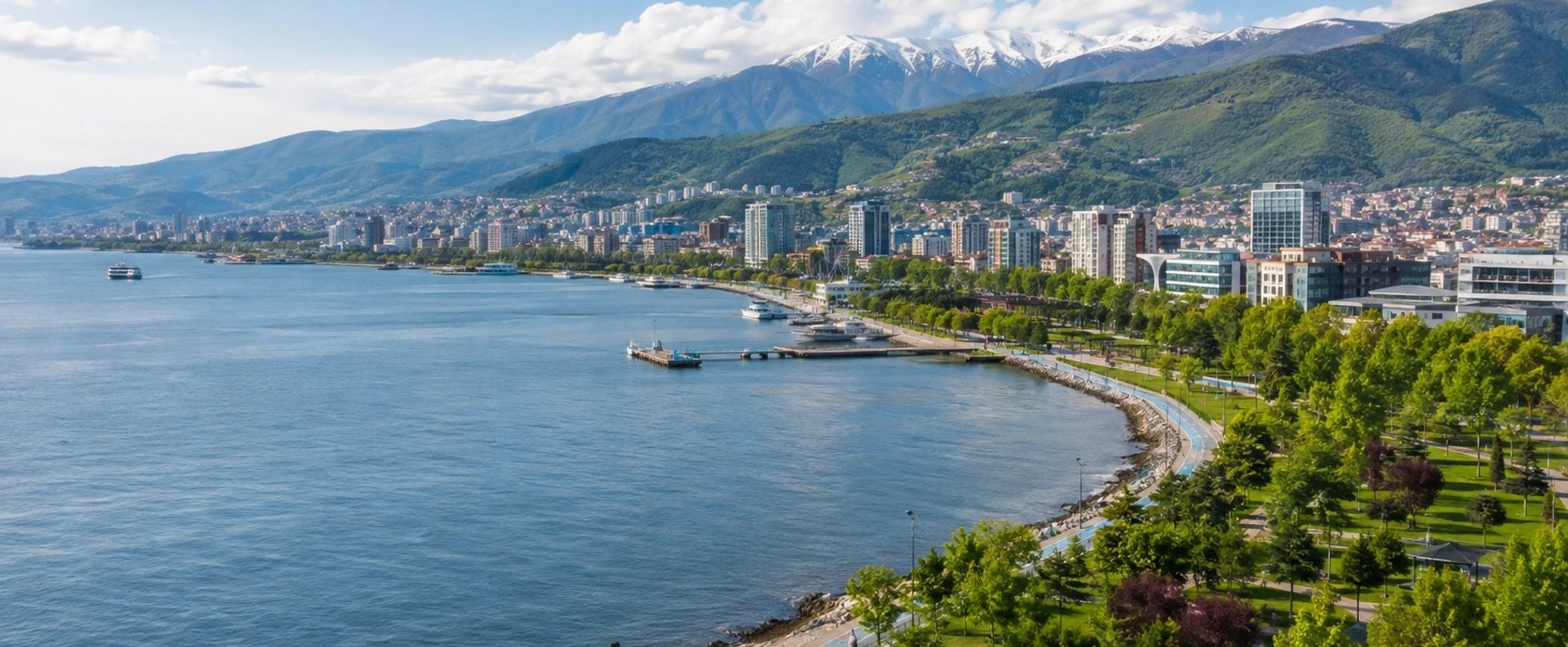
Create a private itinerary through Istanbul, Kandıra, Kocaeli, İznik, Bursa and the surrounding Marmara and western Black Sea landscapes.
Plan Your Journey
Connect Kandıra and Kocaeli with Türkiye’s historic cities, archaeological sites, regional cuisines and extraordinary landscapes on a completely private itinerary.
Contact Our Travel Specialists