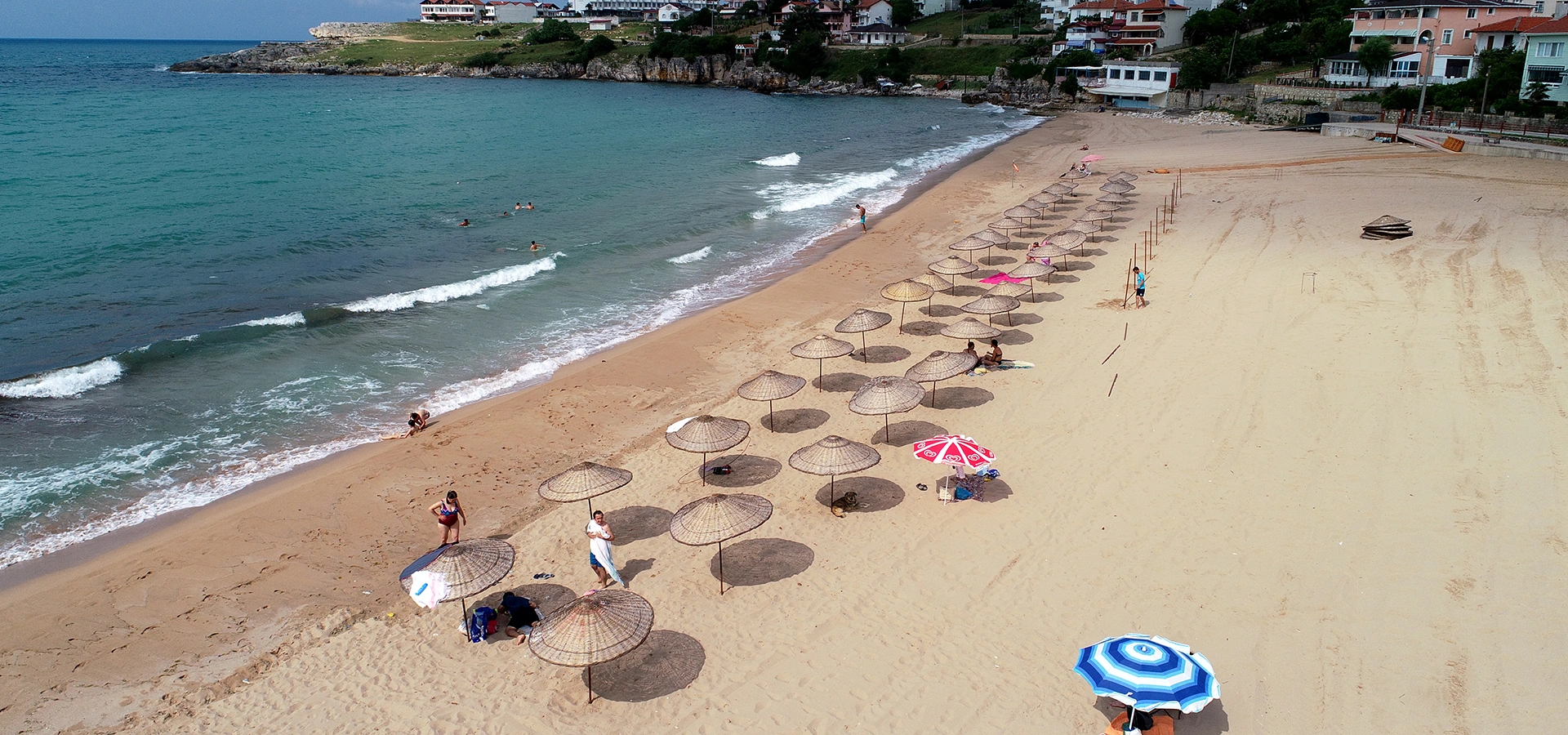
Bağırganlı Beach
Continue along Kandıra's Black Sea coast for rocky headlands, open water and quiet coastal scenery.
Explore Bağırganlı Beach





Set beside the Black Sea in Babalı, Kandıra, the Babalı Cultural Area is one of Kocaeli's most unusual places of historical memory, coastal heritage and archaeology.
At first sight, Babalı appears to be a remote seaside landscape of sand, waves, rocky headlands and open horizons. But behind that natural beauty lies a much deeper story connected with Caucasian communities displaced to Ottoman lands during the nineteenth century.
The focal point is Babalı Cave, a small coastal cave approximately 6–7 metres deep. Official cultural inventories associate the cave with Abkhaz and Circassian people who reached the region during nineteenth-century population movements. Inside survives a four-line Ottoman Turkish inscription dated AH 1324.
The wider Babalı landscape has also become an important place of remembrance for the 1864 Caucasian exile. Every year around 21 May, people gather in the region to remember the suffering, displacement and loss experienced by Circassian, Abkhaz and other Caucasian communities.
Archaeology adds another dimension. Official conservation decisions identify a Roman-period stone quarry within the protected coastal area, showing that human interaction with this landscape reaches much further back than its modern memorial history.
The approximate depth of the historic coastal cave at Babalı.
An important annual remembrance date for the Caucasian exile.
Ancient quarry remains add an archaeological layer to the protected landscape.
Long beaches, open water, wind and dramatic coastal scenery surround the memorial site.
Essential information for understanding and visiting Babalı Cultural Area on the Kandıra coast of Kocaeli.
Babalı,
Kandıra, Kocaeli.
Closely associated with
Caucasian remembrance.
Approximately
6–7 metres deep.
Four lines of Ottoman Turkish
dated AH 1324.
A Roman-period quarry
survives within the protected area.
Open Black Sea coast,
beach, cliffs & waves.
Babalı brings together migration memory, archaeology, a historic cave and one of Kandıra's most dramatic stretches of Black Sea coast.
Few places in Kocaeli combine human memory and natural landscape as closely as Babalı. The sea that today creates the area's open, windswept beauty is also central to the historical story remembered here.
During the nineteenth century, large numbers of people from the Caucasus were forced to leave their homelands and cross the Black Sea toward Ottoman territories. Babalı became associated with these journeys, arrivals, losses and new beginnings.
The coastal cave became part of this historical memory, while the broader shoreline developed into a place where descendants and community organisations could gather to remember those who suffered during displacement.
At the same time, the discovery and protection of Roman quarry remains demonstrate that Babalı's heritage extends far beyond the nineteenth century.
The result is not a conventional archaeological park, museum or beach attraction. It is a layered cultural landscape in which geology, archaeology, migration, memory and the Black Sea are inseparable.
The nineteenth century brought enormous upheaval to the peoples of the Northwest Caucasus. War, forced displacement and mass migration pushed Circassian, Abkhaz, Ubykh and other communities toward Ottoman territories.
Much of this movement took place across the Black Sea. The journeys were frequently made under extremely difficult conditions, and large numbers of people died during the process of displacement.
Babalı's coastline became connected with these memories because groups arriving from the Caucasus came ashore along this part of the Ottoman Black Sea coast. The landscape therefore carries emotional meaning far beyond its physical appearance.
Today, Babalı functions as a hafıza mekânı — a place of memory, where descendants, associations and visitors gather to remember the experiences of those who crossed the sea.
Visitors researching Babalı may encounter two different nineteenth-century dates in official descriptions of the site. Understanding the distinction helps avoid oversimplifying its history.
The wider commemorative landscape at Babalı is strongly associated today with the 1864 Caucasian exile, which followed the final stages of Russian conquest in the Northwest Caucasus. The annual 21 May ceremonies commemorate this broader historical tragedy.
Meanwhile, official cultural-inventory descriptions of Babalı Cave specifically connect the shelter with Abkhaz and Circassian survivors associated with movements following the 1877–78 Ottoman–Russian War.
These references should therefore not automatically be treated as descriptions of exactly the same historical episode. Together they demonstrate how Babalı became part of a larger nineteenth-century landscape of Caucasian displacement and migration.
Set directly within the coastal landscape, Babalı Cave is physically modest but historically important. Official inventories describe it as extending approximately 6–7 metres inward from its entrance.
Its significance comes primarily from the tradition that displaced Abkhaz and Circassian arrivals used the cave as shelter after reaching the Black Sea coast.
Standing near the cave today, the relationship between geography and history becomes easy to understand. The sea is immediately present, and the rocky shelter offers a tangible connection with a period when exhausted migrants were arriving on an unfamiliar coast.
The cave should therefore be seen less as a geological spectacle and more as a historical witness embedded within the natural landscape.
One of the most intriguing surviving features of Babalı Cave is an Ottoman Turkish inscription recorded on its interior surface.
Official cultural documentation describes the inscription as consisting of four lines and carrying the date AH 1324.
Its presence provides another tangible historical layer within the cave. Rather than being known only through oral memory, Babalı preserves physical evidence left by people who used or visited the shelter in the late Ottoman period.
The inscription is particularly valuable because coastal caves are vulnerable environments. Humidity, salt, water and human contact can gradually damage historic surfaces.
Babalı's importance is not limited to nineteenth-century migration history. Archaeological investigations and official conservation decisions identify Roman-period quarry remains within the protected coastal area.
Ancient stone quarries are valuable archaeological landscapes because they preserve evidence of how building material was extracted, shaped and transported during antiquity.
Quarries can reveal working faces, cutting marks, unfinished stone blocks and the relationship between geology and ancient construction activity.
The Roman quarry at Babalı therefore pushes the human history of the landscape back many centuries and demonstrates that this remote-looking section of the Black Sea coast was already being exploited in antiquity.
The Babalı coastal heritage area has received formal protection through decisions of the regional cultural heritage conservation authorities.
The area was declared a Historic Site in 2009, and its protected boundaries were subsequently defined.
In 2018, the conservation board decided that the site's historic protection should continue. Because of the presence of the Roman-period stone quarry, part of the landscape was additionally defined as a 1st-degree archaeological site.
This designation underlines the fact that Babalı should not be understood simply as undeveloped beachfront. The cultural landscape contains legally protected archaeological and historical values.
To strengthen the interpretation and commemoration of Babalı's history, the site was developed as the Babalı Cultural Area.
Official tourism information identifies three principal components: the Cave Exhibition Area, Ceremony Area and Monument.
Together, these elements transform the landscape into a place where visitors can move beyond the beach and engage with the stories attached to it.
The project also provides a physical setting for annual ceremonies, allowing collective remembrance to take place close to the coastline where historical arrivals are remembered.
Interprets the historical meaning attached to the coastal cave.
Provides a focal point for collective remembrance and public gatherings.
Creates a permanent visual reminder of the stories commemorated at Babalı.
The Black Sea itself remains an essential part of understanding the memorial site.
21 May is one of the most important dates associated with Babalı Cultural Area.
The date is observed by Circassian, Abkhaz and other Caucasian communities as a day of remembrance connected with the 1864 Caucasian exile.
Commemorative programs at Babalı bring together descendants, cultural associations, community representatives and visitors from different parts of Türkiye.
The ceremonies transform the coast from an ordinary seaside landscape into a powerful collective space of memory, mourning, identity and cultural continuity.
Programs may include visits to Karaağaç Cemetery, prayers, speeches, memorial ceremonies and gatherings on the Babalı coast.
The historical memory associated with Babalı does not end at the shoreline. Nearby Karaağaç also plays an important role in annual remembrance.
Municipal accounts describe groups arriving in the Babalı region and later settling around Karaağaç, where members of the community were buried.
For this reason, commemoration programs traditionally include Karaağaç Cemetery as well as the Babalı coast.
Together, the cemetery, cave, shoreline, monument and ceremony area create a wider cultural memory landscape rather than a single isolated historical attraction.
The landscape has also been enriched through environmental projects designed to reinforce the site's memorial character.
Kocaeli Metropolitan Municipality, working with the Abkhaz community, created a memorial planting area at Babalı.
Approximately 300 olive saplings were planted across an area of roughly 7,000 square metres.
The symbolism is particularly appropriate: a living landscape grows alongside the monuments and historical remains, linking remembrance with continuity and renewal.
Babalı stands on one of the more exposed stretches of the Kandıra Black Sea coastline.
Unlike the sheltered coves found elsewhere along the coast, Babalı faces open water, creating a landscape characterised by waves, wind, long beaches, sand formations and rocky headlands.
Official tourism material describes a long sandy shoreline beginning around Babalı and continuing eastward toward Karasu.
The scale of the coast gives Babalı an unusual feeling of openness. Even when visitors are present, the horizon, wind and moving sea dominate the experience.
Long stretches of open beach define much of the Babalı coastline.
Rocky formations and cliffs add visual drama around parts of the shore.
The exposed Black Sea setting can produce strong coastal winds.
Open-sea conditions can become considerably rougher than at sheltered bays.
Babalı is also known for its extensive sandy environment and coastal formations shaped by wind and wave action.
Local tourism descriptions have long highlighted the unusual appearance of the area's moving sand and dune-like formations.
The combination of pale sand, dark Black Sea water, open sky and nearby vegetation creates one of the most distinctive coastal landscapes in northern Kocaeli.
Dunes are fragile environments. Walking repeatedly across vegetated sections can destabilise sand and damage the plants that help hold the landscape together.
Because Babalı faces the open Black Sea, its coastline is affected strongly by northern winds and wave action.
Kandıra's official tourism descriptions identify the area as suitable under certain conditions for wind and wave surfing.
Those same conditions require caution from ordinary swimmers. The Black Sea can change quickly, and visible waves may be accompanied by strong currents.
A calm-looking morning should never be taken as a guarantee that conditions will remain the same throughout the day.
The beauty of the cultural area comes partly from the fact that its heritage remains embedded within a comparatively open coastal landscape.
Visitors move between sandy shore, rock, grassland, coastal vegetation and Black Sea views rather than through a heavily urbanised tourism zone.
The exposed environment also changes constantly. Wind can reshape the sand, storms alter the shoreline and seasonal vegetation changes the colour of the surrounding landscape.
This natural character is one reason Babalı feels particularly powerful as a memorial setting: the sea remains visually dominant, just as it was central to the historic journeys remembered here.
Babalı provides an unusually wide range of photographic subjects within one compact cultural landscape.
Possible subjects include the cave, memorial structures, Black Sea waves, rock formations, long beaches, coastal vegetation and wide horizons.
Overcast weather can work especially well for the site. Heavy Black Sea skies often strengthen the atmosphere and reduce harsh contrast around the cave and stone surfaces.
Sunrise and late-afternoon light can add warmer tones to the sand and rocks, while stormier weather creates dramatic waves.
However, photography around memorial ceremonies requires sensitivity. A visually powerful scene is not automatically an invitation to photograph every individual present.
Understanding the Caucasian exile gives the landscape far greater meaning.
Give commemorative events priority over sightseeing and photography.
Never touch or damage the Ottoman inscription or natural rock surfaces.
Do not collect stones or objects from the protected archaeological area.
Carry rubbish away and avoid damaging dunes or vegetation.
Use quiet behaviour when visiting Karaağaç Cemetery.
Babalı Cultural Area combines developed memorial elements with natural coastal terrain. Accessibility therefore varies considerably between different parts of the visit.
The beach and cave surroundings can involve sand, rocks, uneven surfaces and changes in level. These conditions can create significant barriers for visitors requiring wheelchair-accessible or fully step-free routes.
The natural cave environment is particularly different from a purpose-built indoor attraction. Visitors with limited balance or mobility should assess conditions before approaching exposed coastal sections.
Current access arrangements may change, so visitors with specific accessibility requirements should confirm local conditions before travelling.
A little historical context completely changes the way you experience the coastline.
Rock, sand and uneven coastal surfaces are easier with secure footwear.
Open Black Sea conditions can change quickly, particularly in windy weather.
Never touch historic writing inside the cave.
If visiting around the commemoration date, expect ceremonies and larger gatherings.
Bring basic supplies rather than assuming facilities will always be available.
Help preserve both the cultural landscape and the Black Sea coast.
Babalı deserves more than a quick photograph of the beach.
Babalı Cultural Area is located on the Black Sea coast of Kandıra district, Kocaeli Province.
The experience combines an outdoor coastal landscape with historical, memorial and archaeological features.
Unlike a conventional enclosed museum, conditions depend on weather, coastal access, sea state, season and any conservation or ceremonial arrangements in place at the time.
Visitors should particularly check local conditions if travelling during winter storms, periods of strong Black Sea surf or around the annual 21 May commemorations.
Babalı, Kandıra, Kocaeli, Türkiye
Historical memory, coastal cave, monument, archaeology and Black Sea scenery.
Approximately 6–7 metres.
21 May – annual Caucasian remembrance events.
Historic and archaeological protection applies within the cultural landscape.
Allow time for both the historical story and the natural coastline.
Babalı lies on the Black Sea coast within Kandıra district, in the northern part of Kocaeli Province.
Local tourism information places Babalı roughly 30 kilometres from Kandıra town centre. It is one of the district's more remote coastal settlements.
Most independent visitors reach the area by private vehicle, following the road network toward the Babalı coast.
The final approach passes through rural northern Kocaeli, where settlement becomes less dense and the landscape opens toward the Black Sea.
Because local roads, parking arrangements and access points can change, use current navigation and follow signs once you reach Babalı.
Continue toward the eastern Black Sea coast and Babalı.
Travel north toward Kandıra, then continue to Babalı on the coast.
Approach Kocaeli before continuing north through the Kandıra region.
Expect rural and coastal roads rather than a major urban attraction entrance.
Babalı can be visited from Istanbul as part of a long day trip or relaxed weekend on the Kandıra coast.
The journey reveals a dramatic change in landscape. Dense urban development gradually gives way to villages, agricultural land, forest and finally the open Black Sea.
Leave early if Babalı is your main destination. The site rewards visitors who have enough time to understand the history, walk along the coast and visit the memorial features without rushing.
For a fuller Kandıra journey, combine Babalı with other coastal landscapes rather than attempting to return immediately after a brief photograph.
Begin at the Babalı Cultural Area and spend a few minutes understanding the historical background before approaching the cave and shoreline.
Explore the memorial and ceremony area, then continue toward Babalı Cave, observing the Ottoman inscription without touching the historic surface.
From there, look at the surrounding rocky landscape with the knowledge that the protected area also preserves Roman-period quarry remains.
Continue to the beach and spend time looking across the Black Sea. The open horizon is not merely scenic: it is fundamental to understanding the migration journeys commemorated here.
If appropriate to your itinerary, continue toward Karaağaç to understand the wider memorial geography associated with the community.
Cultural Area – understand the history and memorial context.
Babalı Cave – see the coastal shelter and Ottoman inscription.
Protected landscape – observe the archaeology and rocky coastline responsibly.
Babalı Beach – experience the Black Sea setting behind the historical story.
Enough only for a very brief look at the main cultural area.
Suitable for the memorial area, cave surroundings and a short coastal walk.
A much better visit with time to understand the history and explore the landscape slowly.
Ideal when combining Babalı Cultural Area with the beach and surrounding countryside.
Allow considerably more time if attending or observing annual commemorative events.
Add extra time for changing light, coastal views and documentary photography.
For general sightseeing, spring through autumn usually provides the easiest combination of longer daylight, coastal walking and comfortable outdoor conditions.
Spring brings fresh vegetation and often dramatic skies, while summer provides the classic beach landscape.
Autumn can be particularly atmospheric, with quieter surroundings, changing weather and strong photographic light.
Winter can reveal Babalı at its most dramatic, but powerful wind, rain and Black Sea waves can make parts of the coast uncomfortable or unsafe.
Any season when weather allows safe access to the cultural landscape.
21 May, during annual Caucasian remembrance ceremonies.
Late spring through early autumn for longer outdoor visits.
Cloudy skies, changing weather and late-afternoon coastal light.
Weekdays outside the main summer and commemoration periods.
Stormy weather and periods of strong Black Sea surf.
Useful on sand, rock and uneven ground around the cultural landscape.
Carry your own supply, especially when exploring beyond the central area.
The open Black Sea coast can feel much cooler when wind strengthens.
There can be little shade on exposed parts of the beach.
The combination of heritage, sea and dramatic skies is excellent for photography.
Reading about the Caucasian exile before arrival makes the visit far more meaningful.
Babalı fits especially well into a wider Kandıra itinerary combining coastal nature, beaches, rural landscapes and cultural heritage.
Continue exploring Kandıra's wild Black Sea coastline and rocky shore scenery.
Add another long sandy coastal landscape to your Kandıra journey.
Explore the district centre and learn more about the rural culture of northern Kocaeli.
Exchange the open coast for forest, streams and dramatic inland terrain.
Combine Black Sea memory landscapes with museums, Ottoman heritage and ancient Nicomedia.
Continue through the province for archaeology, nature, Gulf scenery and mountain landscapes.
For travellers interested in history, memory, migration, archaeology and dramatic coastal scenery, Babalı is one of the most meaningful places on Kocaeli's Black Sea coast.
Its strength lies in the way several different stories exist in the same landscape. A Roman quarry recalls the ancient use of the coast. A small cave carries nineteenth-century migration memories. An Ottoman inscription provides physical evidence of a later human presence. Modern memorial structures preserve collective remembrance.
Behind all of them stands the Black Sea, beautiful today but inseparable from the difficult journeys remembered at Babalı.
That combination gives the place an emotional and historical depth that a normal beach visit cannot provide.
Babalı Cultural Area is on the Black Sea coast in Babalı, Kandıra district, Kocaeli Province.
It is a coastal heritage and memorial landscape incorporating Babalı Cave, commemorative spaces, archaeology and the historical memory of Caucasian migration.
The area is associated with nineteenth-century Caucasian displacement and arrival on Ottoman Black Sea shores and also contains Roman-period archaeological remains.
Babalı Cave is a small historic coastal cave associated in official sources with Abkhaz and Circassian migrants.
Official cultural sources describe it as approximately 6–7 metres deep from its entrance.
Yes. A four-line Ottoman Turkish inscription dated AH 1324 is recorded inside the cave.
The broader Babalı memory landscape is associated with Caucasian communities forced across the Black Sea during the nineteenth-century exile, particularly the events remembered on 21 May 1864.
Official descriptions of Babalı Cave specifically associate the shelter with Abkhaz and Circassian people connected with migration following the 1877–78 Ottoman–Russian War, while the wider annual remembrance focuses on the 1864 Caucasian exile.
21 May is an annual remembrance date for the Caucasian exile, and commemorative gatherings are held in the Babalı area.
Yes. The region has become an important gathering place for annual Caucasian remembrance events.
Nearby Karaağaç Cemetery forms part of the broader memorial landscape and is traditionally included in remembrance programs connected with Babalı.
Yes. The protected area contains remains of a Roman-period stone quarry.
Yes. The landscape has historic-site protection, and part of the area has also been designated a 1st-degree archaeological site.
Official tourism information lists a Cave Exhibition Area, Ceremony Area and Monument.
Yes. The cultural area lies directly within the wider Babalı coastal landscape, so history and Black Sea scenery can easily be experienced together.
Swimming conditions depend on the sea state. The open Black Sea can produce strong waves and currents, so visitors should follow current warnings and local safety guidance.
The exposed coastline is known for wind and wave conditions that can attract surfing enthusiasts when conditions are suitable.
Local tourism information places Babalı approximately 30 kilometres from Kandıra town centre.
Yes. It is possible as a long day trip by road, although combining Babalı with other Kandıra sights makes a more relaxed itinerary.
Allow at least 1–2 hours to appreciate the cultural area, cave surroundings and coast without rushing.
Yes. The site combines memorial architecture, historic rock surfaces, beaches, cliffs, waves and dramatic Black Sea skies.
Photography should be possible when access permits, but never touch, trace or physically interfere with the historic surface.
Accessibility varies. Natural beach, rock and cave sections contain uneven terrain and are not equivalent to a fully step-free museum environment.
Spring through autumn generally offers comfortable outdoor conditions. For the site's strongest commemorative context, 21 May is the most significant date.
Good additions include Bağırganlı Beach, Kumcağız Beach, Kandıra and other Black Sea landscapes of northern Kocaeli.
Approaching Babalı, the first impression is likely to be the landscape. The road reaches a remote-looking Black Sea coast where sand, rock, wind and an enormous open horizon dominate the view.
Then the history begins to change what you see.
A small cave beside the sea is no longer simply a geological formation. It becomes a reminder of people who reached this coast after dangerous journeys across the Black Sea.
Four lines of Ottoman writing inside the cave turn anonymous rock into a surface marked by human presence. Nearby archaeological remains push the story further back, to the Roman world and ancient quarrying activity.
The modern memorial, ceremony area and annual gatherings add yet another layer. They show that Babalı's history is not confined to the past: memory here is still active.
Standing on the shore, the Black Sea connects all of these stories. It is scenery, geography, historical route and symbol at the same time.
That is what makes Babalı remarkable. You may arrive expecting a remote coastal attraction, but you leave understanding that the landscape is also a record of movement, loss, survival, memory and continuity.
Babalı reveals the historical memory and wild coastal character of Kandıra. Continue through Kocaeli to discover long beaches, waterfalls, canyons, museums and the landscapes between the Black Sea and Gulf of İzmit.
From the Black Sea at Babalı, explore more of the province's natural and cultural landscapes.
Continue along Kandıra's Black Sea coast for rocky headlands, open water and quiet coastal scenery.
Explore Bağırganlı Beach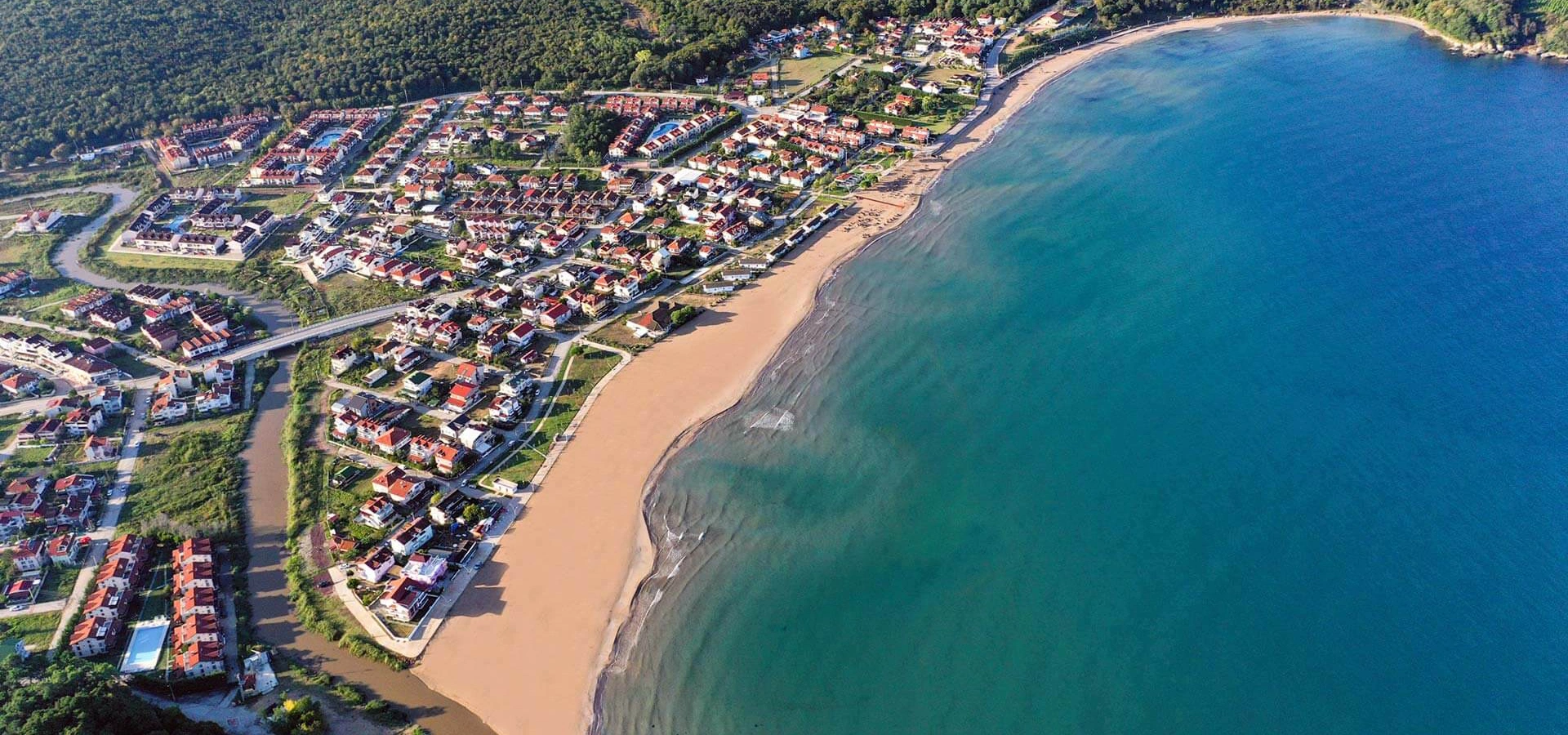
Discover another long sandy beach on Kocaeli's northern coast, surrounded by the landscapes of Kandıra.
Explore Kumcağız Beach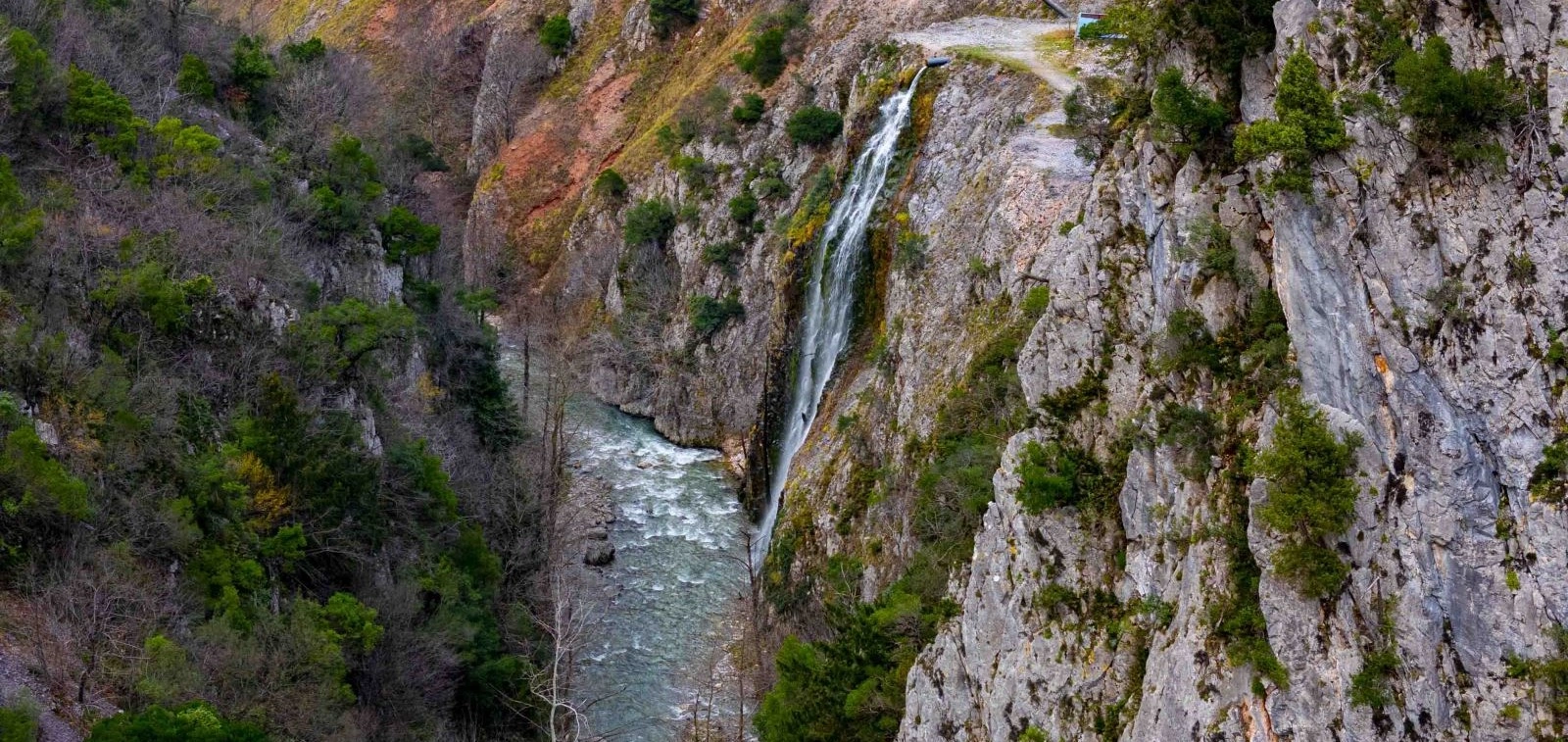
Leave the open Black Sea behind and enter one of Kocaeli's forested canyon and stream landscapes.
Explore Serindere Canyon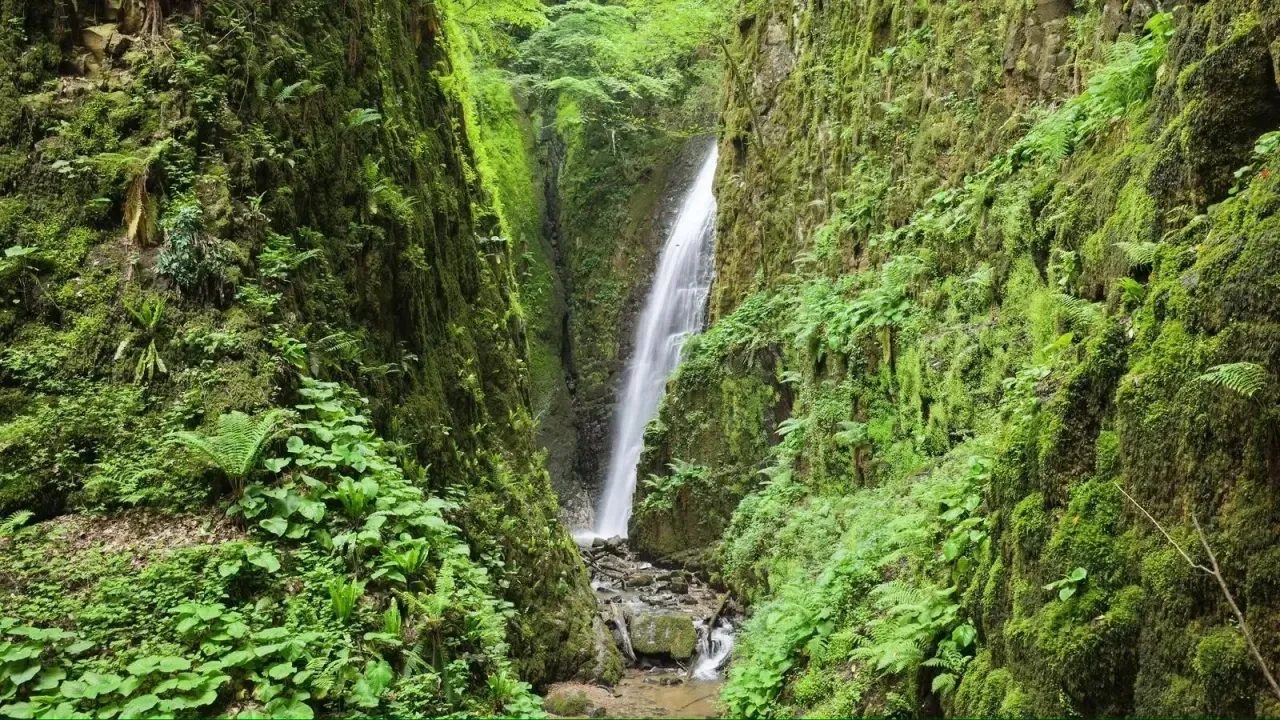
Follow a shaded stream through the Samanlı Mountains to one of Gölcük's best-known natural waterfalls.
Explore Nüzhetiye Waterfall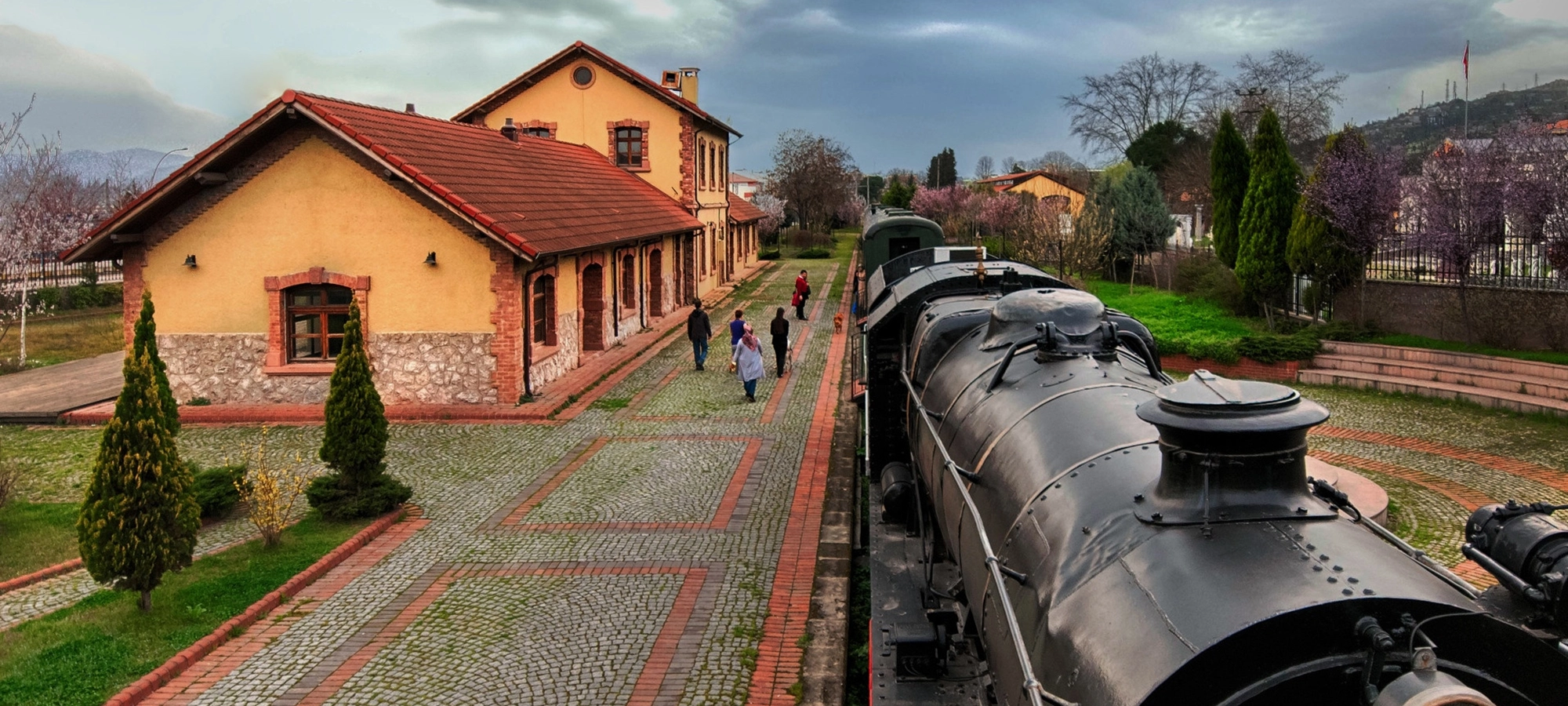
Return to the Gulf of İzmit and discover late Ottoman railway heritage in the provincial capital.
Explore Historical İzmit Train Station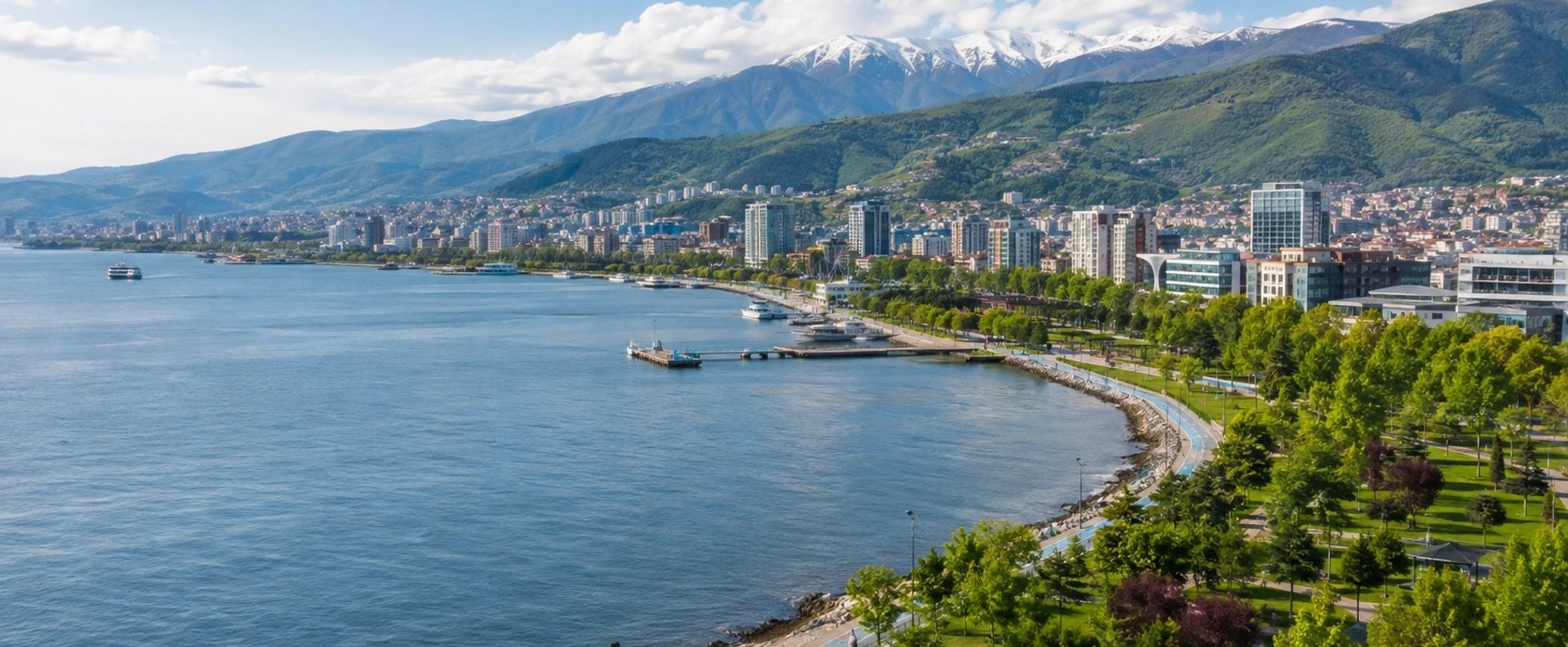
Discover ancient Nicomedia, Ottoman heritage, Black Sea beaches, forests, waterfalls and mountain landscapes across Kocaeli.
Discover Kocaeli