Private Küçüksu Pavilion & Bosphorus Heritage Tour
Ask us about a tailor-made route focused on Sultan Abdülmecid, the Balyan family, 19th-century palace art, Göksu, Anadolu Fortress and traditional Bosphorus neighborhoods.
Request a Custom Tour





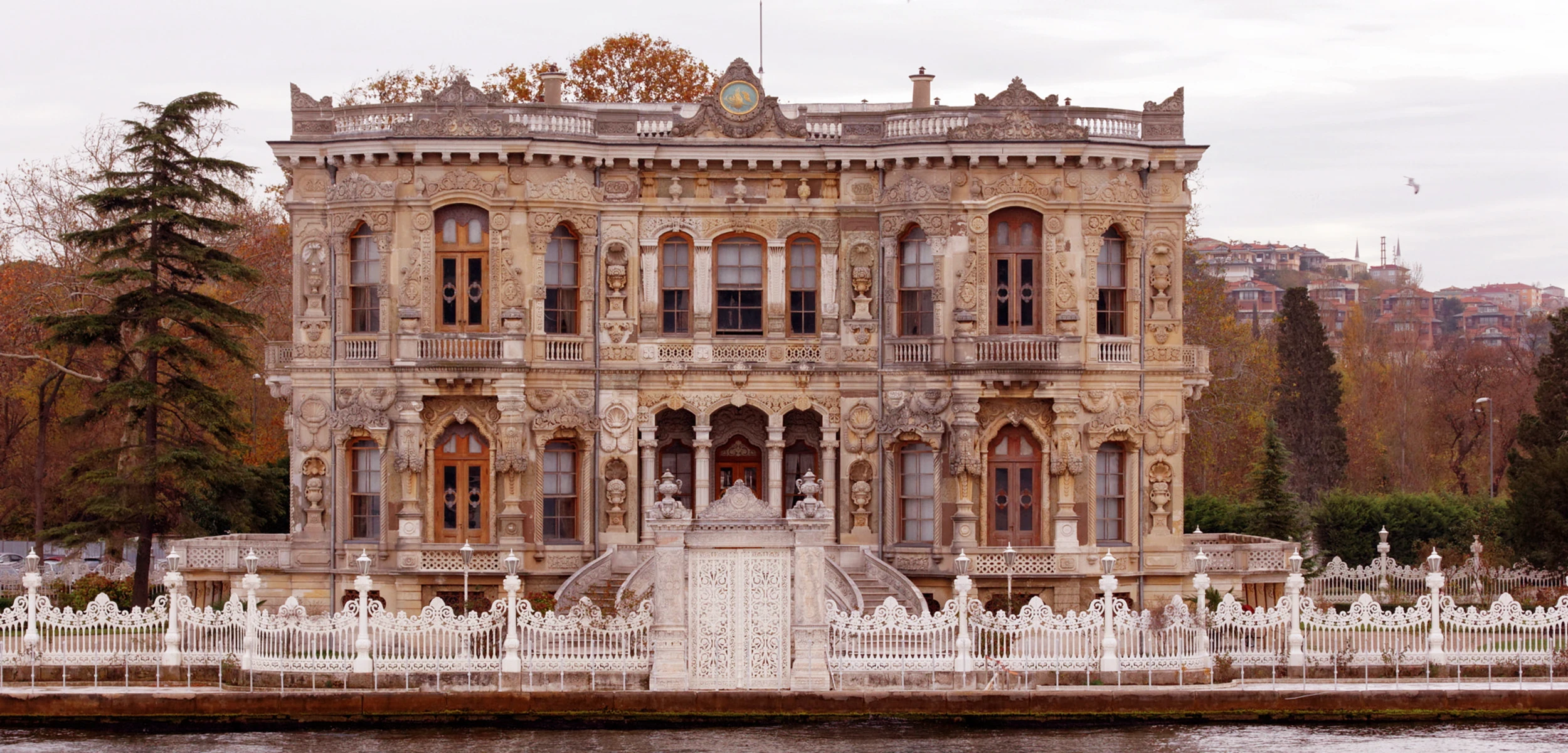
The Küçüksu Pavilion, known in Turkish as Küçüksu Kasrı and historically associated with the name Göksu Pavilion, stands directly beside the Bosphorus in Istanbul's Beykoz district. Built for Sultan Abdülmecid I in 1856–1857, it was designed as an elegant imperial stopping place for short excursions, hunting trips and leisure in the famous meadows between Göksu and Küçüksu streams.
Unlike a vast residential palace, Küçüksu was created for brief daytime visits. Its compact stone structure rises above a basement and contains two principal floors, each arranged around a central hall with four corner rooms—a traditional Ottoman house plan transformed through the decorative language of the 19th-century court.
The pavilion's restrained scale conceals an exceptionally rich interior. Painted and relief-decorated ceilings, patterned parquet floors, European furniture, paintings and a remarkable collection of colored Italian-marble fireplaces make the building feel like a complete museum of Ottoman palace decoration.
Outside, elaborate façades, monumental staircases, sculptural fountains and ornate iron railings face the water. Opened as a museum-palace in 1983, Küçüksu Pavilion now offers one of the most intimate and visually rewarding introductions to the imperial architecture of the Bosphorus.
The present masonry pavilion was commissioned by Sultan Abdülmecid I.
A compact footprint contains two richly decorated floors above service spaces.
Four corner rooms open from a central hall on each of the two principal floors.
Küçüksu Pavilion opened to visitors as a museum-palace.
Essential information for visiting this ornate Ottoman museum-palace on the Asian shore of the Bosphorus.
Göksu neighborhood, Beykoz, on Istanbul's Asian Bosphorus shore.
Open on Google MapsSultan Abdülmecid I commissioned the present pavilion.
The design is attributed to Nigoğos Balyan of the celebrated Balyan family.
The current stone pavilion was completed in 1856–1857.
Ticketed National Palaces museum; the Museum Card is currently valid for the pavilion.
Allow 45–75 minutes, or 2–4 hours with the grounds, Göksu and Anadolu Fortress.
Küçüksu Kasrı condenses the architecture, decoration and leisure culture of the 19th-century Ottoman court into one remarkably intimate building.
Küçüksu Pavilion is important because it reveals a quieter side of imperial life. The Ottoman sultans needed more than formal palaces for ceremonies and administration; they also maintained small waterfront retreats where they could pause during hunting expeditions, boat journeys and excursions along the Bosphorus.
The building is also a refined example of the architectural transition that shaped Istanbul during the reign of Abdülmecid I. Its plan preserves the logic of the traditional Turkish house, while its façades, interior ornament, furniture and fireplaces embrace the European-influenced taste of the mid-19th-century Ottoman court.
Its position between Göksu and Küçüksu is equally significant. For centuries, the surrounding meadows and streams were celebrated places of recreation, rowing, gardens, hunting and waterside entertainment for both the palace and the people of Istanbul.
For travelers following our guide to places to visit in Istanbul, Küçüksu offers an exceptional combination of palace art, Bosphorus scenery and nearby Ottoman heritage without the scale or crowds of the city's largest royal residences.
The landscape around Göksu and Küçüksu had attracted Ottoman rulers long before the present pavilion was built. Sultan Murad IV reorganized and planted parts of the area in the 17th century, while the streams, gardens and meadows became famous places for boating, hunting and excursions.
The first known imperial building on the site appeared during the reign of Sultan Mahmud I. His grand vizier, Divitdâr Mehmed Emin Pasha, commissioned a two-storey wooden hunting lodge in 1751–1752 for the sultan's visits to the area.
During the reign of Sultan Selim III, the wooden lodge underwent extensive renovation. In 1806, the sultan also commissioned a fountain dedicated to his mother, Mihrişah Valide Sultan. The older pavilion continued to be used during the reign of Mahmud II.
Sultan Abdülmecid I eventually ordered the timber building demolished and replaced by the stone pavilion visible today. Completed in 1856–1857, the new Küçüksu Kasrı reflected the westernizing artistic culture of his reign while retaining a recognizably Ottoman spatial arrangement.
Sultan Abdülaziz later enriched the exterior with more elaborate façade ornament. After the end of the Ottoman Empire, the building was preserved and used at times for official purposes before opening as a museum-palace in 1983.
Murad IV reshaped the wider Göksu landscape and its imperial gardens.
A wooden hunting lodge was built for Sultan Mahmud I.
Selim III commissioned the Mihrişah Valide Sultan Fountain.
Abdülmecid I replaced the old lodge with the present masonry pavilion.
The façades received additional sculptural ornament during the later 19th century.
The restored pavilion opened to the public as a museum-palace.
The pavilion cannot be fully understood without its landscape. It stands near the meeting point of the Bosphorus and two historic waterways, Göksu and Küçüksu, whose surrounding meadows were once among Istanbul's most admired excursion grounds.
The 17th-century traveler Evliya Çelebi described Göksu as a place of rowboats, rose gardens, small pavilions and watermills. Ottoman sultans came here to hunt, practice shooting, rest beside the water and move between imperial gardens along the Asian Bosphorus.
Over time, the area also became popular among Istanbul residents. Poetry, music and paintings celebrated the streams and meadows as places of sociability and seasonal pleasure, particularly during spring and summer.
Modern roads and urban development have changed the old landscape, but the relationship between pavilion, creek and strait remains vivid. The waterside setting explains why this compact building could serve as a perfectly placed imperial rest stop.
A celebrated waterway for rowing, gardens and Ottoman excursion culture.
The “little water” that gave the pavilion and neighborhood their modern name.
The meadow formed part of the recreational landscape used by Ottoman sultans.
The court used the surrounding countryside for hunting and shooting practice.
Boats once moved through landscaped banks lined with gardens and summer residences.
Göksu later became one of Istanbul's best-loved seasonal recreation areas.
Sultan Abdülmecid I ruled during the Tanzimat era, when the Ottoman state was reforming its institutions and presenting a new architectural image to the world. His reign produced major waterfront monuments, including Dolmabahçe Palace, and encouraged a court style that combined Ottoman traditions with European design.
The present Küçüksu Pavilion is generally attributed to Nigoğos Balyan, a leading member of the Ottoman Armenian Balyan architectural family. The family's work transformed the 19th-century Bosphorus with palaces, mosques, pavilions and public buildings created for the imperial household.
At Küçüksu, the architect responded to an unusually compact site and a specific function. Instead of designing a permanent residence with extensive private apartments, he created a symmetrical, ceremonially rich stopping pavilion organized for short stays and daytime entertainment.
The result combines a traditional central-hall plan with richly sculpted façades and European-influenced interior decoration. This dialogue between local spatial tradition and international court taste is one of the building's defining achievements.
The reform-era sultan who commissioned the present pavilion.
The pavilion's design is attributed to a prominent member of the Balyan family.
Architecture expressed a changing Ottoman state and a more international court culture.
The building was planned for excursions and short stays rather than permanent residence.
Küçüksu Pavilion is a masonry building measuring approximately 15 by 27 meters at ground level. It consists of a basement and two principal storeys, creating a compact rectangular mass whose long façade faces the Bosphorus.
The basement originally accommodated practical functions such as the kitchen, cellar and servants' spaces. Above, each main floor contains a central hall with four rooms positioned at the corners—a layout closely connected to the traditional Turkish house.
The exterior uses symmetry, deep window openings, curved profiles, relief ornament and monumental stairways to create a strongly ceremonial impression. The waterside elevation is especially elaborate, with sculptural decoration designed to be admired from approaching boats on the Bosphorus.
Unlike palace gardens hidden behind high defensive walls, the pavilion grounds are enclosed by elegant cast-iron railings and gates. This lighter boundary preserves the visual connection between the imperial retreat, its gardens and the surrounding waterfront landscape.
The small footprint makes the interior's decorative richness even more surprising.
A service basement supports two principal floors intended for imperial use.
Four corner rooms open into a shared central space on each main floor.
Stone load-bearing construction replaced the earlier wooden imperial lodge.
The Bosphorus elevation forms the pavilion's most theatrical architectural face.
Decorative boundaries maintain views between the gardens and the surrounding shore.
The pavilion's organization is simple enough to understand at a glance, yet the decoration gives every room a distinct identity. On both principal levels, a central hall distributes movement toward four rooms at the corners of the building.
This arrangement creates balanced views and allows rooms to receive light from more than one direction. The spaces facing the Bosphorus enjoy the strongest relationship with the water, while the landward rooms look toward the garden and historic neighborhood.
Because the pavilion was intended for daytime excursions, it did not originally require the extensive bedrooms, harem apartments and ceremonial departments found in large imperial palaces. Its rooms instead supported reception, rest, conversation and refreshment during short visits.
The basement kept kitchens, storage and servants largely separate from the imperial rooms above. This vertical division allowed an apparently effortless court experience while the practical work of the household remained out of view.
The pavilion's interior is one of the most concentrated displays of 19th-century Ottoman court decoration in Istanbul. Almost every surface contributes to the ensemble: ceilings, wall panels, doors, floors, fireplaces, curtains, carpets, paintings and furniture were composed to create complete rooms rather than isolated works of art.
Ceilings combine plaster relief with painted floral, geometric and architectural motifs. Gilded highlights catch the changing daylight, while carefully modeled borders frame larger central compositions above the halls and rooms.
The parquet floors vary in pattern from room to room, using contrasting woods to form geometric designs. European-style furniture and decorative objects reflect the cosmopolitan networks of the Ottoman palace during Abdülmecid's reign.
Although lavish, the decoration remains readable because of the building's intimate scale. Visitors can compare details across adjacent rooms and observe how color, surface and furnishings were adjusted to give each space its own atmosphere.
Layered compositions combine floral forms, architectural illusion and delicate color.
Modeled ornament gives ceilings and wall transitions sculptural depth.
Gold-toned accents animate borders, moldings and decorative focal points.
Different geometric wood patterns distinguish the principal rooms.
European-style furnishings demonstrate the international taste of the Ottoman court.
Artworks and decorative pieces complete the historic museum-palace interiors.
Among the pavilion's most remarkable features is its collection of fireplaces made from colored Italian marble. Rather than repeating a single design, the rooms use different combinations of stone, profile and ornament to create individual decorative centerpieces.
The Bosphorus-facing rooms contain two fireplaces, while the other rooms generally contain one. Their variety turns a practical source of heat into an exhibition of material, craftsmanship and 19th-century palace taste.
Look closely at the veining and color of the marble, the carved frames and the way each fireplace coordinates with the ceiling, floor and furniture of its room. Together they form one of the most distinctive decorative ensembles in any of Istanbul's imperial pavilions.
Imported Italian stones create dramatic contrasts of red, cream, gray and green.
Each fireplace contributes a different profile and visual character to its room.
Rooms facing the Bosphorus are especially richly equipped with paired fireplaces.
Stone, parquet, ceiling painting and furniture were designed to work together.
The exterior of Küçüksu Pavilion becomes increasingly elaborate toward the Bosphorus. Projecting forms, relief panels, curved window surrounds and strong horizontal divisions give the small building an unexpectedly monumental presence.
The waterside staircase creates a ceremonial route between the garden level and the imperial rooms. Its sculptural fountains and ornamental pool transform arrival into a stage-like experience, particularly when the pavilion is viewed from a boat.
Much of the façade's present richness is associated with additions made during the reign of Sultan Abdülaziz. The more abundant ornament reflects the increasingly expressive taste of Ottoman palace architecture in the later 19th century.
Walk around the accessible exterior before or after the interior tour. The side and garden façades reveal the building's symmetry more clearly, while the water elevation shows how architecture, stairs and sculpture were composed as one scene.
The most richly ornamented façade was designed for a dramatic waterside approach.
A monumental exterior stair turns entry into a ceremonial movement.
Western-inspired forms animate the façade and garden edge.
Later decoration increased the richness and depth of the exterior surfaces.
Ornamental boundaries frame the site without hiding it behind massive walls.
A Bosphorus cruise provides the clearest impression of the pavilion's theatrical design.
Küçüksu was a boarding pavilion or short-stay imperial retreat rather than a full residential palace. The sultan and court could arrive by imperial boat, rest, receive selected guests and continue an excursion without establishing a large permanent household.
The surrounding meadows supported hunting and shooting practice, while the nearby streams offered rowing and waterside recreation. The pavilion provided comfortable rooms for refreshment and conversation amid these outdoor activities.
Its lack of extensive sleeping quarters reflects this original function. The building was intended principally for the day, with service activities concentrated in the basement and formal rooms arranged above.
This specialized role distinguishes Küçüksu from Dolmabahçe or Beylerbeyi. Where the great palaces organized administration, ceremony, family life and state hospitality, Küçüksu distilled imperial presence into a small, seasonal and highly decorative retreat.
The pavilion grounds preserve an essential part of the visit. They place the ornate building within a narrow green setting between the coastal road, the historic streams and the Bosphorus.
The Mihrişah Valide Sultan Fountain, commissioned by Selim III in 1806 and dedicated to his mother, survives from the landscape associated with the earlier wooden lodge. Its presence connects the current 19th-century pavilion with a deeper layer of imperial history on the site.
Mature trees, open views and the sound of passing boats soften the building's intense decorative character. Depending on current arrangements, visitors may also encounter a separately ticketed picnic or recreation area associated with Küçüksu Pavilion.
Do not assume that a pavilion ticket automatically includes every garden or picnic facility. The National Palaces administration currently lists separate admission for the Küçüksu Pavilion Picnic Area, and the Museum Card is not valid for that separate area.
The 1806 fountain preserves the memory of Selim III and his mother.
Mature planting recalls the green excursion landscape of the upper Bosphorus.
Ships, ferries and small boats create a constantly changing background.
Step back from the building to appreciate its proportions and façade composition.
A separate ticket and different admission rules currently apply.
Valid for the pavilion, but not for the separately managed picnic area.
Küçüksu Pavilion opened to the public as a museum-palace in 1983. This use allows visitors to experience the building not simply as architecture, but as a carefully furnished ensemble of rooms, decorative surfaces and palace objects.
Conservation of a building like Küçüksu is especially demanding. Painted ceilings, plaster reliefs, parquet floors, textiles, furniture, marble and exterior stone each react differently to moisture, light, visitor movement and the pavilion's waterfront climate.
Visitor routes and protective measures are designed to reduce wear while preserving the sense of moving through an imperial interior. Rooms or parts of the grounds may occasionally close for maintenance, official use or conservation.
Follow staff instructions and remain behind any protective barriers. Small details are best appreciated slowly, and the pavilion's compact scale means there is no need to rush from room to room.
Architecture, furniture, paintings, floors and fireplaces are presented together.
Paint, gilding, textiles and parquet require tightly controlled visitor care.
Humidity and salt-laden air make continuous conservation especially important.
Current circulation may change to protect rooms or accommodate maintenance.
Begin outside so the building's compact scale and highly decorated waterside façade are clear. Inside, move slowly through the two central halls and compare the treatment of the eight surrounding rooms.
See the pavilion's most theatrical exterior from the garden or Bosphorus edge.
Study how the monumental stair, fountains and façade form one composition.
Experience the traditional organizing spaces at the heart of both main floors.
Compare the changing colors, furnishings, ceilings and floor patterns.
Look for the varied stones and individual designs in every room.
Notice plaster relief, gilded borders, floral motifs and architectural illusion.
Each room uses carefully composed patterns of contrasting wood.
Discover the 1806 monument that predates the current pavilion.
Hours, ticket prices and holiday arrangements can change; verify them before travel.
The pavilion is currently closed to visitors every Monday.
The current ticket-office closing time is earlier than the end of visiting hours.
The historic rooms and visitor route are easier to navigate without large luggage.
Interior photography restrictions can change; ask staff before taking pictures.
Follow any requirement for overshoes or protective coverings inside historic rooms.
The pavilion and picnic area currently have different admission charges.
The nearby fortress creates an excellent medieval-to-19th-century heritage route.
Begin at Küçüksu Pavilion shortly after opening. Allow approximately one hour to examine the façades, central halls, decorated rooms, marble fireplaces and garden elements without rushing.
Continue toward the edge of Göksu Creek and observe how the pavilion fits within the historic excursion landscape. Depending on access and your interests, pause in the separately ticketed recreation area or continue directly toward the fortress neighborhood.
Walk or take a short ride to Anadolu Fortress, where the architecture shifts dramatically from 19th-century court elegance to medieval Ottoman military strategy. Allow 60–90 minutes for the restored fortress museum.
Finish with a waterfront pause in Anadolu Hisarı or continue north to Kanlıca. Another excellent option is a Bosphorus cruise, which reveals the pavilion's waterside façade and the paired Anadolu and Rumeli fortresses from their intended maritime perspective.
Küçüksu Pavilion is administered by the Presidency of the Republic of Türkiye, Directorate of National Palaces. According to the official listing checked in August 2026, the pavilion is open Tuesday to Sunday from 09:00 to 17:30, closed on Mondays, and the ticket office closes at 17:00.
The current official ticket prices for the pavilion are 120 TL for domestic visitors, 300 TL for foreign visitors and 60 TL reduced admission. The Museum Card is currently valid for Küçüksu Pavilion under National Palaces rules.
The separately listed Küçüksu Pavilion Picnic Area currently costs 250 TL for domestic visitors, 500 TL for foreign visitors and 125 TL reduced admission. The Museum Card is not valid for this picnic area.
Prices, card rules, free-entry categories, public-holiday schedules and accessible areas can change. Before visiting, confirm the latest information on the official National Palaces Küçüksu Pavilion page.
Tuesday–Friday mornings are generally best for a quieter interior visit.
Mild weather, fresh greenery and Bosphorus light complement the pavilion gardens.
Comfortable temperatures and softer light suit both interiors and waterfront walks.
Visibility toward the European shore strengthens the building's maritime context.
Arrive early before heat and weekend traffic build along the coastal road.
The interiors remain rewarding, but garden and waterfront exploration may be limited.
Enough for a focused interior circuit when time is limited.
The ideal range for the rooms, ceilings, fireplaces, façades and fountain.
Add a relaxed garden visit, photography and the surrounding waterfront.
Combine the pavilion with Göksu, Anadolu Fortress and Kanlıca.
Küçüksu Pavilion is particularly photogenic from the Bosphorus side, where the ornate façade, monumental staircase and sculptural fountains form a balanced composition. Step back whenever permitted so the whole elevation can be seen against the water.
Side views emphasize the pavilion's compact proportions and the contrast between carved stonework, iron railings and mature planting. Passing ships and boats can add scale, but wait for a clear background if you want the architecture to dominate.
Interior photography rules may be restricted or changed to protect delicate objects and control visitor movement. Always ask staff before using a camera or phone inside, and never use flash, tripods or professional equipment without permission.
The pavilion also appears beautifully from a Bosphorus boat. From the water, its ceremonial façade can be understood as the intended point of arrival rather than simply the rear of a land-based museum.
Capture the staircases, fountains and ornament as a single composition.
Use trees and railings to frame the building without hiding its symmetry.
Relief carving, window surrounds and ironwork reward close observation.
Include boats or the opposite shore to show the pavilion's waterfront position.
A boat provides the most complete view of the ceremonial elevation.
Confirm the current policy before photographing rooms, furniture or ceilings.
Küçüksu Pavilion is a protected 19th-century building with a basement and two principal storeys. Historic staircases, thresholds and room layouts may limit full step-free access, particularly to the upper floor.
The museum route may require stairs between the two principal floors.
Doorways and changes in floor level can affect visitors with limited mobility.
Visitor numbers and turning space may be controlled inside furnished interiors.
Outdoor paving, ramps and waterfront areas may vary in smoothness and gradient.
Resting options inside historic rooms may be limited; ask staff what is available.
Contact National Palaces for the current step-free route and assistance options.
Küçüksu Pavilion is located at Göksu Mahallesi, Küçüksu Caddesi No:12, Beykoz, on Istanbul's Asian side near Anadolu Hisarı and the Fatih Sultan Mehmet Bridge. The best route depends on your starting point and current ferry schedules.
Use a northbound Bosphorus-shore bus toward Beykoz and leave near Küçüksu.
Travel to Üsküdar, then transfer to a coastal bus or taxi.
Connect by bus or taxi toward Üsküdar, Kandilli and Küçüksu.
Use a suitable Bosphorus service to a nearby Asian-side pier, then continue locally.
Cross by ferry to Üsküdar or use a Bosphorus bridge and continue by road.
Traffic and limited parking can make public transport the more practical choice.
Küçüksu Pavilion is ideally positioned for a half-day or full-day route through the upper Bosphorus. Use our complete Istanbul visitor guide to connect the pavilion with the city's wider Ottoman and waterfront heritage.
Explore Bayezid I's 14th-century stronghold beside Göksu Creek.
Walk through the historic landscape of rowboats, meadows and waterfront houses.
See Mehmed II's monumental 1452 fortress directly across the Bosphorus.
View the pavilion from the water and discover palaces, mansions and fortresses.
Continue north to a traditional waterfront neighborhood known for Bosphorus atmosphere.
Compare Küçüksu with a much larger 19th-century imperial summer palace.
Enjoy elevated views over the Bosphorus, bridges and surrounding green slopes.
Plan routes through palaces, mosques, museums and historic neighborhoods.
It is in the Göksu neighborhood of Beykoz on Istanbul's Asian Bosphorus shore, just south of Anadolu Fortress.
Its Turkish name is Küçüksu Kasrı. It is also historically associated with the name Göksu Pavilion.
Küçüksu literally means “little water,” referring to the local stream and the surrounding neighborhood.
Sultan Abdülmecid I commissioned the present pavilion, whose design is attributed to Nigoğos Balyan.
The current masonry building was completed in 1856–1857, replacing an earlier wooden imperial lodge.
A two-storey wooden hunting lodge was built in 1751–1752 during the reign of Sultan Mahmud I.
It served as an elegant short-stay retreat for Ottoman sultans during hunting trips, boat journeys and excursions around Göksu.
No. It was principally a day-use or short-stay pavilion rather than a large residential and administrative palace.
The building occupies a footprint of approximately 15 by 27 meters and contains a basement with two main floors.
Highlights include two central halls, eight principal rooms, painted ceilings, plaster reliefs, patterned parquet, European furniture and colored-marble fireplaces.
The rooms contain a varied collection of fireplaces made from colored Italian marble, each designed as part of its complete decorative setting.
It opened to the public as a museum-palace in 1983.
As checked in August 2026, the official schedule is Tuesday–Sunday 09:00–17:30, Monday closed, with the ticket office closing at 17:00. Verify before visiting.
As checked in August 2026, pavilion admission is 120 TL domestic, 300 TL foreign and 60 TL reduced. Prices can change.
Yes, the Museum Card is currently valid for the pavilion under National Palaces rules.
The National Palaces website currently lists the picnic area separately, with its own ticket prices. The Museum Card is not valid there.
Allow 45–75 minutes for the interior and immediate grounds, or longer if adding the waterfront and picnic area.
Yes, but children should be supervised around historic furnishings, stairs, water features and the Bosphorus edge.
The historic building has multiple floors and stairs. Contact National Palaces before travel to confirm the current step-free route and assistance.
Interior photography rules may change. Ask staff on arrival and do not use flash, tripods or professional equipment without permission.
A weekday morning in spring or autumn is ideal for a quieter interior experience and pleasant Bosphorus weather.
Take Marmaray to Üsküdar, then continue by a northbound Bosphorus-shore bus or taxi toward Küçüksu.
Yes. The two sites are close together and make an excellent half-day route through Ottoman military and palace architecture.
Göksu Creek, Anadolu Fortress, Rumeli Fortress, Kanlıca, Otağtepe and Beylerbeyi Palace are strong additions.
Yes. Its intimate scale, exceptional decoration and Bosphorus setting make it one of Istanbul's most rewarding lesser-visited imperial monuments.
Furniture, textiles, walls, fireplaces and decorative surfaces are historic museum objects.
Remain behind barriers and use only the rooms and paths open to visitors.
Follow all overshoe or floor-protection instructions given by museum staff.
Strong light can harm historic textiles, paint and other sensitive surfaces.
The pavilion is compact, so low voices help everyone appreciate the interiors.
Use bins, respect planted areas and never approach closed edges for photographs.
Connect Küçüksu Pavilion with Anadolu Fortress, Göksu, Kanlıca and the wider Bosphorus through a private route shaped around your interests and without compulsory shopping stops.
Choose a focused half-day visit around Küçüksu and Anadolu Hisarı, or create a deeper private journey linking imperial architecture, waterfront neighborhoods and the history of both Bosphorus shores.
Ask us about a tailor-made route focused on Sultan Abdülmecid, the Balyan family, 19th-century palace art, Göksu, Anadolu Fortress and traditional Bosphorus neighborhoods.
Request a Custom Tour
Create a private Istanbul itinerary around imperial palaces, fortresses, Byzantine monuments, Asian-side neighborhoods and the stories connecting both continents.
View Private Istanbul ToursConnect Küçüksu with the nearby fortress, the Bosphorus waterway and the larger imperial residences of the Asian shore.
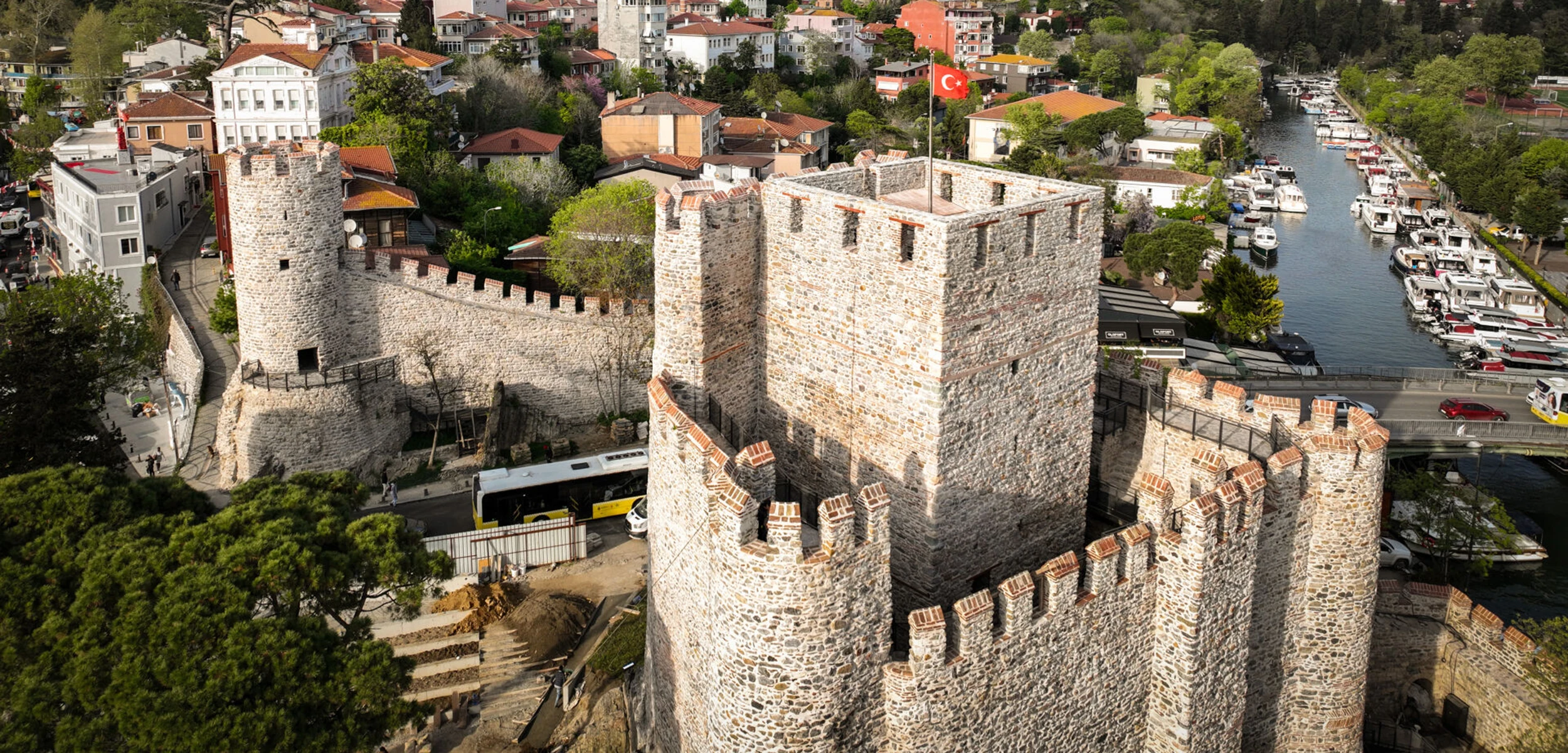
Explore Istanbul's oldest surviving Ottoman fortress and the strategic landscape beside Göksu Creek.
Explore Anadolu Fortress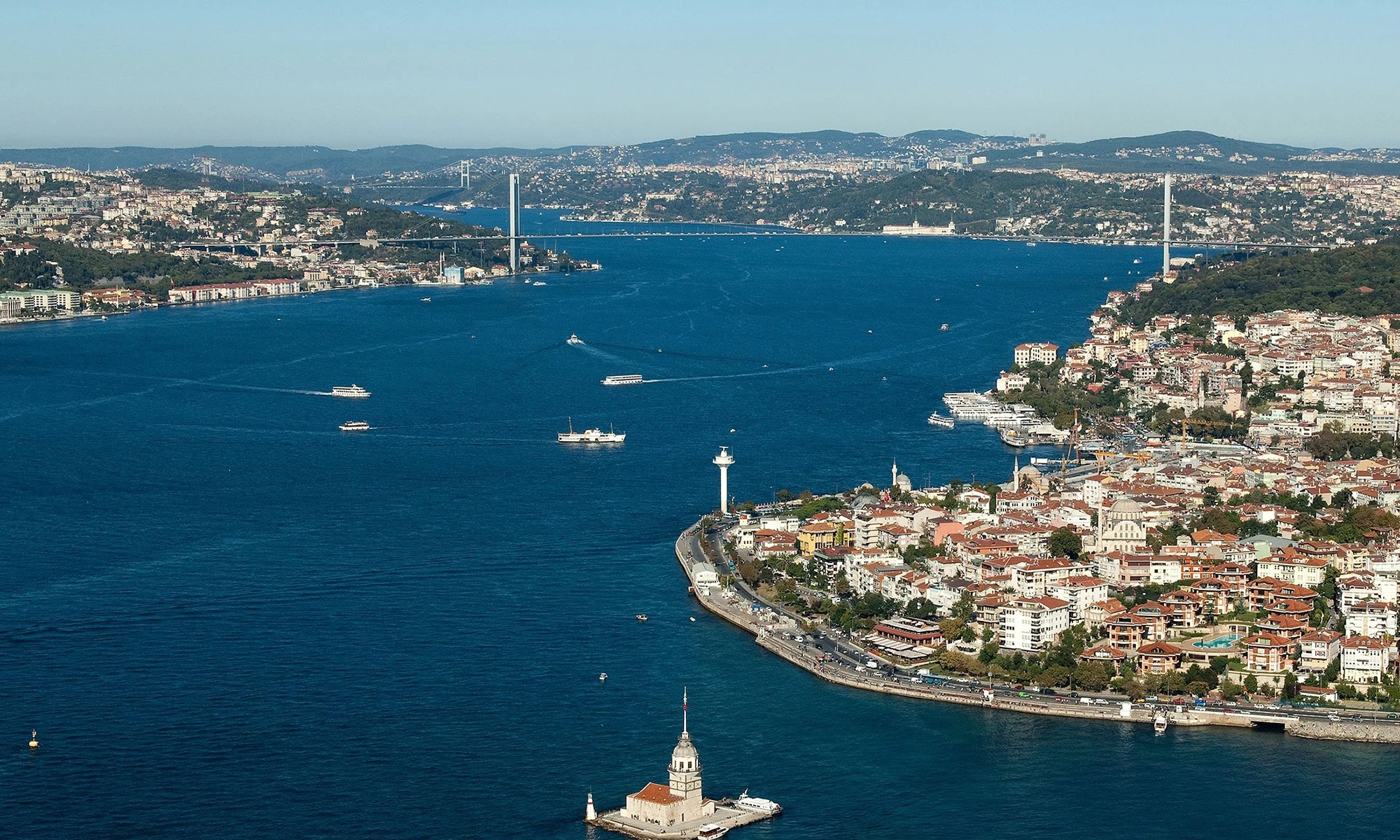
See Küçüksu Pavilion from the water while discovering palaces, mansions, bridges and historic neighborhoods.
Explore the Bosphorus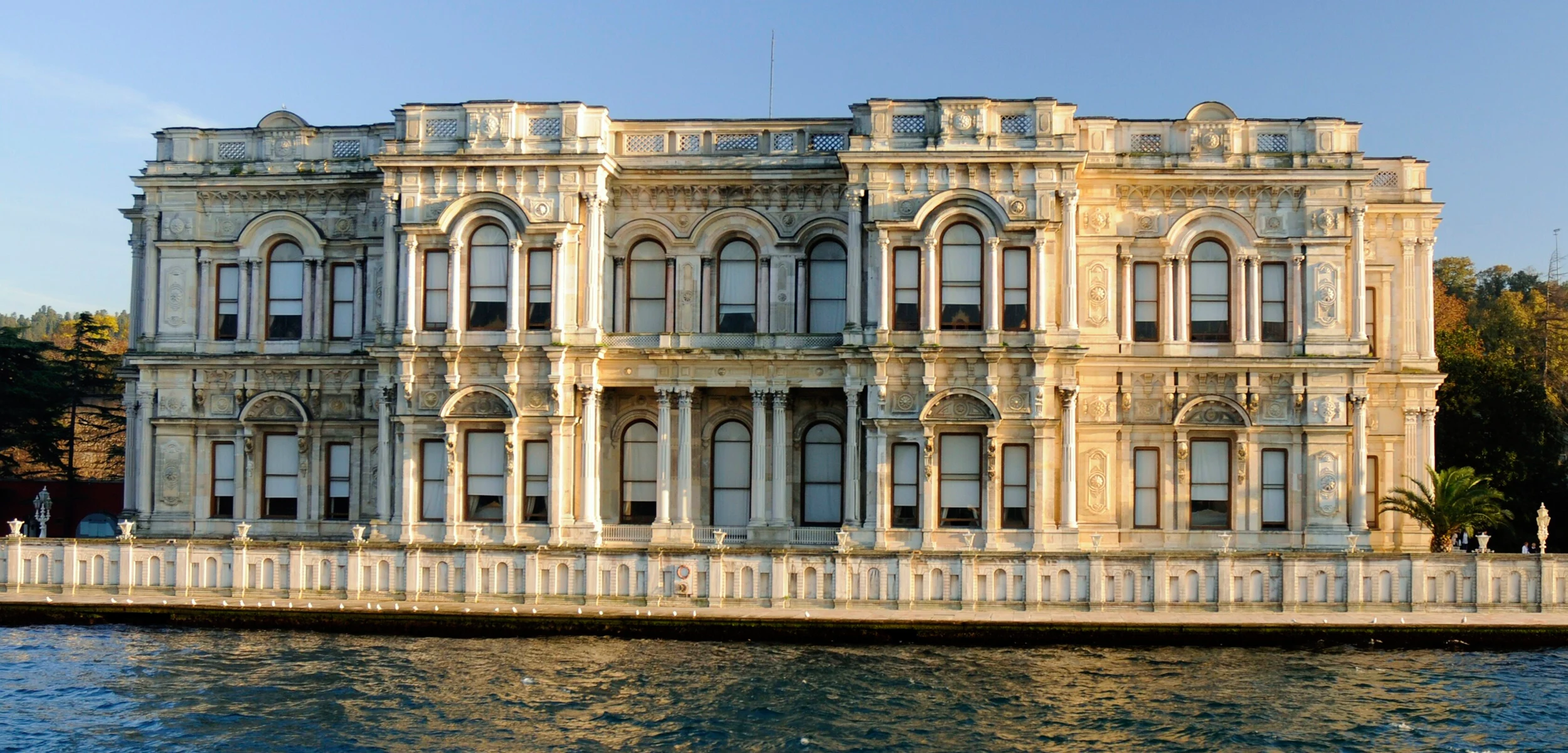
Continue south to a grand Ottoman summer palace and compare its scale with intimate Küçüksu.
Explore Beylerbeyi Palace
Wow Cappadocia designs unique travel experiences across Turkey. Our expert local guides help travelers explore the country's most iconic destinations including Cappadocia, Istanbul, Ephesus, Pamukkale and Antalya.
Official member of TURSAB (Association of Turkish Travel Agencies).