Private Kırkpınar Cultural Experience
Ask us about a tailor-made Edirne experience centered on Kırkpınar oil wrestling, pehlivan culture, Sarayiçi, Ottoman history and the traditions surrounding Türkiye's legendary Er Meydanı.
Request a Custom Tour




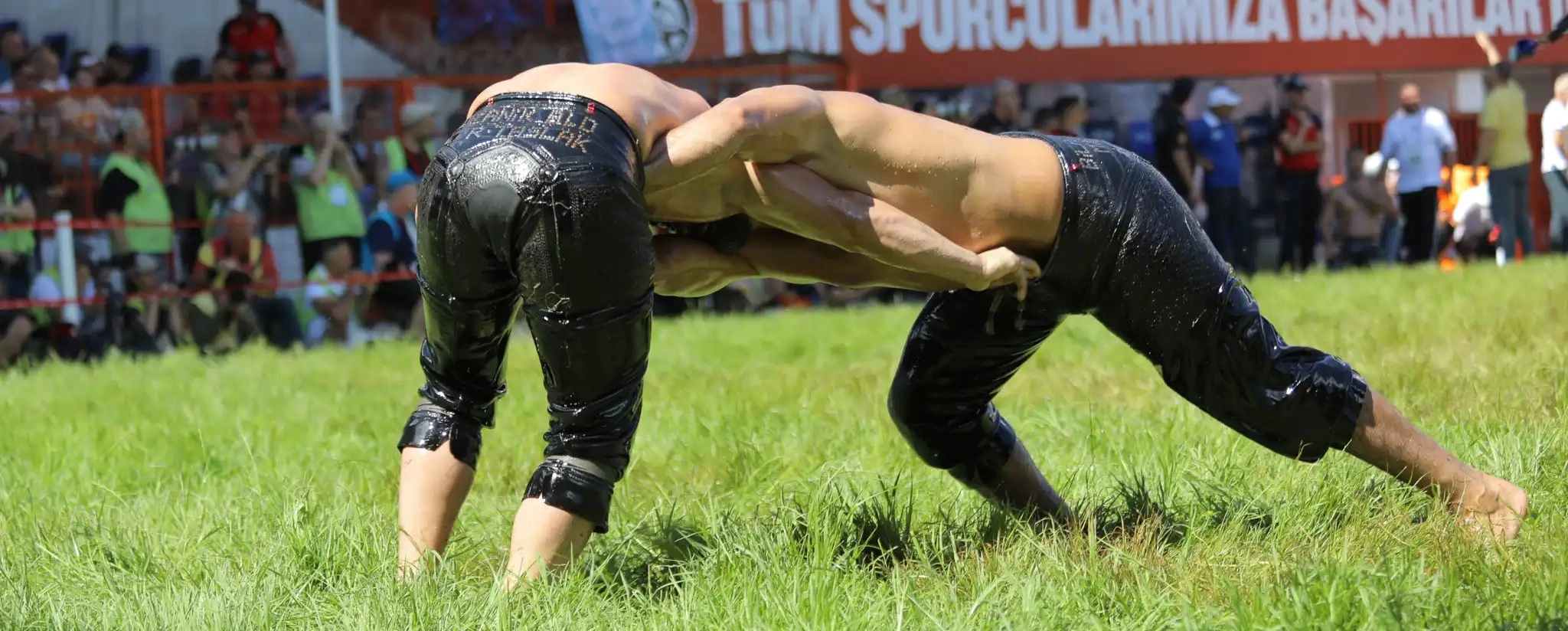
Every summer, Edirne becomes the center of one of Türkiye's most extraordinary living traditions: the Historic Kırkpınar Oil Wrestling Festival.
On the grass of Sarayiçi Er Meydanı, hundreds of wrestlers known as pehlivans compete while wearing heavy leather trousers called kıspet and covering their bodies with olive oil.
Yet Kırkpınar is far more than a sporting competition.
It is a complete cultural ceremony filled with davul drums, zurna music, poetic announcements, prayers, ritual movements, traditional craftsmanship, master-apprentice relationships and centuries-old ideas of courage, respect and fair competition.
The festival's origins are traditionally connected with the Ottoman expansion into Rumelia during the 14th century, and Kırkpınar has become one of the strongest surviving symbols of traditional Turkish wrestling culture.
Its cultural importance was internationally recognized in 2010, when the Kırkpınar Oil Wrestling Festival was inscribed on UNESCO's Representative List of the Intangible Cultural Heritage of Humanity.
For travelers following our complete Edirne visitor guide, Kırkpınar reveals a side of the city that cannot be understood through architecture alone: a living tradition in which history, sport, music, craftsmanship and communal identity continue together.
Kırkpınar has been included on UNESCO's Representative List of the Intangible Cultural Heritage of Humanity since 2010.
The festival traditionally traces its origins to 1361 and the early Ottoman expansion into Rumelia.
The Başpehlivan wins Türkiye's most prestigious oil-wrestling title and holds the famous Kırkpınar Golden Belt for one year.
Experience the wrestling tradition in Edirne's historic Sarayiçi landscape beside the remains of the former Ottoman palace.
Essential information for understanding and visiting Edirne's legendary oil wrestling festival.
Sarayiçi Er Meydanı, Edirne, Türkiye.
Open on Google MapsTurkish yağlı güreş – traditional oil wrestling performed on grass.
Kırkpınar traditionally dates its beginning to 1361 and the early Ottoman period in Rumelia.
Inscribed on UNESCO's Representative List of the Intangible Cultural Heritage of Humanity in 2010.
Pehlivans compete wearing heavy leather trousers known as kıspet.
Wrestlers cover themselves and their kıspet with olive oil, making ordinary gripping extremely difficult.
Davul drums and zurna instruments accompany the wrestling throughout the festival.
The winner of the highest category receives the title Başpehlivan – Chief Wrestler.
The Başpehlivan holds the prestigious Altın Kemer for one year; three consecutive victories make the wrestler its permanent owner.
Traditionally held around the end of June and beginning of July; exact dates are announced annually.
The traditional patron of the festival and one of Kırkpınar's most distinctive institutions.
Allow several hours for wrestling; enthusiasts can easily spend an entire day at Er Meydanı.
Kırkpınar is important because few sporting events preserve such a complete cultural world around the competition itself.
At first glance, Kırkpınar can appear to be simply a wrestling tournament.
Spend even a short time inside Er Meydanı, however, and another picture emerges.
The competition is surrounded by music, prayer, oral poetry, ritual greetings, traditional leatherwork, specialized terminology, symbolic objects and hereditary knowledge.
Even the way a wrestler prepares, enters the field, greets an opponent and responds after victory or defeat belongs to a wider tradition.
Kırkpınar therefore represents not only athletic performance but also living cultural heritage.
For generations, young wrestlers have learned from experienced masters, craftsmen have produced specialized kıspets, musicians have transmitted Kırkpınar melodies, and cazgırs have preserved traditional styles of announcing and prayer.
This combination explains why UNESCO recognized Kırkpınar as an important example of intangible cultural heritage transmitted between generations.
Yağlı güreş, literally “oil wrestling,” is a traditional form of wrestling in which competitors cover their bodies with oil before fighting on grass.
The wrestlers wear kıspet, specially constructed leather trousers extending from the waist to below the knee.
The oil makes conventional gripping extremely difficult.
As a result, oil wrestling rewards far more than physical strength.
Successful pehlivans need balance, timing, endurance, flexibility, strategy, specialized grips and deep technical experience.
Many traditional techniques involve controlling the opponent's legs, waist, kıspet or center of gravity.
Official Turkish cultural sources describe Kırkpınar as a wrestling tradition that developed in 14th-century Rumelia.
The festival itself traditionally dates its beginning to 1361, around the period when Ottoman forces were establishing themselves permanently in the Balkans and Edirne was becoming one of the empire's most important cities.
Like many traditions preserved across centuries, however, the earliest Kırkpınar story combines historical memory and legend.
Rather than treating every detail of the founding narrative as literal documentation, it is better to understand the story as Kırkpınar's traditional explanation of its own beginnings.
That legend is still one of the most beautiful and important parts of the festival's cultural identity.
According to the best-known Kırkpınar legend, the story begins during the early Ottoman campaigns into Rumelia.
A group of forty Ottoman warriors associated with Süleyman Pasha, son of Orhan Gazi, stopped during one of their campaigns and began wrestling among themselves.
Two wrestlers proved so evenly matched that neither could defeat the other.
Tradition commonly identifies them as Ali and Selim.
At a later gathering, the two men wrestled again.
The struggle continued for hour after hour, eventually carrying on into the night.
Neither would surrender.
According to the legend, both wrestlers finally collapsed and died from exhaustion.
Their companions buried them beneath a tree and continued their journey.
When the warriors later returned to the same place, they discovered springs of clear water flowing near the graves.
The place became associated with the forty warriors and the springs, giving rise to the name Kırkpınar – “Forty Springs.”
An unusual feature of Kırkpınar history is that the location giving the festival its name is not inside the modern borders of Türkiye.
Traditional accounts place the original Kırkpınar meadow in the Rumelian landscape that today lies within Greece, around the area historically associated with Samona.
For centuries, this Balkan geography formed part of the wider Ottoman cultural world in which wrestling festivals, fairs, religious gatherings and seasonal celebrations developed.
The dramatic political changes of the early 20th century eventually separated the traditional wrestling ground from Edirne.
Yet the festival survived.
Its location changed, while the rituals and cultural identity attached to the name Kırkpınar continued.
The Balkan Wars, First World War and the creation of new international borders transformed the landscape in which Kırkpınar had developed.
The original wrestling meadow became separated from Edirne by the modern frontier.
Official provincial cultural sources record that the wrestling tradition was consequently transferred from the old Kırkpınar meadow to an area known as Viran Tekke on the Edirne–Mustafa Paşa route.
After the establishment of the Turkish Republic, the festival became firmly associated with Sarayiçi in Edirne.
That move proved extraordinarily successful.
Sarayiçi became so closely connected with Kırkpınar that today, for millions of people, the festival and Sarayiçi Er Meydanı are almost inseparable.
Modern Kırkpınar takes place in Sarayiçi, a green area along the Tunca River north of central Edirne.
The name means approximately “inside the palace” and reflects the area's close connection with the former Ottoman Palace of Edirne.
The palace was once one of the great royal residences of the Ottoman dynasty.
Although much of it disappeared, surviving monuments and archaeological remains still make the wider Sarayiçi landscape historically important.
The most recognizable surviving palace structure is the Adalet Kasrı – Tower of Justice, constructed during the reign of Süleyman the Magnificent.
Today, the nearby Kırkpınar stadium transforms this old imperial landscape into a vast gathering place during the festival.
Thousands of spectators arrive, davul and zurna music fills the air, and the grass of Er Meydanı – the Field of Bravery becomes the center of traditional Turkish wrestling.
In 2010, UNESCO inscribed the Kırkpınar Oil Wrestling Festival on the Representative List of the Intangible Cultural Heritage of Humanity.
The recognition does not concern a single stadium, building or archaeological monument.
Instead, UNESCO recognizes the living knowledge and traditions surrounding Kırkpınar.
The skills, values and identity associated with traditional oil wrestlers are transmitted between generations.
Experienced wrestlers pass technical knowledge, discipline and cultural behavior to younger competitors.
The festival patron continues an institution deeply embedded in the organization and ceremony of Kırkpınar.
The ceremonial announcer uses traditional verses, introductions and prayers to present wrestlers.
Traditional musicians perform a specialized Kırkpınar repertoire throughout the wrestling.
The leather trousers worn by pehlivans require specialized craft knowledge maintained by a limited number of masters.
The peşrev performed before wrestling combines preparation, respect and symbolic gesture.
Kırkpınar brings participants and spectators together around a tradition recognized as an important symbol of continuity.
The wrestling bouts are only one part of Kırkpınar.
The complete festival is traditionally surrounded by ceremonies that connect Edirne, the pehlivans, the Kırkpınar Ağası, Selimiye Mosque, traditional musicians and Er Meydanı.
One of Kırkpınar's most distinctive traditions is the Kırkpınar Ağası.
Historically, the Ağa acted as the principal patron and organizer of the wrestling gathering.
His responsibilities could include inviting pehlivans, welcoming guests, providing accommodation and meals, supporting the prizes, maintaining order and ensuring that the wrestling followed established customs.
Modern organization is naturally far more institutional, with municipal, sporting and administrative authorities playing major roles.
Yet the Ağa remains an important ceremonial figure and one of the strongest links between today's festival and Kırkpınar's traditional social structure.
The office is itself closely associated with prestige, hospitality and support for the continuation of the festival.
The Turkish word pehlivan carries a deeper cultural meaning than the simple English word “wrestler.”
Historically, the term could be associated with bravery, strength, heroism and personal integrity.
Within the Kırkpınar tradition, physical success alone does not define the ideal pehlivan.
Traditional values emphasize qualities such as honesty, respect, generosity, self-control, courage and proper conduct toward opponents.
This moral dimension helps explain why great pehlivans often became popular heroes far beyond the wrestling field.
UNESCO's description of Kırkpınar likewise emphasizes the cultural expectation that pehlivans represent exemplary personal qualities.
Traditional oil wrestling is not learned only from written rulebooks.
For centuries, skills were transmitted directly from experienced wrestlers to younger students through the usta-çırak – master-apprentice relationship.
An apprentice learns not only wrestling techniques but also how to prepare the kıspet, how to perform peşrev, how to behave in Er Meydanı, how to respect senior wrestlers and how to represent the moral expectations associated with pehlivanlık.
This human transmission of knowledge is one of the reasons Kırkpınar is especially important as intangible heritage.
The sport survives because every generation teaches the next generation how the tradition should look, sound and feel.
Every Kırkpınar pehlivan enters Er Meydanı wearing kıspet.
These specialized leather trousers extend from the waist to below the knees and are designed specifically for traditional oil wrestling.
Historically, kıspets have been produced from strong animal hides including water buffalo and cattle leather.
They are much heavier and more complex than ordinary sports clothing.
Important sections include the reinforced waistband known as the kasnak and the tightly secured lower section known as the paça.
Because the entire wrestler is covered in oil, the kıspet itself becomes an essential part of wrestling technique.
Pehlivans can use carefully controlled grips around and within permitted parts of the kıspet to create leverage where the oiled body offers almost no conventional handhold.
The traditional carrying case for a wrestler's kıspet is called the zembil.
Rather than an ordinary modern sports bag, the zembil is traditionally woven from plant material and forms part of the visual culture surrounding the pehlivan.
After wrestling, the leather kıspet must be cleaned, cared for and protected from drying before being stored.
The zembil therefore combines practical function with strong cultural symbolism.
Traditional wrestling language even associates “hanging up the zembil” with ending one's active wrestling career.
The oil is not a decorative ritual.
It fundamentally changes the sport.
Before entering serious competition, pehlivans cover both their bodies and kıspets with olive oil.
Because the skin becomes extremely slippery, ordinary wrestling grips become difficult to maintain.
That creates a contest requiring specialized technique, balance, endurance and knowledge of leverage.
During Kırkpınar, the traditional yağcı – oil attendant helps provide oil to the wrestlers.
Water is also available around the field, and attendants perform specific supporting roles throughout the bouts.
For spectators, watching the preparation around the oil containers before wrestling begins is one of the details that makes Kırkpınar visually unlike almost any other major sporting event.
Before the wrestling begins, the competitors are traditionally presented by a ceremonial announcer known as the cazgır or salavatçı.
Calling the cazgır merely an announcer does not fully explain the role.
The cazgır introduces the wrestlers through a traditional mixture of names, titles, rhythmic language, poetic formulas, encouragement and prayer.
His voice creates the transition between ordinary preparation and the ceremonial seriousness of the contest.
For visitors who do not understand Turkish, the words may not always be clear, but the rhythm, tone and response of the crowd make the importance of the moment immediately obvious.
Kırkpınar is almost impossible to imagine without the powerful combination of davul and zurna.
The davul is a large double-headed drum, while the zurna is a penetrating traditional wind instrument whose sound carries easily across an open field.
Together they create the unmistakable soundscape of Er Meydanı.
Traditional wrestling melodies accompany the arrival of pehlivans, peşrev, the bouts and the general rhythm of the festival.
The music does more than entertain spectators.
It provides energy, continuity and ceremony, helping transform the wrestling from a purely athletic event into a complete cultural performance.
One of the most beautiful moments to watch at Kırkpınar occurs before the physical struggle begins.
After the wrestlers have been introduced, they perform a traditional sequence known as peşrev.
Peşrev functions partly as a warm-up, preparing muscles, breathing and concentration.
But its meaning extends far beyond physical preparation.
The pehlivans move forward and backward in rhythm with the music, kneel, touch the ground and perform gestures shaped by centuries of tradition.
The ritual communicates respect for the field, respect for the opponent, connection with previous generations and mental preparation for the contest ahead.
Only after these preparations do the wrestlers finally make physical contact and begin their bout.
Oil wrestling can initially look confusing because the objectives are not identical to international wrestling styles.
The simplest way to watch is to pay attention to control and exposure.
Pehlivans constantly attempt to break their opponent's balance, control the legs or waist, apply traditional techniques and force the rival into a recognized losing position.
Under modern oil-wrestling rules, a wrestler can lose through yenik or açık düşme, when the opponent turns him into a position where the front of the body is exposed upward.
A conventional wrestling pin with both shoulders held flat is therefore not the only way a bout can end.
There are also additional recognized victory situations and, when necessary, time and scoring procedures established under current federation regulations.
Because both wrestlers are slippery, small changes in balance can suddenly create a decisive opening.
Many traditional techniques involve controlling, sweeping or trapping the opponent's legs.
The leather trousers provide critical legal gripping opportunities when oily skin cannot be held reliably.
Control of the waist and hips can transform a seemingly equal position into a winning attack.
Experienced spectators often recognize a dangerous technique several seconds before newcomers understand what is happening.
Long periods of patient positioning can suddenly explode into a decisive throw, turn or counterattack.
Turkish oil wrestling possesses an extensive technical vocabulary developed across generations of pehlivans.
Some traditional techniques and positions encountered in official cultural descriptions include:
A family of controlling techniques involving the opponent's head, neck or upper body.
An inside leg-sweeping action used to disturb the opponent's balance.
An outside sweeping action targeting the opponent's leg and stance.
Techniques built around controlling the lower part of the opponent's kıspet.
A traditional control associated with strong leverage from the kıspet and body position.
A famous family of rolling and turning techniques used to expose or overturn an opponent.
A powerful controlling action around the upper body and neck area.
One of the many named traditional techniques belonging to oil wrestling's specialized repertoire.
Kırkpınar is not a tournament only for elite heavyweight champions.
Traditional oil wrestling contains multiple competitive divisions known as boy.
Modern divisions organize wrestlers according to factors such as age, development, competitive level, strength and wrestling experience.
Federation classifications include divisions such as:
This progression is culturally important because spectators can watch wrestlers develop over many seasons.
A young competitor may gradually rise through the traditional hierarchy until finally earning the right to compete among the Başpehlivans.
The highest championship at Kırkpınar is Başpehlivanlık.
The wrestler who wins the Baş category becomes Başpehlivan – Chief Wrestler.
This is one of the most prestigious titles available within Türkiye's traditional oil-wrestling culture.
A Kırkpınar Başpehlivan does not simply win one final bout.
He must survive a demanding elimination tournament against elite competitors, often under intense summer heat, while carrying the pressure created by generations of famous champions who competed before him.
The winner receives the Kırkpınar Golden Belt and holds the championship distinction until the following festival.
The most recognizable symbol of victory at Kırkpınar is the Altın Kemer – Golden Belt.
The modern gold-belt tradition was introduced by Edirne Municipality in 1960, although earlier championship-belt traditions had already existed.
The Başpehlivan receives the belt after winning the tournament and holds it for one year.
But Kırkpınar contains an extraordinary additional challenge.
A wrestler who becomes Başpehlivan three consecutive years earns permanent ownership of the Golden Belt.
This rule transforms a single championship into the possibility of creating a genuine wrestling dynasty.
Only a small number of exceptional champions have achieved permanent ownership.
The famous Ahmet Taşçı is particularly remarkable because he became permanent owner of the Golden Belt twice through separate sequences of three consecutive championships.
Long before websites, television or social media, Kırkpınar needed a way to announce that the great wrestling gathering was approaching.
The answer was one of the festival's most charming traditions: the kırmızı dipli mum – red-bottomed candle.
Beginning months before the wrestling, traditional invitations were sent to towns, villages, important guests and pehlivans.
The distinctive candles could be displayed publicly, allowing communities to understand that they had been invited to Kırkpınar.
The custom became so widely recognized that “being invited with a red-bottomed candle” entered Turkish cultural expression as a way of describing a formal or emphatic invitation.
Modern communication has obviously replaced the candle's practical purpose.
Yet it remains an important symbolic object connecting today's festival with the world in which Kırkpınar developed.
Over the centuries, Kırkpınar has created sporting heroes whose names became known far beyond Edirne.
One of the most legendary names associated with historic Kırkpınar and remembered for an extraordinary record of championship success.
A giant of late Ottoman wrestling whose fame eventually carried Turkish pehlivan tradition onto international stages.
One of the celebrated masters of the great late Ottoman generation of Turkish wrestlers.
A legendary pehlivan whose name remains deeply associated with the ideals and history of Turkish wrestling.
One of the modern wrestlers to achieve permanent ownership of Kırkpınar's Golden Belt through three consecutive championships.
A defining modern Kırkpınar champion who extraordinarily earned permanent ownership of the Golden Belt twice.
Every generation creates new champions, but these historical names help explain why Kırkpınar spectators often speak about wrestling through memory, lineage and comparison with the great pehlivans of the past.
The most recent completed Kırkpınar at the time of writing was the 665th Historic Kırkpınar Oil Wrestling Festival.
The wider festival week took place from 29 June to 5 July 2026, with the principal wrestling competitions held at Sarayiçi Er Meydanı on 3–5 July 2026.
Türkiye's leading oil wrestlers once again competed for the Başpehlivan title and Golden Belt.
The final championship was won by Erkan Taş, who became the 665th Kırkpınar Başpehlivan on 5 July 2026.
Watch wrestlers gather on the grass before the beginning of their bouts.
See competitors prepare their bodies and kıspets with olive oil before wrestling.
Listen to the ceremonial announcer introduce the pehlivans through traditional language and prayer.
Watch the graceful ritual movements that precede the physical struggle.
Experience the powerful traditional music that continues across the wrestling field.
Study the remarkable heavy leather trousers that make specialized oil-wrestling techniques possible.
Watch younger and developing wrestlers to understand how the tradition is passed from one generation to another.
Follow the prestigious category immediately below the elite Baş division.
See Türkiye's strongest traditional oil wrestlers compete at the highest level.
The championship presentation is the emotional climax of the festival.
Kırkpınar is also about spectators, regional identities, friendships and a nationwide wrestling community gathering in Edirne.
Explore the wider historic landscape connected with the former Ottoman Palace of Edirne.
Kırkpınar becomes much more interesting when visitors stop seeing it as only a wrestling tournament.
Enough only for a brief look at Sarayiçi or a few wrestling bouts during the festival.
A reasonable introduction if you want to watch several categories and experience the festival atmosphere.
Recommended for first-time visitors who want to understand the rituals as well as the wrestling.
Excellent for watching multiple rounds, exploring Sarayiçi and experiencing the broader festival.
Ideal for wrestling enthusiasts who want to follow the tournament carefully and experience Er Meydanı at different times of day.
Serious Kırkpınar fans often attend multiple days to follow wrestlers from the early rounds to the championship.
The only time to experience Kırkpınar as a complete living festival with wrestlers, music, ceremonies and crowds.
Excellent for observing technique closely and seeing a larger variety of wrestlers and categories.
The greatest atmosphere and championship drama, but normally also the busiest period.
Generally more comfortable during hot July weather and useful for seeing preparations and early contests.
The competition becomes increasingly intense as rounds progress and leading wrestlers remain.
Sarayiçi remains historically interesting, but visitors should not expect the sounds, crowds or ceremonies that define Kırkpınar itself.
Kırkpınar differs from an ordinary historical attraction because it is an annual event rather than a permanently operating museum.
The most important planning decision is therefore choosing the correct festival dates.
Sarayiçi lies north of Edirne's monumental historic center, within the Tunca River landscape associated with the former Ottoman palace.
Ask for “Sarayiçi” or “Kırkpınar Er Meydanı.” During festival week every local driver will know the venue.
Navigation can take you toward Sarayiçi, but traffic restrictions and parking arrangements may change dramatically during Kırkpınar.
The wrestling grounds are only a few kilometers from Selimiye and Edirne's central monuments.
Additional transport arrangements may operate during major festival days; confirm locally once the annual program is announced.
Strong walkers can reach the wider Sarayiçi area from central Edirne, although summer heat should be considered.
A private Edirne itinerary can combine Kırkpınar with the palace landscape, Ottoman monuments, bridges and the historic city center.
Kırkpınar takes place in summer, and daytime temperatures can be demanding.
A hat, sunscreen and appropriate summer clothing are valuable for long periods around Er Meydanı.
The most important bouts attract substantial numbers of spectators from across Türkiye.
Oil wrestling is best enjoyed patiently; an entire series of matches may unfold across several hours.
Davul and zurna are fundamental to the atmosphere and can be surprisingly powerful at close range.
Allow additional time for transport around Sarayiçi during the busiest wrestling days.
Kırkpınar can be an excellent cultural experience for families, especially children interested in sports, traditional music or unusual cultural festivals.
The brightly animated crowd, powerful music, oil preparation and large numbers of wrestlers create an unforgettable spectacle.
The main challenge is not the content of the festival but the summer heat, crowds and length of the wrestling sessions.
Families with younger children may prefer a shorter visit during earlier rounds rather than attempting an entire championship day.
Kırkpınar offers exceptional opportunities for sports, documentary and cultural photography.
The synchronized traditional movements produce some of the most elegant images of the festival.
Sunlight reflecting from olive oil creates dramatic portraits and close-up details.
Traditional musicians add color, movement and cultural context to wrestling photographs.
Look for the craftsmanship, stitching and heavily reinforced sections of the leather trousers.
Throws and sudden reversals happen extremely quickly, so continuous shooting can be useful where permitted.
Spectators are an essential part of the Kırkpınar story and often create wonderful documentary compositions.
The final ceremony provides the most iconic championship images.
Include the surrounding landscape to show that Kırkpınar belongs to a wider historic Edirne setting.
A day at Kırkpınar is also an excellent opportunity to explore Edirne's distinctive regional cuisine.
The city's famous thinly sliced fried liver is one of the classic dishes associated with an Edirne visit.
Restaurants around Edirne's river districts can provide a relaxing break after a crowded wrestling session.
Grilled meat dishes and köfte are easy choices for a satisfying meal between sightseeing and festival activities.
Edirne's badem ezmesi and other confectionery traditions make excellent local desserts or gifts.
During the main festival, temporary food stands and busy restaurants create a very different atmosphere from an ordinary sightseeing day.
For the best overall experience, combine several hours at Er Meydanı with a traditional Edirne lunch or dinner in the historic center.
Kırkpınar works especially well as part of a wider cultural itinerary across Edirne. Use our complete Edirne visitor guide to continue exploring.
Visit Mimar Sinan's masterpiece and the monumental spiritual center closely connected with Edirne's Ottoman identity.
Explore the historic palace landscape surrounding the wider area where modern Kırkpınar takes place.
Discover the Roman and Byzantine layers of ancient Hadrianopolis in the historic city center.
View GuideExplore early Ottoman architecture and one of Edirne's most remarkable surviving historic tile ensembles.
View GuideContinue toward Edirne's beautiful river landscape and one of the city's great 19th-century Ottoman bridges.
View GuideCross the rivers to the old railway station, Lausanne Monument and leafy historic district near Türkiye's western border.
View GuideDuring Kırkpınar week, begin your morning at Sarayiçi Er Meydanı.
Watch the early wrestling rounds, cazgır introductions, oiling and peşrev while temperatures are still relatively comfortable.
Before leaving Sarayiçi, explore the wider landscape associated with the former Ottoman Palace of Edirne and the surviving Adalet Kasrı.
Then continue toward central Edirne for Selimiye Mosque, the traditional bazaars and lunch.
If time allows, visit Macedonia Tower Museum or Muradiye Mosque before returning to Kırkpınar for important afternoon rounds.
Alternatively, finish the day by heading toward Meriç Bridge and Karaağaç for a quieter sunset after the excitement of Er Meydanı.
Kırkpınar is Türkiye's most famous traditional oil wrestling festival, held annually in Edirne and surrounded by centuries-old rituals, music, craftsmanship and ceremonial traditions.
The modern festival takes place at Sarayiçi Er Meydanı in Edirne.
Kırkpınar traditionally dates its origins to 1361, while official cultural descriptions characterize the tradition as originating in 14th-century Rumelia.
It should be understood primarily as Kırkpınar's traditional foundation legend. The story forms an important part of the festival's oral heritage, but its individual details are not modern documentary history.
According to the famous legend, springs appeared near the burial place of two wrestlers belonging to a group of forty warriors, giving rise to the name commonly interpreted as “Forty Springs.”
The traditional original wrestling meadow was in Rumelia in an area that today lies inside Greece. The festival later moved and became established at Sarayiçi in Edirne.
Olive oil makes ordinary gripping extremely difficult, forcing wrestlers to rely on specialized oil-wrestling technique, balance, strength and leverage.
They wear kıspet, special heavy leather trousers extending from the waist to below the knees.
A pehlivan is a traditional wrestler, but the word also carries cultural associations with bravery, strength, honesty and honorable conduct.
The Başpehlivan is the champion of Kırkpınar's highest wrestling category and receives the festival's Golden Belt.
The Altın Kemer is Kırkpınar's most prestigious championship prize, awarded to the winning Başpehlivan for one year.
Yes. A wrestler who wins Kırkpınar Başpehlivanlığı three consecutive years becomes permanent owner of that Golden Belt.
The Kırkpınar Ağası is the traditional patron of the festival, historically associated with inviting wrestlers, supporting the gathering, welcoming guests and maintaining Kırkpınar customs.
The cazgır ceremonially introduces the wrestlers using traditional language, verses and prayers before the bout begins.
Peşrev is the traditional sequence of rhythmic warm-up, preparation and greeting movements performed by pehlivans before wrestling.
Traditional davul drums and zurna instruments provide the characteristic musical accompaniment of Kırkpınar and are integral to the atmosphere of Er Meydanı.
A zembil is the traditional woven carrying bag used to transport and store a wrestler's kıspet.
The kırmızı dipli mum was traditionally sent to communities, wrestlers and guests to announce and invite them to Kırkpınar. Today it survives mainly as a symbolic tradition.
Yes. The Kırkpınar Oil Wrestling Festival was inscribed on UNESCO's Representative List of the Intangible Cultural Heritage of Humanity in 2010.
The festival is generally held around late June and early July, but exact dates are announced separately each year.
The principal wrestling competitions of the 665th Kırkpınar were held on 3–5 July 2026 at Sarayiçi Er Meydanı.
Erkan Taş won the Başpehlivan championship at the 665th Kırkpınar on 5 July 2026.
Allow at least 3–4 hours for a meaningful first visit. A full day is ideal if you enjoy wrestling, photography or traditional culture.
Absolutely. The festival combines sport, music, ritual, traditional clothing, craftsmanship, oral poetry and local culture, making it fascinating even for visitors with little previous interest in wrestling.
Yes. Many families attend, although summer heat, crowds and long competition sessions should be considered when visiting with young children.
The wider Sarayiçi area remains historically interesting outside Kırkpınar week, particularly because of its connection with the former Ottoman Palace of Edirne. Access conditions for individual facilities can vary.
Combine Sarayiçi with central Edirne, Selimiye Mosque, Macedonia Tower, Muradiye Mosque, Meriç Bridge and Karaağaç.
The wrestlers are competitors participating in a serious sporting and cultural tradition, not simply performers for photographs.
Remain within spectator areas and respect instructions concerning access to the wrestling field.
Cazgır prayers, peşrev and championship ceremonies carry cultural meaning beyond entertainment.
Avoid blocking aisles, entrances or spectator views when taking photographs.
Keep the riverside and historic landscape clean during one of Edirne's busiest annual gatherings.
Oil wrestling may initially look unfamiliar; understanding its rules and rituals reveals an extraordinarily sophisticated traditional sport.
Combine Kırkpınar, Sarayiçi, Ottoman history, Selimiye, traditional Edirne neighborhoods, historic bridges and Karaağaç through a private itinerary shaped around your interests.
Go beyond simply watching a wrestling match by discovering the history, symbols, rituals and cultural vocabulary that make Kırkpınar one of Türkiye's most extraordinary living traditions.
Ask us about a tailor-made Edirne experience centered on Kırkpınar oil wrestling, pehlivan culture, Sarayiçi, Ottoman history and the traditions surrounding Türkiye's legendary Er Meydanı.
Request a Custom Tour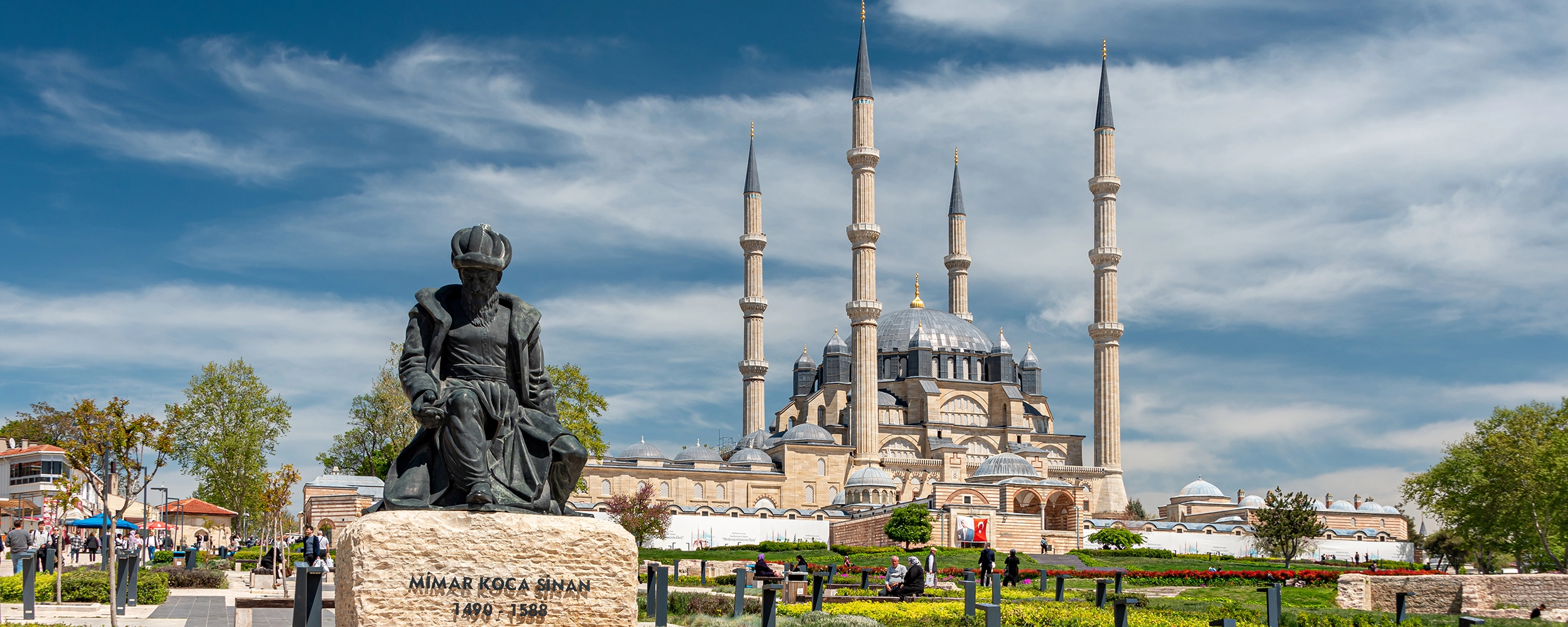
Discover Selimiye, Ottoman mosques, Roman archaeology, Sarayiçi, Kırkpınar, Balkan history, historic bridges, traditional bazaars, Karaağaç and one of Türkiye's richest former imperial capitals.
View Edirne GuideAfter the energy of Kırkpınar, continue through Edirne's remarkable layers of Roman, Byzantine, Ottoman and modern frontier history.
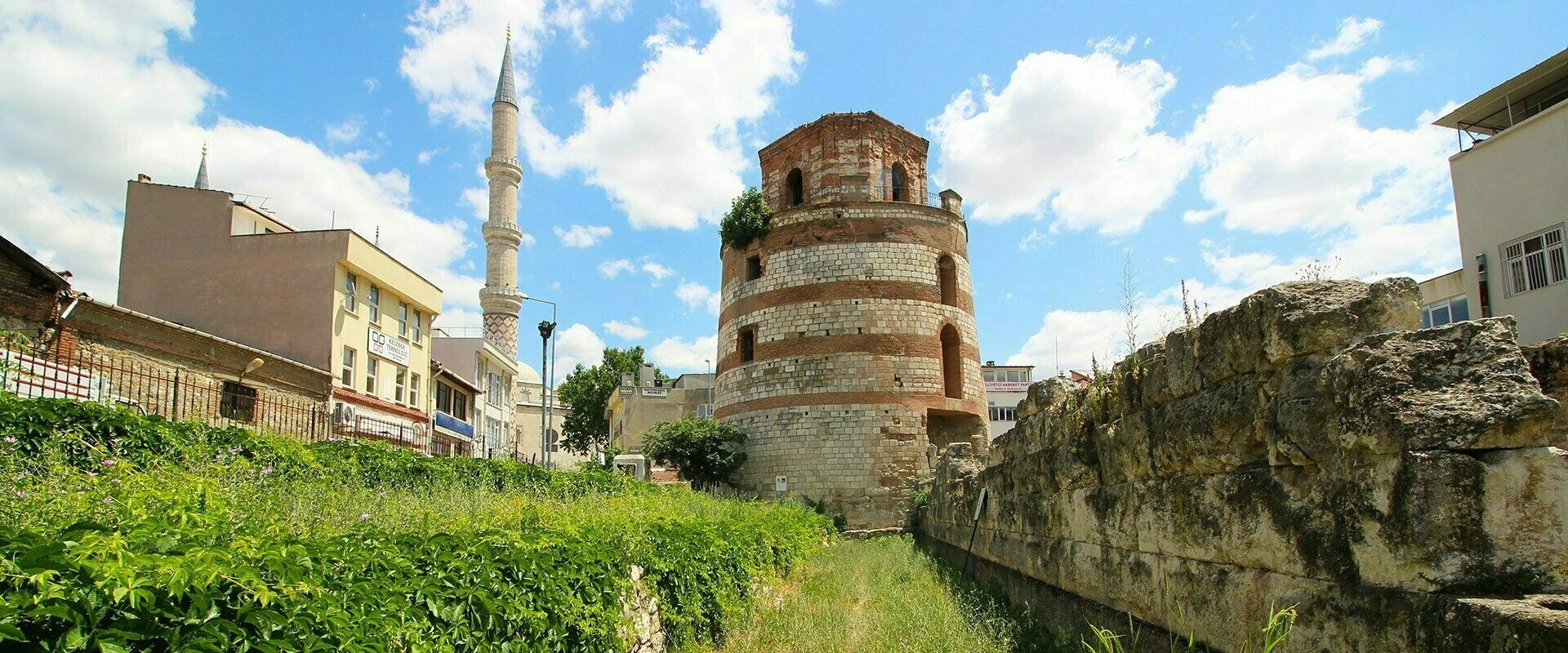
Travel backward from living Kırkpınar tradition to Roman and Byzantine Hadrianopolis through Edirne's ancient fortification remains.
Explore Macedonia Tower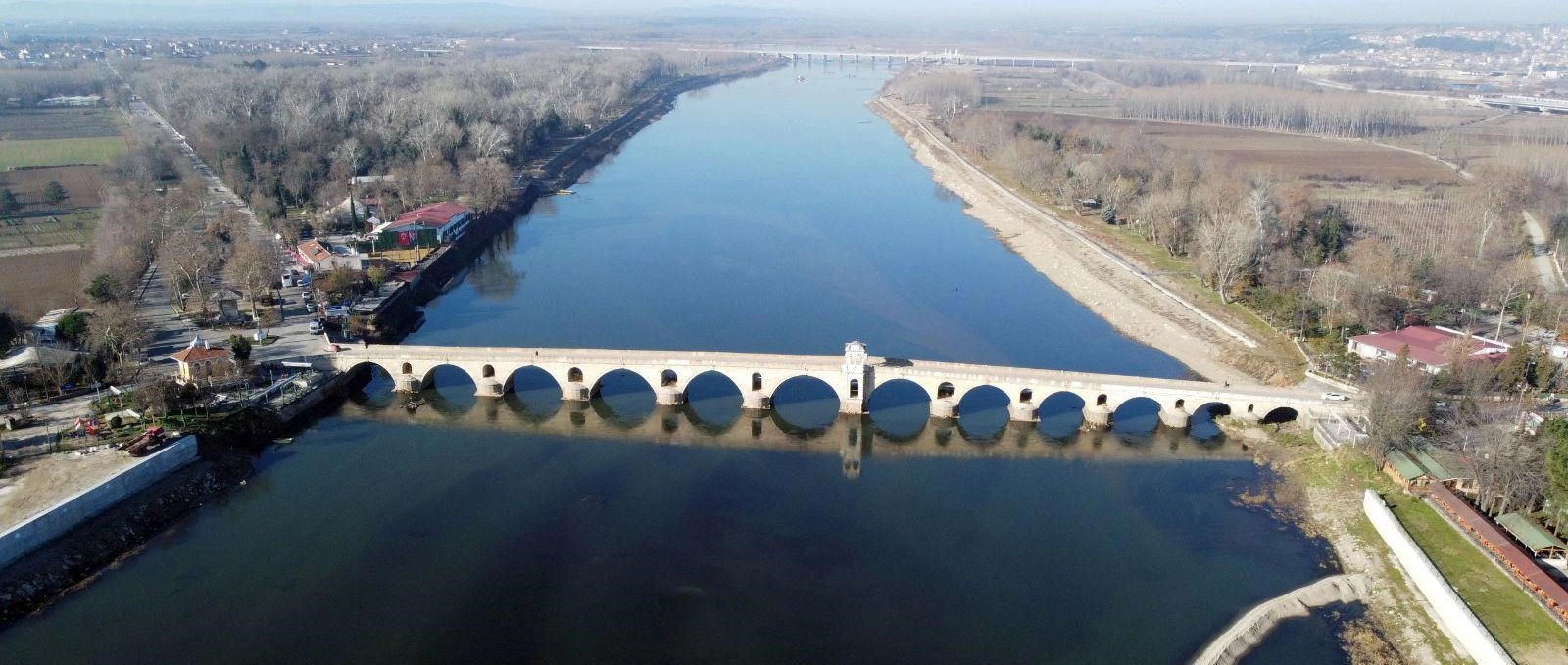
Move from the excitement of Sarayiçi to Edirne's beautiful river landscape and one of its finest 19th-century Ottoman bridges.
Explore Meriç Bridge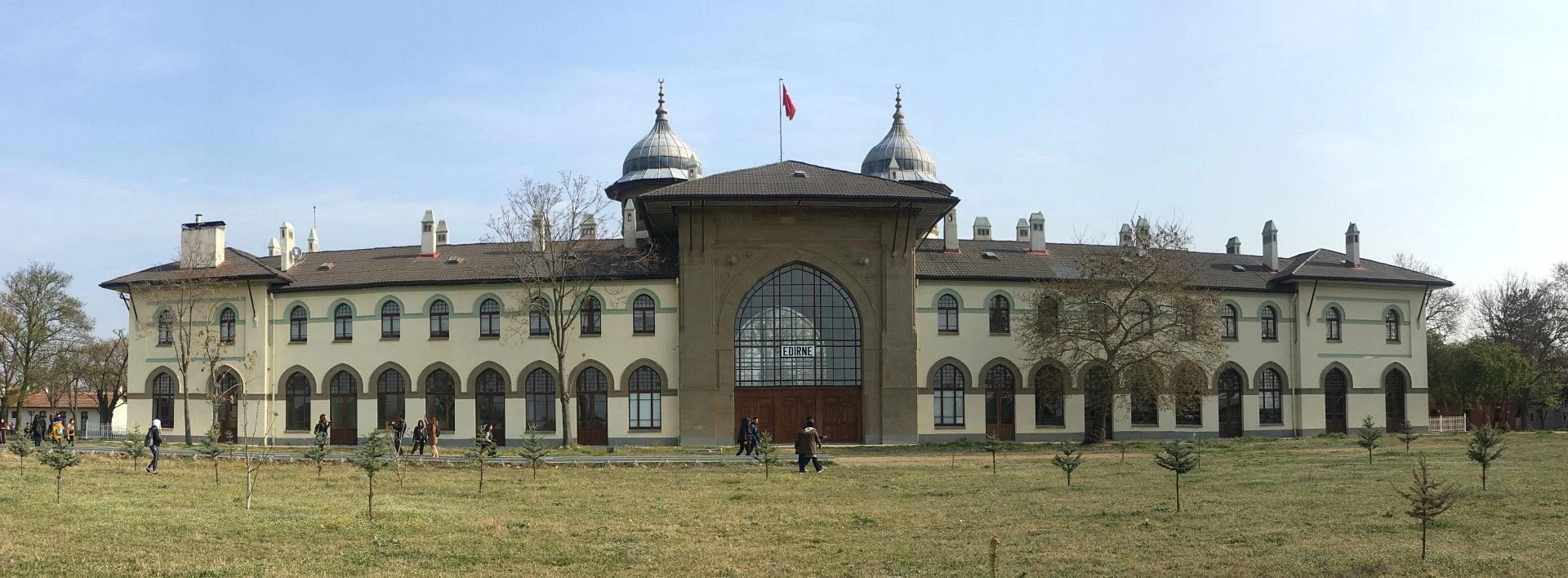
Finish with railway history, the Lausanne Monument, tree-lined Karaağaç and the fascinating story of Türkiye's modern western frontier.
Explore Karaağaç