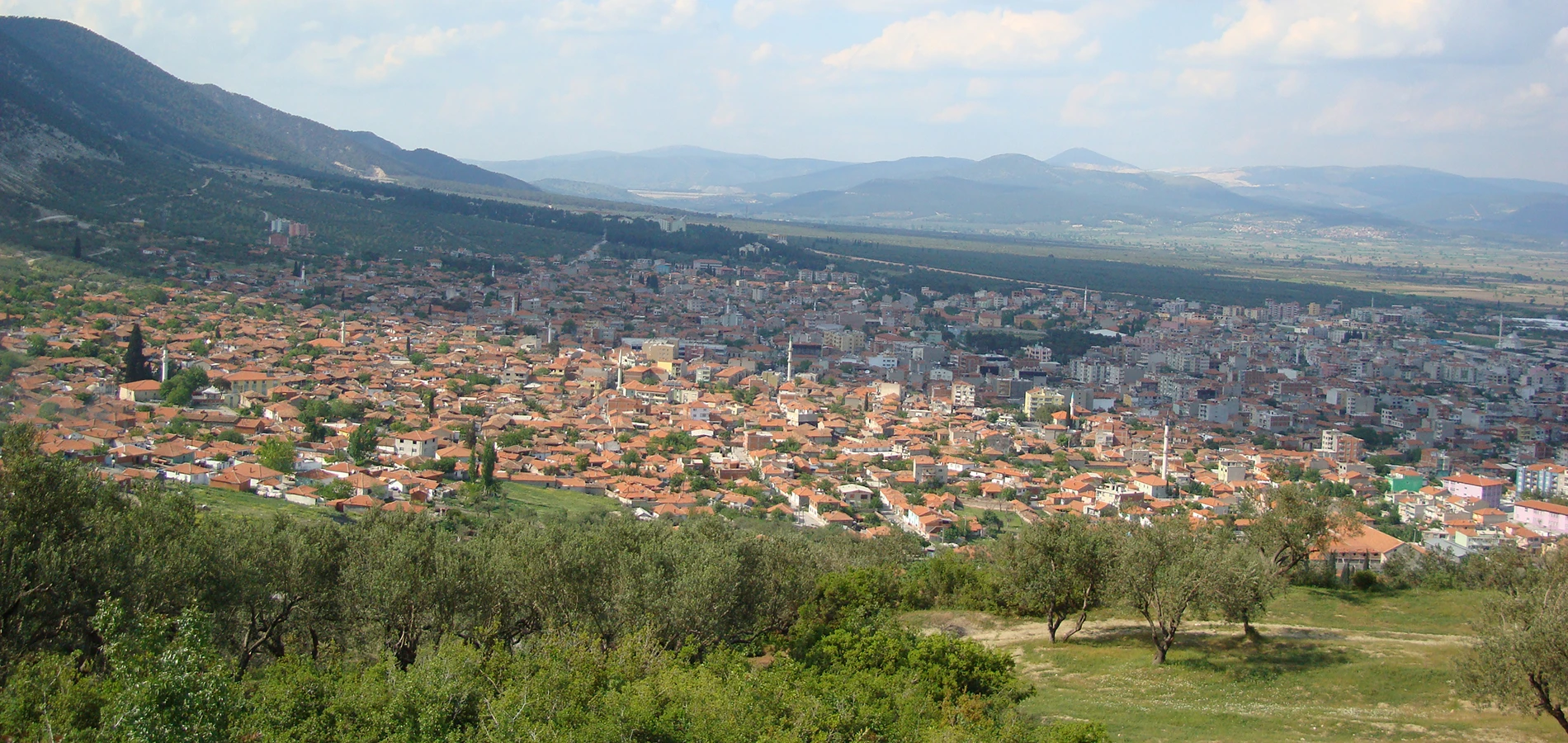
Private Kırkağaç District Travel Guide Programme
Tell us your dates, group size and interests. We will check access and plan a sensible route.
Request Your Private Programme





Kırkağaç lies in northern Manisa, between the agricultural plains and the hills near Soma and Akhisar. Its name is especially familiar to Turkish travellers because of the Kırkağaç melon.
The district offers a slower kind of cultural visit than Manisa city. Historic mosques, agricultural streets and archaeological sites in the wider countryside tell a story of settlement sustained by fertile land.
Kırkağaç is also associated with the Yortan cemetery tradition, important to the archaeology of western Anatolia’s Early Bronze Age. These finds belong to a specialist archaeological story rather than a promise of a fully developed visitor site.
The district’s celebrated melon is a key agricultural symbol.
The historic mosque is part of the town’s Ottoman-era religious landscape.
This later Ottoman building adds another layer to the district’s architectural history and can be appreciated as part of a short town walk.
Bronze Age burials and pottery from the Yortan area are important to archaeology.
Essential orientation for an informed visit.
Kırkağaç district, northern Manisa
District and cultural landscape
Bronze Age to Ottoman and modern farming
Manisa Province, western Türkiye
Allow half a day
Town sites and archaeological areas vary
Kırkağaç is a strong example of how local food, agricultural geography and archaeological heritage can belong to the same travel story.
It rewards travellers who enjoy smaller towns and want to understand Manisa beyond its best-known ancient cities.
The wider Kırkağaç area contains ancient settlements and burial sites, including Yortan near Bostancı. The term Yortan culture is associated with distinctive prehistoric pottery and burial practices.
The town developed through the beylik and Ottoman periods. Historic religious buildings such as Sarı Hoca Mosque and Karaosmanoğlu Mosque reflect later layers of settlement.
Fertile alluvial plains helped sustain agriculture, and melon cultivation became an important part of the district’s modern identity. Local stories about the origin of the town’s name should be treated as traditions rather than proven etymology.
The setting of Kırkağaç District Travel Guide is Kırkağaç district, northern Manisa. The relationship between the local terrain, historic movement and the surrounding settlements is important when planning a visit.
This district and cultural landscape is one element of a larger Manisa itinerary. Think about how its surroundings influenced the way people used the place, rather than separating it from the roads, communities and landscape around it.
The district’s celebrated melon is a key agricultural symbol. Its flavour, appearance and storage tradition are best understood through local growers and seasonal markets.
The historic mosque is part of the town’s Ottoman-era religious landscape. Confirm worship and access conditions before an interior visit.
This later Ottoman building adds another layer to the district’s architectural history and can be appreciated as part of a short town walk.
Bronze Age burials and pottery from the Yortan area are important to archaeology. Do not assume the burial locations are open or signposted tourist attractions.
Manisa's story extends from the Gediz Plain and the slopes of Mount Spil to the Yunt Mountains and the northern districts. Kırkağaç District Travel Guide adds a particular perspective on this diversity, and its importance is clearer when the surrounding province is considered.
A thoughtful itinerary pairs sites by theme and geography rather than rushing between distant places. See the Manisa travel hub for a broader view of the province's archaeological, natural and Ottoman heritage.
Distinguish the district’s famous agricultural product from the prehistoric Yortan tradition: they belong to entirely different periods.
When exploring historic mosques, consider their ongoing community role. The buildings are not merely decorative stops for visitors.
The district’s celebrated melon is a key agricultural symbol.
The historic mosque is part of the town’s Ottoman-era religious landscape.
This later Ottoman building adds another layer to the district’s architectural history and can be appreciated as part of a short town walk.
Bronze Age burials and pottery from the Yortan area are important to archaeology.
Markets, melon harvests and local events vary seasonally. Confirm what is available rather than expecting a fixed daily attraction.
The official district inventory names several archaeological places, but many are not developed visitor sites. Do not enter fields or excavation areas without permission.
These resources provide historical background or current visitor information. Check directly before travelling, as conditions can change.
Late summer and autumn are especially relevant to melon culture; spring and autumn suit town walking, while summer afternoons can be hot.
For photographs of Kırkağaç District Travel Guide, start with a wide frame that includes the surroundings. Then choose details that reveal the character of the district and cultural landscape without obstructing other visitors.
Use only lawful viewpoints and respect people, religious activity, wildlife and protected surfaces. Ask permission for portraits, and do not move or touch historic material for a photograph.
The town offers some level routes, but older pavements and historic mosque thresholds vary. Rural archaeological areas are not reliably accessible.
The destination is associated with Kırkağaç district, northern Manisa. Confirm the actual public entrance or meeting point with an up-to-date map; a generic place pin may not mark the best approach.
For a multi-stop Manisa day, plan transport according to the actual distance between sites. Historic streets, rural roads and mountain access can require more time than a straight-line map suggests.
Mining heritage, Bakırçay landscape and Darkale. Consider the travel time and access arrangements before combining the stops.
Stone lanes and traditional houses near Soma. Consider the travel time and access arrangements before combining the stops.
Archaeology, art and life across Manisa. Consider the travel time and access arrangements before combining the stops.
An Aeolian city high in the Yunt Mountains. Consider the travel time and access arrangements before combining the stops.
Kırkağaç is particularly famous for its melons and the agricultural landscape of northern Manisa.
It is a district in northern Manisa Province, neighbouring Soma and Akhisar.
It refers to an archaeological tradition associated with Early Bronze Age burials and pottery in western Anatolia, including finds near Kırkağaç.
Sarı Hoca Mosque and Karaosmanoğlu Mosque are among the historic religious buildings recorded in the district.
Do not assume so. Archaeological locations may be on protected or private land and may lack developed visitor access.
Yes. The neighbouring districts can be combined in a northern Manisa itinerary with a realistic driving plan.
Follow official paths, barriers and directions; do not enter closed buildings or excavations.
Never touch carved surfaces, collect artefacts or climb fragile masonry.
Ask before photographing residents, worshippers or workers; keep private entrances clear.
Carry away rubbish and avoid disturbing wildlife, vegetation or historic material.
Ask Wow Cappadocia / Venere Travel to design a private, tailor-made route with a licensed guide and suitable vehicle, subject to confirmed access, with no compulsory shopping stops.
Combine heritage, village culture and landscapes at your own pace.
Tell us your dates, group size and interests. We will check access and plan a sensible route.
Request Your Private Programme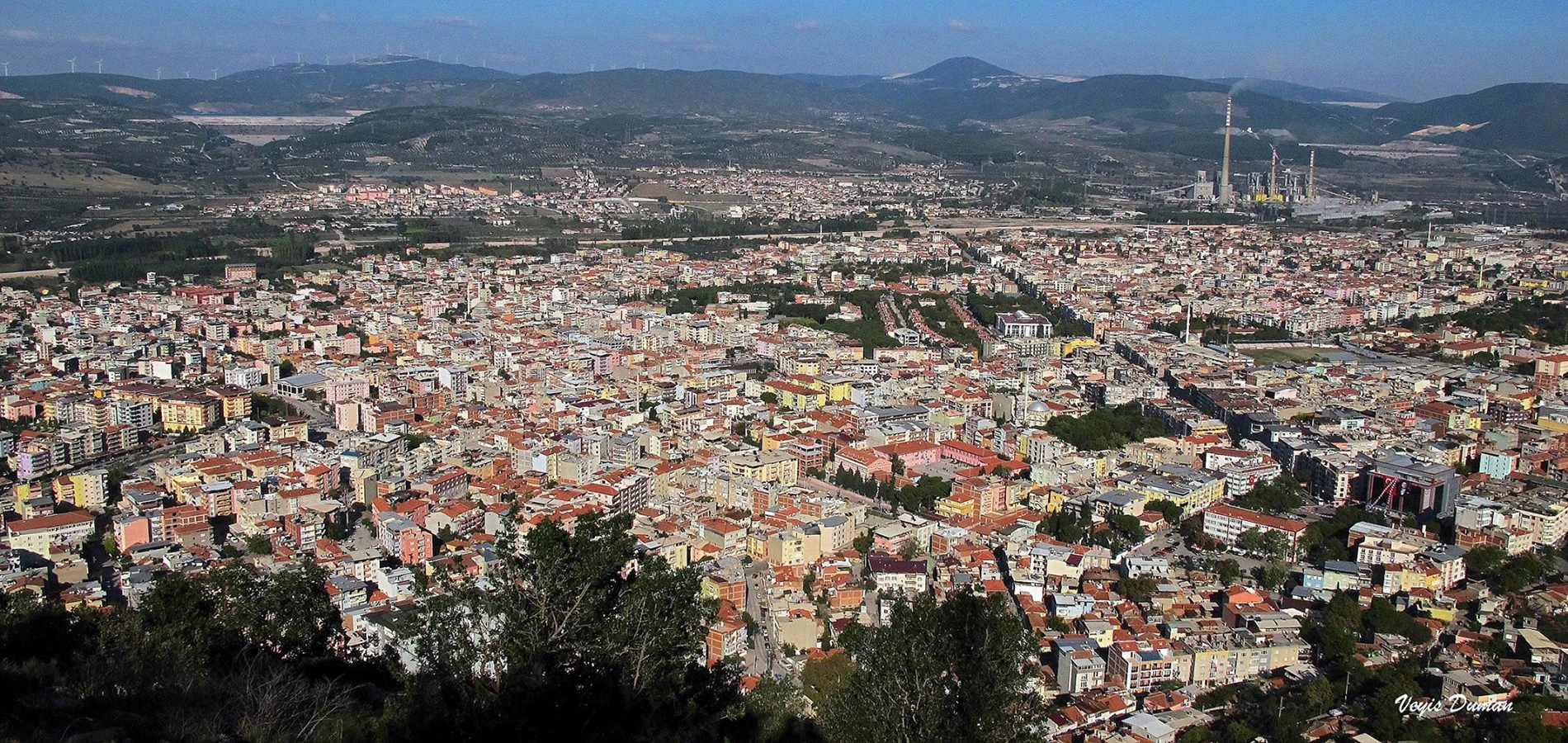
Mining heritage, Bakırçay landscape and Darkale. Continue your journey with a related destination.
Read the Nearby Guide