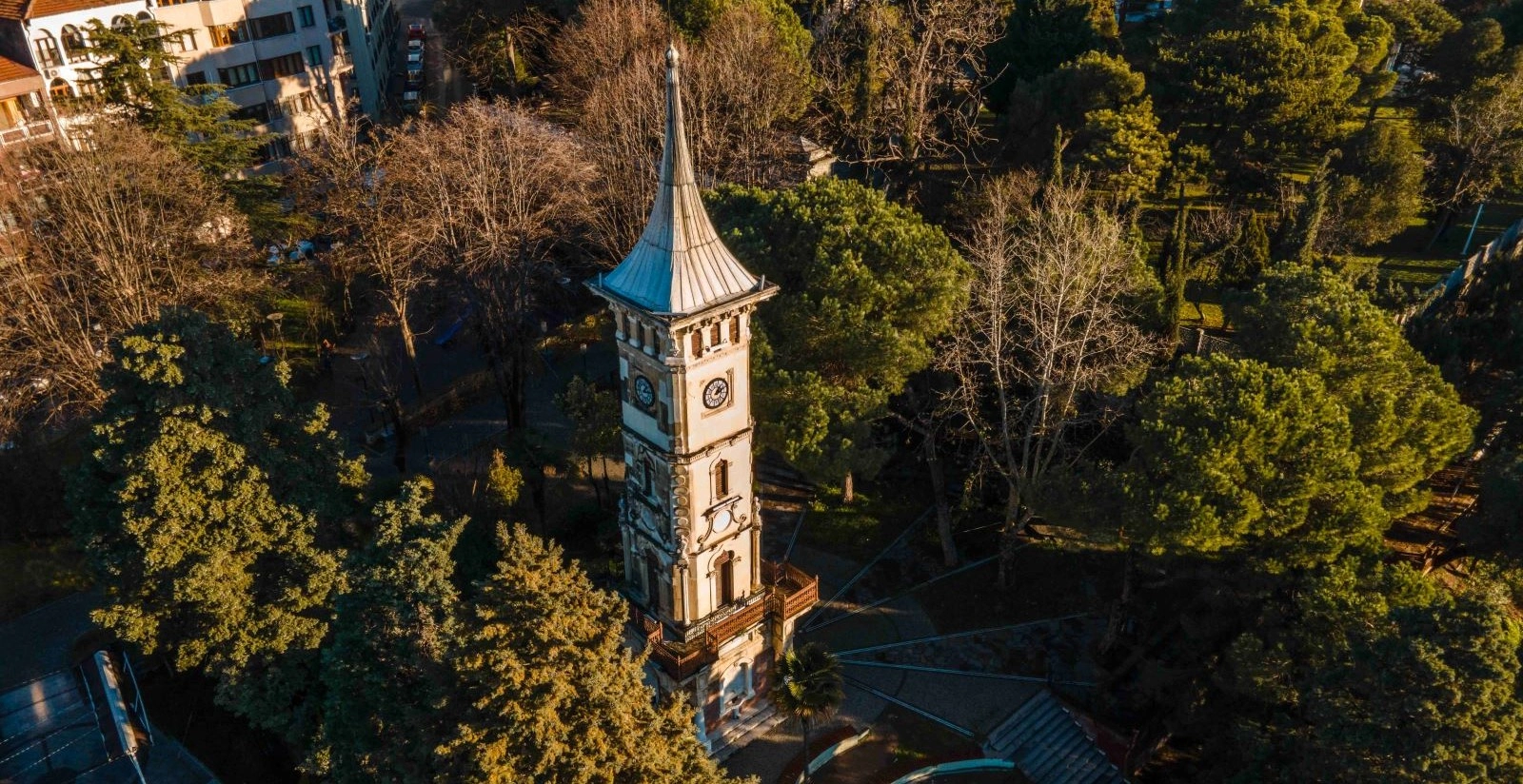
İzmit Clock Tower
Step outside the palace and continue to one of İzmit's best-known late Ottoman monuments, standing immediately beside the Culture Hill area.
Explore the Clock Tower




Above the centre of İzmit, close to the İzmit Clock Tower and the railway corridor, stands a refined two-storey palace whose history connects Ottoman sultans, nineteenth-century architecture, the early museum history of Kocaeli and one of the most important political conversations of Mustafa Kemal Atatürk's career.
Known as Kasr-ı Hümayun, the Imperial Pavilion, the Hunting Lodge and today officially as the Av Köşkü Saray Müzesi, the surviving building was constructed during the reign of Sultan Abdülaziz between 1861 and 1876. Its architect was Garabet Amira Balyan, a member of the celebrated Balyan family whose work helped define the monumental architecture of the late Ottoman capital.
The palace combines Neoclassical planning with strong European Baroque and Ottoman decorative elements. Its marble-clad façade, tall arched windows, elegant columns, richly painted ceilings, imperial emblems, mirrors, parquet floors and intimate ceremonial rooms make the building feel like a compact version of the great nineteenth-century Ottoman palaces of Istanbul.
Yet Kasr-ı Hümayun is not important only for its architecture. On 16 January 1923, Mustafa Kemal met leading Istanbul journalists here in the famous İzmit Press Conference, discussing the future political order, the National Pact, constitutional questions and the transformation of the new Turkish state. For this reason, the palace stands at a rare intersection of Ottoman imperial history and Republican political history.
The present palace was built during his reign in the second half of the nineteenth century.
The palace was designed by one of the best-known architects of the late Ottoman architectural world.
Mustafa Kemal's historic İzmit meeting with leading Istanbul journalists took place inside the palace.
Restored rooms, period furnishings, decorative arts and Atatürk-related displays bring several historical layers together.
Essential information about İzmit's nineteenth-century Ottoman palace and one of the most historically important museum buildings in Kocaeli.
Kemal Paşa,
İzmit / Kocaeli.
Built during the reign of
Sultan Abdülaziz.
Garabet Amira Balyan.
Neoclassical planning with
European Baroque influence.
İzmit Press Conference,
16 January 1923.
First used as İzmit Museum
from 1967.
Kasr-ı Hümayun is one of the rare places in Kocaeli where the Ottoman imperial world and the political transformation of the early Republic can be understood inside the same building.
The first reason is architectural. The palace is one of İzmit's finest surviving nineteenth-century Ottoman civil buildings, designed with the ceremonial elegance expected of an imperial residence. Its marble exterior, tall arched openings and richly decorated interiors reveal how European stylistic ideas were absorbed into the visual language of the late Ottoman court.
The second reason is dynastic. Although earlier imperial structures are recorded on the site, the palace standing today belongs to the reign of Sultan Abdülaziz. It reflects a period when Ottoman rulers travelled more frequently, used regional pavilions and residences, and expressed imperial prestige through modern palace architecture.
The third reason is Republican political history. Mustafa Kemal's meeting with Istanbul journalists on 16 January 1923 took place only months before the proclamation of the Republic. The discussion touched on the future of the state, the political order and the major questions facing the country after the War of Independence.
The fourth reason is museum history. Kasr-ı Hümayun became İzmit's first museum building in 1967, linking the palace not only with the history it witnessed but also with the development of archaeological and cultural preservation in Kocaeli.
The Ottoman expression Kasr-ı Hümayun can be understood as Imperial Pavilion or Imperial Palace/Pavilion. The word “hümayun” indicates something connected with the sultan or imperial authority.
The building is also widely called the Av Köşkü, meaning Hunting Lodge. Today the Ministry of Culture and Tourism commonly uses the official museum name Av Köşkü Saray Müzesi.
For travellers, all of these names refer to the same historic palace beside the İzmit Clock Tower area on the city's Kültür Tepesi. When searching maps, “Kasr-ı Hümayun Saray Müzesi” or “Av Köşkü Saray Müzesi” will normally lead to the correct location.
A palace-like pavilion, mansion or refined residence used by a ruler or elite household.
An Ottoman term meaning imperial, august or belonging to the sultan.
The familiar modern name “Hunting Lodge,” still used in official museum references.
The building is now interpreted as a palace museum rather than simply an architectural monument.
Official museum information records that an earlier imperial residence was established here during the reign of Sultan Murad IV in the seventeenth century. That first structure was built on wooden foundations.
The early palace did not survive. Historical accounts associated with the museum state that it was destroyed through the effects of fire and earthquake, leaving the site to be rebuilt in a very different architectural age.
This earlier phase is important because it shows that İzmit had already become a useful imperial stopping point long before the nineteenth-century palace was created. The city's position on major roads between Istanbul and Anatolia gave it strategic importance for travel, administration and military movement.
The palace tradition on the site is traced to the reign of Murad IV.
The earlier imperial residence differed completely from the marble-faced building visible today.
Natural disaster and fire are recorded as the causes of the earlier structure's disappearance.
The city stood on the historic route connecting the Ottoman capital with the interior of Anatolia.
The building visitors see today dates to the reign of Sultan Abdülaziz, who ruled the Ottoman Empire from 1861 to 1876. It belongs to the same broader architectural age in which Ottoman palace design increasingly combined European artistic language with imperial symbolism.
The residence was designed by Garabet Amira Balyan. The Balyan family served the Ottoman court across several generations and became deeply associated with the architectural transformation of Istanbul during the nineteenth century.
Kasr-ı Hümayun was smaller and more intimate than the capital's great waterfront palaces, but it carried the same expectation of refinement. Its setting above İzmit offered the sultan and the imperial household a formal residence away from the capital while travelling through the region.
The palace later hosted Ottoman rulers, senior officials and distinguished guests. Official cultural sources also record the visit of the French writer Claude Farrère, adding another layer to the building's long history of important visitors.
The reign of Sultan Abdülaziz, during which the surviving palace was constructed.
The palace provided an official and ceremonial setting for Ottoman rulers visiting İzmit.
The building belongs to the architectural world shaped by the Ottoman court's famous Balyan family.
The palace later received statesmen, prominent figures and international visitors.
Kasr-ı Hümayun is a two-storey palace whose overall composition reflects the nineteenth-century Ottoman fascination with European court architecture. Official descriptions identify its principal language as Neoclassical with a strong European Baroque character.
The façade is faced in marble, giving the relatively compact structure an unexpectedly monumental presence. Tall, narrow arched windows bring generous light into the rooms and create a strong vertical rhythm across the exterior.
Columns and projecting architectural details add depth to the façade, while the relationship between windows, balconies and decorative stonework gives the building an elegant palace character. From the garden, the structure feels both formal and intimate: grand enough to express imperial authority, but small enough to be understood as a regional residence rather than a vast court complex.
The palace is compact enough to explore easily while still retaining a ceremonial layout.
Stone and marble detailing give the exterior a refined imperial appearance.
Tall openings admit abundant natural light and strengthen the palace's vertical proportions.
Neoclassical order and Baroque richness are combined with Ottoman court symbolism.
The architect of Kasr-ı Hümayun was Garabet Amira Balyan, one of the most important members of the Armenian-Ottoman Balyan architectural family. The family worked for successive Ottoman sultans and played a major role in redefining the visual character of the imperial capital.
Their architecture was never simply a copy of European buildings. Instead, European Baroque, Neoclassical and other fashionable forms were adapted to the ceremonial needs, symbols and spatial traditions of the Ottoman court.
Kasr-ı Hümayun offers a particularly accessible way to appreciate this synthesis. Because the building is much smaller than Istanbul's major palace complexes, visitors can easily read the relationship between the façade, the central circulation, the reception rooms and the decorative ceilings.
The palace interiors are among its greatest pleasures. Official museum descriptions attribute the ceiling paintings to the French painter Sason. The decorative program mixes court symbolism with floral and animal imagery.
Motifs include the Ottoman coat of arms, the tughra of Sultan Abdülaziz, flags and groups of weapons such as spears, axes and swords. Elsewhere, flowers, fruits and stylized vegetal ornament soften the ceremonial imagery.
The ground-floor ceiling decoration includes deer and lion motifs, while other surfaces use stylized rumi and palmette patterns. Large framed mirrors crowned with decorative pediments introduce elements associated with the Empire style.
Materials also change between floors. The ground level uses marble flooring, while the upper storey is characterized by wooden parquet. This transition helps create a more domestic and intimate atmosphere upstairs.
The sultan's imperial monogram forms part of the palace's symbolic decorative program.
Richly ornamented ceilings are among the most memorable features of the museum interior.
Flags, weapons and court symbols communicate the building's connection with the Ottoman dynasty.
Elegant mirrors and patterned wooden floors reinforce the nineteenth-century palace atmosphere.
Kasr-ı Hümayun is not a museum of endless display cases. Much of the experience comes from moving through the restored palace rooms and understanding how architecture, furniture and decorative arts worked together.
The museum route includes spaces identified as the Reception Room, Atatürk Room, Living Room, Bedroom, Pearl Reception Room / Sedefli Oda and the Hünkar Hamamı, or Sultan's Bath.
Period objects such as nineteenth-century European furniture, porcelains used in palace settings and historic costume elements help visitors imagine the building as a functioning residence rather than an empty monument.
A formal palace space reflecting the ceremonial side of an imperial residence.
The Pearl Reception or Rest Room is one of the museum's most distinctive named interiors.
A more private space showing the domestic side of palace life.
The Sultan's Bath reveals an essential feature of elite Ottoman residential architecture.
Decorative and functional ceramics help recreate the material culture of a nineteenth-century court residence.
Period furnishings demonstrate the international aesthetic of the late Ottoman palace world.
The event that gives Kasr-ı Hümayun extraordinary significance in modern Turkish history took place on 16 January 1923. Mustafa Kemal met leading representatives of the Istanbul press inside the palace at a critical moment after the War of Independence and before the proclamation of the Republic.
The journalists represented some of the most influential newspapers of the period, including Tevhid-i Efkâr, Vakit, Akşam, İleri, İkdam and Tanin. The meeting created an opportunity for Mustafa Kemal to explain his thinking directly to figures who shaped public opinion in Istanbul.
The conversation addressed major questions such as the Misak-ı Millî, the constitutional order, the caliphate, the political future of the country and the relationship between the national leadership and the press.
For visitors today, this gives the palace a remarkable historical tension. Rooms originally created for an Ottoman sultan later became the setting for discussions about the institutional future of a new national state. Few buildings express the transition from empire to republic so directly.
The date of Mustafa Kemal's historic meeting with leading Istanbul journalists.
The conference occurred more than nine months before the Republic was proclaimed on 29 October 1923.
The meeting addressed the questions dominating Türkiye's political future after the War of Independence.
The conference is still commemorated locally as an important moment in Kocaeli's press history.
One of the most important museum spaces is the Atatürk Room, which interprets both Mustafa Kemal's connection with the palace and the historic press conference of January 1923.
Official museum information records several objects associated with Atatürk's yacht Savarona, including a kidney-shaped table, telephone, lamp, armchairs, a leather resting chair and a chess table.
A reconstructed conference table presents the names of the press representatives who attended the 1923 meeting, while original newspaper clippings from 1938 document the national reaction to Atatürk's death.
The palace did not become a museum immediately after the end of the Ottoman period. Until 1967, the building served administrative functions, including use by the Provincial Administration and Agricultural Chambers.
In 1967 it was converted into the İzmit Museum, making Kasr-ı Hümayun an important starting point in the modern museum history of Kocaeli. Archaeological and cultural collections were displayed here before newer museum facilities were developed.
The building entered restoration in 1992. During this period, some movable museum objects were transferred elsewhere. Then, on 17 August 1999, the devastating Marmara earthquake caused serious damage to the already historic palace.
A major restoration began again in 2004 and was completed in 2005. After exhibition and furnishing work, Kasr-ı Hümayun reopened to visitors as a Palace Museum on 16 January 2007 — deliberately echoing the anniversary of the 1923 İzmit Press Conference.
The building served provincial and agricultural administrative functions.
Kasr-ı Hümayun became İzmit's first museum building.
The Marmara earthquake caused major damage to the historic structure.
A renewed restoration campaign repaired and prepared the palace for museum use.
The restored palace reopened as the Kasr-ı Hümayun Palace Museum.
Restoration protects both Ottoman architecture and the building's Republican-era historical significance.
Look upward frequently; some of the palace's finest decorative work is above eye level.
Find the imperial monogram among the decorative symbols associated with the sultan.
Flags, spears, axes and swords create ceremonial compositions linked with imperial authority.
Deer and lion imagery introduces a striking decorative theme on the lower floor.
Large framed mirrors with ornamental pediments reflect nineteenth-century Empire-style taste.
Notice the contrast between marble surfaces below and wooden parquet on the upper level.
Spend time with the press-conference interpretation rather than treating it as a secondary room.
Compare the intimate size of Kasr-ı Hümayun with the enormous imperial palaces of Istanbul.
The palace is highly photogenic from both outside and inside. The best exterior compositions normally include the marble façade, arched windows and surrounding greenery rather than isolating only a doorway or detail.
Inside, the most visually striking subjects are the ceiling paintings, mirrors, period furniture and room-to-room perspectives. Because museum photography rules can change, check the current policy at the entrance before using flash, tripods or professional equipment.
The nearby İzmit Clock Tower creates an excellent second photographic subject, making the wider Culture Hill area one of the easiest places in central İzmit to combine Ottoman architecture and city views.
Step back far enough to show the palace proportions and marble surface in one frame.
Use a wider lens indoors if permitted; many decorations are easier to appreciate in full context.
The tall arched windows can create beautiful natural side-light inside the rooms.
Historic interiors and museum displays may have restrictions intended to protect collections.
Kasr-ı Hümayun works well for families because the museum is compact and the historical story can be explained through visible details: a sultan's monogram, painted ceilings, period furniture, a palace bath and the table representing a famous political meeting.
For children, it can be useful to frame the visit around one simple question: How did the same building belong first to the world of Ottoman sultans and later become part of the story of Atatürk and the Republic?
The museum can also be combined easily with the nearby Clock Tower and a short walk through central İzmit, avoiding the fatigue of a long single-site visit.
The palace can be explored without the walking distances of a large palace complex.
Symbols, furniture and room decorations make abstract history easier to explain.
The 1923 press conference gives older children a direct connection with early Republican history.
Add the Clock Tower or waterfront to turn the museum into a varied family outing.
Kasr-ı Hümayun is a historic nineteenth-century building, so accessibility should always be considered in relation to the palace's original architecture. Official educational visitor information lists accessible access and guidance services among the museum's available features.
Visitors who need step-free access to specific upper-floor rooms, wheelchair assistance or other arrangements should contact the museum before travelling, as routes inside historic buildings can change during maintenance or exhibition work.
Original palace levels and circulation can create limitations not found in purpose-built modern museums.
Official educational visitor information identifies accessibility facilities at the museum.
Guidance is also listed among visitor-support features.
Confirm the current route when lift access or step-free movement is essential.
The museum is currently closed on Mondays.
The current ticket-office closing time is 16:30, thirty minutes before museum closing.
The ceiling decoration is one of the palace's most important artistic features.
The political history of 1923 is every bit as important as the Ottoman interiors.
The İzmit Clock Tower is immediately nearby and makes the most natural second stop.
The palace is small enough that rushing saves little; slow observation makes the interiors more rewarding.
Ask at the entrance before using flash, tripods or professional equipment.
Museum prices and eligibility rules can change, so confirm the latest Ministry information before travel.
The Ministry's current museum listing gives visiting hours of 09:00–17:00, with the ticket office closing at 16:30. The museum is closed on Mondays.
The current official museum-fee list shows €3 admission for foreign visitors. MüzeKart is valid for Turkish citizens. Eligibility for free admission and special categories follows current Ministry rules.
Because museum schedules, public-holiday arrangements and tariffs can change during the year, always check the official museum listing shortly before your visit.
09:00.
17:00.
Currently closes at 16:30.
Monday.
Current 2026 official tariff: €3.
Valid for eligible Turkish citizens under current Ministry rules.
+90 262 321 22 74.
Kemal Paşa Mahallesi,
Saray Yokuşu, İzmit / Kocaeli.
Kasr-ı Hümayun is located in central İzmit, on the hillside above the railway corridor and close to the İzmit Clock Tower. Its central position makes it one of the easiest major historic sites in Kocaeli to combine with a city walk.
From İzmit city centre, the palace can be reached on foot if you are comfortable with uphill streets and steps. Taxis and local transport can reduce the climb, while drivers should follow navigation toward Kemal Paşa Mahallesi / Saray Yokuşu.
Visitors arriving from Istanbul can reach İzmit by road or rail and then continue locally to the palace. Because the museum is close to several central attractions, a private vehicle is not essential once you are in the city centre.
Walk uphill toward the Clock Tower and Culture Hill area.
Ask for “Kasr-ı Hümayun” or “Av Köşkü Saray Müzesi.”
İzmit railway station places you relatively close to the historic central district.
Use navigation for Kemal Paşa Mahallesi, Saray Yokuşu, İzmit.
Kasr-ı Hümayun stands inside the historic central fabric of İzmit rather than in a large suburban museum campus. Parking can therefore be more limited than at modern attractions.
Use legal public parking or municipal car parks in the central area and be prepared for a short uphill walk. Do not block narrow residential streets or access around the palace and Clock Tower.
Expect normal urban parking conditions rather than a vast dedicated palace car park.
A short uphill walk may be easier than searching for the closest possible space.
Narrow streets around historic İzmit must remain clear for residents and local traffic.
Park once and visit the palace, Clock Tower and nearby city sights on foot.
Begin at Kasr-ı Hümayun in the morning, when the museum is quieter and you have enough time to study the palace interiors, ceiling paintings and Atatürk Room without rushing.
Walk next to the nearby İzmit Clock Tower, one of the city's most recognizable late Ottoman monuments. Together, the two sites create a compact introduction to the architectural transformation of İzmit around the turn of the twentieth century.
Continue toward the lower city and visit the Kocaeli Archaeology Museum to move much further back in time into the world of ancient Nicomedia.
If you have additional time, finish at the SEKA Paper Museum for one of Türkiye's best examples of industrial heritage. In only a few hours, the route moves from Ottoman palace culture to Roman archaeology and Republican industrial history.
Kasr-ı Hümayun – Ottoman palace architecture and the 1923 İzmit Press Conference.
İzmit Clock Tower – late Ottoman urban landmark immediately beside the palace area.
Kocaeli Archaeology Museum – ancient Nicomedia, sculpture, inscriptions and regional archaeology.
SEKA Paper Museum – modern industrial heritage inside the preserved factory complex.
Palace + Clock Tower + Archaeology Museum.
Add SEKA and a relaxed waterfront or city-centre meal.
Enough for a quick look at the main rooms if your schedule is very limited.
Ideal for most visitors who want to appreciate the architecture and Atatürk display properly.
Best for architecture enthusiasts, photographers and visitors reading the historical interpretation carefully.
Combine the palace with the Clock Tower and Kocaeli Archaeology Museum.
Add SEKA Paper Museum, the waterfront and other central İzmit landmarks.
The palace is small; give more attention to details rather than trying to extend the visit artificially.
Kasr-ı Hümayun sits close to several of İzmit's strongest cultural attractions. This makes it easy to create a museum-and-monuments day without long transfers.
Use our complete Kocaeli travel guide to continue across the wider province.
Immediately nearby and one of the city's most recognizable late Ottoman landmarks.
Discover ancient Nicomedia and archaeological finds from across the province.
Explore Türkiye's paper-industry history inside the preserved SEKA factory complex.
Walk through the old commercial streets and urban slopes connecting the historic upper and lower city.
Finish the day with a walk at sea level after exploring the hillside museums.
Continue south for a completely different Kocaeli experience of reservoir views, forests and mountain roads.
Travel east toward Kartepe for forests, nature recreation and family-friendly outdoor areas.
Follow the Gulf westward to explore the historic town associated with Ottoman imperial carpet production.
Kasr-ı Hümayun is in Kemal Paşa Mahallesi, Saray Yokuşu, central İzmit, Kocaeli, close to the İzmit Clock Tower and railway corridor.
The name means an imperial pavilion or imperial palace, referring to a residence associated with the Ottoman sultan.
Yes. The palace is also known as the Av Köşkü or Hunting Lodge, and the Ministry commonly lists it as Av Köşkü Saray Müzesi.
The surviving palace was constructed during the reign of Sultan Abdülaziz and designed by Garabet Amira Balyan.
Yes. Official museum history traces an earlier wooden imperial residence on the site to the reign of Murad IV. It was later destroyed by fire and earthquake.
The palace combines Neoclassical structure with strong European Baroque influence and Ottoman imperial decorative symbolism.
Mustafa Kemal met leading Istanbul journalists at Kasr-ı Hümayun on 16 January 1923 in the famous İzmit Press Conference.
The discussion covered major political questions facing the country after the War of Independence, including the National Pact, constitutional order, caliphate and future political system.
The room includes objects associated with Atatürk's yacht Savarona, a representative press-conference table and original newspaper material connected with Atatürk.
The palace began serving as the İzmit Museum in 1967. After later restoration and earthquake damage, it reopened as a Palace Museum on 16 January 2007.
Yes. The 17 August 1999 Marmara earthquake seriously damaged the historic structure while it was already undergoing restoration.
The current official listing gives 09:00–17:00, with the ticket office closing at 16:30.
The museum is currently closed on Mondays.
The current official 2026 tariff lists €3 for foreign visitors. Prices can change, so verify the latest Ministry tariff before your visit.
Yes. The official museum listing states that MüzeKart is valid for Turkish citizens under current eligibility rules.
Most visitors need around 45–60 minutes. Architecture and history enthusiasts may prefer about 90 minutes.
Yes. It is one of the best cultural stops in central İzmit because it combines Ottoman palace architecture, Atatürk history and Kocaeli's museum heritage in one compact site.
The easiest combination is the İzmit Clock Tower, followed by the Kocaeli Archaeology Museum and, with more time, the SEKA Paper Museum.
Kasr-ı Hümayun is not one of Türkiye's largest palaces, and that is precisely part of its appeal. The scale allows visitors to understand the building quickly and then focus on the details that make it exceptional: marble architecture, painted ceilings, imperial symbols, period rooms and the political memory of January 1923.
In a single visit, you can move from the world of Sultan Abdülaziz to the architectural language of Garabet Amira Balyan, from Ottoman palace decoration to the İzmit Press Conference, and from a historic government building to Kocaeli's first museum.
For travellers interested in the transition from the Ottoman Empire to modern Türkiye, few places in Kocaeli tell that story with such clarity.
Kasr-ı Hümayun reveals İzmit's Ottoman and Republican story, while nearby museums and landmarks open the door to ancient Nicomedia, industrial heritage and the wider landscapes of Kocaeli.
Combine the palace with some of the city's most important cultural attractions.
Step outside the palace and continue to one of İzmit's best-known late Ottoman monuments, standing immediately beside the Culture Hill area.
Explore the Clock Tower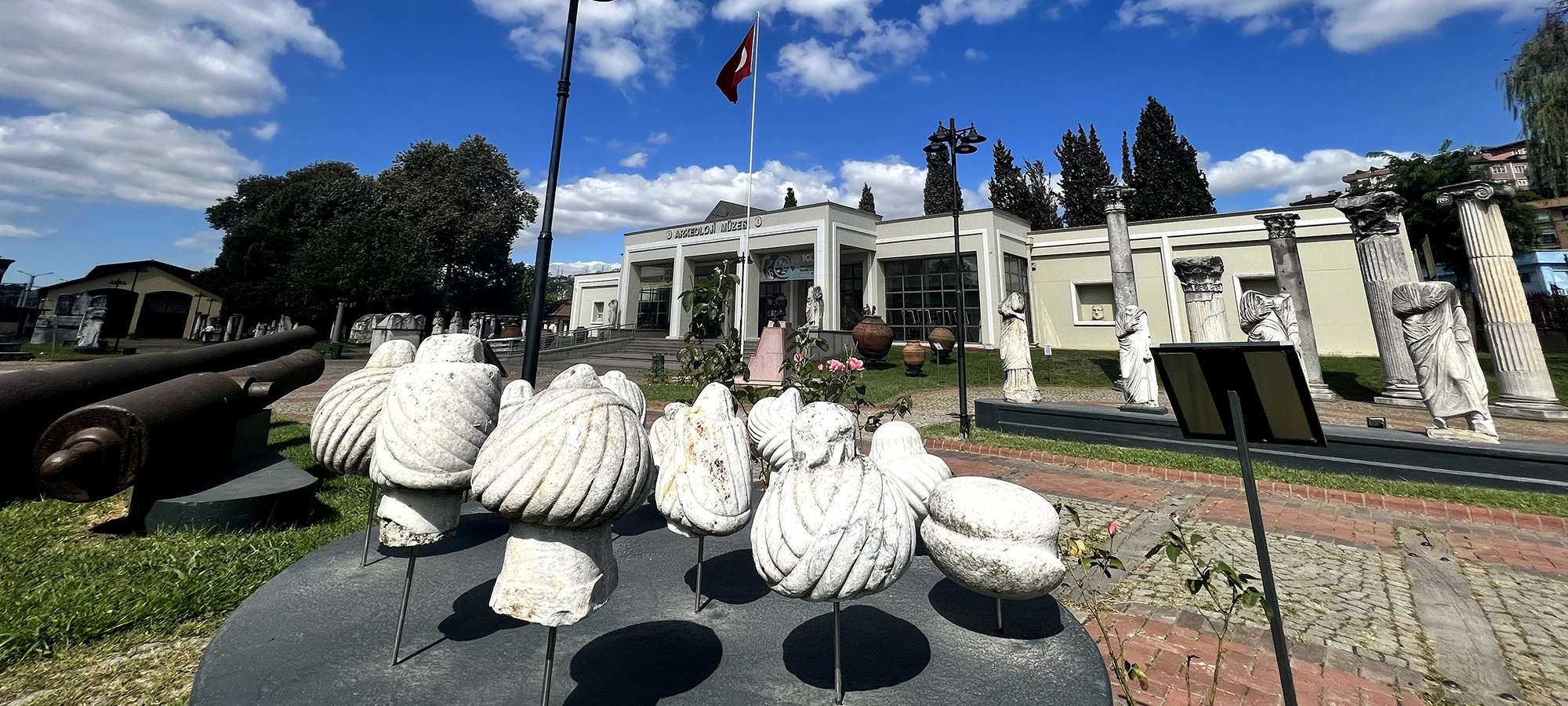
Travel far beyond the Ottoman period and discover ancient Nicomedia through sculpture, inscriptions, coins and archaeological finds.
Explore Nicomedia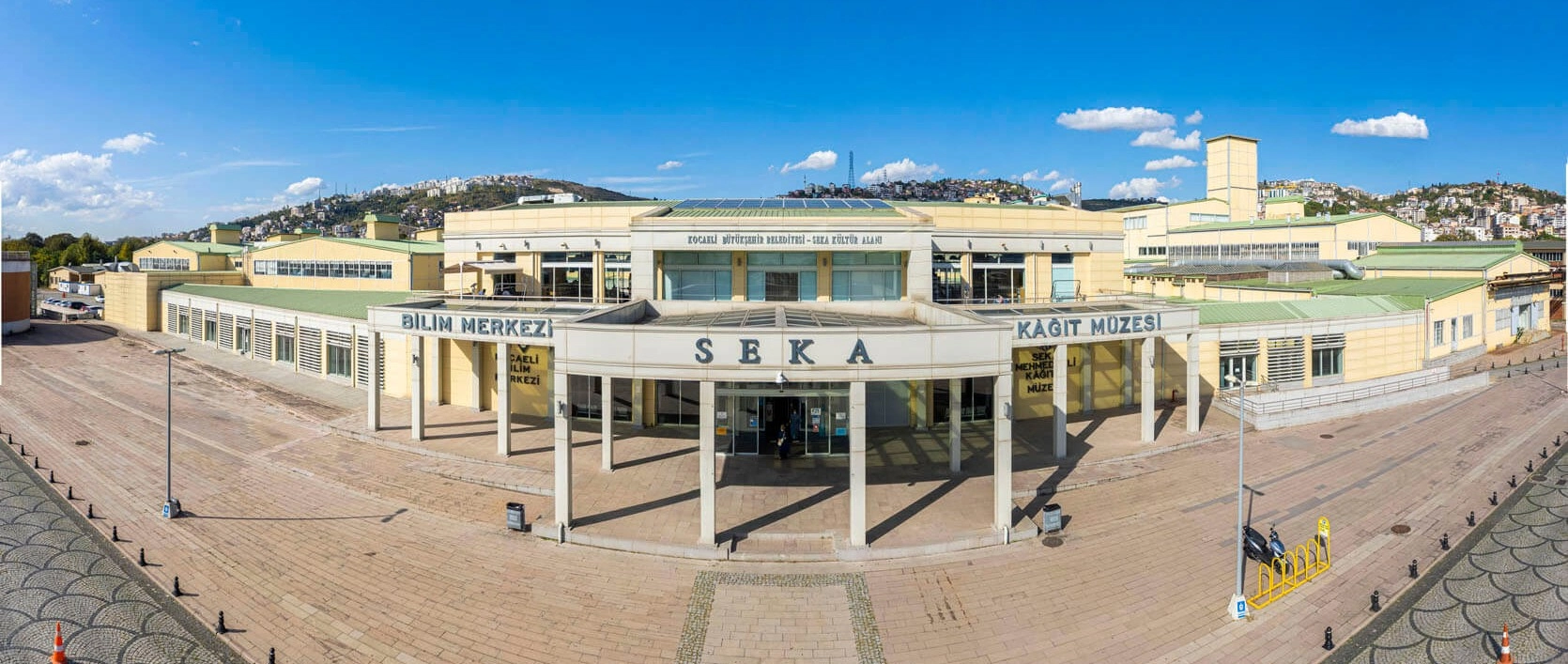
Continue from palace history to modern industry inside Türkiye's remarkable preserved paper-factory complex on the İzmit waterfront.
Explore SEKAContinue from central İzmit to nature, Ottoman craftsmanship and the wider Gulf.
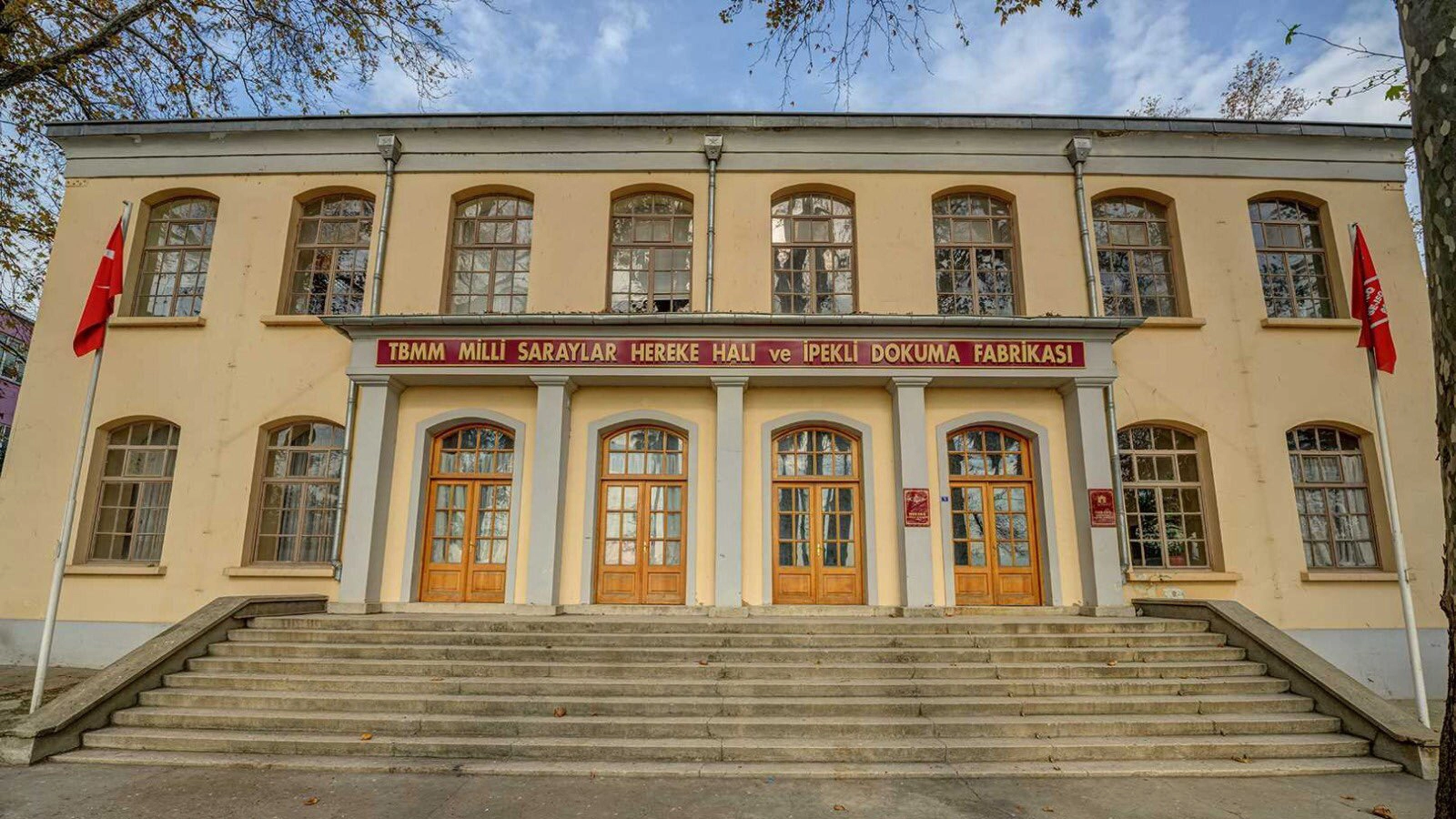
Continue the Ottoman story with the imperial carpets of Hereke, where court craftsmanship became famous throughout the world.
Explore Hereke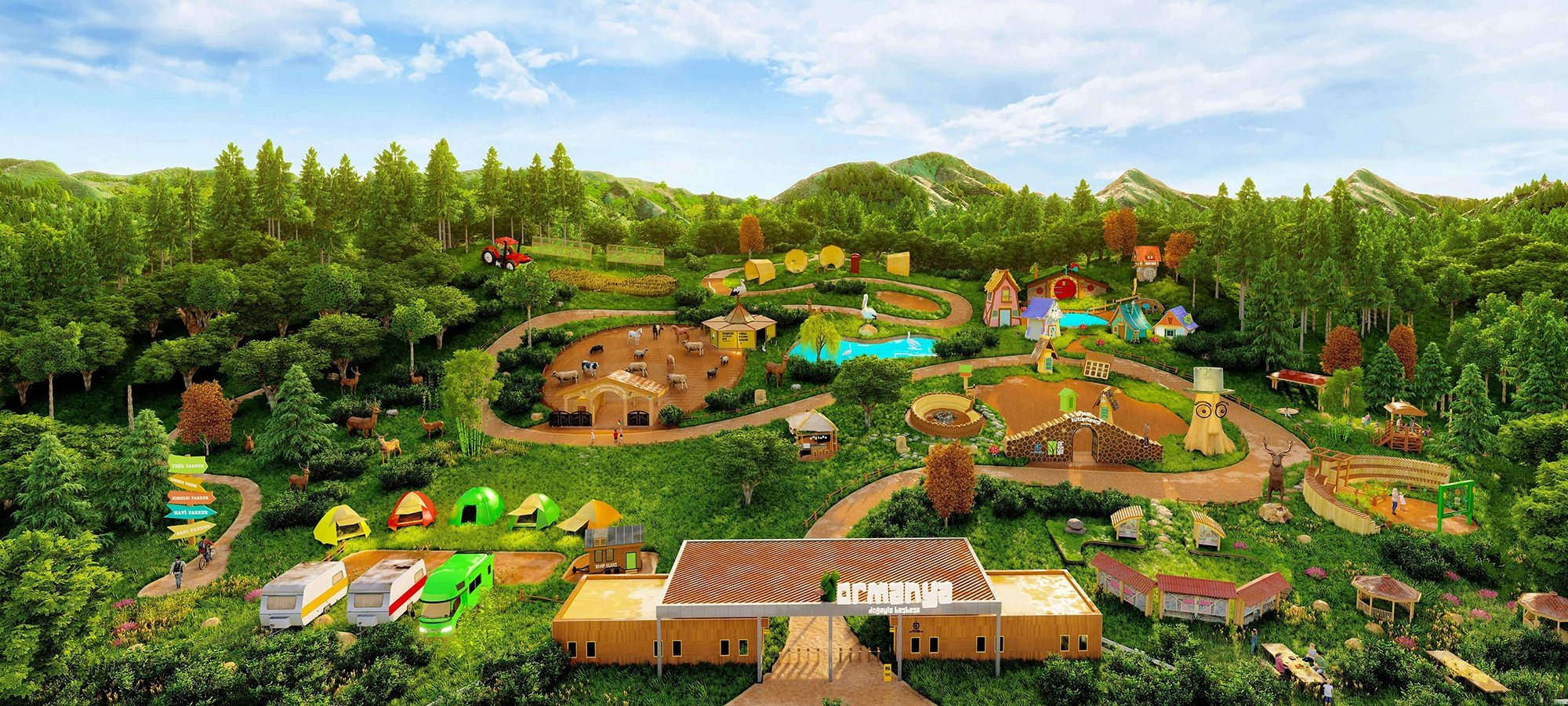
Leave the city behind and travel toward Kartepe for forests, wildlife areas, walking routes and one of Kocaeli's largest nature destinations.
Explore Ormanya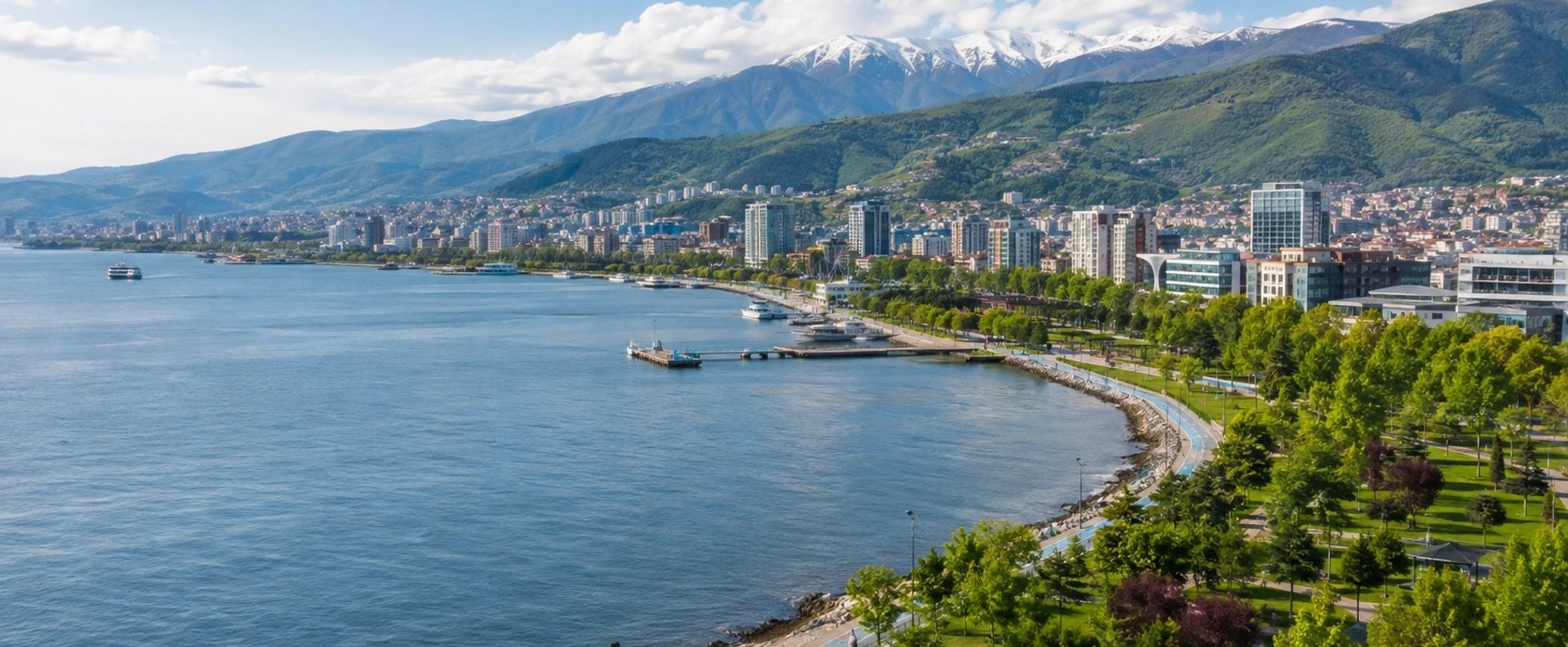
Discover İzmit, Hereke, Gebze, Kartepe, Kandıra, Ottoman monuments, ancient heritage, forests, coasts and regional cuisine.
Explore KocaeliWe can connect Istanbul, Kocaeli, Cappadocia and destinations throughout Türkiye in a private cultural itinerary.
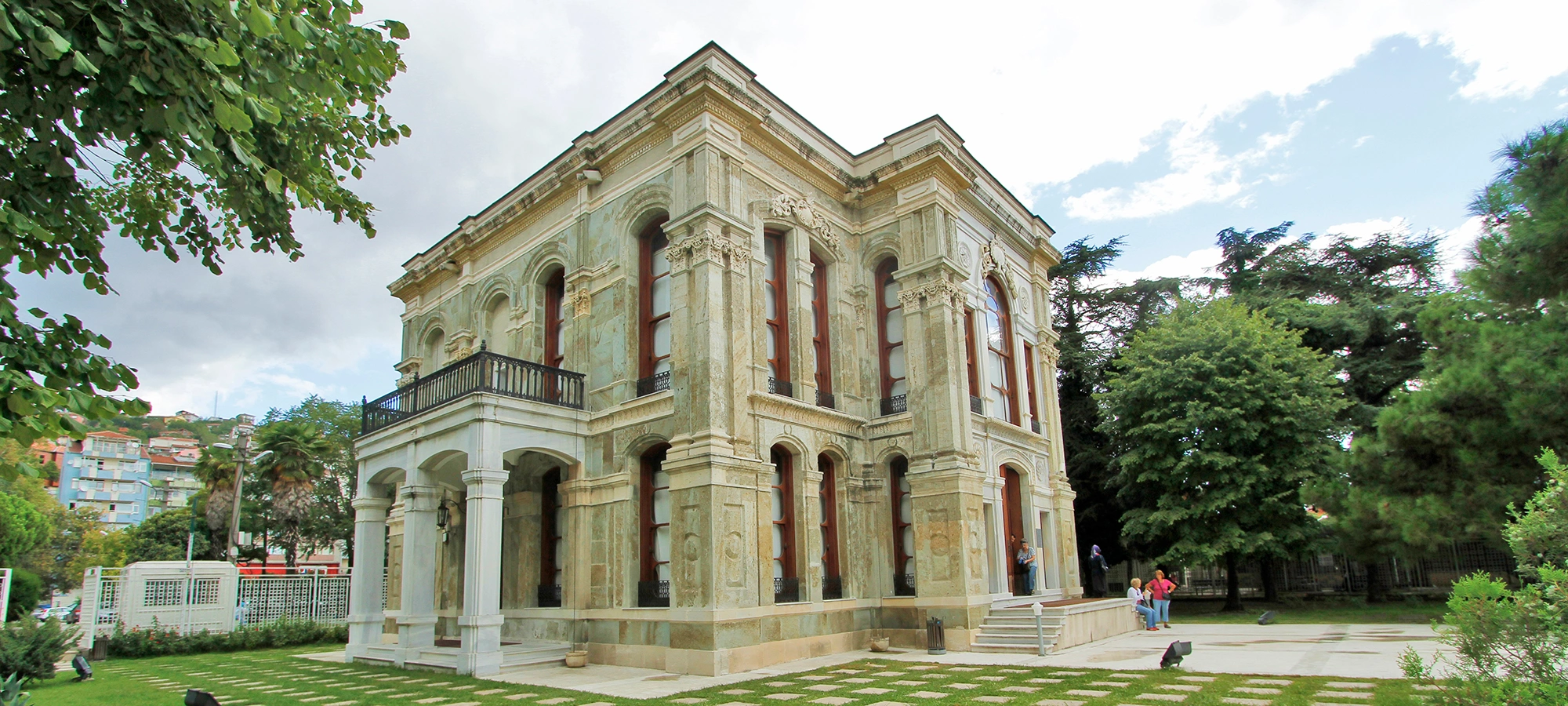
Build a private day around Kasr-ı Hümayun, the Clock Tower, ancient Nicomedia, SEKA and the cultural layers of İzmit.
Plan Your Journey
Connect Ottoman palaces, Roman archaeology, industrial museums, imperial craftsmanship and the landscapes around the Gulf of İzmit.
Discover Kocaeli
Continue throughout Türkiye with Ottoman palaces, ancient cities, historic towns, museums, coasts, mountains and regional culture.
Explore Türkiye