Private Kara Kilise & Yalova Heritage Experience
Ask us about a tailor-made excursion combining Kara Kilise, Byzantine history, Yürüyen Köşk, Hersek Lagoon and selected cultural places across Yalova Province.
Request a Custom Tour




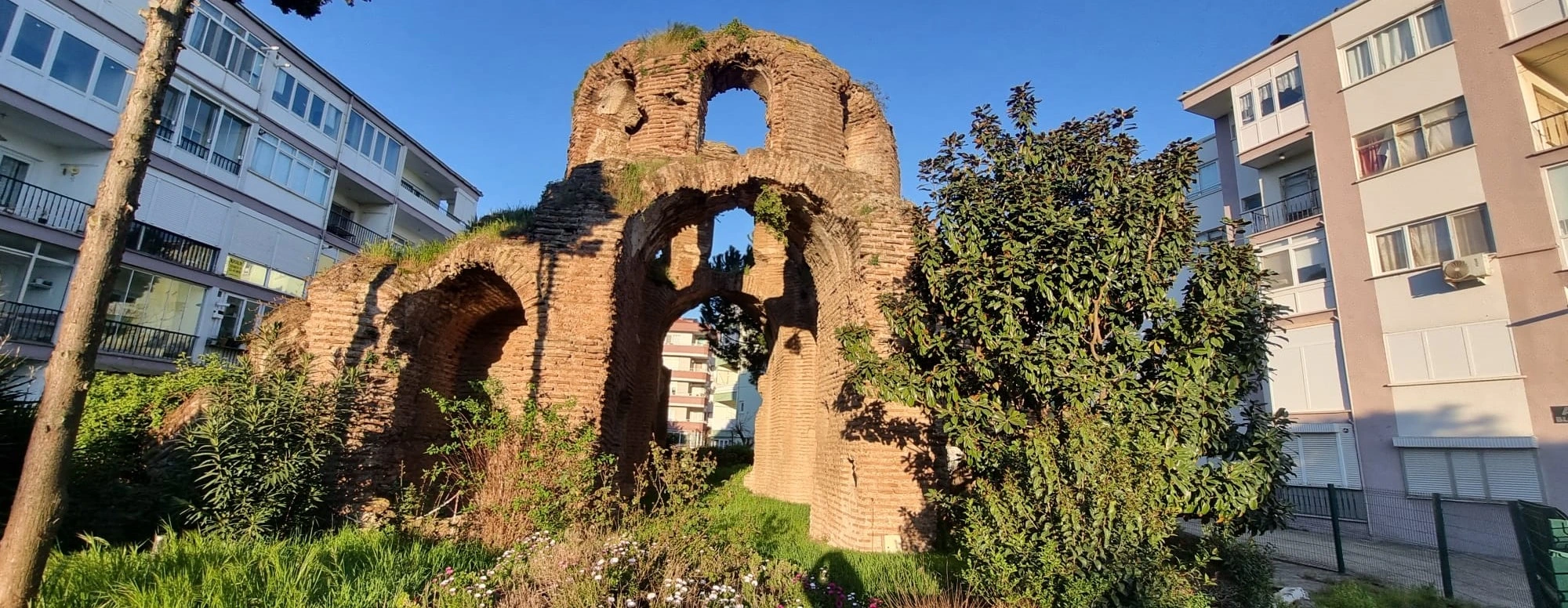
Kara Kilise is one of the most distinctive surviving historical structures in Çiftlikköy, Yalova. Standing in the Sahil Mahallesi area close to the Sea of Marmara, the compact brick monument preserves evidence of more than one phase of use.
Official local accounts describe the building as having an earlier connection with Roman-period water architecture, with a phase interpreted as a bath in the 6th century and later conversion or use as a church in the 8th–9th centuries. The Ministry of Culture inventory identifies the surviving monument as an Early Byzantine church with later architectural additions.
Its plan is especially intriguing. The building extends approximately 13 metres north–south and 10 metres east–west, while the central dome measures about 5.5 metres in diameter. Unlike the usual east–west orientation expected in many churches, Kara Kilise is organized strongly along a north–south axis.
The monument also belongs to a much wider archaeological landscape. The Çiftlikköy coast is associated in historical and local sources with the Byzantine settlement of Pylai, while traditions concerning Helenopolis also form part of the district’s ancient history. Remains of an ancient harbour, water-supply structures and inscribed stones found nearby show that Kara Kilise once stood within a far more complex coastal settlement than the modern surroundings might suggest.
Approximate north–south and east–west dimensions of the surviving monument.
Approximate diameter of the central dome rising above the cross-shaped core.
The dome stands on a high drum pierced by eight window openings.
The national cultural inventory records the monument’s heritage registration decision in 1962.
Essential information for understanding this unusual Roman-to-Byzantine monument on the Çiftlikköy coast.
Sahil Mahallesi, Çiftlikköy district, Yalova Province.
Search on Google MapsEarly Byzantine church incorporating or succeeding earlier Roman-period architectural phases.
Local official sources describe an earlier water-architecture or bath phase before church use.
A distinctive cross-planned structure with later additions including an apse and double narthex.
Brick construction is one of the monument’s most immediately visible architectural characteristics.
A central dome approximately 5.5 metres across rises on an eight-windowed drum.
The monument is unusually extended on a north–south axis rather than a conventional east–west church axis.
The surrounding coastline preserves evidence of an ancient harbour, water systems and a larger Byzantine settlement.
Stelae and other finds have been recovered from the wider Kara Kilise and Çiftlikköy area.
Byzantine architecture, urban archaeology, hidden heritage and travellers exploring lesser-known Yalova.
Kara Kilise is valuable not because of monumental scale, but because it preserves the changing life of the Marmara coast across centuries.
The first reason Kara Kilise matters is its architectural biography. Rather than representing one frozen moment, the monument appears to have been adapted as the needs of the settlement around it changed.
Local official descriptions connect its earliest phase with Roman water architecture and describe a later bath phase before the structure became a Christian place of worship. The Ministry of Culture inventory, meanwhile, records the surviving building as an Early Byzantine church that received later additions.
This sequence gives visitors a rare opportunity to think about reuse in the ancient and medieval world. Buildings were expensive resources. Strong walls, vaulted rooms and useful infrastructure could be altered, expanded and reinterpreted rather than simply abandoned.
Kara Kilise is also important because it is one of the clearest surviving architectural reminders of the ancient and Byzantine settlement history of Çiftlikköy. Modern residential development now surrounds the monument, yet nearby archaeological evidence points to a once-active coastal environment with harbour facilities, water structures and elite residences.
Kara Kilise stands in Sahil Mahallesi of Çiftlikköy, a short distance east of central Yalova. Official local descriptions place it within the Başkent 1 Sahil Sitesi area near the Marmara shoreline.
Its present-day setting is striking. Instead of standing in an isolated archaeological park, the monument survives within a modern residential coastal environment. That contrast can make it easy to underestimate how extensive the ancient settlement once was.
The wider shoreline has produced evidence of ancient harbour installations, water-supply remains and inscribed stone monuments. These finds suggest that the church formed only one part of a much larger inhabited landscape.
Because the monument is surrounded by a residential area, visitors should approach respectfully, follow any current access guidance and avoid treating private or semi-private residential space as unrestricted archaeological ground.
The story of Kara Kilise is best understood as a sequence of architectural phases rather than as a building created once and left unchanged.
Some official local sources describe the earliest structure as Roman-period water architecture. They further report a use as a bath in the 6th century and conversion or reuse as a church in the 8th–9th centuries.
The national cultural inventory describes the surviving monument as Early Byzantine and notes later additions including a double narthex and an apse. These changes indicate that the building evolved as its function and liturgical requirements developed.
The exact dating of every wall, vault and alteration deserves specialist architectural study. For visitors, the important idea is that Kara Kilise preserves multiple historical episodes in one compact structure.
One of the most intriguing aspects of Kara Kilise is the possibility that its Christian use developed from an earlier secular structure.
Çiftlikköy and Yalova official sources report that some researchers identify the building’s earliest phase as a Roman water-related structure. Local summaries also describe the monument as functioning as a bath during the 6th century.
That interpretation helps explain why the building does not fit every expectation of a purpose-built church. Its strong north–south emphasis, compact rooms and unusual arrangement can be read alongside the idea that an earlier structure was adapted to new religious needs.
Adaptive reuse was common across late antiquity. As settlements changed, existing buildings could be repaired, subdivided, reoriented or given entirely new functions. Kara Kilise offers a particularly vivid local example of how such transformation may have occurred.
By the medieval Byzantine period, Kara Kilise had become a Christian sacred building. Local sources commonly place this church use in the 8th–9th centuries.
The structure’s cross-shaped interior, vaulted arms, central dome and later liturgical additions make its religious function visible even in ruin. The national cultural inventory records a double narthex and an apse as later additions to the Early Byzantine building.
These additions are significant because Christian worship required specific zones for procession, clergy, congregation and the sanctuary. Altering an earlier building into a church therefore meant more than placing a cross inside an old structure: the architecture itself had to be reorganized.
Kara Kilise is therefore especially useful for travellers interested in how architecture changes when function changes. Its form is not simply unusual; it is evidence of a long process of reuse and adaptation.
Kara Kilise is a relatively small monument, but its surviving architecture is remarkably informative. The building is constructed primarily in brick and organized around a cross-shaped central space.
Official measurements give an approximate length of 13 metres north–south and 10 metres east–west. The longer north–south arm gives the monument a proportion that differs from a perfectly equal Greek-cross composition.
The arms of the cross are covered by barrel vaults. Above the central space rises a high drum with eight window openings, supporting a dome approximately 5.5 metres in diameter. The upper portion of the dome is now open.
The Ministry of Culture inventory classifies the building as a distinctive variation of a free-cross plan. Local descriptions also compare aspects of the arrangement with the cross-in-square / Greek-cross tradition. The differing terminology reflects the unusual character and layered development of the monument.
Brick surfaces give Kara Kilise a very different visual character from Yalova’s later stone monuments.
The central plan is organized through projecting arms rather than a long basilical nave.
The arms of the cross preserve vaulted construction that helps reveal the original spatial volume.
Eight openings around the drum once brought light into the central sacred space.
Many historic churches are strongly associated with an east–west liturgical orientation, often placing the sanctuary toward the east. Kara Kilise is unusual because its main surviving axis extends north–south.
The structure’s north–south dimension is about 13 metres, compared with roughly 10 metres east–west. This elongated proportion has led local descriptions to note that its cross form can appear closer to a Latin-cross proportion than a perfectly equal Greek cross.
The unusual alignment becomes easier to understand if the monument incorporated or adapted an earlier non-church structure. Architects working with existing walls were not always free to impose the ideal orientation of a newly built church.
For visitors, the orientation is a useful reminder that architectural history is rarely as tidy as textbook categories. Kara Kilise’s value lies partly in the tension between inherited structure and later sacred use.
The central dome is one of Kara Kilise’s defining features. Local official descriptions give it a diameter of approximately 5.5 metres.
The dome rises above an elevated eight-windowed drum. In a Byzantine church, windows at this level could direct light into the central space, visually separating the dome from the heavier walls below.
Today, the upper part of the dome is open to the sky. Although this represents loss to the original fabric, it also makes the construction of the drum, arches and surviving vaults easier to read from ground level.
When photographing the structure, look upward from different positions and observe how arches, vaults, drum and window openings work together to transfer the weight of the dome to the lower walls.
Local architectural descriptions note small rooms positioned near the eastern and western arms of the cross. Their doorways connect them differently with the central and side spaces.
Art-historical interpretations reported by local authorities suggest that the eastern room, because of its multiple openings, may have supported preparatory or ritual functions connected with clergy and worship.
The western room has been interpreted as a possible storage area for sacred objects. Such identifications are useful, but they should be understood as functional interpretations rather than labels preserved in an inscription.
These small rooms matter because they show how a compact church could include specialized spaces beyond the central worship area. Even a relatively small monument required practical rooms for the activities surrounding liturgy.
Kara Kilise should not be imagined as an isolated rural chapel. Local official histories place the surrounding coastline within the Byzantine settlement traditionally known as Pylai.
Pylai appears in historical discussion from at least the Late Roman / Early Byzantine centuries and later developed into an important coastal settlement. Local accounts describe the 11th and 12th centuries as a particularly prosperous period.
The Marmara coast gave the settlement strategic advantages. Ships could use coastal landing points, while roads connected the shoreline with Nicaea / İznik and the interior. Elite residences, water infrastructure and harbour activity all fit the picture of a place tied to both maritime and overland movement.
Modern construction has transformed this landscape, so much of ancient Pylai is no longer immediately visible. Kara Kilise is therefore exceptionally important as a surviving architectural anchor for the memory of the lost settlement.
Official local descriptions record traces of an ancient harbour along the shoreline west of Kara Kilise, together with fragments associated with water-supply structures or aqueducts.
These remains change how the church should be visualized. Instead of a monument surrounded by modern housing, imagine a coastal settlement where ships, roads, fresh-water systems, residences and religious buildings functioned together.
Water infrastructure would have been essential for any substantial settlement. If Kara Kilise itself incorporated an earlier water-related building, its history becomes even more closely linked with the engineering systems that supported urban life.
The shoreline has changed through construction, erosion and modern development, so visitors should not expect a complete ancient port complex. The value lies in understanding that scattered traces belong to a larger archaeological landscape.
The wider Kara Kilise area has produced inscribed and carved stone monuments, including stelae reported by local official sources.
Some finds from the surrounding district have been transferred to museum collections, including material associated in local descriptions with the Istanbul Archaeological Museums.
Such objects are important because architecture alone cannot tell the entire story of a settlement. Inscriptions, funerary monuments and portable finds can provide evidence for names, beliefs, social identity, chronology and cultural connections.
Visitors should never remove stone, pottery or any other object from the site or nearby ground. Even an apparently ordinary fragment may have archaeological value because its exact location is part of the evidence.
The Ministry of Culture’s cultural inventory records Kara Kilise as a registered heritage monument, with a registration decision dated 30 September 1962.
The monument’s location makes conservation particularly important. It survives within an area that has undergone intensive modern development, rather than inside a large protected archaeological park.
Exposure to weather, moisture, vegetation, structural movement and urban pressure can all affect historic brick and mortar. The open upper dome also leaves the interior more directly exposed to rain and seasonal conditions.
Academic conservation discussions have emphasized the importance of documenting, stabilizing and finding sustainable ways to integrate the monument into contemporary urban life. Preservation is not only about saving walls; it is also about keeping the site meaningful to the community around it.
Study the texture, bonding and surviving surfaces that give the monument its Early Byzantine character.
Walk around the structure mentally tracing the projecting arms and the central crossing.
Look upward to identify the eight openings that once brought light into the central space.
The surviving vaulted arms help reconstruct the original three-dimensional form of the church.
Consider how an apse and narthex spaces changed the function and circulation of the earlier structure.
Notice how the building’s proportions differ from the east–west orientation expected in many churches.
The surrounding housing is part of the modern story of how archaeology survives inside a living town.
Remember that the nearby Marmara shoreline once formed part of a harbour and settlement system.
Kara Kilise is not a large museum complex. Its appeal comes from encountering a surviving Byzantine structure in an unexpected modern setting.
A visit is primarily architectural. You come to study brickwork, arches, vaults, the dome drum, the unusual orientation and the relationship between the monument and the surrounding coastal settlement.
Do not expect extensive exhibition galleries, a reconstructed interior or a long marked archaeological route. The monument is compact, and the most rewarding experience comes from understanding what the surviving walls represent.
Because it stands within a residential area, current access conditions should be checked locally. Be considerate of residents, avoid blocking entrances and respect any barriers or conservation restrictions.
Kara Kilise can be highly photogenic because its warm brick surfaces contrast with the sky, vegetation and modern coastal surroundings.
The most useful photographs often focus on architectural relationships: the curve of a vault beneath the drum, the rhythm of the eight window openings or the cross-shaped projection of the walls.
Soft morning or late-afternoon light can reveal brick texture, mortar lines and the depth of the arches more effectively than harsh midday sun. Overcast weather can also work well for close architectural details.
When photographing, remember that the church stands close to homes. Avoid intrusive photography of residents, private gardens or windows, and never climb the monument for a higher viewpoint.
Frame the eight-windowed drum against the sky to emphasize the church’s vertical geometry.
Side light can reveal centuries of weathering and construction detail in the masonry.
Use oblique angles to make the projecting arms and compact plan easier to understand.
A wider view can show the striking survival of a Byzantine monument within modern Çiftlikköy.
Because Kara Kilise is a compact urban monument, it can be visited in most seasons. Weather matters mainly for comfort, photography and the condition of any exposed ground around the structure.
Spring offers mild temperatures, fresh greenery and comfortable conditions for combining the church with other Yalova attractions.
Summer brings long daylight and easy coastal travel, although midday sun can create strong contrast on the brickwork. Morning or late afternoon is usually better for photography.
Autumn is excellent for softer light and cooler sightseeing, while winter can create atmospheric skies over the Marmara coast. Rain may make exposed surfaces slippery, so suitable footwear is useful.
For photography, morning and late afternoon are generally the most rewarding times. Low-angle light can bring out the uneven surfaces of the historic brickwork.
A midday visit is still worthwhile because the monument is compact, but bright sun can create deep shadows inside the arches and beneath the surviving vaults.
If visiting near sunset, allow enough daylight to examine the architecture safely and to leave the residential area without rushing.
Kara Kilise’s urban setting may make the approach easier than remote hilltop archaeological sites, but the monument itself is an historic ruin rather than a modern museum interior.
Ground surfaces, thresholds and access around the surviving masonry may not meet contemporary barrier-free standards. Current conditions can also change with conservation work or local arrangements.
Visitors with limited mobility should confirm the final approach and viewing conditions before travelling specifically for the site.
For a more developed nature visit in eastern Yalova, Hersek Lagoon Bird Sanctuary offers modern visitor infrastructure in a very different setting.
Kara Kilise can work well as a short history stop for families, especially if children enjoy ruins, architecture and imagining how buildings change over time.
Ask younger visitors to identify the cross shape, arches, vaults, dome windows and different openings. Then explain that the same building may have served different purposes across many centuries.
Children should not climb the brick walls, enter restricted areas or handle loose architectural fragments. Historic masonry can be fragile even when it looks solid.
Combining the church with Yürüyen Köşk or Hersek Lagoon can create a more varied day for families.
For most travellers, 20–30 minutes is enough to study the exterior, understand the basic plan and photograph the most important architectural features.
Allow around 45–60 minutes if you are particularly interested in Byzantine architecture, want to compare different building phases or plan to make detailed photographs.
A half-day route can combine Kara Kilise with central Yalova and Yürüyen Köşk, while a full-day eastern Yalova itinerary can continue to Hersek Lagoon and Çobankale.
A focused architectural stop for the main features and photographs.
A slower visit for travellers interested in Byzantine architecture and urban archaeology.
Combine Kara Kilise with Yürüyen Köşk and central Yalova.
Add Hersek Lagoon, Çobankale or other attractions across eastern Yalova.
Historic ground and exposed surfaces can be uneven, especially after rain.
A normal or wide lens is useful for fitting the compact architecture into the frame.
A hat and sunscreen are useful when combining the church with coastal sightseeing in summer.
The Marmara coast can be changeable outside summer.
Save the location in advance because the monument sits inside a modern residential area.
Remember that local residents live immediately around the monument.
Historic brick and mortar can be damaged by repeated climbing and physical pressure.
Loose brick, pottery and stone must remain where they are for conservation and archaeological study.
Do not enter any closed, fenced or unstable section of the monument.
The church survives within a living residential environment, not an isolated archaeological park.
Never scratch, write or attach anything to historic surfaces.
Keep both the monument and surrounding residential area clean.
Avoid photographing private homes or residents without permission.
The best visit is one that leaves no physical trace on the monument.
Kara Kilise is located in Çiftlikköy, immediately east of Yalova city and close to the Marmara shoreline.
From central Yalova, travel east toward Çiftlikköy and use current navigation for Kara Kilise / Sahil Mahallesi. Local official descriptions place the monument within the Başkent 1 Sahil Sitesi area.
Because the church is surrounded by modern development, the last part of the journey can feel more like finding a neighbourhood landmark than approaching a formal archaeological park.
A private car, taxi or local urban transport connection is generally more practical than for remote Yalova attractions. Parking and final pedestrian access should always respect local residential rules.
Travel east toward Çiftlikköy; the monument lies only a few kilometres from the city centre.
Continue toward Sahil Mahallesi and use current navigation for Kara Kilise.
Reach Yalova or Çiftlikköy through the Marmara road or ferry network, then continue locally.
Search for Kara Kilise, Çiftlikköy, Yalova and confirm the final approach on arrival.
Begin with Kara Kilise and spend time understanding its cross plan, dome and layered Roman–Byzantine history.
Continue west to Yürüyen Köşk, where the story shifts from late antiquity to the early Turkish Republic and Mustafa Kemal Atatürk’s relationship with Yalova.
Then travel east toward Hersek Lagoon Bird Sanctuary for a completely different landscape of wetlands, migratory birds and Marmara coastal ecology.
If you want to continue the historical theme, add Çobankale in Altınova, where medieval fortifications overlook the Yalakdere corridor.
Kara Kilise works especially well in an itinerary combining Byzantine heritage, Atatürk history, wetlands and Yalova’s coastal landscapes.
Visit the famous waterfront mansion associated with Atatürk and one of Yalova’s best-known environmental stories.
Explore the district’s layered past, from ancient settlement traditions to Ottoman and Republican history.
Discover a restored 17th-century bath in Gacık village and another chapter of Çiftlikköy’s architectural heritage.
Continue east to one of Yalova’s most important wetlands for flamingos and migratory birds.
Explore a medieval fortress linked with Byzantine, Seljuk, Crusader and early Ottoman history.
Travel inland to the historic thermal district, mineral waters and forested spa landscape.
Discover more churches, castles, forests, waterfalls, hot springs, beaches and cultural attractions across the province.
Kara Kilise is in Sahil Mahallesi, Çiftlikköy, Yalova, close to the Marmara shoreline and only a few kilometres east of central Yalova.
It is a historic Byzantine church monument that appears to incorporate or succeed earlier architectural phases associated in local sources with Roman water architecture and a bath.
The surviving monument has a complex chronology. Local sources describe a 6th-century bath phase and church use in the 8th–9th centuries, while the national cultural inventory identifies the church as Early Byzantine with later additions.
Possibly not in its earliest form. Local official sources report an earlier Roman water-related structure or bath interpretation before later Christian use.
Local historical summaries state that the structure was used as a bath in the 6th century before its later church phase.
Local official sources commonly place its church use in the 8th–9th centuries.
It preserves a multi-period history. The earlier water or bath interpretation is associated with Roman / Late Antique phases, while the standing sacred architecture is primarily discussed as Byzantine.
The monument has a cross-shaped plan. The Ministry of Culture inventory describes it as a distinctive form of free-cross church, while local descriptions also compare it with Greek-cross traditions.
Its north–south orientation, layered earlier use, compact cross plan and surviving eight-windowed dome drum make it unusual among Yalova’s historical monuments.
Official local measurements give approximately 13 metres north–south and 10 metres east–west.
The central dome is reported to be approximately 5.5 metres in diameter.
The elevated drum has eight window openings.
No. The upper portion is open today, although substantial parts of the dome system, drum and supporting architecture survive.
The monument is principally known for its brick construction.
Yes. The Ministry of Culture inventory notes that an apse was added in a later phase, together with a double narthex.
Pylai is the name associated in local historical sources with the Byzantine settlement that occupied this part of the Çiftlikköy coast.
Çiftlikköy local history also preserves a Helenopolis tradition. The relationship between ancient settlement names and exact archaeological zones is complex, so it is best to understand Kara Kilise within the broader ancient and Byzantine history of the district.
Local official descriptions report ancient harbour remains along the nearby coast, together with traces of water-supply infrastructure.
Yes. Local sources report stelae and other archaeological finds from the Kara Kilise and Çiftlikköy area.
Yes. The Ministry of Culture inventory records a heritage registration decision dated 30 September 1962.
The monument can be located in the Sahil Mahallesi residential area, but visitors should check current local access conditions and respect any residential or conservation restrictions.
No. It is a historic monument and archaeological structure, not a conventional indoor museum with exhibition galleries.
Allow around 20–30 minutes for a focused visit or up to an hour for detailed architectural study and photography.
Yes. Its brickwork, vaults, arches and open dome create strong architectural compositions, especially in soft light.
No. Historic brick and mortar can be fragile, and climbing may damage the monument or create a safety risk.
Yes for a short supervised history stop. Children should remain close to adults and must not climb or handle historic masonry.
Nearby highlights include Yürüyen Köşk, Hersek Lagoon, Çobankale and other attractions across Yalova Province.
For travellers interested in Byzantine architecture, Late Antique reuse, urban archaeology and lesser-known historical sites, Kara Kilise is one of Yalova’s most unusual monuments.
Combine Kara Kilise with Yürüyen Köşk, Hersek Lagoon, Çobankale and selected cultural or natural attractions through a private itinerary designed around your interests and pace.
Discover Byzantine architecture, Çiftlikköy’s ancient coastal story and selected heritage landscapes across Yalova Province.
Ask us about a tailor-made excursion combining Kara Kilise, Byzantine history, Yürüyen Köşk, Hersek Lagoon and selected cultural places across Yalova Province.
Request a Custom Tour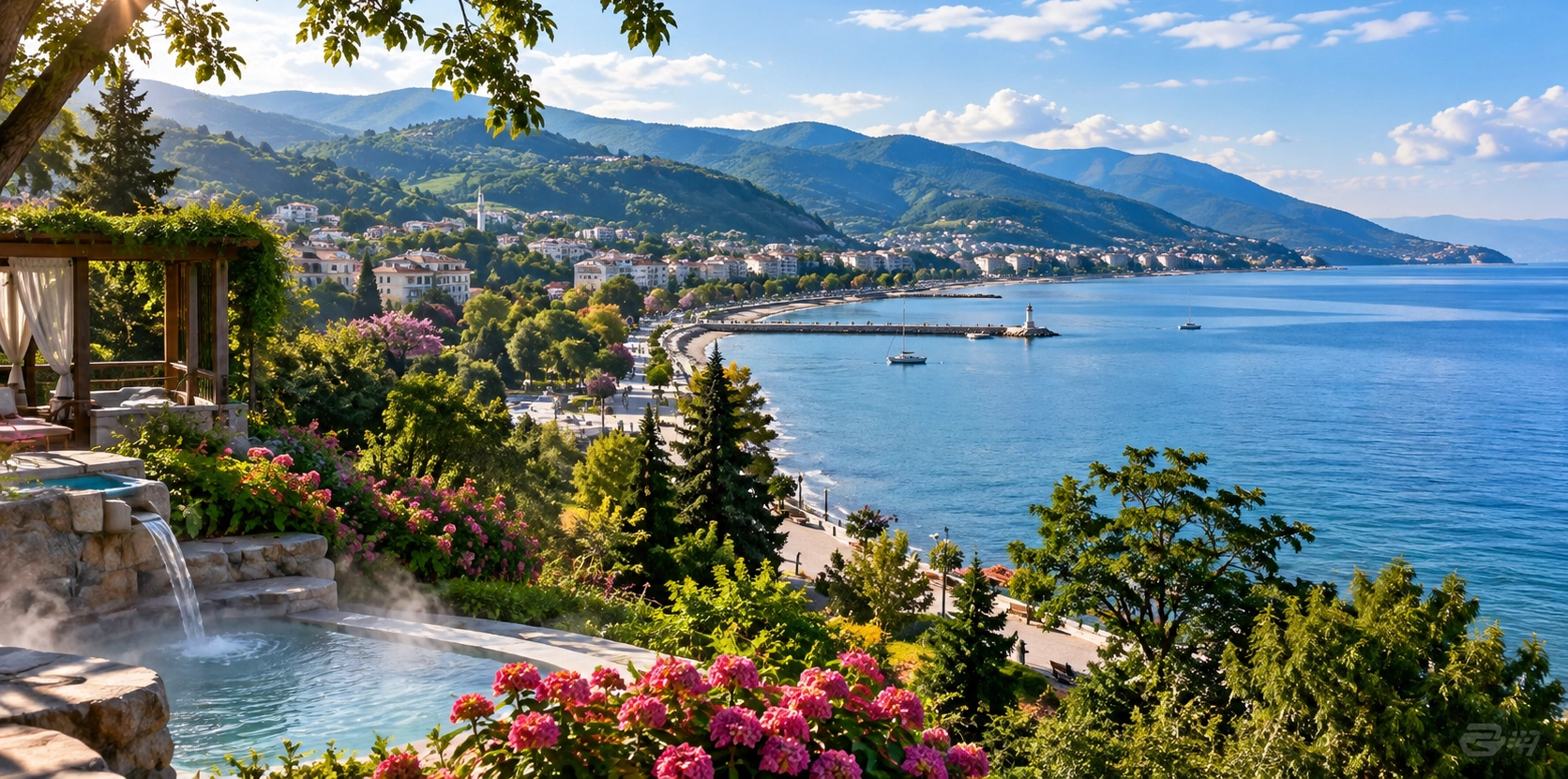
Discover Byzantine monuments, castles, wetlands, forests, waterfalls, hot springs, historic mansions and coastal landscapes throughout Yalova Province.
View Yalova GuidePair Kara Kilise with places that reveal Yalova’s Republican heritage, wetland ecology and medieval frontier history.
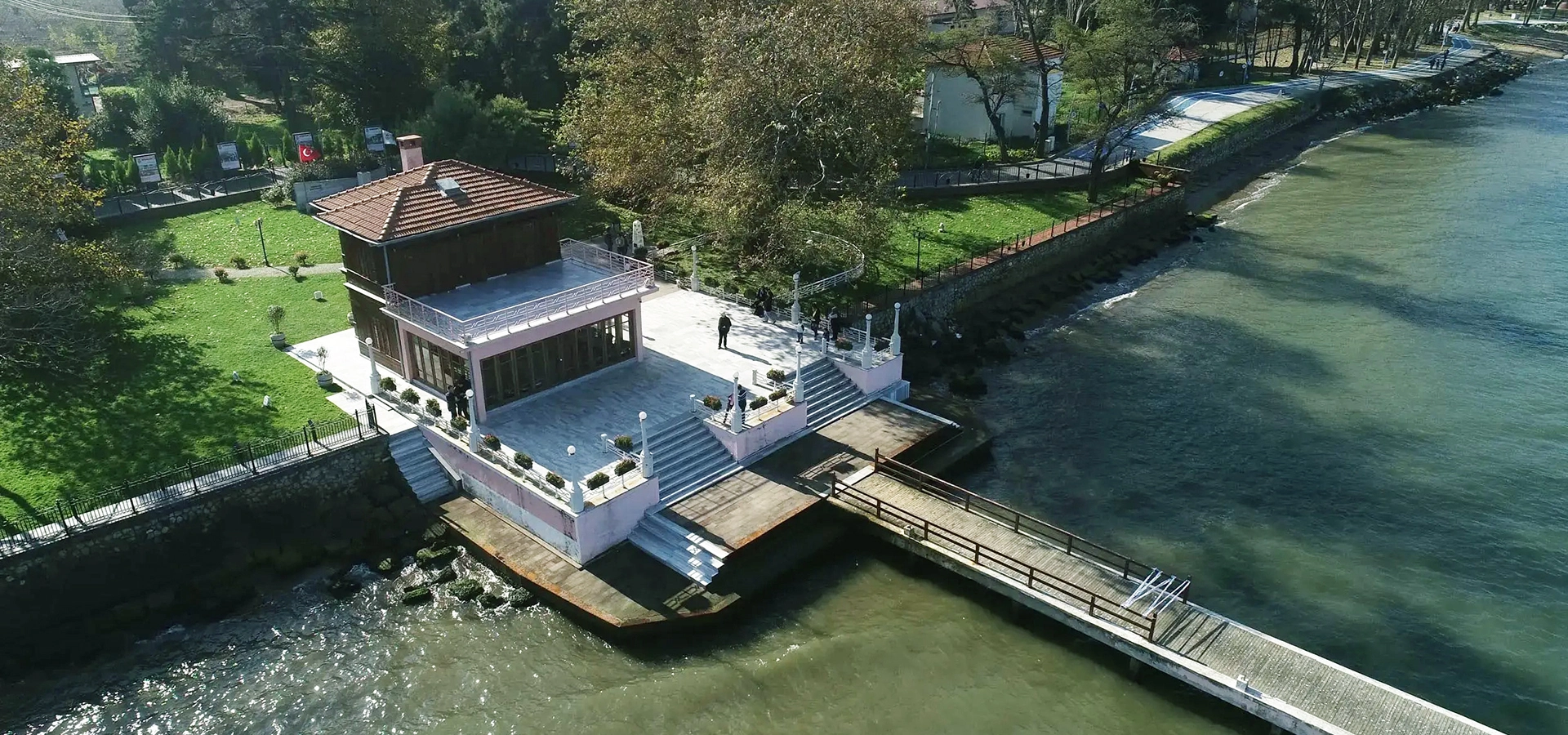
Continue from Byzantine Çiftlikköy to the famous waterfront mansion associated with Mustafa Kemal Atatürk.
Explore Yürüyen Köşk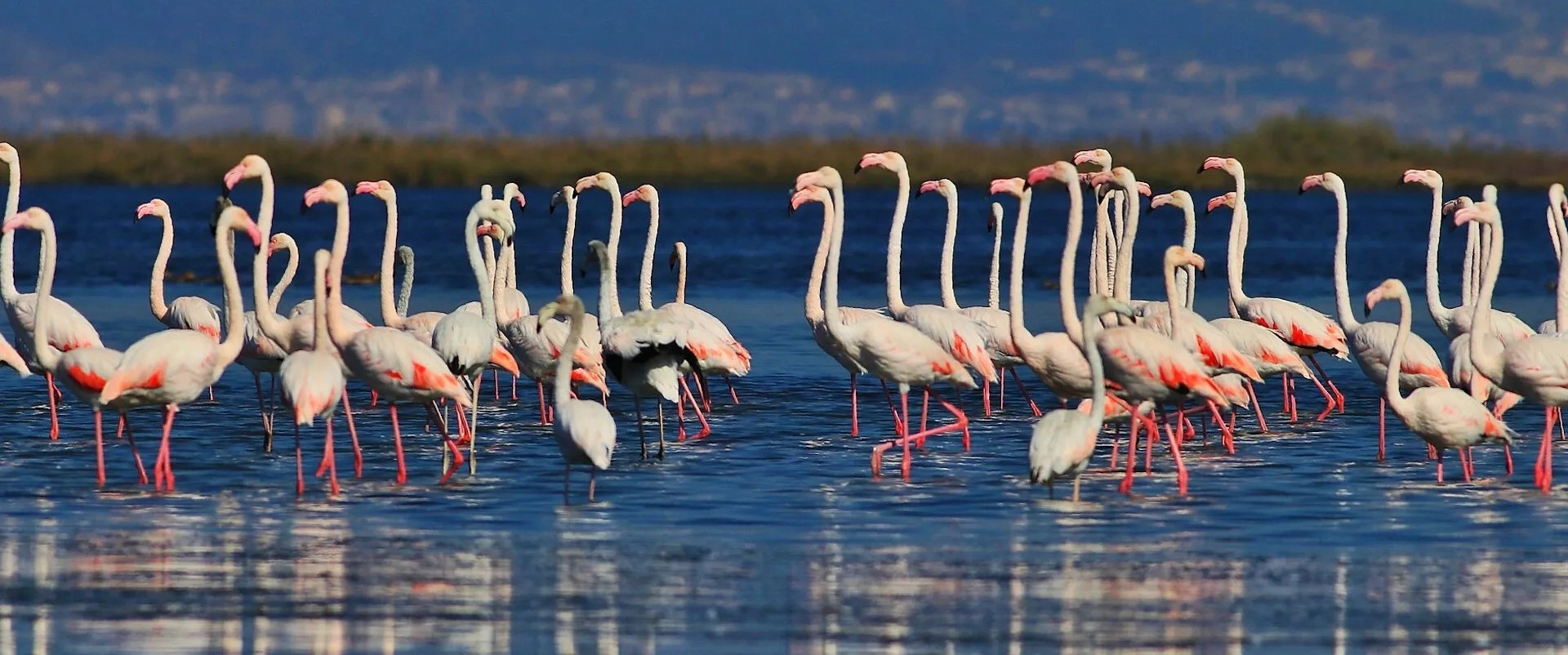
Move from ancient brick architecture to one of Yalova’s richest wetlands, known for flamingos and migratory waterbirds.
Explore Hersek Lagoon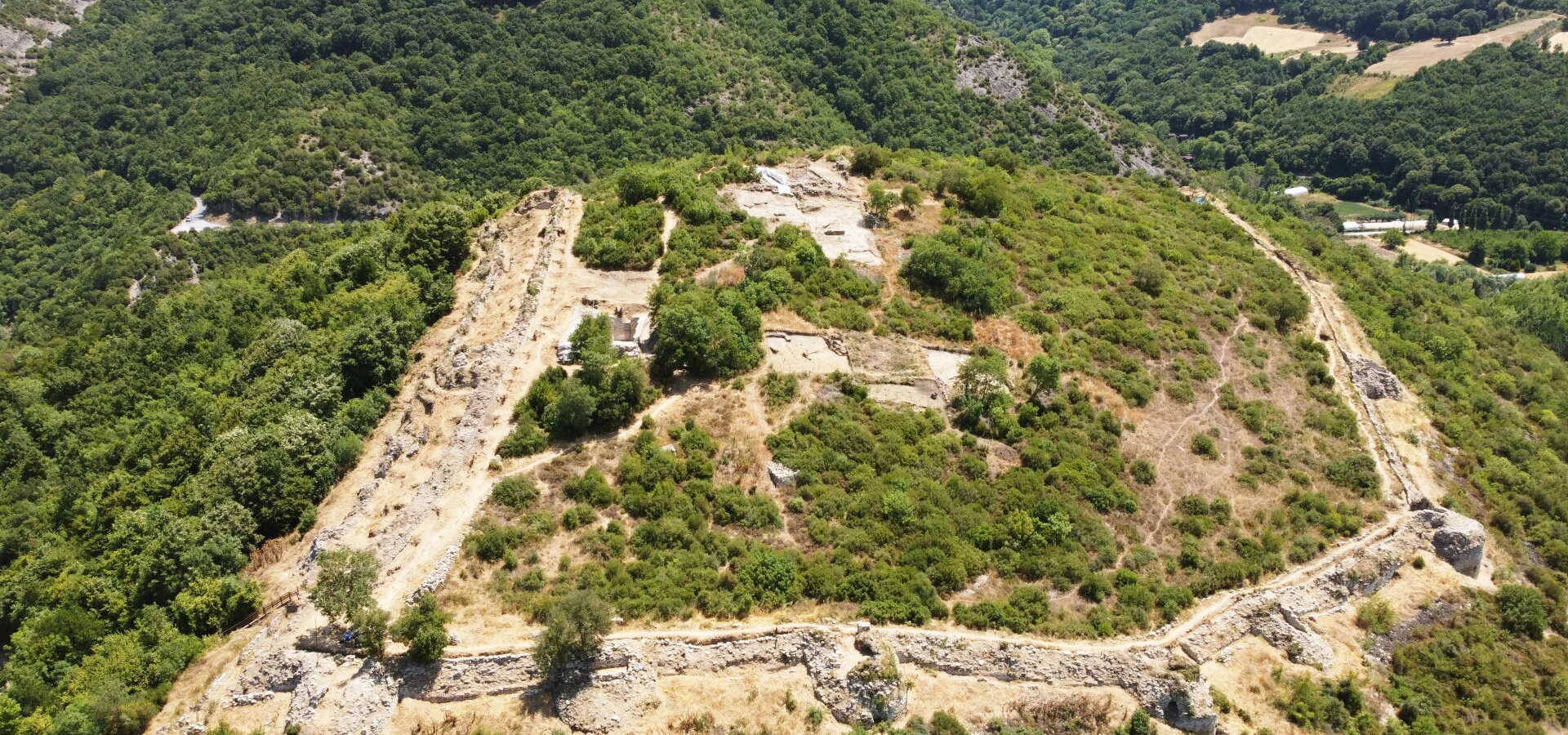
Continue into Yalova’s medieval frontier landscape at the fortress above the Yalakdere Valley.
Explore Çobankale