Private Kırklareli Prehistory Experience
Ask us about a tailor-made archaeological journey combining Kanlıgeçit, Aşağıpınar and Kırklareli Museum with private transportation and specialist guiding arrangements.
Request a Custom Tour





On the southern edge of Kırklareli, only a short distance from Aşağıpınar Archaeological Site, lies one of the most revealing prehistoric settlements in Turkish Thrace: Kanlıgeçit – Kanlıgeçit Höyüğü.
Kanlıgeçit belongs mainly to the Early Bronze Age, when the societies of Anatolia, the Balkans and the Aegean were developing increasingly complex networks of settlement, trade and cultural interaction.
What makes the site extraordinary is the dramatic change visible in its archaeological sequence. Kanlıgeçit began as a settlement with strong Balkan cultural traditions, but during the later Early Bronze Age it was reorganized according to a very different model: a fortified citadel with stone architecture and megaron buildings closely comparable with urban traditions known from western Anatolia.
Excavations carried out between 1994 and 2009 revealed the citadel, settlement phases, pottery and other evidence that transformed archaeologists' understanding of the relationship between Anatolia and southeastern Europe during the 3rd millennium BC.
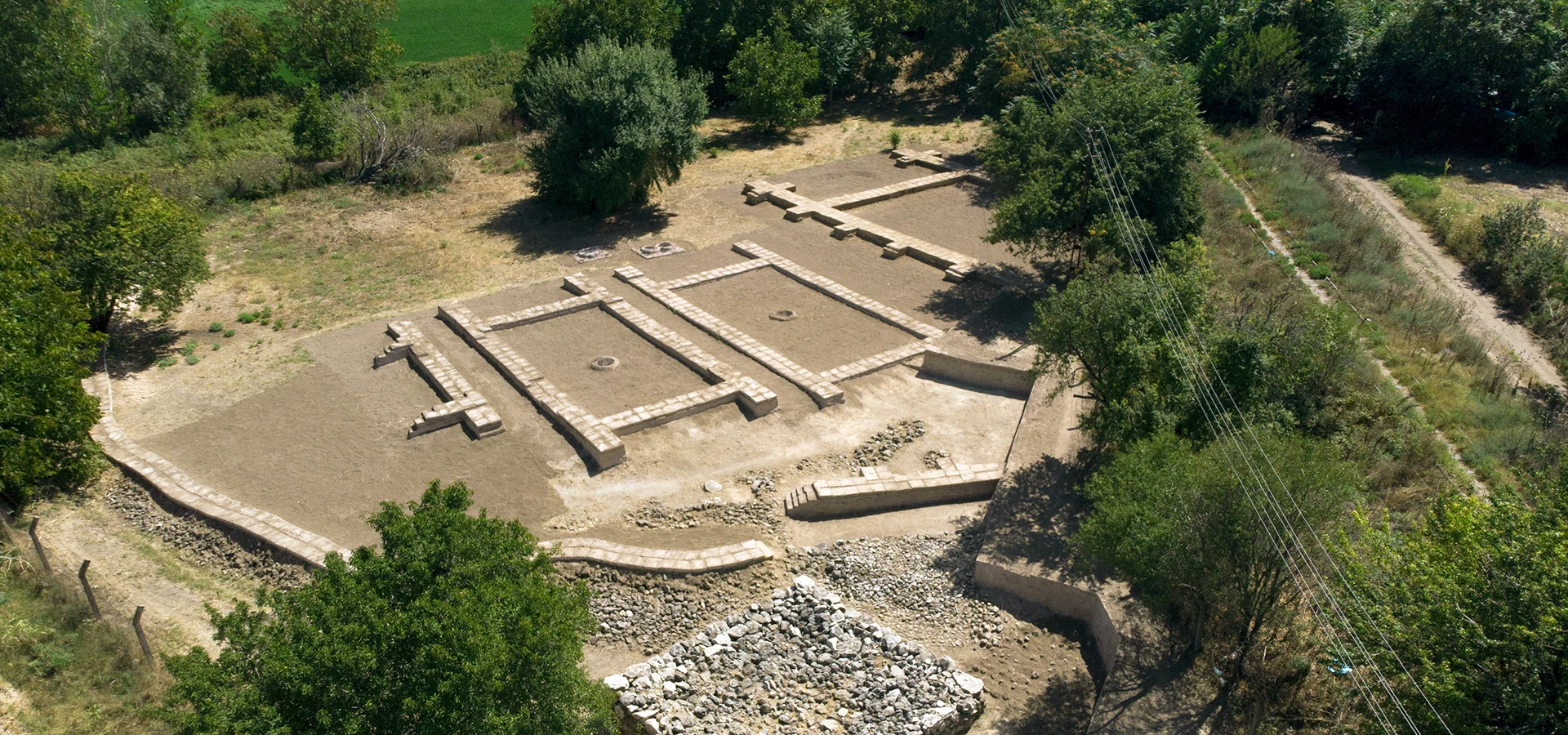
Today Kanlıgeçit is also important as a heritage-conservation project. The original excavated foundations were carefully reburied for protection, while reconstructed foundations above them allow visitors to understand the layout of the Bronze Age settlement.
Explore the reconstructed plan of a fortified settlement dating to the 3rd millennium BC.
See a building tradition strongly associated with western Anatolia and the Aegean introduced into prehistoric Thrace.
Kanlıgeçit preserves unusually clear evidence for cultural interaction across the Bosphorus and Marmara region.
The excavated remains were reburied and their foundations reconstructed to protect the original archaeology.
Essential information about one of the most important Early Bronze Age settlements in Turkish Thrace.
Karacaibrahim area on the southern side of Kırklareli, close to Aşağıpınar.
Open on Google MapsEarly Bronze Age, especially the 3rd millennium BC.
Systematic excavations were conducted from 1994 to 2009.
A fortified citadel containing megaron-type buildings inspired by western Anatolian settlement traditions.
The site is protected as an archaeological area; the original excavated foundations were reburied for conservation.
Allow approximately 30–45 minutes, especially when combining Kanlıgeçit with nearby Aşağıpınar.
Kanlıgeçit reveals how communities in prehistoric Thrace changed as connections with Anatolia became increasingly important.
The prehistoric landscapes around modern Kırklareli preserve several settlements belonging to different periods. Nearby Aşağıpınar represents much earlier Neolithic and Chalcolithic farming communities, while Kanlıgeçit became important later, toward the end of the 4th millennium and during the Early Bronze Age.
The earliest substantial phases at Kanlıgeçit were connected with the cultural world of the Balkans. The settlement consisted largely of timber and wattle-built structures, and its pottery displayed strong similarities with prehistoric traditions north of the site.
During the middle of the 3rd millennium BC, however, Kanlıgeçit changed dramatically. The settlement was reorganized around a defended central area often described as an acropolis or citadel. Stone construction became much more important, and monumental rectangular buildings known as megara appeared inside the fortified center.
These architectural forms were not typical of contemporary Balkan villages. Instead, they closely recalled settlement traditions known from western Anatolia and the Troad, including sites such as Troy.
Kanlıgeçit therefore provides unusually clear evidence that the societies of Early Bronze Age Thrace were not isolated. People, technologies, objects and perhaps new social ideas were moving across the wider region between southeastern Europe and Anatolia.
The final occupation ended around the beginning of the 2nd millennium BC. Archaeological evidence indicates that the settlement was destroyed in a major fire around 2050 BC, bringing the extraordinary Bronze Age sequence to an end.
Kanlıgeçit is far more than a small prehistoric settlement near Kırklareli. Its archaeological sequence provides a rare opportunity to observe major cultural transformation within a single settlement.
The early phases belong strongly to the Balkan cultural sphere, while the later settlement adopts architectural ideas and material traditions closely associated with Anatolia. This makes Kanlıgeçit one of the most useful archaeological sites for studying contact, exchange and cultural change between two regions.
The megaron-centered fortified settlement has no close contemporary parallel elsewhere in the region.
The later settlement was reorganized according to a town model associated with western Anatolia.
Imported pottery and other finds demonstrate that Kanlıgeçit participated in networks extending beyond local Thrace.
Fortifications and prominent central buildings suggest changing ideas about community organization and authority.
Kanlıgeçit also became an important experiment in protecting excavated prehistoric architecture while explaining it to visitors.
Together with Aşağıpınar, the site gives Kırklareli an exceptional prehistoric sequence spanning several millennia.
Archaeologists identified several phases of occupation at Kanlıgeçit. The sequence is important because it records a gradual transition from a settlement rooted in Balkan Early Bronze Age traditions to one displaying powerful Anatolian influence.
Settlement returned to the Kırklareli area after an interval following the end of the earlier Aşağıpınar occupation.
Kanlıgeçit developed as a relatively small settlement with timber architecture and strong Balkan cultural characteristics.
The settlement expanded and increasingly participated in wider networks linking Thrace with Anatolia.
A fortified citadel and lower settlement formed the principal later phase visible through archaeological research.
Large rectangular megaron buildings with stone foundations became the most distinctive architecture within the citadel.
The final settlement was destroyed by a major fire and the Early Bronze Age occupation came to an end.
Before the fortified citadel appeared, Kanlıgeçit looked very different. Its earlier inhabitants lived in a settlement whose architecture and pottery belonged largely to the Balkan Early Bronze Age cultural world.
Long rectangular buildings were constructed mainly from timber, posts and woven branches covered with mud. This type of architecture was widespread in prehistoric southeastern Europe and required far less stone than the later buildings of the citadel.
Pottery from these phases also shares similarities with communities associated with the Ezero cultural tradition in the Balkans. The evidence shows that Kanlıgeçit was originally integrated strongly into regional networks north and west of Kırklareli.
Early houses were constructed mainly with organic materials rather than the stone foundations that characterize the later citadel.
Dark handmade ceramics help connect the early settlement with Early Bronze Age communities elsewhere in southeastern Europe.
The earliest community was far less monumental than the fortified center created during the later phases.
The contrast between the early and later phases makes Kanlıgeçit especially valuable for studying cultural transformation.
The most dramatic archaeological development at Kanlıgeçit came when the settlement was reorganized around a fortified central enclosure.
Archaeologists describe this elevated and defended area as an acropolis or inner citadel. The settlement also included a more dispersed lower town extending beyond the fortified center.
The citadel was defined by substantial defensive architecture, including stone construction that contrasted strongly with the earlier timber-built village. The slope around the fortified area was strengthened with a stone facing or glacis, helping create the appearance of a more pronounced mound.
Inside the enclosure stood the settlement's most famous structures: a group of large megaron buildings arranged in relation to the central space. Their presence gives Kanlıgeçit an appearance much closer to western Anatolian Bronze Age settlements than to contemporary villages elsewhere in Thrace.
The most intensively excavated area formed the architectural and symbolic center of the later settlement.
The central area was enclosed and visually separated from the surrounding lower settlement.
Stone foundations represented a major change from the timber construction of earlier phases.
Less densely built areas surrounded the citadel and were investigated through survey, geophysics and test trenches.
The later settlement reflects deliberate reorganization rather than gradual growth from the earlier village.
The open-air presentation helps modern visitors recognize the overall citadel plan even though the original remains are protected beneath the soil.
The word megaron describes a long rectangular building form usually organized around a main hall approached from a short entrance area or porch. It is especially familiar from prehistoric and Bronze Age sites of the Aegean and western Anatolia.
At Kanlıgeçit, archaeologists uncovered a group of four prominent megaron-type buildings with stone foundations. Their presence in inland Thrace was unexpected and immediately demonstrated that the settlement had much stronger connections with Anatolian architectural traditions than previously assumed.
The best-known comparisons come from the urban traditions of western Anatolia, particularly the broader cultural world represented by Troy and the Troad. Kanlıgeçit does not simply reproduce a large Anatolian city, but it appears to adapt elements of that model on a smaller scale.
This architectural change is one of the principal reasons Kanlıgeçit occupies such an important place in discussions of Early Bronze Age interaction between Europe and Anatolia.
Four major megaron-type buildings formed the most distinctive architecture of the later citadel.
The foundations represented construction methods much more closely associated with Anatolian settlements.
The long hall-like plan clearly distinguished these buildings from the earlier timber houses.
The prominent location and scale of the structures suggest functions extending beyond ordinary domestic architecture, although their exact use remains debated.
The architectural concept recalls settlement patterns seen in the Troad and other parts of western Anatolia.
The discovery provided evidence for a type of monumental architecture previously unknown in the Early Bronze Age settlement record of the region.
Kanlıgeçit's greatest archaeological importance lies in the evidence it preserves for contact between Anatolia and southeastern Europe during the 3rd millennium BC.
This was long before the region entered written history, so archaeologists reconstruct connections by comparing architecture, pottery technology, vessel forms, figurines, animal remains and settlement organization.
At Kanlıgeçit, several lines of evidence point in the same direction. The citadel follows a western Anatolian-style settlement model, megaron buildings appear inside the fortifications, and the artifact assemblage includes pottery and other objects with strong Anatolian parallels.
The site therefore demonstrates that the sea passages and land routes separating Thrace from Anatolia were not barriers. They formed part of a connected prehistoric landscape through which people, objects, technologies and social ideas could move.
The fortified citadel and megaron buildings provide the most visible evidence for western Anatolian influence.
Imported and Anatolian-style vessels reveal exchange and cultural interaction beyond the local region.
Changes in construction and ceramic production suggest that ideas and specialist knowledge were also moving between regions.
Kanlıgeçit occupied a strategic landscape between the Balkans, the Marmara region and routes leading into Anatolia.
The evidence is best understood as complex interaction; archaeology cannot reduce every cultural change to a single movement of people.
The Kırklareli region demonstrates why Thrace is essential for understanding connections between Europe and Asia.
Architecture is only part of the story. Excavations at Kanlıgeçit recovered ceramic vessels, figurines, animal remains and other objects that help reconstruct the lives and connections of the settlement's inhabitants.
The pottery assemblage is particularly important because it includes both local Thracian traditions and vessels with Anatolian characteristics. Some wheel-made and red-slipped forms belong to technologies and styles more closely associated with Anatolia.
Together with the architecture, these finds demonstrate that the later Kanlıgeçit community participated actively in long-distance cultural and economic networks.
Handmade vessels preserve traditions rooted in the prehistoric cultures of Thrace and the Balkans.
Red-slipped and wheel-made vessels provide strong evidence for technological and cultural connections with Anatolia.
Some finds were not simply local imitations and indicate the movement of objects through exchange networks.
Anthropomorphic objects with Anatolian parallels contribute additional evidence for cultural interaction.
Faunal remains provide information about food, animal management and the wider economy of the settlement.
Important finds from Kanlıgeçit are preserved and displayed in the provincial museum in central Kırklareli.
One of the most intriguing discoveries at Kanlıgeçit came not from architecture or pottery, but from the animal remains. A significant number of domestic horse bones were identified among the faunal material from the megaron phase.
This has led archaeologists to suggest that Kanlıgeçit may have occupied an important position within long-distance routes connecting Anatolia with Thrace. One interpretation proposes that the settlement could have functioned as a terminal or important stopping point on a caravan route approaching from Anatolia.
This remains an archaeological interpretation rather than a certainty, but it fits remarkably well with the site's other evidence for strong Anatolian connections.
The later settlement did not continue indefinitely. Archaeological evidence indicates that Kanlıgeçit was destroyed in a violent fire around 2050 BC.
Fire can be catastrophic for an ancient community, but for archaeology it can sometimes preserve a sudden moment particularly clearly. Burned architectural material and sealed occupation layers can help researchers understand the final phase before a settlement was abandoned.
The destruction marks the end of Kanlıgeçit's remarkable Early Bronze Age development. The settlement that had evolved from a Balkan village into a fortified center with Anatolian-style architecture was not rebuilt on the same scale.
The final occupation is generally placed around the transition toward the early 2nd millennium BC.
Burning marks the dramatic final destruction of the fortified settlement.
The distinctive citadel settlement did not recover after its destruction.
The destruction layer helps preserve evidence for the settlement's last major phase.
Kanlıgeçit was identified during archaeological survey work carried out in the Kırklareli region under the direction of Prof. Dr. Mehmet Özdoğan. Systematic excavations began in 1994 as part of the broader Kırklareli prehistoric research project.
The work was conducted through collaboration involving İstanbul University and German archaeological institutions, with researchers including Mehmet Özdoğan and Hermann Parzinger playing major roles in the early phases of the project.
Excavation concentrated especially on the citadel, where much of the central fortified area could be exposed. The lower settlement was explored more selectively through surface survey, geophysical research and test trenches.
Fieldwork at Kanlıgeçit continued until 2009. After excavation, attention shifted toward conservation, publication and creating an understandable open-air presentation of the site.
The site was recognized during regional prehistoric surveys around Kırklareli.
Systematic archaeological excavation began at Kanlıgeçit.
Excavations revealed the remarkable megaron architecture that established the site's wider significance.
Excavation and research documented the settlement sequence, citadel, architecture and material culture.
Archaeology was supported by environmental, architectural, conservation and other specialist studies.
The research developed into a broader effort to share Kırklareli's prehistoric heritage with the public.
Excavating prehistoric architecture creates a difficult conservation problem. Once foundations that have survived beneath the soil for thousands of years are exposed, rain, frost, vegetation and temperature changes can quickly damage them.
At Kanlıgeçit, the solution was to rebury the original excavated foundations after archaeological documentation. This protects the authentic Bronze Age remains beneath the ground.
Above them, the principal building foundations were reconstructed in their original positions and dimensions. The visible site therefore allows visitors to understand the layout of the citadel, while the original archaeological fabric remains protected below.
This approach turned Kanlıgeçit into an important example of archaeological site presentation and cultural heritage management in Turkish Thrace.
The authentic excavated foundations were covered again to protect them from long-term weathering.
Reconstructed foundations follow the locations and dimensions documented during excavation.
The walls were deliberately reconstructed only to limited height rather than inventing complete Bronze Age buildings.
The reconstruction helps non-specialists recognize streets, buildings, fortifications and the overall citadel plan.
The display prioritizes preservation of the original archaeological remains beneath the surface.
Kanlıgeçit demonstrates how an archaeological excavation can become an educational landscape after fieldwork ends.
A visit to the archaeological site becomes much more meaningful when combined with Kırklareli Museum in the city center. The museum preserves and displays finds recovered during the excavations at Kanlıgeçit and Aşağıpınar.
At the site, the visitor sees the landscape and reconstructed architecture. Inside the museum, pottery and other archaeological objects reveal the material culture that allowed researchers to date the settlement and understand its connections.
For travelers with a serious interest in prehistoric archaeology, visiting both places provides a much more complete picture than seeing either one alone.
See archaeological finds from Kanlıgeçit, Aşağıpınar and other important sites throughout Kırklareli Province.
Ceramics make it possible to compare local Thracian traditions with Anatolian-style forms.
Objects from daily life provide details that are difficult to understand from architecture alone.
The museum places Kanlıgeçit within the much longer prehistoric sequence of the Kırklareli region.
Kanlıgeçit lies on the southern side of Kırklareli, close to Aşağıpınar and the former Kırklareli–Babaeski railway corridor. It is an archaeological conservation area rather than a conventional ticketed museum with extensive visitor facilities.
Published information about regular public opening arrangements is not always consistent. Some heritage sources describe access during archaeological activity and otherwise by arrangement. For that reason, travelers making a special journey should confirm current access locally before visiting.
Because Kanlıgeçit is an open-air archaeological site, weather and ground conditions have a greater influence on the experience than they do at Kırklareli Museum. Spring and autumn generally offer the most comfortable conditions for exploring the site.
Mild temperatures and green landscapes make this one of the most pleasant seasons for combining Kanlıgeçit with Aşağıpınar.
Visit earlier in the day to avoid the strongest heat and sun exposure on the open archaeological ground.
Cooler weather is excellent for a longer archaeological day around Kırklareli.
Rain, mud, frost or snow can make outdoor archaeological sites less comfortable and access conditions may vary.
Good light and cooler temperatures make morning particularly suitable for photography and site interpretation.
Plan Kanlıgeçit and Aşağıpınar together, then continue to Kırklareli Museum to see original finds.
Enough for a quick look at the reconstructed citadel layout if your schedule is limited.
A comfortable visit for most travelers, allowing time to understand the fortifications and megaron plan.
Recommended for travelers with a strong interest in prehistoric architecture and the Anatolia–Balkans connection.
Allow this when combining Kanlıgeçit with nearby Aşağıpınar Archaeological Site.
Add Kırklareli Museum to connect the archaeological landscapes with the original excavated objects.
Continue into central Kırklareli for Hızırbey Mosque, historic streets and additional regional heritage.
Kanlıgeçit is visually subtle compared with monumental classical ruins, but it can be very rewarding for travelers interested in archaeological landscapes and documentary photography. The reconstructed foundations make the settlement plan especially clear from slightly elevated viewpoints.
Use a wider composition to show how the megaron buildings relate to the fortified central enclosure.
Photograph the rectangular foundations from an angle that makes the entrance and long central axis visible.
Include surrounding fields and the open Thracian landscape to show how the settlement relates to its environment.
Lower-angle light can make shallow walls and reconstructed foundations easier to read in photographs.
Stonework, changes in elevation and reconstructed wall lines work well as archaeological documentary images.
Stay on appropriate paths and never climb, sit or stand on archaeological or reconstructed walls for photographs.
The two sites represent different stages of prehistoric life and together create a much stronger archaeological story.
Kırklareli Museum is the best place to see original excavated objects and understand the chronology of both settlements.
Kanlıgeçit becomes far more interesting once you recognize the citadel enclosure and the long megaron buildings inside it.
The visible foundations are interpretive reconstructions; the authentic excavated remains are protected beneath the soil.
Outdoor archaeological ground can be uneven, dusty or muddy depending on the season.
The site is open and exposed, so a hat, water and sun protection are useful during warmer months.
Visitor arrangements can vary, so check current access before making a special journey to the site.
Pottery fragments, stones and every archaeological object must remain exactly where they are found.
Kanlıgeçit is located in the Karacaibrahim area south of central Kırklareli, very close to Aşağıpınar Archaeological Site. The two sites should normally be treated as a single prehistoric excursion from the city.
Because archaeological access points and local roads can change, use current navigation information and follow any signs or instructions at the site rather than relying only on older route descriptions.
The archaeological landscape lies on the city's southern outskirts and is easiest to reach by car, taxi or private vehicle.
Kanlıgeçit lies only a few hundred meters from Aşağıpınar, making the two sites an ideal combined visit.
Use Kanlıgeçit Archaeological Site as your navigation destination and watch for local archaeological-site signage.
Visit Kanlıgeçit as part of a wider road journey through Kırklareli and Turkish Thrace rather than as a stand-alone day trip.
Kırklareli and its prehistoric sites can be combined with Edirne on a broader cultural itinerary through European Türkiye.
A private vehicle is the easiest way to combine the archaeological sites, museum and monuments around Kırklareli efficiently.
Kanlıgeçit is most rewarding as part of a wider exploration of prehistoric and historic Kırklareli. Several important sites can be combined easily within the same day.
Explore the earlier Neolithic and Chalcolithic farming settlement that forms the essential archaeological companion to Kanlıgeçit.
See finds from Kanlıgeçit, Aşağıpınar and other archaeological sites throughout the province.
Continue into central Kırklareli to explore one of the city's most important Ottoman monuments.
Discover historic streets, civic architecture, local food and the wider cultural heritage of the provincial capital.
Travel east to explore Roman archaeology, Byzantine monuments and one of the most historically layered towns in Turkish Thrace.
Continue north into the Istranca Mountains for one of Kırklareli Province's most impressive natural attractions.
Kanlıgeçit is located on the southern side of Kırklareli in Turkish Thrace, close to Aşağıpınar Archaeological Site in the Karacaibrahim area.
The settlement belongs mainly to the Early Bronze Age, with important phases dating through the 3rd millennium BC. Its beginnings extend back toward the end of the 4th millennium BC.
Kanlıgeçit preserves exceptional evidence for cultural interaction between prehistoric Thrace and western Anatolia. Its later fortified citadel and megaron buildings closely reflect Anatolian settlement traditions.
A megaron is a long rectangular building form organized around a principal hall, often approached through a porch or entrance space. The form is especially associated with Bronze Age architecture in the Aegean and western Anatolia.
Archaeological research identified four prominent megaron-type buildings within the fortified citadel.
Kanlıgeçit was not a part of Troy, but its later settlement organization and some material traditions have strong parallels with western Anatolia and the Troad. These similarities are central to understanding its importance.
Systematic excavations began in 1994 and continued until 2009 as part of the wider Kırklareli archaeological research project.
The original excavated architectural foundations were reburied for conservation. The visible foundation lines are reconstructions created in the documented original positions and dimensions to help visitors understand the settlement plan.
Reburial protects prehistoric walls from rain, frost, vegetation and long-term deterioration. It is a conservation strategy designed to preserve the authentic archaeological remains beneath the ground.
The final major settlement appears to have been destroyed in a violent fire around 2050 BC, after which the distinctive fortified Bronze Age center was abandoned.
Yes. Archaeologists identified a notable number of domestic horse bones. This evidence has contributed to the hypothesis that Kanlıgeçit may have been connected with long-distance routes between Anatolia and Thrace.
It is possible, but not proven. The combination of horse remains and strong Anatolian connections has led researchers to suggest that the settlement may have functioned as an important point on a route approaching from Anatolia.
Yes. Kırklareli Museum contains archaeological material from Kanlıgeçit and nearby Aşağıpınar, making it an excellent companion visit.
The two prehistoric sites lie only about 300 meters apart, so they should normally be visited together.
Around 30–45 minutes is suitable for most visitors. Allow longer if you are especially interested in prehistoric architecture or are visiting with a specialist guide.
Public access arrangements have varied and reliable fixed daily opening hours are not always published. If the site is essential to your itinerary, confirm current access before your visit.
Yes, especially for travelers interested in prehistory, Bronze Age archaeology and the cultural connections between Anatolia and Europe. The experience is strongest when combined with Aşağıpınar and Kırklareli Museum.
Archaeological sites can look robust, but shallow walls, buried deposits and even small fragments of pottery can contain irreplaceable information. Visitors can help preserve Kanlıgeçit by treating the entire landscape as part of the archaeological record.
Walking or standing on reconstructed or archaeological walls can damage the presentation and encourages unsafe behavior.
Never remove pottery fragments, stone tools, bones or any other object from an archaeological site.
Respect fences, protected zones and any instructions provided by archaeological or museum authorities.
Even a small unauthorized disturbance can destroy relationships between objects and archaeological layers.
Take all rubbish with you and help keep the prehistoric landscape clean.
Photography and social media can help raise awareness when they encourage protection rather than risky behavior at archaeological sites.
Discover Kanlıgeçit together with Aşağıpınar, Kırklareli Museum, Ottoman monuments and the remarkable prehistoric landscapes of Turkish Thrace.
Explore the prehistoric story of Kırklareli with a private itinerary adapted to your interests, combining archaeological sites with the original finds preserved in the museum.
Ask us about a tailor-made archaeological journey combining Kanlıgeçit, Aşağıpınar and Kırklareli Museum with private transportation and specialist guiding arrangements.
Request a Custom Tour
Discover more of Kırklareli, from prehistoric settlements and Thracian archaeology to Ottoman monuments, caves, forests and traditional towns.
View Kırklareli GuideFollow the story from the first farming communities of Aşağıpınar to the fortified Bronze Age settlement of Kanlıgeçit and the archaeological collections of Kırklareli Museum.
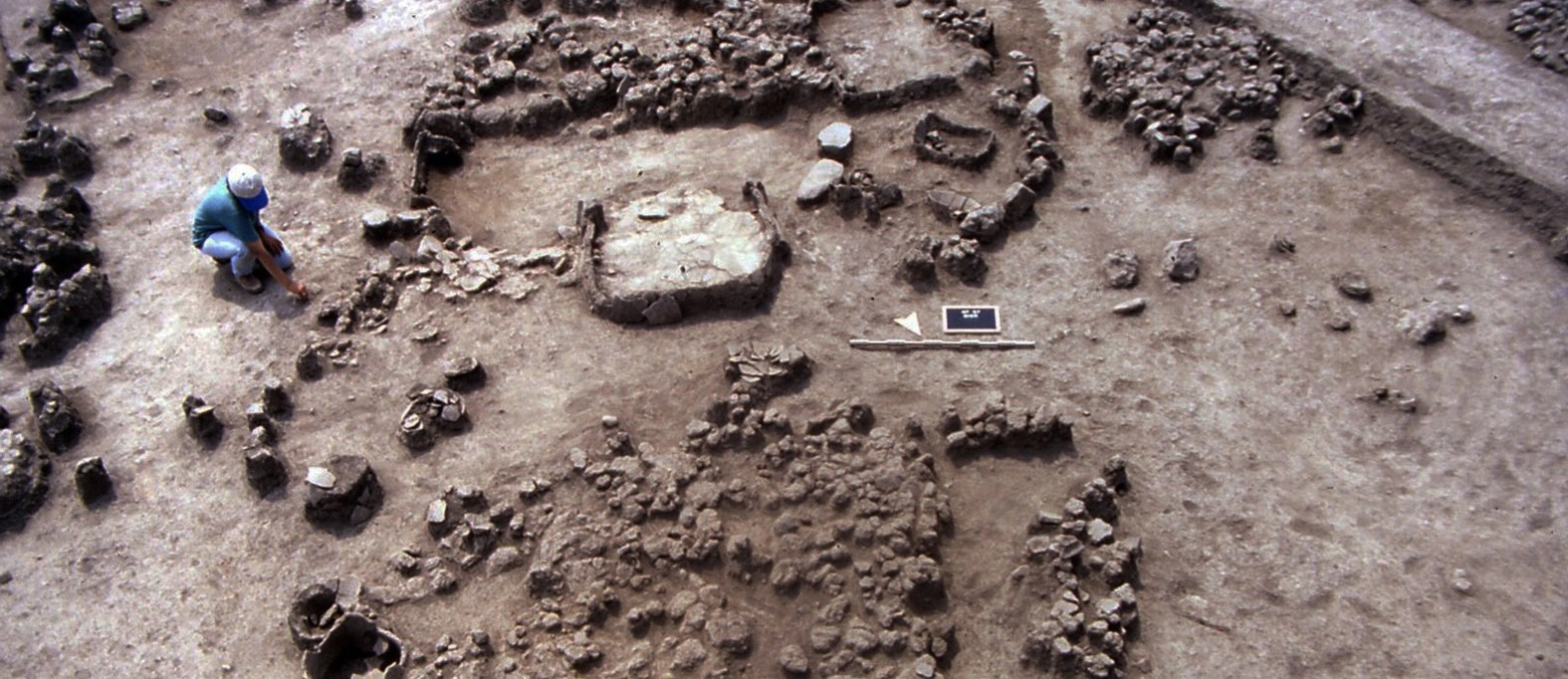
Travel deeper into Kırklareli's prehistory at the nearby settlement that preserves the story of some of Thrace's earliest farming communities.
Discover Aşağıpınar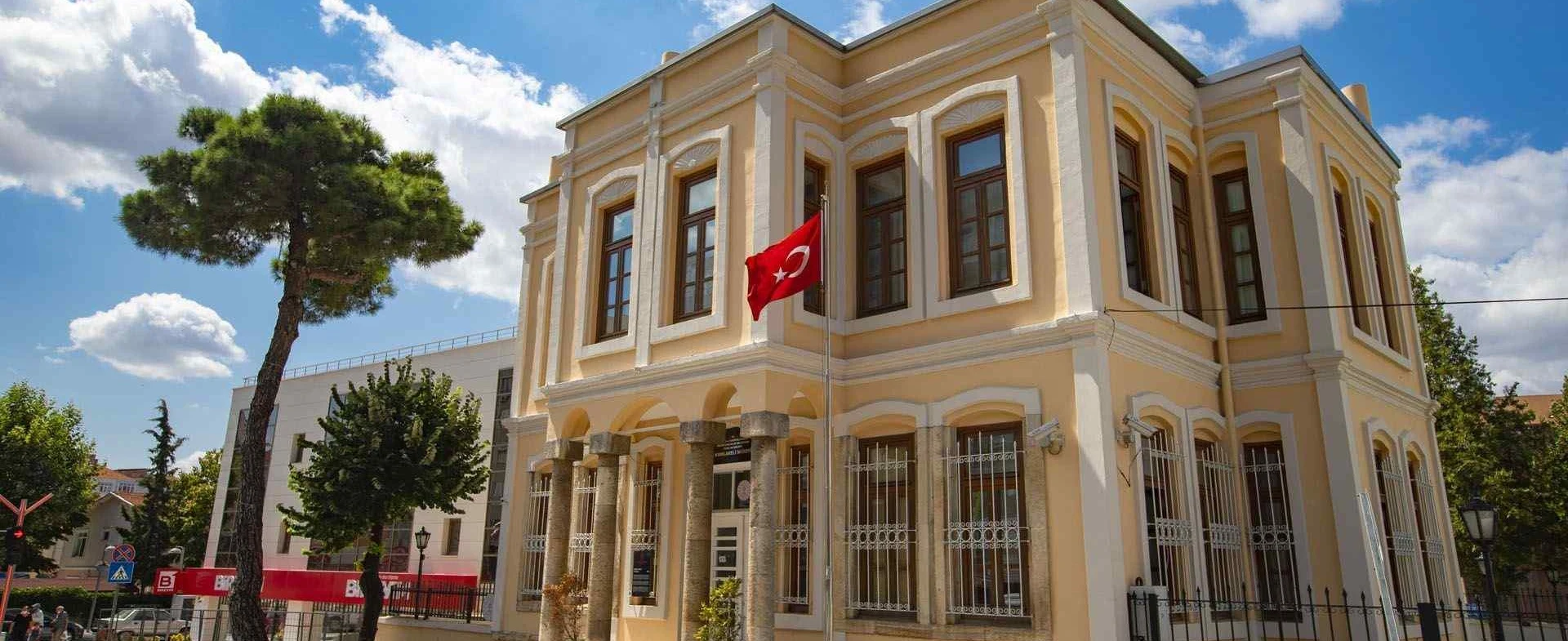
See original archaeological objects from Kanlıgeçit, Aşağıpınar and other important excavations throughout Kırklareli Province.
Explore Kırklareli Museum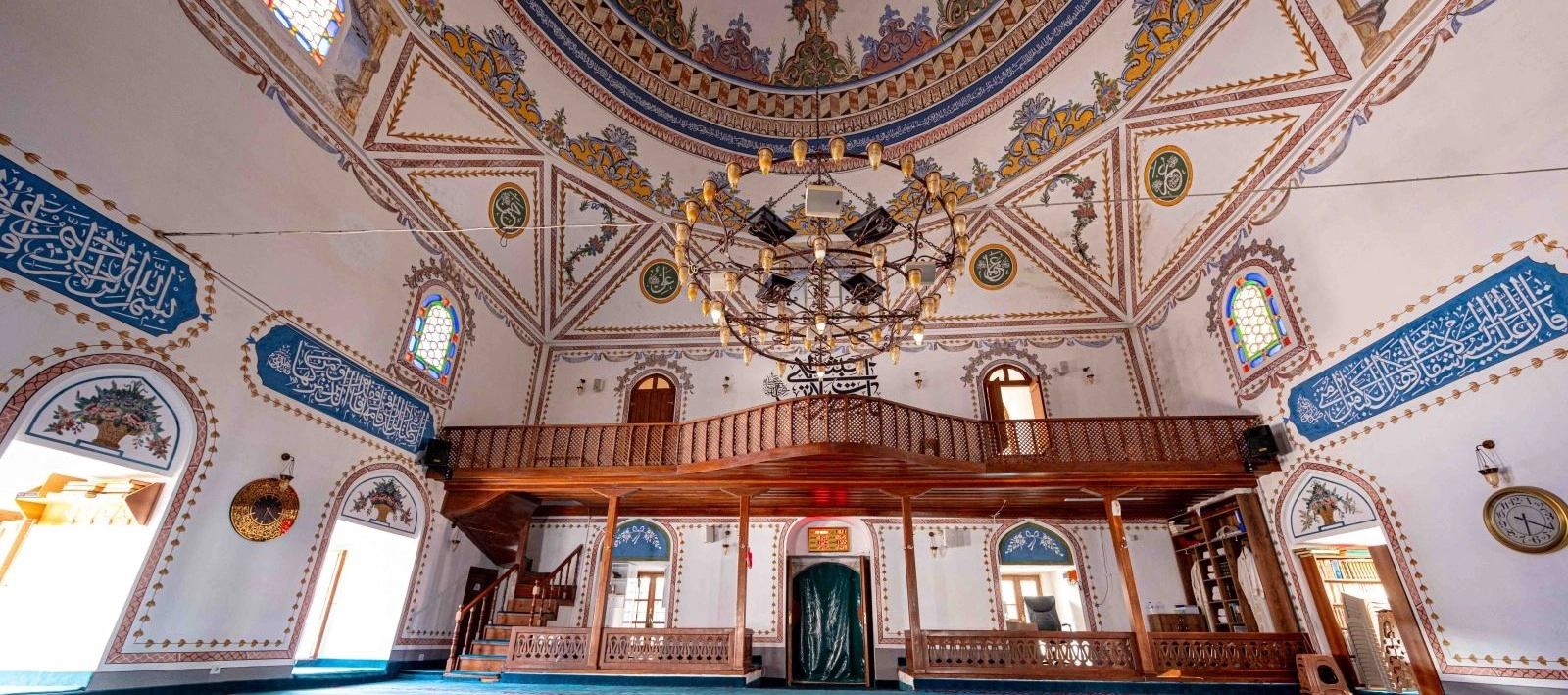
Continue from prehistoric Kırklareli into the historic city center to discover one of the province's most important Ottoman monuments.
Explore Hızırbey Mosque