25–60 g
The geographical-indication specification gives a fruit-weight range of approximately 25–60 grams.






Havran Siyah İnciri is a geographically protected fig produced in Havran district of Balıkesir Province using the Sarılop variety of Ficus carica L. Recognised for its black and purple skin, thin peel, reddish interior and sweet flavour, it is one of Havran's distinctive agricultural products.
The protected fig is medium-sized, generally weighing between 25 and 60 grams. Its peel is no more than approximately 1 mm thick and separates easily from the fruit. Almost the entire crop is marketed as fresh fruit, although Havran Siyah İnciri can also be dried.
Havran Siyah İnciri received Turkish geographical-indication registration in 2023. It is protected as a Menşe Adı under TÜRKPATENT registration No. 1382, with the geographical boundary defined as Havran district in Balıkesir.
Havran Siyah İnciri is registered by TÜRKPATENT as geographical indication No. 1382.
The mature fruit develops characteristic black and purple colour tones.
The registered fruit has a peel no more than about 1 mm thick and is easy to peel.
Its protected identity is directly connected with the orchards, soils and climate of Havran.
Essential information about one of Balıkesir's protected fig varieties.
Havran district in Balıkesir Province, western Türkiye.
Open Havran on Google MapsA black-purple fig with reddish flesh, thin skin and naturally sweet flavour.
TÜRKPATENT Menşe Adı registration No. 1382.
Harvest generally takes place between August and October.
Havran's black fig reflects the district's fertile plain, warm climate and long-established fruit-growing landscape.
Fig cultivation has an important place within Havran's agricultural landscape. The protected Havran Siyah İnciri brings together a recognised fruit profile with the environmental conditions and traditional cultivation practices of the district.
The registered fruit is produced using the Sarılop variety of Ficus carica L. When mature, it develops black and purple external colour tones, while the interior is reddish and naturally sweet.
Havran's location near the northern Aegean gives its orchards a combination of warm growing-season conditions, maritime influence, fertile alluvial soils and local humidity associated with the Havran Plain and Havran Stream.
In 2023, the connection between the fruit and its place of production received formal recognition when Havran Siyah İnciri was registered as a Turkish geographical indication.
Colour, fruit size, peel thickness, interior appearance and sweetness all help define the protected fig.
The geographical-indication specification gives a fruit-weight range of approximately 25–60 grams.
Mature fruit develops characteristic black and purple external colour tones.
The inside of the ripe fig has a distinctive reddish appearance.
The registered peel thickness is no more than approximately 1 mm.
Easy separation of the skin is one of the documented characteristics of the protected fruit.
Increasing natural sugar levels are an important indicator of harvest maturity.
Almost the entire crop is marketed as fresh fruit, although the figs can also be dried.
The protected designation is directly tied to production within Havran district.
Havran Siyah İnciri is a protected fig produced in Havran district of Balıkesir Province using the Sarılop variety of Ficus carica L.
Although the fruit can be dried, it is predominantly sold and eaten fresh. Its protected identity combines a defined geographical origin with characteristic colour, dimensions, peel structure, sweetness and specific cultivation practices.
Almost all commercial production is offered to consumers as fresh fruit.
The official registration specifies Sarılop as the variety used for protected production.
Mature fruit displays black and purple colour tones.
The product's protected identity depends on its connection with Havran's local growing environment.
Havran Siyah İnciri is registered by the Turkish Patent and Trademark Office as a Menşe Adı. This form of geographical indication places particularly strong emphasis on the relationship between the product and its geographical environment.
Havran Siyah İnciri
The TÜRKPATENT geographical-indication registration number is 1382.
The official application number is C2022/000340.
The application was filed on 11 October 2022.
The geographical indication was registered on 8 June 2023.
The registration holder is Balıkesir Metropolitan Municipality.
The protected designation is a Menşe Adı.
The registered geographical area is Havran district, Balıkesir Province.
A Turkish Menşe Adı identifies a product whose essential characteristics are strongly connected with a defined geographical area and its natural and human factors.
For Havran Siyah İnciri, the protected identity is therefore closely tied to the district's growing environment, including its soil structure, climate, humidity, sunlight and established orchard practices.
The protected area is Havran district in Balıkesir.
Colour, size, peel thickness and other physical characteristics are documented.
Orchard establishment, caprification, pruning, irrigation, harvest and handling are specified.
Production practices, marketing and use of the protected name are subject to inspection.
The geographical-indication specification connects Havran Siyah İnciri with the environmental conditions of Havran. The district experiences Mediterranean-type climatic characteristics, with hot, relatively dry summers and mild, comparatively rainy winters.
Moist and cool air arriving from the Aegean, together with the cooling effect of northerly winds, helps shape the growing environment. Warm conditions during the vegetation period support fruit development and sweetness, while good sunlight contributes to the characteristic dark colour and thin skin.
Havran's fertile plain also contains alluvial soils, while evaporation associated with Havran Stream contributes to local humidity. These conditions are recognised as part of the environment behind the fig's colour, flavour and easy-peeling skin.
Moist and relatively cool maritime air reaches the district from the west.
Warm vegetation-period conditions support fruit development and sweetness.
The fertile soils of the Havran Plain form an important part of the production environment.
Moisture associated with Havran Stream contributes to conditions within the plain.
The geographical-indication registration establishes measurable physical characteristics that help define authentic Havran Siyah İnciri.
The sweetness of Havran Siyah İnciri comes principally from the naturally occurring sugars glucose and fructose.
The official specification records a glucose-and-fructose level of at least 55 g/L in fruit that has reached harvest maturity. Increasing sweetness, together with the development of black-purple skin colour, is one of the principal signs that the figs are ready to pick.
Glucose and fructose are major contributors to the fig's sweet taste.
Natural sugar concentration rises as the fruit approaches harvest maturity.
Darkening toward black and purple is an important harvest indicator.
Fruit sweetness is assessed together with external colour when deciding when to harvest.
New Havran Siyah İnciri trees can be obtained from rooted shoots appearing around established fig trees or from cuttings. Growers commonly use either bare-root or container-grown young trees.
Healthy, well-developed plants around one to two years old are selected for planting. The preferred planting period falls between winter dormancy, when the trees have no leaves, and the beginning of active spring growth.
Recommended spacing varies according to land and soil conditions. Approximate spacings described in the registration range from 6 × 6 metres on less fertile or sloping land to around 8 × 8 metres on more favourable ground.
Young trees selected for planting should be healthy and well developed.
Planting is carried out during dormancy before active spring growth begins.
Tree spacing is adjusted according to soil fertility and orchard conditions.
Young trees receive water immediately after planting to support establishment.
The registered production description favours soils with a sandy-clay structure, adequate organic matter and sufficient moisture.
Suitable soils are described as slightly to moderately alkaline, relatively low in salinity and free from serious drainage problems. Havran Plain's fertile alluvial soils provide favourable conditions for local fig production.
A balanced sandy and clay soil structure is associated with successful production.
Adequate organic matter supports healthy orchard soils.
Waterlogging and serious drainage problems are undesirable.
The soils of the Havran Plain form an important part of the protected growing environment.
One of the most fascinating stages of traditional fig production is ilekleme, or caprification. Pollination and successful fruit development depend on pollen from male caprifigs being carried to female figs by tiny fig wasps.
Growers therefore hang suitable male fig fruits, known locally as ilek, in female fig trees. The timing changes according to climate, elevation and orchard conditions, but the process generally begins in early June and can continue until around the middle of July.
Caprification is normally started when young female figs have reached approximately the size of a large hazelnut and have a bright appearance. Male figs used for the process should contain sufficient pollen.
Caprification generally begins around the first part of June.
The process may continue for several weeks depending on orchard conditions.
Tiny fig wasps transport pollen from male caprifigs to female fig flowers.
Correct timing helps support fruit set, development and final fruit quality.
Pruning helps create a strong, balanced canopy and supports fruit production. The registered method allows summer and winter pruning depending on tree age, orchard conditions and the purpose of the work.
Shape pruning is especially important during approximately the first three years after planting. Diseased, damaged, weak, overcrowded and excessively vigorous shoots are removed as necessary.
Correct pruning also improves air circulation, makes harvesting and orchard maintenance easier and can contribute to the development of larger fruit.
The first three years are especially important for establishing a balanced crown.
Broken, diseased and weak branches are removed during orchard maintenance.
A balanced canopy allows better ventilation within the tree.
Regular and appropriate pruning can contribute to good fruit development.
The official specification gives an annual water requirement of approximately 550–625 mm for Havran Siyah İnciri trees.
When rainfall is insufficient or irregular, irrigation may be needed particularly near the beginning of spring, generally during March or April. Additional watering may also be appropriate during May and June in especially dry conditions.
Basin irrigation around individual trees or drip-irrigation systems can be used. Irrigation close to final fruit ripening is avoided because excessive water at this stage can negatively affect fruit quality.
The registered description gives this approximate annual water requirement.
March and April can be especially important when winter rainfall has been insufficient.
Drip systems provide one practical method of supplying water to the orchard.
Irrigation is reduced or avoided as the fruit approaches ripening.
Havran Siyah İnciri is primarily a late-summer and early-autumn fruit. Ripening depends on annual weather conditions, orchard location and cultivation.
The official harvest period generally extends from August through October. Fruit becomes ready when the skin develops its characteristic dark-purple colour and the flesh reaches suitable sweetness.
The first mature fruit can begin appearing as the summer harvest develops.
Late summer and early autumn form an important part of the fresh-fruit season.
Depending on weather and orchard conditions, harvesting can continue into autumn.
Dark-purple skin and increasing sweetness are important indicators of maturity.
Harvest generally takes place between August and October. Picking begins when the fruit skin develops a sufficiently dark purple appearance and the figs have reached suitable eating maturity.
The fruit is picked by hand with its stalk attached, taking care not to damage the branches. Harvest is preferably carried out during the cooler early hours of the day.
Damaged figs and fruit that has fallen onto the ground are not collected for normal market use. Freshly picked figs are placed carefully into relatively small, food-safe containers to reduce pressure and bruising.
The delicate ripe figs are harvested individually by hand.
Fruit is removed carefully with the stalk remaining on the fig.
Harvesting during the cooler part of the morning helps protect fresh-fruit quality.
Small containers help reduce crushing and damage to the soft ripe figs.
After harvest, the figs are selected and classified according to characteristics such as fruit size and colour.
Sorting can take place directly in the orchard or in a dedicated collection area. Wherever it is carried out, the working surface must be kept clean and the figs protected from contamination.
Fruit can be grouped according to its physical dimensions.
Dark and evenly matured fruit is distinguished during selection.
Damaged or unsuitable fruit is separated from market-quality figs.
Sorting areas must protect the fruit from unnecessary contamination.
Yes. Although almost all Havran Siyah İnciri is marketed fresh, the geographical-indication specification also describes a traditional drying method.
Fresh figs intended for drying are placed on suitable clean food-contact surfaces and dried in the sun. August and September provide particularly favourable sunshine conditions in Havran, and the initial drying period lasts approximately two weeks.
After this stage, the figs can undergo a brief treatment in boiling salted water before being drained and dried for approximately another five days. Modern drying tunnels may also be used when appropriate.
Traditional drying makes use of Havran's strong late-summer sunshine.
The principal sun-drying stage lasts approximately two weeks.
A further drying stage follows preparation of the partially dried fruit.
Dried figs exist, but fresh fruit remains the dominant form in which the protected crop is marketed.
Fresh figs are highly perishable, so the principal aim is to move Havran Siyah İnciri from orchard to consumer or processing as quickly as practical.
The registration specifies storage in dry, cool, clean and odour-free environments. Figs should not be stacked excessively because pressure can damage the soft fruit.
When longer storage is necessary, the figs can be kept in suitable food-safe crates under refrigerated conditions.
Cool conditions help protect the fresh fruit after harvest.
Excessive moisture can accelerate deterioration of ripe figs.
Soft ripe figs can be damaged by excessive pressure.
The preferred approach is to sell or process the fruit soon after harvesting.
Havran Siyah İnciri is characterised by a naturally sweet flavour, a thin outer skin and a soft reddish interior.
When eaten at full maturity, the fruit combines delicate skin with the dense, seed-filled texture typical of ripe figs. Its sweetness develops together with increasing natural glucose and fructose levels during ripening.
For travellers, the clearest way to understand the fruit is to taste a freshly harvested fig in Havran during late summer or early autumn.
Natural sugars intensify as the fruit reaches harvest maturity.
The fine outer peel gives the ripe fig a delicate texture.
The reddish fruit interior becomes tender when fully ripe.
Freshly harvested fruit provides the most direct experience of Havran Siyah İnciri.
Fresh Havran Siyah İnciri needs very little preparation. When properly ripe, the fruit can simply be washed gently and eaten whole or opened to reveal its reddish interior.
Its naturally sweet character makes it suitable for breakfast tables, cheese plates, fruit platters and simple seasonal desserts. Because ripe figs are delicate, they are best handled as little as possible before serving.
Enjoy a ripe fig on its own to experience the fruit most directly.
Fresh figs pair naturally with cheeses, yoghurt, bread and other breakfast foods.
The sweetness of ripe figs provides contrast with salty and mature cheeses.
Avoid unnecessary handling once the delicate fruit has reached full ripeness.
Fresh eating is the principal use of Havran Siyah İnciri, but ripe figs can also add natural sweetness, colour and texture to a wide range of dishes.
They work particularly well in breakfast plates, salads, cheese combinations, desserts, preserves and baked dishes. Dried Havran figs can also be eaten as a concentrated fruit snack or used in cooking.
Serve ripe figs whole, halved or quartered.
Pair fresh figs with yoghurt, cheeses, nuts and bread.
Fresh fig pieces can add sweetness to seasonal salads.
The fruit works naturally with cream, yoghurt, nuts and pastry.
Ripe figs can be transformed into jams and other fruit preserves.
Dried Havran figs provide another way of enjoying the harvest beyond the fresh season.
Not every dark-skinned fig sold in Balıkesir is protected Havran Siyah İnciri. The geographical indication identifies fruit produced within the registered geographical area and according to the official production specification.
The usage rules require the wording Havran Siyah İnciri together with the official Menşe Adı emblem to appear on the product or its packaging. When this is not possible, the name and emblem must be displayed clearly at the business.
Look for the protected wording Havran Siyah İnciri.
The Turkish Menşe Adı emblem identifies the protected geographical designation.
The geographical boundary is Havran district of Balıkesir.
Fresh local fruit is principally associated with the August–October harvest period.
Mature fruit should display characteristic black and purple tones.
Clear provenance is particularly important when buying protected regional produce.
For the strongest connection with the protected product, look for Havran Siyah İnciri during its natural harvest season and ask sellers where the fruit was grown.
Ripe figs should feel tender without being badly crushed or split. Their skin should show the dark colour expected of mature fruit, while excessive damage, leaking or signs of spoilage should be avoided.
August through October is the principal period for locally harvested fruit.
Authentic protected production is connected specifically with Havran district.
The protected name and Menşe Adı emblem provide the clearest formal identification.
Badly split, crushed or leaking figs deteriorate quickly.
Fresh figs bruise easily and should not be placed beneath heavy shopping or luggage.
Fresh figs are highly perishable and are best enjoyed shortly after purchase.
August and September offer the strongest chance of encountering fresh harvest fruit.
Fruit sellers and local markets are natural places to search for freshly harvested figs.
Fig groves are working agricultural properties and should only be entered with permission.
A fully ripe fresh fig is the clearest introduction to the protected product.
Combine the food experience with Havran's countryside and the wider Gulf of Edremit region.
Fresh figs are much more delicate than apples, citrus fruit or other travel snacks.
Cut or open a ripe fig to reveal the contrast between its dark skin and reddish flesh.
Local growers and sellers can provide useful insight into the season and orchard conditions.
Havran Siyah İnciri represents more than a single seasonal fruit. Its geographical indication reflects the relationship between the product and Havran's orchards, fertile plain, climate and agricultural economy.
The harvest arrives during one of the richest periods of the northern Aegean agricultural calendar. Fresh figs appear alongside other seasonal produce from a region also strongly associated with olives, olive oil and diverse fruit cultivation.
The fig crop forms part of Havran's late-summer and early-autumn agricultural cycle.
Fig trees contribute to the productive landscape surrounding Havran.
The fruit belongs to a wider regional culture shaped by fresh produce, olives and seasonal cooking.
The Menşe Adı recognises the particularly close relationship between the fruit and its place of production.
For travellers interested in regional Turkish produce, Havran Siyah İnciri offers an excellent example of how an apparently simple fruit can be closely connected with a particular landscape.
Its dark colour, delicate skin, reddish interior, sweet flavour and short fresh-fruit season make it especially interesting to taste close to its place of origin.
The most meaningful experience is during harvest season in Havran, when the connection between orchards, ripe fruit, local markets and the surrounding agricultural landscape is easiest to appreciate.
Fresh figs are closely associated with the late-summer and early-autumn harvest.
Thin skin surrounds a soft and richly textured ripe interior.
The protected name connects the fruit directly with Havran.
Its registration documents the unusual relationship between climate, soil, pollination and fruit quality.
Havran Siyah İnciri belongs to a remarkably varied Balıkesir food landscape shaped by fruit orchards, olives, dairy products, grains and long-established local specialities.
Discover Havran's other protected fruit and its distinctive Satsuma mandarin orchards.
Continue through the Gulf of Edremit with one of the region's defining olive-oil traditions.
Explore another protected product shaped by the northern Aegean olive landscape.
Move from seasonal fruit to one of the northern Aegean's distinctive cheese traditions.
Discover Balıkesir's famous cheese-based dessert and one of the province's best-known sweet traditions.
Continue inland with Balya's geographically protected traditional butter.
A dark-coloured fig does not become Havran Siyah İnciri simply because it resembles the protected fruit. The designation represents a defined combination of geographical origin, variety, production practices and measurable characteristics.
Protected Havran Siyah İnciri is tied specifically to Havran district.
The official specification identifies the Sarılop variety.
Weight, dimensions, peel thickness, colour and ostiole opening are documented.
Planting, caprification, pruning, irrigation and harvest practices are described.
The protected name and Menşe Adı emblem follow defined usage rules.
Production, storage, marketing and protected-name use are subject to formal controls.
Geographical-indication inspections are coordinated by Balıkesir Metropolitan Municipality. The inspection body includes representatives of Balıkesir Metropolitan Municipality, the Havran District Directorate of Agriculture and Forestry and the Havran Chamber of Agriculture.
Regular inspections take place at least once a year, with additional inspections possible following complaints or whenever considered necessary.
Controls cover the use of the Havran Siyah İnciri geographical indication, production methods, harvest, storage and preservation conditions and the way the product is placed on the market. Product analysis can also be requested when necessary.
Inspectors verify compliance with the registered cultivation and production requirements.
Harvest procedures form part of the geographical-indication controls.
Handling, storage and market presentation are included in inspection criteria.
Correct use of the protected wording and Menşe Adı emblem is inspected.
Havran Siyah İnciri is a geographically protected black-purple fig produced in Havran district of Balıkesir Province.
The registered geographical boundary is Havran district in Balıkesir Province, Türkiye.
Yes. It is a registered Turkish geographical indication.
It is registered as a Menşe Adı.
The TÜRKPATENT registration number is 1382.
It was registered on 8 June 2023.
The official application number is C2022/000340.
The application was filed on 11 October 2022.
The registration holder is Balıkesir Metropolitan Municipality.
The protected specification identifies the Sarılop variety of Ficus carica L.
The mature fruit has black and purple external colour tones.
The fruit interior is described as reddish.
The protected fruit is characterised by a naturally sweet taste.
The registered fruit-weight range is approximately 25–60 grams.
The registered fruit width is approximately 25–55 mm.
The registered fruit length is approximately 20–50 mm.
The official specification gives a maximum peel thickness of approximately 1 mm.
Yes. Easy peeling is specifically included among its registered characteristics.
The registered profile describes skin cracking as absent or present only at a very low level.
Harvest generally takes place between August and October.
Dark black-purple skin colour together with increasing sweetness are important indicators of harvest maturity.
The figs are picked carefully by hand with their stalks attached, usually during the cooler early hours of the day.
Yes. The geographical-indication specification includes a drying method, although almost the entire crop is sold fresh.
The principal sun-drying stage lasts approximately two weeks, followed by preparation and an additional drying period of around five days.
İlekleme, or caprification, is the practice of hanging male caprifigs in female fig trees so fig wasps can transfer pollen and support fruit development.
It generally begins in early June and can continue until around the middle of July, depending on local conditions.
The registration highlights its Mediterranean-type climate, Aegean influence, fertile alluvial soils, sunlight and local humidity associated with Havran Stream.
They should be kept in cool, dry, clean and odour-free conditions and marketed or eaten as soon as practical after harvest.
Look for the protected name, the Menşe Adı emblem and reliable information confirming that the figs originate from Havran.
Its protected identity combines black-purple colour, thin easy-peeling skin, reddish flesh, natural sweetness and a close relationship with Havran's climate, soils and traditional fig-growing practices.
The strongest images should show both the beauty of the ripe fruit and its connection with Havran's fig orchards and late-summer landscape.
Photograph ripe black-purple figs arranged naturally in soft daylight, preferably with green fig leaves.
Dark ripe figs against large green leaves immediately communicate the orchard setting.
A close-up of hand-picking with the stalk attached adds a strong agricultural story.
Split a ripe fig carefully to reveal the striking reddish interior against its dark skin.
Wide orchard views place the protected fruit within its geographical landscape.
Freshly harvested figs arranged gently in shallow crates create a strong seasonal market image.
Discover Havran Siyah İnciri together with seasonal orchards, local produce, olive landscapes and the wider food culture of the Gulf of Edremit.
Custom-designed private programs can combine Havran, seasonal figs, local markets, countryside, olive culture and nearby destinations according to your travel dates and interests.
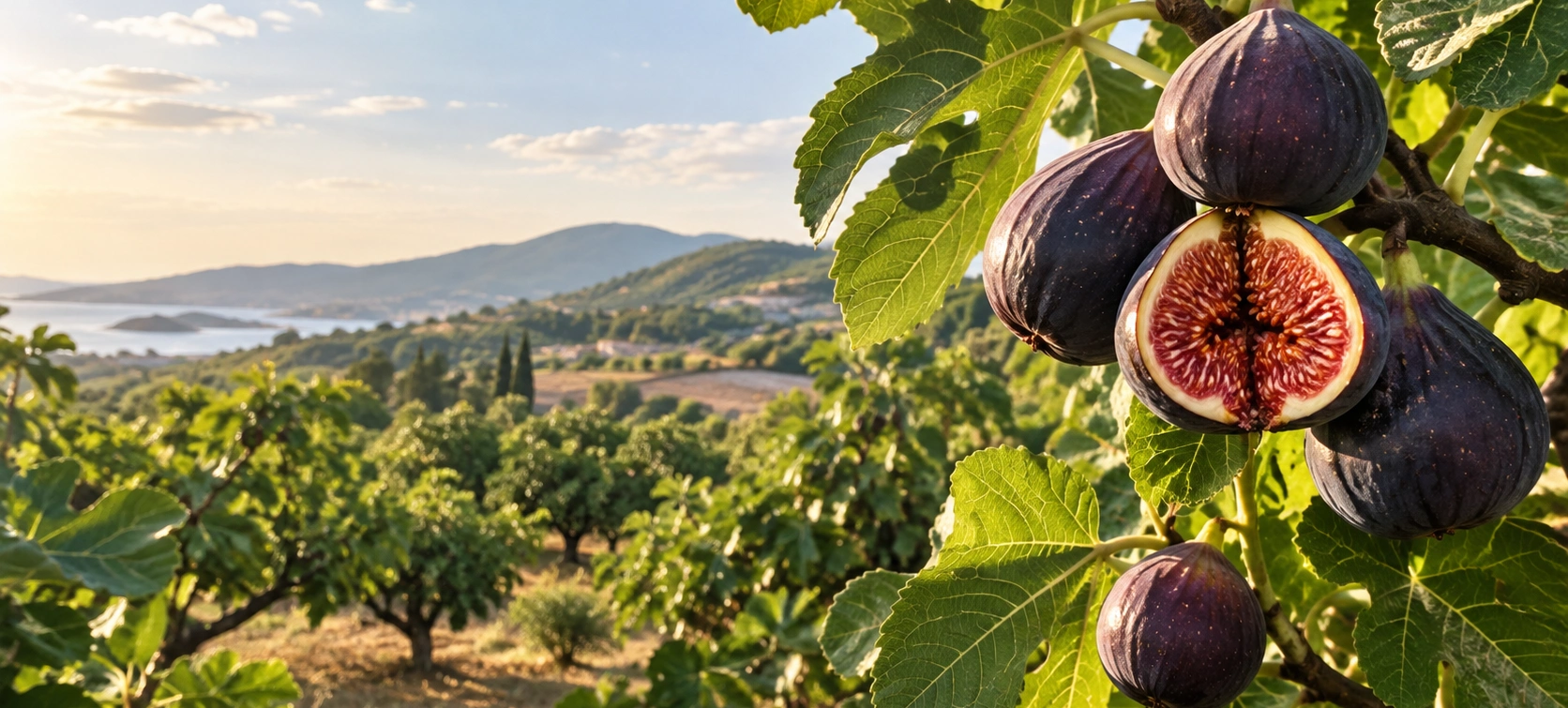
Explore Havran through its protected black fig, seasonal orchards, local produce and rural food culture.
Request This Experience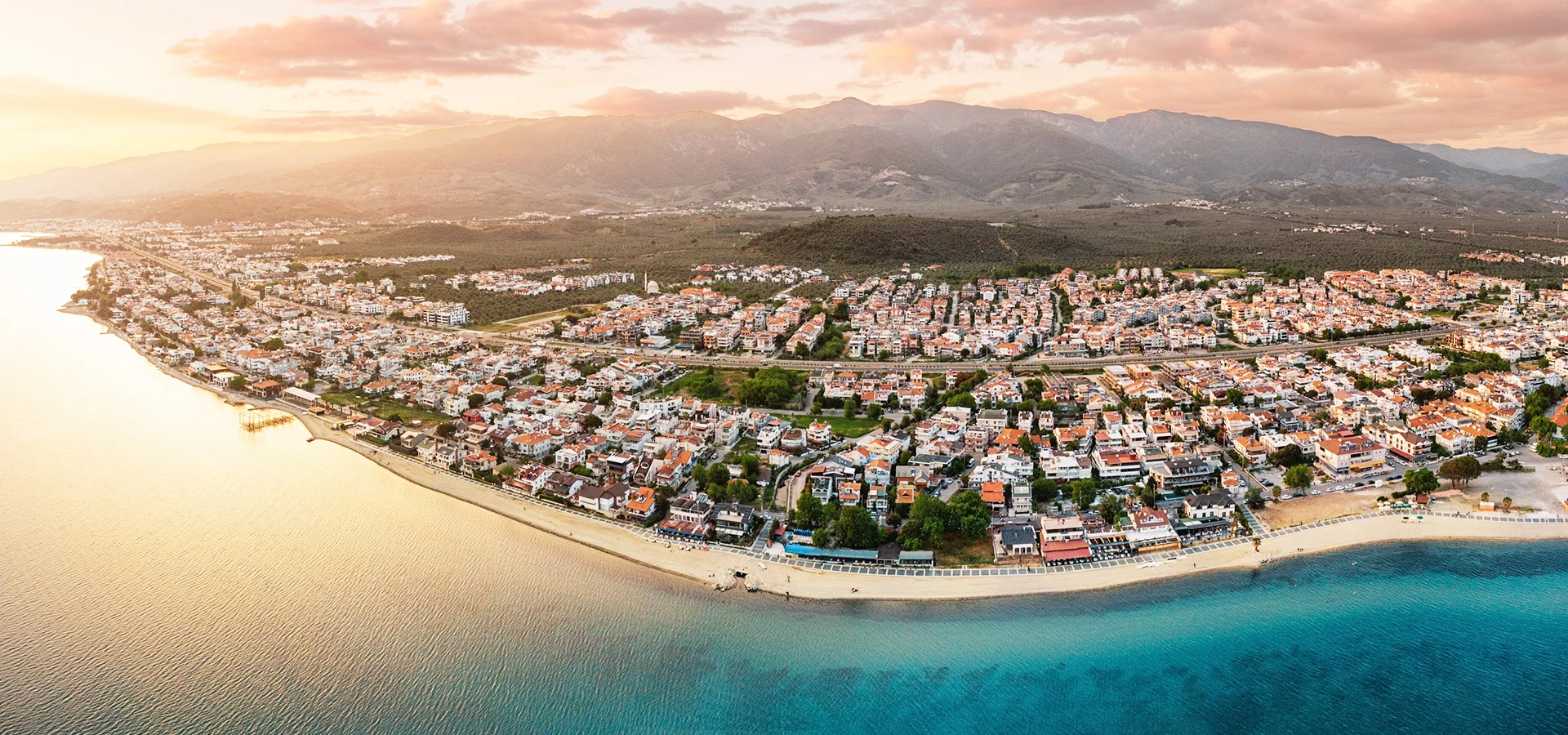
Combine Havran Siyah İnciri with the olive groves, protected foods and local flavours of the wider Edremit Gulf region.
Request This Tour