Private Sapanca Heritage & Lake Experience
Ask us about a tailor-made journey combining Hasan Fehmi Pasha Mosque, Rahime Sultan Mosque, Rüstem Pasha Mosque, Sapanca Lake, İl Ormanı and selected Sakarya stops.
Request a Custom Tour





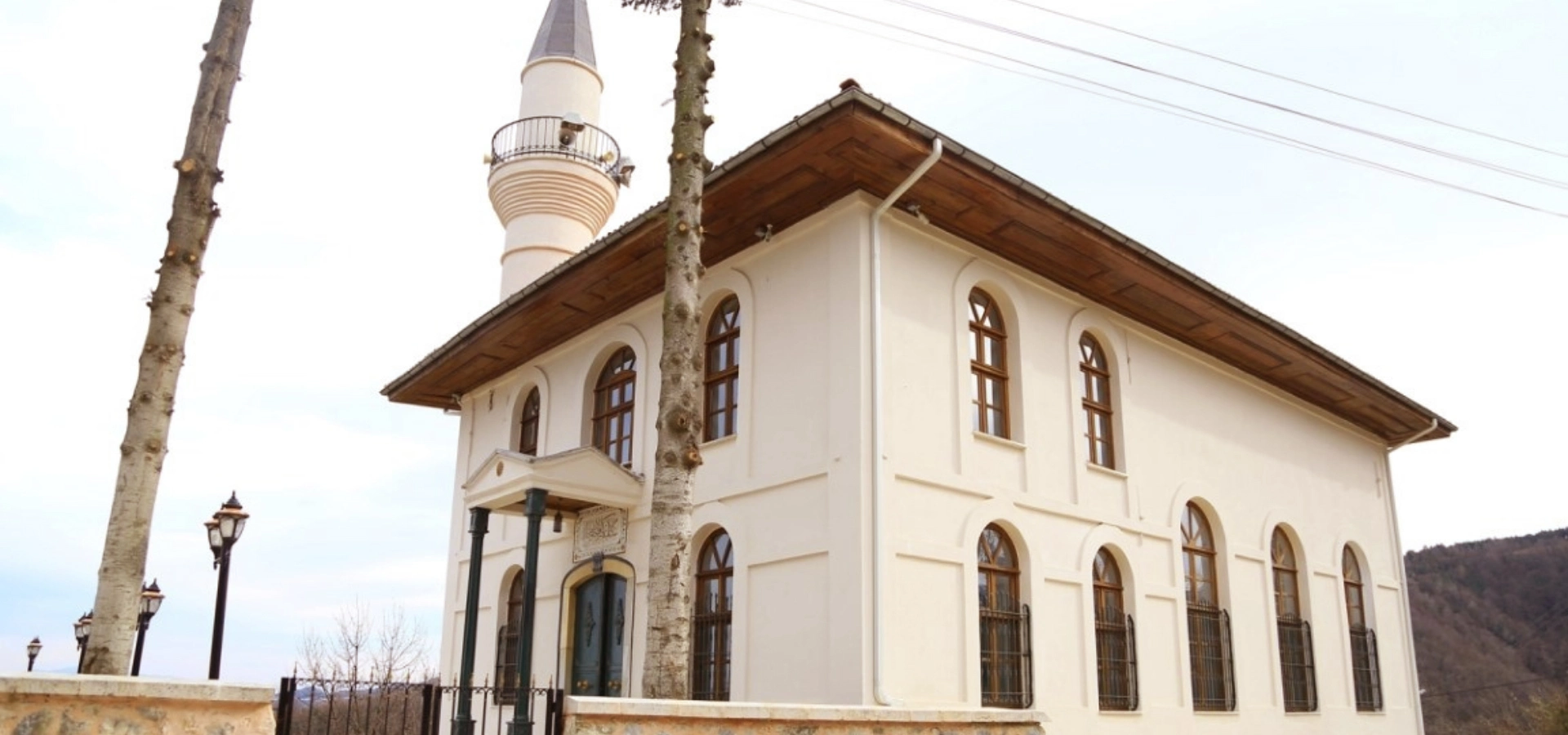
Hasan Fehmi Pasha Mosque is one of the most distinctive historic mosques in Sapanca, Sakarya. Standing in Mahmudiye, around 3 kilometres from central Sapanca, the mosque is associated with the Ottoman statesman Hasan Fehmi Pasha and is generally dated by official local heritage sources to 1885.
The mosque belongs to the final decades of the Ottoman Empire and offers a fascinating contrast with the much earlier Rüstem Pasha Mosque in central Sapanca. While Rüstem Pasha Mosque represents the classical Ottoman age, Hasan Fehmi Pasha Mosque reflects a period when traditional Ottoman forms were increasingly combined with Western-influenced decorative taste.
Its greatest visual impact is inside. The prayer hall is known for its painted ornament, decorative motifs, woodwork and historic chandeliers, while the exterior is characterized by arched windows, a formal entrance composition and a compact village-mosque scale. Stone, brick and wood are all recorded among the building materials.
Heritage documentation also notes several memorable architectural details: a front portal approached by steps, a pediment supported by two columns, a garden fountain, a minaret rising through the building and an interior dome whose transition is enriched with muqarnas. These elements make the mosque particularly rewarding for travelers interested in late Ottoman provincial architecture.
The building has undergone repair and restoration during its long history. It was formally registered as a cultural property in 1989, and a major detailed restoration was completed in the 2010s before the mosque returned to active use. Today it remains both a living place of worship and an important part of Sapanca's architectural heritage.
A visit can easily be combined with Rahime Sultan Mosque, Rüstem Pasha Mosque, Sapanca Lake and nearby forest scenery for a half-day or full-day Sapanca route.
Official local sources date the mosque to 1885 and identify Ottoman statesman Hasan Fehmi Pasha as its patron.
The prayer hall is especially admired for painted ornament, decorative motifs, historic lighting and carefully worked interior details.
The mosque stands on elevated ground in Mahmudiye, roughly 3 kilometres from central Sapanca.
After detailed conservation work, the mosque continues to serve its original religious function while preserving its historical character.
Essential information for understanding and visiting one of Sapanca's most decorative late Ottoman mosques.
Mahmudiye, Sapanca, Sakarya.
Open on Google MapsActive late Ottoman mosque and registered cultural heritage building.
Official local heritage sources generally list 1885.
Hasan Fehmi Pasha, an important late Ottoman statesman and vizier.
Painted interior decoration, woodwork, arched windows, domed prayer hall, historic chandeliers and muqarnas transitions.
Religious and cultural heritage site; sightseeing should respect prayer times and local worship.
The mosque combines local Sapanca history, late Ottoman state patronage, richly ornamented interiors and a distinctive provincial interpretation of 19th-century architectural taste.
Hasan Fehmi Pasha Mosque is important because it preserves a particularly expressive example of late Ottoman religious architecture outside a major imperial city. Its village setting is modest, yet the decorative ambition of the interior gives the building a character far richer than its scale might suggest.
The mosque was commissioned by Hasan Fehmi Pasha, a prominent Ottoman statesman whose career extended across politics, administration, law and diplomacy. His association with Mahmudiye gave the community a monument that still carries his name more than a century later.
The building is especially valued for its interior ornamentation. Local municipal descriptions emphasize both the painted decoration and woodwork, noting that the artistic language differs from the more restrained classical Ottoman tradition and reflects the Western-influenced decorative culture of the period.
Its heritage value also comes from the survival of important architectural details. The formal entrance, arched windows, domed interior, muqarnas transition elements, historic chandeliers and garden fountain together make the mosque a useful case study in the evolution of Ottoman religious architecture during the 19th century.
The mosque was officially registered as a protected cultural property in 1989 and later underwent detailed restoration. Its continued use demonstrates how conservation can protect historic fabric while allowing a religious building to remain part of everyday community life.
Together with Rüstem Pasha Mosque and Rahime Sultan Mosque, Hasan Fehmi Pasha Mosque reveals how Sapanca preserves Ottoman architecture from very different centuries and artistic traditions.
Hasan Fehmi Pasha Mosque was constructed during the late 19th century, when the Ottoman Empire was experiencing far-reaching administrative, legal, social and artistic change. Official municipal and regional heritage records generally give the construction date as 1885.
The patron was Hasan Fehmi Pasha, one of the notable statesmen of the period. The mosque's location in Mahmudiye connects his public career with a much more personal local landscape, creating a lasting charitable foundation in the Sapanca district.
The building was established in a village environment rather than a monumental urban square. Its position on elevated ground in Mahmudiye gives it a quiet presence among trees and local roads, and historical descriptions note that it lies around 3 kilometres from Sapanca.
The mosque's date is worth explaining carefully. Most official local tourism and municipal sources use 1885, while some academic architectural documentation interprets the date recorded at the entrance as Rumi 1303, corresponding to 1887. For travel purposes, 1885 remains the date most commonly used in official Sapanca heritage material.
During the 20th and early 21st centuries the building underwent periods of repair and conservation. It was formally registered by the regional conservation authority in 1989, reinforcing its status as protected heritage.
A comprehensive restoration was later carried out with support from local and national institutions. The project was completed by 2016, after which the mosque continued its role as an active place of worship.
The construction date most widely given by official local heritage and municipal sources.
The late Ottoman statesman whose name and patronage are permanently associated with the mosque.
The mosque stands in a village neighborhood roughly 3 kilometres from central Sapanca.
The building was officially registered as a protected cultural property.
A major restoration preserved the building's architectural and decorative identity and returned it to active use.
The mosque continues to function for worship while also serving as one of Sapanca's most important historic structures.
Hasan Fehmi Pasha was a leading Ottoman statesman of the late Tanzimat and Abdülhamid II periods. Born in 1836, he built a long public career that placed him within the political and administrative transformation of the late Ottoman Empire.
Historical scholarship records that he served in a wide range of important positions, including parliamentary, ministerial, provincial and diplomatic roles. His career included service connected with the Ottoman parliament, the justice system, public works and provincial administration.
He was also involved in legal education and public administration at a time when the Ottoman state was reshaping its institutions. This background makes the mosque particularly interesting: it was founded not by a sultan or a member of the imperial family, but by a senior statesman whose career represented the modernizing bureaucracy of the 19th century.
Local historical accounts connect Hasan Fehmi Pasha personally with the Mahmudiye area. Whether approached as a charitable foundation, a statement of local attachment or both, the mosque became his most visible architectural legacy in Sapanca.
He died in 1910, but the mosque has preserved his name in local memory for generations. For visitors, knowing something about the patron adds depth to the building: the mosque belongs not only to religious history but also to the story of Ottoman administration, law, education and reform.
Hasan Fehmi Pasha lived through the late Tanzimat era, the reign of Abdülhamid II and the constitutional period.
He held senior governmental and administrative roles during a major period of Ottoman transformation.
His career was connected with legal institutions, public administration and government service.
He also served in important provincial and ministerial positions during his long career.
The mosque created an enduring link between Hasan Fehmi Pasha and the Sapanca district.
His name survives most visibly in Sapanca through the historic mosque that continues to serve the local community.
One of the most interesting details surrounding Hasan Fehmi Pasha Mosque is the construction date recorded in different sources. Official local heritage and municipal material generally lists the mosque as a building of 1885.
Academic architectural studies have examined the entrance inscription more closely and read the date as Rumi 1303, which corresponds to 1887 in the Gregorian calendar. This explains why travelers may encounter both 1885 and 1887 when researching the mosque.
The safest way to understand the discrepancy is to recognize that Ottoman-era sources could use different calendar systems and later publications sometimes converted or recorded them differently. For the main visitor guide, the date 1885 is retained because it is the date consistently used by Sapanca Municipality and regional heritage sources.
The entrance inscription is also associated with a verse from the Qur'an, Surah Az-Zumar 39:73, a text welcoming the blessed into paradise in peace. Its placement above the entrance gives the threshold both an architectural and spiritual meaning.
1885 is the date most frequently used in Sapanca's official local heritage information.
Some architectural research interprets the entrance date as Rumi 1303, corresponding to 1887.
Different calendar systems and later conversions can create small discrepancies in Ottoman building dates.
The inscription is associated with a verse from Surah Az-Zumar, adding spiritual meaning to the doorway.
Hasan Fehmi Pasha Mosque is a compact but architecturally rich building whose design combines stone, brick and wood. Its proportions are those of a local religious monument, yet the careful entrance composition and decorated interior give it a strong visual identity.
The front façade is organized around a central portal. Regional heritage documentation describes a pediment supported by two columns in front of the entrance, creating a small but formal approach to the building.
Arched windows are among the defining exterior features. Pairs of openings flank the entrance and continue around the structure, bringing generous daylight into the prayer hall and contributing to the elegant late Ottoman appearance.
Visitors enter by a short flight of four steps. Inside, the main prayer space is domed, while the transition from the side walls toward the dome uses muqarnas, the tiered geometric form familiar from Islamic architecture.
The minaret is also unusual enough to deserve attention. Heritage descriptions note that it rises upward from within the building rather than appearing simply as a fully detached exterior tower.
The garden contains a şadırvan, or ablution fountain, reinforcing the traditional relationship between worship, preparation and courtyard space. Taken together, these features make the mosque more complex than its quiet village setting first suggests.
The building combines several traditional construction materials rather than relying on a single structural system.
A central portal and small pediment supported by columns create a distinctive front façade.
Rounded openings give the exterior rhythm and bring natural light into the decorated prayer hall.
The principal worship space is covered internally by a dome.
Decorative muqarnas elements help articulate the transition from the side walls toward the dome.
A şadırvan in the garden forms part of the mosque's traditional religious setting.
For many visitors, the greatest surprise at Hasan Fehmi Pasha Mosque is the richness of the interior. From outside, the building appears restrained and village-scaled; once inside, painted decoration, ornamental borders and architectural detailing create a far more elaborate atmosphere.
Sapanca Municipality specifically highlights the mosque's kalemişi-style painted ornament and woodwork. These decorative elements reflect the artistic climate of the late Ottoman period, when traditional religious architecture increasingly absorbed new tastes influenced by European design.
Rather than the monumental tile programs associated with earlier imperial mosques, the decoration here is experienced through painted surfaces, geometric and floral motifs, framed architectural zones and detailed interior craftsmanship. The result is intimate but visually layered.
Historic lighting forms another important part of the atmosphere. Regional heritage documentation records one large and four smaller original chandeliers, details that strengthen the sense of continuity between the historic interior and present-day religious use.
The decorative richness makes the mosque especially valuable for understanding the Westernization period of Ottoman art. It shows how changing aesthetic preferences reached provincial communities and were adapted to a functioning neighborhood mosque.
Decorative painted surfaces are among the mosque's most important and immediately visible artistic features.
Historic wooden elements contribute warmth and craftsmanship to the interior.
The decoration reflects the changing visual culture of the late Ottoman Empire rather than a purely classical style.
Regional heritage records note one large and four smaller original chandeliers inside the mosque.
Tall arched windows illuminate the decorative surfaces and make daytime visits especially rewarding.
The ornament is experienced at close range, making small details easier to appreciate than in a monumental imperial mosque.
Like many historic buildings in the Marmara region, Hasan Fehmi Pasha Mosque has required maintenance, repair and conservation over time. Its value lies not only in age but also in the survival of distinctive architectural and decorative features that are vulnerable to weather, earthquakes and repeated use.
The building was formally registered as a cultural property on 1 September 1989 by the regional conservation authority. This recognition gave the mosque an important protected status within Sakarya's architectural heritage.
Later conservation efforts focused on preserving both the structure and the interior decorative program. Sapanca Municipality describes the project as the mosque's first detailed restoration, undertaken to return the building to the prominence it deserved among the district's historic monuments.
The restoration was completed by 2016 with cooperation among local authorities and national cultural institutions. The mosque reopened for worship, preserving its original function rather than becoming a museum-only monument.
For visitors, restoration is part of the site's story. Some surfaces and details represent historic fabric, while others have been carefully repaired or renewed to protect the overall architectural character and allow the building to continue serving the Mahmudiye community.
The mosque was formally recognized as a protected cultural property.
A comprehensive restoration addressed both structural and decorative elements of the building.
Conservation helped protect the interior ornament that gives the mosque much of its artistic importance.
Local reporting records the completion of the restoration and environmental improvements by early 2016.
The mosque continues to serve its religious function after restoration.
The goal is not to freeze the building in time, but to protect it while supporting continued community use.
Begin with the formal entrance composition, including the portal, steps and small pediment supported by columns.
Notice how the repeated rounded openings organize the façades and illuminate the interior.
Spend time looking at the decorative painted surfaces, borders and ornamental motifs that define the prayer hall.
Look for surviving wooden architectural and furnishing details that contribute to the late Ottoman atmosphere.
Look upward to see how the domed ceiling organizes the main worship space.
Examine the transition between walls and dome for the layered geometric forms used in the interior composition.
Regional heritage records identify one large and four smaller original chandeliers as notable surviving features.
Outside, the traditional ablution fountain forms part of the mosque's historic religious setting.
A visit to Hasan Fehmi Pasha Mosque feels very different from sightseeing at a large urban monument. The setting is quiet, local and intimate, and the building remains closely connected with the daily life of Mahmudiye.
Approach the mosque slowly and begin with the exterior. The elevated setting, trees, arched windows and formal entrance create a composed village scene that prepares you for the more decorative interior.
If the mosque is open and no prayer is taking place, remove your shoes and enter quietly. The contrast between the modest exterior and the ornamented prayer hall is one of the most memorable aspects of the visit.
Allow your eyes time to adjust to the interior. Look upward at the dome and muqarnas transition, then examine the painted borders, woodwork, windows and chandeliers. The mosque rewards slow observation rather than a quick photograph-and-leave visit.
Because the mosque remains active, the experience changes according to the time of day. Around the five daily prayers and especially Friday noon prayer, worship naturally takes priority over sightseeing.
For a fuller historical route, continue to Rahime Sultan Mosque and Rüstem Pasha Mosque. The three monuments together provide an unusually good overview of different phases of Ottoman religious architecture in the Sapanca area.
Hasan Fehmi Pasha Mosque is a functioning place of Islamic worship. Visitors are generally welcome when the building is open, but cultural sightseeing should always remain quiet, modest and respectful.
Avoid entering while congregational prayer is underway, especially Friday noon prayer. If worship has begun, wait outside and return after the congregation has finished.
Shoes are removed before stepping onto the carpeted prayer area. Use the entrance storage area where available and keep footwear away from the prayer carpet.
Wear clothing that covers shoulders and knees. Women should be prepared to cover their hair inside the prayer hall; carrying a lightweight scarf is useful when visiting mosques throughout Türkiye.
Keep voices low and phones silent. Do not walk directly in front of someone who is praying, and avoid photographing worshippers closely without permission.
Take off footwear before entering the carpeted prayer area.
Shoulders and knees should be covered; women should be prepared to cover their hair inside.
Visit between prayers whenever possible so worship can continue without disruption.
Use a low voice and silence mobile phones while inside the mosque.
Photograph architecture discreetly and avoid intrusive images of worshippers.
Friday noon is the main weekly congregational prayer and is generally the least suitable time for sightseeing.
Enough for a quick exterior look at the façade, portal, windows, minaret and garden setting.
Recommended for most visitors who also want to enter respectfully and appreciate the decorated prayer hall.
Allows time for architectural photography and closer study of the painted decoration, chandeliers and woodwork.
Combine the mosque with a relaxed drive through Mahmudiye and nearby Sapanca countryside.
Visit Hasan Fehmi Pasha Mosque, Rahime Sultan Mosque, Rüstem Pasha Mosque and Sapanca Lake.
Add İl Ormanı Nature Park and other nearby Sakarya attractions.
Hasan Fehmi Pasha Mosque can be visited throughout the year, subject to religious use and local access. Because the site is primarily an active mosque rather than an outdoor attraction, weather has only a limited effect on the core visit.
For sightseeing, mid-morning is often especially rewarding. Natural light enters through the arched windows and helps reveal the painted ornament and architectural details without the stronger contrast of midday sun.
Late afternoon can also be attractive, particularly for exterior photography and for visitors continuing toward Sapanca Lake for an evening walk.
Avoid Friday around noon if your main purpose is cultural sightseeing. This is the principal weekly congregational prayer and the mosque should be left primarily to worshippers during the busiest period.
Spring and autumn are particularly pleasant for combining the mosque with drives and walks around Mahmudiye and Sapanca. Summer weekends can bring heavier traffic throughout the district, while winter weekdays are usually much quieter.
Green surroundings and comfortable temperatures make Mahmudiye especially attractive.
The mosque is easy to visit, but allow extra travel time on busy Sapanca weekends.
Softer light and seasonal foliage create excellent conditions for exterior photography.
A rewarding cultural stop during colder or wetter days when long outdoor activities are less appealing.
Often the best balance of interior daylight, quieter access and easier planning between prayer times.
This is the main weekly congregational prayer and should be reserved for worshippers.
Hasan Fehmi Pasha Mosque is particularly rewarding for travelers interested in architectural and interior-detail photography. The contrast between the simple village exterior and the decorated prayer hall provides two very different visual subjects in one stop.
Begin outside with a frontal composition of the entrance. Include the steps, portal, supporting columns and arched windows to show the symmetry of the main façade.
Move farther back to include the minaret and surrounding trees. Because the mosque sits on elevated ground, wider compositions can help communicate its relationship with the Mahmudiye landscape.
Inside, the strongest subjects are the painted ornament, dome, muqarnas transition, woodwork and chandeliers. Natural light from the arched windows can create strong highlights, so expose carefully if using a phone or camera.
Vertical compositions work well for the entrance, minaret and upward views toward the dome. Closer frames can focus on repeating painted patterns, carved or worked details and the interaction between daylight and the historic interior.
Interior photography should always remain discreet. Avoid flash around worshippers, never interrupt prayer for a photograph and ask permission before taking close images of individuals.
Use a centered composition to emphasize the portal, steps, columns and arched openings.
Step back to frame the vertical minaret against the wooded Mahmudiye setting.
Look for balanced compositions showing decorative borders and architectural surfaces together.
Photograph upward to capture the relationship between the dome, muqarnas and surrounding ornament.
Use natural light and a steady frame to document one of the prayer hall's most atmospheric features.
Photography should never interfere with prayer or the normal religious use of the mosque.
Hasan Fehmi Pasha Mosque is located in Mahmudiye, Sapanca, Sakarya, around 3 kilometres from central Sapanca. It remains an active mosque rather than a ticketed museum or archaeological attraction.
There is generally no entrance ticket for visiting an active mosque. Sightseeing access depends on the building being open and on religious use at the time of your visit.
Because Islamic prayer times change throughout the year, there is no single fixed sightseeing schedule that applies every day. Plan your visit between prayers and always give priority to the congregation.
A basic visit requires no special equipment. Modest clothing, comfortable shoes and a scarf for women are the main practical considerations.
Visitors interested in architecture should allow enough time to see both the exterior and interior. The painted ornament, historic chandeliers, arched windows, dome and entrance composition are central to understanding why the mosque is culturally important.
Hasan Fehmi Pasha Mosque is reached by road in the developed Mahmudiye area, so it is considerably easier to approach than remote natural or archaeological sites.
However, historical descriptions specifically note a four-step approach to the entrance. This may create difficulty for wheelchair users or visitors who require fully step-free access.
Exact accessibility conditions can change after restoration, maintenance or local improvements. Visitors with specific mobility requirements should confirm current access arrangements locally before making a special journey.
The mosque grounds are compact and do not require long walking distances for a basic visit. Nevertheless, sloping terrain, steps, paving and entrance thresholds should all be considered.
Inside the mosque, visitors should follow any designated access route and keep entrances and circulation areas clear for worshippers.
The mosque can be approached through Mahmudiye by local roads.
Historic descriptions note four steps leading into the mosque.
A basic visit does not require long walking distances.
The elevated site and surrounding terrain may be relevant for visitors with reduced mobility.
Confirm current step-free access locally if mobility requirements are important to your visit.
Keep entrances, shoe areas and prayer-space circulation clear during your visit.
Hasan Fehmi Pasha Mosque stands in Mahmudiye, around 3 kilometres from central Sapanca. Its village-neighborhood location makes it practical to include in a day exploring Sapanca by car or taxi.
For drivers, search for “Hasan Fehmi Paşa Camii Sapanca” in your navigation application. The mosque sits on elevated ground in Mahmudiye and is approached through local roads.
Visitors staying in central Sapanca will generally find car or taxi the easiest way to reach the site, especially when combining it with other attractions around the lake and surrounding hills.
Official tourism information notes that local urban transport can also provide access to the area, but routes and frequencies may change. Check current local services on the day of travel if you are not using a private vehicle.
Parking conditions can vary with prayer times, weekends and neighborhood activity. Use legal parking, avoid blocking residential access and leave the immediate mosque entrance clear for worshippers.
For a heritage-focused route, continue toward Rahime Sultan Mosque and Rüstem Pasha Mosque to compare three different expressions of Ottoman religious architecture in the same district.
Navigate directly to “Hasan Fehmi Paşa Camii, Sapanca” and use legal parking nearby.
A practical option from hotels and accommodation around central Sapanca and the lake.
Local services may reach Mahmudiye; confirm current routes and stops before travel.
The mosque is approximately 3 kilometres away in Mahmudiye.
Use “Hasan Fehmi Paşa Camii Sapanca” for the clearest map search.
Allow extra travel time during popular spring and summer weekends around Sapanca.
Begin outside the mosque and take a few minutes to study the front façade. Look at the entrance portal, short flight of steps, supporting columns and repeated arched windows before moving around the building to see the minaret and garden.
If the mosque is open and no prayer is taking place, remove your shoes and enter quietly. Inside, allow time for the contrast between the simple exterior and the richly ornamented prayer hall to register.
Look upward at the dome and muqarnas transition, then examine the painted decoration, woodwork, historic chandeliers and the way light enters through the arched windows. These details explain why the mosque is considered one of Sapanca's most visually distinctive historic religious buildings.
After leaving, spend a little time in the Mahmudiye setting. The mosque makes the most sense when understood as a living village monument, not as an isolated museum object.
Continue to Rahime Sultan Mosque for another late Ottoman monument, then visit Rüstem Pasha Mosque for a comparison with the classical 16th-century Ottoman tradition.
Finish with Sapanca Lake for a waterside walk, café stop or sunset view. With more time, add İl Ormanı Nature Park for forest scenery and a fuller Sapanca experience.
Hasan Fehmi Pasha Mosque can easily be combined with Ottoman heritage, lake scenery and nearby forest landscapes. See our complete Sakarya visitor guide for more destinations across the province.
Continue through late Ottoman Sapanca with the 1892 mosque in Uzunkum commissioned by Rahime Perestu Sultan.
Compare the decorative late Ottoman character of Hasan Fehmi Pasha Mosque with Sapanca's much earlier 16th-century Ottoman heritage.
Combine cultural heritage with the natural landmark that defines modern Sapanca, including waterfront walks and changing lake views.
Add protected forest scenery, picnic areas and viewpoints across the wider Sapanca landscape.
Continue toward the eastern side of Sapanca Lake for walking, cycling, picnics and sunset views.
Discover historic towns, mosques, bridges, lakes, forests, wetlands, waterfalls and Black Sea beaches throughout the province.
Hasan Fehmi Pasha Mosque is located in Mahmudiye in the Sapanca district of Sakarya, roughly 3 kilometres from central Sapanca.
Official local heritage and municipal sources generally date the mosque to 1885.
Some academic architectural studies interpret the entrance date as Rumi 1303, corresponding to 1887. Official Sapanca sources usually use 1885.
The mosque was commissioned by Hasan Fehmi Pasha, a prominent late Ottoman statesman and vizier.
It is one of Sapanca's best examples of late Ottoman religious architecture and is especially known for its richly decorated interior.
Official cultural-tourism descriptions record stone, brick and wood among the principal building materials.
The interior is known for painted ornament, decorative motifs, woodwork, historic chandeliers, a dome and muqarnas transition details.
Yes. Sapanca Municipality describes its decorative language as reflecting the Western-influenced artistic taste of the late Ottoman period rather than a purely classical style.
Yes. Regional heritage documentation records a traditional şadırvan in the garden.
Regional heritage records note one large and four smaller original chandeliers inside the mosque.
Yes. The building was formally registered as a cultural property in 1989.
Yes. A detailed restoration project was completed in the 2010s, with local reporting confirming completion by 2016.
Yes. It remains an active mosque, so visitors should respect prayer times and the congregation.
There is generally no entrance ticket for visiting an active mosque, although access can be limited during prayer, maintenance or religious events.
Non-Muslim visitors may generally enter when the mosque is open outside prayer periods, provided they follow respectful mosque etiquette.
Yes. Shoes should be removed before entering the carpeted prayer area.
Wear modest clothing covering shoulders and knees. Women should be prepared to cover their hair inside the prayer hall.
Architecture can generally be photographed respectfully, but avoid flash around worshippers and never interrupt prayer for a photograph.
Mid-morning or between prayer periods is usually easiest for sightseeing and interior photography. Avoid Friday noon prayer if your main purpose is tourism.
Approximately 20–30 minutes is enough for most visitors, while architecture and photography enthusiasts may want longer.
Yes. It is in the wider Sapanca area and can easily be combined with Sapanca Lake in the same itinerary.
Visit Rahime Sultan Mosque and Rüstem Pasha Mosque to compare late Ottoman and classical Ottoman architecture.
Combine the mosque with Sapanca Lake, İl Ormanı Nature Park and Arifiye Gölbaşı Park.
Give priority to the congregation and avoid sightseeing while prayer is underway.
Use modest clothing suitable for entering an active mosque.
Keep footwear away from the carpeted prayer area and use designated storage where available.
Remember that people may be praying, reading or resting quietly even outside formal prayer times.
Focus on architecture and avoid intrusive images of individuals without permission.
Do not touch, lean on or interfere with decorated walls, woodwork, chandeliers or other historic features.
Do not block doors, shoe areas or circulation routes used by worshippers.
Park responsibly, keep noise low and remember that the mosque stands within a living local community.
Combine Hasan Fehmi Pasha Mosque, Rahime Sultan Mosque, Rüstem Pasha Mosque, Sapanca Lake, forest landscapes and Sakarya's historical monuments through a private itinerary designed around your interests.
Mix Ottoman history, decorated village architecture, lakeside scenery and nearby nature in a flexible private day.
Ask us about a tailor-made journey combining Hasan Fehmi Pasha Mosque, Rahime Sultan Mosque, Rüstem Pasha Mosque, Sapanca Lake, İl Ormanı and selected Sakarya stops.
Request a Custom Tour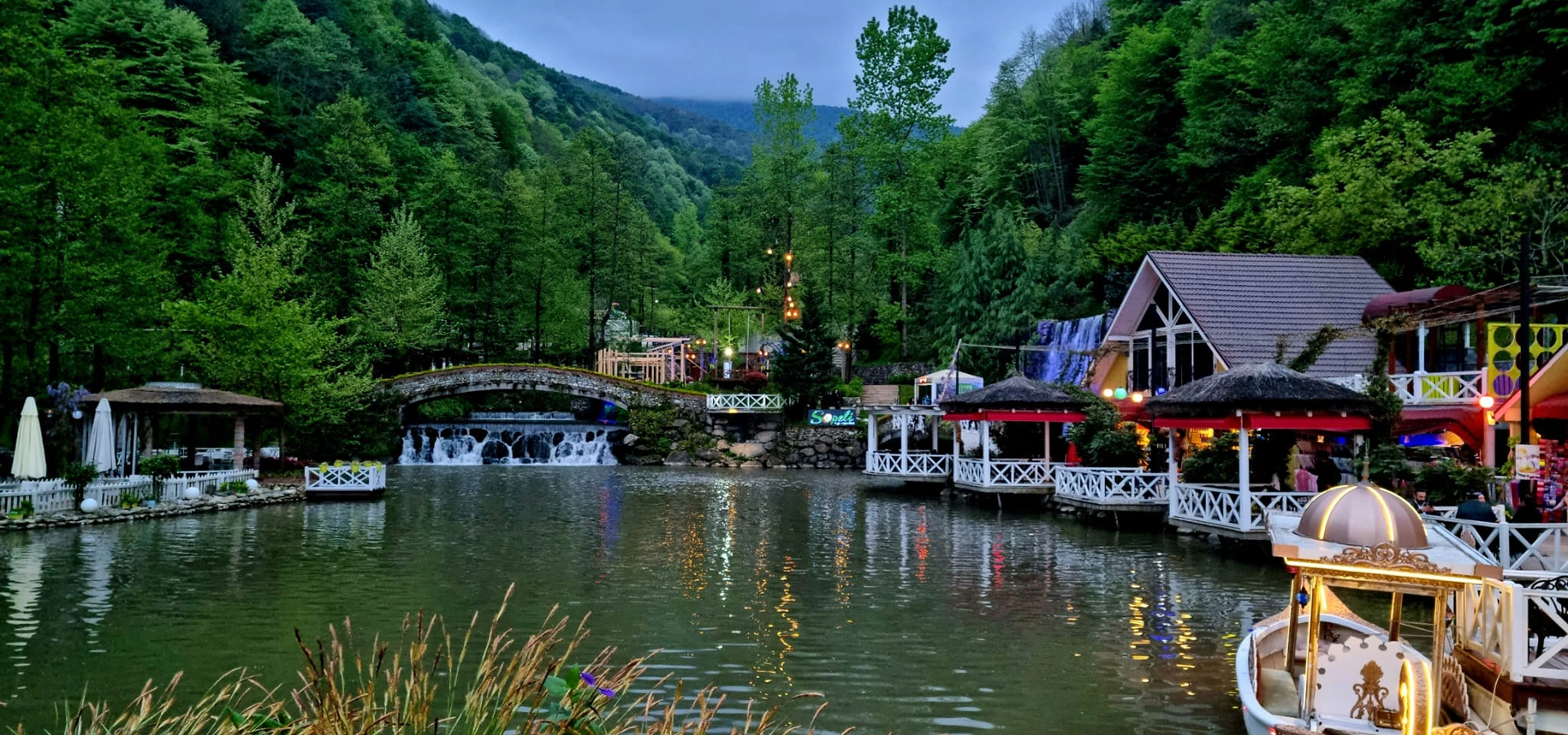
Discover lakes, forests, wetlands, waterfalls, historic towns, Ottoman monuments, museums, bridges and Black Sea beaches throughout Sakarya Province.
View Sakarya GuideConnect Hasan Fehmi Pasha Mosque with more of Sapanca's Ottoman heritage, lake scenery, forests and regional history.
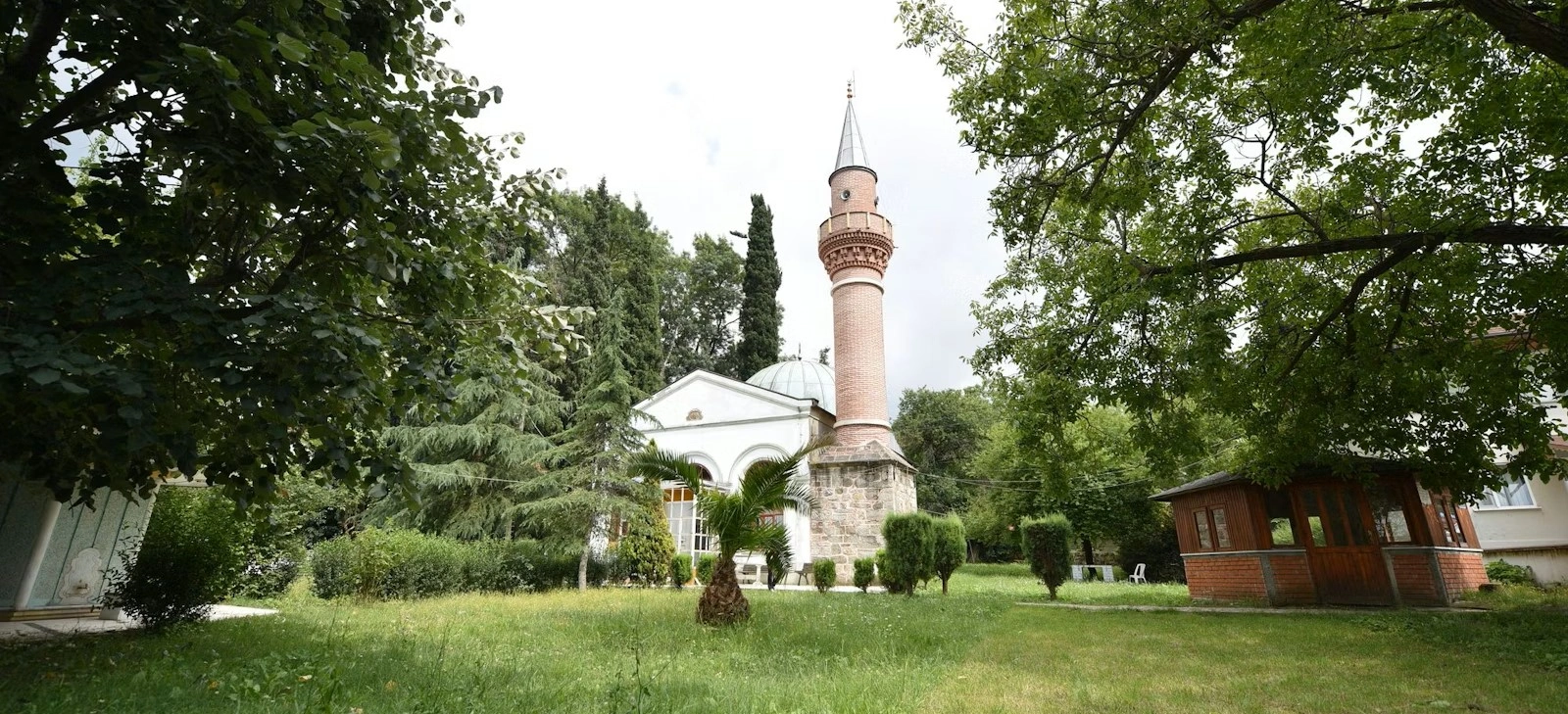
Continue through Sapanca's late Ottoman history with the 1892 mosque in Uzunkum commissioned by Rahime Perestu Sultan.
Explore Rahime Sultan Mosque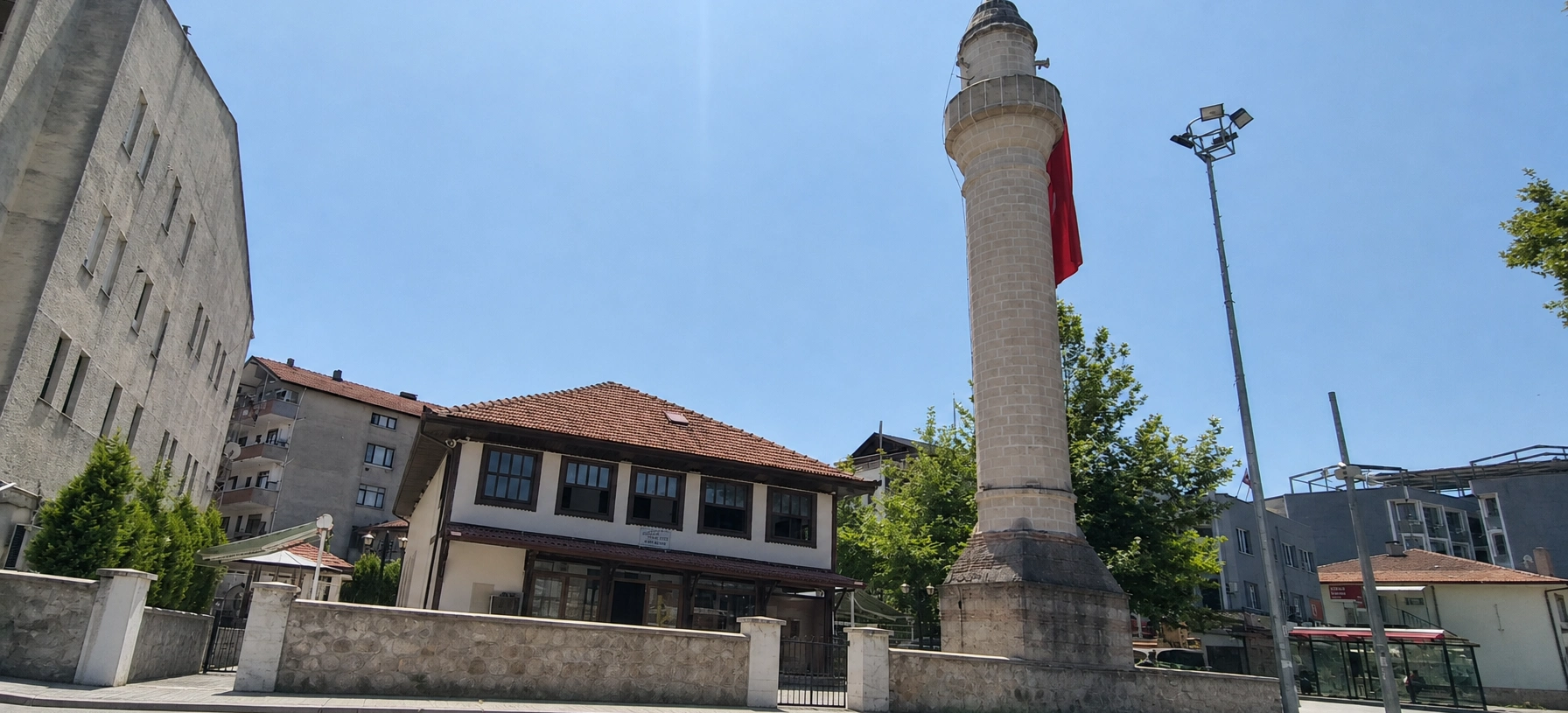
Compare Hasan Fehmi Pasha Mosque with Sapanca's much earlier 16th-century Ottoman religious heritage.
Explore Rüstem Pasha Mosque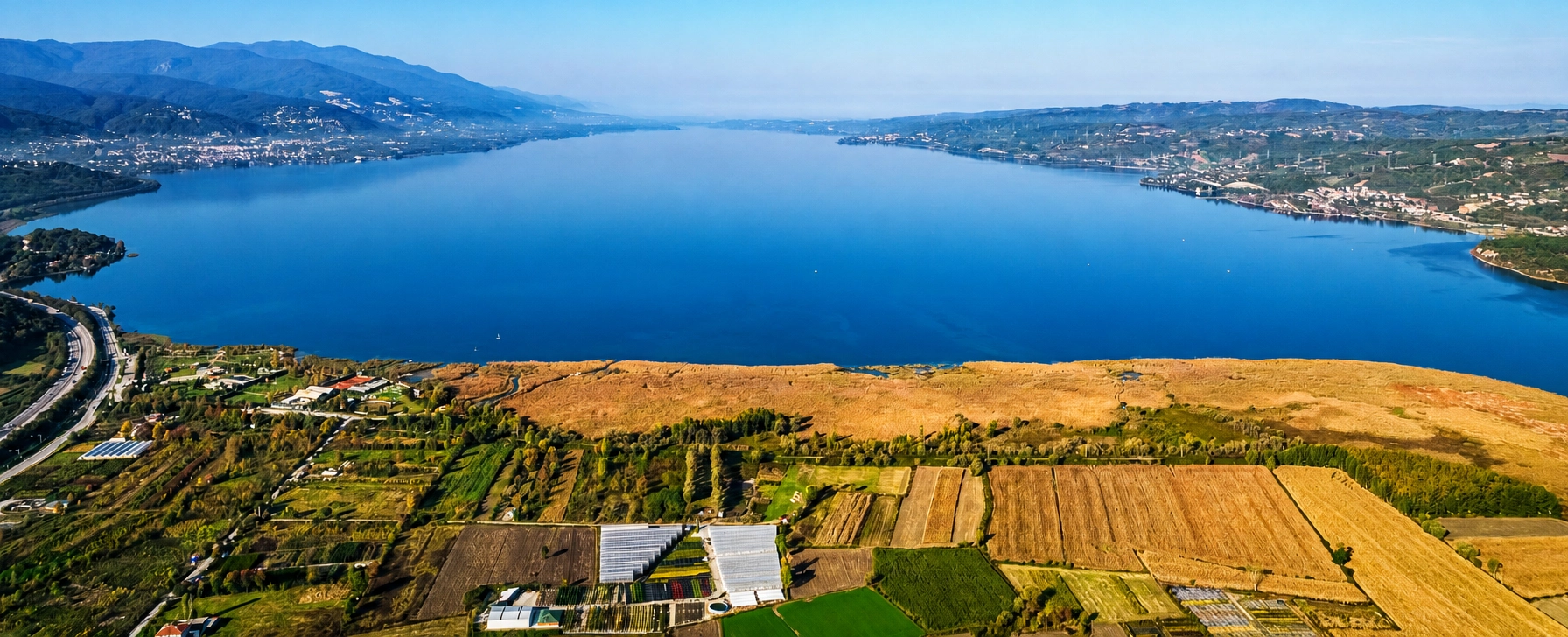
Continue from Ottoman heritage to Sapanca's famous freshwater lake for walking, recreation and changing views across the water.
Explore Sapanca Lake