
Private Buldan Weaving & Heritage Tour
Discover the old bazaar, historic houses, textile traditions and regional food with a flexible private itinerary.
Request a Custom Tour





Buldan is a characterful hill town in Denizli Province, southwestern Türkiye, approximately 45–46 kilometres from central Denizli. Famous for Buldan Bezi, its traditional lightweight woven fabric, the town combines a working textile culture with wooden bay-window houses, cobbled streets, old bazaars and surrounding vineyards.
For centuries, weaving has helped shape Buldan's economy and identity. Its historic centre still invites visitors to discover loom workshops, textile shops, restored streets, the old Arasta and traditional mansions. The official Buldan Culture Ring connects many of these highlights in one walkable heritage route.
There is considerably more beyond the town centre. The district contains Tripolis Ancient City, whose monumental Roman remains stand near Yenicekent; the freshwater Süleymanlı Yayla Lake and highland ecosystem; walking and cycling routes; and the Çizmeli (Yenice) thermal springs.
Buldan is an excellent choice for travellers who enjoy authentic crafts, architecture, photography, archaeology, quiet natural landscapes and regional food. Unlike a purely reconstructed tourist attraction, Buldan is a working town: its historical character is best appreciated with time to wander respectfully, meet local artisans and explore at an unhurried pace.
Discover the craft behind geographically registered Buldan Bezi.
Wander streets of timber-framed houses, projecting bays and heritage buildings.
Explore a Roman city on historic routes through the Büyük Menderes Valley.
Enjoy mountain scenery and distinctive Buldan recipes.
Essential details for exploring this historic weaving town and its surrounding countryside.
Buldan district, Denizli Province, in southwestern Türkiye.
Open on Google MapsApproximately 45–46 km by regional roads; travel time depends on traffic and route.
Buldan Bezi, handloom traditions, clothing and home textiles.
Historic wooden houses, old bazaar, restored streets and cultural buildings.
Tripolis, close to Yenicekent in Buldan district.
Süleymanlı Yayla Lake, at approximately 1,150 m altitude.
2–3 hours in town; a full day with Tripolis or the highlands.
Town streets are public; museums, archaeological and private attractions may have separate access rules.
Buldan offers something different from Türkiye's best-known archaeological destinations: a living historic town where traditional production remains visible. Colourful architectural details, working textile businesses and quiet side streets give the old centre a strong sense of place.
The experience is especially rewarding for travellers who want to see more than souvenir shops. On an appropriately arranged workshop visit, it may be possible to observe a weaver using a loom, learn the differences between handcrafted and industrial products, and discover how fabric connects household life, design and regional trade.
Buldan also makes an interesting companion to Tripolis and Pamukkale: three contrasting expressions of the Denizli region—craft heritage, classical archaeology and natural landscapes.
A protected textile name associated with local weaving knowledge and production.
Timber, projecting bay windows and carefully positioned hillside buildings.
A walkable historic centre with restored lanes, old shops and landmarks.
Streets, public buildings and archaeology in the Büyük Menderes Valley.
Lake, forest and birdlife around the Süleymanlı plateau.
Distinctive wraps, grain dishes, slow-cooked meals and sweets.
Buldan is northwest of Denizli city and not far from the routes connecting Denizli with Manisa and the Aegean interior. Its hillside centre stands above lower agricultural districts, while surrounding terrain rises toward forests, plateaus and the Süleymanlı highlands.
The greater district includes a variety of environments: weaving neighbourhoods in the town, vineyards, orchards and farmland at lower elevations, and cooler woodland routes at higher elevations. The Büyük Menderes River and its tributaries have shaped settlement and travel through the wider area.
For route planning, be careful to distinguish Buldan town centre, Tripolis near Yenicekent and Süleymanlı Yayla Lake: these are separate stops and not all within walking distance.
The Buldan district has a long history connected with the Büyük Menderes and Lycus valleys, which carried travel and commerce across western Anatolia. Nearby Tripolis developed as an important ancient city during the Hellenistic and Roman periods.
Medieval and early modern settlement history in the region reflects Byzantine, Turkish beylik and Ottoman periods. Historical accounts recorded by the Denizli Provincial Directorate of Culture and Tourism place the consolidation of Turkish rule in Buldan in the early thirteenth century, with later links to the Germiyan and Ottoman administrations.
By the Ottoman period, Buldan had become known for weaving and textile trade. Local production was organised around homes, family workshops, merchants and craft traditions. These livelihoods helped shape the multi-storey hillside houses and the commercial streets visitors recognise today.
The old town has also undergone loss, modern construction and conservation work. Rather than representing one unchanged historical era, it offers a layered architectural environment where Ottoman-era building traditions coexist with restored civic buildings, early Republican structures and active contemporary businesses.
Buldan Bezi is a characteristic woven textile associated with Buldan. Its comfortable feel, twisted cotton yarns and distinctive surface texture have made it especially suitable for lightweight clothing, towels and household textiles. Product designs and finishing techniques vary, and not every textile sold in Buldan is made by exactly the same traditional process.
The Turkish Patent and Trademark Office (TÜRKPATENT) registered Buldan Bezi as a geographical indication on 14 March 2016, under registration number 194, following an application by the Buldan Chamber of Commerce. The registration is a mahreç işareti (geographical indication of origin/production association).
Traditional Buldan textiles are often associated with breathable cotton, texture created by yarn twist, and patterns that range from simple stripes to decorative motifs. The town also offers other woven products, including scarves, shirts, table linens, bedcovers, towels and peştemal wraps.
In older production systems, wooden looms and household workshops played an essential role. Today, handwoven textiles coexist with power-loom and commercially manufactured goods. Visitors interested in authentic handwork should ask which products were woven on a handloom and whether a workshop demonstration is available.
Buldan Bezi is officially registered by TÜRKPATENT: registration no. 194 (2016).
Traditional twisted yarns produce a recognisable feel and characteristic fabric surface.
Look for blouses, dresses, towels, peştemals, bedcovers and table textiles.
Specialised loom skills and family craft knowledge continue among local artisans.
Older patterns are interpreted in modern clothing and home-textile collections.
Ask about fibre composition, weaving method, origin and care instructions.
One of Buldan’s most memorable experiences is seeing the relationship between fabric, tools, thread and the person who makes it. Handloom weaving involves setting warp threads, passing the weft through the loom and controlling the structure and tension of the cloth. Different machines and techniques create different finishes.
Weaving culture has historically included far more than operating a loom. Spinning, winding, dyeing, pattern selection, cutting, embroidery, selling and maintaining equipment also formed part of local textile production. As manufacturing evolved, some practices moved to mechanised workplaces while others survived through specialist artisans.
Visitors can browse textile stalls in town and ask sellers whether a workshop is accessible. These are real workplaces rather than guaranteed daily public demonstrations. Agree beforehand if you want to photograph people, equipment or production processes.
Learn how warp and weft are combined into cloth.
See how thread, texture and pattern influence the finished fabric.
Compare different thicknesses, weaves and everyday uses.
Explore shirts, dresses, scarves and household textiles.
Ask about techniques, apprenticeship and how the craft is changing.
Request permission before taking photographs or filming working craftspeople.
Buldan’s old houses are among its finest cultural attractions. Many are characterised by timber elements, projecting upper-floor bay windows (cumbas), tiled roofs, distinctive chimneys and hillside views. Their forms respond to the topography of the settlement and to patterns of domestic life.
The Buldan District Governorate confirms that the historic homes are protected within an urban conservation area (kentsel sit). Research projects have inventoried hundreds of properties and documented their architectural features. Conservation and street restoration have helped preserve the appearance of important lanes and neighbourhoods.
The best way to appreciate these houses is usually on foot. Look upward to notice the windows, overhanging eaves and wooden details; then consider the relationship between domestic spaces and the former home-based textile industry. Most houses remain private properties, and decorative exteriors should not be treated as permission to enter.
Upper-floor projections are one of the town’s distinctive architectural details.
Many houses combine traditional timber and masonry construction.
Decorative rooflines reflect local craftsmanship.
Stepped streets preserve changing views between buildings.
Heritage conservation has improved selected streets and civic buildings.
Admire architecture from public areas and respect residents’ privacy.
The municipality describes a heritage route called the Buldan Kültür Ringi (Culture Ring), connecting the Clock Tower Square, historic bazaar, Çarşı Mosque, old Arasta, Dokuma Pazarı Street, Beyler Street and other conserved streets. This is an ideal foundation for a first visit.
The route also incorporates notable historic civic and private buildings, including the former government building, former prison, Beyler Mansion, Behçet Uz House, Talat Tarakçı Mansion and Evliyazadeler House. Their outside appearance contributes to the experience, but interior access and current functions should be confirmed individually.
Other streets identified by the municipality include Türkmenoğlu, Fetçiler, Semerci and Çarşı. Short diversions and hillside alleys reward walkers who enjoy architectural details and neighbourhood photography.
The historic commercial heart of Buldan is the place to browse fabrics, clothing, towels, peştemals, scarves and household textiles. Shops are concentrated around the old market district and 14 Mayıs Caddesi, with restored lanes nearby.
Unlike a museum shop, the bazaar contains different kinds of businesses, from independent makers to modern textile retailers. It is worth comparing the craftsmanship and prices of different products rather than assuming every item has the same method of production.
For a meaningful visit, allow time to discuss handloom versus machine-made cloth, compare yarn composition and ask how to wash or care for your purchases. Buying directly from a local producer, when possible, is one way to support the survival of traditional craftsmanship.
Ask for the locally registered cloth and its defining characteristics.
Lightweight woven textiles useful for travel and everyday life.
Traditional and contemporary fabric styles.
Textiles suitable for gifts or home decoration.
Ask whether the maker is local and how the fabric was woven.
There are no compulsory shopping stops on a Wow Cappadocia private tour.
Buldan’s architectural heritage is not limited to domestic houses. The municipality’s Culture Ring points visitors toward the historic Çarşı Mosque, the old Arasta commercial area and a collection of civic buildings and mansions.
Several restored properties have been used for cultural, exhibition or community functions over time. Because management and opening arrangements can change, it is safest to treat them as architectural stops first and request confirmation for interior visits.
A landmark in the old market area; dress and behave respectfully if entering.
A traditional commercial setting within the town’s historic core.
One of the heritage properties associated with Beyler Street.
A restored civic building included in the municipality’s heritage route.
Part of Buldan’s preserved historic civic landscape.
A notable mansion associated with Buldan’s historic architecture.
Another historic building referenced on the official town route.
A traditional property noted in the municipality’s Culture Ring.
A restored cultural building; enquire locally about classes or public access.
One of the most important places to see in Buldan district is Tripolis Ancient City, located near Yenicekent in the Büyük Menderes Valley. Originally established in the Hellenistic era and associated with the name Apollonia, Tripolis became a strategically placed centre on routes linking the Aegean coast with inland Anatolia.
The site prospered especially in the Roman period, with streets, gates, baths, theatre, stadium and other monumental structures. Ongoing archaeology has revealed details of its urban planning, decoration and daily life. Tripolis is especially interesting for travellers who have already visited Hierapolis or Laodicea and want to discover another major city of the region.
Since Tripolis is not in the historic centre of Buldan town, plan it as a separate drive. Excavated areas, paths, public access, opening hours and any ticket arrangements may change as conservation and archaeological work continue.
Experience the scale and organisation of a Roman urban centre.
Explore the remains of Tripolis’s performance and civic culture.
Learn about urban infrastructure and Roman social life.
Discover the strategic importance of the settlement.
Excavations help reveal houses and details of daily life.
Compare Tripolis with Laodicea and Hierapolis.
Süleymanlı Yayla Gölü, often called Yayla Lake, is one of the district’s outstanding natural attractions. Situated in the highlands near Süleymanlı at approximately 1,150 metres above sea level, it offers a refreshing contrast to the streets and workshops of the town.
Official descriptions mention freshwater conditions, aquatic vegetation, water lilies and migratory birdlife. Grasslands, shrubs, trees and seasonal agricultural activity form a diverse natural landscape around the lake. It is a protected natural environment rather than a heavily developed lakeside resort.
The area is pleasant for low-impact photography and nature appreciation when conditions allow. Do not enter sensitive wetlands, disturb birds or pick water lilies. Access routes may be rough or affected by weather; check local road conditions, environmental restrictions and permitted visitor areas.
Open highland views and a quieter environment away from town.
A habitat for aquatic plants, birds and other wildlife.
Protected vegetation is best appreciated without picking or disturbing it.
Bring binoculars and maintain a respectful distance from wildlife.
Landscape colours vary with vegetation, weather and water levels.
Take all litter away and follow local conservation rules.
Buldan is surrounded by a network of forest roads, slopes, vineyards and highland trails. The District Governorate has published suggested ecotourism walking and cycling routes, including options that lead toward Süleymanlı Yayla Lake and routes that connect the wider district with Tripolis.
One published highland cycling circuit is approximately 25 km with considerable climbing, so it should not be confused with an easy lakeside stroll. Other routes use forest tracks and agricultural roads, with surfaces and gradients that may be challenging.
Choose a route suited to your experience, equipment and the season. A local guide or recent route description is sensible where there are unsigned junctions, forestry operations or archaeological restrictions.
Forest scenery, views and moderate-to-demanding climbs.
Scenic rural roads and traditional agricultural settings.
District routes intersect with archaeological landscapes; obtain permission where required.
Elevated terrain associated with forest and viewpoint routes.
Carry water and check heat, rain, wind and trail accessibility.
Respect farms, livestock, forestry notices and protected sites.
Beyond the most famous attractions, Buldan’s rural scenery includes Kestane Deresi, the Derbent irrigation reservoir, hillside vineyards and orchards. These landscapes are important to local agriculture and the town’s traditional relationships with nearby highland settlements.
The regional governorate describes watercourses running through the district, including the Kestane Deresi, and the existence of Derbent Barajı. Some parts of the countryside are attractive for scenic drives, but the dam is an operational irrigation facility—it should not be advertised as a guaranteed public swimming, boating or picnic site.
Buldan’s agricultural traditions include grapes, figs, olives and other seasonal crops in the lower country, with fruit cultivation at higher elevations. Small local markets may be good places to discover seasonal produce, subject to availability.
A rural landscape associated with watercourses, vineyards and local picnic traditions.
An irrigation reservoir in the district; access is not necessarily unrestricted.
A reminder of the historic importance of grapes and rural production.
Seasonal fruit and small-scale agriculture in the uplands.
The governorate and municipality document characteristic rural bağ evleri.
Stay on public roads and avoid entering productive fields without permission.
The wider Buldan district also includes Çizmeli (Yenice) Kaplıcaları, a thermal-water destination in the Yenicekent / Büyük Menderes Valley area. Türkiye’s official Culture Portal lists these springs as a regional thermal attraction.
A thermal stop can complement a visit to Tripolis, especially for travellers interested in the long relationship between geology, natural hot water and regional settlement. However, available pools, operating arrangements, cleanliness, admission fees and accessibility should all be confirmed directly before travelling.
Natural mineral water may be hot and is not suitable for everyone. Claims that thermal springs treat particular medical diseases should not be taken as medical advice; ask a qualified health professional about precautions if you have a relevant condition.
Buldan has a more distinctive local cuisine than many short travel guides suggest. The municipality maintains a list of traditional Buldan dishes featuring wraps made with herbs and vegetables, wheat-based meals, slow-cooked meat, walnut pastries and fig desserts.
Some of these are home-style or seasonal specialities rather than dishes guaranteed on every restaurant menu. If you are especially interested in tasting a particular recipe, ask a local host or restaurant in advance.
A yufka wrap with eggplant, peppers, onion, tomato, cheese and a sour fruit sauce.
A seasonal wrap with green almonds, fresh çitlembik, egg, herbs and cheese.
A fresh wrap combining watercress, lettuce and other herbs with egg and cheese.
Crumpled dry yufka combined with cheese and onion, lightly moistened and pressed together.
Cracked wheat served with garlicky yoghurt and butter flavoured with red pepper.
Small pieces of squash sautéed in butter and finished with eggs.
Lamb or young goat slowly cooked in a sealed earthenware vessel.
Round bread filled with a savoury mixture that can include minced meat, walnuts and parsley.
A savoury-sweet stew combining squash, meat, chickpeas and grape molasses.
A walnut-filled rolled-yufka dessert, sweetened with syrup or warmed molasses.
A traditional sweet based on dried figs, milk and sugar.
A locally celebrated stuffed-dried-vegetable preparation mentioned in municipal food competitions.
Food traditions also reflect the surrounding landscape. The Denizli Provincial Culture and Tourism Directorate and the Buldan Governorate describe vineyards, grapes, figs, olives, grains and orchards among the area’s agricultural resources.
Depending on season and market supply, visitors may encounter fresh grapes, dried figs, grape molasses (pekmez), seasonal nuts, vegetables and homemade preserves. Do not expect every product throughout the year, and purchase from reputable local sellers.
A rewarding slow-travel experience is combining a short textile-bazaar visit with lunch and a look at the local produce market. It reveals that Buldan’s identity includes both weaving and farming rather than textile retail alone.
Important features of the regional agricultural landscape.
Seasonal produce associated with the wider Aegean region.
A sweet ingredient that also appears in traditional Buldan recipes.
Products vary by elevation and time of year.
Home-produced foods may be available at markets and village stalls.
Check the current market day and location rather than assuming a fixed schedule.
For textile lovers, Buldan is an excellent place to find gifts and useful products. Look for fabric quality, clear labels, comfortable feel and a finish appropriate to your needs. When buying for someone else, ask about sizes, shrinkage and washing instructions.
Handwoven pieces often command a different price from factory-manufactured textiles because of labour and production scale. A higher price alone does not establish origin, so ask the maker or shop for details.
There is no need to rush purchases. Enjoy a walk through the old streets first, compare styles and then return to your preferred shops. On Wow Cappadocia tours, shopping is optional and never compulsory.
Buldan is a practical regional excursion by car from Denizli and can be incorporated into a longer private tour that includes Tripolis, Pamukkale or the Büyük Menderes Valley. The simplest transport option for seeing more than the town centre is a private vehicle with a flexible itinerary.
Bus or minibus services may connect Buldan with Denizli and surrounding settlements, but current departure points, frequency and return services must be checked locally. Local transport is less convenient if you also want to visit the highland lake or rural attractions.
Once you arrive in the old centre, the main heritage experience is best enjoyed on foot. Be aware that some picturesque streets are steep, cobbled or uneven.
Approximately 45–46 km. Allow flexibility for stops and traffic.
A regional drive via the wider Denizli road network; plan transport for both legs.
Continue by road from Yenicekent to Buldan town, rather than assuming a walkable connection.
Best for combining the historic centre, Tripolis and Süleymanlı Lake.
Check Denizli–Buldan minibuses or buses and verify the return service.
Walk the heritage route; choose comfortable shoes and allow time for hills.
A visit to Buldan can be as short as a cultural stop during a transfer or as long as an entire day focused on architecture, weaving, ancient history and highland nature. These sample plans are flexible rather than fixed tours.
Buldan can be visited through much of the year, but experiences vary with the season. Its hillside centre may feel different from the warmer valley below, while Süleymanlı Lake is at considerably higher elevation.
If you are interested in weaving and architecture, spring and autumn offer generally comfortable conditions for walking. Summer can work well if you begin early and leave time for shaded breaks or a highland excursion. In winter, rain and cold may make steep streets and mountain roads less comfortable.
Buldan is also known for a weaving, culture and handicrafts festival, historically held in summer. Dates and programmes can vary; verify the official announcement for the year you plan to visit.
Comfortable town walking, fresh greenery and changeable highland weather.
Longer daylight, active tourism and possible heat in the lower valley.
Good for heritage walks, photography and the agricultural landscape.
Quieter streets, with more likelihood of rain, frost or chilly highlands.
Ideal for photography and exploring the market before afternoon heat.
Check municipality announcements rather than assuming fixed annual dates.
Buldan is a rewarding place for street, architectural and documentary photography. The colours and shapes of the historic houses complement the textures and patterns of woven cloth.
In the old centre, photograph the historic streets, cumba windows, doorways, shopfronts and textile displays. At Tripolis, the monumental stones and surrounding valley tell another story; around Süleymanlı Lake, wide natural landscapes and birdwatching are the priority.
Always obtain permission before photographing weavers closely or entering a workshop, home or private courtyard. Drone flying may require separate authorisations in towns, near archaeological sites and within protected areas.
Wooden bay windows, roof details and contrasting wall colours.
Use the slopes and narrow lanes to frame town scenes.
Photograph yarn colours and patterns with the maker’s permission.
Document craftsmanship without disrupting production.
Combine archaeology with broad views of the ancient valley.
Respect sensitive lake edges and keep distance from wildlife.
Buldan’s historic streets are atmospheric but can be steep, narrow and paved with uneven stone. This may make some routes difficult for wheelchairs, mobility aids or pushchairs. Consider a shorter walk with accessible drop-off and pickup points if needed.
Workshops and historic buildings may have steps or limited accessibility. Tripolis includes archaeological terrain, while highland trails can be rough and weather-dependent. Confirm specific accessibility arrangements in advance rather than assuming every site has a step-free route.
Families should allow extra time for breaks, particularly in warm weather. Keep children away from operating loom machinery, road edges and protected excavation zones.
Choose stable footwear for cobblestones and hillside streets.
Ask about accessible drop-off points and realistic step-free sections.
Do not touch looms, moving parts or fragile textile machinery.
Carry water and include shaded breaks.
Many interiors are private or may have stairs.
Follow protected-area rules and supervise children near water.
Buldan pairs well with archaeology and natural scenery across the Denizli region. The most efficient combinations depend on your starting point, transportation and how much time you want at each place.
Excavated Roman monuments near Yenicekent, within Buldan district.
White calcium terraces and a UNESCO-listed cultural landscape.
Roman archaeology, a theatre and ancient thermal heritage.
Monumental Roman streets and important early Christian history.
An unusual cave with mineral formations and water.
Ancient Phrygian and New Testament heritage near Honaz.
More archaeology, towns, cuisine and tailored excursion options.
A protected lake and highland landscape within Buldan district.
An official regional thermal-site listing; verify operating status.
Rural landscapes, routes and the wider river valley setting.
Buldan is a district and historic hill town in Denizli Province, southwestern Türkiye.
Official regional sources place Buldan approximately 45–46 km from Denizli city centre; travel time depends on the route and traffic.
Its traditional Buldan Bezi weaving, old town houses, textile bazaar and cultural heritage.
A traditional Buldan-associated woven textile, noted for its cotton yarns and characteristic texture.
Yes. It is registered by TÜRKPATENT, registration no. 194, dated 14 March 2016.
Some artisans and workshops may welcome visitors by arrangement; a live handloom demonstration should be confirmed in advance.
No. Handwoven and machine-made products coexist. Ask sellers about material, production method and origin.
Traditional historic houses known for timber construction, projecting bay windows, tiled roofs and decorative architectural details.
A heritage walking route described by the municipality that links Clock Tower Square, the bazaar, important historic streets, mansions and civic buildings.
Public streets can generally be explored freely; buildings, exhibitions and private properties may have separate access rules.
The old bazaar, Buldan Houses, textile workshops, the Culture Ring, Tripolis Ancient City and Süleymanlı Yayla Lake.
Tripolis is near Yenicekent, within Buldan district; it is separate from the historic town centre.
Yes, especially for travellers interested in excavated Roman streets, civic architecture and the archaeology of western Anatolia.
No. They are different ancient cities in the wider Denizli region.
A freshwater highland lake near Süleymanlı, at approximately 1,150 metres, known for its natural landscape and wetland life.
Do not assume swimming is permitted or safe. The lake is in a protected natural area; follow local conservation and safety guidance.
Yes, the District Governorate publishes ecotourism routes, though some involve steep climbs and rough ground.
The Çizmeli (Yenice) thermal springs are listed in the Yenicekent area of Buldan district; operating facilities should be checked.
Look for Balcan Sovan, Çağla Dürümü, Oğmaç, Göce, Çentme, Küpeç Kebabı, Saraylı and fig desserts when available.
A Buldan-style yufka wrap with eggplant, vegetables, cheese and a sour dressing.
A traditional preparation made with dry yufka pieces, cheese, onion and a little water.
A rolled yufka dessert filled with walnuts and finished with a syrup or molasses.
Allow about 2–3 hours for the old centre, or a full day with Tripolis or the lake.
Spring and autumn are generally comfortable for walking; summers can be hot, while the highlands are cooler and may be affected by winter weather.
Buldan has hosted a weaving, culture and handicrafts festival; dates and programmes should be checked with the municipality for the relevant year.
Yes. With a private vehicle, Buldan can be added to a wider Denizli itinerary, ideally without rushing either attraction.
Some central areas may be manageable, but old-town streets can be steep and uneven; plan a suitable route and accessible pickup points.
Yes. A private itinerary can focus on architecture, artisan visits, archaeology and nature, without compulsory shopping stops.
Do not enter private houses, courtyards or doorways without permission.
Ask about authentic workmanship and consider purchasing directly from artisans.
Secure permission when photographing people or working textile equipment.
At Tripolis, stay on official visitor routes and never remove artefacts.
Keep noise low, take rubbish away and do not disturb protected vegetation.
Choose to shop only when and where it genuinely interests you.
This guide draws on local government, the provincial culture directorate, the Culture Portal and TÜRKPATENT records. As with other living towns and active archaeological areas, details about opening hours, festival dates, workshop availability and visitor facilities may change.
Official history and general description of Buldan.
Conservation history and architectural features of Buldan houses.
Historical overview of local textile production.
Official geographical-indication details, registration no. 194.
Details about restored streets, the old bazaar and heritage buildings.
A recipe collection focused on Buldan’s distinctive cuisine.
Official overview of Süleymanlı Yayla Lake.
Archaeological overview of the ancient city.
Government routes for ecotourism and outdoor travel.
Combine Buldan’s textile heritage and beautiful historic streets with ancient cities and spectacular natural landscapes. Private transport, licensed guiding when requested, a relaxed pace and no compulsory shopping stops.
Choose the experiences that best fit your available time.
Discover the old bazaar, historic houses, textile traditions and regional food with a flexible private itinerary.
Request a Custom Tour
Pair a significant Roman city near Yenicekent with the living heritage and traditional architecture of Buldan.
Explore TripolisMore archaeological and natural wonders for a personalised journey.

Explore the famous travertines, Roman theatre, necropolis and ancient spa city.
View Private Tour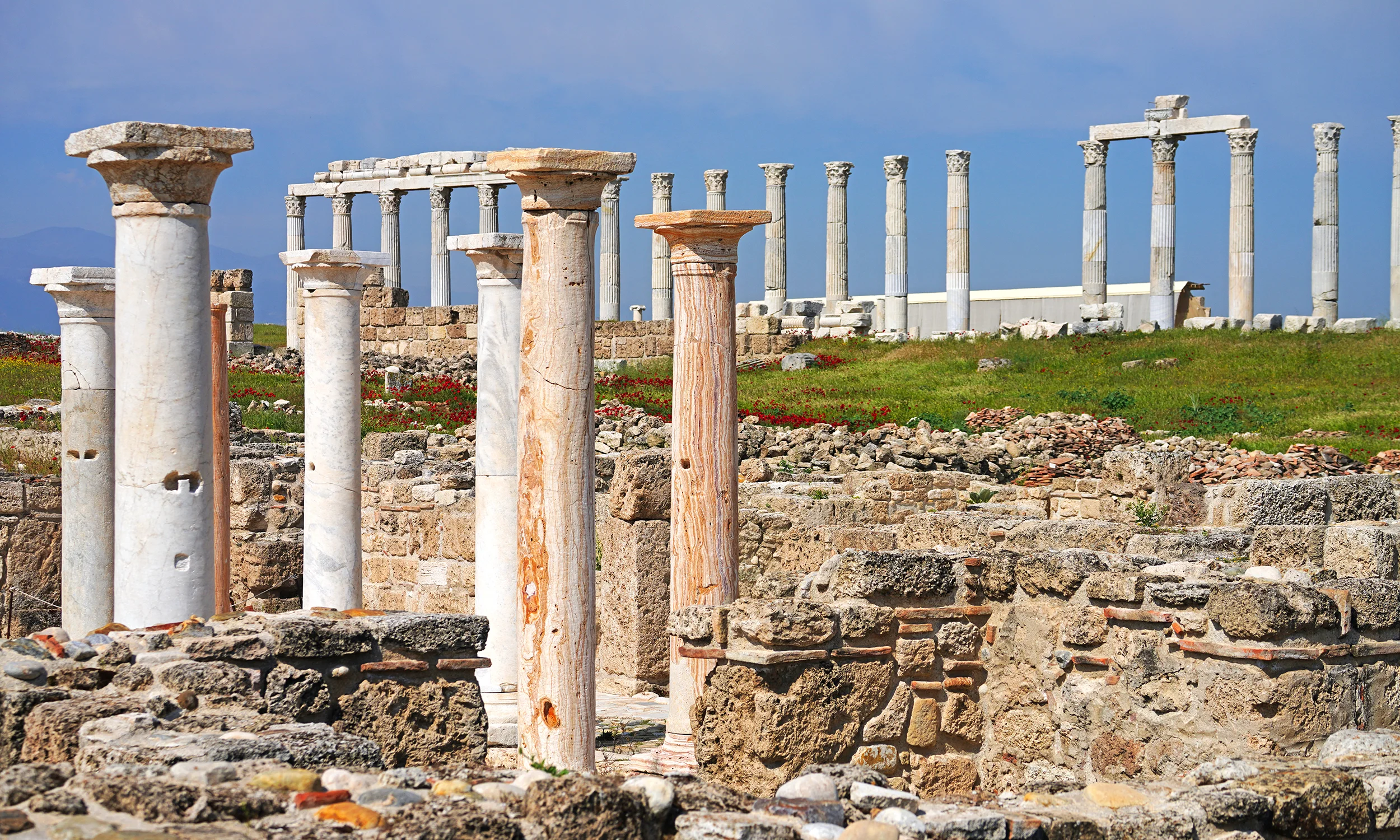
Discover an excavated Roman city and its important early Christian heritage.
Explore Laodicea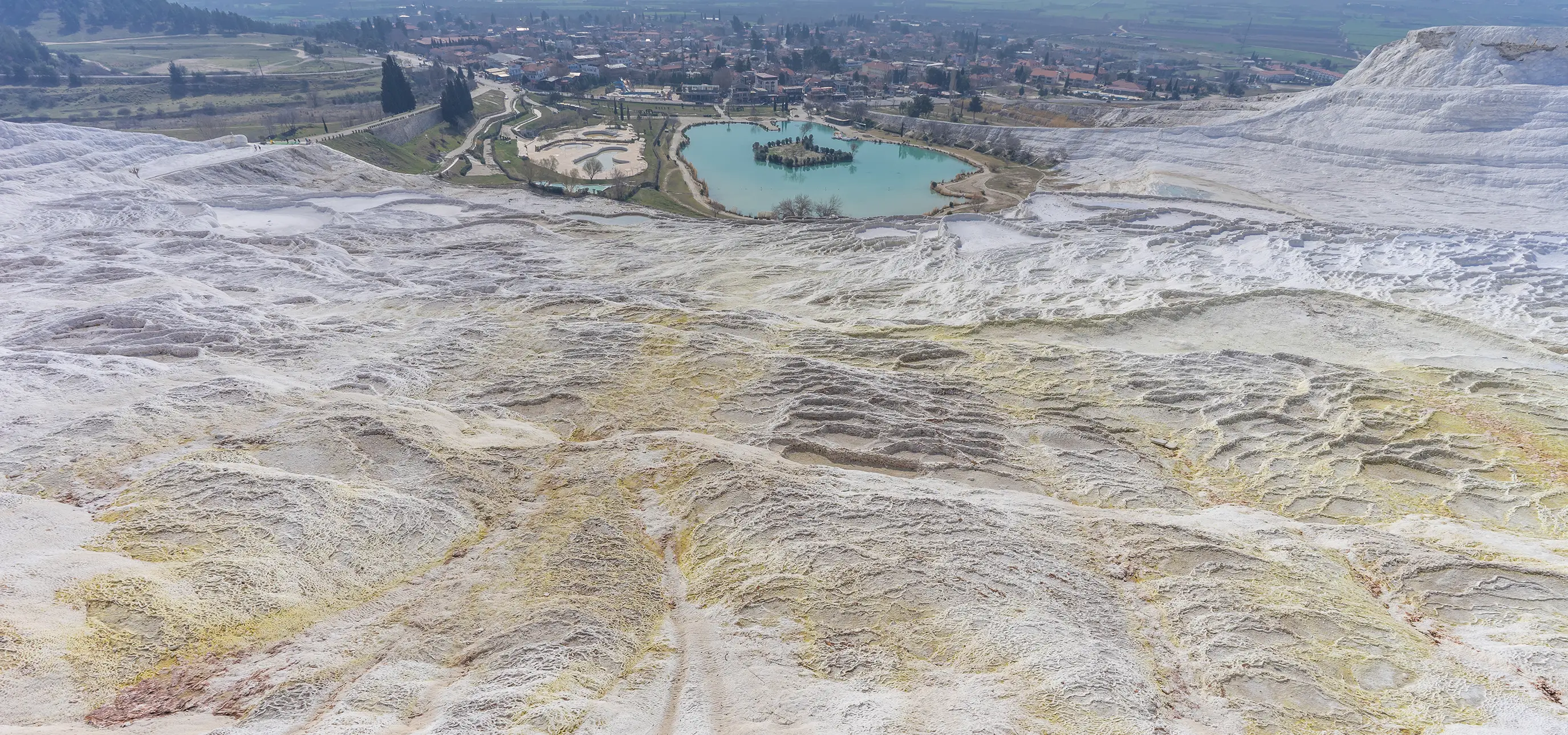
Build a tailored itinerary combining Buldan, ancient cities, caves, thermal landscapes and local culture.
Explore Regional Tours