Private Yunus Emre and Tapduk Emre Tomb Experience
Share your dates, group size and interests. We will propose a sensible route and confirm access before booking.
Request Your Private Programme





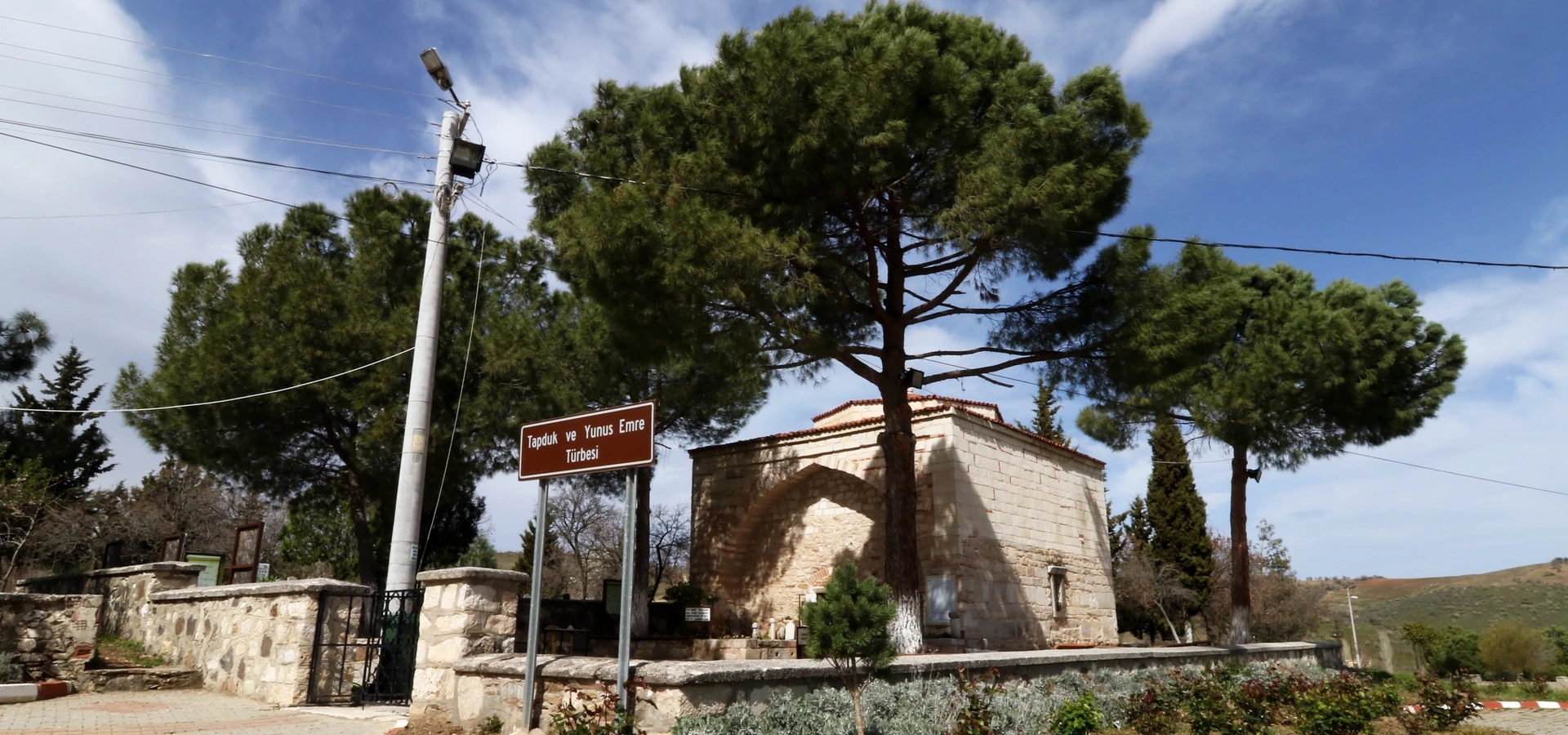
In Kula's Emre neighbourhood, a tomb and memorial landscape honour Yunus Emre and Tapduk Emre, names deeply associated with Anatolian Sufi spirituality and Turkish-language poetry.
Yunus Emre is remembered for verses about love, humility and the human search for meaning. Tapduk Emre appears in traditions as his spiritual guide. The site invites a quiet encounter with those traditions rather than a conventional museum visit.
Several places in Türkiye claim connections to Yunus Emre's burial. Visitors should distinguish local commemoration and devotional belief from a universally settled historical identification of his grave.
The tomb is a focus of remembrance and prayer. Its meaning is both cultural and devotional, regardless of historical debates about burial locations.
Themes of compassion, simplicity and the unity of human experience make his verses accessible across generations.
Stories about the spiritual teacher provide a framework for understanding the disciple–master relationship in Sufi culture.
The rural surroundings reinforce the intimate scale of the visit and its connection to community traditions.
Useful orientation before planning a visit.
Emre neighbourhood, Kula district
Religious and literary heritage site
Medieval Anatolian Sufi tradition; later commemorative heritage
Rural village and commemorative tomb complex
30–60 minutes for a respectful stop
Confirm current entry and route conditions before travel
The site offers a different perspective on Manisa: not empires and geology, but the cultural power of language and spiritual teaching.
It is particularly rewarding when visitors arrive with a short introduction to Yunus Emre’s poetry and the uncertainty surrounding historical attributions.
Yunus Emre is generally placed in the late thirteenth and early fourteenth centuries, when Anatolia experienced political change and diverse religious movements.
His poetry, transmitted through manuscripts and oral tradition, became central to Turkish devotional literature. Stories of Tapduk Emre emphasize discipleship, service and moral transformation.
The Emre village tomb is part of Kula's living heritage. Official Manisa cultural programming has commemorated Yunus Emre at the site, showing its continuing importance to local identity.
The tomb belongs to a lived village environment. Local ceremonies, prayer and ordinary daily life may take place around the same space.
Do not assume that a commemorative monument functions like a staffed tourist attraction with fixed visitor services.
The tomb is a focus of remembrance and prayer. Its meaning is both cultural and devotional, regardless of historical debates about burial locations.
Look at this feature in relation to the broader setting rather than as an isolated photo opportunity.
Themes of compassion, simplicity and the unity of human experience make his verses accessible across generations.
Small construction or geological details can tell a different story from the broad panorama.
Stories about the spiritual teacher provide a framework for understanding the disciple–master relationship in Sufi culture.
What is visible today may reflect more than one historical period or natural process.
The rural surroundings reinforce the intimate scale of the visit and its connection to community traditions.
Interpret this feature alongside the other highlights, while respecting current access limits.
Manisa brings together Lydian history, the Seven Churches of Revelation, Ottoman architecture, craft villages and volcanic geology. Yunus Emre and Tapduk Emre Tomb offers a particular window into that varied region.
For a coherent itinerary, choose neighbouring sites by theme and geography rather than trying to cover the whole province in a single day.
Explain the distinction between the historical poet, the later stories about his life and the local tomb tradition.
Consider how poetry travels beyond a single grave: Yunus Emre’s influence is expressed in language, music and communal memory.
The tomb is a focus of remembrance and prayer. Its meaning is both cultural and devotional, regardless of historical debates about burial locations.
Themes of compassion, simplicity and the unity of human experience make his verses accessible across generations.
Stories about the spiritual teacher provide a framework for understanding the disciple–master relationship in Sufi culture.
The rural surroundings reinforce the intimate scale of the visit and its connection to community traditions.
Dress respectfully, keep voices low and follow any directions regarding entry, shoes or photography.
Check current access before a special journey, especially if hoping to enter an enclosed tomb structure.
Combine a short visit to Emre neighbourhood with a Kula cultural day, leaving time for quiet reflection.
Continue to historic Kula and its mosque architecture rather than treating the tomb as a rushed photo stop.
A village visit is possible in many seasons, but weather, local events and building access may affect the experience.
Ask before photographing worshippers or interiors. A respectful exterior view and the surrounding village often tell the story best.
Ask locally about the approach, steps and availability of assistance, especially for visitors with limited mobility.
The commemorative site is in Emre neighbourhood of Kula district. Confirm the exact location and local access arrangements before departure.
Explore Historic Kula Houses as a complementary stop. Check travel time and access before combining sites.
Explore Kula Kurşunlu Mosque as a complementary stop. Check travel time and access before combining sites.
Explore Kula–Salihli UNESCO Global Geopark as a complementary stop. Check travel time and access before combining sites.
Yunus Emre was a medieval Anatolian poet whose Turkish verses are closely associated with Sufi spirituality and human compassion.
Tapduk Emre is remembered in Sufi tradition as Yunus Emre’s spiritual teacher.
The site is an important local tomb tradition, but several locations claim associations with his burial; historical attribution is debated.
It is in Emre neighbourhood of Kula district, Manisa.
Dress and speak respectfully, follow local rules and ask before photographing people or interiors.
Yes. The tomb and Kula’s Ottoman streets make a complementary cultural itinerary.
Respect signs, barriers and any directions from site staff.
Treat the tomb as a place of respect: no loud performances, intrusive photography or touching of devotional objects.
Keep entrances clear and ask before photographing residents or worshippers.
Carry away rubbish and avoid disturbing vegetation, rocks or historic material.
Wow Cappadocia / Venere Travel can plan a private, tailor-made route with a licensed guide and suitable vehicle, subject to confirmed access and without compulsory shopping stops.
Combine archaeology, living culture and natural landscapes at your preferred pace.
Share your dates, group size and interests. We will propose a sensible route and confirm access before booking.
Request Your Private Programme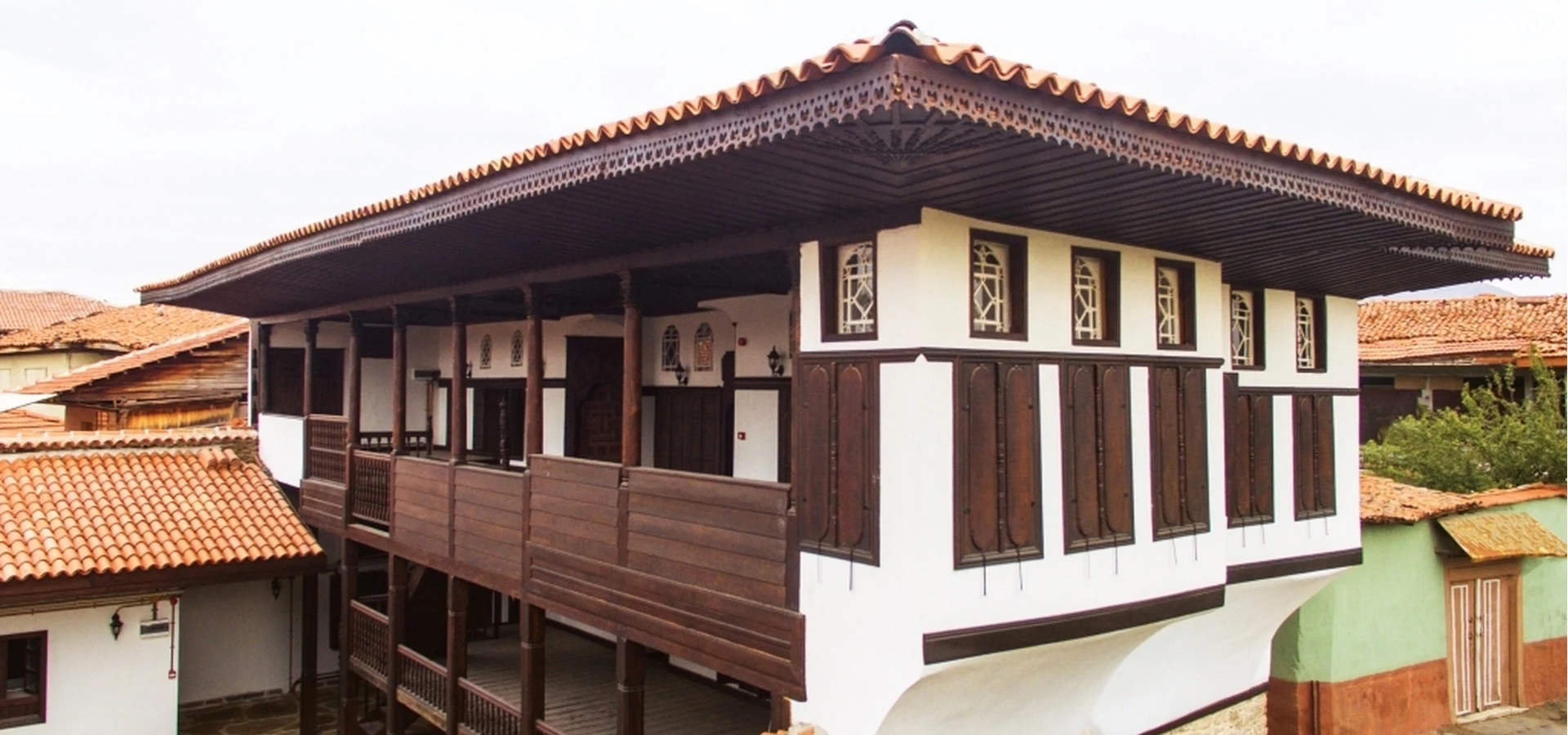
Discover a related destination and plan a route with realistic travel times.
Read the Nearby Guide