Private Kula Kurşunlu Mosque Experience
Share your dates, group size and interests. We will propose a sensible route and confirm access before booking.
Request Your Private Programme





Kula's Kurşunlu Mosque is a valuable stop for anyone interested in the town's Ottoman and beylik-period architectural heritage. It sits within a historic urban environment famous for timber houses and narrow streets.
According to the provincial tourism directorate, the mosque was commissioned in the late fifteenth century by Hoca Seyfettin Bey of the Saruhanid line. Its stone-and-brick construction and painted decoration deserve close attention.
As a mosque rather than a conventional museum, it should be visited with sensitivity to prayer times, local use and any current conservation work.
Look at the rhythm of materials and the way structural surfaces are articulated.
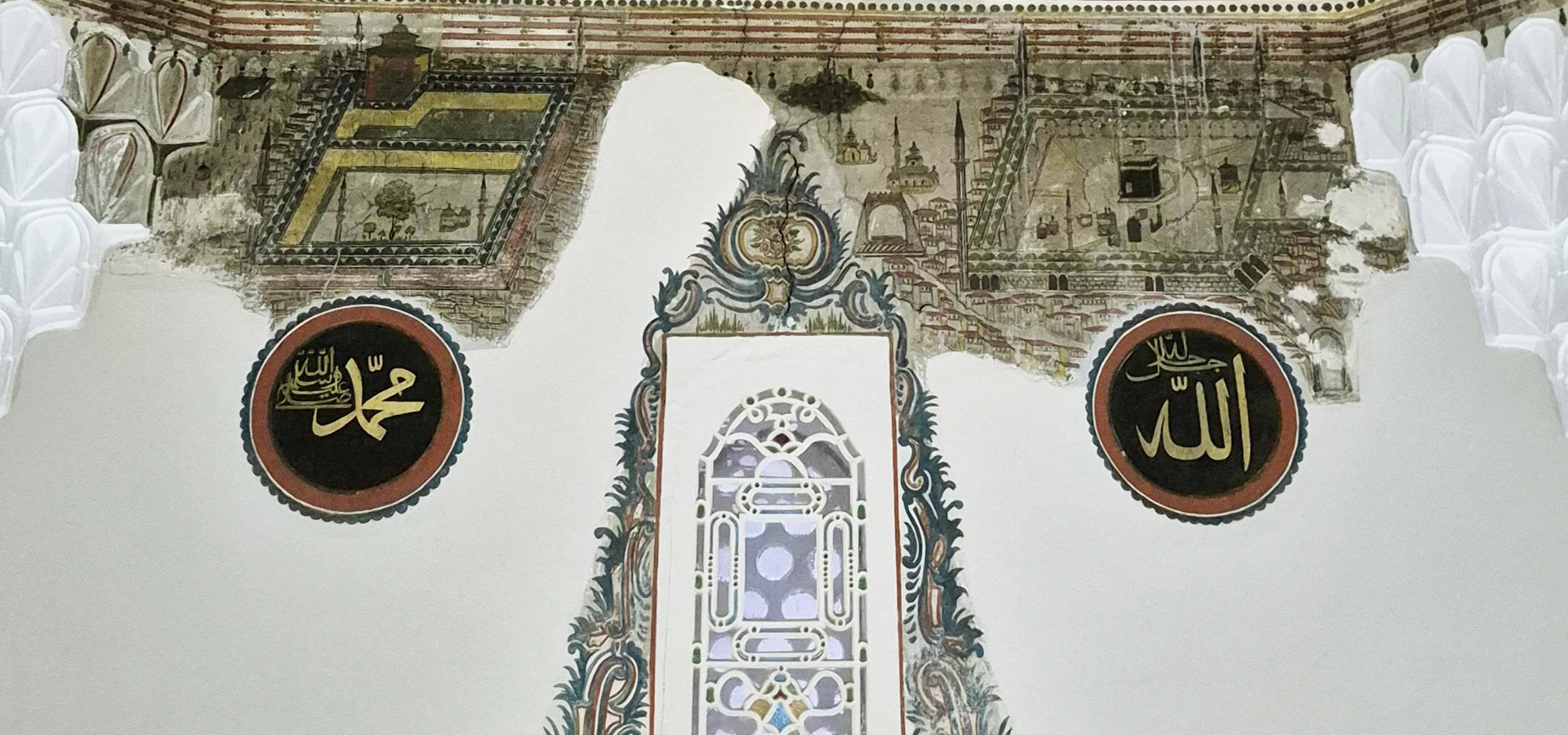
Kalem işi ornament and interior motifs are among the mosque’s notable features; examine them without touching the surfaces.
The building remains part of a sacred urban landscape. Visitor behavior should adapt to active worship.
The mosque makes most sense within a walk among the town’s courtyard houses and traditional streets.
Useful orientation before planning a visit.
Historic Kula, Manisa
Historic mosque and active religious site
Late 15th century; later restorations
Traditional streets of Kula
20–40 minutes when visitor access is appropriate
Confirm current entry and route conditions before travel
Kurşunlu Mosque shows that Kula’s heritage is not limited to domestic architecture or volcanic scenery.
Its layered decoration offers a useful lesson in how historic buildings change through repair while retaining cultural meaning.
The late fifteenth century was a period when western Anatolian towns were integrating older regional traditions into the Ottoman world. The mosque reflects this layered architectural setting.
Manisa's tourism directorate notes a Seljuk-influenced architectural character and later restoration that placed particular emphasis on decoration.
The building's painted ornament and masonry are evidence of both original craftsmanship and subsequent care. Avoid assuming every visible decorative layer belongs to the same century.
The mosque is embedded in the old town, where narrow streets and residential life shape the approach.
Its setting rewards a slow walking visit that connects civic, domestic and religious buildings.
Look at the rhythm of materials and the way structural surfaces are articulated.
Look at this feature in relation to the broader setting rather than as an isolated photo opportunity.
Kalem işi ornament and interior motifs are among the mosque’s notable features; examine them without touching the surfaces.
Small construction or geological details can tell a different story from the broad panorama.
The building remains part of a sacred urban landscape. Visitor behavior should adapt to active worship.
What is visible today may reflect more than one historical period or natural process.
The mosque makes most sense within a walk among the town’s courtyard houses and traditional streets.
Interpret this feature alongside the other highlights, while respecting current access limits.
Manisa brings together Lydian history, the Seven Churches of Revelation, Ottoman architecture, craft villages and volcanic geology. Kula Kurşunlu Mosque offers a particular window into that varied region.
For a coherent itinerary, choose neighbouring sites by theme and geography rather than trying to cover the whole province in a single day.
Look for differences between structural masonry and painted surface decoration. They may represent different periods of work.
Avoid attributing every motif to a precise date without a conservation report or on-site interpretation.
Look at the rhythm of materials and the way structural surfaces are articulated.
Kalem işi ornament and interior motifs are among the mosque’s notable features; examine them without touching the surfaces.
The building remains part of a sacred urban landscape. Visitor behavior should adapt to active worship.
The mosque makes most sense within a walk among the town’s courtyard houses and traditional streets.
Visit outside prayer times if non-worshipper entry is permitted. Dress modestly and follow instructions about shoes and photography.
Do not assume an interior visit is always available; exterior observation may be the appropriate option.
Include Kurşunlu Mosque on a short walk through historic Kula, with time to see traditional house façades.
Add a geopark viewpoint later in the day if transport and daylight permit.
The old town can be explored year-round, but hot summer afternoons may make walking less comfortable.
Take exterior images without blocking entrances. Request permission before photographing worshippers or the interior.
Old streets and historic thresholds may create steps or uneven access. Ask locally about the easiest approach.
Kurşunlu Mosque is in Kula’s historic urban area. Park where permitted and explore the surrounding streets on foot.
Explore Historic Kula Houses as a complementary stop. Check travel time and access before combining sites.
Explore Yunus Emre and Tapduk Emre Tomb as a complementary stop. Check travel time and access before combining sites.
Explore Divlit Volcanic Park as a complementary stop. Check travel time and access before combining sites.
It is in the historic town of Kula, Manisa.
Provincial tourism information dates it to the late fifteenth century.
The Manisa tourism directorate attributes it to Hoca Seyfettin Bey of the Saruhanid line.
Its stone-and-brick masonry and painted ornament are important features.
Entry depends on current arrangements and worship; visit respectfully and ask locally.
Historic Kula houses and selected Kula–Salihli geopark sites make a balanced itinerary.
Respect signs, barriers and any directions from site staff.
Respect worship, avoid flash or touching painted surfaces, and follow any conservation barriers.
Keep entrances clear and ask before photographing residents or worshippers.
Carry away rubbish and avoid disturbing vegetation, rocks or historic material.
Wow Cappadocia / Venere Travel can plan a private, tailor-made route with a licensed guide and suitable vehicle, subject to confirmed access and without compulsory shopping stops.
Combine archaeology, living culture and natural landscapes at your preferred pace.
Share your dates, group size and interests. We will propose a sensible route and confirm access before booking.
Request Your Private Programme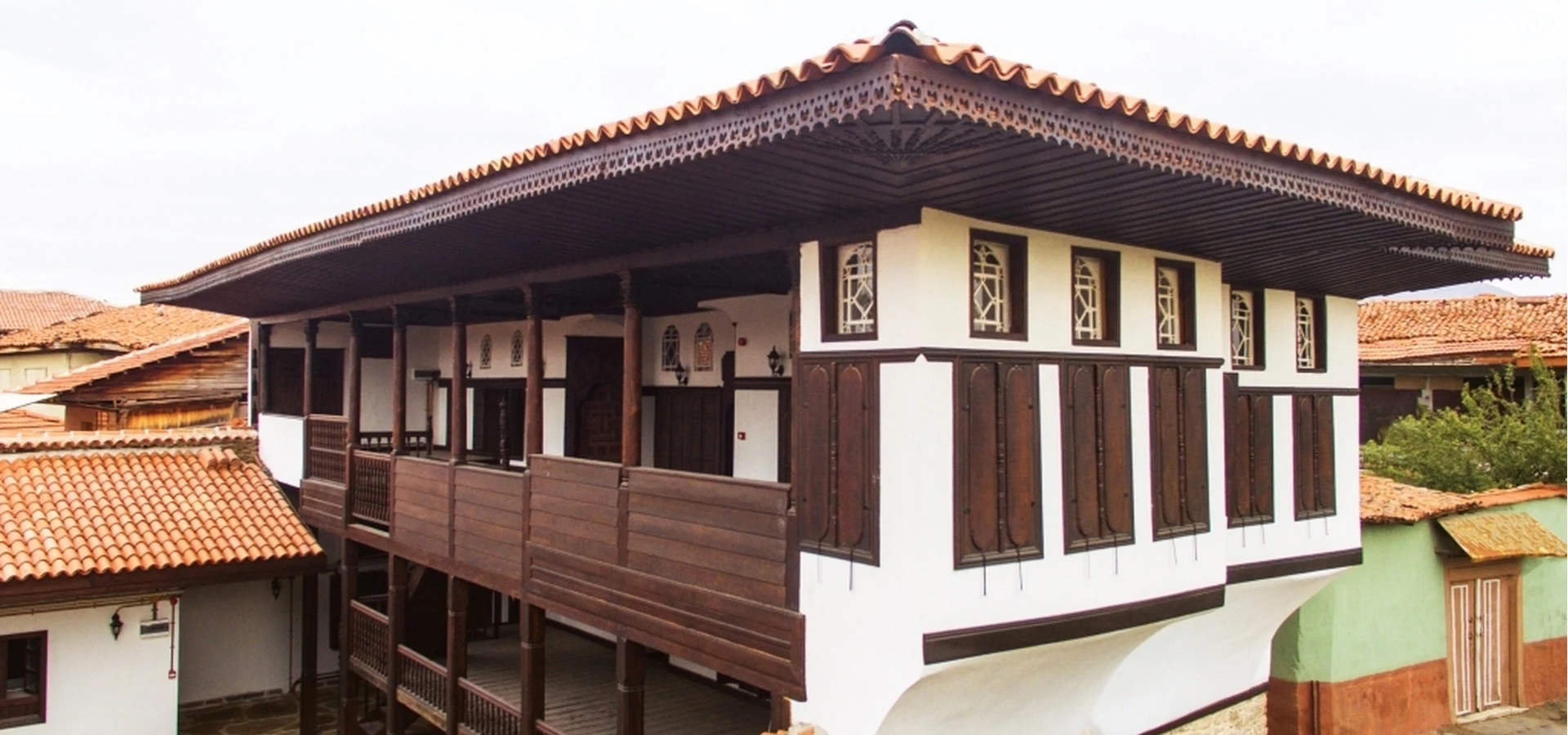
Discover a related destination and plan a route with realistic travel times.
Read the Nearby Guide