Private Taraklı Nature & Heritage Experience
Ask us about a tailor-made day combining historic Taraklı, Karagöl Plateau, scenic rural roads and selected viewpoints across southern Sakarya.
Request a Custom Tour





Tuzla Canyon is one of the most striking natural adventure sites in Taraklı, Sakarya. Hidden above Tuzla village in the forested highlands of the district, the canyon cuts through a narrow rocky landscape filled with flowing water, pools, drops and waterfalls.
Unlike an ordinary scenic gorge or walking trail, Tuzla Canyon is a technical canyoning route. Official tourism information warns that a full passage should not be attempted without a professional guide and appropriate technical equipment. Although the canyon is only about one kilometer long, a complete traverse can take approximately five to six hours.
The route begins from the stream bed above Tuzla village and descends through confined rock walls where water has shaped smooth channels, narrow passages and waterfall steps. The presence of water gives the canyon much of its character, although individual waterfalls can become weak or dry during periods of extreme drought.
For experienced canyoners, Tuzla Canyon offers a compact but highly technical adventure. For ordinary travelers, the important point is different: this is not a casual family walk or an unguided hiking attraction. Visitors who simply want to enjoy the Taraklı landscape should appreciate the canyon from safe approach areas or arrange an outing with qualified local canyoning professionals.
Tuzla Canyon can be combined with Karagöl Plateau and the historic landscapes of Taraklı for a day that mixes mountain scenery, local culture and outdoor adventure.
The canyon is compact in distance but far more demanding than its length suggests because of water, drops and technical obstacles.
Official tourism guidance notes that a complete technical canyon crossing can take approximately five to six hours.
The canyon contains multiple waterfalls, sculpted rock corridors, pools and changing water conditions throughout the route.
A professional guide and proper canyoning equipment are essential for anyone planning to enter and traverse the canyon.
Essential information for understanding one of the most technical nature attractions in Taraklı.
Tuzla village area, Taraklı district, Sakarya.
Open on Google MapsNarrow water canyon used for technical canyoning rather than ordinary hiking.
Approximately 1 kilometer from canyon entrance to exit.
A complete canyon passage can take approximately 5–6 hours.
Water is generally present throughout the year, with waterfall flow changing according to seasonal conditions.
Technical canyon; professional guidance and specialist equipment are required for a full traverse.
Its appeal comes from the contrast between its compact length and the technical, water-shaped terrain hidden inside.
Tuzla Canyon is special because it reveals a very different side of Sakarya's natural landscape. While the province is widely known for lakes, forests, wetlands and Black Sea beaches, the Taraklı highlands also contain narrow rock corridors suited to canyoning and specialist outdoor exploration.
The canyon is only around one kilometer long, yet distance alone gives a misleading impression of difficulty. Progress is slowed by water, rock steps, pools, narrow sections and places where rope techniques may be necessary. This is why official guidance estimates several hours for a complete crossing.
Its waterfalls are another defining feature. Water moves through the canyon in different ways depending on rainfall, season and drought conditions, creating a landscape that can change considerably between visits. In wetter periods the gorge feels energetic and powerful; in drier periods the rock formations become more visually dominant.
Tuzla Canyon also benefits from its setting near the traditional district of Taraklı. Visitors can combine a mountain adventure with Karagöl Plateau, forested uplands and the historic atmosphere of the wider district.
For travelers interested in outdoor tourism, the canyon is an important reminder that responsible adventure requires preparation. The most meaningful way to experience Tuzla Canyon is not to underestimate it, but to approach it with the correct skills, equipment, local knowledge and weather assessment.
Tuzla Canyon begins in the upland stream system above Tuzla village. From there, flowing water enters a confined rocky corridor and gradually descends through a sequence of narrow passages, small basins and waterfall steps.
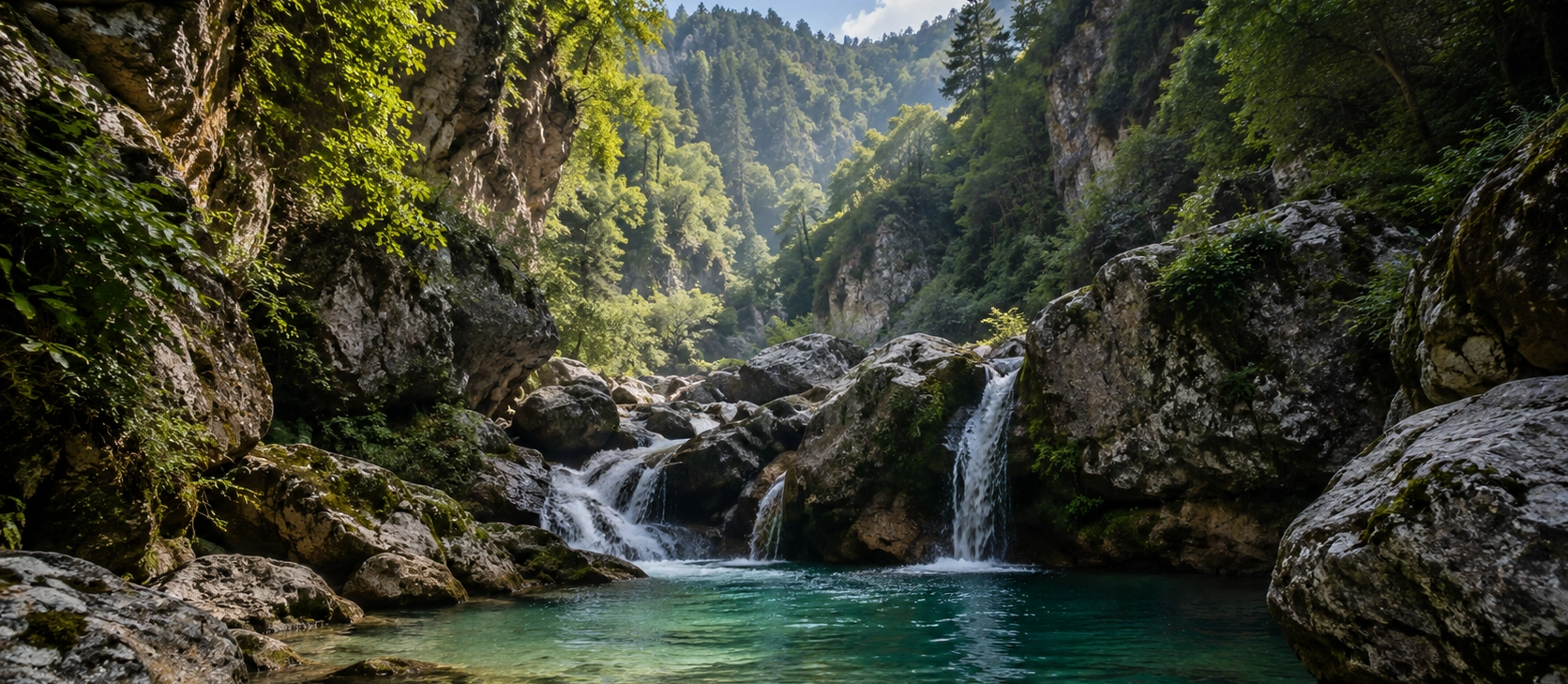
The walls are one of the canyon's strongest visual features. In the tighter sections, pale and weathered rock rises closely on both sides, creating a dramatic sense of enclosure. Sunlight reaches the canyon unevenly, producing alternating areas of bright reflected light and deep shadow.
Water has shaped much of the route. Smooth surfaces, rounded channels and plunge areas show how repeated flow has carved the canyon over time. After wet weather the gorge can become more powerful, while long dry periods reduce the flow of some waterfalls.
Official information places the canyon at roughly 968 meters elevation in its lower section. A technical canyoning report records an entrance near 1,040 meters and an exit around 968 meters, giving the route a noticeable overall descent despite its short horizontal distance.
Confined rock walls create the canyon's dramatic atmosphere and limit easy movement through many sections.
Water is a defining part of the canyon and shapes the route differently according to season and rainfall.
Multiple waterfall steps occur inside the canyon, although flow strength can decrease during severe drought.
Natural basins and wet sections add visual beauty while also increasing the technical difficulty of the route.
The canyon lies in Taraklı's forested uplands, giving the approach a remote mountain character.
Sunlight enters narrow sections selectively, creating strong contrast between illuminated rock and shaded passages.
The most important fact for visitors is that Tuzla Canyon is a technical canyoning route. The canyon should not be treated like a marked hiking path where ordinary footwear and casual outdoor experience are enough.
Official tourism information specifically states that entering and traversing the canyon without a professional guide and technical equipment is not appropriate. This warning should be taken seriously because the route includes wet rock, drops, confined passages and sections where rope systems may be required.
A published technical route report describes a sequence of descents through the canyon and records a route of roughly 940 meters with approximately 72 meters of elevation loss. The technical character is therefore concentrated into a relatively short distance.
Water level is another major factor. A section that is manageable under low-flow conditions can become significantly more difficult or dangerous after heavy rain, snowmelt or sudden changes upstream. Experienced canyoning teams evaluate the weather and water before committing to a descent.
Anyone without canyoning experience should arrange the visit through qualified professionals rather than attempting to copy GPS tracks or social-media videos independently. The correct helmet, harness, ropes, thermal protection, footwear and rescue awareness are part of the activity, not optional extras.
Use a professional canyoning guide or experienced technical team familiar with the route and current conditions.
Some sections may require controlled descents, fixed protection and canyon-specific rope techniques.
Protective and technical equipment is essential because of falling-rock exposure, slippery surfaces and vertical obstacles.
Expect to get wet; suitable canyoning clothing and thermal protection may be necessary even in warm weather.
Do not enter when heavy rain or unstable weather could increase water flow or create flash-flood danger.
Technical canyoning should be done as a prepared group with communication, first-aid and emergency planning.
Water is present in Tuzla Canyon through much of the year and is central to both its beauty and its difficulty. The stream moves through the narrow gorge, dropping over rock steps and collecting in shallow basins before continuing downstream.
Official tourism information notes that the canyon contains many waterfalls. Their strength varies according to seasonal rainfall and longer-term weather patterns. During especially dry periods, individual waterfalls may carry little water or temporarily stop flowing.
For photographers, this variation means the canyon can look very different from one season to another. For canyoners, however, water level is a safety issue rather than simply a visual detail. Higher flow increases force, changes footing and can make rope sections more demanding.
Never assume that conditions shown in an older photograph or route report are the conditions you will find on the day of your visit. Recent rainfall, storms and local water information should always be considered before a technical descent.
Official information states that water is generally found within the canyon throughout the year.
A sequence of waterfall drops adds both beauty and technical complexity to the canyon passage.
Waterfall strength changes with rainfall, snow, temperature and longer dry periods.
During extreme drought, some waterfall sections may have little or no visible flow.
Recent heavy rain can rapidly change the character and risk level of a narrow water canyon.
Qualified guides and local canyoning teams are the best source for evaluating current water conditions.
The canyon walls close tightly in several sections, creating the strongest sense of enclosure and adventure.
Look for the natural drops where flowing water passes from one rock level to another.
Water erosion has rounded and smoothed parts of the canyon, producing distinctive curves and channels.
Water collects in basins beneath drops and along flatter sections of the route.
The approach passes through the rural and forested environment that gives Taraklı its mountain character.
Deep shade and reflected light create dramatic natural contrast inside the gorge.
For equipped canyoners, rope sections are part of the experience and reveal the canyon's vertical structure.
The rural setting around the canyon adds traditional highland scenery before and after the technical route.
A visit to Tuzla Canyon feels very different from visiting a developed nature park. There are no grand visitor facilities inside the gorge, no paved walking route and no easy sightseeing circuit through the technical sections.
The approach already creates a sense of remoteness. Official information notes that the final kilometer of access is on an unpaved road, so conditions can vary according to weather, vehicle type and recent maintenance.
For canyoners, the experience becomes physical as soon as the technical route begins. Progress involves moving carefully over wet stone, through confined spaces and across changing terrain where teamwork is essential. The sound of water, close rock walls and repeated descents create an intense sense of immersion.
For non-canyoners, the best experience is often to combine the surrounding Taraklı countryside with other nearby attractions rather than attempting to enter the gorge. Karagöl Plateau is particularly suitable for travelers who want highland scenery without committing to a technical canyon passage.
Whichever way you experience the area, Tuzla Canyon is best appreciated as a wild natural site rather than a conventional tourist attraction. That character is exactly what makes it memorable.
Tuzla Canyon deserves a clear safety message because its short length can make it look easier than it is. A technical water canyon should never be entered casually, especially by visitors without rope, canyoning or rescue experience.
Use a qualified professional guide, wear appropriate protective equipment and make sure your group has checked weather forecasts and recent water conditions. Heavy rain anywhere in the catchment can change flow inside a narrow gorge quickly.
Slippery rock is another constant hazard. Ordinary city shoes or light casual footwear do not provide the grip, drainage or protection expected for wet canyon terrain. Technical canyoning footwear is strongly preferable.
A safe group should also carry appropriate communication, first-aid and emergency equipment. Mobile reception cannot be assumed inside a narrow and remote gorge, so teams should not rely on a phone as their only safety plan.
If there is uncertainty about weather, water level, equipment or group ability, do not enter the canyon. There are many other ways to enjoy the Taraklı landscape without exposing yourself to technical risk.
Technical canyoning should be undertaken as a prepared team, not as a solo exploration.
Local route knowledge is especially valuable for assessing water, anchors, access and changing conditions.
Avoid the canyon when rain, storms or unstable weather could increase flow.
Rocky vertical terrain requires head protection even when water levels appear low.
Harnesses, ropes and canyon-specific safety equipment should match the route and team plan.
Changing conditions or inadequate preparation are valid reasons to abandon a canyon attempt.
Suitable only for a cautious look at the surrounding approach landscape without entering the technical canyon route.
Enough to explore the surrounding Tuzla countryside and combine it with a nearby scenic stop.
Official guidance indicates this may be required for a complete technical canyon crossing.
Recommended when access, preparation, equipment changes, the canyon passage and return logistics are all included.
Experienced outdoor travelers can combine the area with Karagöl Plateau if timing and conditions allow.
Stay in or around Taraklı and separate technical canyoning from cultural sightseeing for a more relaxed plan.
There is no single perfect month for Tuzla Canyon because the route depends heavily on water level, recent rainfall and team experience. A technically suitable day is more important than simply choosing the warmest season.
Spring can bring attractive water flow and green surrounding landscapes, but it can also produce higher and more powerful conditions after rain. Professional assessment is especially important during unstable spring weather.
Summer generally offers warmer air temperatures and easier road conditions, yet prolonged drought can reduce waterfall flow. Hot weather outside the canyon also does not mean the water and shaded rock corridor will feel warm.
Autumn can offer beautiful forest color around Taraklı, but rain events may again change the water level quickly. Winter canyoning is possible only for properly equipped and experienced teams prepared for cold conditions.
For ordinary travelers who only want to see the rural surroundings, late spring through early autumn is generally the easiest period for road access and combining Tuzla with other Taraklı attractions.
Green scenery and stronger water flow can be beautiful, but rain may increase technical risk.
Warmer temperatures are comfortable for access, although drought can reduce waterfall flow.
Forest color can be excellent, with water conditions depending strongly on recent rainfall.
Cold-water canyoning is specialist territory and requires the correct thermal and technical equipment.
Do not enter when storms or substantial rainfall could increase water flow inside the gorge.
Current route conditions should be confirmed with experienced local canyoning professionals.
Tuzla Canyon offers excellent photographic potential for experienced teams who can carry camera equipment safely through wet and technical terrain. The strongest subjects are the narrow rock walls, waterfalls, wet stone textures and shafts of light entering the gorge.
Wide-angle compositions work especially well in confined passages because they show the relationship between canyoners and the surrounding walls. Vertical framing can emphasize the height of rock faces and the direction of waterfall drops.
Moving water creates opportunities for both fast shutter images that freeze spray and slower exposures that give waterfalls a softer appearance. However, tripod use can be impractical in active canyoning sections and should never interfere with rope systems or team movement.
Protect all equipment from water. Dry bags, waterproof housings and secure straps are far more important here than on a normal scenic walk. A camera dropped into a pool or onto wet rock may be impossible to recover safely.
Safety must always come before photography. Never delay a group in a dangerous position, disconnect from safety systems or stand beneath a technical descent simply to create a better composition.
Show the scale of narrow passages by including a canyoner or waterfall within the rock corridor.
Moving water against pale rock creates some of the most characteristic images of Tuzla Canyon.
Use vertical compositions to emphasize descending ropes, rock walls and waterfall drops.
Look for soft reflected light bouncing between pale canyon walls rather than relying only on direct sun.
Carry cameras and phones in properly sealed protection when moving through wet canyon sections.
Photography should never interrupt rope procedures, team communication or safe movement.
Tuzla Canyon is located in the Tuzla village area of Taraklı, Sakarya. Official descriptions place the entrance in the stream bed above the village.
The canyon is approximately one kilometer long and contains water throughout the year, although the strength of individual waterfalls changes with weather and drought conditions.
A full passage is a specialist activity rather than normal sightseeing. Visitors planning to enter should arrange a professional canyoning guide, technical equipment and a route-specific safety plan.
The last part of the road is not fully paved. Official tourism information notes that approximately the final 1 kilometer is a dirt road. Wet weather can therefore affect both canyon conditions and vehicle access.
There is no reason for casual visitors to force a technical crossing simply to say they have visited the site. The surrounding landscape, Taraklı highlands and nearby plateau routes offer rewarding alternatives for travelers without canyoning experience.
Tuzla Canyon has very limited accessibility compared with developed parks, museums or roadside viewpoints. The technical canyon itself involves uneven rock, water, vertical drops and confined passages.
It is therefore not suitable for wheelchair access, visitors with significant mobility limitations or travelers who need a stable walking surface. Even fit visitors should not confuse general hiking ability with technical canyoning experience.
The approach also includes an unpaved final road section. Road quality can vary, especially after rain, so low-clearance vehicles may require additional caution depending on current conditions.
Visitors who cannot or do not want to enter the canyon can still enjoy the wider Taraklı landscape. Karagöl Plateau and other rural viewpoints provide much easier alternatives for mountain scenery.
Wet rock, drops and confined passages make the canyon unsuitable for ordinary mobility access.
Do not expect boardwalks, handrails or a managed sightseeing route through the gorge.
The final road section is unpaved and may become rougher after rain or winter weather.
A full crossing requires more than general fitness; technical skills and equipment are necessary.
Non-canyoners can enjoy the surrounding forests, villages and nearby plateau landscapes instead.
Choose another attraction if anyone in your group is uncomfortable with wet, uneven or vertical terrain.
Tuzla Canyon lies in the Tuzla village area of Taraklı district in southern Sakarya. Official culture sources place the Hark–Tuzla canyon area roughly 17 kilometers from Taraklı, northwest of the district center.
The easiest way to reach the area is by private car or arranged local transport. Navigation applications can be useful, but rural road conditions and the exact canyon access point should still be confirmed locally before departure.
Official tourism information states that the last approximately 1 kilometer is a dirt road. Allow extra time after rain and avoid assuming that normal dry-weather access will remain the same throughout the year.
Technical canyoning groups should coordinate both the canyon entrance and exit. Because the route is effectively one-way through the gorge, transport and return logistics should be organized as part of the canyoning plan rather than improvised afterward.
For a broader nature itinerary, continue to Karagöl Plateau and then return toward Taraklı for historic streets, local food and overnight accommodation.
Private vehicle is the most practical option for reaching the rural Tuzla area from Taraklı.
The canyon area lies northwest of the district center in the direction of Tuzla village.
Expect approximately the final kilometer of access to be on an unpaved road.
Rain, mud, snow or maintenance can change the final approach significantly.
Technical teams should plan entrance, exit and vehicle positioning before starting the route.
Search for “Tuzla Kanyonu Taraklı” and confirm the exact approach with local canyoning contacts.
If you are joining a technical canyoning trip, begin early. Meet your guide or team in the Taraklı area, review weather and water conditions, check every item of equipment and confirm vehicle logistics before driving toward Tuzla village.
At the canyon entrance, take time for a final safety briefing. Helmets, harnesses, ropes, waterproof protection and communication procedures should be checked before anyone commits to the route. Once the group enters the technical sections, easy retreat may not always be possible.
Allow approximately five to six hours for the canyon itself rather than planning around distance alone. A slow, controlled team is preferable to a rushed crossing, especially at wet descents and rope stations.
After completing the canyon, change into dry clothing and allow time for food, hydration and recovery. If daylight and energy permit, continue toward Karagöl Plateau for a very different view of Taraklı's highland landscape.
Travelers who are not canyoning can reverse the emphasis: visit the rural Tuzla area only as a scenic stop, spend more time at Karagöl Plateau and then continue into Taraklı for architecture, local products and traditional town atmosphere.
Tuzla Canyon can be combined with highland scenery, historic Taraklı and wider Sakarya nature attractions. See our complete Sakarya visitor guide for more destinations across the province.
Visit one of Taraklı's best-known highland landscapes for open mountain scenery, forest views and a much more accessible nature experience.
Explore traditional streets, Ottoman-era houses, local craftsmanship and the quiet atmosphere of one of Sakarya's most distinctive districts.
Continue west for broad views across the Geyve landscape and the Sakarya River valley.
Add modern Turkish history to the route with a museum dedicated to the National Forces period in nearby Geyve.
Relax beside a calmer recreational landscape after a more demanding day in Taraklı's mountain terrain.
Discover canyons, forests, lakes, waterfalls, historic towns, wetlands and Black Sea beaches throughout Sakarya Province.
Tuzla Canyon is located in the Tuzla village area of Taraklı district in Sakarya, Türkiye.
Official cultural sources use the name Hark–Tuzla Canyon for the canyon area associated with Tuzla near Taraklı, while the Sakarya tourism directorate also lists it simply as Taraklı Tuzla Canyon.
The canyon is approximately 1 kilometer long. A technical route report gives a length of about 940 meters.
Official tourism information states that a full technical crossing can take approximately 5–6 hours.
No. Official guidance states that a professional guide and technical equipment are required for a canyon passage.
It should not be treated as a beginner hiking route. People new to canyoning should only enter as part of a professionally guided and properly equipped activity.
Official information states that water is generally present throughout the year, although waterfall flow changes according to seasonal conditions and drought.
Yes. Tuzla Canyon contains multiple waterfalls and water drops along its technical route.
No. Waterfall strength depends on weather and season, and some flows may become very weak or stop during extreme drought.
Technical canyoning equipment, including rope systems appropriate to the route, may be required. Equipment decisions should be made by qualified canyoning professionals.
A proper canyoning setup can include a helmet, harness, ropes, wet or thermal protection, canyon footwear and safety equipment. Exact requirements depend on current route and water conditions.
Heavy rain can increase flow and create dangerous conditions in narrow canyons. Do not enter during unstable weather or when local professionals consider water levels unsafe.
Official tourism information gives an elevation of approximately 968 meters. Technical reports place the canyon entrance higher, around 1,040 meters.
No. Official information states that approximately the last 1 kilometer is a dirt road.
Yes. You can explore the surrounding rural landscape and combine the area with nearby Taraklı attractions without attempting the full technical passage.
The technical canyon passage is not a normal family sightseeing activity. Families should choose safer surrounding viewpoints and non-technical nature attractions unless joining a specialist activity designed specifically for their abilities.
Yes, but cameras should be protected from water and photography must never interfere with rope work, group movement or safety procedures.
There is no single best season for technical canyoning. The correct choice depends on water level, weather, temperature and guide assessment. For general countryside access, late spring through early autumn is usually easiest.
Combine Tuzla Canyon with Karagöl Plateau, historic Taraklı and other attractions across southern Sakarya.
Yes, especially as part of a wider Taraklı nature route, but non-canyoners should enjoy the surrounding landscape rather than entering technical sections without the correct skills and equipment.
Official cultural information places the Hark–Tuzla canyon area roughly 17 kilometers from Taraklı, northwest of the district center.
A short canyon can still contain serious technical hazards. Respect official warnings and local advice.
Professional local guidance improves safety and reduces the risk of poor decisions in changing conditions.
Carry every item out of the canyon, including food packaging, tape, batteries and damaged equipment.
Avoid soaps, chemicals and unnecessary contamination in the stream and natural pools.
Keep noise controlled outside technical communication and avoid disturbing animals in quiet canyon habitats.
Avoid unnecessary marking, carving or alteration of natural formations and existing technical installations.
Drive slowly near homes, livestock and farms, and never block access for local residents.
Turning back or cancelling because of water, weather or group ability is responsible canyoning, not failure.
Combine Taraklı's historic character, Karagöl Plateau, rural mountain scenery and selected Sakarya attractions through a private itinerary designed around your interests.
Mix traditional town atmosphere, highland scenery, regional food and carefully selected outdoor stops in a flexible private day.
Ask us about a tailor-made day combining historic Taraklı, Karagöl Plateau, scenic rural roads and selected viewpoints across southern Sakarya.
Request a Custom Tour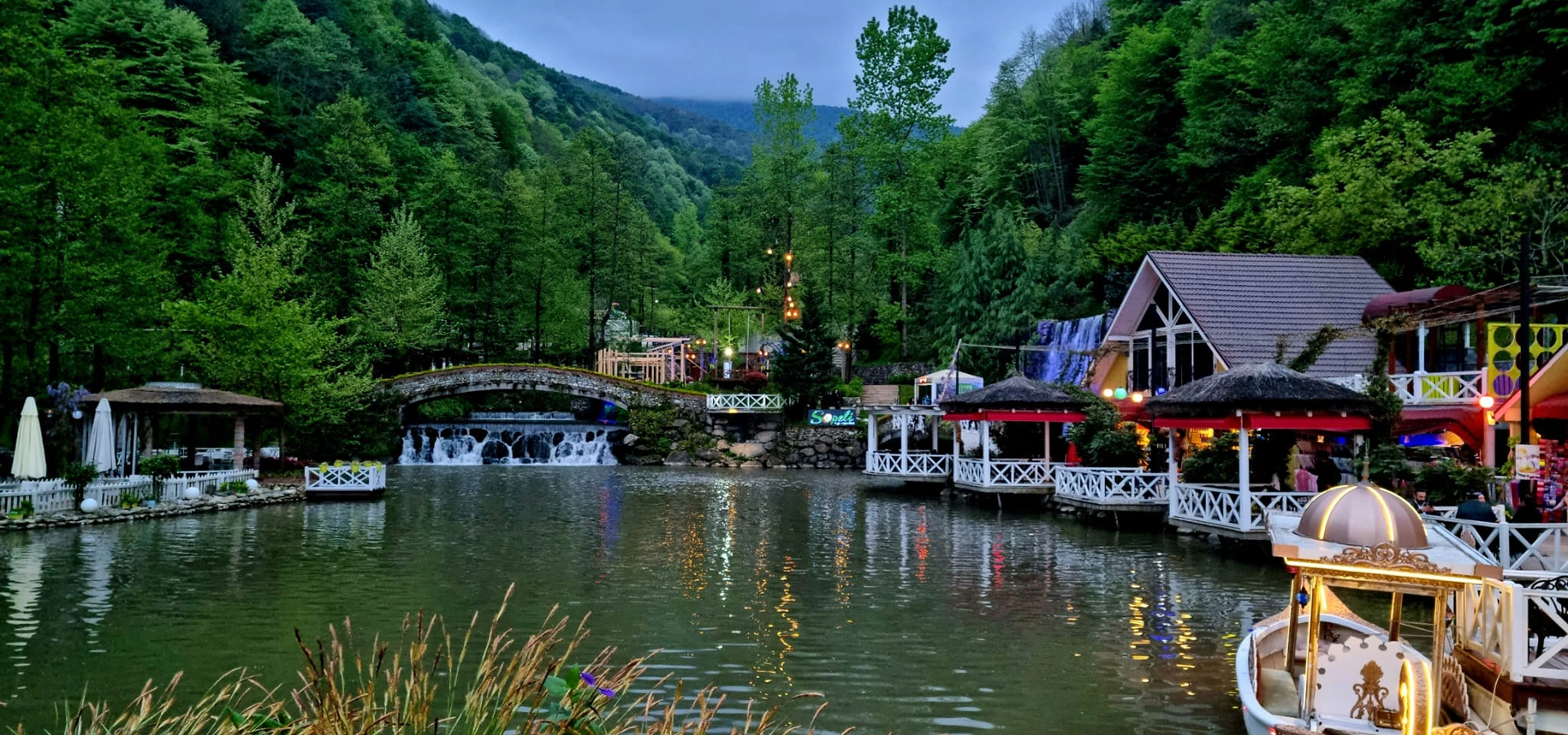
Discover lakes, forests, canyons, wetlands, waterfalls, historic towns, Ottoman monuments and Black Sea landscapes throughout Sakarya Province.
View Sakarya GuideConnect Tuzla Canyon with highland scenery, panoramic viewpoints and nearby cultural attractions.
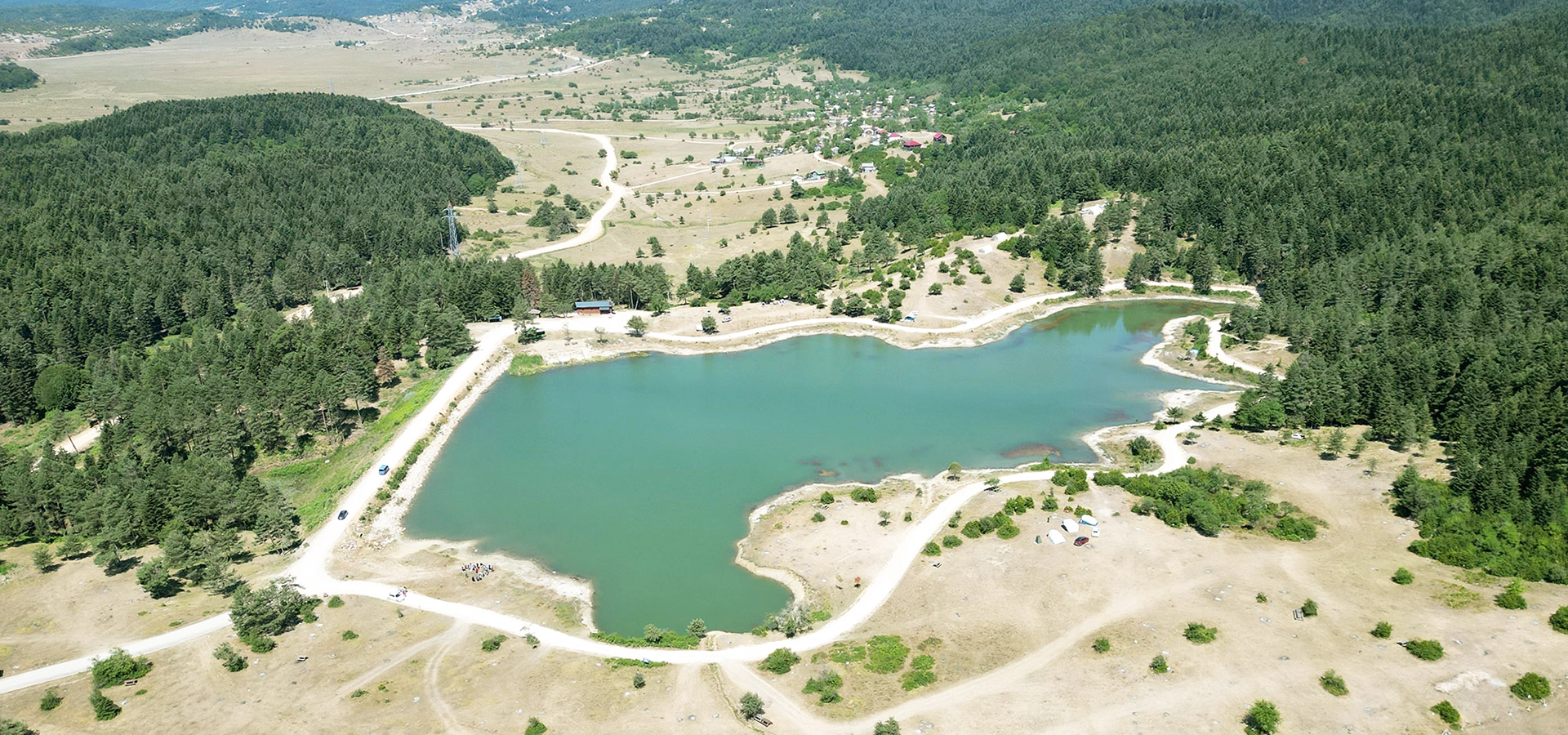
Continue through Taraklı's highlands with broad mountain scenery, forests and one of the district's most rewarding nature destinations.
Explore Karagöl Plateau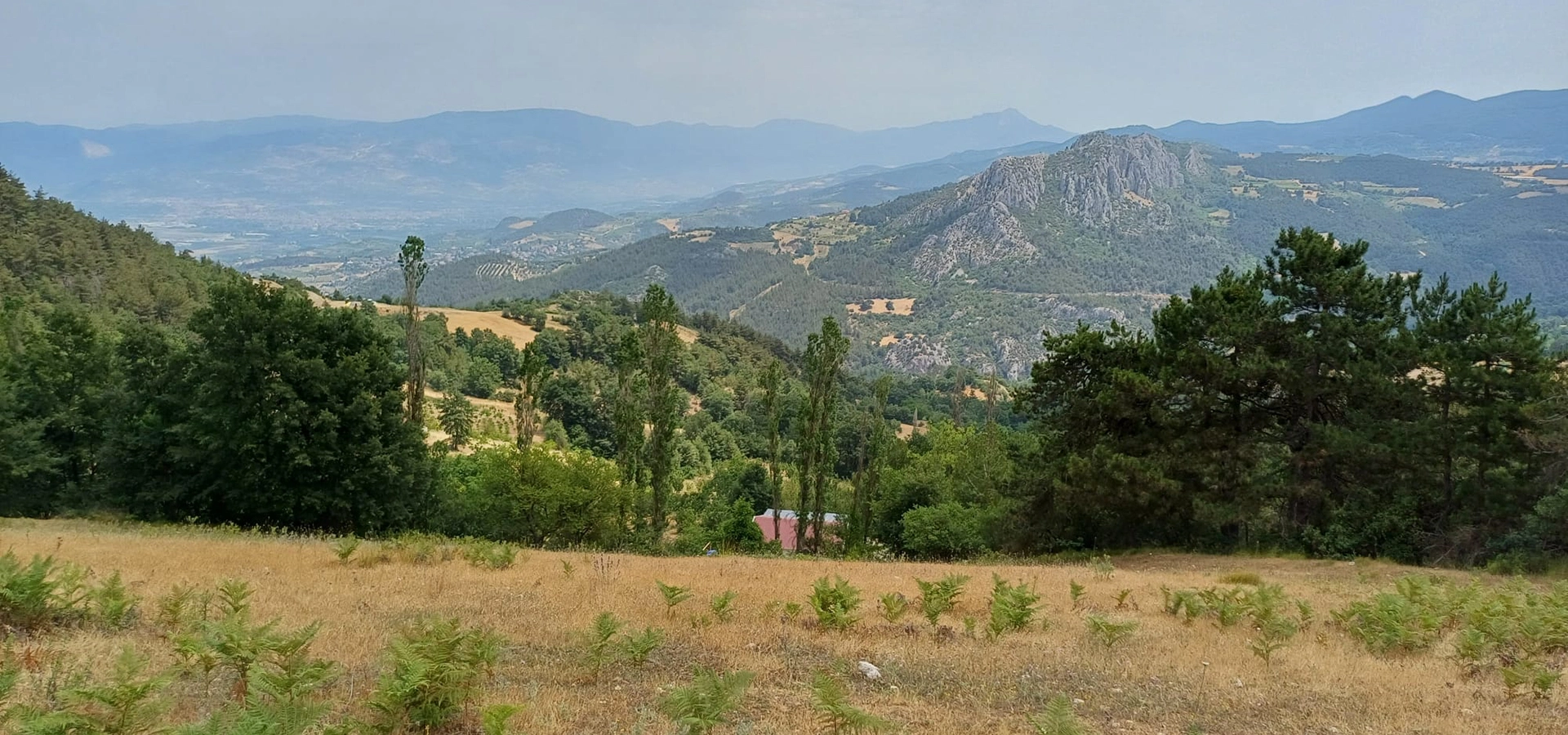
Add an easier panoramic stop with broad views over the Geyve countryside and the Sakarya River valley.
Explore Geyve View Terrace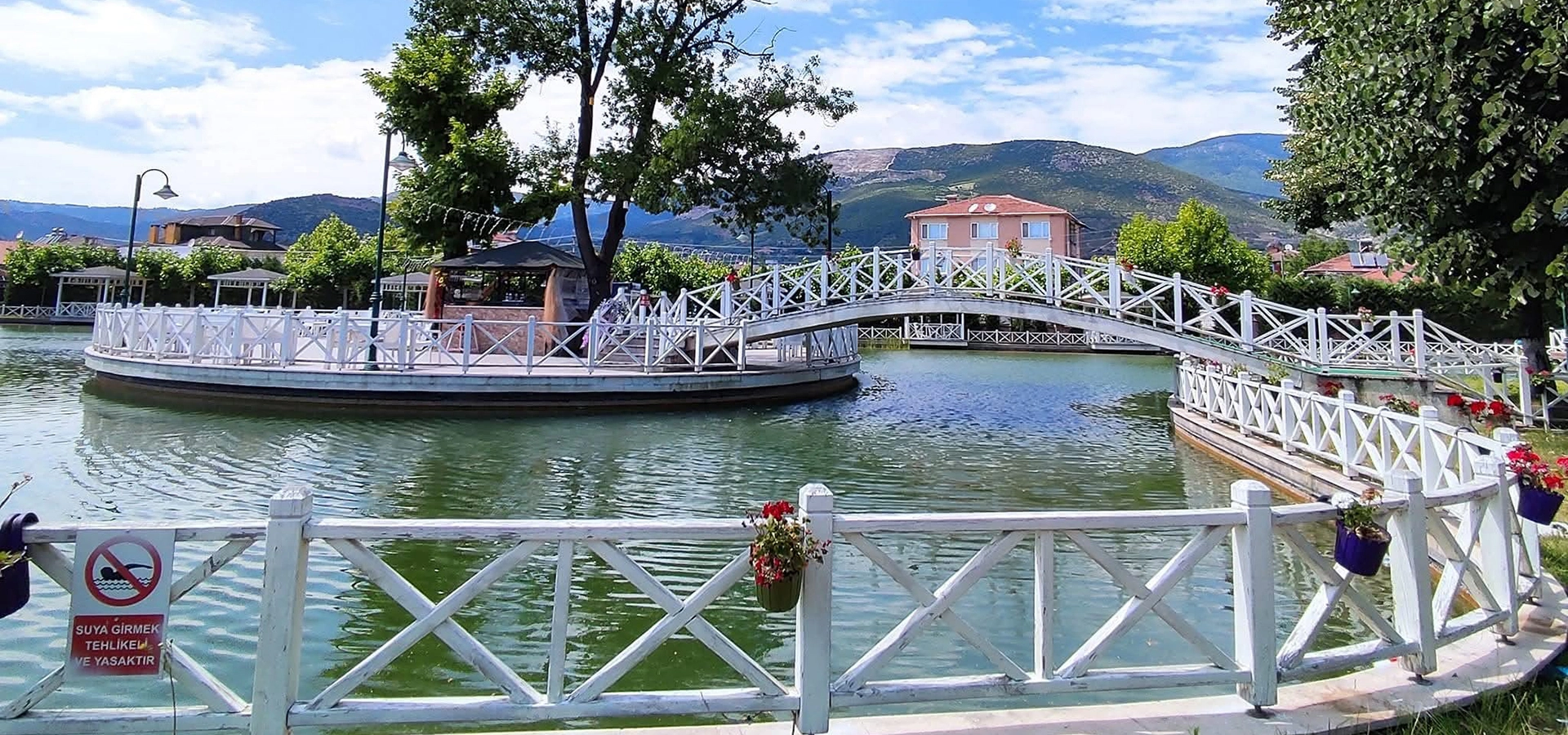
Finish the regional route with an easier lakeside park setting, walking areas and a relaxed contrast to Taraklı's rugged canyon terrain.
Explore Pamukova Gölpark