Private Tahtakuşlar & Kazdağı Cultural Experience
Ask us about a tailor-made route combining Tahtacı Türkmen heritage, Kazdağı scenery, villages, waterfalls and northern Aegean food.
Request a Custom Tour





Only a few kilometres inland from the beaches and olive groves of the Edremit Gulf, a small village on the lower slopes of Kazdağı — ancient Mount Ida protects one of the most unusual cultural collections in western Türkiye.
The Tahtakuşlar Ethnography Gallery, also encountered under names such as Tahtakuşlar Alibey Kudar Ethnography Gallery and Tahtakuşlar Ethnography Museum, was opened by retired teacher Alibey Kudar on 10 June 1991. Official educational sources describe it as Türkiye's first private ethnography gallery and an institution created to preserve and communicate the culture of the Tahtacı Türkmen community.
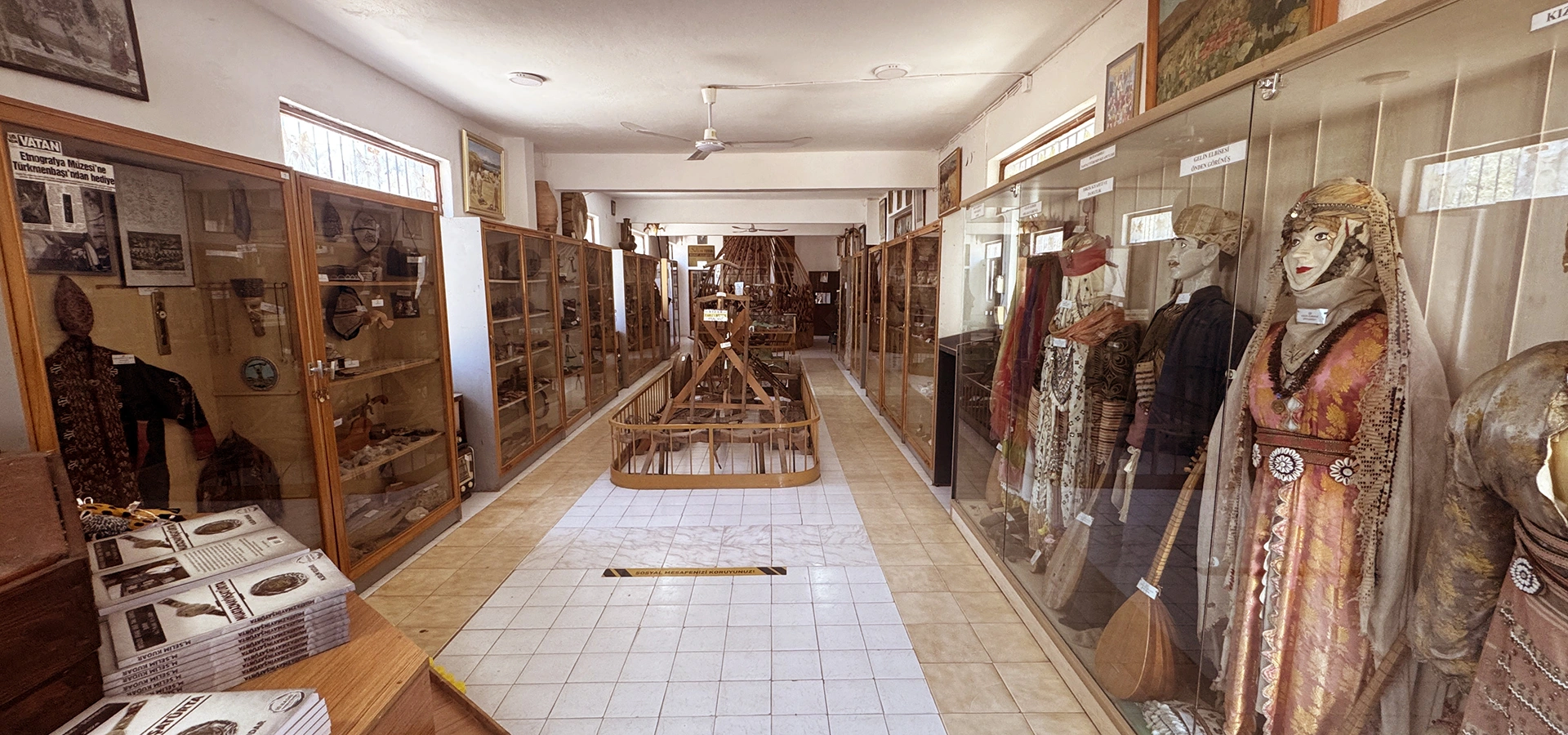
This is not a conventional archaeological museum filled with objects excavated from ancient ruins. Its heart is much more personal. Traditional clothing, woven bags, carpets, rugs, tent components, woodworking tools, household utensils, jewellery, amulets, musical instruments and manuscripts preserve the material world of families whose history was deeply connected with the forests of Kazdağı.
The story also extends beyond ethnography. A Selim Turan Art Gallery was added in 1992, a library followed in 1994, and the institution developed into a meeting point between village memory, contemporary art, visitors, researchers and objects donated from far beyond the Edremit region.
Perhaps most importantly, Tahtakuşlar should not be reduced to a romantic label such as a “shaman village.” The Tahtacı are a Türkmen community with an Alevi cultural and religious tradition, while researchers also identify older Central Asian motifs and practices within parts of their cultural heritage. Understanding those layers makes the gallery far more interesting than treating every unusual symbol as evidence of a single unchanged ancient belief system.
Retired teacher Alibey Kudar opened the ethnography gallery on 10 June 1991 after decades of collecting and cultural preservation.
The collection documents clothing, weaving, woodworking, domestic life, beliefs, music and traditions associated with the Tahtacı community.
Many of the core objects grew from family possessions and locally preserved material rather than a state archaeological collection.
The gallery stands in Tahtakuşlar near Güre and Akçay, making it one of the Edremit Gulf's most rewarding cultural stops.
Essential information for understanding and planning a visit to this remarkable village museum beneath Kazdağı.
Tahtakuşlar, in the Edremit district of Balıkesir Province, close to Güre, Akçay and Kazdağı.
A privately founded ethnography gallery / museum dedicated principally to Tahtacı Türkmen cultural heritage.
10 June 1991.
Retired teacher Alibey Kudar, with the continuing involvement of the Kudar family.
Traditional clothing, textiles, rugs, tent material, tools, household objects, jewellery, amulets, manuscripts and musical instruments.
The gallery belongs to the cultural landscape of the Tahtacı Türkmen communities of Kazdağı.
The Selim Turan Art Gallery was added in 1992 and developed a long tradition of exhibitions.
A library section was added in 1994, expanding the institution beyond a display collection.
Published museum research records a UNESCO Support Award in 1994; this is not the same as UNESCO World Heritage designation.
A very large preserved leatherback sea turtle has become one of the gallery's best-known individual exhibits.
Allow approximately 60–90 minutes if you want to look carefully rather than simply walking through the rooms.
Current published listings agree that Monday is normally closed but differ on exact hours; confirm shortly before visiting.
Tahtakuşlar offers something increasingly difficult to find: a cultural collection created from within the community whose story it tells.
The first reason to visit is authentic cultural context. The objects are not simply examples of anonymous “folk life.” Many belong to a specific cultural world shaped by seasonal movement, forestry, woodworking, textile production, family ritual, music and the mountain environment of Kazdağı.
The second reason is the gallery's grass-roots origin. Alibey Kudar was not assembling a government museum from archaeological excavations. The project developed through long-term collecting, family effort and a desire to prevent local material culture from disappearing as rural life changed.
The third reason is the density of the collection. A weaving tool beside a bag, a costume beside jewellery, a tent structure beside woodworking equipment and a musical instrument beside ritual objects allow visitors to understand culture as an interconnected system rather than a row of isolated antiques.
Finally, the gallery provides an essential human counterpart to the spectacular natural scenery of Mount Ida / Kazdağı. Visitors often arrive in the region for waterfalls, forests and mountain mythology. Tahtakuşlar reveals that this landscape has also been inhabited, worked, remembered and interpreted by living communities for generations.
The gallery is located in Tahtakuşlar in the Edremit district of Balıkesir Province, on the lower southern slopes of Kazdağı and a short distance inland from the northern Aegean coast.
Official educational information places the gallery approximately 17 kilometres from Edremit, around 5 kilometres from Akçay and roughly 2 kilometres from the main Balıkesir–Çanakkale road corridor. The immediate area is closely associated with Güre, Akçay, Çamlıbel and the southern Kazdağı foothills.
This location is one of the gallery's great strengths. Within a relatively small area, visitors can move between Tahtacı cultural heritage, olive-growing villages, thermal landscapes, waterfalls, ancient archaeology and Kazdağı National Park.
Visitors researching Tahtakuşlar quickly encounter several names: Tahtakuşlar Ethnography Museum, Tahtakuşlar Ethnography Gallery, Alibey Kudar Ethnography Gallery and combinations of all three.
The confusion is understandable. In practical terms the institution functions much like a small ethnographic museum, preserving and displaying historic cultural material. Yet published research into the institution records that the family's preferred legal designation became “Tahtakuşlar Köyü Alibey Kudar Etnografya Galerisi”.
The word gallery also makes sense because the institution is not restricted to ethnographic objects. It has hosted changing art exhibitions, includes the Selim Turan Art Gallery and has developed as a broader cultural centre.
A widely used tourism description because the permanent collection documents traditional community life.
The name most closely associated with the institution itself and particularly appropriate to its combined ethnography-and-art identity.
A later name recognising the founder whose collecting and cultural work created the institution.
All of these names generally refer to the same cultural institution in Tahtakuşlar.
Understanding the gallery begins with understanding the people whose heritage it preserves. Tahtacı was historically associated with communities engaged in forestry, timber cutting, wood processing and related occupations. The Turkish word tahta means plank or board, reflecting this long relationship with wood and forests.
Over time, however, “Tahtacı” came to identify much more than a profession. Academic research describes the Tahtacı as a Türkmen community with a distinctive social, cultural and religious identity, historically distributed through parts of western and southern Anatolia from Kazdağı toward the Aegean and Mediterranean regions.
Kazdağı has long been one of their important cultural landscapes. Communities identified in research around the mountain include Tahtakuşlar and several other villages in the Edremit and wider Mount Ida region.
Their cultural world developed through a combination of Türkmen heritage, rural livelihoods, forest environments, family and community organisation, music, oral tradition, textile culture and Alevi religious practice. Some customs have changed dramatically with modernisation and migration, which is precisely why the preservation of older objects at Tahtakuşlar became so important.
Travel articles sometimes describe Tahtakuşlar simply as a “shaman village”. It is an eye-catching description, but it can oversimplify a much more complex living tradition.
Academic studies identify the Tahtacı as Türkmen in ethnic-cultural background and Alevi in religious tradition. Their cultural practices developed in Anatolia over centuries and include rituals, music, poetry, seasonal observances and beliefs connected with community life and sacred landscapes.
Researchers have also examined older Central Asian Turkic motifs and pre-Islamic cultural continuities within Tahtacı traditions. Certain objects, symbols, understandings of nature and ritual practices are sometimes discussed in relation to older Turkic religious traditions.
That does not mean every Tahtacı custom can be labelled “shamanism,” nor that the community has preserved an unchanged Central Asian religion for centuries. Cultural traditions transform, combine and acquire new meanings.
Published research traces the idea behind the gallery back decades before its official opening. The Kudar family became concerned that objects connected with older Tahtacı life were disappearing as social conditions, professions and household habits changed.
Over many years, material was collected and protected. The gallery building was eventually created through family effort, and the ethnographic collection opened to visitors on 10 June 1991.
The project quickly expanded. On 9 July 1992, the Selim Turan Art Gallery was added. A library section followed on 9 September 1994. The combination transformed Tahtakuşlar from a room of preserved village objects into a broader cultural institution combining ethnography, art, education and research.
The gallery's history is particularly significant because it represents community-led heritage preservation. Instead of waiting for cultural change to be documented by an outside institution, members of the community created a place in which their own material culture could be collected, interpreted and shown to visitors.
Years of collecting and safeguarding family and community material as traditional rural life rapidly changed.
Opening of the ethnography gallery founded by Alibey Kudar.
Opening of the Selim Turan Art Gallery, creating a permanent connection between village heritage and contemporary art.
Addition of a library section, strengthening the gallery's educational and research role.
Alibey Kudar is inseparable from the story of Tahtakuşlar Ethnography Gallery. A retired teacher, he devoted decades to collecting, preserving and explaining the material culture of the community around him.
His work reflects an important idea in modern ethnography: heritage does not survive automatically. Everyday objects can disappear extremely quickly when occupations change, synthetic materials replace handmade textiles, migration empties villages and younger generations no longer need the tools their grandparents once used.
By treating clothing, bags, tools, household utensils, jewellery and ritual objects as things worthy of preservation, the Kudar family helped transform items that might once have appeared ordinary into historical evidence.
The result is not simply a monument to one collector. The gallery became a platform through which Tahtakuşlar itself could communicate with students, researchers, artists and travellers from Türkiye and abroad.
Tahtakuşlar is sometimes described online as a “UNESCO museum” or even a “UNESCO-listed museum.” Those phrases can create the wrong impression.
Academic research documenting the gallery's institutional history records that it received a UNESCO Support Award in 1994. Other Turkish educational and cultural sources also refer to UNESCO recognition among the awards received by the institution.
This recognition is meaningful because it reflects appreciation for the family's cultural-preservation work. However, it should not be confused with inscription on the UNESCO World Heritage List.
The distinction matters. Saying that Tahtakuşlar received UNESCO recognition for cultural preservation is supported by published sources. Calling the gallery a UNESCO World Heritage Site is not.
Garments and costume elements revealing colour, textile technique, gender, ceremony and local identity.
Handwoven pieces that demonstrate the importance of fibre, weaving and portable household culture.
Practical textiles used for carrying and storage, often decorated with strong geometric patterns and colour.
Structures and woven components recalling the mobile and semi-mobile dimensions of Türkmen life.
Objects connected with the occupation that gave the Tahtacı their name and linked communities closely with forest landscapes.
Cooking, storage and domestic objects that reveal ordinary life more effectively than ceremonial pieces alone.
Necklaces, ornaments and decorative objects associated with personal appearance, family tradition and symbolic meaning.
Objects associated with protection and belief, including examples traditionally described as nazarlık.
Instruments connected with a culture in which music and sung poetry play important social and religious roles.
Written material adding another dimension to a collection otherwise dominated by tangible everyday objects.
Changing and permanent artistic material connected with the gallery's long relationship with painters and sculptors.
Later donations, natural-history objects and international gifts mean that not every display fits neatly into conventional ethnography.
Textiles are among the most visually powerful parts of the Tahtakuşlar collection because clothing and weaving communicate information that written labels alone cannot.
Look carefully at colour combinations, woven patterns, layered garments, head coverings, decorative borders and jewellery. Traditional dress was not simply protection from the weather. It could express age, gender, marital status, occasion, wealth, local style and community identity.
The same applies to kilims, carpets, bags and tent textiles. These were practical objects, but practicality did not prevent beauty. Portable woven items were especially important within communities whose historical lives involved movement between landscapes and work areas.
Instead of approaching the cases as displays of colourful “costume,” imagine the amount of labour represented by each object: preparing fibre, spinning, dyeing, weaving, sewing, repairing and eventually passing an item between generations.
The woodworking material is fundamental to understanding Tahtacı history. The community's name is traditionally connected with the cutting and processing of timber — work that placed generations of Tahtacı families in close physical and economic relationship with forested mountain regions.
Tools associated with cutting, splitting, shaping and handling wood therefore represent more than an old profession. They help explain why Tahtacı communities became associated with landscapes such as Kazdağı, where extensive forests created the environment in which their specialist knowledge was useful.
When viewing these tools, look beyond their mechanical function. Consider the knowledge required to identify trees, work seasonally in mountain environments, maintain equipment and organise labour before motorised machinery transformed forestry.
The museum is particularly effective when these tools are viewed alongside tents, textiles and domestic equipment, because together they reconstruct a complete way of life rather than a single occupation.
One of the most useful exhibits for visualising older Türkmen life is the representation of a traditional tent structure.
Portable architecture reflects a world in which the relationship between home and landscape differed from that of a permanently built village house. Wooden structural elements, woven coverings and portable domestic objects allowed families to adapt living space to seasonal movement and work.
By the twentieth century, patterns of settlement and employment were changing rapidly, and the practical use of such structures declined. Their presence inside the gallery therefore documents a form of life that many younger visitors know only through photographs or family stories.
Look at the tent together with carpets, woven bags, cooking vessels and storage objects. The combination helps explain how material culture was designed around mobility, durability and repeated use.
The gallery contains numerous pieces of jewellery, necklaces, decorative objects and nazarlık or protective items. These displays are visually attractive, but they are most interesting when understood as more than ornament.
Materials, shapes and arrangements can carry meanings related to protection, fertility, family, status, memory or identity. Some pieces combine locally available materials with objects obtained through trade or travel, reminding visitors that rural communities were never completely isolated from wider networks.
A sensible approach is to avoid assuming that every unusual necklace or symbol has a mystical meaning. Ethnographic objects can be practical, aesthetic and symbolic at the same time, and meanings can change between families and generations.
If a particular object interests you, read its label carefully or ask gallery staff rather than relying entirely on simplified interpretations repeated on travel websites.
Music occupies an important place in the cultural life of Tahtacı communities. Academic research on Kazdağı Tahtacı traditions describes the role of saz, poetry and specialist performers within both social and religious settings.
For this reason, musical instruments inside the gallery should not be seen simply as old entertainment devices. They belong to a cultural environment in which melody and verse could accompany ceremonies, communal gatherings, weddings, seasonal celebrations, remembrance and religious practice.
This link between object and performance is one of the central challenges of any ethnography museum. A saz displayed silently behind glass is only part of the story; its real cultural meaning came from the people who played it, the poetry they knew and the occasions on which music was performed.
Visitors interested in intangible heritage should therefore think of the gallery as preserving the physical traces of a much larger world of songs, spoken memory, ritual language and community performance.
The addition of the Selim Turan Art Gallery in 1992 gave Tahtakuşlar an unusual second identity. The institution would no longer look only toward the past; it would also become a place for contemporary artistic production and exhibition.
Painter and sculptor Selim Turan had an important connection with the Tahtakuşlar project and supported the establishment of the cultural centre. His broader career linked Turkish modern art with Paris and the international art world.
Over subsequent decades, Tahtakuşlar hosted numerous group exhibitions involving artists from Türkiye and abroad. A 2026 Çanakkale Onsekiz Mart University report on an international exhibition noted that the gallery's artistic programme had welcomed participants from many countries over its history.
This continuing artistic activity is important. It prevents the institution from becoming a museum in which culture is imagined to have stopped at some undefined date in the past. Traditional heritage and contemporary creativity exist within the same space.
A library section was added in 1994, reinforcing the idea that Tahtakuşlar was intended to be more than a tourist curiosity.
The combination of objects, written sources, art and community knowledge has made the gallery particularly interesting for students, folklorists, anthropologists, historians, artists and researchers of cultural heritage.
Its greatest research value comes from context. A mass-produced ethnographic object purchased from an antiques market may tell us little about where it came from. An object preserved within the community that used it can retain far richer connections to family memory, occupation and local tradition.
The gallery is therefore a useful reminder that small community collections can preserve forms of knowledge that large national museums sometimes struggle to capture.
One exhibit surprises almost everyone: a very large preserved leatherback sea turtle.
Official provincial tourism material and other publications have long promoted the specimen as an exceptionally large leatherback and, in some sources, as the largest of its kind displayed anywhere. Published descriptions also give measurements for the animal, although the figures are not completely consistent between sources.
For that reason, it is safer to describe the specimen as an extraordinarily large preserved leatherback turtle and one of the gallery's best-known exhibits rather than repeating an unverified world-record claim as fact.
The turtle may initially appear unrelated to Tahtacı ethnography, but that apparent mismatch is part of what makes the institution fascinating. Academic research has noted that the collection expanded over time to include natural-history objects, international gifts and other material beyond the original ethnographic core.
Visitors expecting a strictly organised ethnography museum may be surprised by the variety of objects inside Tahtakuşlar.
Recent academic analysis describes a core collection rooted in family belongings from the nineteenth and early twentieth centuries, followed by later additions ranging from modern objects to natural-history specimens and gifts received from international visitors.
From a conventional museum-design perspective, those additions may initially appear unrelated. From another perspective, however, they reveal the biography of the institution itself — decades of encounters between the Kudar family, artists, travellers, researchers and people who wanted to contribute something to the collection.
The museum therefore documents two stories simultaneously: the older cultural world of the Tahtacı Türkmen and the newer history of a village gallery building relationships with the wider world.
Current public information should be treated with some caution. Türkiye's official educational out-of-school learning platform currently lists the gallery as closed on Monday and open Tuesday through Sunday during daytime hours. Other current business listings show slightly shorter opening times.
Because this is a privately operated cultural institution rather than a large state museum with a nationally standardised timetable, confirm the current opening hours shortly before travelling, especially outside the summer season.
The same official educational listing describes the gallery as paid admission but does not publish a reliable current ticket price. Avoid planning around old admission prices found in travel blogs, since many such figures are years out of date.
Current official educational information lists the gallery as closed.
Normally open during daytime hours, but published sources currently differ on the exact opening and closing times.
The visit is listed as paid; check the current ticket price directly rather than using old online figures.
Official educational visitor notes request permission from gallery staff before photographing.
Avoid bringing food and drink into the exhibition spaces.
Advance arrangements are recommended for organised student groups.
Excellent for combining the gallery with fresh spring vegetation and quieter exploration around the Kazdağı foothills.
One of the best periods for a cultural-and-nature day combining Tahtakuşlar with waterfalls, villages and the Edremit Gulf.
A useful cultural break from the busy coast; visit earlier in the day if combining the gallery with other attractions.
Warm weather, a calmer coast and excellent conditions for combining village culture with Kazdağı scenery.
Beautiful for mountain atmosphere, olive-harvest landscapes and quieter cultural travel.
The indoor gallery remains a useful winter attraction, but always confirm seasonal opening arrangements before travelling.
Unlike a waterfall or mountain viewpoint, the ethnography collection itself is not strongly seasonal. The best month therefore depends more on what else you want to explore around Edremit, Güre, Akçay and Kazdağı.
Possible for a quick overview, but too fast if you genuinely want to understand the collection.
A comfortable minimum for seeing the principal ethnographic displays and art sections.
Recommended for visitors interested in culture, textiles, history or photography.
Worthwhile if you enjoy reading labels, discussing objects and examining the collection closely.
Combine the gallery with Tahtakuşlar village, Güre, Akçay or another nearby Kazdağı cultural stop.
Build the gallery into a wider Kazdağı itinerary with waterfalls, archaeology, local food and the Edremit Gulf.
Tahtakuşlar is only a few kilometres from Akçay, making the gallery an easy cultural excursion from the coast.
The village lies close to Güre and the southern Kazdağı foothills, with a short inland drive from the main coastal corridor.
Official educational information places the gallery approximately 17 km from Edremit.
Follow the coastal road east toward Güre before turning inland toward Tahtakuşlar.
The easiest option if you want to combine several Kazdağı attractions in the same day.
Local taxi arrangements from Akçay or Güre are generally more practical than relying on a tightly scheduled rural public-transport connection.
The collection contains extremely photogenic subjects: richly coloured garments, patterned textiles, jewellery, wooden tools, tent structures and densely arranged displays.
However, official visitor guidance requests that visitors ask gallery staff for permission before taking photographs. Always follow the instructions given on the day.
Photography policies can change, particularly for temporary exhibitions and artworks.
Close compositions of weaving, embroidery and jewellery can communicate craftsmanship better than wide room photographs.
Unless explicitly permitted, avoid flash around textiles, paper, artworks and sensitive historic material.
If allowed, include tools beside textiles or tents beside domestic objects to show relationships between exhibits.
Ask permission before photographing staff, villagers or other visitors.
A good photograph never requires moving or handling an object yourself.
Tahtakuşlar can work particularly well for children because much of the collection consists of objects whose functions can be guessed, compared and discussed.
Instead of asking children simply to read labels, encourage them to identify how people cooked, carried belongings, made cloth, cut wood, decorated clothing or created shelter. This turns the museum into an exercise in understanding how everyday life changes over time.
Türkiye's official educational platform specifically lists the gallery as a suitable out-of-school learning environment and connects visits with cultural heritage, visual literacy, local geography and social studies.
Organised student groups should contact the institution in advance. Official visitor notes recommend advance appointments and following staff guidance for group safety.
Official educational information indicates accessibility and guidance provisions at the gallery, but travellers with specific mobility requirements should still confirm the current situation directly.
Small privately developed museums can contain changes in floor level, narrow exhibition areas or sections created at different periods, so a general accessibility symbol does not necessarily mean every part of every room is equally easy to reach.
If wheelchair access, step-free entry, accessible toilets or seating are essential to your visit, contact the gallery beforehand and describe the specific requirement rather than relying entirely on a general online listing.
Textiles, paper, wood and metal can all be damaged by repeated handling.
Follow the gallery's current photography policy rather than assuming photographs are automatically permitted.
Do not reduce Tahtacı culture to exotic labels such as “shamans” or “nomads” without understanding its wider context.
Religious and ritual objects belong to a living cultural tradition, not merely a picturesque past.
When explanations are available, community interpretation can add meanings impossible to learn from appearance alone.
Combine your visit with legitimate village businesses and regional products so tourism benefits remain within the area.
Current public listings differ slightly, so confirm the day's schedule before making a dedicated journey.
Historic blogs contain outdated admission fees; ask for the current price.
The gallery is much more rewarding when you examine individual objects rather than rushing through.
A basic understanding of the community makes almost every object inside easier to interpret.
Small museums often contain stories that cannot fit onto display labels.
Pair the gallery with a Kazdağı nature stop to understand the relationship between community and landscape.
Permission is requested according to official visitor guidance.
The collection is eclectic; unexpected objects are part of the gallery's history rather than necessarily a curatorial mistake.
The great protected mountain landscape behind Tahtakuşlar, famous for forests, deep valleys, endemic plants, mythology and mountain water.
A beautiful Kazdağı waterfall near Zeytinli and one of the easiest natural attractions to combine with the gallery.
A famous natural pool and local love legend surrounded by forest immediately above the Edremit Gulf.
A historic settlement associated with olive culture, thermal water and access to the southern Kazdağı foothills.
A lively coastal base with waterfront walks, restaurants and straightforward access to Tahtakuşlar and Kazdağı.
An important archaeological site beneath ancient Mount Ida, particularly known for its Roman-period domestic architecture and mosaics.
A dramatic Kazdağı canyon above Altınoluk with a high glass observation terrace overlooking forest and the Edremit Gulf.
A northern Aegean coastal settlement beneath Kazdağı combining beaches, olive landscapes and mountain access.
Combine Tahtakuşlar with permitted national-park areas, waterfalls, mountain villages and forest scenery.
Follow the cultural visit with archaeology and the coastal landscape beneath ancient Mount Ida.
Continue west to one of the northern Aegean's most atmospheric archaeological and stone-village landscapes.
Head south for historic neighbourhoods, former churches, island scenery and one of Türkiye's great olive-oil regions.
Explore the inland cultural landscape of the gulf, including local history, markets and regional museums.
Combine cultural heritage in the morning with one of Kazdağı's grandest canyon panoramas later in the day.
A visit to Tahtakuşlar places you between Kazdağı village traditions and the celebrated olive-oil cuisine of the Edremit Gulf.
The defining local ingredient, used generously in vegetable dishes, salads, mezes and simple village cooking.
Aegean herbs and greens may be boiled, sautéed or served with olive oil and lemon.
Balıkesir has one of Türkiye's strongest dairy traditions, making local cheese particularly worthwhile.
Bread, olives, cheese, tomatoes, preserves, honey and seasonal products make a natural start to a Kazdağı day.
Honey and forest products are widely associated with settlements around Kazdağı.
Balıkesir's famous cheese-based dessert is an appropriate regional finish after a day exploring the province's cultural heritage.
It is in Tahtakuşlar in the Edremit district of Balıkesir Province, close to Güre and Akçay on the southern slopes of Kazdağı.
The gallery officially opened on 10 June 1991.
It was founded by retired teacher Alibey Kudar with strong family involvement in collecting and preserving local cultural material.
Official educational and provincial tourism sources describe Tahtakuşlar as Türkiye's first private ethnography gallery / museum.
The institution combines a permanent ethnographic collection with art exhibitions and cultural activity. “Ethnography Gallery” is also closely connected with its institutional name.
The Tahtacı are a Türkmen community historically associated with forestry and woodworking occupations and with a distinctive cultural and social tradition.
Academic studies of Tahtacı communities describe them as Türkmen in cultural-ethnic identity and Alevi in religious tradition.
That popular phrase is too simplistic. Researchers identify older Central Asian cultural elements within Tahtacı traditions, but contemporary and historical Tahtacı identity is much more complex and includes a strong Alevi tradition.
Traditional clothing, carpets, kilims, woven bags, tent material, woodworking tools, household objects, jewellery, amulets, musical instruments, manuscripts, artworks and several unusual later additions.
Yes. A very large preserved leatherback sea turtle is one of the gallery's most famous and unexpected exhibits.
Some Turkish tourism sources describe it that way, but published measurements and record claims are not sufficiently consistent to present a definitive world record without qualification.
It is an art section added in 1992 and named for painter and sculptor Selim Turan, who supported the Tahtakuşlar cultural project.
Yes. A library section was added in 1994 as the institution expanded its educational and research activities.
No. Published research records a UNESCO Support Award in 1994, which should not be confused with World Heritage inscription.
Allow around 60–90 minutes for a rewarding visit. Visitors with a strong interest in ethnography or textiles may want longer.
Current official educational information lists Monday as closed. Exact operating hours can change, so confirm shortly before visiting.
The gallery is currently listed as a paid attraction, but a dependable current tariff is not consistently published. Check the price directly rather than using old blog figures.
Official visitor guidance asks guests to request permission from gallery staff before photographing, so follow the rules given during your visit.
Yes. The tools, tents, clothing and household objects can make traditional life easy for children to visualise, and the site is included in official educational visit resources.
Accessibility provisions are listed in official educational information, but travellers with specific mobility requirements should confirm details directly before travelling.
Yes. This is one of the best ways to experience the region because the gallery explains the human culture of the same mountain landscape you explore outdoors.
Yes. Their proximity makes the gallery and waterfall area an excellent half-day cultural-and-nature combination.
Yes. The combination creates a fascinating day linking living Türkmen heritage with the much older archaeological history of Mount Ida.
Its community origins, family collection, continuing artistic programme and eclectic later additions give it a much more personal character than a conventional state museum.
Yes, particularly if you are exploring Kazdağı. The visit adds human history and cultural meaning to a region that many travellers otherwise experience only as scenery.
A private route can connect Tahtakuşlar with Kazdağı's waterfalls, mountain villages, archaeology, mythology and northern Aegean food, turning a museum visit into a much deeper understanding of the region.
Tell us whether your priority is Türkmen heritage, archaeology, Mount Ida mythology, traditional villages, photography, food or nature, and we can shape a private Edremit Gulf itinerary around your available time.
Ask us about a tailor-made route combining Tahtacı Türkmen heritage, Kazdağı scenery, villages, waterfalls and northern Aegean food.
Request a Custom Tour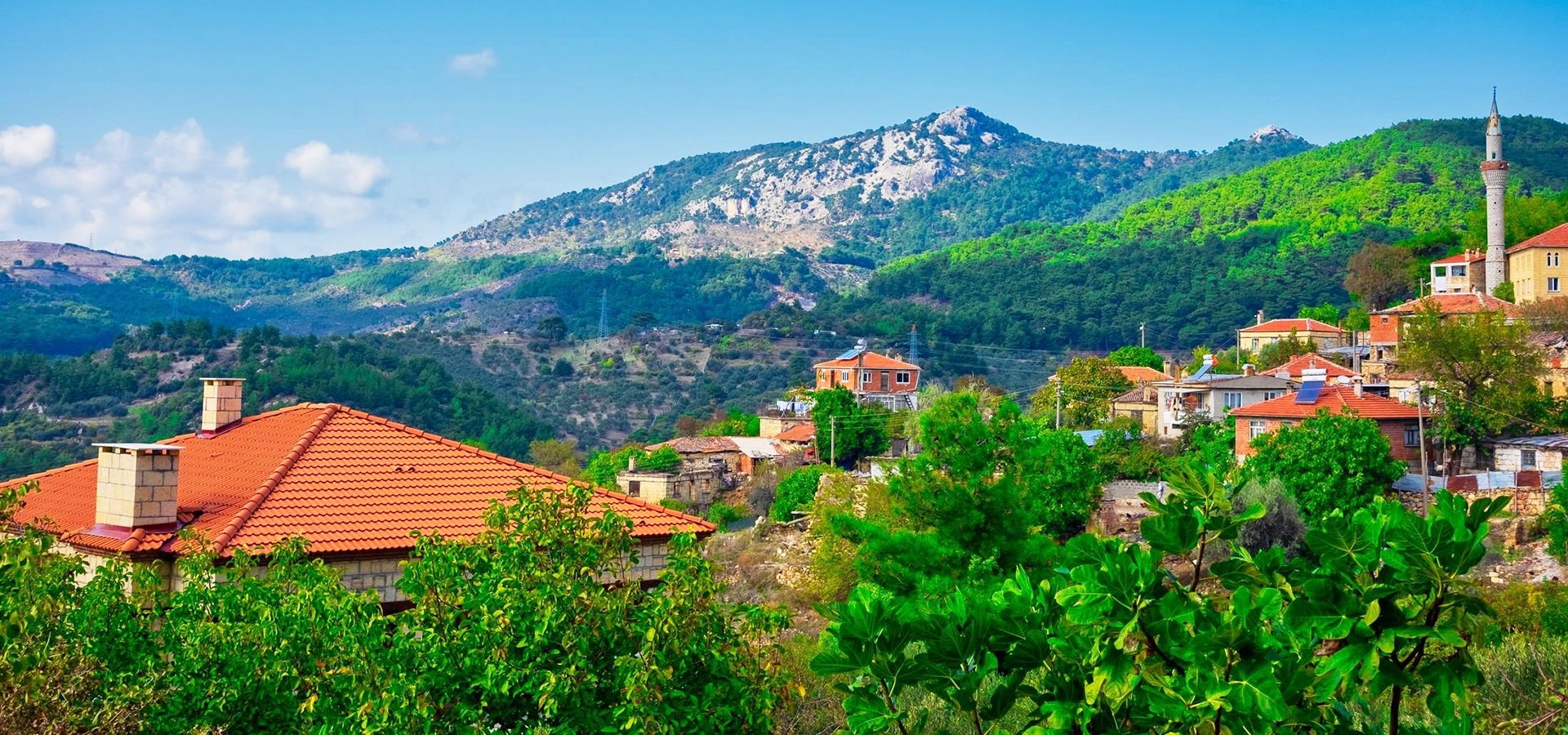
Continue from the cultural story of the Tahtacı Türkmen into the forests, valleys, mythology and biodiversity of the mountain itself.
View Kazdağı National Park Guide
Pair Tahtakuşlar' cultural heritage with one of Kazdağı's best-known forest, waterfall and legend landscapes.
View Sütüven & Hasanboğuldu Guide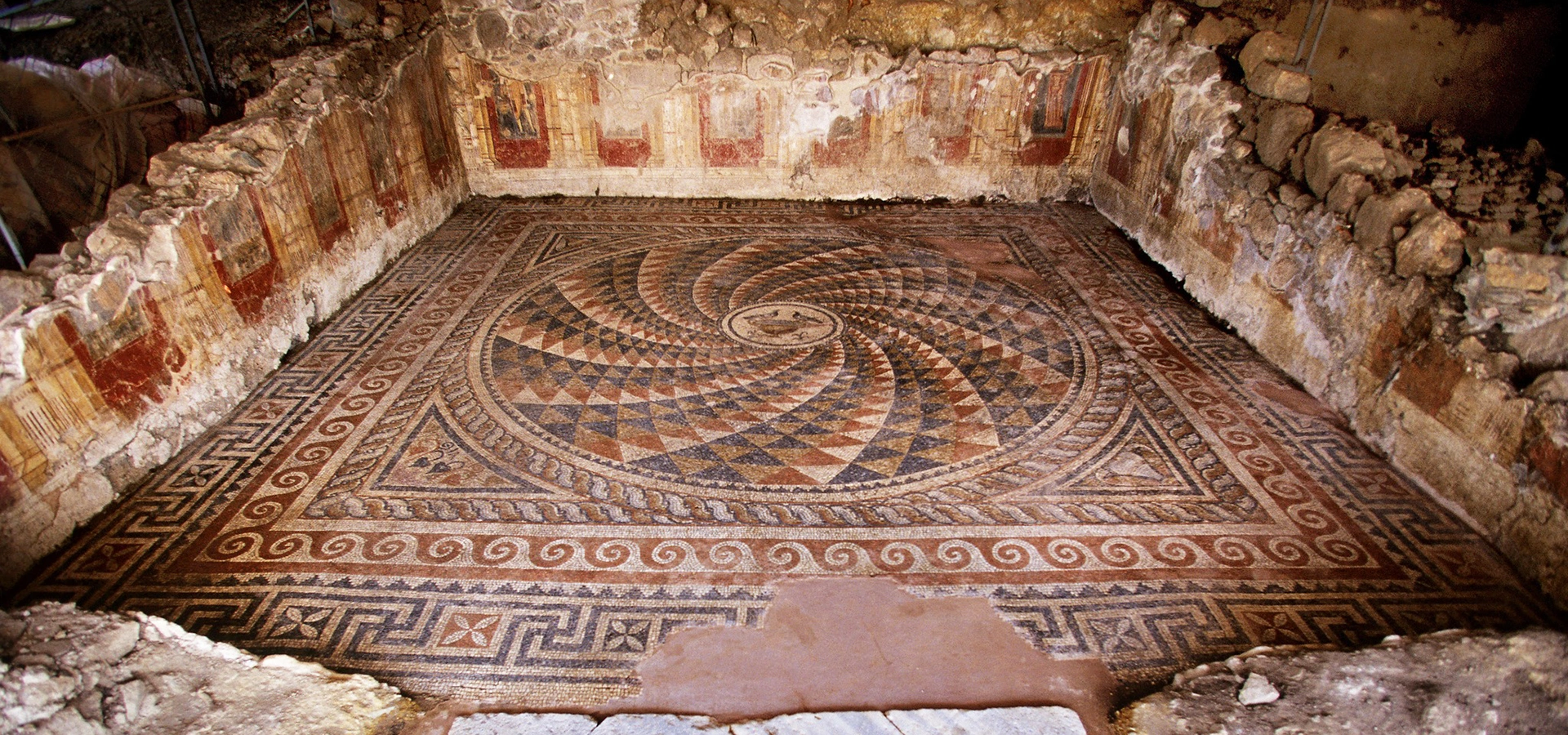
Move from the living cultural heritage of Kazdağı to Roman villas, mosaics and the archaeology of ancient Mount Ida.
View Antandros Guide