The meat comes first
The published provincial recipe uses beef and salt, not a mixture of breadcrumbs, onions, garlic and numerous spices.






Sivas Köftesi is a thin, broad charcoal-grilled meatball associated with the city’s traditional köfte shops. Its defining preparation is seasoned beef and salt, careful resting and grinding, and quick grilling over embers.
The published provincial recipe uses beef and salt, not a mixture of breadcrumbs, onions, garlic and numerous spices
Resting and grinding twice are described in the local preparation and affect the finished texture
The provincial description gives a diameter around 5–6 cm and a thickness around half a centimetre
A grate over glowing charcoal provides the browned exterior associated with Sivas köfte
Its place in Sivas cuisine and the defining preparation details.
Sivas province, Türkiye
Regional food
Cut and salt the beef, then keep it properly refrigerated during its initial rest.
Registered: Sivas Köftesi (no. 140)
Sivas Köftesi belongs to the city’s çarşı, or market-place, food culture. Rather than being a meatball made richly aromatic with onion, garlic or a long list of spices, its identity depends on the quality and handling of the meat. The provincial Culture and Tourism Directorate describes it as a distinctive speciality sold by Sivas grill shops.
The locally documented method salts chopped beef in advance, allows the meat to rest, grinds it, and rests it again before a second grinding. This extended handling develops an even mixture before cooks shape relatively flat rounds. The official recipe is more restrained than a generic Turkish köfte mixture: meat and salt are its essential ingredients.
Sivas Köftesi acquired a protected geographical-indication registration, number 140. That protection concerns the recognised local product and its defining characteristics; it is not evidence that every grilled meatball sold in Sivas meets the registered specification.
The published provincial recipe uses beef and salt, not a mixture of breadcrumbs, onions, garlic and numerous spices.
Resting and grinding twice are described in the local preparation and affect the finished texture.
The provincial description gives a diameter around 5–6 cm and a thickness around half a centimetre.
A grate over glowing charcoal provides the browned exterior associated with Sivas köfte.
Pide, roasted pepper and tomato are classic accompaniments.
The official TÜRKPATENT registration uses the product name Sivas Köftesi. This status belongs to the defined local product and production specification, not to every vaguely similar dish.
Sivas Köftesi
140
Mahreç işareti
31 January 2011
Read the official TÜRKPATENT record for the detailed specification and current register.
These are ingredients documented in the local culinary sources or used in the explained traditional method. Amounts are included only where the available source specifies them; household quantities vary.
Beef, preferably suitable finely trimmed cuts for mincing
Salt; local Sivas salt is noted in traditional descriptions
Embers or a charcoal grill for cooking
Tomatoes, long green peppers and pide or bread for serving
In the documented two-grinding process, the meat is salted before its first grinding and kept cold again before the second pass. This creates a uniform mixture without relying on binders such as eggs or crumbs. The method is a handling tradition rather than a recommendation to age meat without refrigeration.
Traditional Sivas Köftesi is broad and fairly thin. The griller therefore relies on hot embers and close attention rather than a long slow roast. A platter of thick round meatballs with garlic and herbs may be delicious, but it is not the same local preparation.
Home cooks can approximate the technique with a suitable charcoal grill; the fully registered method may have stricter production details.
Tonus Köftesi is a bulgur-based filled preparation from Altınyayla, not a grilled beef patty.
Eat Sivas Köftesi hot, while the surface remains lightly charred and the interior moist. It is typically plated with warmed bread, a grilled green pepper and tomato. Ask for “Sivas köftesi” rather than assuming every köfte plate follows the local method.
A typical order brings grilled patties directly from the grate with soft pide and charred vegetables. The simplicity places the focus on meat quality, charcoal fragrance and quick service; it explains why the style became a recognisable Sivas çarşı speciality.
Keep the meat cold during preparation and follow established food-safety procedures; the traditional resting stage does not mean keeping raw meat at room temperature.
The shape and simple seasoning distinguish this dish from many onion- and herb-rich köfte styles.
Ask local restaurants, bakers or specialist food shops for Sivas Köftesi. Availability depends on the dish and preparation schedule; slow-cooked, preserved and festival foods are not necessarily offered every day. For historical context and other Sivas places, browse our Sivas food and craft guide.
The classic registered-style preparation is associated with meat and salt; onion is not a defining ingredient.
Sivas Köftesi is flat and grilled, while Tonus Köftesi uses bulgur and a filling and is cooked differently.
With bread or pide and often grilled pepper and tomato.
Yes, Sivas Köftesi is a registered regional speciality, registration number 140.
The Sivas Provincial Directorate of Culture and Tourism publishes a documented introduction to Sivas Köftesi or the relevant Sivas culinary tradition, linked in the sources below.
This guide draws on the provincial Culture and Tourism Directorate’s culinary documentation and, where the product is registered, TÜRKPATENT’s official geographical-indication register. Historical traditions are identified as local culinary accounts, not dated archaeological proofs.
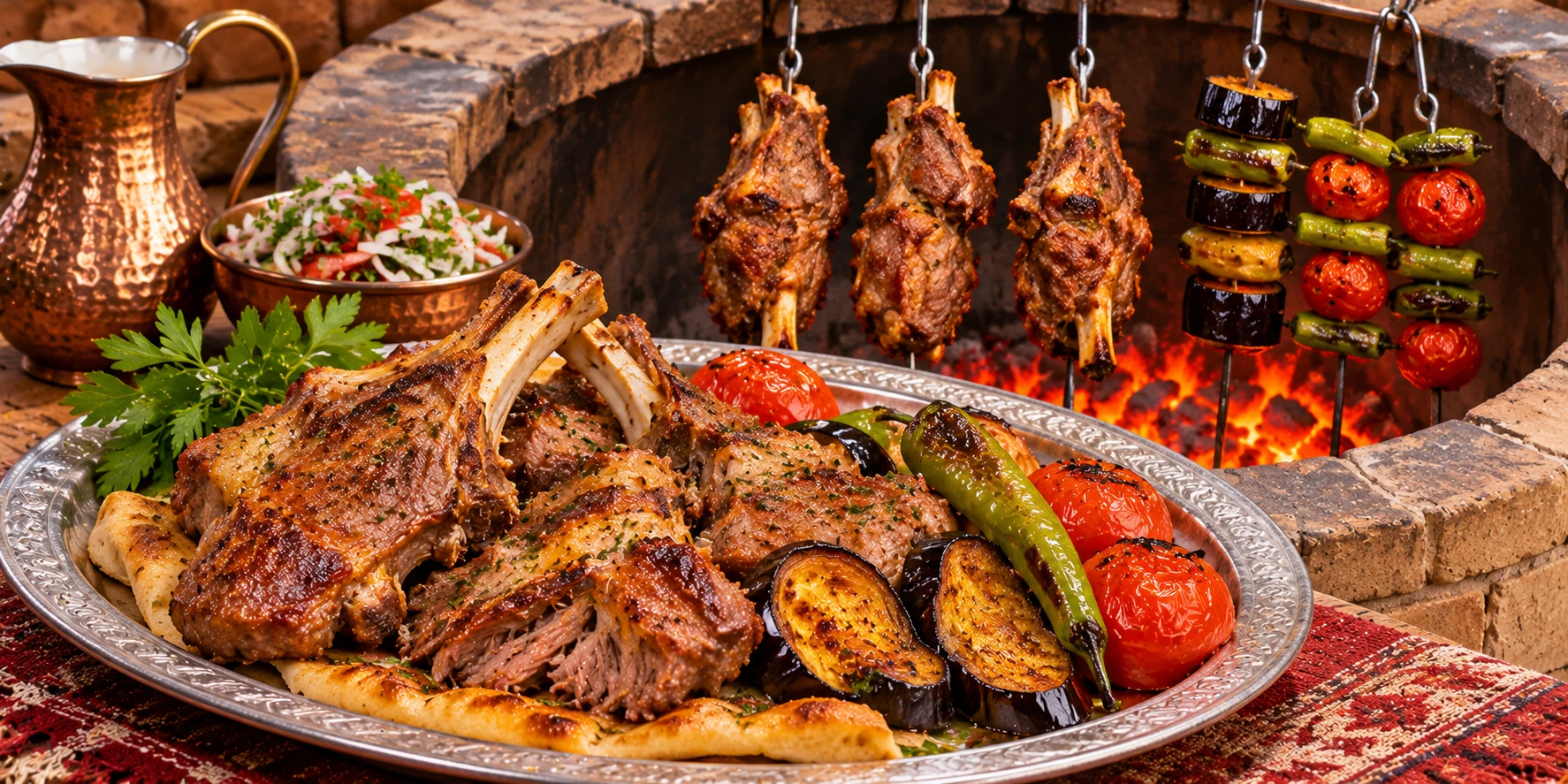
Sebzeli Sivas Kebabı combines bone-in lamb, aubergine, tomatoes and long peppers cooked on separate vertical skewers above an open wood-fired hearth. It is an especially seasonal Sivas shop dish.
Read Food Guide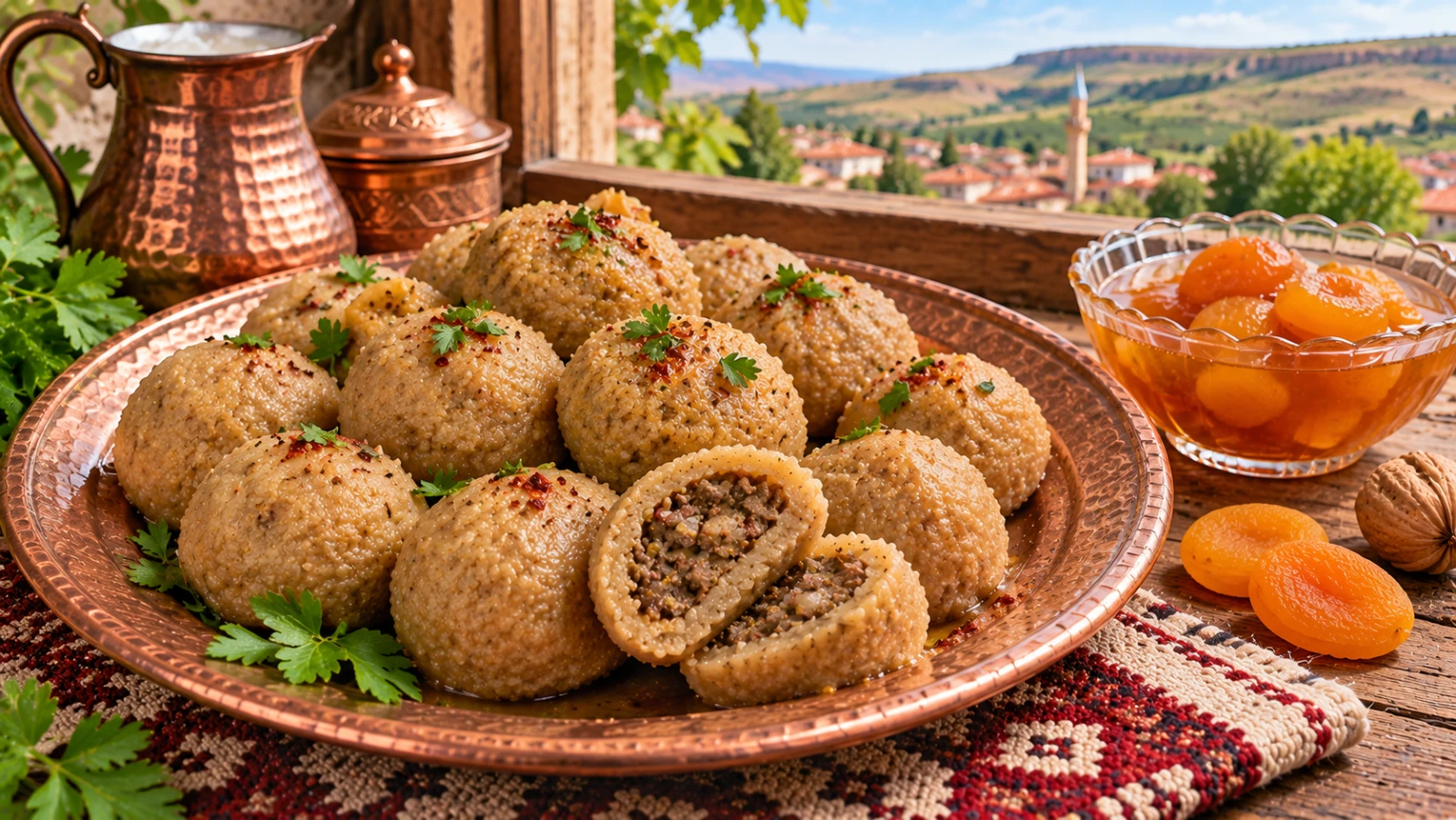
Tonus Köftesi is an Altınyayla speciality built around a bulgur dough and a separately prepared savoury filling. It is distinct from Sivas’s flat grilled beef köfte.
Read Food Guide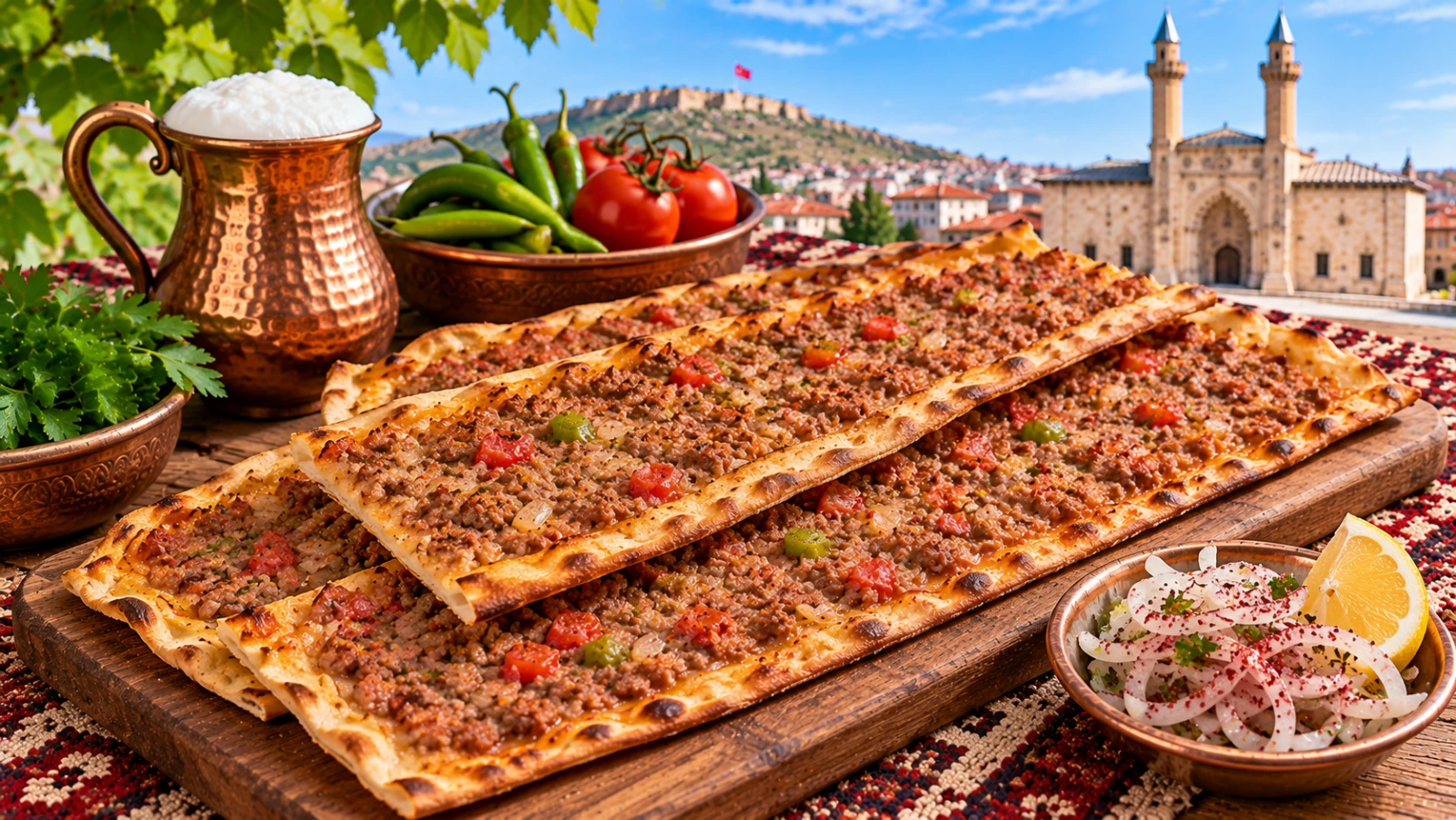
Sivas Etli Ekmek is a regional oven-baked meat-topped dough dish. It should be considered alongside, but not automatically equated with, the geographically indicated Ulaş Etli Pidesi of Sivas province.
Read Food Guide