Bulgur exterior
Its outer layer is based on worked bulgur, not simply shaped minced beef.






Tonus Köftesi is an Altınyayla speciality built around a bulgur dough and a separately prepared savoury filling. It is distinct from Sivas’s flat grilled beef köfte.
Its outer layer is based on worked bulgur, not simply shaped minced beef
The registered interior contains ground böbrek yağı seasoned with pepper and salt, not a separate mince-and-onion mixture
The registered method specifies bulgur made from Zeron wheat grown in the geographical area
The product’s geographical indication identifies the Altınyayla area
Its place in Sivas cuisine and the defining preparation details.
Sivas province, Türkiye
Regional food
Wash and knead the ground kidney fat with pepper and salt, then refrigerate for about an hour.
Registered: Tonus Köftesi (no. 1400)
The dish takes its name from Tonus, a historical name associated with the Altınyayla area. In contrast to the central-city grilled köfte, this preparation belongs to the broad family of bulgur-based stuffed or shaped dishes made by hand.
The regional practice requires a workable exterior mixture based on fine bulgur and careful shaping. The filling is prepared before the parcels are formed; the cook must keep the outer layer cohesive enough to hold its contents during cooking.
Tonus Köftesi received geographical-indication registration number 1400 on 4 July 2023, with Altınyayla Municipality as the registration holder. The product’s regional identity and protected name should not be confused with any ordinary meatball called köfte.
Its outer layer is based on worked bulgur, not simply shaped minced beef.
The registered interior contains ground böbrek yağı seasoned with pepper and salt, not a separate mince-and-onion mixture.
The registered method specifies bulgur made from Zeron wheat grown in the geographical area.
The product’s geographical indication identifies the Altınyayla area.
Despite the word köfte, these are different dishes.
The official TÜRKPATENT registration uses the product name Tonus Köftesi. This status belongs to the defined local product and production specification, not to every vaguely similar dish.
Tonus Köftesi
1400
Mahreç işareti
04 July 2023
Read the official TÜRKPATENT record for the detailed specification and current register.
These are ingredients documented in the local culinary sources or used in the explained traditional method. Amounts are included only where the available source specifies them; household quantities vary.
1 kg bulgur made from local Zeron wheat for the registered 12-serving batch
1 kg lean minced beef from the back for the outer mixture
150 g grated onion and 400 ml water
40 g bread wheat flour and 2 eggs
Salt, red pepper flakes, black pepper and ground red pepper in the exterior
500 g ground kidney fat for the filling
Salt, black pepper and red pepper flakes for seasoning the kidney fat
4 litres water and salt for boiling
The registered shell uses Zeron bulgur, lean beef from the animal’s back, grated onion, egg, flour and spices. Inside is a small portion of seasoned ground kidney fat. It would be incorrect to describe the filling as ordinary fried minced beef.
Once filled and fully sealed, the balls are gently boiled in salted water for roughly 10–15 minutes. Their small 3–4 cm size keeps the shape manageable. The kidney-fat filling must remain sealed inside the cooked bulgur-meat exterior.
Quantities and preferred spices may differ outside the registered method.
The geographical-indication specification describes hot service in copper dishes, usually with apricot compote.
That city dish is a simple flat beef-and-salt patty grilled over embers.
Ask specifically for Tonus Köftesi in the Altınyayla context. In the registered form it is presented hot in copper dishes, often alongside apricot compote. The exterior contains beef, egg and wheat bulgur; the filling contains kidney fat, so it is neither vegetarian nor gluten-free.
The geographical-indication certificate calls for hot service in copper vessels, traditionally with apricot compote. These distinctive details connect Tonus Köftesi to Altınyayla’s invited-guest table rather than to a conventional grilled köfte shop.
This guide gives an explanatory household method, not an assertion that every proportion listed is the binding registered specification.
Shape the bulgur shell evenly and seal it securely before cooking.
Ask local restaurants, bakers or specialist food shops for Tonus Köftesi. Availability depends on the dish and preparation schedule; slow-cooked, preserved and festival foods are not necessarily offered every day. For historical context and other Sivas places, browse our Sivas food and craft guide.
It is a bulgur-based filled dish, unlike charcoal-grilled Sivas Köftesi.
Altınyayla in Sivas province.
Yes, under geographical-indication number 1400.
Yes, the exterior contains bulgur and wheat flour.
The registered filling is ground kidney fat with salt, black pepper and red pepper flakes.
The Sivas Provincial Directorate of Culture and Tourism publishes a documented introduction to Tonus Köftesi or the relevant Sivas culinary tradition, linked in the sources below.
This guide draws on the provincial Culture and Tourism Directorate’s culinary documentation and, where the product is registered, TÜRKPATENT’s official geographical-indication register. Historical traditions are identified as local culinary accounts, not dated archaeological proofs.
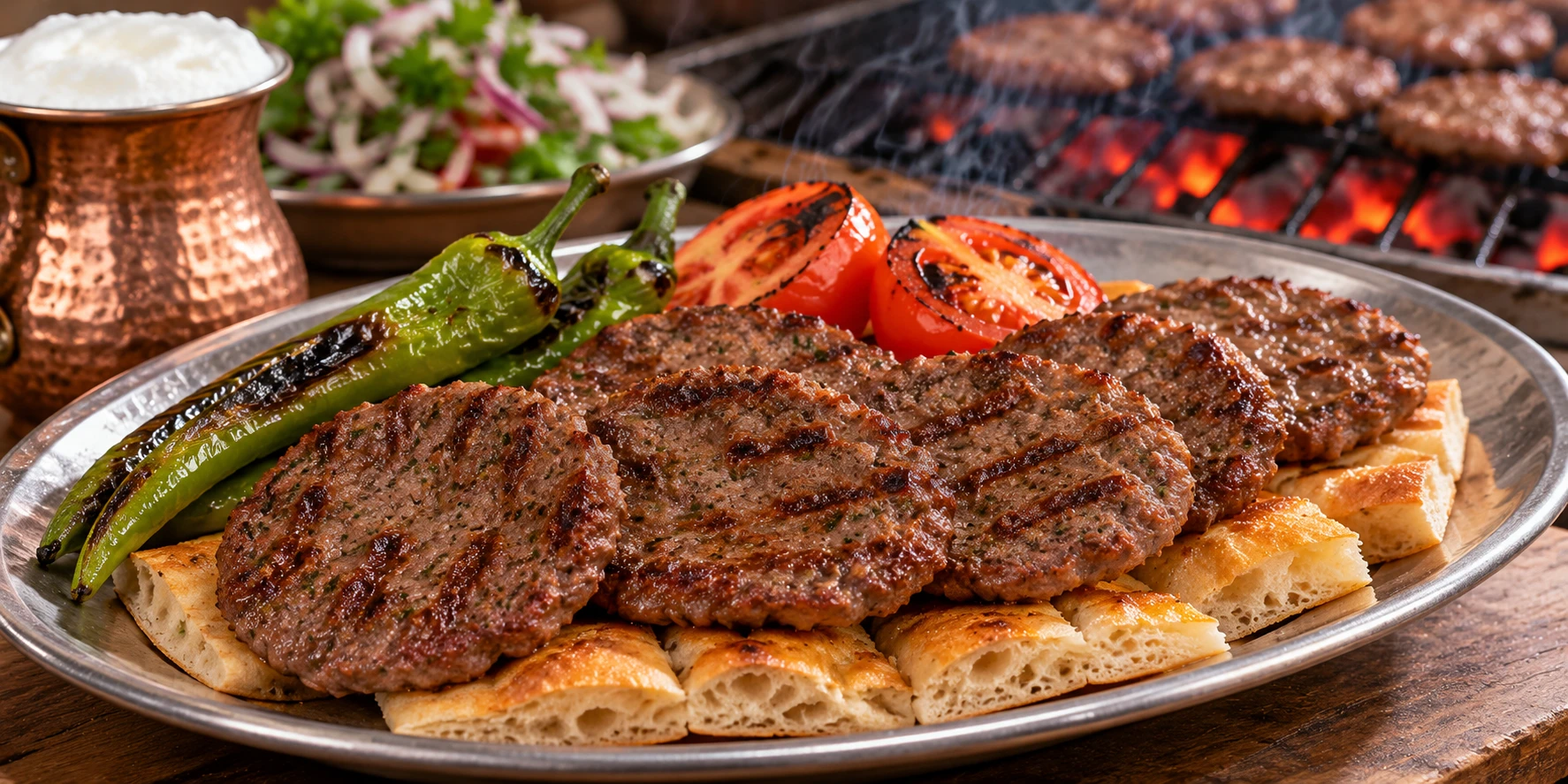
Sivas Köftesi is a thin, broad charcoal-grilled meatball associated with the city’s traditional köfte shops. Its defining preparation is seasoned beef and salt, careful resting and grinding, and quick grilling over embers.
Read Food Guide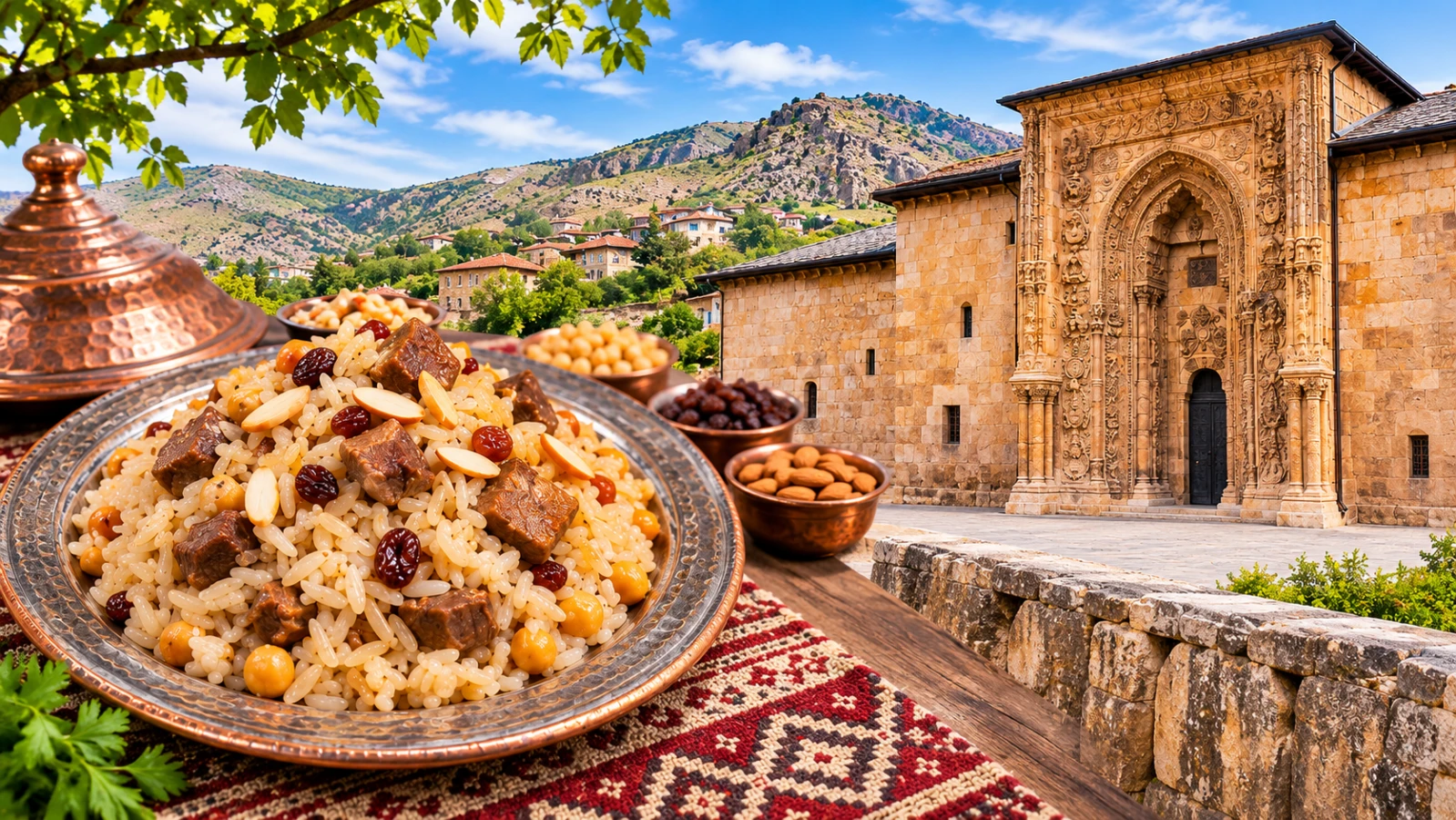
Divriği Pilavı, also called Alatlı Pilavı, is a layered rice dish associated with celebrations in Divriği. Cooked meat, chickpeas, dried grapes and carefully measured warm spices transform pilaf into an occasion dish.
Read Food Guide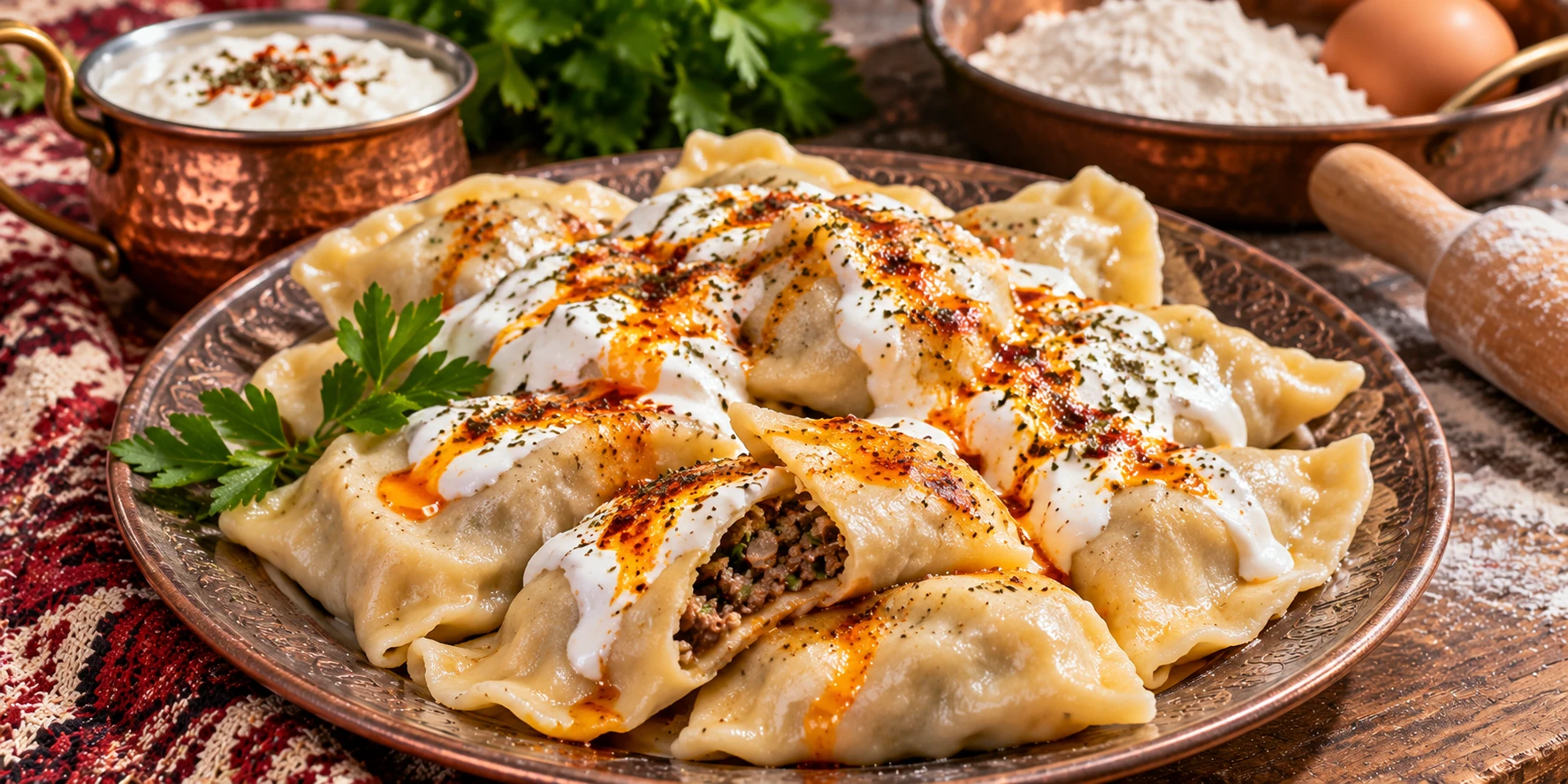
Hıngel is a handmade dumpling with a thin wheat dough folded around seasoned potato or minced meat. Its Sivas version is boiled and commonly served with buttery sauce and, depending on the filling, garlic yoghurt.
Read Food Guide