Private Taraklı Heritage & Nature Experience
Ask us about a tailor-made journey combining the Seven-Century Plane Tree, historic Taraklı, Ottoman architecture, local culture and selected Sakarya nature stops.
Request a Custom Tour





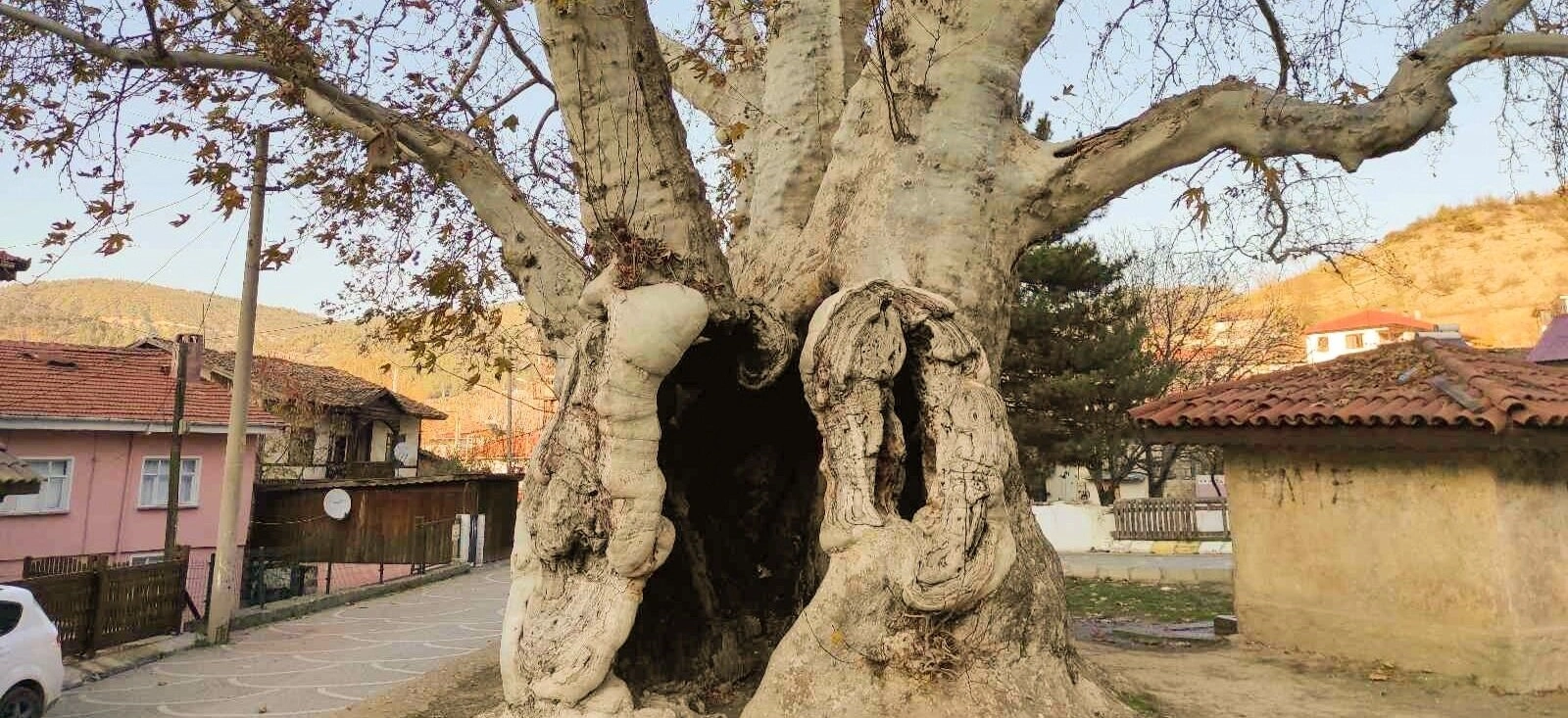
The Seven-Century Plane Tree, known locally as the 7 Asırlık Çınar Ağacı or Yedi Asırlık Çınar, is one of the best-known natural and historical landmarks of Taraklı in Sakarya Province. It stands in Yusuf Bey Mahallesi, close to Taraklı's historic center and traditional Ottoman-era urban fabric.
Although its popular name describes it as approximately seven centuries old, the tree is valued not simply for age. It is a registered monumental tree, a living natural monument whose enormous trunk, broad crown and long survival have made it one of the symbols of Taraklı.
Local tradition connects the plane tree with an old Ottoman custom: planting plane trees in newly incorporated settlements. Taraklı Municipality and the Sakarya Provincial Directorate of Culture and Tourism both repeat this association when describing the site. The tradition is an important part of the tree's local meaning, even though an exact planting year is not established by the visitor sources.
The tree is physically impressive. Published heritage descriptions give its trunk circumference as approximately 11 metres, and traditionally note that around eleven people holding hands would be needed to surround it. A large hollow inside the trunk adds to its dramatic appearance and reveals the extraordinary scale of the old tree.
The plane tree has also survived serious threats. It has faced major fire danger on more than one occasion, including a documented incident in 2008, yet it survived and remains standing. Municipal authorities and conservation teams continue to carry out specialist care to protect the tree.
The setting adds another layer of history. Beside the tree stands an old Ottoman fountain whose inscription is associated with 1734, while the nearby Yusuf Bey Mosque contributes to the historic character of the neighborhood. Together, tree, fountain, mosque and traditional streets create one of Taraklı's most atmospheric heritage corners.
A visit is easy to combine with Historic Taraklı, Karagöl Plateau and other cultural and natural attractions across Sakarya.
The tree is traditionally known as Taraklı's Seven-Century Plane Tree and is one of the district's most recognizable landmarks.
Heritage descriptions give the trunk circumference as roughly 11 metres, with a large hollow inside the ancient trunk.
The tree stands in Yusuf Bey Mahallesi near an old fountain and other surviving elements of Taraklı's historic landscape.
The plane tree is registered for its monumental value and receives specialist conservation and maintenance work.
Essential information for visiting one of Taraklı's most famous natural and historical landmarks.
Yusuf Bey Mahallesi, Taraklı, Sakarya.
Open on Google MapsRegistered monumental plane tree and one of the symbols of Taraklı.
Known locally as the Seven-Century Plane Tree, indicating an age of roughly 700 years.
Approximately 11 metres according to published local heritage descriptions.
The tree has survived serious fire threats, including a documented incident in 2008.
Protected as a monumental natural asset and maintained through specialist conservation work.
The tree brings together natural history, local memory, Ottoman tradition and the remarkable survival of a living organism across many generations.
The Seven-Century Plane Tree is important because it is both a natural monument and a cultural landmark. Unlike a stone monument, the tree has remained alive while the settlement around it has changed from one generation to another. Its survival gives Taraklı a direct physical connection with its long historical landscape.
The tree's local identity is closely connected with Ottoman memory. Municipal and provincial tourism sources describe the Ottoman tradition of planting plane trees in newly incorporated settlements and present the Taraklı tree as a continuation of that custom. For local people, the tree therefore represents more than botanical age: it symbolizes continuity, settlement and community memory.
Its enormous trunk also makes it visually exceptional. A circumference of roughly 11 metres places the scale of the tree far beyond an ordinary urban tree. The hollow interior, weathered bark and massive limbs make its age visible in a way that visitors can immediately understand.
The tree has endured threats including fire, weather and the physical stresses of extreme age. Its survival after dangerous fires has become part of the story told about it, while conservation work demonstrates the ongoing effort required to preserve an ancient living organism.
The historical environment around the tree strengthens its significance. The nearby 1734 fountain, Yusuf Bey Mosque and traditional Taraklı streets place the tree inside a wider cultural landscape rather than isolating it as a single attraction.
For travelers exploring Taraklı, the plane tree is one of the clearest examples of how nature and history overlap in the district.
The tree is popularly known as the Seven-Century Plane Tree, a name that places its traditional age at roughly 700 years. This would connect its long life with the centuries in which Taraklı developed under Ottoman rule.
Local official sources do not present a scientifically exact planting year. Instead, they emphasize a traditional historical association: the Ottoman practice of planting plane trees in settlements brought under Ottoman control. The Taraklı tree is remembered locally within this tradition.
Over the centuries, the plane tree became a landmark for Yusuf Bey Mahallesi and eventually one of the visual symbols of Taraklı itself. Its huge trunk and broad canopy made it a natural meeting point and a memorable feature within the historic settlement.
The tree has not survived without danger. Published descriptions record that it faced several serious fire threats and specifically mention a major incident in 2008. Despite the damage risk, the tree survived.
Its protection today depends on active conservation. Taraklı Municipality has worked with specialist teams from the national authorities responsible for natural assets, and special maintenance was carried out again in 2024.
The result is a landmark whose history is still continuing. The plane tree is not simply a remnant of the past; it is a living organism requiring continuous care so that future generations can experience it.
The popular name reflects an age of approximately 700 years rather than a precise documented planting date.
Local tradition connects the tree with the Ottoman custom of planting plane trees in newly incorporated settlements.
The tree stands in one of Taraklı's historic neighborhoods close to the old town.
The tree survived serious fire danger, including a documented incident in 2008.
The plane tree is recognized and protected for its exceptional monumental natural value.
Specialist maintenance continues to support the health and structural safety of the ancient tree.
The landmark is officially promoted and locally known as the 7 Asırlık Çınar Ağacı, literally the "Seven-Century Plane Tree." This traditional name indicates an age of around 700 years.
Visitors should understand the age as a heritage attribution rather than an exact modern scientific dating result. The official tourism descriptions focus on the tree's traditional age and symbolic role, not on dendrochronological testing or a precisely documented planting year.
The age is often interpreted alongside a local historical narrative that Ottoman communities planted plane trees as symbols of permanence and settlement. Taraklı's tree is remembered as part of this tradition.
The plane tree itself supports the impression of very great age: its trunk is massive, deeply weathered and hollowed, while the broad surviving structure reflects centuries of growth, damage and recovery.
For visitors, the safest interpretation is therefore simple: the tree is traditionally regarded as roughly seven centuries old and is protected today as an exceptional monumental natural asset.
The Turkish name means “seven-century” and is the established local name of the landmark.
The traditional designation suggests roughly 700 years of age.
Official visitor sources do not provide a scientifically verified year in which the tree was planted.
The immense trunk, hollow interior and weathered structure visually communicate the tree's extraordinary age.
The tree is locally associated with an Ottoman tradition of planting plane trees in newly incorporated settlements.
Its importance is recognized through monumental-tree protection and specialist maintenance.
The most immediate impression is scale. Published heritage descriptions give the tree a trunk circumference of approximately 11 metres. That enormous girth explains why the plane tree feels more like a small natural monument than an ordinary roadside tree.
A popular local comparison says that around eleven people holding hands would be needed to form a circle around the trunk. The comparison is memorable, but visitors should avoid climbing on, leaning heavily against or physically encircling the tree if protective barriers or conservation guidance are in place.
One of the most striking features is the large hollow within the trunk. Ancient trees frequently develop cavities as interior wood decays while living tissue continues to survive around the outer structure. The hollow is therefore part of the tree's age story rather than simply a defect.
The crown and large limbs reveal another side of monumental-tree management. As trees become extremely old, arboricultural work may be required to balance the preservation of living growth with public safety and structural stability.
The best way to appreciate the tree is to walk around it slowly, looking at changes in bark, openings in the trunk, the direction of the limbs and the relationship between the tree and the surrounding historic neighborhood.
The published trunk circumference is one of the most remarkable measurements associated with the tree.
Local descriptions say around eleven people holding hands would be needed to surround the trunk.
A dramatic cavity inside the trunk is one of the landmark's most distinctive visual features.
Weathered surfaces record decades of growth, damage, repair and natural change.
The canopy gives the site shade and creates a strong sense of scale above the historic neighborhood.
Enjoy the tree visually and follow any barriers or instructions designed to protect vulnerable roots and trunk surfaces.
Plane trees have a powerful place in the cultural landscape of Ottoman towns and villages. Their long lifespan, broad shade and impressive scale made them natural gathering points beside mosques, fountains, markets, roads and public squares.
In Taraklı, official local descriptions specifically connect the Seven-Century Plane Tree with the idea that the Ottoman state planted plane trees in settlements brought under its rule. The tree has therefore become part of a larger story about the establishment and continuity of Ottoman settlement.
It is important to distinguish tradition from precise documentation. The local narrative gives the tree cultural meaning, but it does not establish an exact planting date or prove a specific planting ceremony.
What is certain is the tree's role in Taraklı today. It has become a symbol of the district, appearing in tourism descriptions and forming part of the standard route through the historic town.
Standing under the canopy offers a simple way to understand why old plane trees became so important in Anatolian settlements: they provide shade, visual identity and a sense of permanence that can outlive generations of buildings and residents.
Plane trees can live for centuries, making them powerful symbols of continuity.
Large canopies historically created natural social spaces in towns and villages.
Taraklı's official descriptions connect the tree with an Ottoman planting tradition.
The ancient tree is now recognized as one of the defining landmarks of Taraklı.
The Ottoman association should be understood as local historical memory rather than a precisely dated planting record.
Unlike a stone monument, the tree continues to grow, age and require specialist care.
The long survival of an ancient tree is never guaranteed. Old trees are vulnerable to fire, storms, decay, soil compaction, root disturbance, pests and structural stress. The Taraklı plane tree has experienced several of these pressures during its long life.
Published heritage descriptions record that the tree has faced serious fire danger on several occasions. One specifically documented incident occurred in 2008. Despite the threat, the tree survived without the catastrophic loss that might have ended its centuries-long life.
The large trunk hollow is one reason fire is especially dangerous. Cavities can allow heat to move into internal wood, where damage may be difficult to detect and extinguish. For this reason, open flames and smoking around monumental trees are particularly irresponsible.
Conservation today involves specialist work rather than ordinary garden maintenance. Taraklı Municipality reported in 2024 that special care was carried out in coordination with teams from the national authority responsible for the protection of natural assets.
Visitors contribute to conservation through simple behavior: do not light fires, do not climb into the hollow, do not carve the bark, avoid damaging roots and respect any barriers established around the tree.
The ancient tree survived a documented major fire danger in 2008.
The large cavity makes preventing fire and physical damage especially important.
Ancient trees require professional assessment and carefully planned care.
Taraklı Municipality reported coordinated special maintenance of the tree in 2024.
Avoid compaction and unnecessary pressure around the base of the tree.
Never light fires or create sparks near the trunk, hollow or surrounding dry vegetation.
The Seven-Century Plane Tree is not the only historic feature at the site. Beside it stands an old Ottoman fountain that adds another layer of built heritage to the landscape.
Published historical documentation identifies the fountain through its inscription as dating to 1734. Its presence beside the tree reflects a traditional settlement pattern in which water sources, shade and community spaces were closely connected.
The fountain was originally built in cut stone. A later repair in 1952 used cement-based plaster, which covered or altered some of the original stone character.
Even with later interventions, the fountain helps visitors understand that the tree has long stood within a used and inhabited neighborhood, rather than in an isolated natural setting.
When photographing the site, try framing the tree and fountain together. The contrast between living wood and built stone is one of the clearest visual expressions of Taraklı's intertwined natural and cultural heritage.
The inscription is associated with the date 1734.
The fountain belongs to the historic built environment surrounding the ancient tree.
Historical descriptions identify cut stone as the original construction material.
A later repair used cement plaster, changing the visibility of some original stone surfaces.
The pairing reflects the practical importance of shade and water in traditional neighborhood life.
Include both tree and fountain to tell the site's fuller historical story.
The plane tree stands in Yusuf Bey Mahallesi, a short distance from the historic center of Taraklı. Published descriptions place the site at roughly one kilometre from the district center.
The setting is important because the tree forms part of a larger historic neighborhood landscape. Visitors are not arriving at a fenced botanical specimen in a park; they are entering a living residential area where heritage survives beside everyday life.
Near the tree is Yusuf Bey Mosque, a building described in historical research as reflecting 18th-century characteristics, including an internal wooden dome and an exterior hipped roof.
The nearby fountain, mosque, cemetery and old neighborhood routes show how closely religion, water, burial, shade and settlement were historically connected in Anatolian communities.
From here, it is easy to continue on foot or by a very short drive toward the old houses, traditional streets and monuments described in our Taraklı visitor guide.
The monumental tree stands in this historic neighborhood of Taraklı.
Published descriptions place the tree approximately one kilometre from Taraklı's center.
A nearby historic mosque contributes to the architectural character of the setting.
The 1734 fountain stands beside the tree and adds a built-heritage dimension.
Please keep noise low and respect residents while visiting and photographing the site.
The old town, Ottoman houses and traditional streets can be combined with the tree in one easy visit.
Walk around the base to appreciate the extraordinary circumference and changing texture of the ancient bark.
Observe the dramatic cavity without entering, climbing or touching vulnerable internal surfaces.
Step back and look upward to understand the relationship between the old trunk and surviving living branches.
Age, damage and recovery are visible in the changing surfaces of the monumental trunk.
Look for the historic fountain beside the tree and consider how shade and water shaped neighborhood life.
Notice the nearby mosque as part of the wider historical setting around the plane tree.
Continue toward Taraklı's traditional houses and streets rather than treating the tree as an isolated stop.
Green summer foliage, autumn color and winter branch structure each reveal a different side of the tree.
The experience is simple but memorable. You arrive in a quiet neighborhood and suddenly encounter a trunk so large that its scale is difficult to judge from photographs.
The best first impression comes from stepping back. Look at the whole tree before approaching the trunk, and notice how the canopy sits above the surrounding buildings, roads and historic features.
As you move closer, the character changes. The bark, cavities and weathered surfaces reveal that this is not a perfectly shaped ornamental tree but a very old living organism that has survived damage, decay and repair.
The nearby fountain and mosque turn the stop into more than a nature visit. Together they create a small heritage ensemble that can be explored slowly before continuing toward Taraklı's old center.
There are resting structures in the area, and official tourism information describes the site as accessible throughout the year by asphalt road. Even so, conditions can change, so visitors should respect any temporary conservation barriers or maintenance activity.
Most travelers need only a short stop, but anyone interested in old trees, Ottoman settlement history or photography will probably spend longer examining the details.
Enough for a quick look at the trunk, hollow and surrounding setting.
Recommended for most visitors who want photographs and time to see the fountain and nearby heritage.
Good for photographers, old-tree enthusiasts and visitors interested in the wider Yusuf Bey neighborhood.
Combine the tree with a relaxed walk through nearby historic streets and old houses.
Explore the plane tree together with the main architectural highlights of Taraklı.
Add Karagöl Plateau or other Sakarya countryside stops.
Official tourism information describes the site as visit-able throughout the year. Because access is by road and the tree stands within an inhabited neighborhood, it does not depend on seasonal opening periods in the way a remote mountain site might.
Spring is especially attractive when Taraklı's landscape becomes green and fresh foliage fills the plane tree canopy. Mild temperatures also make walking through the historic streets more comfortable.
Summer shows the plane tree at its fullest and best explains why such trees historically became valuable sources of shade. Visit earlier or later in the day for softer light and cooler conditions.
Autumn can be the most photogenic period as leaves change color and the ancient trunk contrasts with warmer seasonal tones.
Winter reveals the architecture of the tree itself. Without dense foliage, the branch structure, hollows and immense trunk can be easier to study and photograph.
For photography, morning and late afternoon usually provide more flattering light than strong midday sun. After rain or snow, use extra care around wet paving, roots and roadside surfaces.
Fresh foliage and comfortable walking temperatures make this one of the most pleasant seasons.
A full green canopy demonstrates the shade and scale of the monumental tree.
Seasonal leaf color can create especially atmospheric photographs.
Bare branches reveal the tree's structure and emphasize the age of the trunk.
Quieter conditions and softer light are useful for photography.
Warm directional light can highlight bark texture and the historic neighborhood setting.
The main photographic challenge is communicating scale. A close photograph of bark can make the tree look ordinary, while a wider composition with the fountain, nearby architecture or a person standing at a respectful distance makes the enormous trunk easier to understand.
Try a vertical composition from near the base to include the trunk and upper crown. A wide-angle lens can work well, but avoid extreme distortion if you want the proportions to remain believable.
The trunk hollow is another powerful subject. Photograph it from outside rather than stepping into the cavity. The contrast between dark interior space and pale outer bark can be especially effective in soft daylight.
Include the 1734 fountain in some frames to connect the natural monument with Taraklı's Ottoman built heritage. Wider images can also include Yusuf Bey Mosque or neighborhood streets.
Details are equally rewarding: weathered bark, old wounds, living shoots and changing leaf color all show how an ancient tree continues to grow despite centuries of stress.
Never sacrifice conservation for a photograph. Do not climb the tree, enter the hollow, hang objects from branches, carve bark or cross protective barriers.
Use surrounding architecture or a person at a respectful distance as a visual reference.
Capture trunk and crown together to emphasize height and age.
Photograph the cavity from outside without entering or touching vulnerable surfaces.
Combine natural and built heritage in a single composition.
Close views reveal weathering, scars and the complex surface of the ancient trunk.
Never climb, carve, hang props or cross barriers for a photograph.
The Seven-Century Plane Tree is located in Yusuf Bey Mahallesi, Taraklı, Sakarya. Official tourism information describes the site as reachable by asphalt road and suitable for visits throughout the year.
There is generally no entrance ticket for viewing the tree because it stands in an open neighborhood setting rather than inside a conventional museum or ticketed attraction. Local arrangements can always change, so follow any signs on site.
Simple resting structures or gazebos are available in the area according to provincial tourism information. The visit itself requires no special equipment, but comfortable walking shoes are useful if you plan to continue through Taraklı's sloping historic streets.
Because the site is a protected living monument, access immediately around the trunk may be controlled for maintenance or safety. Respect barriers and do not assume that a hollow or opening in the tree is intended for visitor entry.
The tree works best as part of a broader Taraklı itinerary. Allow time for the historic town, old houses, mosques, streets and local food rather than driving only to the tree and leaving immediately.
Official provincial tourism information states that access to the tree is by asphalt road, making the site easier to reach than remote waterfalls, canyons or mountain attractions.
The immediate visit is relatively compact and does not require a long hike. However, the historic Taraklı environment can include slopes, uneven paving, curbs and traditional street surfaces.
Conditions directly around the tree may change according to root protection, conservation barriers or maintenance work. Visitors who require fully step-free access should check current conditions locally before making a special journey.
If you are traveling with older visitors or young children, the short distance between vehicle access and the landmark makes the stop manageable, but supervision is important around roads and the ancient trunk.
Do not use vulnerable roots, exposed trunk surfaces or conservation structures as seats or supports. The easiest visitor experience is also the safest one for the tree: observe from stable public surfaces.
Official tourism information describes road access to the site as asphalt.
The landmark itself does not require a long walking route.
Nearby streets may include slopes, traditional paving and uneven surfaces.
Temporary restrictions may protect roots, trunk sections or maintenance areas.
Visitors with specific mobility needs should confirm current conditions locally.
Avoid stepping onto protected roots or using the tree itself for physical support.
The tree stands in Yusuf Bey Mahallesi in Taraklı, approximately one kilometre from the district center according to published heritage descriptions.
For drivers, search your navigation application for “Yedi Asırlık Çınar Ağacı, Taraklı” or “7 Asırlık Çınar Ağacı Taraklı”. The site is reached by local paved roads.
If you are already exploring historic Taraklı, the plane tree can be treated as a short extension of the old-town route rather than a separate excursion.
Parking conditions can vary. Use legal roadside or designated parking, avoid blocking neighborhood access and never park on exposed roots or directly against conservation barriers.
Public transport options to Taraklı depend on current regional services. Within the district, a taxi or local transfer can be useful for visitors who prefer not to walk uphill or between dispersed attractions.
Travelers arriving from other parts of Sakarya should plan the tree as part of a Taraklı-focused day, combining it with historic houses, Yunus Pasha Mosque, local streets and surrounding countryside.
Navigate to “Yedi Asırlık Çınar Ağacı, Taraklı” and follow local paved roads.
Published descriptions place the tree roughly one kilometre from the district center.
A practical choice for visitors who want to connect several Taraklı attractions with minimal walking.
Possible for many visitors from the historic center, but expect local slopes and changing pavement.
Park responsibly and keep residential access, roots and conservation zones clear.
Use the Turkish landmark name for the clearest map result.
Begin by viewing the tree from a little distance. This is the best way to understand its overall scale and relationship with Yusuf Bey Mahallesi.
Walk slowly around the public side of the trunk and look for changes in bark, old wounds, hollows and living branches. Do not enter cavities or cross any barriers.
Next, examine the historic fountain beside the tree. Its association with 1734 adds a clear Ottoman architectural reference to the natural monument.
Take a few minutes to notice Yusuf Bey Mosque and the neighborhood setting. The site is most meaningful when experienced as part of an old community landscape rather than as a single isolated tree.
Continue toward historic Taraklı for traditional Ottoman houses, narrow streets and the town's wider architectural heritage.
If you have a full day and suitable weather, extend the route to Karagöl Plateau for highland landscapes and a contrasting natural experience.
The plane tree is best combined with Taraklı's traditional urban heritage and surrounding nature. See our complete Sakarya visitor guide for more destinations across the province.
Explore Ottoman-era houses, traditional streets, local architecture and the relaxed character of one of Sakarya's most distinctive historic towns.
Continue from Taraklı's built heritage to green highland scenery, seasonal landscapes and a quieter mountain atmosphere.
See Taraklı's important early 16th-century Ottoman mosque, also widely known as Kurşunlu Mosque.
Walk among traditional houses and streets that preserve the district's characteristic Ottoman urban texture.
Add surviving Ottoman commercial and social architecture in the old center to understand Taraklı beyond its houses.
Discover lakes, forests, wetlands, waterfalls, historic towns, mosques, museums, bridges and Black Sea beaches across the province.
It is located in Yusuf Bey Mahallesi in Taraklı, Sakarya.
No. The well-known 7 Asırlık Çınar Ağacı is in Taraklı, another district of Sakarya Province.
It is traditionally known as the Seven-Century Plane Tree, suggesting an age of roughly 700 years.
The official visitor sources describe the traditional seven-century age but do not provide a precise dendrochronological planting date.
Local official descriptions connect it with an Ottoman tradition of planting plane trees in newly incorporated settlements.
Published heritage descriptions give the trunk circumference as approximately 11 metres.
Yes. A large hollow in the ancient trunk is one of the tree's most distinctive features.
You should not enter or climb into the hollow. Ancient internal wood is vulnerable, and conservation or safety barriers should always be respected.
Yes. Historical descriptions note several serious fire threats, including a documented incident in 2008.
Yes. It is recognized as a registered monumental tree and receives specialist care.
Yes. Despite its age, hollow trunk and past threats, it remains a living monumental tree.
Taraklı Municipality reported special conservation work carried out with natural-assets protection teams in 2024.
Yes. A nearby Ottoman fountain is associated through its inscription with the year 1734.
Historical descriptions note that a 1952 repair used cement plaster, covering or changing some of the original cut-stone character.
Yes. Yusuf Bey Mosque stands nearby and forms part of the historic neighborhood setting.
Published heritage descriptions place it at approximately one kilometre from the district center.
There is generally no ticketed entrance because the tree stands in an open neighborhood setting.
Yes. Provincial tourism information describes the site as accessible throughout the year, subject to local conditions and conservation work.
Search for “Yedi Asırlık Çınar Ağacı, Taraklı” in your navigation app. Official tourism information states that access is by asphalt road.
About 20–30 minutes is enough for most visitors, longer if you are photographing the tree or exploring the neighborhood.
The site is attractive year-round. Spring and autumn are especially pleasant, while summer shows the tree's full shade canopy.
Yes. Photograph the tree respectfully without climbing, entering the hollow, hanging objects from branches or crossing protection barriers.
Combine the tree with historic Taraklı, its Ottoman houses, Yunus Pasha Mosque, traditional streets and nearby countryside.
Yes. Karagöl Plateau works well as a nature extension to a full-day Taraklı itinerary.
Never light fires, burn candles or create sparks near the trunk, hollow, roots or surrounding vegetation.
Ancient limbs and trunk surfaces can be fragile even when they appear solid.
Entering the cavity can damage internal wood and may also create a safety risk.
Never carve names, scratch surfaces, remove bark or attach objects to the tree.
Avoid unnecessary pressure around the base and never park vehicles on exposed root areas.
Conservation fencing and temporary restrictions are there to protect both visitors and the tree.
Take litter with you and leave the historic neighborhood exactly as you found it.
Yusuf Bey is a living neighborhood, so keep noise low and avoid blocking homes or local roads.
Combine the Seven-Century Plane Tree, historic Taraklı, Ottoman architecture, traditional streets, local culture and Sakarya's natural landscapes through a private itinerary designed around your interests.
Mix monumental living heritage, Ottoman streets, traditional houses and surrounding countryside in a flexible private day.
Ask us about a tailor-made journey combining the Seven-Century Plane Tree, historic Taraklı, Ottoman architecture, local culture and selected Sakarya nature stops.
Request a Custom Tour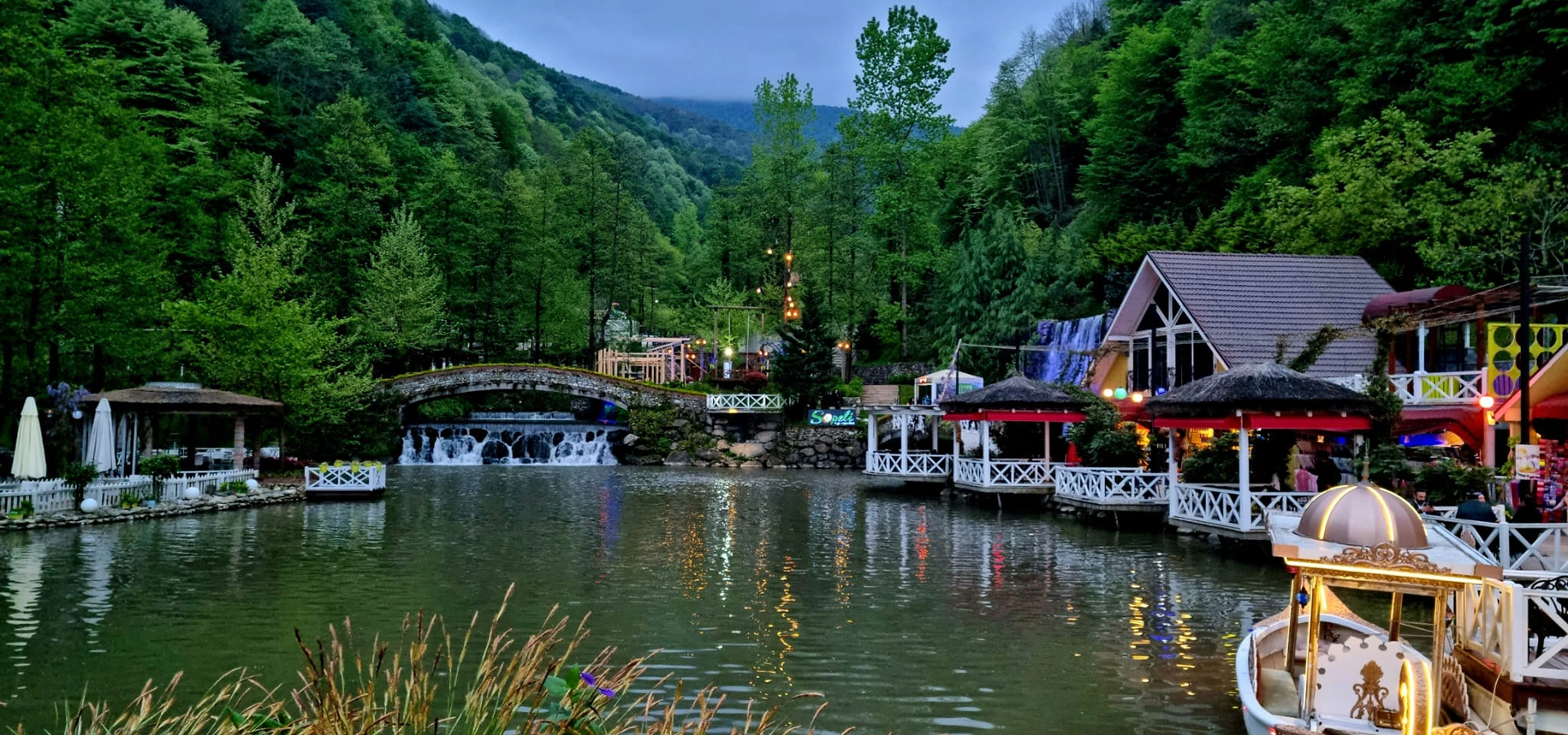
Discover lakes, forests, wetlands, waterfalls, historic towns, Ottoman monuments, museums, bridges and Black Sea beaches throughout Sakarya Province.
View Sakarya GuideConnect the ancient plane tree with Taraklı's historic townscape, highland scenery and the wider cultural landscapes of Sakarya.
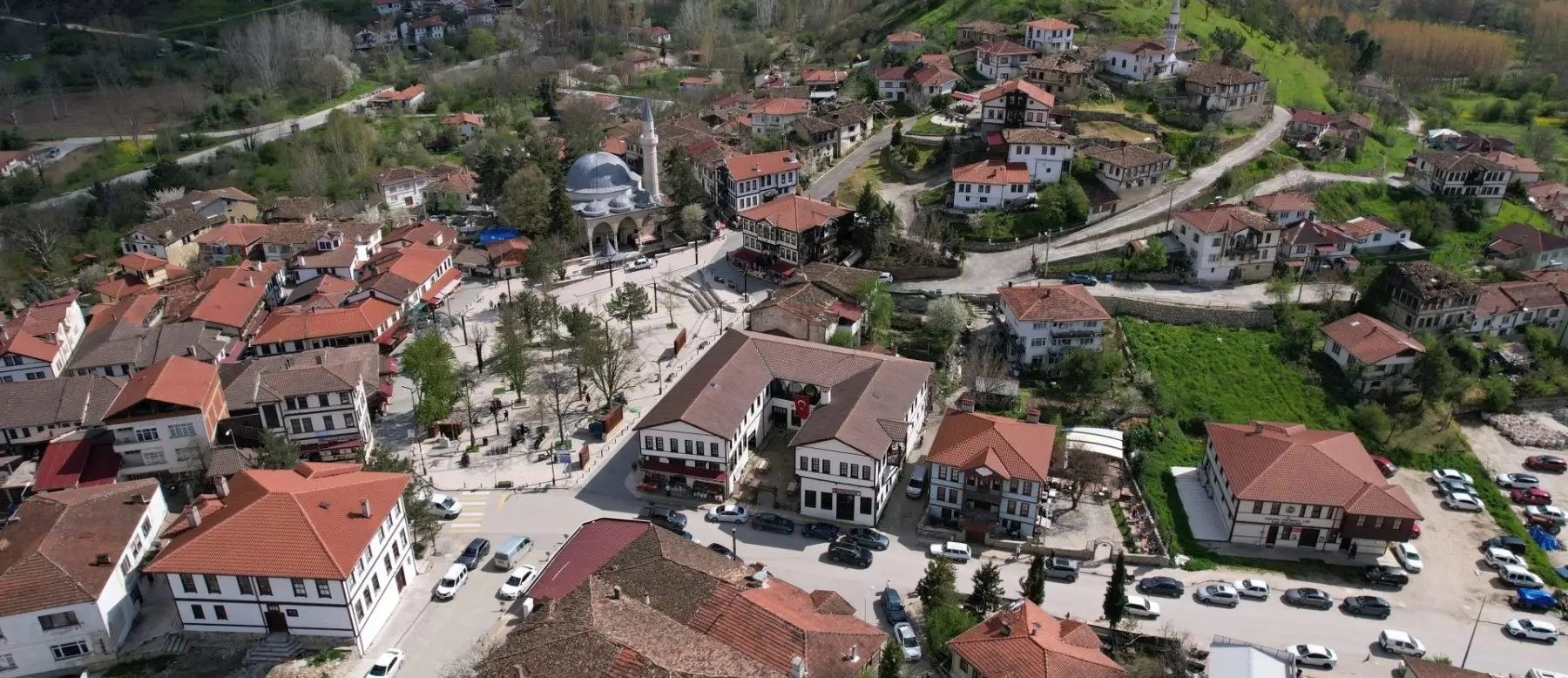
Explore one of Sakarya's most atmospheric historic towns, with traditional Ottoman houses, old streets, mosques and local culture.
Explore Taraklı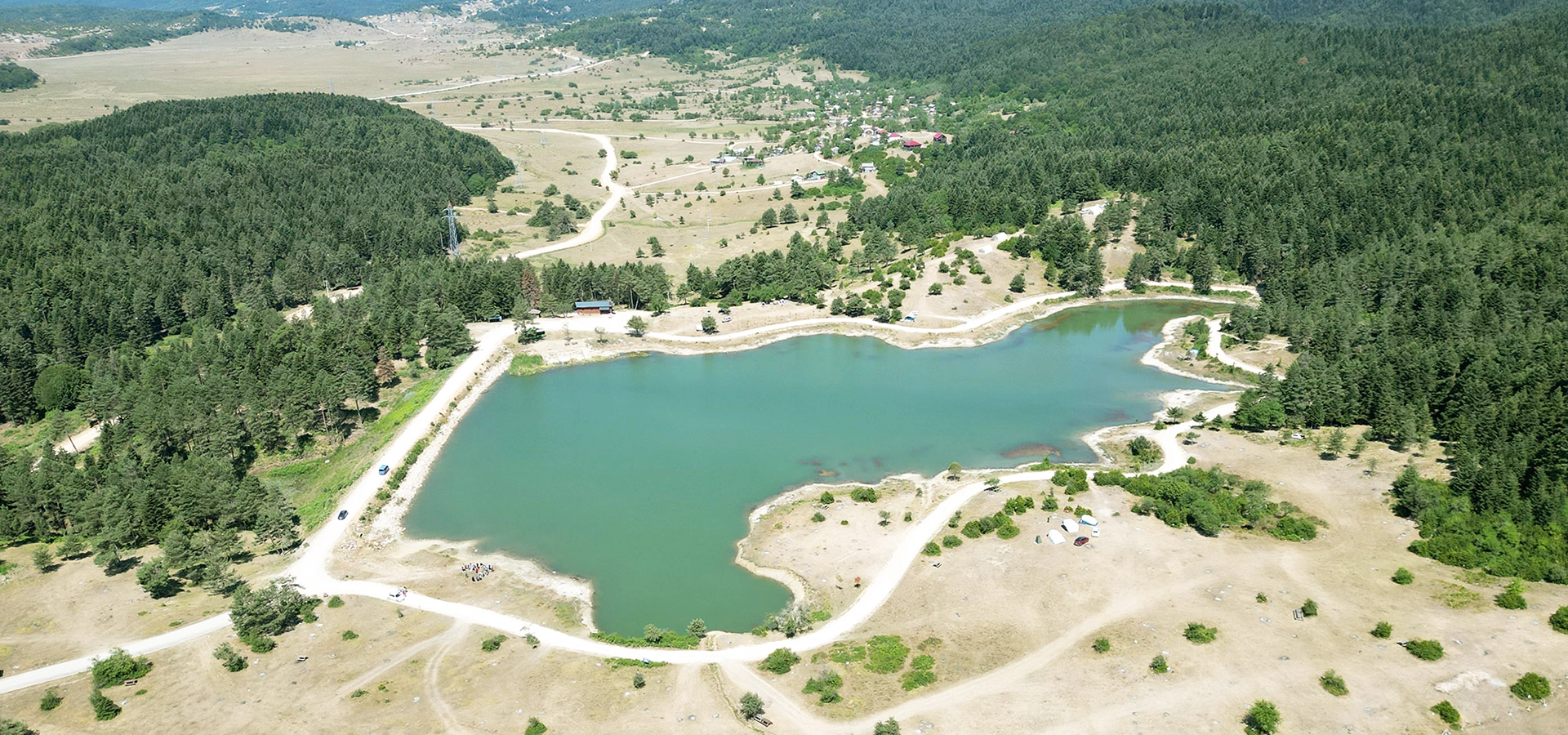
Extend your Taraklı day into the surrounding highlands for green landscapes, fresh air and a contrasting nature experience.
Explore Karagöl Plateau
Continue across the province for lakes, forests, wetlands, museums, Ottoman monuments, waterfalls and the Black Sea coast.
Discover More of Sakarya