Plan a Private Heritage Experience
Tell us your dates, interests and group size. We can suggest a realistic route and check local arrangements.
Request a Private Programme





Saittai, also written Sidas, lies in the southern part of Demirci district, near İcikler village. The Manisa provincial culture directorate places the ancient settlement about five kilometres from the village.
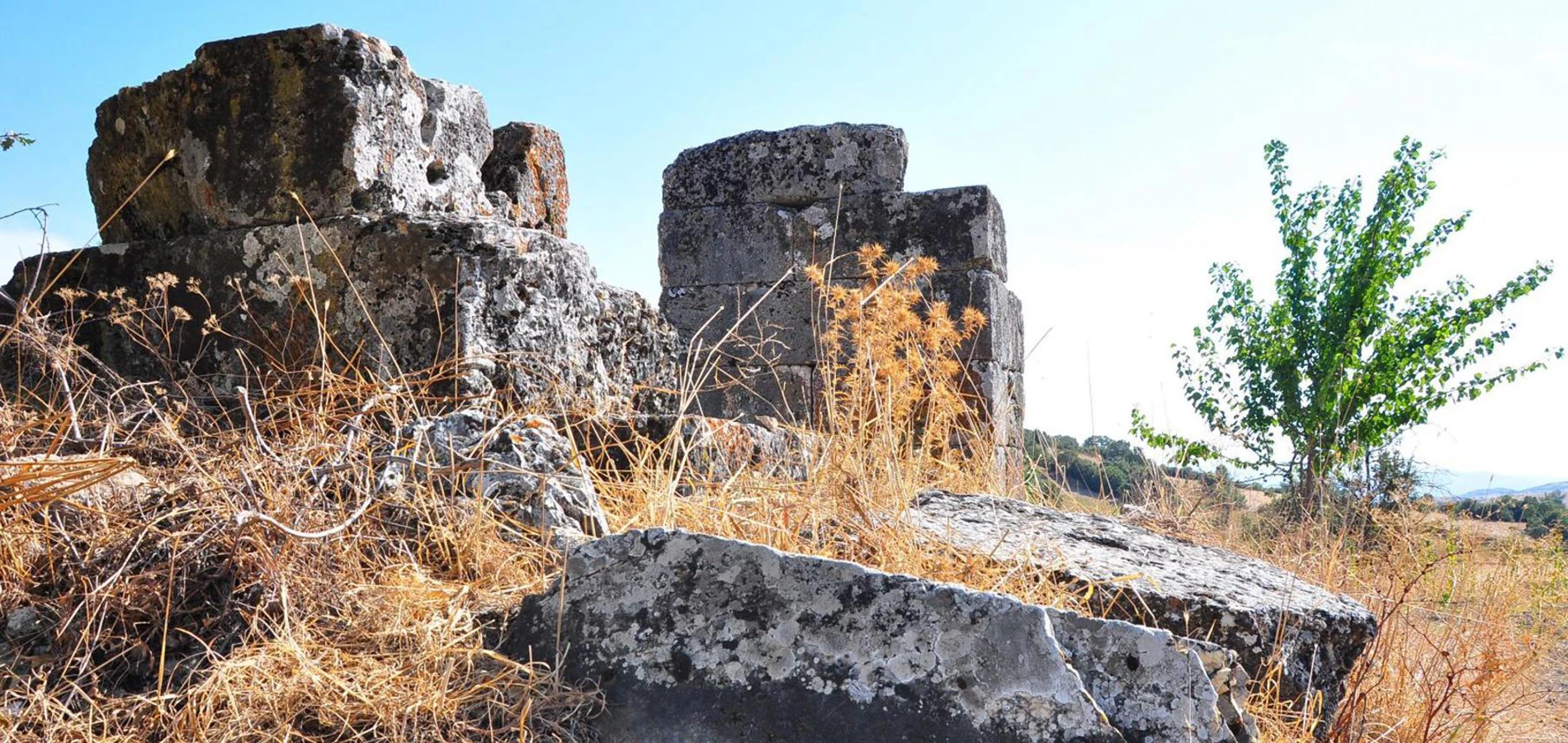
Unlike major excavated destinations, Saittai has not been presented as a fully developed archaeological park. Official descriptions emphasise visible architectural fragments and indications of important Roman-period building activity.
This makes it a specialist stop. Visitors should approach with curiosity and restraint, recognising that surface remains are not an invitation to dig, move stones or enter private agricultural land.
Look for recognisable worked stone from a respectful distance. The pattern and location of pieces matter more than any single photogenic fragment.
The position in the Demirci uplands helps frame questions about roads, agriculture, water and connections with neighbouring communities.
Official descriptions point to Roman-era development, but they do not provide a full excavated plan of the ancient town.
The absence of systematic excavation is part of the site’s story. Avoid confident reconstructions unsupported by published evidence.
A concise orientation for a meaningful visit.
Near İcikler, Demirci, Manisa
Little-excavated ancient settlement
Roman-period remains visible at surface
History, material and setting
Flexible; plan access in advance
Confirm visitor access and current arrangements
Saittai demonstrates the many ancient communities that existed beyond famous capitals such as Sardis. The archaeological map of western Anatolia is much richer than the handful of monumental sites on standard itineraries.
Its value lies in the opportunity to read a rural archaeological landscape and understand how limited the evidence may be when systematic excavation has not taken place.
The provincial authority locates the settlement south of Demirci, within the İcikler area. It notes numerous architectural pieces visible on the surface despite the absence of excavation.
The fragments suggest a settlement that experienced substantial building activity during the Roman period. The currently accessible evidence does not justify an invented list of temples, theatres or public buildings.
The region’s later history belongs to the wider upland landscape of Manisa, but a precise sequence of occupation at every part of Saittai cannot be asserted without further archaeological study.
Demirci’s upland geography differs from the broad Gediz plain. Travel here offers a useful comparison with urban archaeological sites near Salihli and Akhisar.
Look for recognisable worked stone from a respectful distance. The pattern and location of pieces matter more than any single photogenic fragment.
The position in the Demirci uplands helps frame questions about roads, agriculture, water and connections with neighbouring communities.
Official descriptions point to Roman-era development, but they do not provide a full excavated plan of the ancient town.
The absence of systematic excavation is part of the site’s story. Avoid confident reconstructions unsupported by published evidence.
Because the site is little developed, it is best included in a research-oriented route with a knowledgeable local guide and confirmed access rather than as a casual roadside detour.
An ancient place-name, a surface fragment and an excavated building are three different kinds of evidence. Keep those distinctions clear while exploring Saittai.
Record observations through photographs from permitted paths, but do not collect pottery, coins, stone fragments or other material.
Observe this element from an authorised viewing area.
Compare visible evidence with published interpretation.
Ask what can be securely dated or identified.
Respect any barriers protecting this part of the site.
Do not assume ticketing, signage, toilets, shade or a staffed entrance. Ask local authorities about permitted access and whether private land is involved.
Carry water, use sturdy footwear and avoid the site after heavy rain or during agricultural work if access would interfere with residents.
Official reference: Provincial culture directorate – Saittai.
Start with a local orientation in Demirci and confirm the correct route towards İcikler. Allow flexible time for narrow roads and safe parking.
If access cannot be confirmed, substitute a town-based cultural visit rather than attempting to find an unmarked route across fields.
Spring and autumn are generally more comfortable for open countryside. Rain can make rural approaches slippery; summer exposure can be severe.
Photograph the wider setting as well as details, but respect worshippers, residents, barriers and fragile surfaces. Ask before taking portraits.
There is no reason to assume a prepared accessible path at this little-excavated site. Ask about terrain before travelling.
The provincial culture directorate places Saittai south of Demirci near İcikler village, approximately five kilometres from the village. A reliable local approach should be confirmed before departure.
Explore the full guide for this nearby Manisa destination and plan travel time according to your route.
Explore the full guide for this nearby Manisa destination and plan travel time according to your route.
Explore the full guide for this nearby Manisa destination and plan travel time according to your route.
Explore the full guide for this nearby Manisa destination and plan travel time according to your route.
In Demirci district of Manisa, near İcikler village; the provincial culture directorate places it about five kilometres from the village.
No. The provincial description states that the site has not yet been excavated.
Visible architectural material suggests substantial activity during the Roman period.
Do not assume a staffed archaeological park, ticket office or marked visitor route.
No. Archaeological material should remain undisturbed and protected.
Local guidance and prior access confirmation are strongly advisable because the site is dispersed and little developed.
Ask before photographing people, respect working spaces and follow local directions.
Support reputable local businesses and check claims about provenance.
Do not remove archaeological material or enter restricted sites.
Dispose of litter responsibly and avoid disturbing the environment.
Explore Manisa with a tailor-made route, thoughtful pacing and no compulsory shopping stops. Availability and site access are confirmed before booking.
Combine local culture, history and food at a comfortable pace.
Tell us your dates, interests and group size. We can suggest a realistic route and check local arrangements.
Request a Private Programme
Discover the province’s other cultural, archaeological and culinary highlights.
Read the Manisa Guide