``` Ortaköy Istanbul – Bosphorus Neighborhood Visitor Guide | Wow Cappadocia ```
Bosphorus Waterfront, Ortaköy Mosque, Multicultural Heritage, Kumpir, Cafés & Local Life

Ortaköy Istanbul – Complete Neighborhood & Visitor Guide

Explore one of Istanbul's most photogenic Bosphorus neighborhoods, where a famous Ottoman mosque, churches, a historic synagogue, Ottoman architecture, waterfront cafés and lively street-food culture meet beneath the July 15 Martyrs Bridge.

Explore Ortaköy

Ortaköy – Istanbul's Famous Bosphorus Village

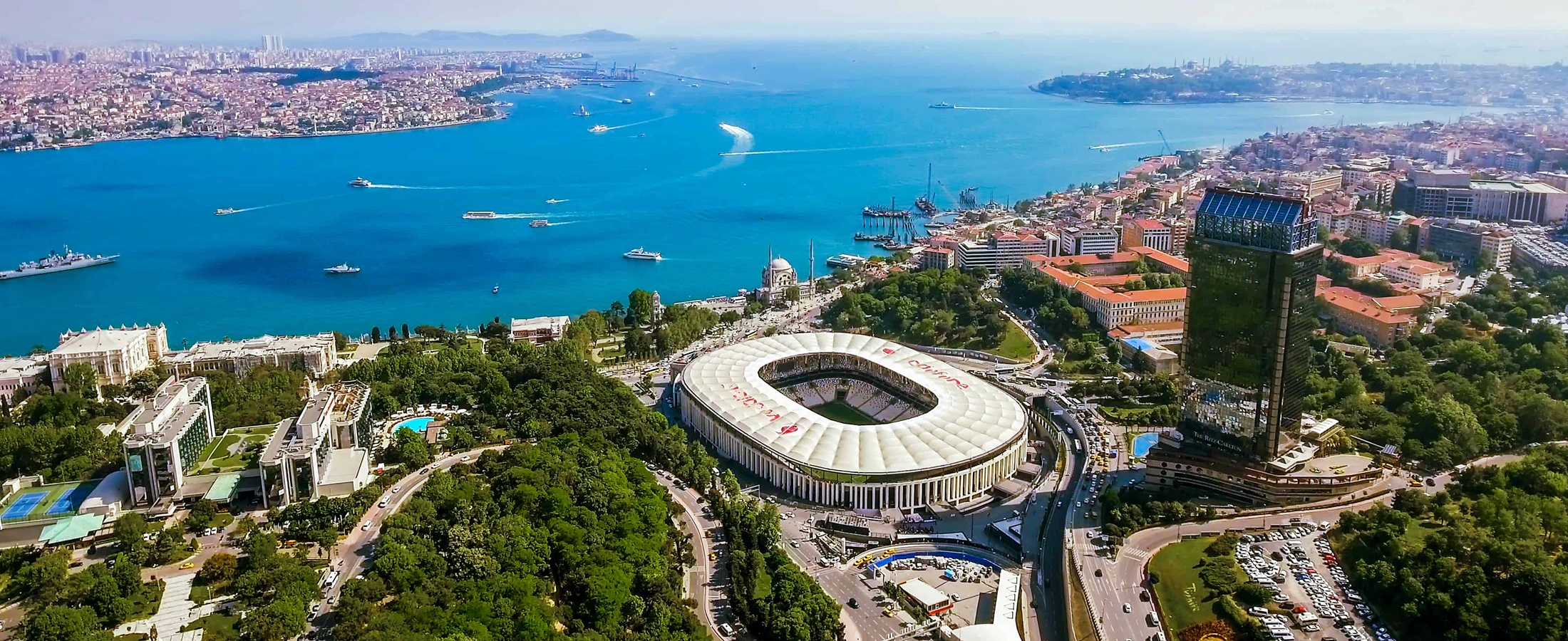
On the European shore of the Bosphorus, north of Beşiktaş and immediately beneath one of Istanbul's great suspension bridges, lies Ortaköy, one of the city's most recognizable waterfront neighborhoods.

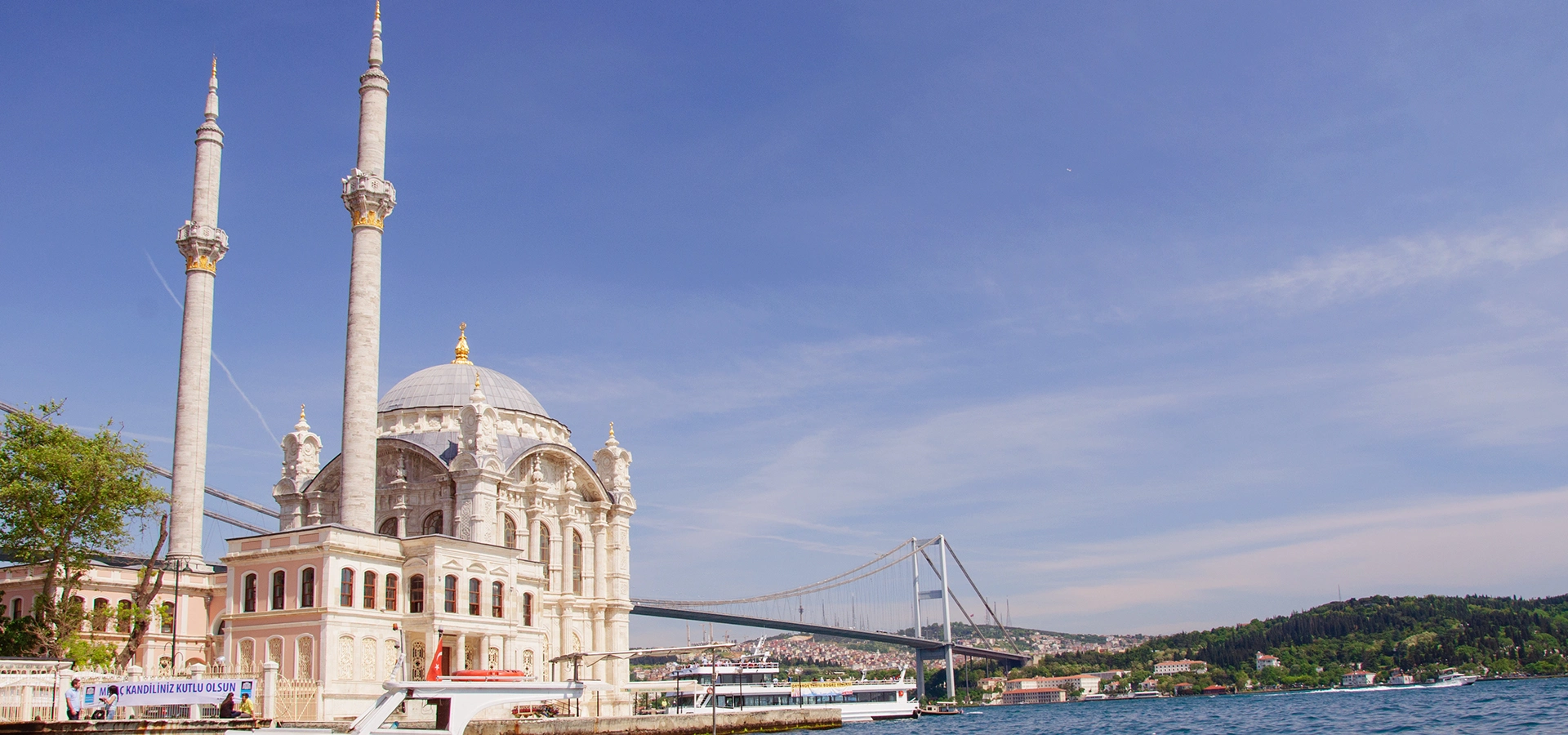
For many visitors, the first image of Ortaköy is the extraordinary silhouette of Ortaköy Mosque, officially Büyük Mecidiye Camii, standing almost directly on the water with the July 15 Martyrs Bridge rising behind it. Yet Ortaköy is much more than a single monument.

The neighborhood has long been associated with a multicultural Bosphorus identity. Mosques, churches, a historic synagogue, an Ottoman bath, fountains, palatial buildings and old neighborhood streets reflect the communities that lived beside one another here through different periods of Istanbul's history.

Modern Ortaköy has a completely different energy as well. The waterfront square fills with cafés, street-food stalls, small shops, craft sellers, photographers, students and evening crowds. The district is especially famous for kumpir, the generously filled baked potatoes sold from the food stands near the square.

Ortaköy therefore works equally well as a historic stop, Bosphorus viewpoint, food break, photography location or relaxed neighborhood visit. You can pass through in an hour, but two or three hours gives the district enough time to reveal its character.

Bosphorus Icon

Ortaköy Square opens directly onto the Bosphorus beneath the July 15 Martyrs Bridge.

Multicultural Heritage

Mosques, churches and the historic Etz Ahayim Synagogue reflect Ortaköy's diverse past.

Street-Food Culture

Ortaköy is one of Istanbul's best-known places for kumpir, waffles and casual waterfront snacks.

Easy Bosphorus Stop

Combine Ortaköy naturally with Beşiktaş, Çırağan, Yıldız, Arnavutköy and Bebek.

Know Before You Go

Ortaköy Istanbul – Quick Facts

Essential information about Ortaköy's Bosphorus location, historic character, main sights, food culture, transport and the easiest ways to include the neighborhood in an Istanbul itinerary.

📍

Location

European side of Istanbul, on the Bosphorus in the Beşiktaş district.

Open on Google Maps
🌊

Best Known For

Ortaköy Mosque, Bosphorus views, the bridge, waterfront atmosphere, cafés and street food.

🕌

Main Landmark

Büyük Mecidiye Camii, universally known as Ortaköy Mosque.

Heritage

Ottoman Muslim, Greek Orthodox and Jewish heritage survive within a compact neighborhood.

🥔

Local Food

Ortaköy is especially famous for kumpir, waffles, cafés and casual waterfront eating.

🎟️

Neighborhood Entry

Free. Individual religious or cultural sites have their own access arrangements.

⏱️

Recommended Visit

Allow 2–3 hours for the neighborhood, longer when combined with Beşiktaş or the wider Bosphorus.

📷

Best Photo

Ortaköy Mosque framed with the Bosphorus and July 15 Martyrs Bridge.


Bosphorus Geography, Imperial Istanbul, Multicultural Heritage and Modern Neighborhood Life

Why Visit Ortaköy?

Ortaköy brings together several different faces of Istanbul within a remarkably small area: historic monuments, religious diversity, Bosphorus scenery, street culture and contemporary city life.

The first reason to visit is the setting. Ortaköy sits directly on the Bosphorus, where the water, Asian shore, passing boats and enormous suspension bridge create a cityscape that feels unmistakably Istanbul.

The second reason is architectural history. The neighborhood contains the famous 19th-century Büyük Mecidiye Camii, a historic Mimar Sinan bath, old fountains, religious buildings and the surviving memory of palaces and waterfront residences.

The third reason is multicultural heritage. Ortaköy's historical identity developed through Muslim, Greek Orthodox, Jewish and other communities living within the same Bosphorus settlement. That history remains visible through religious architecture and the district's urban memory.

The fourth reason is everyday life. Unlike a monument visited and left behind, Ortaköy is a neighborhood where people come to eat, meet friends, drink tea, photograph the waterfront, shop and spend the evening beside the Bosphorus.

Finally, Ortaköy is extremely useful when planning a wider route. For visitors following our guide to places to visit in Istanbul, it forms a natural bridge between Beşiktaş, Çırağan, Yıldız and the Bosphorus neighborhoods farther north.

History of Ortaköy Istanbul

Ortaköy's history is much older than the famous mosque that now defines its skyline. The sheltered Bosphorus shore, valley and access to maritime routes made the area attractive long before the modern city expanded around it.

The district was associated in the Byzantine period with Agios Fokas, a name that survives today in the Greek Orthodox church near the center of the neighborhood. Over time, the settlement developed as one of the villages lining the European shore of the Bosphorus.

Its present Turkish name, Ortaköy, literally means “Middle Village.” The name suits a community historically positioned along the Bosphorus corridor between the older urban center and settlements farther north.

During the Ottoman period, Ortaköy became increasingly important. Muslim, Greek Orthodox, Jewish and other residents created a dense neighborhood of houses, gardens, religious buildings, shops, waterfront structures and communal institutions.

The 16th century brought one of Ortaköy's important surviving Ottoman monuments: the Hüsrev Kethüda Hamamı, also known as Ortaköy Hamamı, a bath associated with the great imperial architect Mimar Sinan.

The 18th and especially the 19th centuries transformed the Bosphorus. Palaces, mansions, imperial institutions and new religious monuments changed the visual character of the shoreline. The best-known result in Ortaköy was the construction of the present Büyük Mecidiye Camii under Sultan Abdülmecid I.

The 20th century brought another enormous transformation. Road construction, urban expansion and the completion of the first Bosphorus bridge in 1973 changed the physical relationship between the old waterfront settlement and metropolitan Istanbul.

Today, Ortaköy is both a historic Bosphorus quarter and one of the city's busiest leisure districts. The challenge for visitors is to look beyond the crowds and see the older layers still present behind the cafés, food stands and waterfront photographs.

Byzantine Memory

The district was historically associated with Agios Fokas, a name preserved by the Greek Orthodox church.

“Middle Village”

Ortaköy's Turkish name literally means “Middle Village,” recalling its position along the Bosphorus corridor.

16th Century

Hüsrev Kethüda Hamamı represents the Ottoman architectural growth of the neighborhood.

19th Century

Imperial architecture and waterfront development transformed Ortaköy's appearance.

1973

The opening of the first Bosphorus bridge permanently changed the skyline above Ortaköy.

Today

Historic monuments coexist with cafés, street food, nightlife, markets and intense waterfront activity.

What Does “Ortaköy” Mean?

The Turkish name Ortaköy can be translated literally as “Middle Village.” The word orta means “middle,” while köy means “village.”

The name is a reminder that the Bosphorus was once lined by distinct waterfront settlements rather than one continuous metropolitan city. Ortaköy developed as one of these villages, with its own landing place, religious communities, gardens, streets and local institutions.

Older names are also part of the district's history. The Byzantine-era association with Agios Fokas survives in the name of the Greek Orthodox church, linking modern Ortaköy to an earlier Christian landscape.

Today the word Ortaköy refers both to a formal neighborhood and, more loosely for visitors, to the busy waterfront zone around the square, mosque, pier and surrounding streets.

Orta

“Middle” in Turkish.

Köy

“Village” in Turkish.

Agios Fokas

An older historical name remembered through the neighborhood's Greek Orthodox heritage.

Bosphorus Village

The name recalls the period when Ortaköy was a distinct waterfront settlement outside the dense historic city.

Ortaköy's Multicultural Heritage

One of the most important things to understand about Ortaköy is that its history was never created by only one community. For long periods, the neighborhood was home to Muslims, Greek Orthodox Christians, Jews and other residents whose places of worship and institutions existed within a relatively compact area.

The most visible religious monument today is Ortaköy Mosque, but only a short distance away are Ayios Fokas Greek Orthodox Church and Etz Ahayim Synagogue. Together, they provide one of Istanbul's clearest neighborhood-scale examples of the city's religious diversity.

This diversity should not be reduced to a romantic slogan. Like the rest of Istanbul, Ortaköy's communities changed dramatically through migration, political events, economic change and the social upheavals of the 20th century. The monuments that remain are therefore important not only as attractive buildings, but as witnesses to communities whose numbers and circumstances changed over time.

Visitors interested in this theme should explore slowly. The narrow streets behind the waterfront can reveal details easily missed when attention is focused only on the mosque and bridge.

Muslim Heritage

Imperial and neighborhood mosques, fountains and Ottoman civic architecture form an important part of Ortaköy's fabric.

Greek Orthodox Heritage

Ayios Fokas Church preserves the Christian name historically associated with the area.

Jewish Heritage

Etz Ahayim Synagogue reflects the long-established Jewish community of Ortaköy.

Shared Urban Space

Religious buildings, markets, homes and waterfront streets developed close together within the historic village.

Ortaköy Mosque

No visit to the neighborhood feels complete without seeing Ortaköy Mosque, officially Büyük Mecidiye Camii. The 19th-century imperial mosque stands directly beside the Bosphorus and has become one of the most photographed religious monuments in Turkey.

Commissioned by Sultan Abdülmecid I, the present building belongs to the western-influenced architectural world associated with the Balyan family. Its curving stone façades, tall windows, single dome, two slender minarets and imperial pavilion create an appearance completely different from the great classical mosques of the 16th century.

The setting is equally important. From the square, the mosque can be framed with the Bosphorus, passing boats and the July 15 Martyrs Bridge, creating one of Istanbul's defining urban images.

The mosque remains active for worship. Sightseeing visitors should enter between prayers, dress modestly, remove shoes and remember that religious use always takes priority.

Complete guide: for history, architecture, interior details, prayer-time advice, photography and visitor information, see our Ortaköy Mosque Istanbul visitor guide.

Ayios Fokas Greek Orthodox Church

Hidden behind the busier visitor routes of the waterfront, Ayios Fokas Church is one of the most important reminders of Ortaköy's Greek Orthodox history. Its dedication preserves the old Agios Fokas name associated with the district.

The church visible today reflects rebuilding during the Ottoman period after earlier structures on or near the site were damaged or destroyed. Its presence is especially meaningful because it stands within walking distance of Ortaköy's mosque and synagogue, making the religious diversity of the old neighborhood tangible rather than abstract.

This is an active religious site, not simply a museum. Opening times can vary according to services, community use and local arrangements. Visitors should never assume that an unlocked or visible church will necessarily be open for sightseeing.

If access is available, enter quietly, dress respectfully and avoid photographing worshippers or ceremonies without permission. Even when the church is closed, its location remains an important stop for travelers tracing the historical geography of Ortaköy.

Historic Dedication

The church preserves the name of Saint Phocas, historically associated with Ortaköy.

Greek Orthodox Heritage

The site reflects the long presence of the Greek Orthodox community in the neighborhood.

Active Religious Site

Visitor access can vary and should never be treated like fixed museum admission.

Best Context

See it together with Ortaköy Mosque and Etz Ahayim Synagogue to understand the district's layered religious history.

Etz Ahayim Synagogue in Ortaköy

Etz Ahayim Synagogue is one of the most important surviving markers of Ortaköy's Jewish heritage. The Jewish community formed a significant part of the district's social and religious life over centuries.

The synagogue complex experienced damage and rebuilding during its history, including a destructive 20th-century fire. The religious complex that survives today therefore reflects both continuity and adaptation rather than one unchanged historical building.

Unlike a conventional tourist attraction, an active synagogue may operate with strict security and controlled access. Travelers should not expect to arrive without arrangements and simply walk inside. If visiting the synagogue is important to your itinerary, contact the appropriate community authority in advance and follow all identification and security requirements.

Even without interior access, understanding the synagogue's location helps explain how close Ortaköy's different religious communities once lived to one another.

Visitor note: religious services and security take priority. Do not photograph entrances, security arrangements or members of the congregation in a way that could compromise privacy or safety.

Hüsrev Kethüda Hamamı – Ortaköy's Historic Turkish Bath

Among Ortaköy's most important but less immediately obvious monuments is Hüsrev Kethüda Hamamı, also known as Ortaköy Hamamı. The 16th-century bath is associated with Mimar Sinan, the greatest architect of the classical Ottoman period.

The bath was founded by Hüsrev Kethüda and represents an earlier stage of Ottoman development in Ortaköy, centuries before the present Büyük Mecidiye Camii transformed the waterfront skyline.

Its architectural importance lies partly in its role as a çifte hamam, a double bath arrangement that historically provided separate sections for men and women. Large domed spaces and the traditional sequence of changing, warm and hot rooms belonged to the social ritual of Ottoman bathing culture.

The building has undergone restoration and changes of use over time. Its present function should therefore be checked locally if you hope to enter rather than simply view the exterior.

16th Century

The hamam belongs to the classical Ottoman period.

Mimar Sinan

The bath is included among the Istanbul works associated with the great Ottoman architect.

Çifte Hamam

Its double-bath arrangement reflects the traditional organization of Ottoman public bathing.

Look Beyond the Waterfront

The hamam is a reminder that Ortaköy's history extends far beyond the famous mosque and square.

Ortaköy Square & Waterfront

Ortaköy Square is the center of the neighborhood's modern visitor experience. It opens toward the Bosphorus beside the mosque, creating a rare public space where monumental architecture, waterfront scenery and everyday urban life meet directly.

The square changes constantly through the day. Early morning can feel surprisingly calm. By afternoon, the area fills with visitors, food stalls, photographers and people waiting for the classic mosque-and-bridge view. In the evening, lights from the bridge, boats, restaurants and the mosque create a completely different atmosphere.

Do not treat the square only as a place to take one photograph. Walk toward the water, look back toward the neighborhood, watch the ferry and boat traffic and explore the smaller streets leading inland.

The square is also one of the best places to understand why Ortaköy remains popular with Istanbul residents. It functions as a meeting point, food stop, promenade and informal viewing terrace over the Bosphorus.

Best Known ViewOrtaköy Mosque + Bosphorus + July 15 Martyrs Bridge
Best for QuietEarly morning on a weekday
Best AtmosphereLate afternoon and evening
Weekend CharacterVery lively and often extremely crowded
Good ForPhotography, coffee, snacks, people-watching and Bosphorus views

What to Eat in Ortaköy

For many Istanbul residents, Ortaköy is inseparable from kumpir. This popular street food begins with a large baked potato whose interior is mixed until soft and creamy, then filled with a huge choice of vegetables, salads, sauces and other toppings.

The streets near the square are lined with competing kumpir sellers, each displaying colorful rows of ingredients. It is not a delicate meal, but eating one beside the Bosphorus has become part of the classic Ortaköy experience.

Waffles are another neighborhood favorite, usually prepared with fruit, chocolate, nuts and sweet sauces. Beyond the food stands, Ortaköy also has cafés, restaurants, tea gardens and more formal Bosphorus dining options.

Prices and quality can vary significantly around high-traffic visitor zones. Check menus before ordering, especially when choosing restaurants with prominent waterfront positions. For a simple experience, buy a snack and spend time along the public waterfront instead of feeling obliged to choose the most visible restaurant.

Kumpir

The neighborhood's signature casual food: a large baked potato mixed and filled with your choice of toppings.

Waffles

A sweet Ortaköy classic loaded with fruit, chocolate, nuts and sauces.

Tea & Coffee

Ideal if you want to slow the visit down and watch Bosphorus traffic from the neighborhood.

Waterfront Dining

Restaurants range from casual local stops to higher-end Bosphorus venues around Ortaköy and Çırağan.

Shopping & Markets in Ortaköy

Ortaköy has long been associated with small-scale art, craft and weekend market culture. Stalls and vendors may appear around the pedestrian streets, particularly when the neighborhood is busiest.

You may find jewelry, accessories, handmade objects, souvenirs, small artworks and fashion items, although the exact number and location of sellers can change according to the day, weather, events and municipal arrangements.

The most enjoyable approach is not to plan Ortaköy as a formal shopping destination. Instead, wander the streets between the square and the interior of the neighborhood and see what is operating on the day of your visit.

For more extensive shopping, Istanbul's major bazaars and commercial districts offer far greater variety. Ortaköy is better for browsing, small purchases and combining shopping with food and the waterfront.

Ortaköy & the July 15 Martyrs Bridge

The enormous suspension bridge rising above Ortaköy is the July 15 Martyrs Bridge, the first road bridge built across the Bosphorus. It opened in 1973 and was for decades widely known internationally simply as the Bosphorus Bridge.

Its presence changed Ortaköy's skyline forever. The most famous view of the neighborhood now depends on the contrast between the ornate, relatively small 19th-century mosque and the huge modern bridge stretching between Europe and Asia.

The bridge is not a normal pedestrian sightseeing route, so visitors experience it primarily from below, from boats or while crossing by road. For photographers, the Ortaköy waterfront provides one of the easiest places to place the bridge within a historical cityscape.

After dark, the illuminated bridge becomes a major part of Ortaköy's evening atmosphere. The scene changes constantly with weather, boat traffic, seasonal light and the color of the sky.

What to See in Ortaköy

Ortaköy Mosque

See Büyük Mecidiye Camii, the 19th-century imperial mosque that defines the neighborhood's waterfront skyline.

Ortaköy Square

Spend time in the public heart of the district between the mosque, cafés, food stalls and Bosphorus.

Ayios Fokas Church

Trace the Greek Orthodox history of the neighborhood through the church whose dedication preserves Ortaköy's older name.

Etz Ahayim Synagogue

Understand the Jewish history of Ortaköy; interior access may require advance arrangements and security procedures.

Hüsrev Kethüda Hamamı

Look for the historic Mimar Sinan bath that predates the famous mosque by centuries.

Damat İbrahim Paşa Fountain

Notice the 18th-century Ottoman fountain near the square, a smaller monument easily missed amid the crowds.

Kumpir Street

Try the neighborhood's famous loaded baked potatoes from one of the competing food stands.

Bosphorus Waterfront

Watch ferries, pleasure boats and maritime traffic pass between Europe and Asia.

Bridge View

Frame the July 15 Martyrs Bridge with the mosque and Bosphorus for the classic Ortaköy photograph.

Side Streets

Walk inland from the square to see a more local side of the neighborhood beyond the main visitor corridor.

Çırağan Waterfront

Continue south toward one of the most important stretches of 19th-century imperial Bosphorus architecture.

Feriye Area

Look south along the shore for former imperial structures that later acquired educational and cultural uses.

Practical Tips for Visiting Ortaköy

Come Early for Photos

Morning gives you the best chance of seeing the square before the largest visitor crowds arrive.

Expect Weekend Crowds

Sunny weekends and evenings can make the waterfront extremely busy.

Check Mosque Prayer Times

If you want to enter Ortaköy Mosque, plan around daily worship and Friday congregational prayer.

Do Not Assume Synagogue Access

Security procedures may require advance arrangements; respect all instructions and privacy restrictions.

Check Menus First

Prices vary significantly around the waterfront, so review menus before sitting down.

Wear Comfortable Shoes

Ortaköy works best as part of a longer walk through Beşiktaş, Çırağan and the Bosphorus shore.

Allow for Traffic

Road congestion can become severe, especially in the evening and on weekends.

Stay After Sunset

If your schedule allows, the illuminated mosque and bridge make evening completely different from daytime.

Suggested Ortaköy Walking Route

Begin slightly inland from the waterfront, where the streets reveal more of Ortaköy's historical structure before the Bosphorus view takes over.

Start with the Hüsrev Kethüda Hamamı and use it as the introduction to Ottoman Ortaköy before the great 19th-century transformation. From there, continue toward the religious heritage sites around the center.

See Ayios Fokas Church and locate Etz Ahayim Synagogue from the public street. If you have pre-arranged synagogue access, follow the community's security instructions precisely. Do not delay the route expecting unannounced entry.

Continue toward Ortaköy Square and pause before entering the mosque. Walk around the waterfront first so that you understand the relationship between the building, the strait and the bridge.

Visit Büyük Mecidiye Camii when sightseeing access is available. Afterward, return to the square for photographs, then explore the kumpir and waffle streets.

Finish with a relaxed walk south toward Çırağan or, if you prefer to continue north, use public transport toward Arnavutköy and Bebek.

Stop 1Hüsrev Kethüda Hamamı
Stop 2Ayios Fokas Greek Orthodox Church
Stop 3Etz Ahayim Synagogue exterior / pre-arranged visit
Stop 4Ortaköy Square
Stop 5Ortaköy Mosque
Stop 6Kumpir & food streets
Stop 7Bosphorus waterfront
Optional ExtensionÇırağan & Beşiktaş or Arnavutköy & Bebek
Total TimeApproximately 2–3 hours, excluding long meals or additional palace visits

Ortaköy Visitor Information

Ortaköy is a public neighborhood and there is no entrance fee to explore the streets, square or waterfront. You can visit at any time, although individual monuments, religious buildings and businesses follow their own schedules.

Ortaköy Mosque is free to enter when sightseeing access is available, but it closes or restricts tourist entry around prayers. Friday midday is especially busy.

Church and synagogue access should be treated separately. Active religious communities may change opening arrangements according to services, security, religious holidays and community needs.

The square remains lively into the evening, but public transport frequency, ferry services and road conditions vary by time and day. Check current transport information before relying on a specific late connection.

District Beşiktaş, Istanbul
Side of Istanbul European side
Neighborhood Admission Free
Main Landmark Ortaköy Mosque / Büyük Mecidiye Camii
Best Visit Length 2–3 hours
Best for Quiet Weekday morning
Best for Atmosphere Late afternoon and evening
Major Crowd Periods Sunny weekends, holidays and evenings
Important: religious-site access, ferry services, temporary events and security arrangements can change. If a specific church, synagogue, mosque interior or ferry departure is essential to your itinerary, confirm current conditions before traveling.

Best Time to Visit Ortaköy

Early Morning

Best for a calmer square, clean architectural photographs and less congestion around the mosque.

Late Morning

A practical time for sightseeing before the neighborhood reaches its busiest afternoon rhythm.

Afternoon

Good for cafés, food and street atmosphere, although crowds increase significantly.

Golden Hour

Excellent for changing light across the Bosphorus and dramatic mosque-and-bridge compositions.

Evening

The illuminated bridge, waterfront and mosque make Ortaköy especially atmospheric after dark.

Weekends

Best if you want maximum energy and market atmosphere, but worst if you dislike crowds.

How Much Time Do You Need in Ortaköy?

45–60 Minutes

Enough for the square, exterior mosque views and a quick waterfront stop.

2–3 Hours

Ideal for the mosque, religious heritage, side streets, photographs and a casual food stop.

Half Day

Best if you combine Ortaköy with Çırağan, Yıldız Park and Beşiktaş.

Full Bosphorus Day

Extend north through Arnavutköy and Bebek or combine Ortaköy with a Bosphorus cruise.

Photography in Ortaköy

Ortaköy is one of Istanbul's classic photography locations. The famous composition places Ortaköy Mosque against the Bosphorus and July 15 Martyrs Bridge, but the neighborhood offers far more than this single frame.

Early morning is the easiest time for clean architectural photographs. The square is quieter, food stalls are less dominant and it is easier to move between different waterfront positions.

Late afternoon can produce more dramatic light. Clouds, sunset color, boat wakes and reflections can transform the view from minute to minute. After dark, the illuminated bridge creates strong night compositions.

Look inland as well. Historic religious buildings, older façades, street-food displays, market details and ordinary neighborhood scenes can create a more complete visual story of Ortaköy.

Always respect people. Do not photograph worshippers closely without permission, avoid intrusive street portraits, and be especially cautious around synagogue security areas and religious ceremonies.

Classic View

Ortaköy Mosque with the Bosphorus and bridge behind it.

Morning

Best for fewer people and cleaner views around the waterfront.

Golden Hour

Excellent for warmer light, reflections and changing skies.

Night

Use the illuminated bridge and waterfront lights for a completely different atmosphere.

Street Details

Kumpir stalls, cafés, old façades and side streets help tell the neighborhood story.

Respect Privacy

Religious life and security are more important than obtaining a photograph.

Accessibility in Ortaköy

The central waterfront area of Ortaköy is compact, which can make the neighborhood relatively easy to explore over short distances. However, crowds, historic surfaces, steps and narrow streets can create significant challenges for visitors with reduced mobility.

Ortaköy Square is largely pedestrian-oriented, but on busy weekends it can become difficult to cross because of food queues, outdoor seating, photographers and dense pedestrian traffic.

Historic religious buildings may include steps, thresholds or changing visitor routes. Accessibility arrangements can also be affected by worship, security and maintenance.

Wheelchair users, travelers with walking aids and families using strollers will generally have an easier experience in the morning or on a quieter weekday. Allow extra time rather than planning Ortaköy as a rushed stop.

Compact Center

Major Ortaköy sights are relatively close together around the square.

Heavy Crowds

Weekend congestion can make even short distances difficult.

Historic Buildings

Steps and thresholds may limit access at individual monuments.

Choose Quieter Hours

Weekday mornings usually provide the easiest movement through the square.

Ask Locally

Current entrances and accessible routes can change, especially at active religious sites.

Allow Extra Time

Avoid scheduling a tight onward transfer if mobility or traffic conditions may slow your visit.

How to Get to Ortaköy Istanbul

Ortaköy is located on the European side of Istanbul in Beşiktaş. There is no metro station directly in the waterfront center, so visitors usually arrive by bus, ferry, taxi or a combination of rail transport and a final Bosphorus-side connection.

One of the most attractive options is the ferry. Şehir Hatları operates services involving Ortaköy on selected Bosphorus and cross-city routes, but schedules can vary by weekday, weekend and season. Always check the current official timetable rather than relying on an old departure time.

From Beşiktaş

Continue north by bus or taxi, or walk along the Bosphorus corridor through the Çırağan area.

From Kabataş

Use a Bosphorus-side bus or taxi north toward Beşiktaş and Ortaköy.

From Taksim

Use the F1 funicular to Kabataş and continue by road, or take a suitable bus toward Beşiktaş and Ortaköy.

From Sultanahmet

Take the T1 tram toward Kabataş, then continue north by bus or taxi.

From the Asian Side

Check current ferry services involving Ortaköy, Üsküdar or Kadıköy, or cross to Beşiktaş and continue from there.

By Taxi

Ask for “Ortaköy Meydanı” or “Ortaköy Camii.” Allow extra time during evening and weekend congestion.

Transport tip: Ortaköy can be affected heavily by Bosphorus road traffic. When a practical ferry connection is operating, arriving or departing by water can be both more scenic and less dependent on road congestion. Check the latest Şehir Hatları timetable before travel.

Places to Visit Near Ortaköy

Ortaköy is one of the easiest neighborhoods to combine with a longer exploration of the European Bosphorus. Several major palaces, parks, waterfront districts and transport hubs lie within a relatively short distance.

Use our complete Istanbul visitor guide to continue planning routes across the city.

Çırağan Palace

Continue south for one of the Bosphorus's great imperial palace sites and an essential part of 19th-century Ottoman waterfront history.

Yıldız Park

Leave the busy shore for one of central Istanbul's largest green spaces and a quieter landscape above the Bosphorus.

Yıldız Palace

Explore the imperial complex associated particularly with Sultan Abdülhamid II, subject to current museum access arrangements.

Dolmabahçe Palace

Continue south through Beşiktaş to one of the defining monuments of 19th-century imperial Istanbul.

Beşiktaş

Explore markets, ferry piers, cafés, restaurants, monuments and one of Istanbul's most energetic local centers.

Arnavutköy

Travel north for historic waterfront houses, seafood restaurants and another classic Bosphorus neighborhood.

Bebek

Continue north for a long promenade, cafés and beautiful views across one of the widest stretches of the Bosphorus.

Galata & Karaköy

Return toward the Golden Horn for medieval Genoese heritage, churches, Jewish history, waterfront streets and urban culture.

Frequently Asked Questions About Ortaköy Istanbul

What is Ortaköy?

Ortaköy is a historic and modern waterfront neighborhood in the Beşiktaş district on the European side of Istanbul.

What does Ortaköy mean?

The Turkish name literally means “Middle Village”: orta means middle and köy means village.

Where is Ortaköy in Istanbul?

It lies on the European shore of the Bosphorus, north of central Beşiktaş and beneath the July 15 Martyrs Bridge.

Why is Ortaköy famous?

It is famous for Ortaköy Mosque, Bosphorus views, the bridge backdrop, its waterfront square, kumpir, cafés and lively neighborhood atmosphere.

Is Ortaköy worth visiting?

Yes. It is particularly rewarding for Bosphorus scenery, photography, Ottoman architecture, multicultural religious heritage and casual food culture.

Is Ortaköy free to visit?

Yes. The neighborhood, square and public waterfront are free. Individual monuments and religious sites have their own access rules.

How long should I spend in Ortaköy?

Two to three hours is ideal for the main sights, photography and a food or coffee stop. Allow a half day if combining Ortaköy with Çırağan, Yıldız or Beşiktaş.

What is the main attraction in Ortaköy?

The main landmark is Ortaköy Mosque, officially Büyük Mecidiye Camii, standing directly beside the Bosphorus.

Can non-Muslims visit Ortaköy Mosque?

Yes, sightseeing visitors are normally welcome between prayers when access is open. Modest dress and respectful mosque etiquette are required.

What is the church in Ortaköy?

Ayios Fokas is the neighborhood's important Greek Orthodox church and preserves the historical Saint Phocas association of the district.

Is there a synagogue in Ortaköy?

Yes. Etz Ahayim Synagogue reflects Ortaköy's historic Jewish community. Tourist access may require advance arrangements and security procedures.

Is there a Mimar Sinan building in Ortaköy?

Yes. Hüsrev Kethüda Hamamı, also called Ortaköy Hamamı, is a historic Ottoman bath associated with Mimar Sinan.

What food is Ortaköy famous for?

Ortaköy is especially famous for kumpir, large baked potatoes mixed and filled with a wide variety of toppings. Waffles are also extremely popular.

Where is the famous Ortaköy photo taken?

The classic photograph is taken from Ortaköy Square or the waterfront, framing Ortaköy Mosque with the Bosphorus and July 15 Martyrs Bridge.

What bridge is above Ortaköy?

The bridge is the July 15 Martyrs Bridge, the first road bridge across the Bosphorus, opened in 1973.

Can you walk from Beşiktaş to Ortaköy?

Yes. A Bosphorus-side walk through the Çırağan area is possible and makes a rewarding longer route, although pavements and crowd conditions vary.

Is there a metro station in Ortaköy?

No. The waterfront center has no direct metro station. Most visitors arrive by bus, ferry, taxi or a connection from Kabataş or Beşiktaş.

Can I take a ferry to Ortaköy?

Yes, Şehir Hatları operates services involving Ortaköy on selected routes. Timetables vary, so check the current official schedule before travel.

How do I get to Ortaköy from Sultanahmet?

A practical route is the T1 tram toward Kabataş followed by a Bosphorus-side bus or taxi north to Ortaköy.

How do I get to Ortaköy from Taksim?

You can take the F1 funicular to Kabataş and continue by bus or taxi, or use a suitable direct road connection toward Beşiktaş and Ortaköy.

What is the best time to visit Ortaköy?

Early morning is best for quiet and photography. Late afternoon and evening are best for atmosphere, while weekends are the busiest.

Is Ortaköy crowded?

It can be extremely crowded on sunny weekends, public holidays and pleasant evenings, especially around the square and food streets.

Is Ortaköy good at night?

Yes. The illuminated mosque, bridge and waterfront create one of the neighborhood's most atmospheric periods, with many cafés and restaurants remaining active.

Can I visit Ortaköy with children?

Yes, but keep children close beside the waterfront and in heavy crowds. Strollers can be difficult to maneuver at peak times.

Is Ortaköy accessible for wheelchairs?

The public square is relatively compact, but crowds, historic thresholds, steps and changing religious-site access can create challenges. Quieter hours are preferable.

What should I combine with Ortaköy?

Çırağan Palace, Yıldız Park, Beşiktaş, Dolmabahçe Palace, Arnavutköy and Bebek all combine naturally with Ortaköy.

Is Ortaköy safe to visit?

Ortaköy is a busy urban leisure area. Use normal big-city precautions, particularly with phones, wallets and bags in dense crowds.

Do I need a full day for Ortaköy?

No. The neighborhood itself can be explored comfortably in two to three hours. A full day makes sense only when combining it with a longer Bosphorus itinerary.

Responsible Visiting in Ortaköy

Respect Worship

Prayer, religious services and congregation needs take priority over sightseeing and photography.

Protect Privacy

Do not photograph worshippers, residents or security-sensitive religious sites intrusively.

Keep Entrances Clear

Avoid blocking mosque, church, synagogue, shop and residential entrances while taking photographs.

Dispose of Food Waste

Use bins for kumpir trays, cups and packaging rather than leaving waste along the waterfront.

Support Local Businesses

Small cafés, shops and independent sellers contribute to the neighborhood's living character.

Remember It Is a Neighborhood

Ortaköy is not an open-air theme park; residents live and work behind the visitor-facing waterfront.

Private Ortaköy & Bosphorus Experiences

Connect Ortaköy with Beşiktaş, Çırağan, Dolmabahçe, Yıldız, Bosphorus neighborhoods, Ottoman imperial architecture, religious heritage and local food culture through a private route shaped around your interests and without compulsory shopping stops.

Custom Ortaköy & Bosphorus Experience

Choose a private route focused on Bosphorus history, multicultural Istanbul, Ottoman architecture, neighborhood life, religious heritage, food culture and some of the city's most memorable waterfront scenery.

Ortakoy Mosque Buyuk Mecidiye Camii Istanbul Bosphorus

Ortaköy Mosque

Explore the history, Balyan architecture, Sultan Abdülmecid, interior decoration, Bosphorus setting, prayer-time advice and visitor information for Büyük Mecidiye Camii.

Explore Ortaköy Mosque

Continue Along the European Bosphorus

Use Ortaköy as the center of a wider journey through imperial palaces, historic neighborhoods, parks, religious monuments, Bosphorus architecture and modern Istanbul life.

Private Istanbul Tours

Build a private day around the parts of Istanbul that interest you most, from Byzantine churches and Ottoman mosques to imperial palaces, historic neighborhoods, food culture, Bosphorus viewpoints and lesser-visited heritage sites.