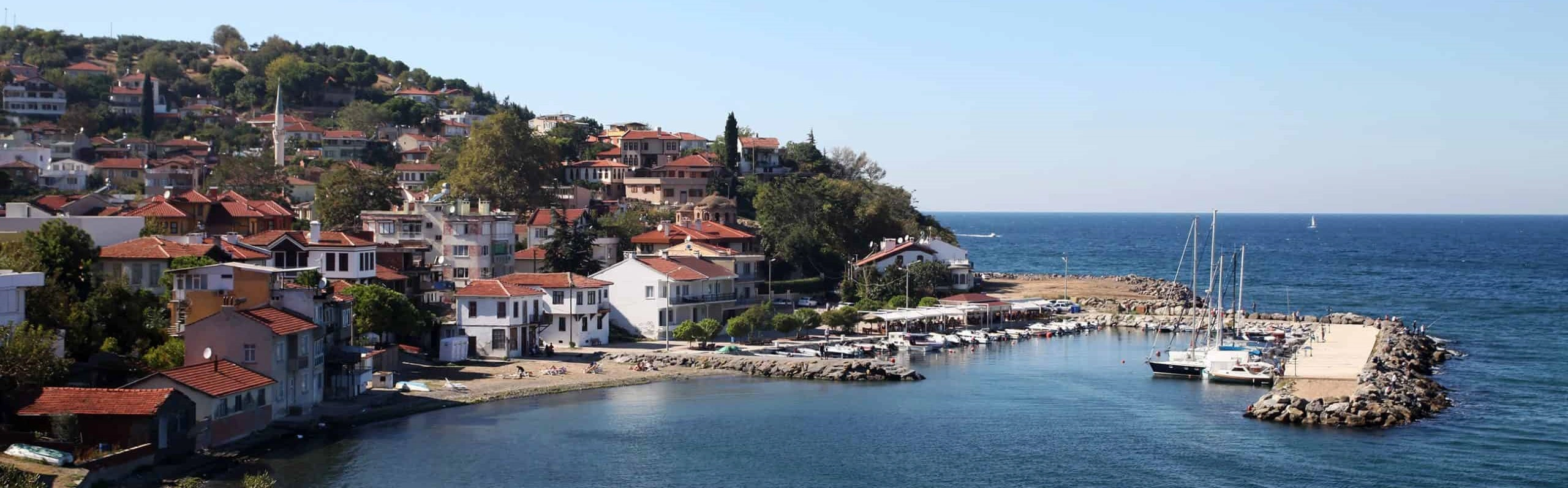
Private Mudanya & Tirilye Tour
Ask us about a tailor-made coastal route covering the Mudanya Armistice House, historic streets, Ottoman architecture, Kumyaka, Tirilye and a relaxed seaside lunch.
Request a Custom Tour





The coastal town of Mudanya is one of the most rewarding day trips from Bursa, combining seaside scenery, late Ottoman architecture, Republican history and centuries of maritime trade along the Sea of Marmara.
Long before modern Bursa expanded toward the coast, Mudanya served as an important port connecting the fertile lands around Bursa with Istanbul and the wider Mediterranean world. Its historical names—including Myrleia, Apameia and later Montaneia—reflect the many civilizations that controlled this strategic shoreline.
Mudanya occupies a particularly important place in modern Turkish history because the Mudanya Armistice was negotiated here in October 1922. The agreement helped bring the military phase of the Turkish War of Independence to an end and prepared the way for the diplomatic negotiations that followed.
Today, Mudanya is equally appealing for its slower pleasures. Visitors stroll along the waterfront, explore streets of timber-framed houses, eat seafood beside the Marmara, taste locally produced olives and olive oil, and continue west along the coast toward Kumyaka and Tirilye.
Visit the historic house where the Mudanya Armistice was signed.
Walk among surviving Ottoman-era wooden houses, balconies and narrow lanes.
Enjoy seaside promenades, fishing boats, cafés and beautiful sunset views.
Discover a coast famous for olives, olive oil, seafood and traditional local flavors.
Essential information for planning a visit to Bursa's historic Marmara coast.
On the Sea of Marmara approximately 30 kilometers northwest of central Bursa.
Open on Google MapsHistoric port town overlooking the Gulf of Gemlik and the Sea of Marmara.
The Mudanya Armistice was signed here on 11 October 1922.
Mudanya Armistice House Museum and the surrounding historic waterfront quarter.
Allow 3–4 hours for central Mudanya or a full day when combining it with Tirilye.
Olives, olive oil, seafood, historic houses, maritime heritage and the 1922 Armistice.
Mudanya combines ancient history, Ottoman maritime heritage, modern Turkish history and the relaxed atmosphere of a Marmara seaside town.
Mudanya has functioned as one of Bursa's principal connections with the sea for centuries. Agricultural products, olives, olive oil and eventually Bursa's important silk production passed through the port, linking the interior of northwestern Anatolia with Istanbul and international markets.
The town also preserves a very different architectural atmosphere from central Bursa. Instead of monumental mosque complexes and covered bazaars, Mudanya is characterized by narrow residential streets, timber-framed houses, projecting upper floors, wooden balconies and intimate views toward the Marmara.
Its greatest historical distinction came in October 1922. Representatives gathered in Mudanya after the military victories of the Turkish War of Independence and negotiated an armistice that determined the evacuation and transfer of Eastern Thrace and reduced the danger of further conflict around Istanbul and the Straits.
For travelers exploring Bursa and its surroundings, Mudanya also provides a natural gateway to the preserved coastal settlements of Kumyaka and Tirilye, making the district suitable for anything from a short seaside afternoon to a complete day of cultural exploration.
Mudanya's history reaches deep into antiquity. The settlement is traditionally associated with the ancient city of Myrleia, founded on this stretch of the Bithynian coast during the Greek colonial period. The city was later rebuilt and known as Apameia.
Its coastal position ensured that the settlement remained connected with the political and commercial networks of the Hellenistic, Roman and Byzantine worlds. The fertile lands behind the coast and its proximity to important inland routes made the harbor valuable for both trade and military movement.
During the medieval period the settlement became known by forms of the name Montaneia, generally regarded as one of the linguistic ancestors of the modern name Mudanya.
Mudanya came under Ottoman rule during the expansion of the early Ottoman state around Bursa in the 14th century. As Bursa developed into a major commercial and silk-producing city, Mudanya became increasingly valuable as its maritime outlet.
During the later Ottoman period, goods arriving at or leaving Bursa were carried through Mudanya, and a railway eventually connected the port more directly with the inland city. Olive cultivation and olive-oil production were equally important to the surrounding countryside.
The early 20th century brought war, occupation, population movement and profound political change. After the Turkish military victories of 1922, Mudanya became the setting for negotiations between the Ankara government and the Allied powers.
An early Greek settlement established on the strategic southern coast of the Sea of Marmara.
The ancient settlement was rebuilt and renamed during the Hellenistic period.
The shoreline remained connected to Constantinople and the maritime routes of the Marmara.
The town became an important maritime outlet for Bursa and its surrounding agricultural region.
Silk, olives, olive oil and other products strengthened Mudanya's commercial importance.
The Mudanya Conference and Armistice placed the town at the center of modern Turkish diplomatic history.
Mudanya's name is inseparable from the Mudanya Armistice, one of the decisive diplomatic events at the end of the Turkish War of Independence. Negotiations were held in Mudanya between 3 and 11 October 1922.
The conference followed the Turkish army's victories in western Anatolia and came at a dangerous moment when Turkish and Allied forces faced one another around the Straits. A military confrontation with Britain and the other Allied powers remained possible.
The Turkish delegation was headed by İsmet Pasha, later İsmet İnönü. Britain, France and Italy were represented at the negotiations, while Greece subsequently accepted the terms of the armistice.
The agreement was signed on 11 October 1922 and entered into force on 15 October. Among its most important consequences was the evacuation of Greek forces from Eastern Thrace and the peaceful transfer of the region to Turkish administration.
The Mudanya Armistice therefore represents far more than a local historical episode. It helped transform military victory into diplomatic recognition and opened the path toward the negotiations that culminated in the Treaty of Lausanne in 1923.
The Mudanya Conference begins.
The future President İsmet İnönü leads the Turkish delegation.
The armistice agreement is signed in Mudanya.
The agreement provides for the evacuation and transfer of Eastern Thrace.
The armistice formally enters into force.
The agreement prepares the diplomatic environment for the peace conference that followed.
The Mudanya Armistice House Museum stands close to the waterfront and is the town's most important individual visitor attraction. The late 19th-century house originally belonged to the Russian-born merchant Aleksandr Ganyanof.
The building later became associated permanently with the events of October 1922, when the negotiations leading to the Mudanya Armistice were conducted here. It subsequently became a museum preserving the memory of the conference.
Visitors can see the historic negotiation room together with period furniture, photographs, documents and rooms associated with İsmet Pasha and members of the Turkish delegation. The domestic scale of the building makes the experience especially striking: an agreement with international consequences was negotiated inside what was essentially a waterfront residence.
See the room associated with the negotiations and signing of the 1922 armistice.
Explore rooms and objects connected with the leader of the Turkish delegation.
Photographs and historical material explain the political atmosphere surrounding the agreement.
The late Ottoman house also provides an intimate example of Mudanya's domestic architecture.
One of the pleasures of Mudanya is simply walking without a strict itinerary. Behind the modern waterfront are streets containing surviving examples of late Ottoman and early 20th-century residential architecture.
Many houses combine masonry lower floors with timber upper stories, projecting windows, enclosed balconies and tiled roofs. The architecture reflects generations of communities who lived around the southern Marmara coast and depended on maritime trade, agriculture and fishing.
Some buildings have been carefully restored, while others retain weathered timber, faded plaster and traces of earlier alterations. Together they give central Mudanya a character very different from the monumental Ottoman architecture of Bursa city.
Look for traditional wooden construction and projecting upper floors.
Enclosed projecting windows allowed houses to gain light, space and views toward the street or sea.
Historic shutters and window frames remain visible on many older buildings.
The most atmospheric views often appear along smaller lanes behind the seafront.
Several old streets descend toward the Marmara, creating attractive framed views of the water.
Remember that many historic houses remain private residences rather than museum buildings.
The Tahir Pasha Mansion is one of Mudanya's most important surviving examples of Ottoman domestic architecture. Located in Şükrü Çavuş neighborhood, the mansion was constructed in 1724.
The building is particularly valuable because it preserves decorative characteristics associated with the Tulip Era of the early 18th century. Its interiors include painted and carved decorative elements as well as objects connected with the family who occupied the mansion.
The 18-room residence offers an excellent counterpoint to the Mudanya Armistice House. While the Armistice Museum focuses on the political history of 1922, Tahir Pasha Mansion introduces visitors to an earlier period of elite Ottoman domestic life.
The mansion dates from the early 18th-century Ottoman Tulip Era.
The large residence reflects the scale and status of an important Ottoman household.
Look for surviving floral decoration and traditional craftsmanship.
The restored mansion now introduces visitors to the lifestyle and material culture of its former occupants.
Another rewarding historic structure in central Mudanya is the Hasan Bey Hamamı, also traditionally known locally as the Old Bath or Upper Bath. Architectural evidence associates the structure with Hasan Bey and the 17th century.
Rather than functioning as a traditional bath today, the restored building has been adapted as an arts and cultural center. The project preserved the original plan and surviving architectural elements, including historic marble flooring.
Even when no exhibition is taking place, the building is worth noticing as an example of the way Mudanya's Ottoman structures continue to form part of contemporary town life.
Central Mudanya is compact enough to explore on foot. The most enjoyable visit combines the Armistice Museum with historic residential streets, the seafront and a few quieter architectural landmarks.
Visit the historic residence where the Mudanya Armistice was negotiated and signed in 1922.
Walk through atmospheric streets surrounding the museum and waterfront.
Look for timber façades, balconies, bay windows and late Ottoman residential architecture.
Explore one of Mudanya's outstanding surviving 18th-century Ottoman houses.
See a restored Ottoman bath adapted as a modern art and cultural center.
Walk beside the Marmara among fishing boats, cafés, restaurants and sea views.
Look for traces of Mudanya's long role as the maritime gateway of Bursa.
Browse shops selling olives, olive oil and products from the surrounding countryside.
Stay into the late afternoon for soft light across the Sea of Marmara.
Mudanya's relationship with the sea is still immediately visible. Passenger ferries, fishing boats, pleasure craft and waterfront restaurants continue a maritime tradition stretching back many centuries.
A walk along the promenade offers broad views across the Gulf of Gemlik and the Sea of Marmara. The waterfront becomes especially lively during summer evenings, when local residents gather beside the water after the heat of the day.
Mudanya is not primarily a resort town built around one large central beach. For many visitors, its greatest appeal is instead the combination of historic architecture, seafood, harbor atmosphere and long seaside walks. Those interested in swimming can explore beaches around Güzelyalı, Kumyaka and other parts of the Mudanya coastline.
Enjoy calmer streets, fishing activity and softer light along the waterfront.
Combine museums and historic streets with a relaxed seaside lunch.
The Marmara horizon and waterfront houses are particularly photogenic in warm evening light.
Join local residents for a promenade, seafood dinner or tea beside the water.
Mudanya's cuisine reflects both its coastal location and the agricultural landscape surrounding it. The district is particularly associated with olive cultivation, while fresh fish and seafood remain natural choices along the waterfront.
Taste locally grown table olives, one of the agricultural products most closely associated with the district.
Look for regional extra-virgin olive oil produced from groves along the southern Marmara coast.
Waterfront restaurants commonly serve seasonal fish from the Marmara and nearby waters.
Olive-oil vegetables and cold appetizers pair naturally with a seaside fish meal.
Local olives, cheeses, tomatoes, bread and tea make Mudanya a pleasant breakfast destination.
The fertile countryside around Mudanya supplies vegetables, fruit and other regional ingredients.
Visitors with a full day should strongly consider continuing west from Mudanya to Tirilye, one of the most atmospheric historic settlements on the southern Marmara coast.
The former Greek coastal town preserves narrow streets, traditional houses, historic churches, an old harbor and a landscape dominated by olive cultivation. Its architecture and intimate scale make Tirilye a natural companion to Mudanya.
Among the principal landmarks are Fatih Mosque, a former Byzantine church traditionally identified with St Stephen; the Taş Mektep; the historic Çamlı Kahve viewpoint; and surviving Byzantine religious structures scattered through the settlement.
Walk through one of the best-known traditional settlements on the Mudanya coast.
See a historic church building later converted for Islamic worship.
Admire one of Tirilye's most monumental late Ottoman-era educational buildings.
Climb to an elevated viewpoint overlooking the Marmara coastline.
Tirilye has long been associated with olive cultivation and olive-oil production.
Finish your walk beside fishing boats and waterfront restaurants.
Between central Mudanya and Tirilye lies Kumyaka, another historic coastal settlement surrounded by olive groves and gardens.
Its most important monument is the Byzantine Hagios Taxiarchoi Church, commonly called the Archangels Church or Başmelekler Church. The surviving structure is built with stone and brick and preserves a compact cross-shaped architectural arrangement.
Kumyaka also offers a quieter coastal atmosphere than central Mudanya. It can be incorporated into a full-day route between Mudanya and Tirilye, although access to individual historic monuments may depend on restoration and current opening arrangements.
The Armistice House, waterfront and historic residential streets are best explored on foot.
Visit the Armistice House before wandering the town so the historical context is fresh in your mind.
Historic streets can be steep, uneven or paved with older surfaces.
Municipal and national museums can have different closing days and seasonal schedules.
A full-day visit is much more rewarding if you continue along the coast after seeing central Mudanya.
Summer weekends can bring heavy road traffic between Bursa, Mudanya and the coastal villages.
Late afternoon light brings out the texture of wooden houses and the colors of the Marmara.
Many of Mudanya's most attractive historic buildings remain occupied residences.
Begin at the Mudanya Armistice House Museum. Allow enough time to understand the conference room, photographs, documents and the role of İsmet Pasha in the negotiations of October 1922.
After leaving the museum, walk slowly through the surrounding Mütareke quarter. Look beyond the main road for timber houses, projecting balconies, traditional windows and small streets descending toward the sea.
Continue toward Tahir Pasha Mansion and the historic Hasan Bey Hamamı. Together these structures reveal the Ottoman residential and civic history that existed long before Mudanya became famous for the armistice.
Return to the waterfront for lunch or coffee. Spend some time walking beside the Marmara before continuing west by vehicle toward Kumyaka and finally Tirilye.
Finish the day in Tirilye with a walk through the old streets, a visit to the historic monuments and sunset from the harbor or Çamlı Kahve.
Mudanya itself is an open town with no general admission fee or opening schedule. Most streets, waterfront areas and public squares can be explored freely. Individual museums and cultural buildings maintain their own opening arrangements.
As checked in September 2026, the official Ministry of Culture and Tourism listing for the Mudanya Armistice House Museum gives opening hours of 08:00–17:00, with the ticket office closing at 16:30. The museum is closed on Mondays.
Mudanya can be visited throughout the year, but the experience changes considerably with the seasons. Much of the appeal comes from walking outdoors, so mild temperatures are ideal.
Mild temperatures, fresh countryside and comfortable walking conditions make spring one of the best periods.
Long days and pleasant evenings are ideal for combining museums with the waterfront.
Expect warmer weather, busy weekends and more traffic along the coastal road.
Comfortable temperatures and olive-season atmosphere make autumn especially attractive.
The town becomes quieter and atmospheric, although Marmara rain and strong winds are possible.
Excellent for photography, seaside walks and sunset before dinner.
Enough for a short waterfront walk but too little for a meaningful historical visit.
Visit the Armistice House and walk through the surrounding historic streets.
The ideal amount of time for the museum, historic center, waterfront and a relaxed meal.
Add Tahir Pasha Mansion, Hasan Bey Hamamı and more time for photography.
Combine central Mudanya with Kumyaka and Tirilye along the coast.
Stay beside the Marmara for a slower evening and an early-morning waterfront walk.
Mudanya offers a rewarding mixture of architectural details, street scenes and broad coastal views. The most interesting images often come from combining historic houses with glimpses of the sea.
Use narrow streets to frame wooden façades, projecting windows and balconies.
Look for lanes descending toward the Marmara for layered compositions.
Photograph the exterior in context with the surrounding waterfront quarter.
Morning and late afternoon light works well around the harbor.
Warm evening light brings color and texture to the seafront buildings.
Look for shutters, woodwork, rooflines, doors, stone foundations and decorative balconies.
Mudanya's waterfront includes relatively level areas, but historic residential streets can have slopes, uneven paving, curbs and narrow pavements. Accessibility therefore varies considerably by location.
Many sections of the promenade are relatively level and easier for visitors with limited mobility.
Expect slopes, uneven paving and occasional narrow pavements.
Historic houses may contain stairs and structural limitations that affect step-free access.
A taxi or private vehicle can reduce walking distances between individual attractions.
Cafés, restaurants and benches are widely available around the central waterfront.
Contact individual museums in advance for current information about accessible entrances and interior routes.
Mudanya lies approximately 30 kilometers from central Bursa and has long served as Bursa's maritime gateway. It can be reached easily by road from Bursa and by passenger ferry from Istanbul.
Municipal buses, taxis and private transfers connect Bursa city with Mudanya.
The modern road between Bursa and Mudanya makes the coast an easy day trip.
Passenger ferries operate between Istanbul and the Bursa/Mudanya coast; schedules vary seasonally.
Depending on the operator and route, services may use Mudanya or nearby Güzelyalı facilities.
Continue west along the coastal road by local transport, taxi or private vehicle.
A private vehicle is convenient when combining Bursa, Mudanya, Kumyaka and Tirilye in one day.
Mudanya works particularly well as part of a wider Bursa itinerary. Historic villages, Byzantine monuments, beaches and the monumental Ottoman center of Bursa are all within practical day-trip distance.
Explore historic houses, Byzantine churches, Taş Mektep, olive culture and a picturesque fishing harbor.
Visit a quieter coastal village known for olive groves and the historic Archangels Church.
Enjoy marinas, residential waterfront areas and ferry connections along the Mudanya coast.
Discover a lakeside village built on and around a peninsula beside Lake Uluabat.
Combine Mudanya with the Grand Mosque, Koza Han, bazaars and early Ottoman monuments.
Explore archaeological finds from Bursa Province and the surrounding region.
Continue into Bursa's Ottoman artistic heritage at the historic Green Madrasa.
Learn how the Ottoman conquest of Bursa transformed the region centuries before the Mudanya Armistice.
Mudanya is a coastal district of Bursa Province on the southern shore of the Sea of Marmara, approximately 30 kilometers northwest of central Bursa.
Yes. Mudanya is especially worthwhile for travelers interested in modern Turkish history, Ottoman houses, seaside walks, photography, seafood and relaxed coastal towns.
Mudanya is best known for the 1922 Mudanya Armistice, its historic waterfront houses, its role as Bursa's port, and regional olive and olive-oil production.
The Mudanya Armistice was an agreement negotiated in October 1922 after the Turkish victories in the War of Independence. It helped end the immediate military confrontation and arranged the transfer of Eastern Thrace.
The agreement was signed on 11 October 1922 and came into force on 15 October 1922.
It was signed in the historic waterfront residence that is today the Mudanya Armistice House Museum.
The Turkish delegation was led by İsmet Pasha, later known as İsmet İnönü and subsequently the second President of the Republic of Turkey.
Visitors can see the conference room, period furniture, historical photographs and documents, and rooms associated with İsmet Pasha and other members of the delegation.
As checked in September 2026, the Ministry of Culture and Tourism lists the museum as open from 08:00 to 17:00, with the ticket office closing at 16:30. The museum is closed on Mondays. Always verify before visiting.
Mudanya has ancient origins. The area is associated with Myrleia, a Greek settlement established on the Bithynian coast in antiquity.
The settlement was known at different periods as Myrleia and Apameia, while medieval forms such as Montaneia are associated with the development of the modern name Mudanya.
Yes. Streets around the older center preserve numerous examples of late Ottoman and early 20th-century residential architecture, including timber façades, bay windows and wooden balconies.
Tahir Pasha Mansion is an important Ottoman house built in 1724. Its architecture and decoration preserve elements associated with the Tulip Era, and the restored building operates as a museum house.
There are swimming areas along the wider Mudanya coastline, including around Güzelyalı and Kumyaka. Central Mudanya itself is visited more for its waterfront, history and restaurants than as a conventional beach resort.
Look for locally produced olives and olive oil, seasonal fish, seafood, meze and traditional Turkish breakfasts.
Mudanya is approximately 30 kilometers from central Bursa, making it an easy half-day or full-day excursion.
Yes. Passenger ferry services connect Istanbul with the Bursa coast, including Mudanya-area terminals. Schedules and departure points can vary, so check the current timetable before traveling.
Yes. Mudanya and Tirilye make an excellent full-day combination. Visit central Mudanya first, continue through Kumyaka, and spend the later afternoon and evening in Tirilye.
Allow approximately 3–4 hours for central Mudanya. A full day is better if you also want to explore Kumyaka and Tirilye.
No car is necessary for the central historic area. However, a vehicle, taxi or local transport is useful for continuing to Kumyaka, Tirilye and other coastal settlements.
Spring and autumn offer the most comfortable walking weather. Summer evenings are also beautiful, although weekends can be busy.
Yes. Historic wooden houses, narrow streets, the Marmara waterfront, fishing boats and sunset light make Mudanya one of the most photogenic coastal destinations around Bursa.
Yes. Families can combine the Armistice Museum with waterfront walks, cafés and a relaxed visit to Tirilye. Supervision is advisable around roads, harbors and the sea.
It can be done using fast ferry connections, although checking the return schedule carefully is essential. For a more complete visit, combine Mudanya with Tirilye and return on a later ferry.
Absolutely. Its proximity to central Bursa makes Mudanya one of the easiest and most rewarding coastal excursions from the city.
Do not enter courtyards or private buildings simply because a gate or door is open.
Avoid intrusive close-up photography of residents and private domestic spaces.
Do not lean objects against historic walls or touch fragile painted and wooden surfaces.
Carry away food packaging, bottles and other waste from waterfront areas.
Buying olives, olive oil and regional products directly supports the surrounding agricultural community.
Walking rather than driving through the historic center reduces congestion and reveals far more architectural detail.
Combine the Mudanya Armistice House, historic waterfront, Tahir Pasha Mansion, Kumyaka and Tirilye with a private itinerary created around your interests and without compulsory shopping stops.
Choose a relaxed half-day visit to Mudanya or a complete coastal day combining Mudanya, Kumyaka, Tirilye, local food and Marmara views.
Ask us about a tailor-made coastal route covering the Mudanya Armistice House, historic streets, Ottoman architecture, Kumyaka, Tirilye and a relaxed seaside lunch.
Request a Custom Tour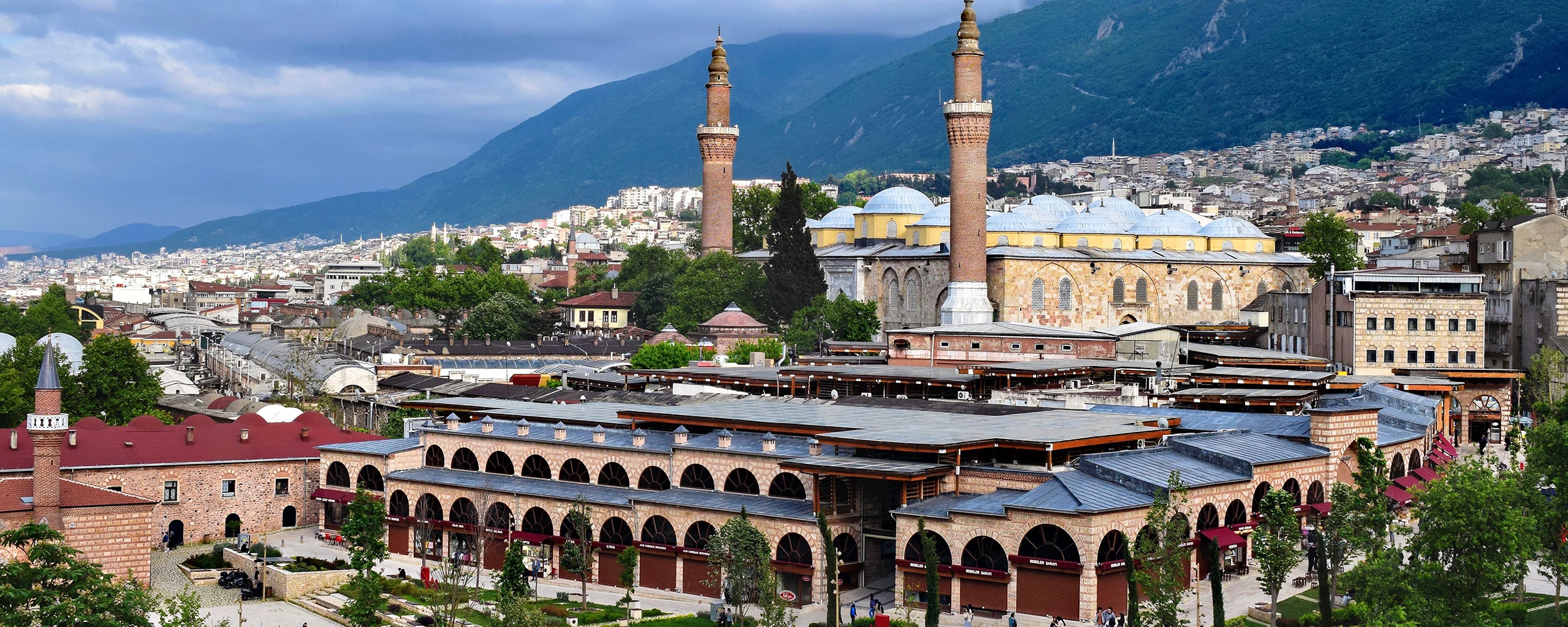
Discover Bursa's UNESCO-listed Ottoman heritage, historic bazaars, museums, villages, mountains, lakes and Marmara coastline.
View Bursa GuideConnect Mudanya's maritime history with the archaeology, Ottoman monuments and museums of Bursa.
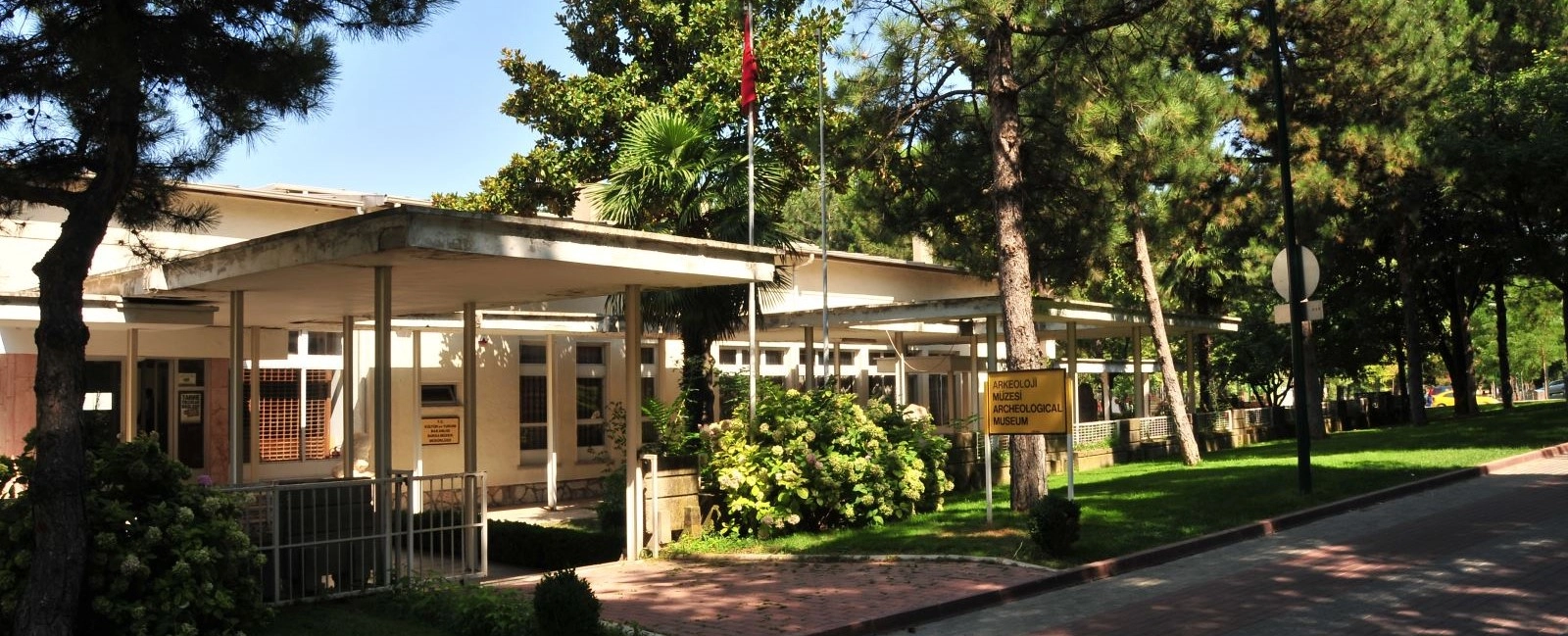
Explore archaeological finds from ancient Bithynia, Roman Bursa and important sites across the province.
Explore the Museum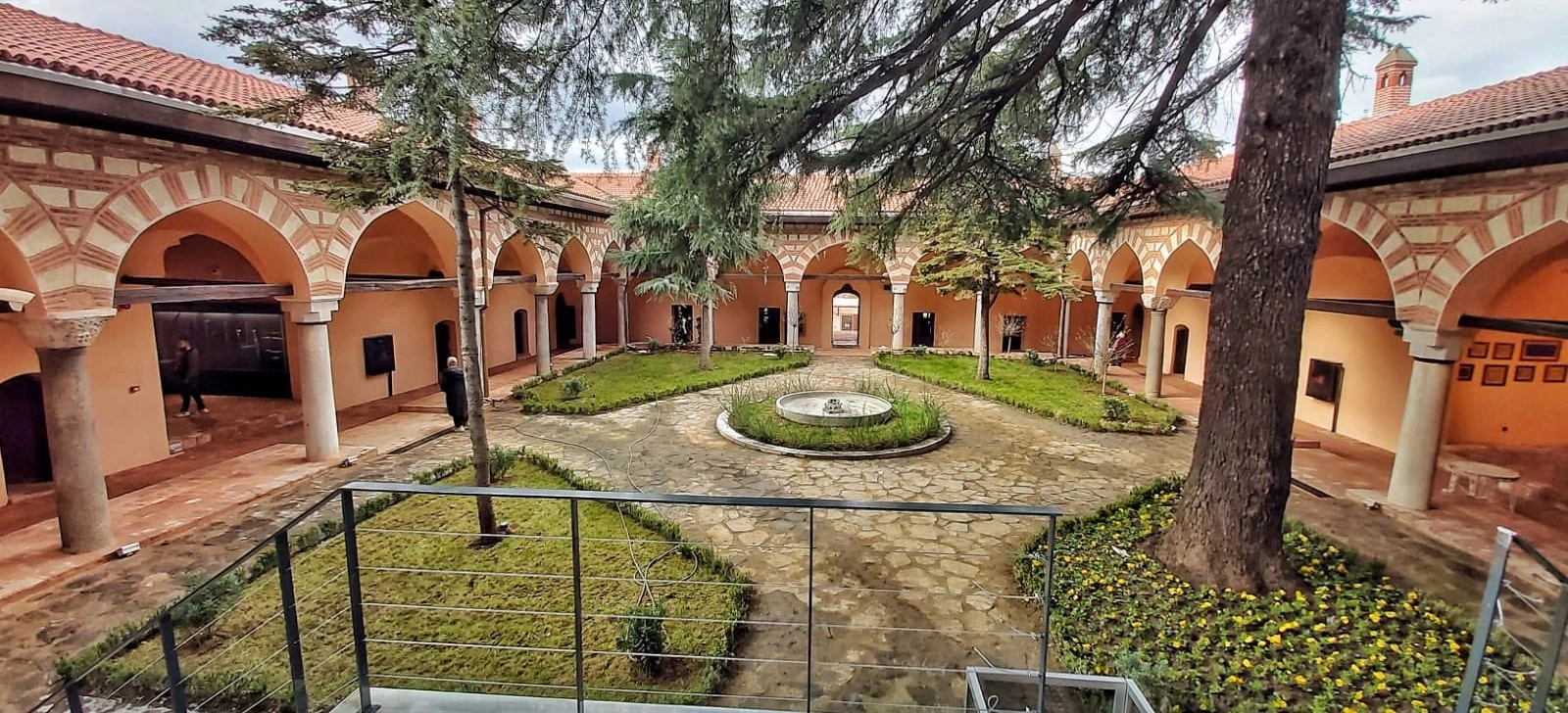
Discover ceramics, calligraphy, textiles and Ottoman art inside Bursa's historic Green Madrasa.
Explore the Museum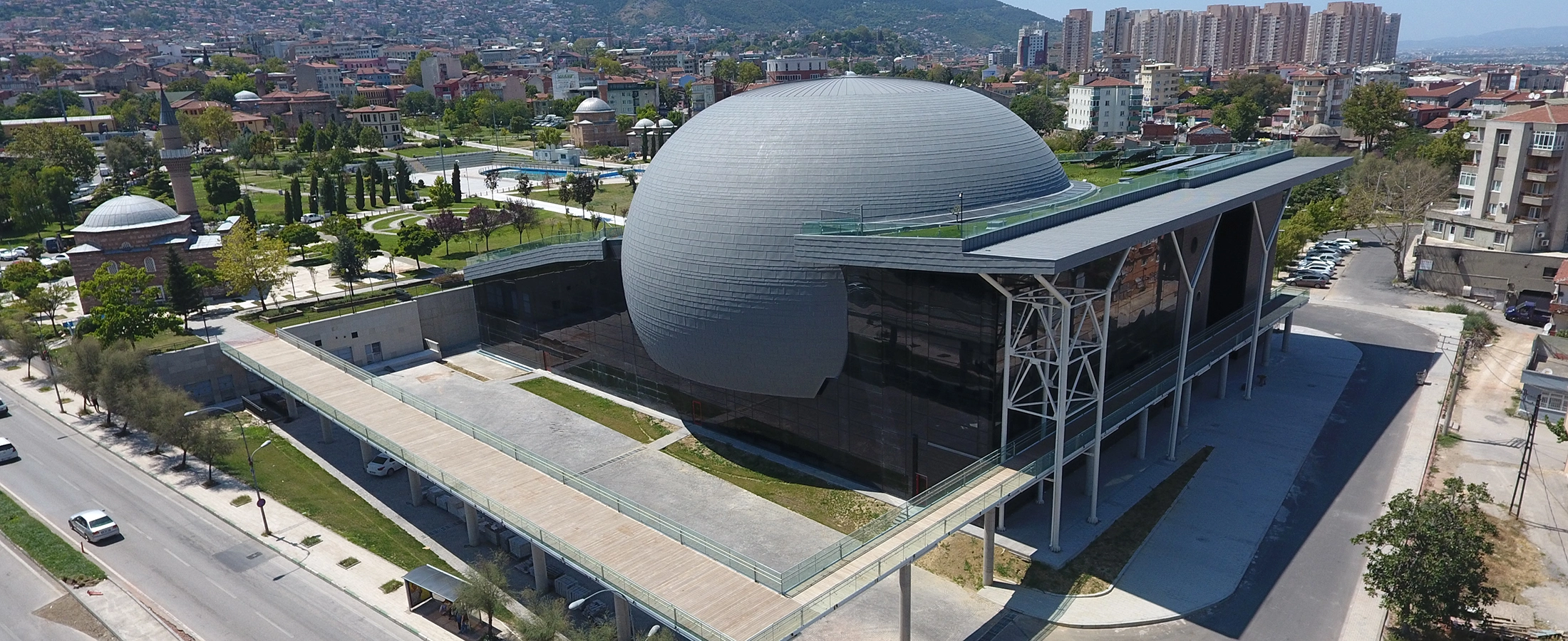
Experience an immersive interpretation of Bursa's conquest and the emergence of the early Ottoman state.
Explore Panorama 1326