Bronze Athena Bust
One of the museum's signature objects comes from ancient Miletepolis and represents Athena, one of the most important deities of the classical world.
- Origin: Miletepolis
- Period: Roman
- Material: Bronze






Most travellers arrive in Bursa thinking first of Ottoman mosques, royal tombs, silk bazaars and the early sultans.
But Bursa's history began thousands of years before Osman Gazi and Orhan Gazi.
The Bursa Archaeology Museum – Bursa Arkeoloji Müzesi reveals that much deeper story through archaeological finds discovered across Bursa, southern Marmara and the ancient regions traditionally known as Bithynia and Mysia.
Its collections stretch from Middle Miocene fossils and prehistoric settlements through the Bronze Age, Iron Age, Persian rule, Archaic, Classical, Hellenistic, Roman and Eastern Roman – Byzantine periods.
Among the museum's most memorable objects are the celebrated bronze Athena bust and bronze Apollo statue from Miletepolis, prehistoric finds from Aktopraklık Höyük, fossils from the Paşalar Fossil Locality, Roman marble sculpture, ancient glass, jewellery, medical instruments, coins, funerary monuments and the spectacular discoveries from the Üçpınar Tumulus.
One gallery reconstructs an ancient chariot from wheel fragments and horse equipment discovered during excavation, while nearby Greco-Persian funerary steles provide a rare glimpse into western Anatolia during the period of Achaemenid Persian domination.
The museum is important for another reason.
Its institutional history reaches back to the earliest years of modern museology in Türkiye. Bursa's first museum collection developed at the beginning of the 20th century, became a branch of the Ottoman Imperial Museum – Müze-i Hümayun in 1904, later moved to the Green Madrasa and finally transferred its archaeological collection to the present purpose-built museum inside Reşat Oyal Kültürpark in 1972.
For travellers who want to understand Bursa beyond its Ottoman monuments, this is one of the city's most valuable museums.
It explains the civilisation beneath the modern streets: prehistoric villages, ancient sanctuaries, Roman cities, burial traditions, trade, religion, art and everyday life long before Bursa became an Ottoman capital.
Follow thousands of years of human history from prehistoric communities and the Bronze Age through Roman and Byzantine Anatolia.
See two of the museum's signature classical works discovered at the ancient city of Miletepolis.
Discover prehistoric objects and burial evidence from one of the most important archaeological settlements near Bursa.
Explore an extraordinary group of wheel pieces, horse equipment and funerary discoveries associated with a 6th-century BC tumulus.
Study rare funerary monuments reflecting the cultural world of western Anatolia under Achaemenid Persian rule.
Encounter marble portraits, statues, funerary monuments, glassware, lamps, jewellery and objects from Roman life.
Essential information for exploring Bursa's archaeological heritage from prehistory to the end of the Eastern Roman period.
Inside Reşat Oyal Kültürpark, Gaziakdemir Mahallesi, Osmangazi, Bursa.
Open on Google MapsBursa's museum tradition developed in the early 1900s and became an official branch of the Ottoman Imperial Museum in 1904.
The archaeological collection moved to its purpose-built Kültürpark museum building in 1972.
Middle Miocene fossils and prehistoric archaeology through the Bronze and Iron Ages, Classical world, Roman Empire and Byzantine period.
The official museum website currently lists admission as free.
The Ministry's official museum page currently lists Bursa Archaeology Museum as temporarily closed. Check its status before travelling.
The official page currently lists 08:00–17:00, with the ticket office closing at 16:30, when the museum is operating normally.
Allow approximately 1–1.5 hours when the museum is open; archaeology enthusiasts may prefer considerably longer.
The museum reveals a side of Bursa that can easily disappear behind the city's extraordinary Ottoman monuments.
Bursa is internationally associated with Osman Gazi, Orhan Gazi, Ulu Cami, Yeşil, Muradiye, silk and the birth of the Ottoman state.
Yet the archaeological record proves that the wider Bursa region had been occupied, cultivated, traded through, buried within and transformed by many societies for thousands of years before the Ottomans arrived.
The museum therefore changes the way visitors understand the city.
Instead of beginning Bursa's history in the 14th century, it places the city within the much older worlds of prehistoric Anatolia, Bithynia, Mysia, Persian-controlled western Anatolia, the Hellenistic kingdoms, Rome and Byzantium.
Its galleries also reveal how archaeology works across an entire region.
Objects have come from settlements, tombs, tumuli, necropolises, ancient cities, rescue excavations and accidental discoveries throughout Bursa and neighbouring areas.
The result is not simply a collection of beautiful antiquities.
It is a material history of northwestern Anatolia: what people buried with their dead, what they wore, what gods they worshipped, what coins they spent, what vessels they used, how artists represented the human body and how cultures repeatedly changed while occupying the same landscape.
The collection combines prehistoric archaeology, classical sculpture, funerary art, coins, metalwork, glass and exceptional discoveries from excavations across northwestern Anatolia.
One of the museum's signature objects comes from ancient Miletepolis and represents Athena, one of the most important deities of the classical world.
Another exceptional Miletepolis discovery depicts Apollo and demonstrates the high artistic quality represented within the museum's classical collection.
Prehistoric discoveries from Aktopraklık help reconstruct settlement, burial traditions and daily life around Bursa thousands of years before classical civilisation.
Fossils from the Middle Miocene Paşalar locality extend the museum's story beyond human archaeology into the deep natural history of the Bursa region.
Marble portraits, statues, grave monuments, sarcophagus fragments and carved architectural pieces reveal the sophisticated classical culture of Roman northwestern Anatolia.
Ancient wheel fragments and horse harness equipment recovered from a tumulus inspired the reconstruction of a chariot associated with elite burial culture.
The funerary steles displayed with the Üçpınar material evoke Anatolia during Achaemenid Persian domination and its mixture of Persian and Greek artistic traditions.
Gold, silver and bronze coins provide a miniature chronological history of political power, trade, imagery and economic life across the ancient region.
The story of Bursa Archaeology Museum is closely connected with the beginnings of modern museum practice in Türkiye.
At the beginning of the 20th century, archaeological and ethnographic objects collected around Bursa began to be assembled for public preservation.
In 1904, the institution officially became a branch of the Ottoman Müze-i Hümayun – Imperial Museum.
Archaeological and ethnographic objects begin to be collected and displayed in Bursa.
The Bursa collection formally becomes a branch of the Ottoman Imperial Museum.
The museum collection moves to the historic Green Madrasa – Yeşil Medrese.
For many years Bursa Museum assumes responsibility for archaeological discoveries across a much wider geographical region.
The archaeological collection separates and moves into the present purpose-built museum in Kültürpark.
The institution preserves archaeological material ranging from prehistoric and ancient Bursa to the end of the Eastern Roman era.
Its former role as a regional museum is particularly important for understanding why the collections extend beyond the immediate city of Bursa.
Before new museums and archaeological institutions were created elsewhere, Bursa Museum was involved with important sites and rescue excavations throughout the surrounding region.
This history helps explain the geographical breadth of the collection today.
Bursa Archaeology Museum follows an exceptionally long chronological sequence.
The museum's first major chronological gallery begins long before classical Bursa.
Here the visitor encounters a sequence stretching from Middle Miocene fossils through prehistoric human occupation and into the Bronze and Iron Ages.
Fossil material from Mustafakemalpaşa introduces the ancient fauna that inhabited this part of Anatolia millions of years ago.
Middle Palaeolithic discoveries help connect the Bursa region with the earliest phases of human occupation.
Neolithic and Chalcolithic material reveals settled prehistoric communities living near Bursa.
Tools, ceramics and other finds illustrate technological and cultural change during Anatolia's Bronze Age.
The gallery also places local discoveries beside material associated with wider cultures including the Hittites and Urartu.
Iron Age material continues the chronological story toward the historical cultures of western and central Anatolia.
This hall is particularly valuable because it prevents visitors from imagining ancient Bursa only through marble temples and Roman cities.
Long before classical urbanism, people were already living, burying their dead, producing pottery, working stone and metal and transforming the Bursa landscape.
One of the most unexpected sections of Bursa Archaeology Museum reaches millions of years into the past.
The Paşalar Fossil Locality, within the modern district of Mustafakemalpaşa, has produced important Middle Miocene animal remains.
Among the museum's notable fossil material is an elephant tusk associated in museum interpretation with the “Paşalar Elephant”.
The fossils belong to a geological world vastly older than the archaeological civilisations represented elsewhere in the museum.
Fossils help reconstruct environments and animal populations that once existed in western Anatolia.
The display demonstrates how palaeontology and archaeology can work together within a regional museum.
The fossil material dramatically expands the museum's chronological scale beyond recorded human history.
For understanding prehistoric Bursa, Aktopraklık Höyük is one of the most important archaeological sites represented in the museum.
Excavations have revealed evidence of communities living in the Bursa region during the Neolithic and Chalcolithic periods.
The museum displays discoveries associated with settlement, daily life, craft production and burial traditions.
Handmade vessels reveal changing technologies, food practices and decorative traditions.
An unusual Chalcolithic ceramic vessel decorated with bead inlay is identified by the museum as one of its distinctive objects.
A burial associated with a woman of approximately thirty years of age provides a direct encounter with prehistoric life and death.
A model of Aktopraklık helps visitors imagine the archaeological site beyond the individual objects displayed in cases.
These discoveries are important because they reveal Bursa as a human landscape thousands of years before Prusa, Bithynia or the Ottoman capital existed.
The Stone Works Hall contains some of Bursa Archaeology Museum's most visually impressive objects.
Marble and stone sculpture dominates the gallery, placing visitors face to face with the artistic traditions of the classical world.
Portrait heads preserve the faces, hairstyles and visual identity of inhabitants of Roman Anatolia.
Representations connected with gods and religious cults reveal the sacred world of ancient communities.
Carved grave monuments preserve images, inscriptions and memories associated with the dead.
Fragments of elaborate stone coffins demonstrate the investment wealthy families made in burial and commemoration.
Stone containers associated with cremated remains reveal another form of Roman funerary practice.
Friezes and carved fragments provide clues to monumental architecture that no longer survives intact.
Two works stand out among the museum's best-known classical treasures: the bronze Athena bust and bronze Apollo statue from ancient Miletepolis.
Miletepolis – also encountered in sources as Miletopolis – was an ancient settlement in the wider Bursa region.
Finds from the site demonstrate how deeply the cultural and religious vocabulary of the Greco-Roman Mediterranean had become established in northwestern Anatolia.
The goddess of wisdom, strategy and civic protection was one of the most recognisable divine figures of the ancient Mediterranean.
Apollo was associated with prophecy, music, healing, order and the idealised divine body in classical art.
Ancient bronze statuary survives far less frequently than marble because valuable metal was often melted and reused.
The finds connect Bursa Museum directly with one of the important ancient settlements of its surrounding region.
Do not rush past these works.
Their importance lies not merely in their subjects, but also in the survival of ancient bronze sculpture itself.
Another major gallery follows the archaeological history of Bursa and the surrounding region from the Archaic period through the end of the Eastern Roman – Byzantine era.
This is where many visitors encounter the museum's richest mixture of everyday objects, burial finds, luxury items and archaeological evidence from ancient cities.
Archaic and Classical discoveries from the ancient city and its necropolis contribute important funerary and domestic material.
Excavated objects reveal another important centre within the cultural geography surrounding Bursa.
Burial finds provide evidence for funerary traditions and material culture during the Hellenistic period.
Tumulus discoveries demonstrate the elite burial customs practised in ancient northwestern Anatolia.
Delicate glass vessels reveal the sophistication of Roman manufacturing and domestic life.
Terracotta lamps once illuminated houses, sanctuaries and funerary environments across the ancient world.
Bronze and other metal finds range from practical objects to decorative and religious artefacts.
Gold, silver and other ornaments provide glimpses into personal identity, wealth and craftsmanship.
Small specialised tools remind visitors of the sophisticated medical practices that existed within Roman society.
The chronological sequence continues into the Eastern Roman world that preceded medieval Ottoman Bursa.
The museum's history as a regional institution explains why its collections extend beyond modern Bursa Province.
Among the important archaeological assemblages represented are finds from Antandros, an ancient city in the northern Aegean region.
Before museum responsibilities were reorganised, Bursa Museum played an important role in archaeological work connected with sites such as Antandros.
Small figurative objects reveal aspects of belief, ritual, identity and artistic production.
Pottery recovered from archaeological contexts helps date burials and reconstruct ancient customs.
Jewellery and decorative items offer intimate evidence of the individuals buried within the necropolis.
Objects gain greater meaning when understood as part of burial assemblages rather than isolated museum pieces.
Roman material forms one of the most visually powerful parts of the museum.
During antiquity, the wider Bursa region belonged to a densely urbanised part of northwestern Anatolia connected with Bithynia, Mysia, the Propontis – Sea of Marmara and major routes toward the Aegean and inner Anatolia.
Cities, rural estates, sanctuaries, roads and necropolises created an archaeological landscape very different from the modern city, yet traces of that world survive throughout the province.
Roman portraits balance individual identity with the hairstyles, clothing and visual conventions of their period.
Images of deities and sacred figures reveal the religious diversity of Roman Anatolia.
Roman glass displays remarkable technical refinement and survives in vessels of many different forms.
Everyday lighting objects can preserve decorative motifs, maker's marks and religious imagery.
Surgical and medical instruments connect archaeological displays with the practical sciences of Roman society.
Imperial portraits and inscriptions transformed everyday currency into miniature carriers of political imagery.
Ancient religious beliefs appear throughout Bursa Archaeology Museum in sculptures, figurines, votive objects, altars and funerary material.
Images of the ruler of the Olympian gods demonstrate the presence of mainstream Greco-Roman religious traditions.
The great Anatolian mother goddess represents religious traditions with particularly deep roots in Asia Minor.
The Miletepolis bronze bust is among the most recognisable divine images in the collection.
The bronze Apollo connects the museum with one of the central gods of classical Greek and Roman religion.
Altars dedicated to the god of healing reflect the importance of health, medicine and sacred healing in antiquity.
Later objects belong to the Christian Byzantine society that dominated Bursa before the Ottoman conquest.
Coins are among the smallest objects in an archaeological museum, but they can contain an extraordinary amount of historical information.
Bursa Archaeology Museum preserves coins in gold, silver and bronze from successive ancient periods.
Rulers, emperors and official symbols transformed coins into instruments of political communication.
Currency reveals the commercial networks linking cities across Anatolia, the Aegean and the Mediterranean.
Gods, temples and sacred symbols frequently appear on ancient coins.
Local coinage could advertise the monuments, cults and traditions of individual ancient communities.
Roman emperors became instantly recognisable across enormous territories through their coin portraits.
Coins can provide archaeologists with important evidence for dating archaeological contexts.
The museum's coin section is located on the mezzanine level associated with the Archaic-to-Eastern-Roman gallery.
One of the museum's most distinctive displays comes from the Üçpınar Tumulus.
A rescue excavation carried out in 1988 revealed an archaeological context dating to approximately the 6th century BC, during the era associated with Achaemenid Persian influence in Anatolia.
Wheel fragments and horse harness equipment were discovered near the entrance of the burial chamber.
Using this evidence, a reconstruction of an ancient chariot was created for the museum display.
Surviving pieces provide direct archaeological evidence for ancient vehicle technology.
Equipment associated with horses reveals the importance of mounted and chariot culture among elite communities.
The vehicle-related objects were connected with a tumulus, giving them important funerary significance.
The museum uses archaeological evidence to help visitors visualise how the original vehicle may have appeared.
The display is especially effective because it transforms small archaeological fragments into something immediately understandable.
Instead of seeing an isolated wheel fitting or harness component, visitors can imagine the complete vehicle, its horses and the elite social world in which it operated.
Displayed in connection with the Üçpınar material are funerary monuments associated with the Greco-Persian artistic tradition.
These works belong to one of the most fascinating cultural periods in ancient Anatolian history.
From the 6th century BC, large parts of western Anatolia came under the authority of the Achaemenid Persian Empire.
Yet local communities continued to interact with Greek artistic traditions, creating cultural environments in which Persian, Anatolian and Greek elements could overlap.
Western Anatolia formed part of the enormous Persian imperial system for generations.
The Persian satrapal centre at Daskyleion became one of the most important centres of Achaemenid authority in northwestern Anatolia.
Funerary imagery can combine Greek visual techniques with themes belonging to Persian elite culture.
Steles help archaeologists investigate status, clothing, ceremony and identity within Persian-period Anatolia.
Many of Bursa Archaeology Museum's most informative objects came from burials rather than houses or public buildings.
Ancient societies frequently placed objects with their dead, allowing archaeologists to recover groups of artefacts that had remained together for centuries or even millennia.
Monumental burial mounds were particularly associated with powerful and wealthy individuals in ancient Anatolia.
Ancient cemeteries preserve evidence for changing funerary traditions across generations.
Pottery, jewellery, weapons and personal objects can reveal beliefs about death as well as social identity.
Stone monuments preserve images, inscriptions and symbolic representations of the deceased.
Stone coffins and their fragments demonstrate the artistic investment made in elite Roman burials.
Burials can provide evidence about age, health, diet, physical stress and ancient population history.
The museum becomes most interesting when visitors look beyond monumental sculpture.
Small objects can reveal the routines of ordinary ancient people far more directly than imperial statues.
Cooking, storage, serving and drinking vessels reveal the practical rhythms of ancient domestic life.
Roman glass vessels could contain liquids, perfumes, medicines and valuable substances.
Terracotta oil lamps provided portable light in houses, workshops, sanctuaries and tombs.
Rings, earrings, necklaces and decorative objects expressed status, taste and personal identity.
Seals played roles in administration, ownership and authentication within ancient economic life.
Objects associated with children provide rare glimpses into family life that monumental histories often ignore.
Specialised tools demonstrate the practical medical knowledge available within Roman communities.
Money connected individual households with markets, taxation and long-distance economic networks.
The archaeological sequence continues into the Eastern Roman – Byzantine period.
This final stage is especially important for visitors who will later explore Panorama 1326 Bursa Conquest Museum .
Bursa – ancient Prusa – remained part of the Byzantine world until the Ottoman conquest in 1326.
Objects from the Byzantine centuries therefore create the chronological bridge between ancient Prusa and the medieval city inherited by Orhan Gazi.
Byzantine Bursa belonged to the eastern continuation of the Roman Empire centred on Constantinople.
Bronze and other metal objects demonstrate continuity and change in medieval material culture.
Pottery remains one of archaeology's most valuable sources for understanding chronology and daily life.
Byzantine currency records changing emperors, religious imagery and the economic connections of the region.
For the clearest historical sequence, visitors interested in Bursa's entire past can think of the two museums as complementary:
Bursa Archaeology Museum explains the world before Ottoman Bursa; Panorama 1326 explains the political transition that created Ottoman Bursa.
Do not assume that the museum experience ends at the gallery doors.
The outdoor areas traditionally contain an important collection of stone archaeological material.
Stone grave monuments preserve inscriptions and carved imagery from ancient communities.
Carved blocks and decorative pieces survive from buildings that may otherwise have disappeared completely.
Large carved and ceramic forms help illustrate the scale of ancient storage and funerary material culture.
Natural daylight often makes inscriptions and carved relief details easier to recognise than indoor lighting.
When the museum reopens, allow a little extra time for the garden rather than leaving immediately after the interior galleries.
Official cultural-tourism material has described the museum as preserving approximately 25,000 archaeological objects, with roughly 2,000 pieces displayed.
Bursa Archaeology Museum becomes far more rewarding when visitors think about context rather than simply beauty.
An archaeological object can answer several questions at once.
A tomb, house, sanctuary or settlement gives an object completely different meaning.
Stone, bronze, gold, glass and clay required different technologies and carried different economic values.
Ask whether an object belonged to an ordinary household, religious institution, wealthy family or political elite.
Imported objects can reveal trade connections extending far beyond Bursa.
Objects discovered inside graves may reveal funerary beliefs rather than normal everyday use.
Pottery styles, coins, inscriptions and archaeological layers help establish chronology.
Approaching the collection this way turns even a small fragment of pottery into historical evidence.
Important: The official Ministry of Culture and Tourism museum page currently marks Bursa Archaeology Museum as temporarily closed to visitors. The listed opening hours above represent the museum's normal published visitor information and should not be interpreted as confirmation that the museum has reopened. Always check the official museum page shortly before your visit.
Opening status, hours, holiday arrangements and exhibition accessibility can change, particularly during restoration, maintenance or exhibition-renewal projects.
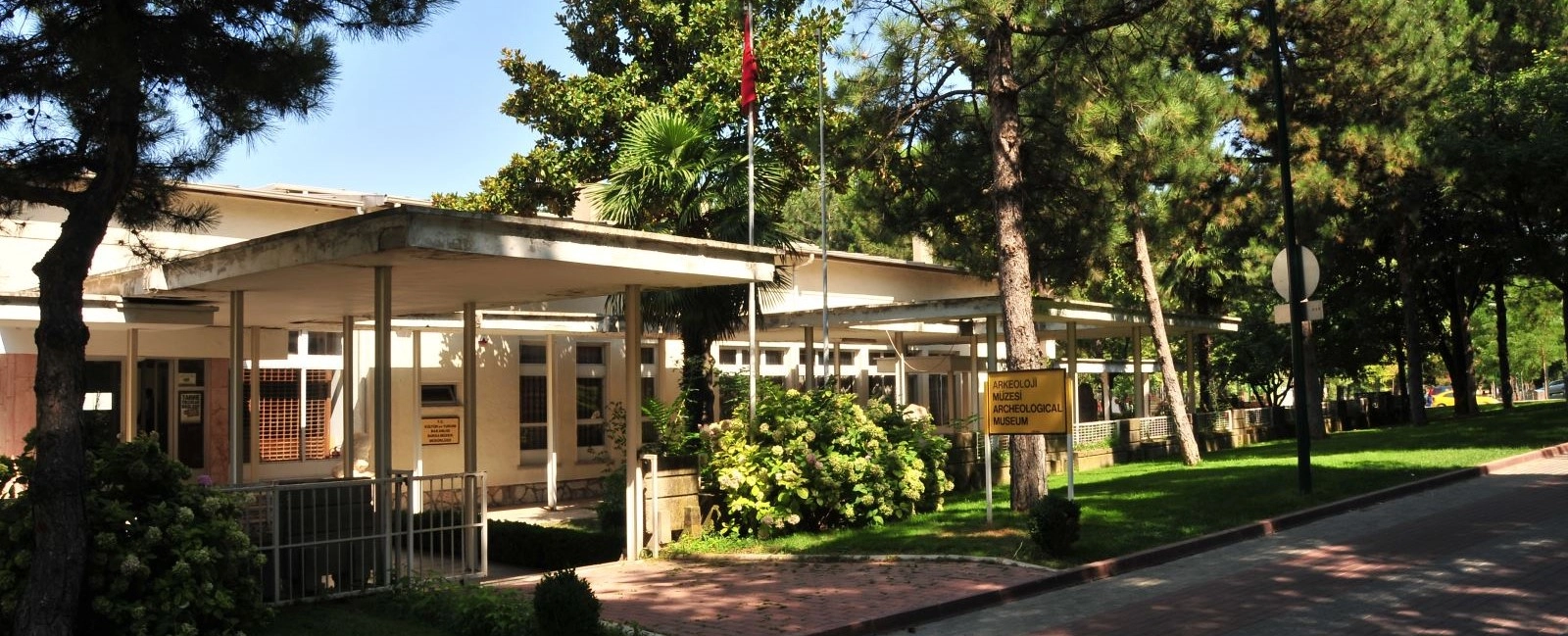
Bursa Archaeology Museum is located inside Reşat Oyal Kültürpark in the central Osmangazi district.
Its position makes the museum particularly convenient for combining archaeology with Çekirge, Muradiye and other attractions west of Bursa's historic commercial centre.
The Kültürpark area is served by Bursa's urban rail network, making public transport one of the easiest ways to reach the museum district.
Ask for “Bursa Arkeoloji Müzesi, Kültürpark” and specify Osmangazi.
Drive toward Reşat Oyal Kültürpark and follow local access and parking arrangements around the park.
Travellers staying around Çekirge or western central Bursa can incorporate Kültürpark into a longer urban walk.
A fast visit focusing on the Athena and Apollo bronzes, Roman sculpture and Üçpınar display.
The best duration for most visitors who want to follow the chronological displays without rushing.
Ideal for travellers interested in archaeology, coins, ancient religion and funerary monuments.
Combine the museum with Kültürpark, the Atatürk House Museum area, Muradiye and nearby historic districts once the museum is open.
The most common mistake in archaeological museums is spending too much time in the first gallery.
Move through the chronology steadily, then slow down around the classical sculpture, Miletepolis bronzes, coin section and Üçpınar finds.
This route creates an extraordinary chronological contrast: prehistoric and classical Bursa in the morning, followed by the Ottoman city that transformed the same landscape centuries later.
The large city park surrounding the museum offers green space, walking paths and an easy break between sightseeing stops.
Continue toward Çekirge for a completely different chapter of Turkish history inside a historic mansion associated with Mustafa Kemal Atatürk.
Visit the mosque and extraordinary dynastic cemetery associated with Sultan Murad II and later members of the Ottoman family.
Explore the distinctive mosque and charitable complex commissioned by Sultan Murad I in Çekirge.
Discover Bursa's historic thermal district, famous for hot springs, baths and Ottoman-era monuments.
Continue to the old citadel district for city views and the tombs associated with Osman Gazi and Orhan Gazi.
Continue the chronology with the museum devoted to Bursa's conquest and the emergence of the Ottoman city.
Ulu Cami, Koza Han and the traditional bazaar district can be reached as part of a longer central Bursa itinerary.
Continue with our full Bursa destination guide for museums, UNESCO monuments, bazaars, cuisine, villages and surrounding landscapes.
For travellers especially interested in history, Bursa Archaeology Museum and Panorama 1326 Bursa Conquest Museum make an excellent pair.
Begins millions of years ago and follows Bursa through prehistory, classical antiquity, Rome and Byzantium.
Focuses on the medieval transition from Byzantine Bursa to the emerging Ottoman state.
The mosques, tombs, hans and külliyes then reveal what the Ottomans created after taking control of the city.
Together they turn a normal sightseeing day into a chronological journey through Bursa's entire historical landscape.
The official museum page currently lists the museum as temporarily closed, so confirm reopening before travelling specifically to visit it.
Moving through the galleries in historical order makes the enormous timespan much easier to understand.
The Aktopraklık and fossil displays are essential for understanding how deep Bursa's story really is.
The Athena and Apollo from Miletepolis are among the museum's most distinctive classical works.
Knowing whether something came from a tomb, settlement or sanctuary completely changes its interpretation.
Small objects are easy to overlook, but the coins provide one of the clearest chronological records in the museum.
The Üçpınar display makes an excellent finale because it combines excavation, reconstruction and funerary archaeology.
When accessible, leave time for the outdoor stone and funerary collection.
Visiting Muradiye, Tophane or Panorama 1326 afterward creates an unusually clear historical sequence.
Archaeology enthusiasts can easily spend two hours studying small objects, inscriptions and chronological details.
Bursa Archaeology Museum is a major archaeological museum in Osmangazi, Bursa preserving discoveries from Bursa and the wider northwestern Anatolian region. Its collections extend from prehistoric and ancient periods through the end of the Eastern Roman – Byzantine era.
Its Turkish name is Bursa Arkeoloji Müzesi.
The museum is located inside Reşat Oyal Kültürpark in Gaziakdemir Mahallesi, Osmangazi, Bursa.
The official Ministry of Culture and Tourism museum website currently lists Bursa Archaeology Museum as temporarily closed. Check the official museum information before making a special journey to visit.
It preserves the archaeological history of Bursa and surrounding northwestern Anatolia from deep prehistory through the Bronze Age, Iron Age, Persian, Greek, Hellenistic, Roman and Byzantine periods.
The museum's institutional history reaches back to the early 20th century. It officially became a branch of the Ottoman Müze-i Hümayun in 1904.
The archaeological collection moved into the current purpose-built building in Kültürpark in 1972.
No. The collection was initially associated with Bursa Erkek Lisesi and later moved to Yeşil Medrese – the Green Madrasa before the archaeological collection received its present building.
The collection stretches from Middle Miocene fossils and prehistoric periods to the end of the Eastern Roman – Byzantine era.
Highlights include the bronze Athena bust and bronze Apollo statue from Miletepolis, Aktopraklık finds, Roman sculpture, Greco-Persian funerary steles and the Üçpınar chariot-related discoveries.
Aktopraklık is an important prehistoric archaeological settlement near Bursa with evidence dating particularly to the Neolithic and Chalcolithic periods. Finds from the excavations are represented inside the museum.
Yes. The collection includes material from the Middle Miocene Paşalar Fossil Locality in the Mustafakemalpaşa area.
The museum highlights important fossil elephant material from the Paşalar fossil locality, demonstrating the deep prehistoric environmental history of the Bursa region.
Athena was the ancient Greek goddess associated especially with wisdom, strategy, craft and civic protection. A remarkable bronze bust of Athena from Miletepolis is one of the museum's signature objects.
Apollo was one of the principal gods of the Greek and Roman worlds, associated with prophecy, music, healing and divine order. The museum preserves an important bronze Apollo from Miletepolis.
Miletepolis – also written Miletopolis – was an ancient city in the wider Bursa region. Important archaeological discoveries from the site are preserved in the museum.
Yes. The Stone Works Hall contains Roman-period marble portraits, statues, funerary monuments, sarcophagus fragments, ostotheks and architectural sculpture.
Yes. The museum has an important coin section containing gold, silver and bronze coinage from successive periods of ancient and Byzantine history.
It presents discoveries from a 6th-century BC tumulus, including wheel pieces and horse harness equipment that were used to create a reconstruction of an ancient chariot.
They are funerary monuments associated with the cultural world of Achaemenid Persian-controlled Anatolia, where Persian and Greek artistic traditions interacted.
Yes. The museum's chronological displays continue through the Eastern Roman – Byzantine period, creating a bridge toward the medieval history of Bursa.
Yes. Much of the museum is fundamental for understanding the archaeological heritage of ancient Bithynia and neighbouring Mysia.
Official Turkish cultural-tourism material has described the collection as containing approximately 25,000 objects, with around 2,000 displayed. Exhibition numbers can change as galleries are reorganised.
The current official Ministry museum page lists admission as free. The museum is presently marked temporarily closed, so confirm arrangements after reopening.
The official museum website currently lists normal hours of 08:00–17:00, with the ticket office closing at 16:30. However, the museum is currently marked temporarily closed.
When open, 1–1.5 hours should be suitable for most travellers. Visitors interested in archaeology, ancient coins or classical art may prefer two hours or more.
Yes, particularly for children interested in fossils, ancient civilisations, Roman statues, coins and the reconstructed chariot.
Yes. Kültürpark, Çekirge and the Hüdavendigâr Complex can be incorporated into a western Bursa itinerary, while Muradiye and Tophane continue the city's Ottoman story.
Yes. The combination is excellent for history enthusiasts: Bursa Archaeology Museum covers the prehistoric, ancient and Byzantine periods, while Panorama 1326 explains the transition into Ottoman Bursa.
Yes, especially for travellers interested in archaeology, Bithynia, Roman Anatolia, prehistoric settlements, ancient religion, classical sculpture and the history of Bursa before the Ottoman period.
Look beyond the subject and notice the technical accomplishment required to create ancient hollow-cast bronze sculpture.
Compare the idealised representation of the deity with the more individual appearance of Roman portrait sculpture nearby.
Human remains can make prehistoric archaeology feel far more immediate than pottery or tools viewed alone.
Notice how vessel forms change through time and how archaeologists use these differences for chronological identification.
Portrait hairstyles can help archaeologists and art historians place sculptures within particular imperial periods.
These small tools provide a surprising connection with the practical sophistication of Roman medicine.
Compare how political leaders used currency to circulate their image throughout the ancient world.
Study figures and costumes on the funerary monuments for clues to identity and cultural interaction.
Try to distinguish the surviving archaeological pieces from the elements added for reconstruction.
When accessible, look carefully at outdoor steles for carved letters, relief figures and decorative borders.
When Bursa Archaeology Museum is open, it can be incorporated into private Bursa itineraries combining archaeology, Bithynian and Roman history, Ottoman monuments, dynastic tombs, traditional bazaars, thermal heritage and the UNESCO-listed cultural landscape of Bursa.
Flexible private journeys with transportation and professionally licensed guiding.
Explore Bursa's history before the Ottoman period through prehistoric archaeology, Bithynia, Roman sculpture, ancient religion, burial traditions and the city's wider archaeological landscape, subject to the museum's reopening status.
Request This Tour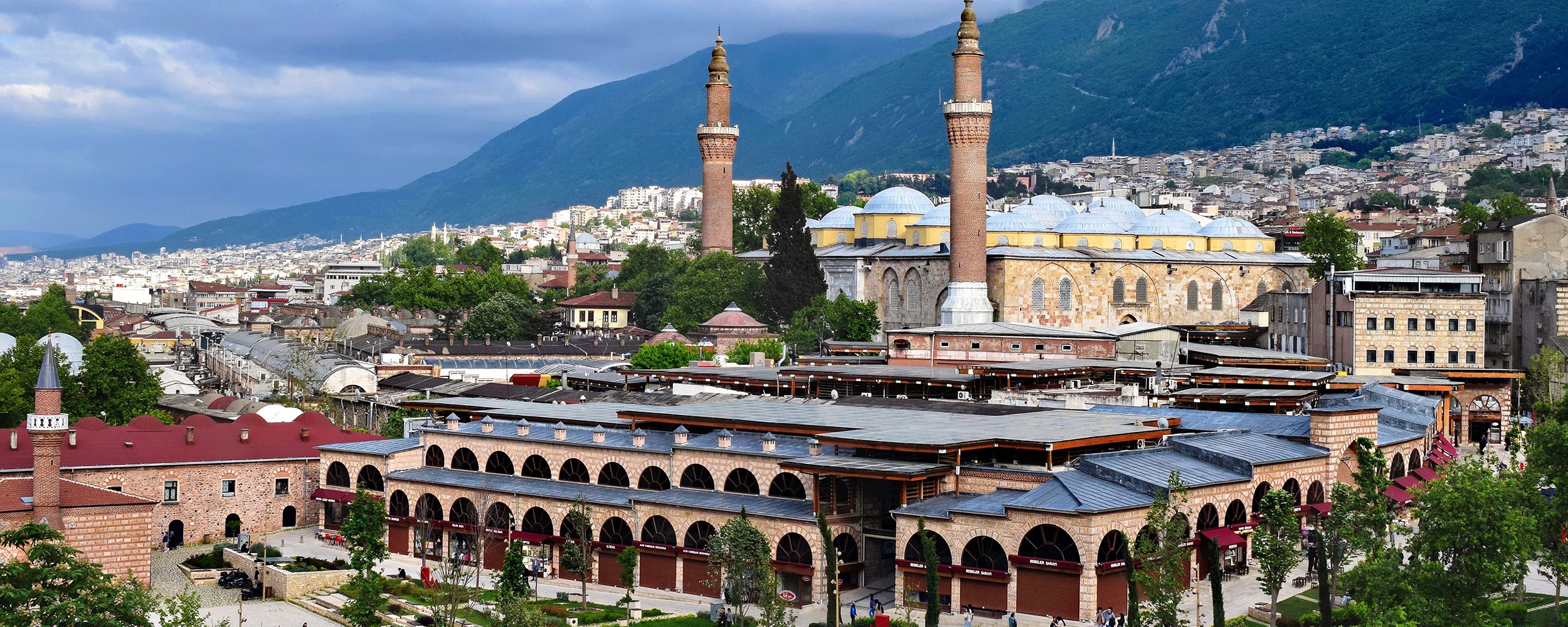
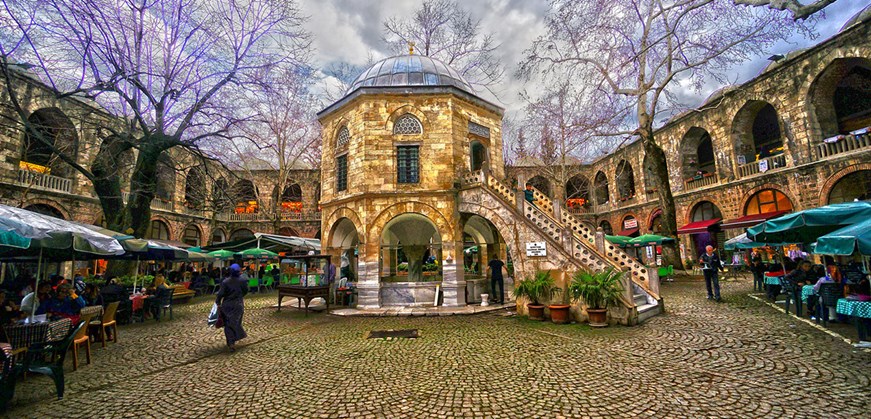
Follow Bursa from ancient Bithynia and Byzantium into the Ottoman capital with archaeological heritage, Tophane, Muradiye, Ulu Cami, Koza Han and the monuments created by the first Ottoman sultans.
Design Your JourneyConnect Bursa with the great archaeological and cultural landscapes of Türkiye.
Travel through Istanbul, Bursa, Safranbolu, Hattusha, Cappadocia, Mount Nemrut, Şanlıurfa, Ephesus, Pamukkale, Pergamon, Troy and Gallipoli.
View Tour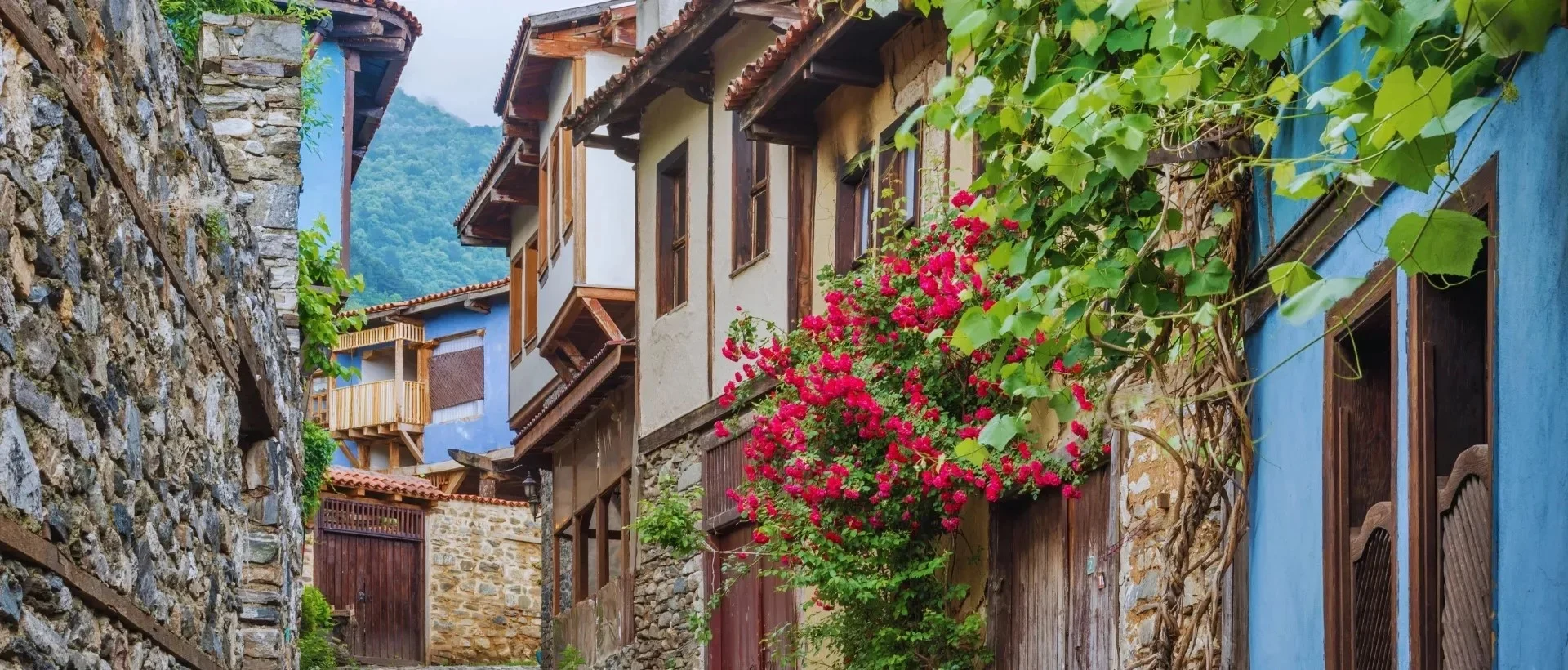
Create a private journey connecting ancient Bursa, archaeological museums, İznik, early Ottoman monuments, Cumalıkızık, historic bazaars, local cuisine and the landscapes surrounding one of Anatolia's great historical cities.
Design Your Journey