Private Kula Food Experience
Share your travel date, interests and group size. We can propose a sensible local route and check any producer access.
Request Your Private Programme





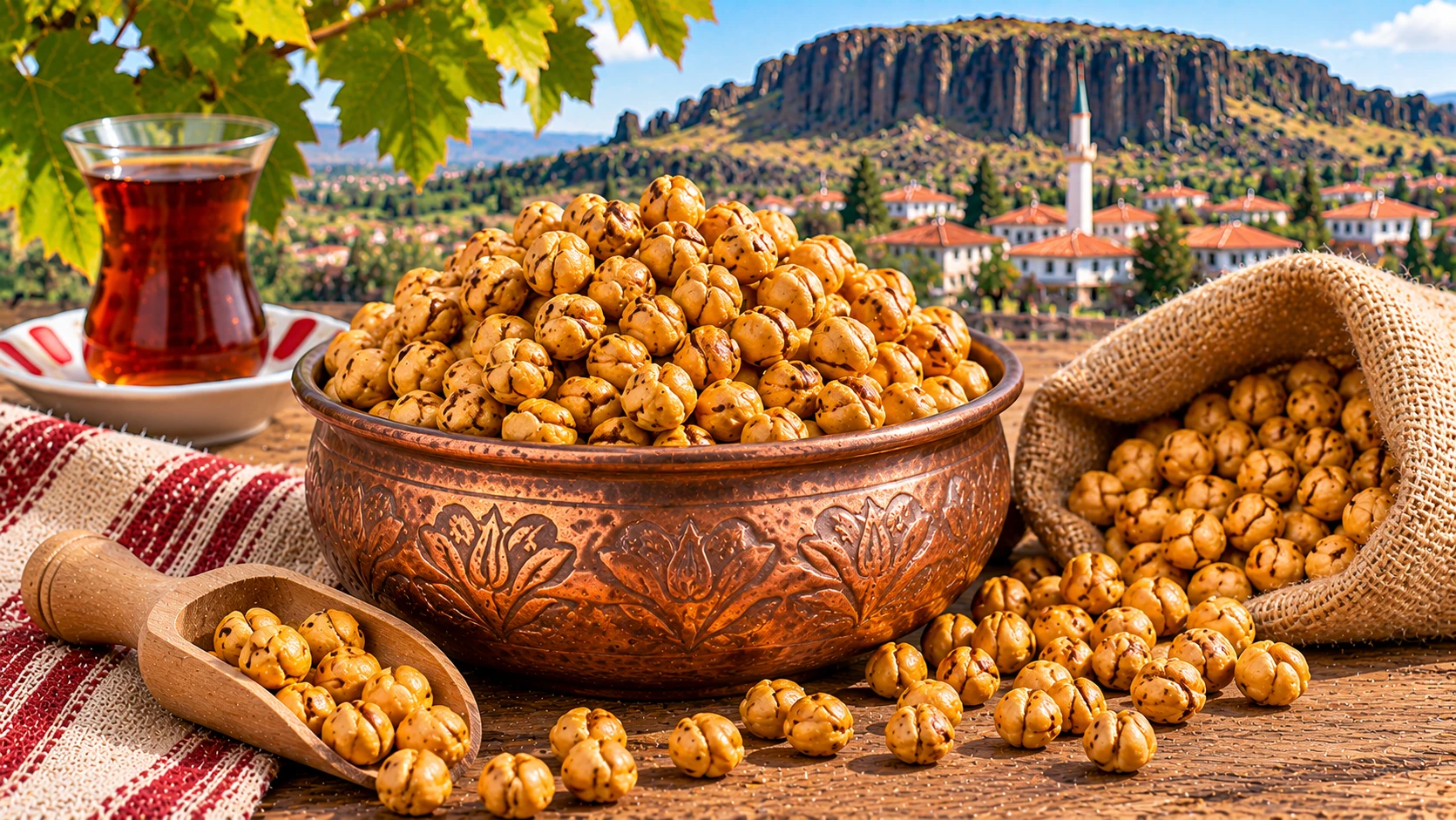
Kula leblebisi is a roasted-chickpea speciality known for the care taken in selecting, heating and resting the chickpeas. It is a durable, portable snack and an important part of Kula’s food identity.
The roasting is more patient than it first appears. Resting stages between heating sessions are part of the process that turns an ordinary chickpea into a crisp travel snack.
Mahreç registration 434 (2019).
Selected chickpeas.
Several roasting and resting stages rather than a single quick toast.
Keep sealed and dry to protect crispness.
Essential context for a meaningful food experience.
Kula, Manisa
Roasted chickpeas
Protected snack
Raw material
Ask locally about availability and season
Turkish GI no. 434
The protected designation Kula Leblebisi received Turkish geographical-indication registration number 434 on 21 June 2019. The registration concerns a defined local roasting tradition, not every packet of generic leblebi on a supermarket shelf.
Kula sits on a historic inland route, and roasted chickpeas suit travellers: they are easy to carry, require no refrigeration while sealed and provide a distinctive alternative to sweets.
The Turkish geographical-indication registry lists Kula Leblebisi under number 434 (Mahreç işareti), registered 2019-06-21.
Good plain leblebi has a dry, crisp bite and a toasted legume aroma. The texture should not be excessively hard or stale.
Salted, sugar-coated or flavoured variations may be sold, but they can make it harder to compare the character of the underlying chickpea. Start with the plain version.
Mahreç registration 434 (2019).
Selected chickpeas.
Several roasting and resting stages rather than a single quick toast.
Keep sealed and dry to protect crispness.
Kula leblebisi links food production with the district’s traditional market life. It makes a practical souvenir alongside a visit to the historic houses and volcanic landscape.
Raw chickpeas are sorted to remove foreign material and unsuitable grains. Traditional production uses successive heating and resting stages, allowing the grain to change gradually before the final roast.
The registered method describes multiple tavlama stages, including resting in breathable sacks or on a suitable surface. These pauses are part of the craft, not idle time; they help control the internal condition of the chickpeas before final heating.
Mahreç registration 434 (2019).
Selected chickpeas.
Several roasting and resting stages rather than a single quick toast.
Keep sealed and dry to protect crispness.
Buy from a seller who can identify the producer and whether the packet bears the protected designation. Freshness, sealed packaging and a clean roasting aroma matter more than brightly coloured coatings.
Reference for the regional method or designation: Official Turkish GI registry. The linked record is provided for checking the details; opening hours and producer availability must be confirmed separately.
Carry a small packet for a walk through historic Kula or a journey into the Kula-Salihli geopark. Leblebi pairs naturally with tea and can be offered in a mixed snack bowl.
Avoid confusing it with nuts: leblebi is made from chickpeas, a legume. Check packaging for added flavourings and possible cross-contact with other allergens.
Start by asking for the simplest or most characteristic preparation. Give yourself time to observe the texture, aroma and serving method, then compare it with one of the related Manisa foods linked below. A short conversation with a producer can be more revealing than collecting several rushed tastings.
Keep it dry after opening. Moisture softens the texture and reduces the crispness that makes the snack appealing.
For a special trip, verify the producer or bakery is open and that the item is available. Seasonal harvests, working-kitchen schedules and festival dates can change; this guide deliberately avoids inventing fixed opening hours or prices.
Photograph the product in its actual context: the market stall, bakery counter, plate or orchard, with the maker’s permission. Do not enter production spaces without approval, and avoid disrupting food handling to stage a picture.
The hero path in this page is a website image reference, not a photograph included in this HTML package. Supply a properly licensed image of the specific food or product before publishing.
Food markets and historic town centres may have steps, narrow pavements or limited seating. If you need a step-free tasting location, confirm the venue’s access arrangements before travelling.
Ingredient and allergen information should come from the actual producer or kitchen. A traditional description cannot guarantee the absence of cross-contact or accommodate individual dietary needs.
For a balanced local food itinerary, follow a leblebi tasting with a fresh şekerli pide or savoury Kula güveci, noticing how the same town offers very different textures and techniques.
The local starting point is Kula in Manisa Province. Use an up-to-date map for the exact shop, producer or market and confirm access before making a special journey.
Continue with this related Manisa guide for a different food tradition or nearby heritage stop. Check actual travel time and opening conditions.
Continue with this related Manisa guide for a different food tradition or nearby heritage stop. Check actual travel time and opening conditions.
Continue with this related Manisa guide for a different food tradition or nearby heritage stop. Check actual travel time and opening conditions.
A traditional roasted-chickpea snack associated with Kula.
Yes. Kula Leblebisi has Turkish GI registration 434, dated 21 June 2019.
Resting helps prepare the chickpeas for later roasting and contributes to the final texture.
No. It is made from chickpeas, which are legumes.
Plain roasted leblebi gives the clearest impression of the chickpea and roasting method.
Keep it in a sealed, dry container and follow any package instructions.
Buy from identifiable producers and ask respectfully about their methods.
Read labels and ask about allergens, preparation and storage.
Do not enter farms, mills, kitchens or workshops without permission.
Order manageable portions and use practical packaging for purchases.
Ask Wow Cappadocia / Venere Travel to plan a private route with licensed guiding where appropriate, realistic travel times and no compulsory shopping stops. Producer visits are subject to availability and permission.
Combine food, culture and history at your own pace.
Share your travel date, interests and group size. We can propose a sensible local route and check any producer access.
Request Your Private Programme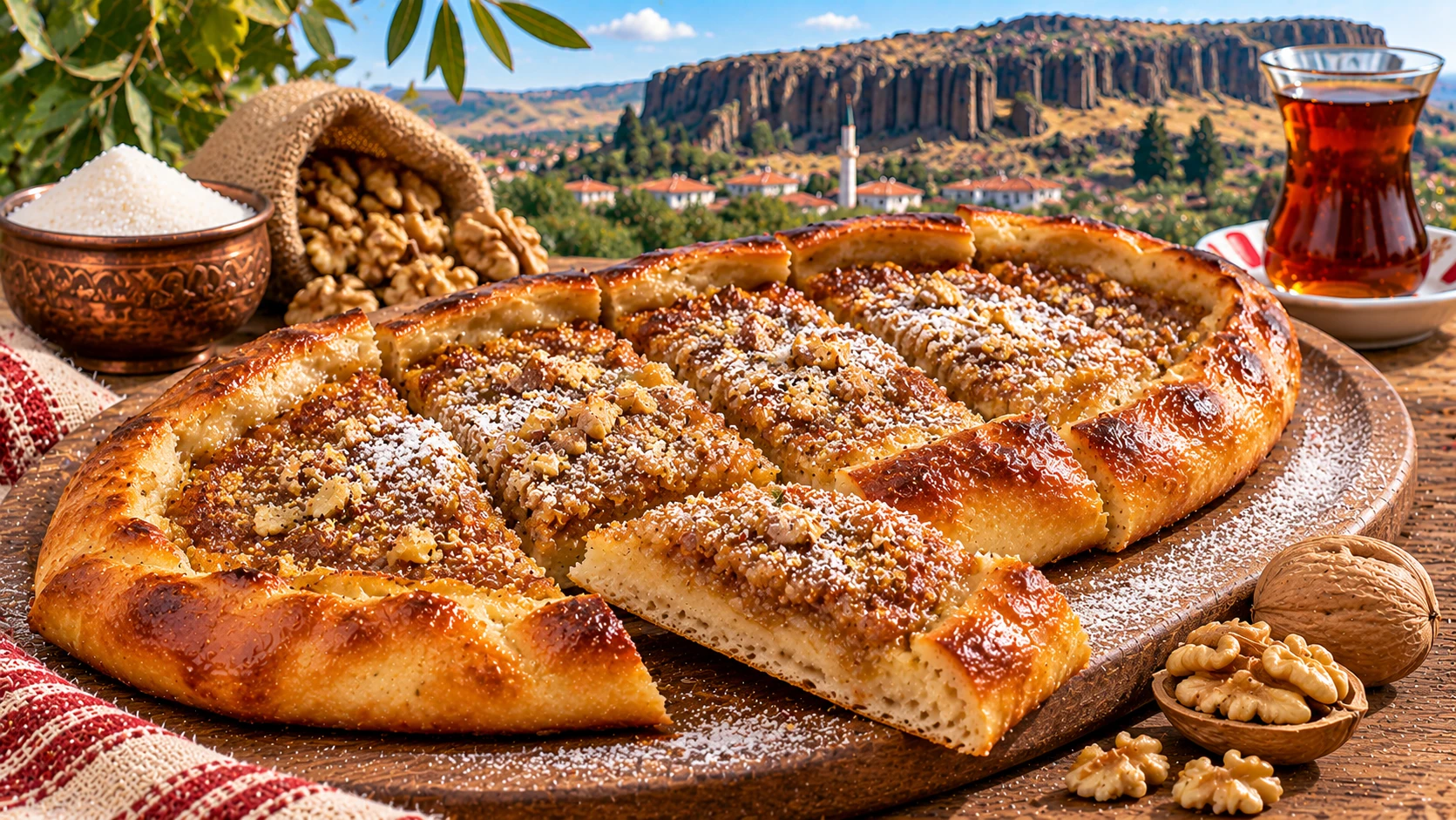
Discover a complementary local food or cultural destination.
Read the Related Guide